Vertical Conveyor Belt: The Quiet Hero of Efficient Material Handling
Imagine a machine that quietly defies gravity every day, moving tons of material upward within a fraction of a warehouse floor space. That's precisely what a vertical conveyor belt does. While it might not grab headlines like robots or drones, its global importance is enormous — moving goods and products upward in everything from manufacturing plants to disaster relief supply lines.
Understanding vertical conveyor belts means appreciating a seemingly simple yet profoundly impactful invention that saves space, time, and money, all while fitting snugly into modern industrial and humanitarian efforts worldwide.
Setting the Stage: Why the Vertical Conveyor Belt Matters Globally
Industrialization and urbanization have reshaped our world, increasing the need for efficient vertical movement of goods. According to ISO standards, vertical conveyors help optimize warehouse throughput by up to 30%. Meanwhile, the World Bank reports that optimized supply chains can reduce logistics costs by roughly 20%, a significant impact for developing economies.
But there’s a catch: traditional horizontal conveyors eat up floor space, which is at a premium in crowded industrial and urban environments. That’s where the vertical conveyor belt solves a problem — climbing vertically without stretching far horizontally. Oddly enough, this simple solution touches industries ranging from e-commerce giants in East Asia to disaster relief teams in remote, mountainous zones.
Mini takeaway:
- Vertical conveyor belts save scarce floor space and improve logistics efficiency.
- They create cost savings critical for both advanced and developing regions.
What Exactly Is a Vertical Conveyor Belt?
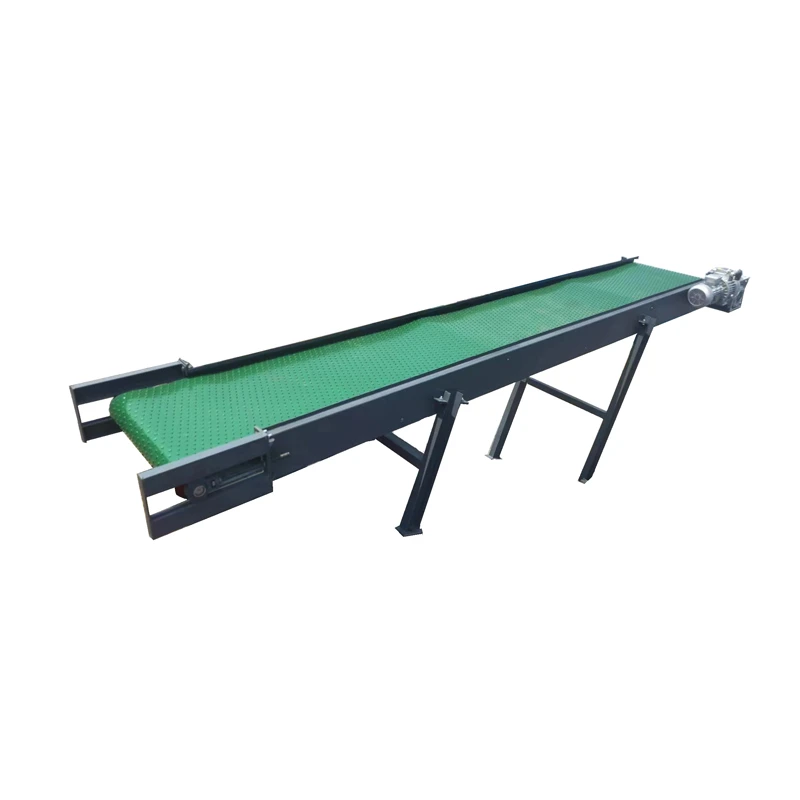
Simply put, a vertical conveyor belt is a system designed to transport materials or packages straight upward, rather than across horizontally. If you think of a typical conveyor belt, add a sturdy ‘frame’ that allows the belt to rise vertically while securely holding the items.
This means you can move goods across multiple floors or from basement to rooftop without the need for elevators or manual labor, making it an invaluable asset in modern industry, warehouses, and even humanitarian supply chains. The modern vertical conveyor belt connects seamlessly to the digital age — sensors and smart controls allow precise, automated operation, reducing human error and improving safety.
Mini takeaway:
- Vertical conveyors lift materials efficiently and safely over several floors.
- Modern systems incorporate automation and smart control features.
Core Components That Make Vertical Conveyor Belts Tick
Durability and Material Quality
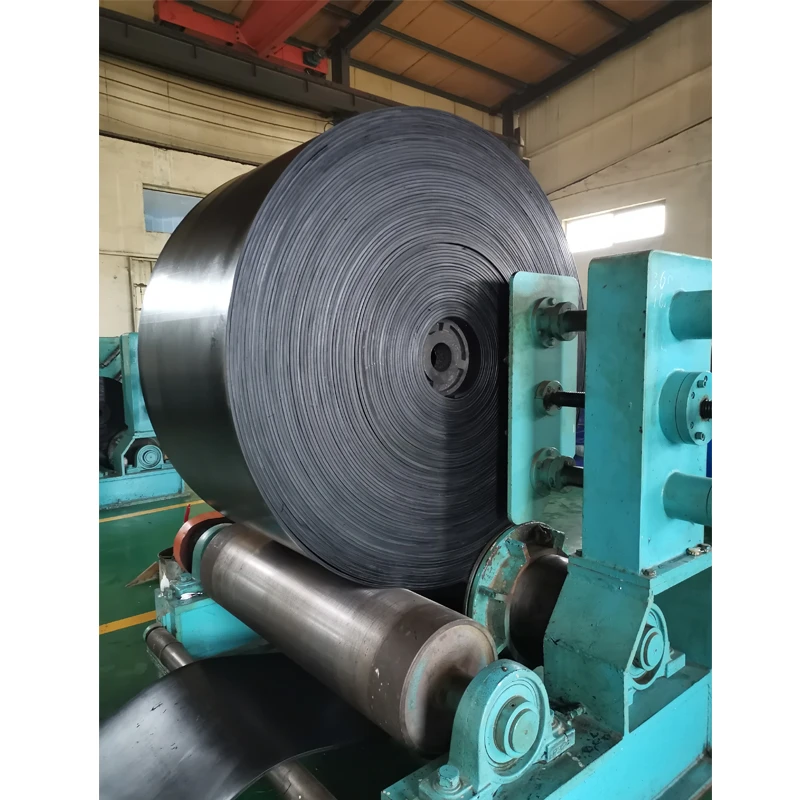
One of the biggest considerations engineers face is durability. A vertical conveyor belt must stand up to continuous use, diverse loads, and sometimes harsh environments. Manufacturers typically use reinforced rubber belts, with steel or heavy-duty nylon webs. Many also incorporate corrosion-resistant frames, which is crucial in humid or industrial atmospheres.
Load Capacity & Scalability
No two businesses have the same volume needs. Some require vertical lifts that handle small packages; others transport bulky crates weighing hundreds of kilos. Vertical conveyor belts come in scalable designs, from compact models for parcels to massive industrial versions that move raw materials like coal or ore. Plus, modular designs make it easier to upgrade capacity or extend height.
Energy Efficiency
Energy consumption might feel like a background issue, but in global supply chains, it’s huge. Many newer vertical conveyor belts feature energy-efficient motors and regenerative braking systems that recover energy when moving heavy loads downward — cutting operational costs and carbon footprints.
Safety Features
Safety can't be an afterthought when handling vertical transportation. Emergency stops, overload sensors, and protective covers all come as standard on most modern units, protecting workers and freight alike.
Control & Automation Integration
As factories and warehouses digitize, vertical conveyor belts are rarely standalone. They often interface with warehouse management systems (WMS) and use smart sensors to optimize speed and load balancing, reducing jams and bottlenecks.
Mini takeaway:
- Durability ensures long-term operation even in tough conditions.
- Energy efficiency and safety make vertical conveyors reliable and cost-effective.
- Automation-ready features support modern supply chain needs.
Vertical Conveyor Belts in the Real World: Applications & Use Cases
In places like Japan and South Korea, where space is tight and factories stack vertically, vertical conveyor belts are bread and butter in electronics manufacturing and e-commerce fulfillment centers. Meanwhile, humanitarian organizations have found them invaluable for moving relief supplies quickly through rough terrain or multi-story storage warehouses following natural disasters.
In Europe’s automaking plants, these systems move parts between assembly lines efficiently. In North America, grocery supply chains use them to streamline packages from storage to delivery vans. Even mining operations in Australia deploy rugged vertical conveyors to lift extracted materials to sorting areas, reducing reliance on truck transportation — which is more expensive and environmentally taxing.
The versatility extends to unconventional uses: hydroponic farms employ vertical conveyors for harvested produce moving up to packing lines, while airports use them in baggage handling systems.
Mini takeaway:
- Vertical conveyor belts serve diverse industries worldwide, from manufacturing to disaster relief.
- They help optimize space and workflow in vertical or cramped environments.
Advantages & Long-Term Value of Vertical Conveyor Belts
From a practical perspective, these systems reduce labor costs and speed up workflows, meaning products hit the market or customers faster. Green-minded companies appreciate that modern vertical conveyors cut energy use while minimizing the need for additional vertical transport options like elevators or manual lifts.
There's also a human element: workers operating vertical conveyors experience fewer injuries and fatigue, which translates to greater workplace dignity and reliability. Beyond saving money, businesses gain trust from clients and community stakeholders by adopting safer, smarter logistics technology.
It’s a rare win-win scenario — logistical efficiency that’s also sustainable and socially responsible.
Product Specification Table
| Specification | Typical Range | Notes |
|---|---|---|
| Load Capacity | 50 kg – 1000+ kg | Varies by belt size & motor power |
| Maximum Vertical Height | Up to 30 meters | Modular frames enable stacking |
| Belt Speed | 0.1 – 1.5 m/s | Adjustable to load type |
| Power Supply | 220-480 V / 3-phase AC | Standard industrial voltage |
| Safety Features | Emergency stops, guards, sensors | Meets ISO 13849 safety standards |
Comparing Key Vendors of Vertical Conveyor Belts
| Vendor | Specialty | Customization | Typical Lead Time | Price Range |
|---|---|---|---|---|
| Alpha Conveyors Inc. | Heavy industrial loads | High—modular builds | 6–8 weeks | $$$ |
| Beta Solutions | Light to medium goods | Medium—some options | 4–6 weeks | $$ |
| Gamma Tech | Automation & smart controls | High—custom software integration | 8–10 weeks | $$$$ |
Innovation on the Horizon: What’s Next for Vertical Conveyor Belts?
Automated warehouses powered by AI? You bet. Vertical conveyor belts are riding the wave of digital transformation, incorporating sensors that self-adjust belt speed, anticipate load changes, or even self-diagnose wear and tear.
Material science is another exciting dimension. Biodegradable or recyclable belt components are being tested as industries aim for sustainability. Some manufacturers experiment with lower-friction rollers and eco-friendly lubricants.
Also, solar-powered or energy recovery systems making vertical conveyors part of green logistics is no longer sci-fi. The future likely blends smart digital controls with sustainable practices — a combo that’s hard to beat.
Challenges and How Experts Are Tackling Them
Tough conditions — extreme temperatures, humidity, or dusty environments — still challenge conveyor reliability. Some vertical belts develop slippage or improper tracking issues that can halt entire production lines.
To counter this, engineers improve belt materials and tracking mechanisms, and integrate predictive maintenance using IoT sensors. Nobody likes sudden downtime, so these smart systems allow proactive repairs before failures.
There's also a push toward universal modularity, so parts and belts can be swapped quickly without expensive custom orders — a feature many say speeds up site installations and repairs.
FAQs about Vertical Conveyor Belts
Q1: What industries benefit most from vertical conveyor belts?
A1: Industries with vertical space constraints, such as e-commerce fulfillment centers, food processing, mining, and disaster relief logistics, benefit significantly. They provide efficient vertical transport, saving floor space and labor costs.
Q2: How long does a typical vertical conveyor belt last?
A2: With proper maintenance, high-quality vertical conveyor belts can last 10–15 years. Lifespan depends on factors like load, environment, and maintenance schedules.
Q3: Are vertical conveyor belts energy efficient?
A3: Modern systems often include energy-saving motors and regenerative braking. This reduces energy consumption substantially compared to older models or alternative vertical transport methods.
Q4: Can vertical conveyor belts be customized for specific applications?
A4: Absolutely. Vendors typically offer modular components, different belt materials, and smart automation tailored to the client’s unique needs, including size, speed, and safety features.
Q5: How can companies ensure safety with vertical conveyor belts?
A5: Safety is maintained through built-in emergency stop functions, load sensors, safety guards, and compliance with international safety standards like ISO 13849.
Wrapping It Up: Why Businesses Should Take Vertical Conveyor Belts Seriously
Vertical conveyor belts might seem like an under-the-radar piece of equipment, but they’re central to modernizing logistics and industrial workflows. They cut costs, save space, and improve safety — a triple win in global industries stretched for efficiency and sustainability.
Whether in a cutting-edge manufacturing plant or a makeshift supply hub after a catastrophe, these conveyors keep the flow going. If you want to learn more or explore tailored solutions, head over to our website and see what vertical conveyor belts can do for your operation.
Final mini takeaway:
- Vertical conveyor belts combine technology, efficiency, and sustainability.
- They remain a vital tool in both mature and emerging markets worldwide.