Understanding Material Transfer Conveyor Systems
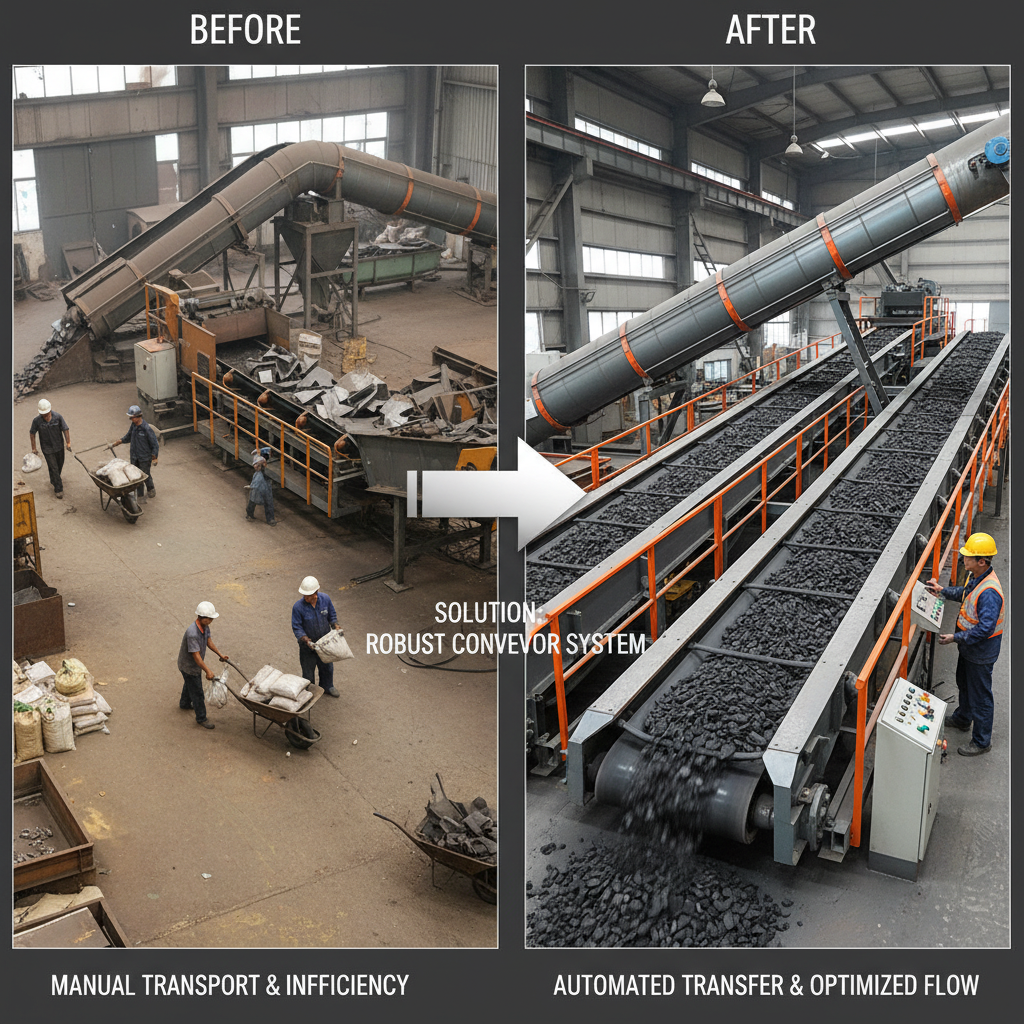
In modern logistics and industrial operations, efficient material handling is paramount. A material transfer conveyor system is a cornerstone of streamlined processes, moving goods swiftly and safely between different stages of production or distribution. This article will provide a comprehensive overview of these systems, exploring their types, benefits, applications, and considerations for selecting the right solution for your needs. Investing in a well-designed material transfer conveyor can significantly boost productivity and reduce operational costs.
Types of Material Transfer Conveyor Systems
There's a diverse range of material transfer conveyor systems available, each suited to specific material characteristics and operational requirements. Common types include:
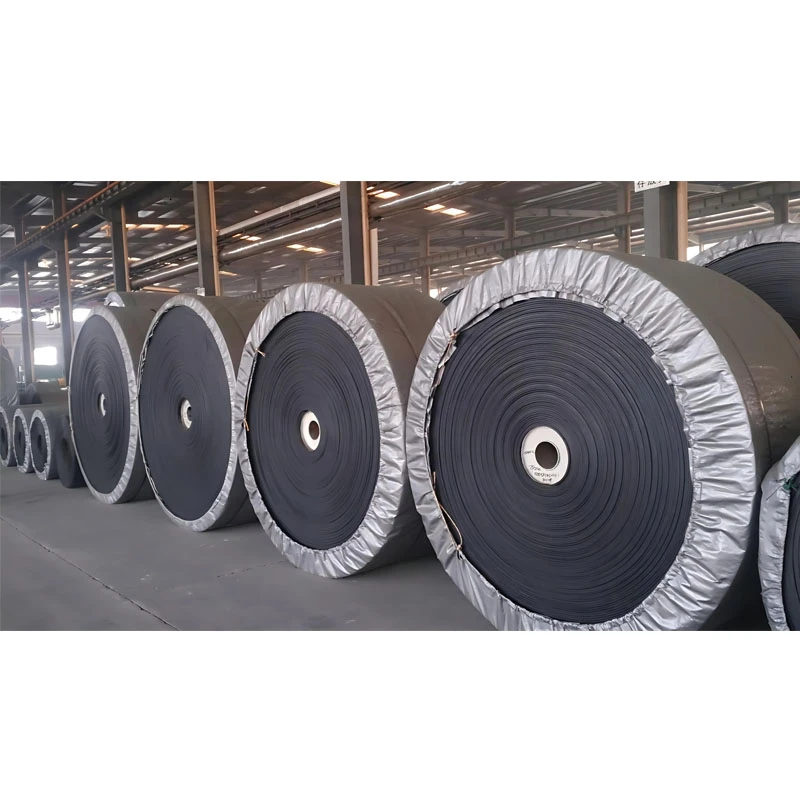
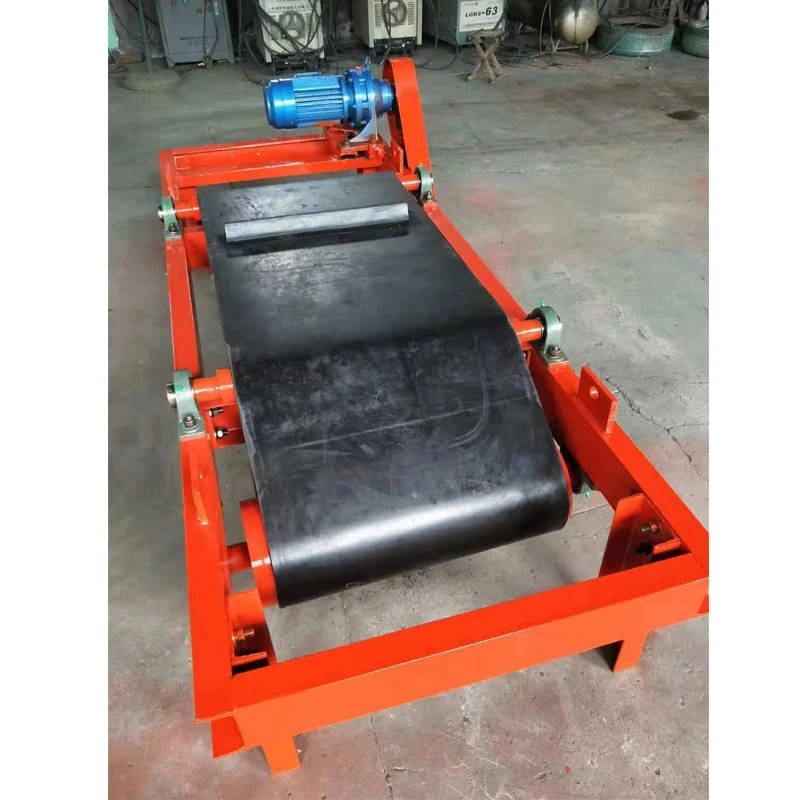
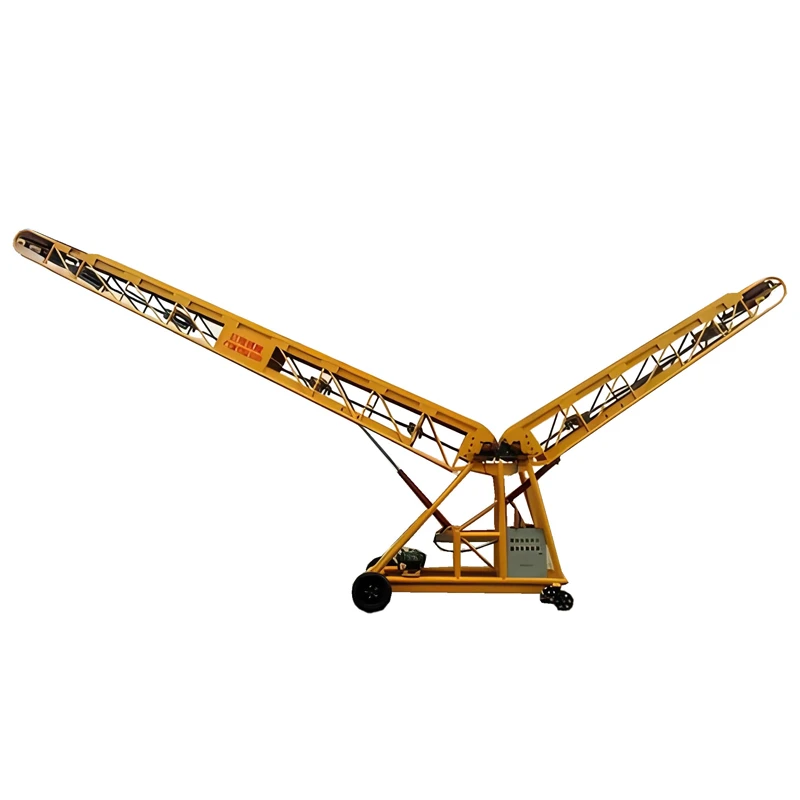
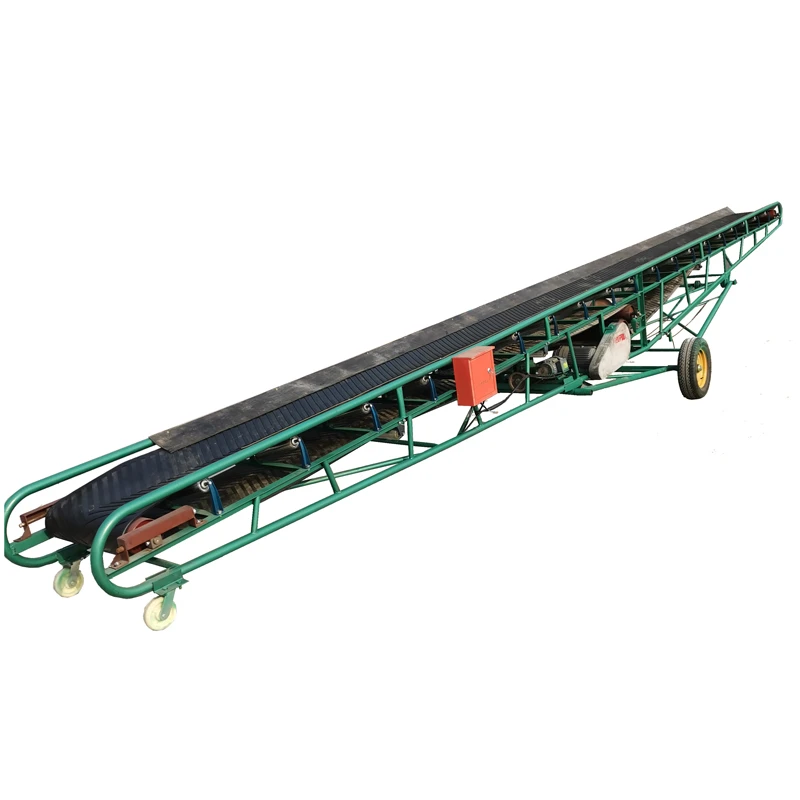
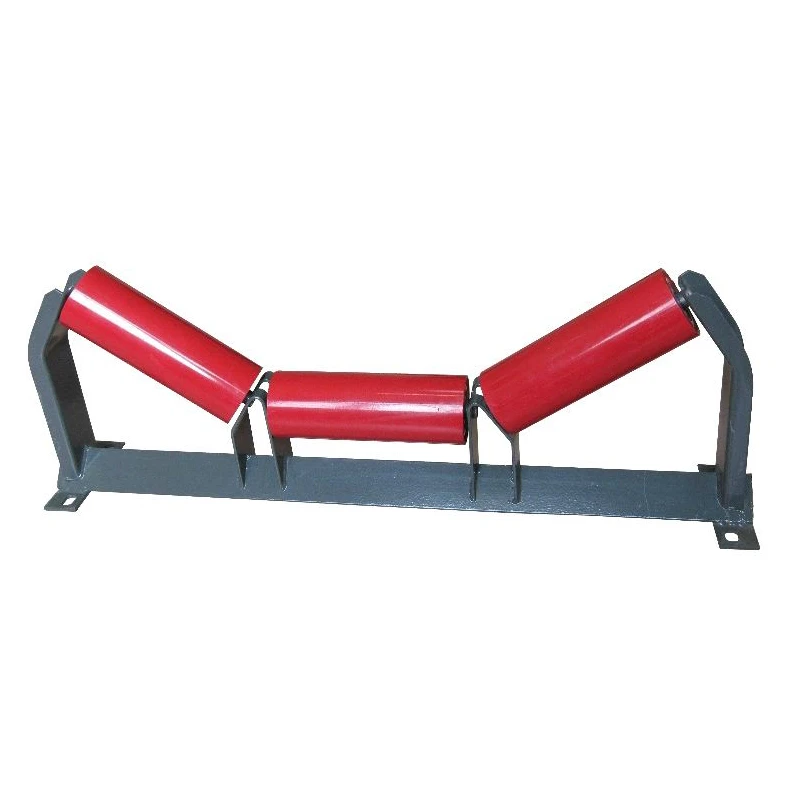
- Belt Conveyors: Ideal for handling a wide variety of materials, from bulk solids to packaged goods.
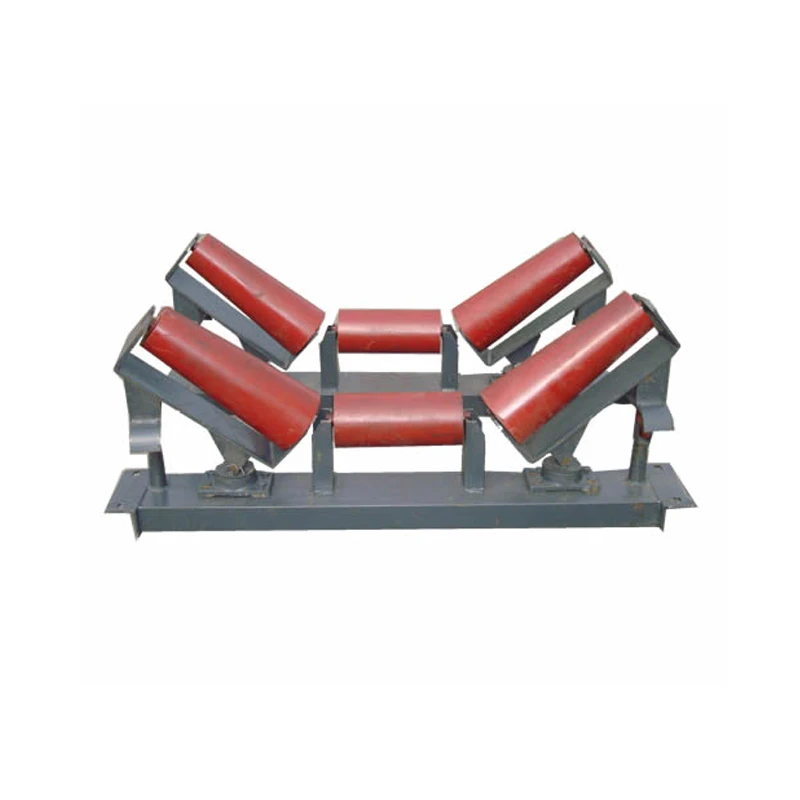
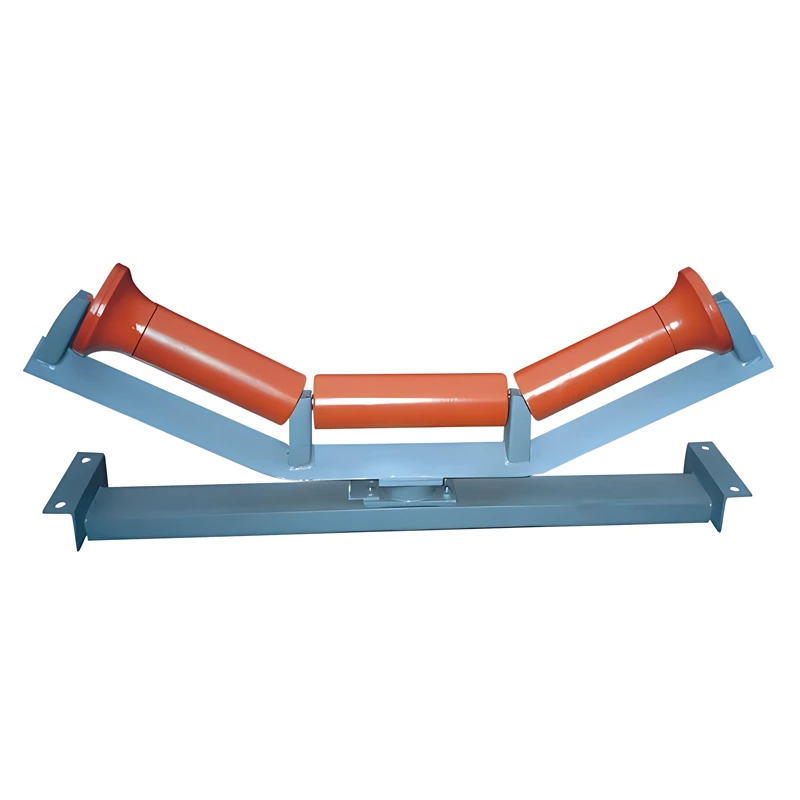
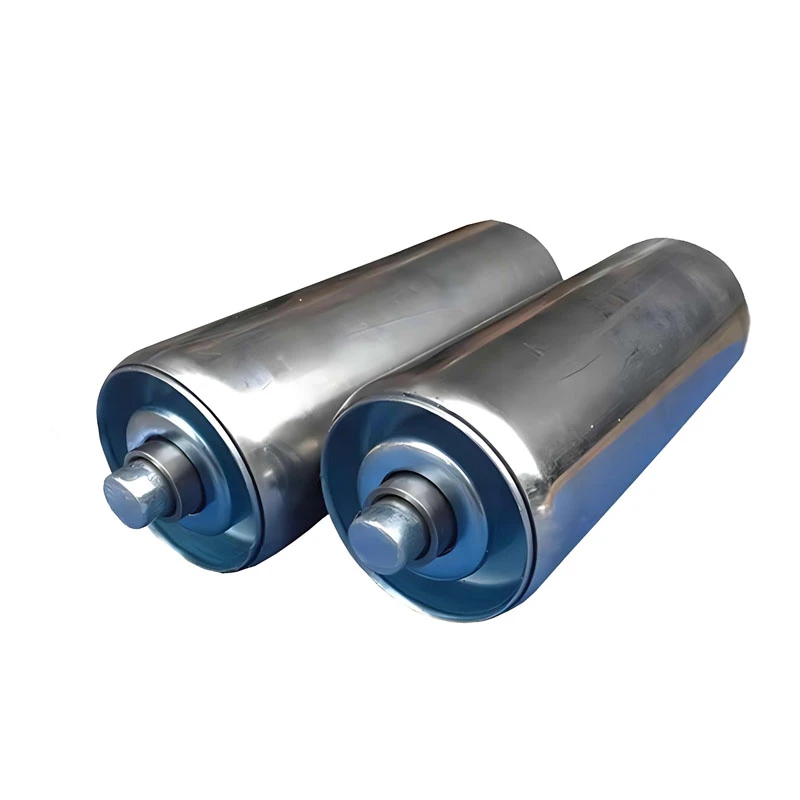
- Roller Conveyors: Well-suited for moving boxes, pallets, and other items with a rigid base.
- Chain Conveyors: Capable of handling heavy loads and operating in harsh environments.
- Screw Conveyors: Efficient for moving bulk materials horizontally or at an incline.
- Overhead Conveyors: Save floor space and are ideal for assembly lines and painting processes.
- Vertical Conveyors: Designed to move materials between different levels.
The selection of the appropriate system depends on factors such as the weight, size, and fragility of the materials, the distance of transport, and the layout of the facility.
The Benefits of Implementing a Conveyor System
Integrating a material transfer conveyor system delivers significant advantages for businesses. These include:
- Increased Efficiency: Automated material handling reduces manual labor and speeds up the movement of goods.
- Reduced Costs: Lower labor costs, minimized product damage, and improved space utilization contribute to cost savings.
- Enhanced Safety: Conveyors minimize the risk of worker injuries associated with manual lifting and carrying.
- Improved Throughput: Faster material flow leads to increased production capacity.
- Greater Reliability: Well-maintained conveyor systems provide consistent and dependable performance.
- Space Optimization: Overhead and vertical conveyors allow for efficient use of floor space.
Key Takeaway: A well-implemented conveyor system isn’t just about moving materials; it’s about optimizing your entire operational workflow for greater efficiency and profitability.
Material Transfer Conveyor Applications Across Industries
The versatility of material transfer conveyor systems makes them indispensable across various sectors. Here are some prominent examples:
- Manufacturing: Assembly lines, parts handling, and finished goods distribution.
- Logistics & Warehousing: Sorting, order fulfillment, and parcel handling.
- Food Processing: Moving ingredients, packaged products, and handling sanitary materials.
- Mining & Aggregates: Bulk material handling, transporting ore, and aggregate processing.
- Automotive: Component handling, vehicle assembly, and parts distribution.
- Airport Baggage Handling: Efficiently moving luggage through terminals and sorting facilities.
Each industry has specific needs, which is why customization options are crucial when selecting a conveyor system. HG Conveyor Belt specializes in tailoring solutions to meet diverse industrial challenges.
Comparing Common Conveyor Types: A Detailed Look
Choosing the right conveyor type requires careful consideration. Here's a comparison of some popular options:
Choosing the Right Material Transfer Conveyor: Key Considerations
Selecting the optimal material transfer conveyor system requires careful planning. Here are some essential factors to consider:
- Material Characteristics: Weight, size, shape, fragility, and abrasiveness.
- Throughput Requirements: The volume of materials that need to be moved per hour.
- Distance and Elevation: The length of the conveyor run and any vertical changes.
- Layout Constraints: Available floor space and existing infrastructure.
- Budget: Initial investment costs and ongoing maintenance expenses.
- Maintenance Requirements: Ease of maintenance and availability of spare parts.
Conclusion: Optimizing Your Operations with the Right Conveyor System
Investing in a material transfer conveyor system is a strategic move that can significantly enhance your operational efficiency, reduce costs, and improve workplace safety. By carefully assessing your needs and partnering with a reputable supplier like HG Conveyor Belt, you can ensure a successful implementation that delivers long-term benefits.
Frequently Asked Questions (FAQs)
What maintenance is required for a material transfer conveyor system?
Regular maintenance is crucial for ensuring the longevity and reliability of your conveyor system. This includes routine inspections for wear and tear, lubrication of moving parts, belt tracking adjustments, and cleaning to remove debris. Preventive maintenance schedules should be established based on the system's usage and the manufacturer's recommendations. Addressing minor issues promptly can prevent costly breakdowns and downtime. HG Conveyor Belt offers comprehensive maintenance services to keep your system running smoothly.
How do I determine the correct conveyor belt material?
The choice of belt material depends heavily on the type of material being conveyed. Factors to consider include abrasion resistance, chemical compatibility, temperature range, and load capacity. For abrasive materials, a durable rubber or polyurethane belt is recommended. For oily or chemical environments, a belt resistant to those substances is essential. HG Conveyor Belt's team of experts can help you select the optimal belt material for your specific application.
What safety features should I look for in a conveyor system?
Safety is paramount. Essential safety features include emergency stop buttons readily accessible along the conveyor length, guards to prevent accidental contact with moving parts, and safety sensors to detect jams or obstructions. Proper signage and training for operators are also crucial. Look for conveyors that comply with relevant safety standards and regulations. HG Conveyor Belt prioritizes safety in all of its designs and installations.