Understanding Paternoster Conveyors: A Comprehensive Guide
Paternoster conveyors, also known as continuous vertical conveyors, are a unique and efficient material handling solution. They are particularly valuable in industries requiring continuous movement of goods between different levels. This article provides an in-depth look at paternoster conveyors, covering their principles, applications, advantages, disadvantages, and key considerations for implementation. Understanding these systems is crucial for optimizing material flow and improving operational efficiency.
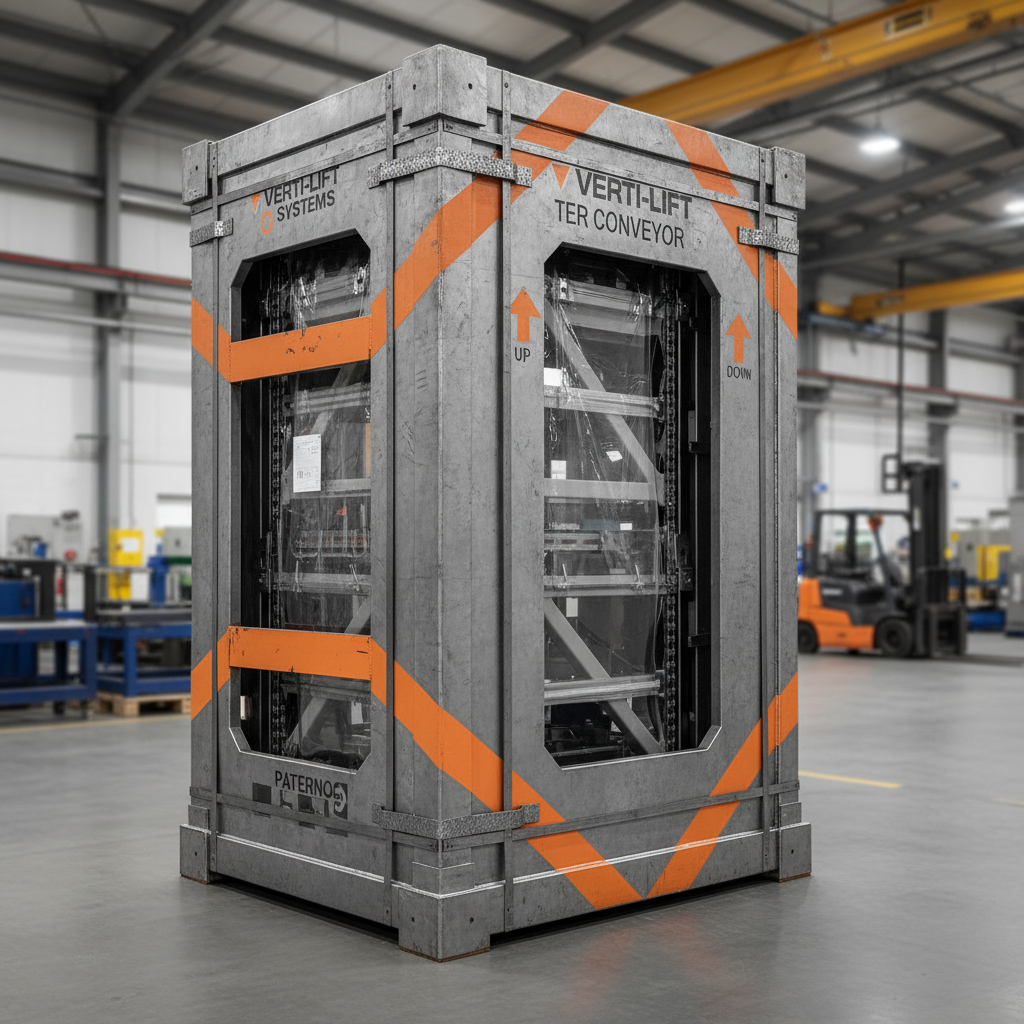
How Do Paternoster Conveyors Work?
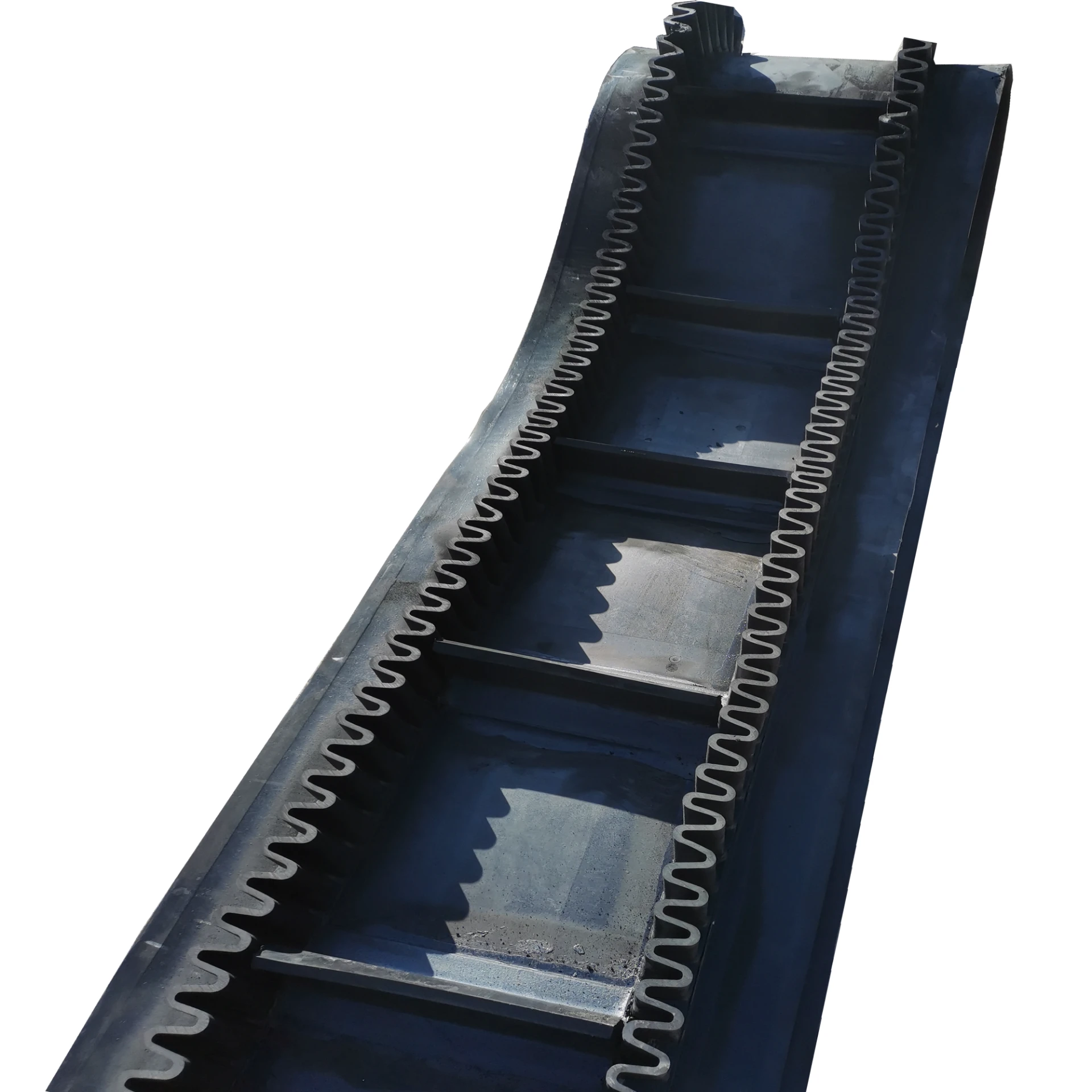
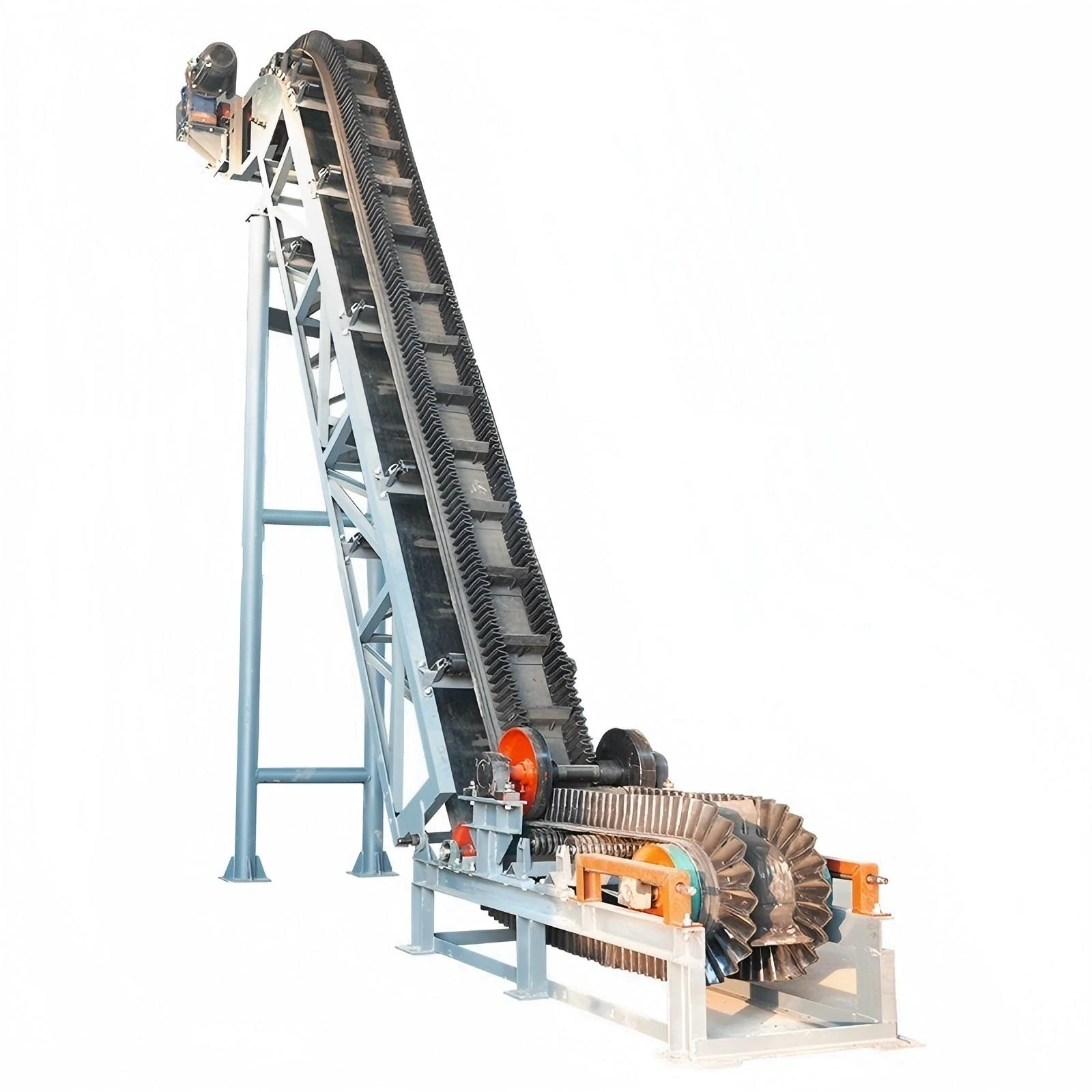
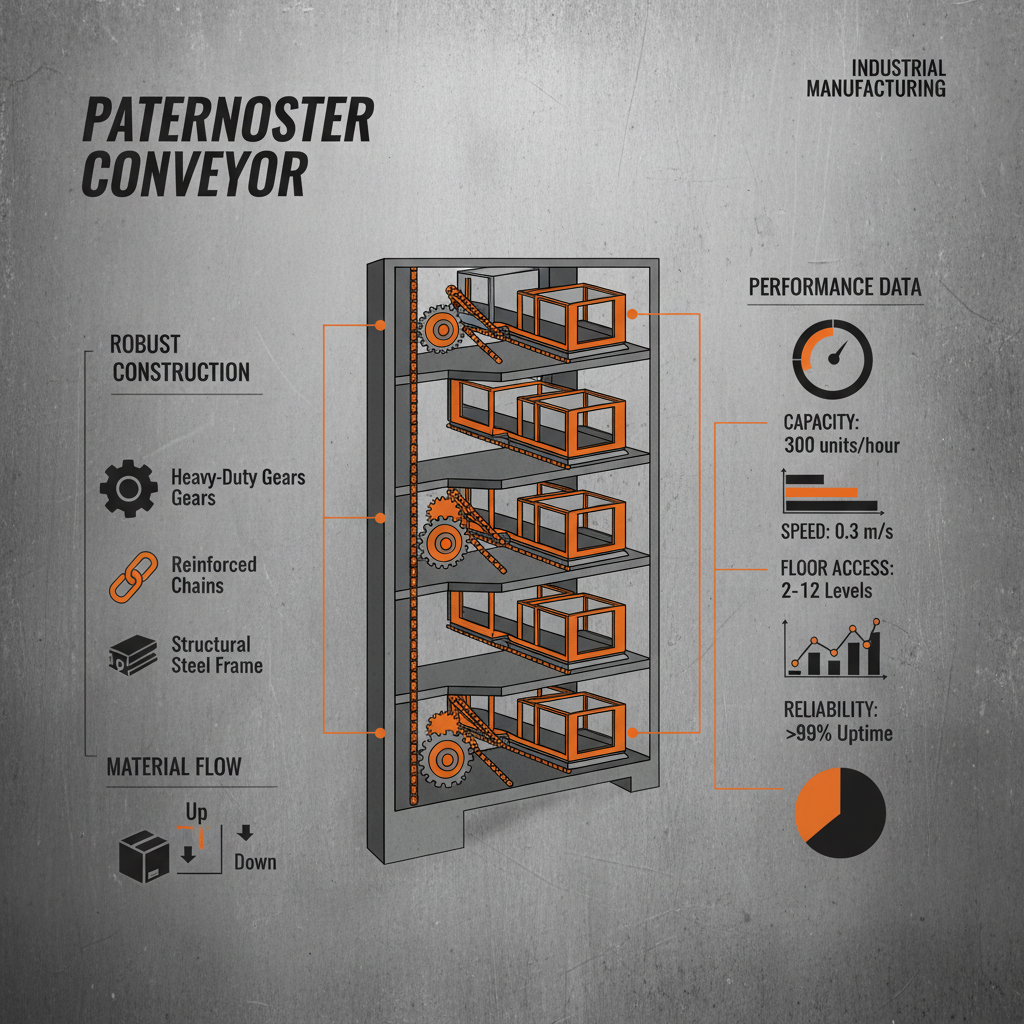
At their core, paternoster conveyors consist of a continuous loop of carriers (pans, trays, or buckets) attached to a chain or belt. This loop travels vertically within a closed frame. Loads are placed onto the carriers as they pass by loading stations on lower levels, and are discharged at unloading stations on higher levels. The continuous movement ensures a steady flow of materials. The speed of the conveyor is adjustable, allowing optimization for different product types and throughput requirements. Importantly, safety features such as enclosed frames and speed controls are essential components of a well-designed paternoster conveyor system.
Industries Utilizing Paternoster Conveyors
Paternoster conveyors find application across a diverse range of industries. The food processing industry utilizes them for moving ingredients and finished products. The automotive sector employs them for parts handling during assembly processes. Pharmaceutical companies use them to transport medications and packaging materials. Other sectors include printing, textiles, and logistics. Their ability to handle a variety of products, from small components to packaged goods, makes them incredibly versatile. The benefits of paternoster conveyors in these industries include reduced labor costs, improved throughput, and enhanced safety.
Key Benefit: Continuous material flow eliminates the need for stopping and starting, increasing overall efficiency.
Paternoster Conveyor Advantages and Disadvantages
Like any material handling system, paternoster conveyors have both advantages and disadvantages. Advantages include high throughput, minimal floor space usage, gentle handling of products, and reduced labor requirements. They also offer a consistent flow of materials, leading to smoother production processes. However, disadvantages include limited flexibility (difficult to reroute), potential safety concerns if not properly guarded, and the inability to handle irregular-shaped items easily. Careful consideration of these factors is crucial when deciding if a paternoster conveyor is the right solution for your needs.
Key Considerations When Selecting a Paternoster Conveyor
Before investing in a paternoster conveyor, several factors must be considered. The type of product being handled (size, weight, shape) will dictate the carrier design. The required throughput will determine the conveyor's speed and width. The layout of your facility will influence the conveyor's height and configuration. Crucially, safety features – including enclosures, emergency stops, and speed control – are paramount. Working with a reputable supplier like HG Conveyor Belt ensures you receive a system tailored to your specific needs and adheres to the highest safety standards.
Maintenance and Safety Best Practices
Regular maintenance is essential for ensuring the longevity and safe operation of a paternoster conveyor. This includes lubricating chains and bearings, inspecting carriers for wear and tear, and checking safety devices. Employees should be thoroughly trained on safe operating procedures, including emergency stop procedures and proper loading/unloading techniques. Adhering to a preventative maintenance schedule, and immediately addressing any identified issues, will minimize downtime and prevent accidents. HG Conveyor Belt offers comprehensive maintenance services and support to help you keep your system running smoothly.
Conclusion: Maximizing Efficiency with Paternoster Conveyors
The paternoster conveyor represents a powerful solution for vertical material handling. By understanding its principles, advantages, and limitations, you can determine if it’s the right fit for your operations. Prioritizing safety and implementing a robust maintenance plan are critical for maximizing its efficiency and ensuring long-term reliability.
Frequently Asked Questions (FAQs)
What types of products are best suited for paternoster conveyors?
Paternoster conveyors excel at handling unit loads like packaged goods, cartons, totes, and containers. They are most effective with products that have a relatively flat base and can be stably supported by the carriers. While they can handle some irregular shapes, it's best to avoid items that are prone to tipping or require delicate handling. Products that need consistent orientation during transport also benefit from using a paternoster conveyor. Consider the product characteristics carefully when assessing suitability for this type of system.
What safety features are essential for a paternoster conveyor?
Safety is paramount. Essential features include a fully enclosed frame to prevent access to moving parts, emergency stop buttons readily accessible along the conveyor's path, and speed control to adjust the conveyor's pace. Load sensors can prevent overloading, and interlocks can ensure the conveyor stops if access doors are opened. Regular safety inspections and employee training are also crucial components of a safe operating environment.
How much maintenance does a paternoster conveyor require?
Paternoster conveyors require regular, but manageable, maintenance. Key tasks include lubricating chains and bearings, inspecting carriers for wear and damage, checking the tension of the chain or belt, and verifying the proper operation of safety devices. A preventative maintenance schedule is highly recommended to address potential issues before they lead to downtime. The frequency of maintenance will depend on the conveyor's usage and the environment in which it operates.
Can paternoster conveyors be customized to fit specific needs?
Absolutely. Paternoster conveyors are often customized to meet specific application requirements. Customizations can include the size and type of carriers, the conveyor's height and width, the addition of loading and unloading stations, and the integration of automation features. Manufacturers like HG Conveyor Belt work closely with clients to design and build systems that perfectly match their needs and facility layout.