- Tel: +8615128135888
- Email: hg@chinaconveyerbelt.com

Warehouse Telescopic Conveyor

Belt width: B500-B1000, Other sizes can be customized.
Length: Customized according to the project site design.
Supporting conveyor belt materials: EP \ NN \ CC56 \ PVC \ PU, etc., can be selected.
Smooth transportation, good quality, and affordable price.
The working principle of the telescopic belt conveyor (also known as the telescopic loading machine) is to connect the conveyor belt (or steel wire rope) into a closed ring and use a tensioning device to tighten it.
Under the drive of the electric motor, the friction between the conveyor belt and the driving drum is used to continuously operate the conveyor belt, thereby achieving the purpose of transporting goods from the loading end to the unloading end.
The positioning conveyor of the telescopic belt conveyor is mainly suitable for loading and unloading bagged goods weighing around 10-60 kilograms. Features of the telescopic belt conveyor: 1. This conveyor only requires 2 people to move freely to different work locations. 2. Push directly into the interior of the carriage and conduct operations up to a depth of about 10 meters. 3. When operating this conveyor, it only requires manual close range dragging of goods to complete the task. It can load and unload goods in a forward direction and in a reverse direction, with a loading and unloading efficiency of about 30 pieces of goods per minute. 4. According to the homework requirements, the conveyor operation position can be adjusted in multiple directions, using a unique mechanical arm hydraulic device, which can be raised up to 4 meters and lowered to 2 meters, solving problems such as difficult stacking of heavy goods.
The functions of the telescopic conveyor mainly include the following aspects:
Shortening manual handling distance: The use of telescopic conveyors greatly shortens the distance for manual back and forth handling of materials, reducing the labor intensity of movers.
Improving work efficiency: Through automated production, the loading and unloading time of trucks has been shortened, the damage rate of goods has been reduced, the loading and unloading costs and human resource costs of enterprises have been lowered, and the work efficiency of employees has been improved.
Adapting to different needs: The telescopic conve
yor can freely expand and contract in the length direction, and the length of the conveyor can be controlled at any time. It is suitable for various industrial enterprises, especially widely used in industries such as tobacco, logistics, and e-commerce.
Bidirectional operation: The telescopic conveyor can achieve bidirectional operation to transport materials, making it a dual-use machine for loading and unloading.
Reduce product damage: By reducing manual handling, the rate of product damage has been lowered.
How Does a Telescopic Conveyor Revolutionize Warehouse Loading Operations?
The telescopic conveyor has transformed modern warehouse logistics by delivering unmatched flexibility, efficiency, and precision in material handling. Unlike fixed conveyors, telescopic systems extend directly into trucks or containers, enabling operators to transfer goods seamlessly from the warehouse floor to transport vehicles. This capability significantly reduces manual labor, shortens loading times, and ensures consistent handling of various cargo types, from parcels and cartons to palletized products. With the increasing demands of e-commerce, express delivery, and global supply chains, a telescopic conveyor is no longer a luxury—it is a necessity for operations that prioritize speed and accuracy.At Hebei Roule Conveyor Machinery Manufacturing Co., Ltd., we have over a decade of experience designing and producing industrial-grade conveyors. Our telescopic systems are engineered with high-tensile steel frames, reinforced rollers, and precision drive mechanisms that ensure smooth operation under heavy loads. The extendable design allows for precise length adjustment to match truck size, docking height, and cargo volume, minimizing idle time and maximizing throughput. By integrating variable-speed motors and smooth extension-retraction mechanisms, the conveyor reduces vibrations and potential product damage, delivering a reliable and consistent transfer process.The system’s mobility also supports ergonomic operation. Operators can position the conveyor exactly where it is needed, reducing unnecessary walking and bending. The extendable conveyor enhances workplace safety by minimizing manual lifting and repetitive motions, thereby decreasing fatigue and risk of injury. Additionally, the lightweight yet durable construction allows warehouses to reposition the equipment easily, enabling multi-dock or multi-vehicle operations without the need for multiple fixed conveyors.Moreover, telescopic conveyors optimize energy consumption. Advanced motor systems adjust power use according to load and speed, ensuring efficient operation while minimizing wear and energy costs. Sensors and automated stop functions prevent overextension and overloads, protecting both the machinery and the cargo. These features combine to create a system that not only accelerates loading operations but also promotes long-term operational sustainability.In industries where precision, speed, and safety are paramount, a telescopic conveyor represents a strategic investment. It streamlines workflow, increases throughput, and reduces operational costs while providing the flexibility to adapt to dynamic logistics demands. By partnering with experienced manufacturers like Hebei Roule, businesses gain access to customized configurations, quality assurance, and ongoing technical support—ensuring that the telescopic conveyor becomes a cornerstone of their warehouse efficiency strategy.
Why Is a Telescopic Belt Conveyor Crucial for Safe and Efficient Truck Loading?
The telescopic belt conveyor is uniquely suited for truck loading and unloading because it combines automation, ergonomic design, and operational safety. In modern logistics centers, where high throughput and rapid turnover are essential, this conveyor type enables precise cargo transfer while minimizing human intervention. By bringing the belt directly into the truck or container, the system reduces the need for repeated lifting, bending, and manual carrying—tasks that can lead to fatigue, injuries, and inconsistent loading quality. The telescopic conveyor for truck loading integrates modular sections that extend smoothly and retract when not in use, allowing operators to work safely and efficiently across multiple dock positions.Hebei Roule’s telescopic belt conveyors are engineered with operator-friendly features that emphasize both safety and productivity. Adjustable belt speeds, programmable extension lengths, and intuitive control panels allow workers to manage cargo flow precisely. Many models incorporate emergency-stop systems, overload sensors, and anti-slip rollers, which prevent accidents and damage to goods. The combination of mechanical reliability and ergonomic design ensures that warehouses can maintain high-speed operations without compromising workforce safety or quality standards.Beyond safety, telescopic belt conveyors improve operational efficiency by reducing idle time. Traditional loading methods require personnel to carry packages across long distances, whereas a telescopic belt conveyor minimizes walking and material handling. This efficiency is amplified when handling high-volume or bulk shipments, as the conveyor can be extended deep into trucks, allowing complete vehicle loading in a single pass. The system also supports diverse cargo types, from boxes and pallets to irregularly shaped materials, with minimal adjustments required
Another benefit is adaptability. Roule’s telescopic belt conveyors can be customized with different belt materials, widths, and incline options, making them compatible with various warehouse layouts and truck types. They can also integrate with automated sorting or scanning systems, forming part of a larger intelligent logistics network. This adaptability ensures that as operational demands evolve, the conveyor remains an effective and scalable solution.The telescopic belt conveyor represents a balance of speed, safety, and efficiency. By reducing physical strain on workers, ensuring consistent cargo handling, and optimizing workflow, it has become an indispensable tool for modern distribution centers. Investing in a reliable system from Hebei Roule guarantees not only superior performance but also long-term operational stability, helping companies meet the growing demands of today’s fast-paced logistics industry.
How Does a Telescopic Conveyor System Enable Customizable Warehouse Solutions?
The telescopic roller conveyor and broader telescopic conveyor system offer warehouses a level of flexibility and customization unmatched by traditional fixed conveyors. Every warehouse has unique spatial constraints, cargo types, and workflow requirements, and a modular telescopic system can be configured to meet these specific needs. From extending to accommodate long vehicles to adjusting height and incline angles, these systems allow operators to optimize every loading and unloading operation. HG has leveraged years of engineering experience to create conveyors that combine robustness, adaptability, and user-centric design.Customizability is at the core of modern warehouse operations. Telescopic conveyor systems can be designed with multiple extensions, powered or gravity-fed rollers, and variable belt materials to suit different cargo types. Optional features such as height-adjustable supports, sensor-assisted alignment, and automated speed control allow warehouses to maintain uniform throughput while reducing manual intervention. These configurations are particularly valuable in high-volume operations, where precision and repeatability are essential. A mobile telescopic conveyor can even be relocated between docks or production lines, enhancing operational flexibility and reducing the need for multiple dedicated systems.Sustainability and future-readiness are additional advantages. Telescopic conveyor systems are energy-efficient, utilizing motors that adjust to load requirements and minimize idle energy consumption. Their modular construction also facilitates maintenance, as sections can be serviced or replaced independently, reducing downtime and extending system life. Integration with warehouse management software and automated logistics systems allows real-time monitoring, predictive maintenance, and streamlined process control. This level of intelligence transforms the telescopic conveyor from a simple mechanical device into a central component of a smart warehouse ecosystem.A telescopic conveyor system embodies adaptability, efficiency, and operational foresight. By offering modularity, ergonomic design, and intelligent integration, it allows warehouses to scale operations, reduce labor dependency, and optimize workflow for a wide range of cargo types. For companies seeking long-term value, Hebei Roule’s telescopic conveyors provide a reliable, customizable, and future-ready solution capable of meeting the evolving demands of modern logistics and supply chain management.
What Is a Telescopic Belt Conveyor and How Does It Work?
A telescopic belt conveyor is an advanced material handling system designed to extend and retract automatically, allowing the conveyor surface to reach deep into trucks, trailers, containers, or warehouse loading areas. Unlike traditional fixed conveyors, a telescopic conveyor provides a flexible solution for loading and unloading operations by reducing the distance between workers and transported goods. It is widely used in logistics centers, distribution warehouses, parcel handling facilities, manufacturing plants, and other environments where fast and efficient material movement is required.
The main structure of a telescopic belt conveyor usually consists of a telescopic boom section, conveyor belt, drive system, control unit, and supporting frame. Through a powered extension and retraction mechanism, the conveyor can move forward into a vehicle or container and return to its original position after operation. This design allows operators to handle cartons, packages, bags, and other unit loads with less manual pushing, carrying, and repositioning.
Compared with conventional fixed conveyor systems, telescopic conveyors improve accessibility during loading and unloading processes. Workers no longer need to repeatedly walk between the conveyor end and the farthest point inside a trailer, which helps reduce unnecessary handling time. By bringing the conveyor closer to the working area, the system creates a smoother material flow and supports more continuous operations.
As professional telescopic conveyor manufacturers, we provide solutions designed for different industrial applications, including customized conveyor lengths, belt widths, loading capacities, and control configurations. The equipment can be integrated with existing conveyor lines, sorting systems, and warehouse automation equipment to build a more efficient logistics workflow.
For companies evaluating a telescopic conveyor price, factors such as conveyor dimensions, extension length, automation level, load capacity, and application requirements should be considered. A properly configured telescopic conveyor not only improves operational efficiency but also helps businesses optimize labor utilization and reduce long-term handling costs.
Advantages of Using a Telescopic Conveyor for Loading and Unloading Operations
A telescopic conveyor offers significant advantages for modern logistics and industrial material handling by improving productivity, workplace safety, and overall operational efficiency. In traditional loading and unloading processes, employees often spend considerable time moving goods between fixed conveyor outlets and the interior of trucks or containers. This repeated manual handling increases labor requirements and slows down the entire workflow. A telescopic belt conveyor solves these challenges by extending directly into the loading area, creating a shorter and more efficient transportation path.
One of the key advantages of a telescopic conveyor is increased productivity. The extendable conveyor design allows operators to load or unload more goods in less time by reducing walking distance and unnecessary product movement. With simple control operation, the conveyor can quickly adjust its position according to different vehicle sizes and loading conditions. This makes it especially suitable for high-volume logistics operations where fast turnaround is essential.
Another important benefit is improved workplace ergonomics and safety. By positioning the conveyor closer to workers, a telescopic belt conveyor reduces repetitive lifting, stretching, and carrying movements that may cause physical strain. Employees can complete loading tasks in a more comfortable working position, helping reduce fatigue and improve operational consistency during long shifts.
In addition, using equipment from experienced telescopic conveyor manufacturers provides businesses with reliable solutions that can be adapted to specific working environments. Different industries can select suitable conveyor configurations based on package sizes, throughput requirements, and available installation space. Although the initial telescopic conveyor price may vary depending on specifications and customization options, the long-term benefits include reduced labor costs, improved loading efficiency, and lower downtime caused by inefficient manual handling.
By combining flexible extension capability, ergonomic operation, and efficient material transfer, telescopic conveyors have become an important solution for warehouses, distribution centers, and industrial facilities seeking to optimize their loading and unloading processes.
How a Warehouse Telescopic Conveyor Improves Modern Warehouse Loading Efficiency
Modern warehouses require flexible and efficient material handling solutions to manage increasing shipment volumes and faster delivery requirements. A warehouse roller conveyor provides an effective solution by creating a direct connection between warehouse conveyor lines and transportation vehicles. Unlike traditional fixed conveying equipment, a telescopic system can extend and retract according to different loading conditions, making warehouse operations more flexible and efficient.
In daily warehouse loading processes, employees often need to move cartons, packages, and bagged goods between the conveyor outlet and the inside of trucks or containers. This repeated movement can increase handling time and affect overall productivity. By using a telescopic belt conveyor, warehouses can bring the conveyor closer to the loading position, reducing unnecessary manual transportation and creating a smoother cargo transfer process.
A well-designed telescopic conveyor system is suitable for various warehouse environments, including distribution centers, logistics facilities, e-commerce warehouses, and manufacturing storage areas. The adjustable structure allows operators to adapt the conveyor length based on different vehicle sizes and loading requirements. For warehouses handling frequent shipments, a reliable extendable conveyor system can help maintain stable material flow during peak operating periods.
Another important factor for warehouse applications is space utilization. Since a telescopic conveyor can be retracted after loading operations are completed, it requires less permanent installation space compared with traditional fixed conveyors. This makes it suitable for warehouses where dock areas and working spaces need to be used efficiently. Combined with other equipment such as conveyor roller idler, the conveyor system can support different material handling layouts.
Choosing equipment from experienced telescopic conveyor manufacturers ensures that the conveyor structure, belt specifications, and operating functions match the actual warehouse requirements. Factors such as cargo weight, loading frequency, conveyor length, and working environment should be considered during the selection process. Although telescopic conveyor cost may vary depending on configuration and customization, the long-term benefits include improved workflow, reduced manual handling requirements, and better loading efficiency.
For modern warehouses seeking to optimize logistics operations, a telescopic conveyor is more than a simple transportation device. It is a flexible loading solution that helps connect storage areas, conveyor systems, and transport vehicles while supporting more efficient and organized warehouse management.
How to Choose the Right Telescopic Conveyor for Your Business
Selecting the right telescopic conveyor requires careful consideration of your application requirements, working environment, and material handling conditions. Different warehouses and loading areas have different operational demands, so choosing a suitable conveyor configuration is essential for achieving stable performance and improving loading efficiency. Whether it is used for truck loading, warehouse transfer, or distribution operations, the conveyor design should match the actual workflow and cargo characteristics.
The first factor to consider is the conveyor length and extension distance. A properly designed telescopic belt conveyor should provide enough reach to access the inside of trucks, containers, or loading areas while maintaining smooth material transportation. The required belt width is also important, as it directly affects the size and quantity of goods that can be transported. For applications involving different package sizes, cartons, or bagged materials, selecting the appropriate belt width helps maintain continuous operation.
Loading capacity and cargo type are also key factors when selecting a conveyor system. Heavy-duty applications may require a stronger structure and suitable belt materials, while lightweight packages may be suitable for a more flexible configuration. In some cases, customers may choose a telescopic roller conveyor or other extendable conveyor solutions according to the characteristics of transported goods. For operations requiring frequent movement between different working areas, a mobile telescopic conveyor can provide additional flexibility.
Installation space and operating frequency should also be evaluated before purchasing. The available dock area, conveyor placement, and daily loading volume will influence the suitable telescopic conveyor design. Experienced telescopic conveyor manufacturers can provide customized solutions based on these factors, including different lengths, belt specifications, and structural designs.
When comparing telescopic conveyor price, buyers should consider not only the initial investment but also long-term operational value. A suitable conveyor system can reduce unnecessary manual handling, improve loading efficiency, and support more reliable warehouse operations. By selecting the right configuration based on actual requirements, businesses can achieve a cost-effective material handling solution. Related equipment such as portable belt conveyor can also be considered for applications requiring flexible transportation options.
Main Applications of Telescopic Conveyor Systems in Logistics and Warehousing
With the rapid development of modern logistics and supply chain operations, efficient loading and unloading equipment has become increasingly important for warehouses and distribution facilities. A telescopic conveyor provides a flexible material handling solution by extending directly into trucks, containers, and loading areas, helping businesses improve cargo transfer efficiency. Its adjustable structure makes it suitable for various industries where frequent loading and unloading operations are required.
One of the most common applications is in e-commerce fulfillment centers and express delivery warehouses. These facilities usually handle large volumes of parcels every day, requiring fast and reliable transportation between storage areas and delivery vehicles. A telescopic belt conveyor for truck loading and unloading allows operators to move packages more conveniently by reducing the distance between the conveyor outlet and the cargo position inside the vehicle.
Distribution centers and logistics hubs also widely use extendable conveyor systems to optimize loading processes. Compared with fixed conveyors, an extendable design can adapt to different truck sizes and loading conditions. The conveyor can be extended during operation and retracted when not in use, saving valuable working space while maintaining efficient cargo movement.
In manufacturing factories and packaging facilities, a retractable conveyor can support the transfer of finished products, cartons, and packaged goods. Industries with continuous shipment requirements can use a telescopic loading conveyor to create a smoother connection between production areas, warehouses, and transportation vehicles. For operations that require frequent changes in working positions, a mobile telescopic conveyor provides additional convenience and flexibility.
Different industries may require different conveyor structures depending on material characteristics and operating conditions. For example, some applications may use belt-based systems, while others may select roller solutions such as extendable roller conveyor designs. As professional telescopic conveyor manufacturers, we provide customized solutions according to customers’ project requirements, including conveyor length, belt type, and structural configuration.
From logistics and warehousing to manufacturing and packaging, telescopic conveyors help companies create more efficient loading workflows. By reducing unnecessary manual transportation and improving the connection between warehouses and vehicles, these systems have become an important part of modern material handling operations. Related solutions such as parallel conveyors can also be integrated into different conveying applications where space optimization is required.
How to Choose the Right Telescopic Belt Conveyor for Your Warehouse?
Choosing the right telescopic belt conveyor requires more than simply matching the conveyor length to a loading dock. Buyers should evaluate the type and weight of goods, truck or container dimensions, required extension distance, belt width, working height, conveying speed, and daily loading frequency. A properly configured system can reduce unnecessary manual handling while creating a more continuous material flow between the warehouse and vehicle.
One of the first considerations is extension length. The telescoping conveyor should reach sufficiently far into the truck or container while remaining compact when retracted. Belt width is equally important. Hebei Roule offers belt widths from B500 to B1000, while other dimensions can be customized according to project requirements. Available belt materials include EP, NN, CC56, PVC, and PU, allowing the conveying surface to be selected according to the goods and operating environment.
Buyers should also consider whether a fixed or mobile telescopic conveyor is more appropriate. Fixed systems are generally suitable for dedicated loading bays, while mobile configurations provide greater flexibility when one conveyor must serve different working positions.
For projects involving bagged goods, cartons, parcels, or other packaged materials, the best solution should be determined from actual operating conditions rather than selecting a standard model only by price. Hebei Roule can configure telescopic belt conveyors according to site dimensions, conveying requirements, belt specifications, and loading conditions, helping warehouses create a system that fits their actual workflow.

What Factors Affect Telescopic Conveyor Price?
The telescopic conveyor price can vary considerably because these machines are typically configured according to specific loading conditions rather than manufactured as one universal specification. Understanding the main cost factors makes it easier for procurement teams to compare quotations from different telescopic conveyor manufacturers on an equivalent basis.
Extension length and the number of telescoping sections are major considerations. A longer telescopic boom conveyor requires additional structural components and a more substantial extension mechanism. Belt width also affects the overall configuration. Wider belts generally require a larger frame and corresponding drive components, particularly when the conveyor is expected to handle heavier or larger packages.
Other important variables include load requirements, conveyor belt material, motor and drive configuration, height-adjustment mechanism, mobility, control system, and customization. For example, adding wheels to create a wheel mounted conveyor, incorporating adjustable working height, or specifying particular control functions can change the final quotation.
Buyers should therefore avoid comparing suppliers based only on the lowest initial equipment price. A more useful comparison considers whether the quoted conveyor provides the required extension, belt width, load capability, operating height, and configuration for the intended application.
Hebei Roule provides customized telescopic conveyor systems based on project-site requirements. Providing truck dimensions, cargo information, required conveying capacity, available installation space, power requirements, and desired belt width can help our engineering team prepare a more relevant configuration and quotation.
Mobile Telescopic Conveyor vs Fixed Telescopic Conveyor: Which Is Better?
Whether a mobile telescopic conveyor or fixed system is more suitable depends primarily on how the loading area is organized. Neither configuration is universally better; the correct choice depends on loading frequency, dock arrangement, vehicle types, available floor space, and how frequently the equipment needs to change working positions.
A fixed telescopic belt conveyor is typically installed at a dedicated loading bay. It can be an effective choice for warehouses with stable material-flow routes and consistently high throughput at the same dock. Because the equipment remains in a defined position, it can also be integrated more directly with upstream conveyor lines or other warehouse material-handling equipment.
A mobile configuration offers a different advantage: flexibility. Wheel mounted conveyors can be repositioned according to operational requirements, allowing one machine to serve different loading locations where the site layout permits. This can be particularly useful for warehouses, factories, distribution facilities, and logistics operations where loading points change throughout the working day.
The decision should also consider equipment stability, floor conditions, required extension distance, turning space, and working height. Mobility should not be selected simply because it appears more versatile; for a permanent high-volume loading station, a fixed installation may provide a simpler workflow.
Hebei Roule can customize both fixed and mobile telescopic conveyors according to site conditions, helping buyers select a configuration based on actual operational requirements rather than a generic equipment specification.

Telescopic Belt Conveyor vs Telescopic Roller Conveyor: What Is the Difference?
A telescopic belt conveyor and a telescopic roller conveyor can both reduce manual transport distances, but they move goods in different ways and are suited to different handling requirements. Understanding this distinction is important when designing a truck loading or warehouse conveying system.
A telescopic belt conveyor provides a continuous conveying surface. This makes it suitable for many cartons, parcels, bags, and packaged goods that need stable transportation between the warehouse and vehicle. Because there are no gaps between individual rollers along the conveying surface, belt systems can accommodate a broader range of package footprints and shapes, subject to the conveyor's design specifications.
A telescopic roller conveyor uses a series of rollers instead. Roller configurations can be effective for rigid, flat-bottomed cartons, boxes, totes, and similar products. Depending on the application, roller conveyors may use gravity or powered rollers. Product dimensions, bottom-surface condition, weight distribution, and required flow direction should therefore be evaluated carefully.
The choice should not be based on equipment type alone. Buyers should examine the smallest and largest package dimensions, unit weight, packaging material, required throughput, loading direction, and truck-loading conditions.
For operations handling diverse packaged goods, a telescoping belt conveyor can provide a continuous and controlled transfer surface. Hebei Roule can evaluate cargo and site information to determine whether a belt-based or roller-based telescopic conveyor system is more appropriate for the project.

Why Use a Telescopic Belt Conveyor for Truck Loading and Unloading?
The interface between a warehouse conveyor line and the interior of a truck is often one of the most labor-intensive parts of the logistics process. A telescopic belt conveyor for truck loading unloading addresses this problem by extending the conveying surface directly toward the working position inside the vehicle.
Instead of requiring workers to repeatedly carry packages over the full distance between the dock and the truck interior, the telescopic conveyor for truck loading moves the transfer point closer to the operator. As the loading position changes, the conveyor can be extended or retracted accordingly. This is particularly useful for warehouses handling repetitive flows of cartons, parcels, bags, and packaged products.
Hebei Roule's warehouse telescopic conveyor can be customized according to project dimensions, with available belt widths from B500 to B1000. The product can also be configured with different belt materials, including EP, NN, CC56, PVC, and PU. For suitable bagged-goods applications, the current system is designed around approximately 10–60 kg goods and can operate in both loading and unloading directions.
The result is not simply faster conveying. A properly specified telescopic conveyor belt system can shorten manual transport distances, improve the organization of the loading process, and reduce unnecessary handling between fixed warehouse equipment and transport vehicles.
For logistics centers, warehouses, factories, and distribution operations, the key is configuring the extension length, working height, belt width, and conveying requirements around the actual vehicle and cargo conditions.

What Should You Look for in Telescopic Conveyor Manufacturers?
Selecting among telescopic conveyor manufacturers should involve more than comparing equipment photos and quotations. A telescopic conveyor operates at a critical point between warehouse material flow and vehicle loading, so engineering capability, customization, component selection, manufacturing quality, and after-sales support should all be considered during supplier evaluation.
Start by determining whether the manufacturer can design the telescopic conveyor system around your actual site. Important information includes truck or container dimensions, loading-bay height, available installation space, cargo dimensions and weight, required belt width, conveying direction, throughput, operating hours, and local power supply. A supplier that requests these parameters before recommending equipment is better positioned to provide an application-specific solution.
Customization capability is particularly important. Hebei Roule offers B500–B1000 belt widths with other sizes available according to project requirements, while conveyor length can be designed around the installation site. Multiple belt materials, including EP, NN, CC56, PVC, and PU, can also be selected according to the application.
International buyers should additionally confirm drawings, technical documentation, electrical requirements, spare-parts availability, installation requirements, and after-sales communication before placing an order.
Hebei Roule provides customized telescopic belt conveyors for warehouse and loading applications. Rather than supplying one standard configuration for every project, the system can be specified according to the customer's material, vehicle, site, and operating requirements.
Intelligent Telescoping Conveyor System - Precision Handling for Fragile Goods
Intelligent Telescoping Conveyor System - Precision Handling for Fragile GoodsEquipped with adjustable speed controls and cushioned belt surfaces, this conveyor ensures gentle product transfer from warehouse to vehicle. The robust steel frame supports heavy payloads while maintaining exceptional stability during extension.
-
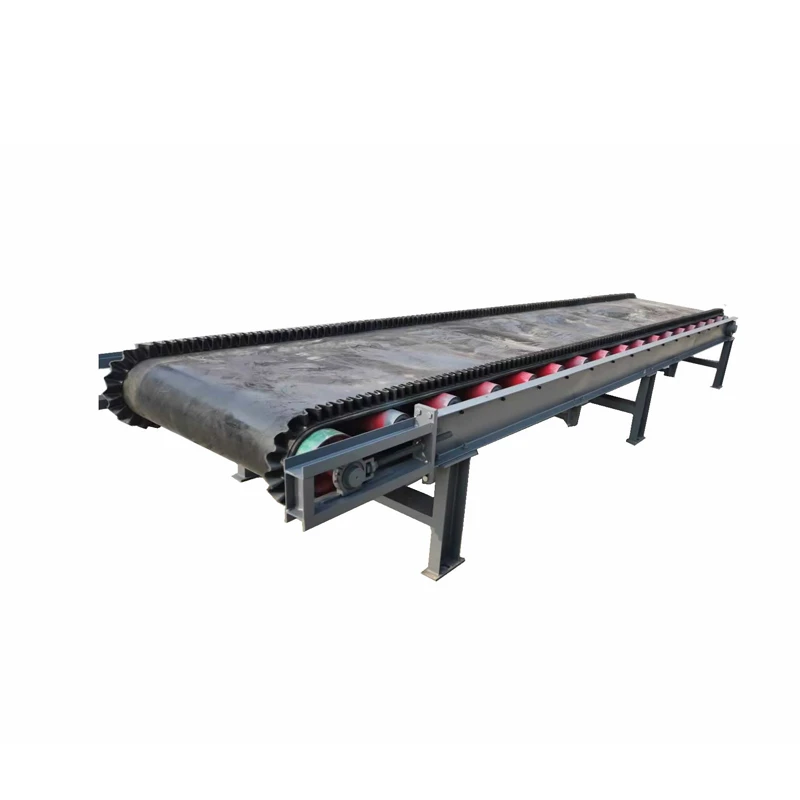 Parallel Conveyor For Material Conveying
The parallel belt conveyor adopts a flat arrangement of conveyor belts, which are continuously driven by a motor driven drum to achieve smooth material transportation.
-
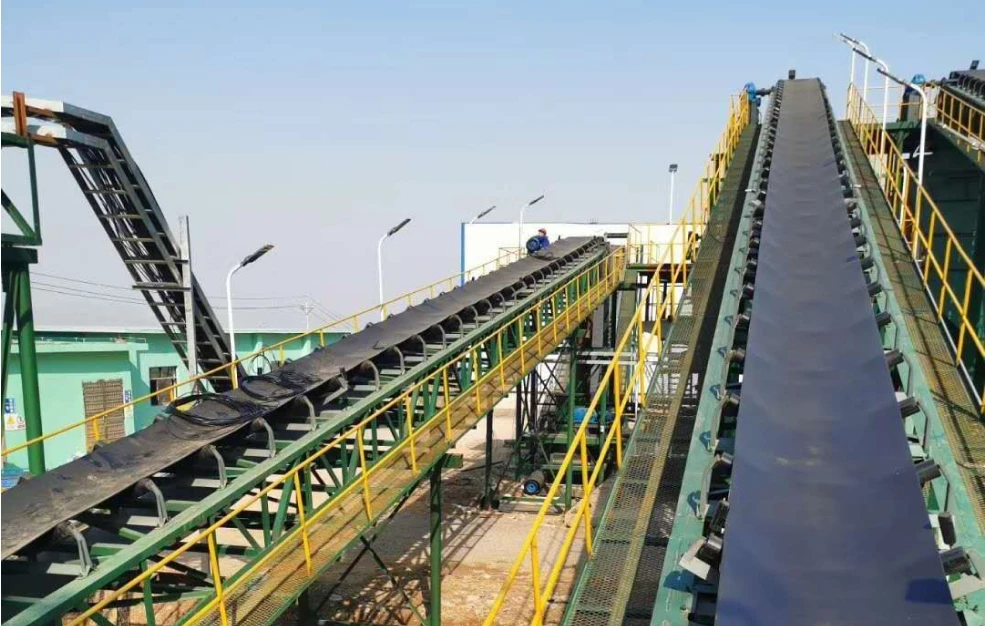
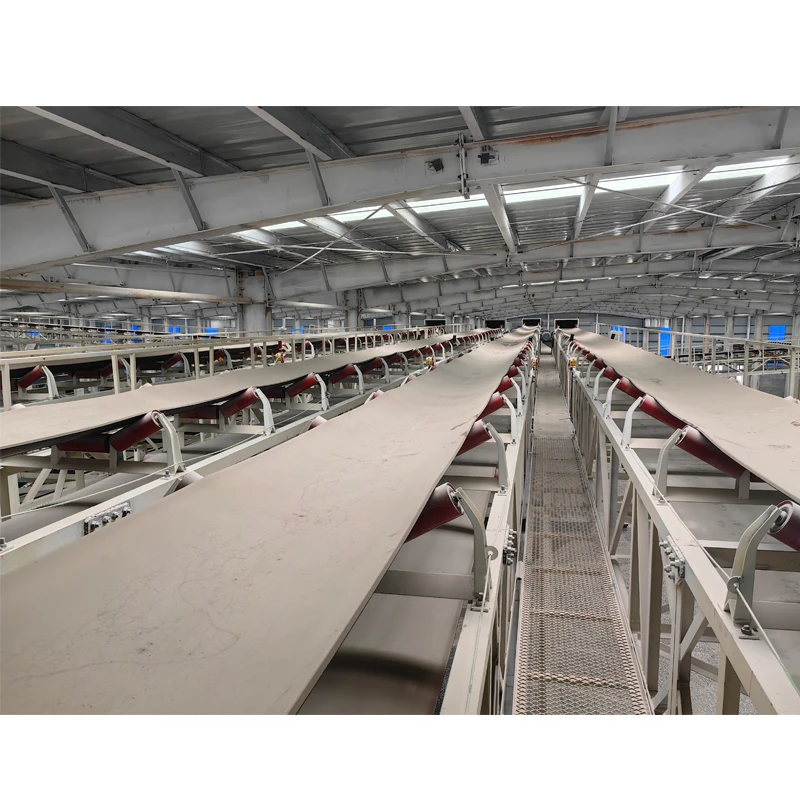 Rubber Conveyor Belt Factory
Mining belt conveyors are mainly used for coal transportation in coal mines, as well as for material transportation in industries such as metallurgy, chemical engineering, power plants, and ports This machine has a large capacity and high efficiency.
-
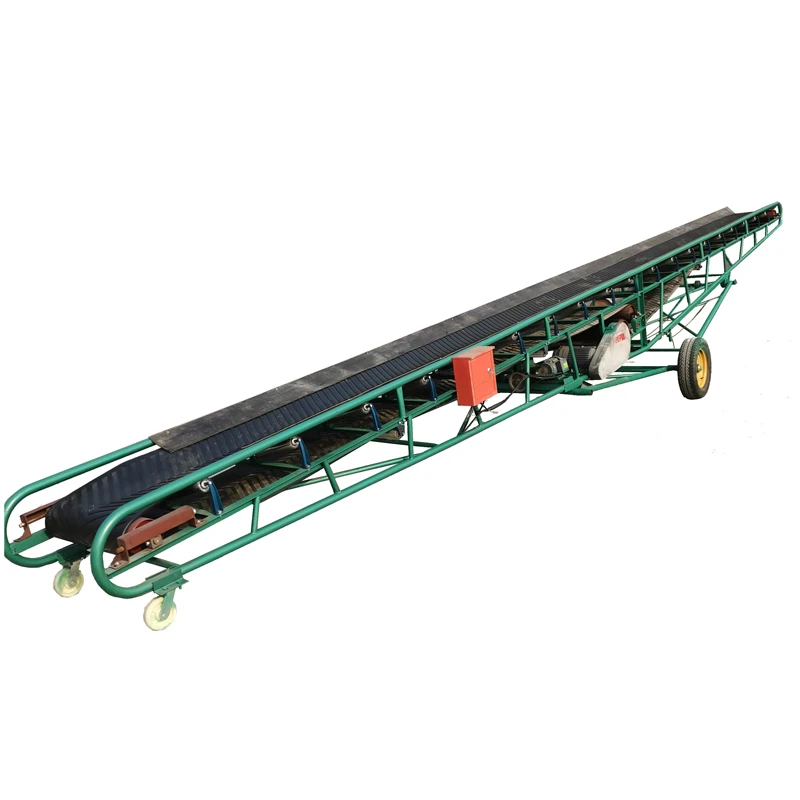 Mobile Lifting Conveyor For Loading And Unloading
Mobile conveyor is a widely used conveying equipment in logistics, mining, construction and other industries, favored for its flexibility and efficiency.
-
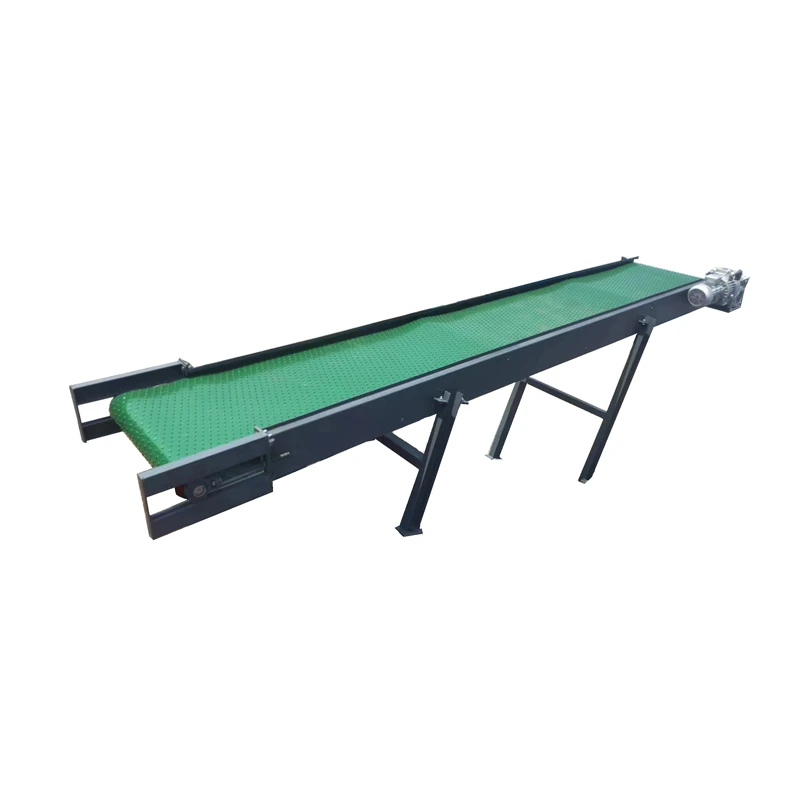 Climbing Light Conveyor For Loading
Lightweight conveyors are different from fixed belt conveyors and are mainly used in industries such as chemical, electronics, and food processing.
-
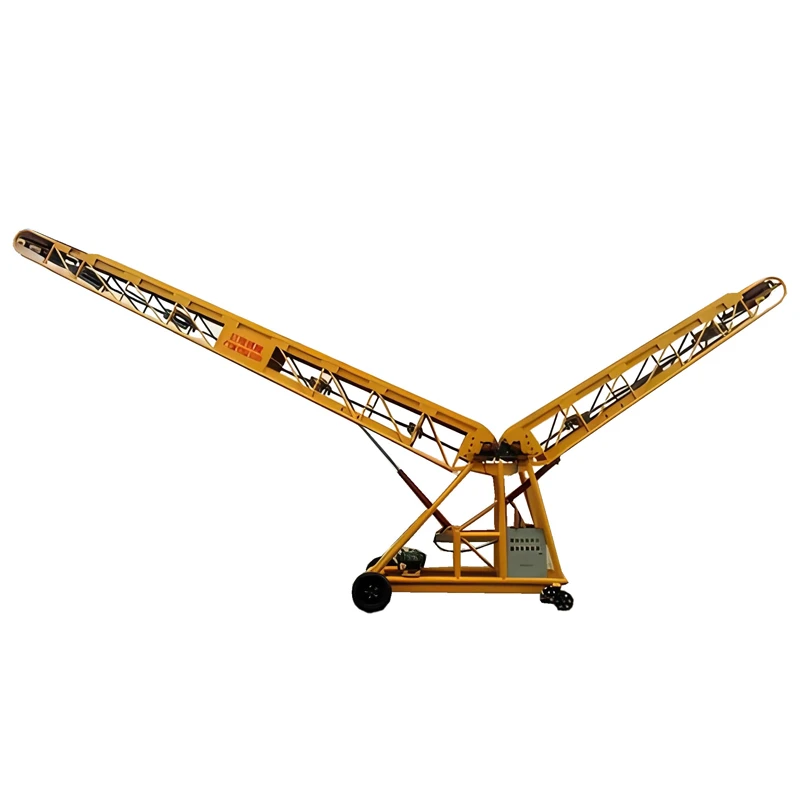 Double Wing Conveyor For Loading
Conveyors play a crucial role in material handling, and have become the preferred equipment in many industries due to their multiple advantages such as high efficiency, space saving, flexibility, and safety.
-
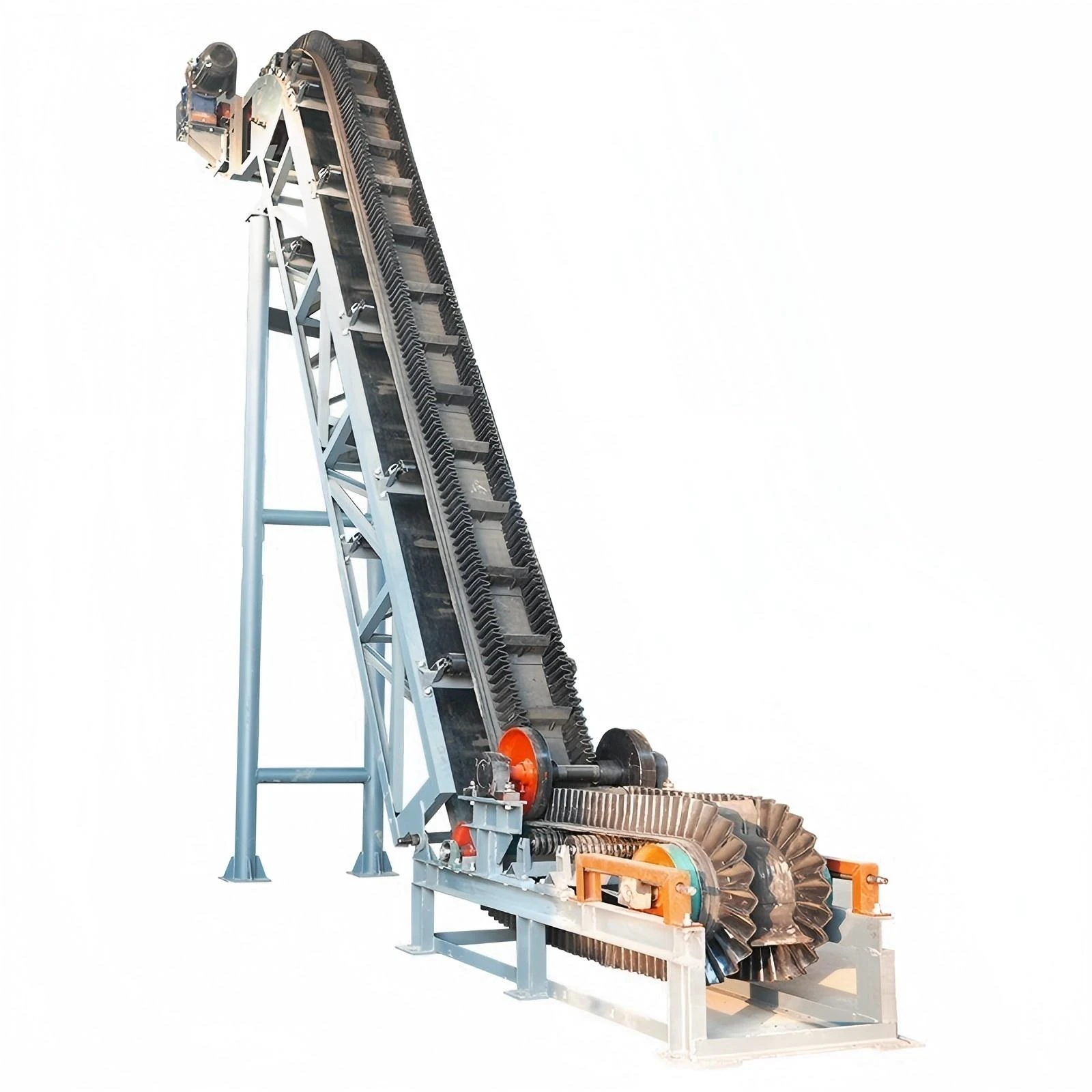 Large Angle Corrugated Edge Conveyor
Large angle conveyor, also known as wave type edge conveyor, is a type of conveyor with a wide range of applications. It is mainly used in vertical shafts, coal mines, subways, dump ships, continuous unloaders, grain, metallurgy, chemical industry, cement and other fields.
-
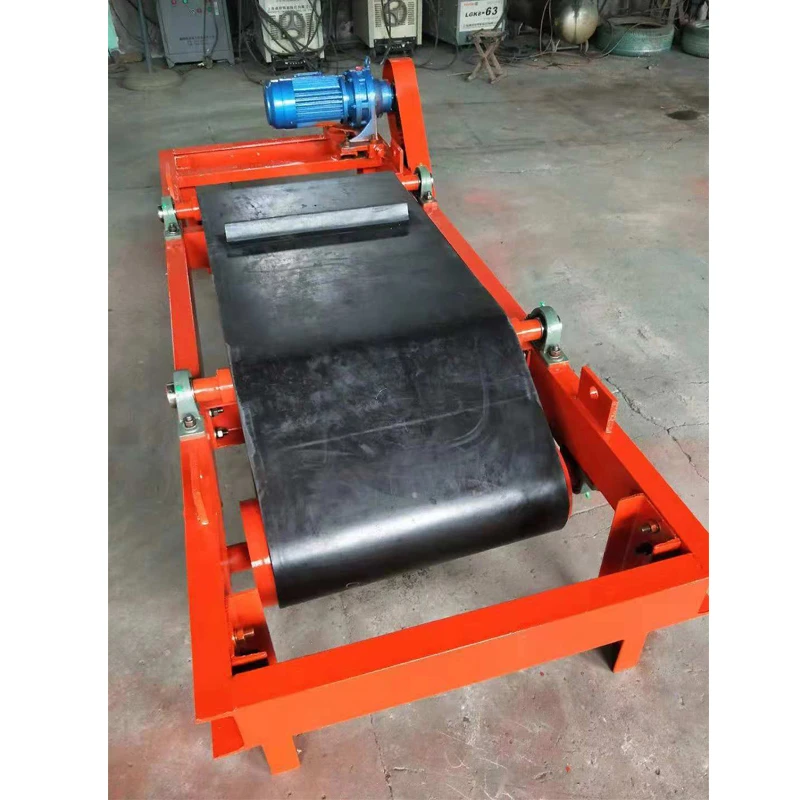 Permanent Magnet Iron Remover
A permanent magnet iron remover utilizes the characteristic of magnets adsorbing iron products to achieve iron removal within an effective range.
Let's Get in Touch!
Send us a message and let our experts assist you with tailored solutions.


