- Tel: +8615128135888
- Email: hg@chinaconveyerbelt.com

Belt Conveyor Drive Motor Reducer
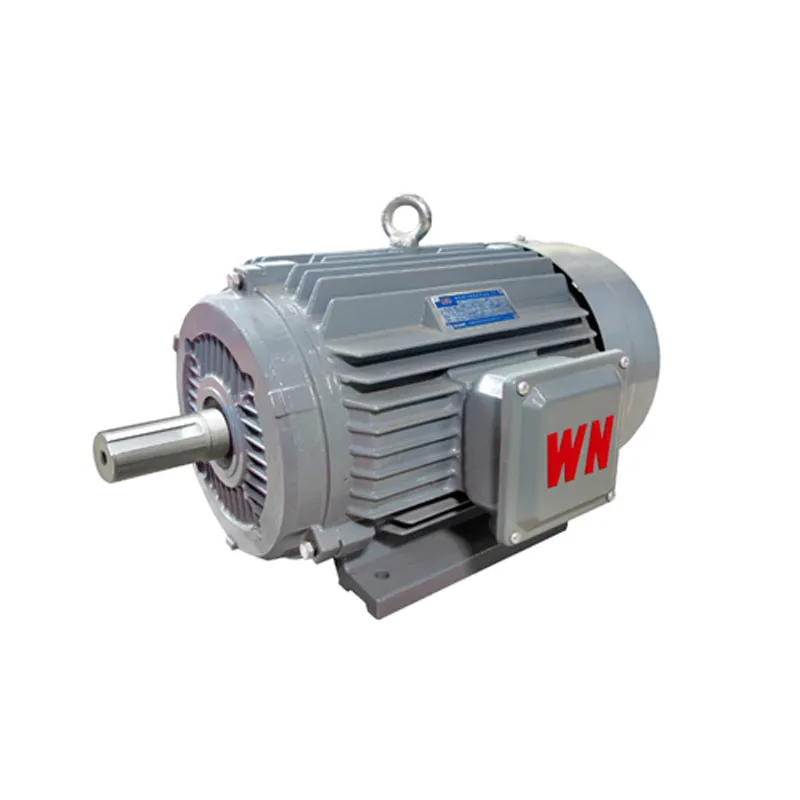
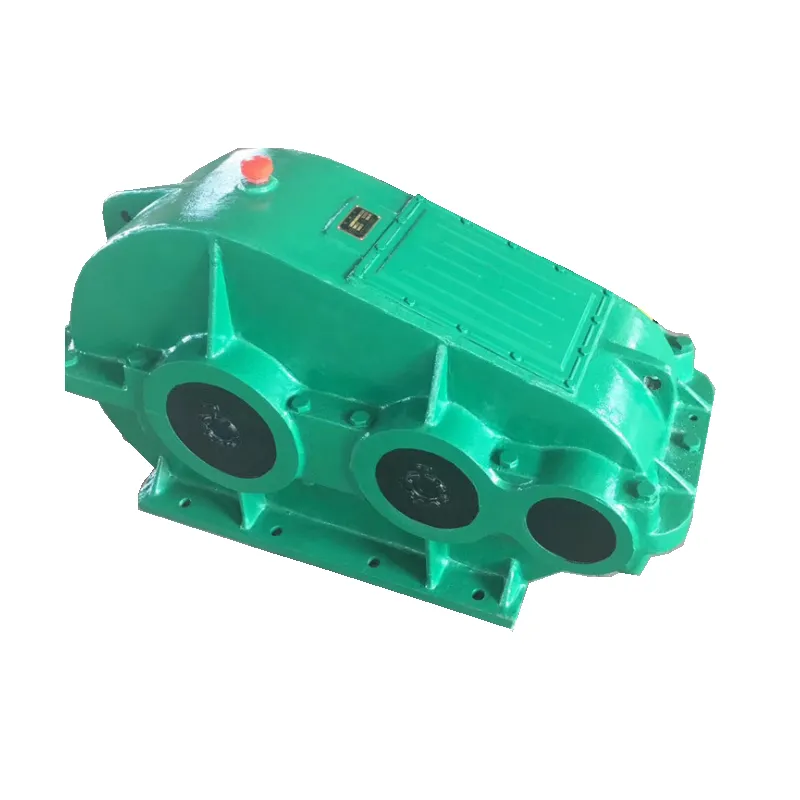
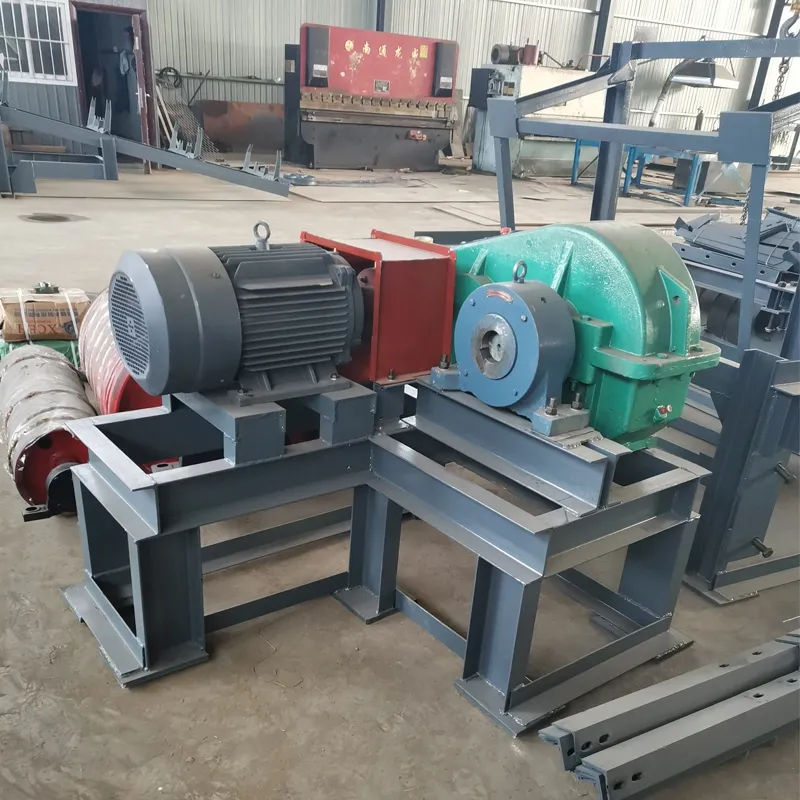
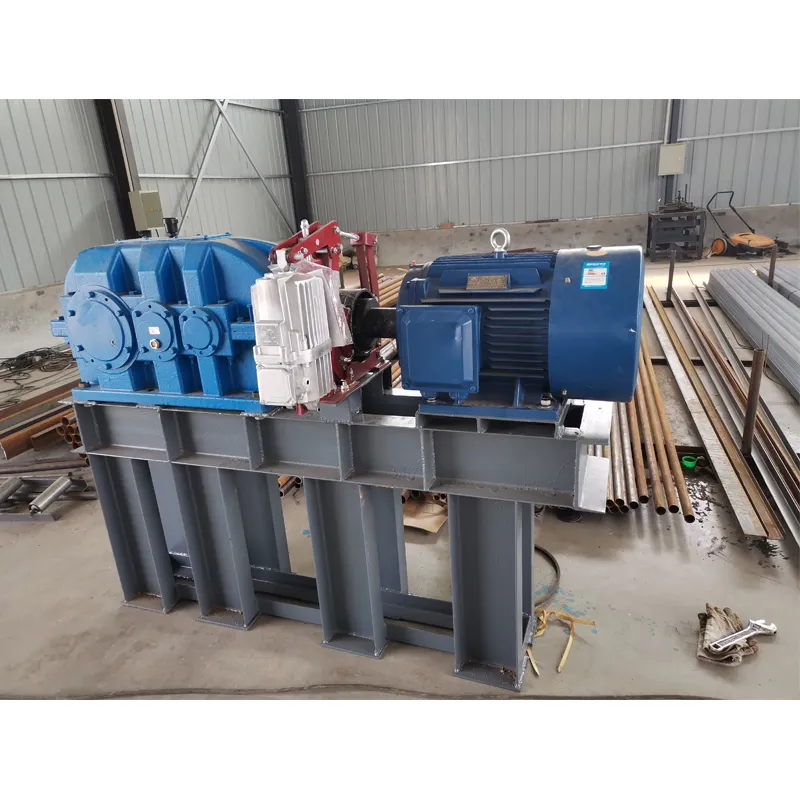
The driving device of a belt conveyor mainly consists of a motor, a reducer, and related connecting components
Composition And Function Of Belt Conveyor Drive Device
1、 Core Components
Power source (electric motor)
As the core of the driving device, Y-series cage motors (≤ 37kW) or wound motors (220-800kW) are usually used. The former has low cost and small size, while the latter is suitable for smooth starting of long-distance conveyors and power balance of multi drum drives.
The electric motor is connected to the reducer through a coupling or hydraulic coupling, and the hydraulic coupling can buffer the starting impact to prevent motor overload.
Transmission components
Reducer: It converts the high speed of the electric motor into the low speed required by the drum. Common types include cylindrical gear reducers (universal) and bevel gear reducers (for scenarios where the lateral size needs to be reduced).
Couplings: Transmit power and compensate for installation errors. Elastic couplings are commonly used in low-power (≤ 37kW) scenarios, and need to be used in conjunction with hydraulic couplings in high-power scenarios.
Drive drum
Drive drum: The conveyor belt is pulled by friction to move, and the surface is usually covered with a vulcanized rubber layer to enhance the friction coefficient (eua value) and reduce the risk of slipping.
Guiding drum: Adjust the running direction of the conveyor belt, often used in conjunction with the drive drum.
2、 Auxiliary Device
Safety protection components
Reverse stopper: prevents the conveyor belt from sliding in the opposite direction due to shutdown or slope, and the common type is belt type reverse stopper.
Brake: Used for emergency braking of inclined conveyors to ensure stability during shutdown.
Power Expansion Design
For high-capacity and long-distance scenarios, dual drum drive or multi drum drive can be used. Each drum can be equipped with an independent drive unit, which is connected to the motor and reducer through a coupling.
3、Typical Application Scenarios And Selection Criteria
Scene adaptation
Single drum drive: suitable for small and medium-sized conveyors, with a simple structure and low cost.
Multi drum drive: used for heavy-duty, long-distance transportation (such as mines and ports), dispersing traction force to reduce single point load.
Key parameters for selection
Power matching: Select the motor power and reducer transmission ratio based on the load, length, and speed of the conveyor belt.
Environmental adaptation: Fully enclosed reducers and explosion-proof motors are preferred for high humidity or dusty environments; Stainless steel components are required for corrosive environments.
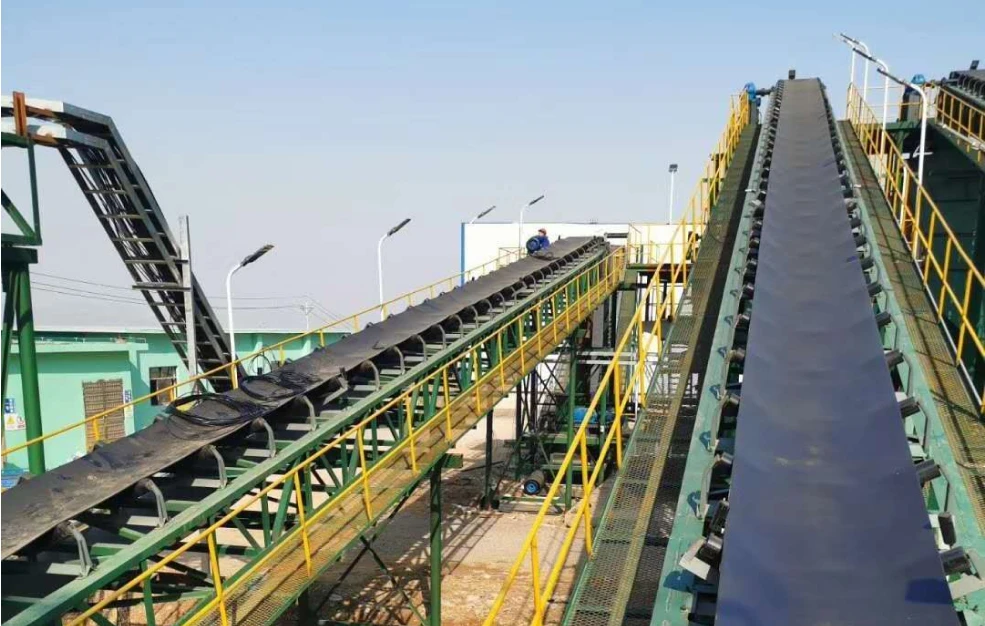
Heavy-Duty Drive System – Built for 24/7 Industrial Operations
Heavy-Duty Drive System – Built for 24/7 Industrial OperationsEngineered with robust housing and premium bearings, this motor reducer withstands continuous operation in mining, ports, and aggregate plants. The thermal-protected design prevents overheating even during peak load conditions.
-
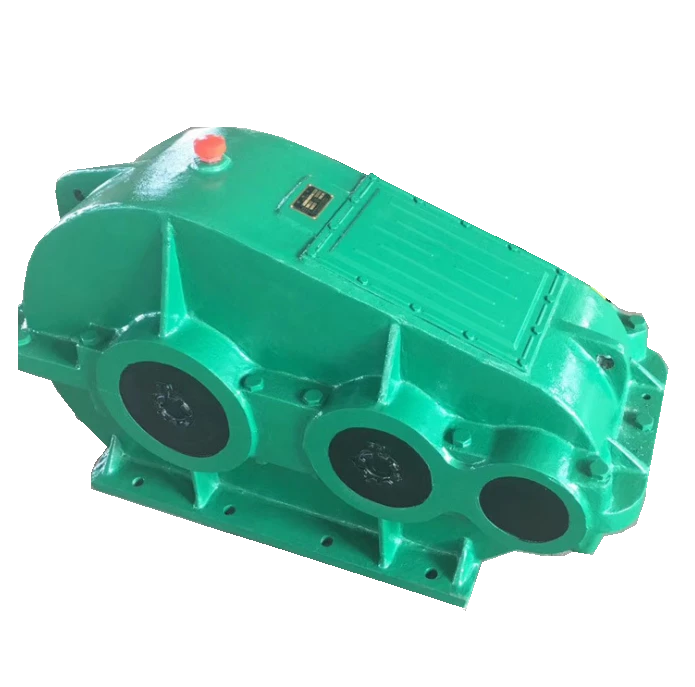 Gear Reducer for Belt Conveyor
The reducer can reduce the operating speed of the belt conveyor by changing its driving speed, making the belt conveyor more stable during operation. This is very important to avoid material scattering caused by too fast speed or equipment blockage caused by too slow speed.
-
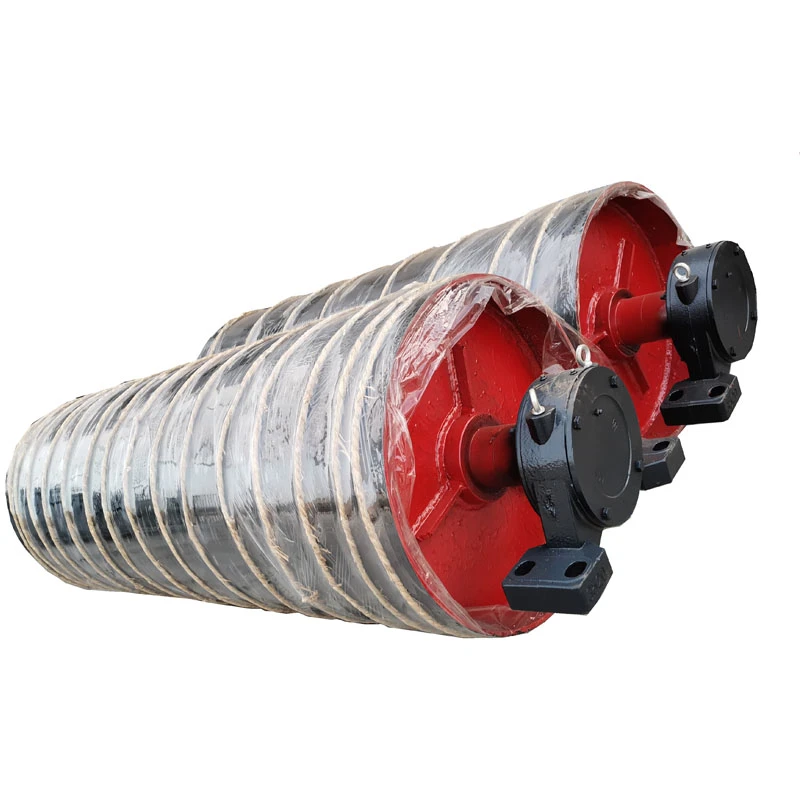 Transmission Conveyor Drum
The reversing pulley is suitable for conveying machinery, mainly used in metallurgy, mining, port terminals, chemical and pharmaceutical industries, cement and building materials, steel, coal mines and other fields. It is a driving device for various belt conveyors.
-
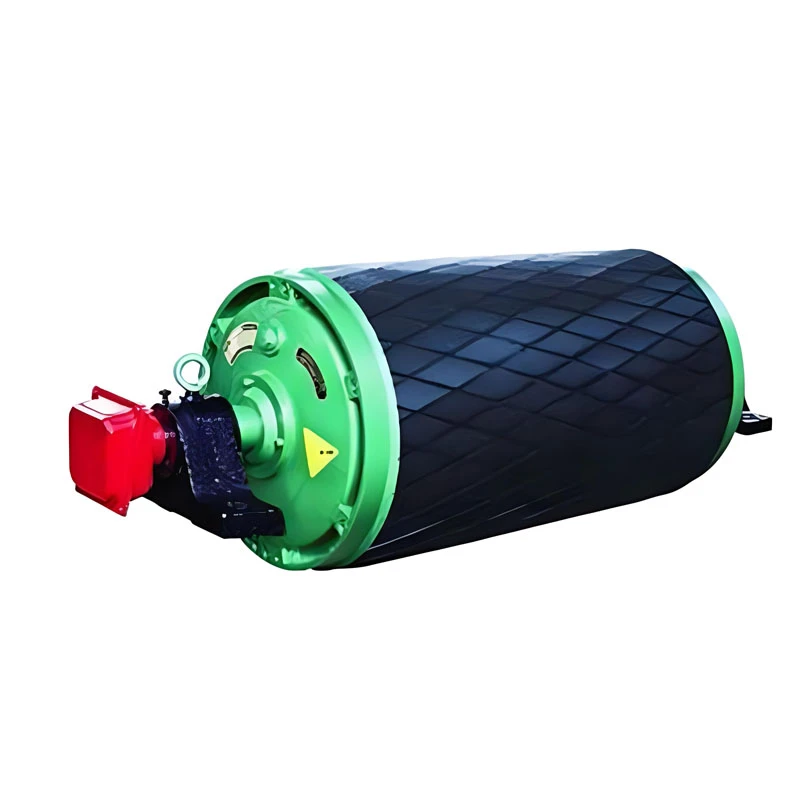 Built in Electric Conveyor Drum
The structural composition of the built-in electric drum mainly includes the motor, reduction device, drum body, and sealing device.
-
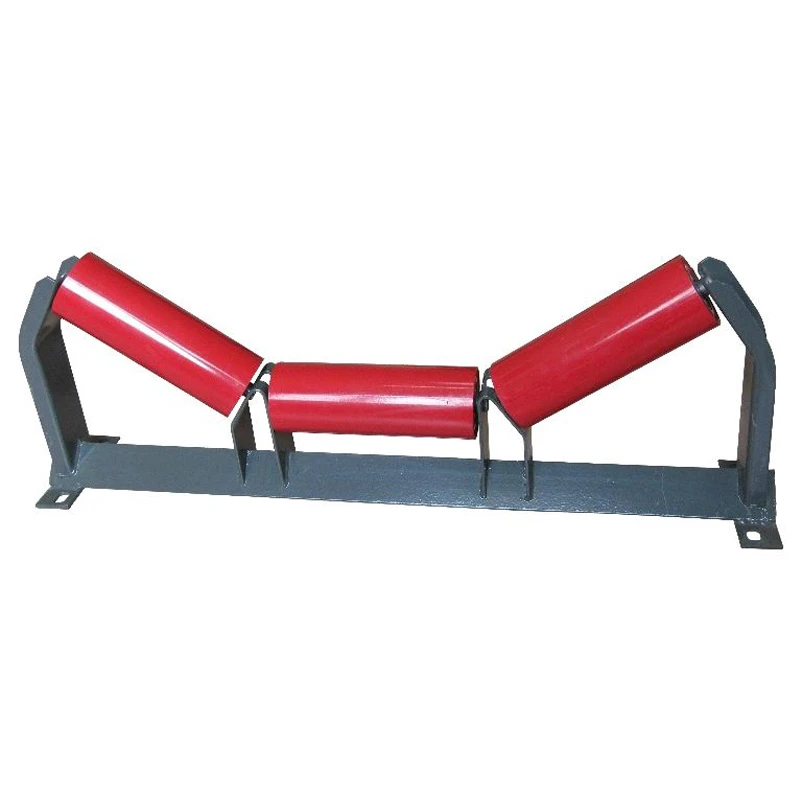 High Quality Mining Conveyor Roller Bracket
Roller bracket is a key component of conveyor frame.
-
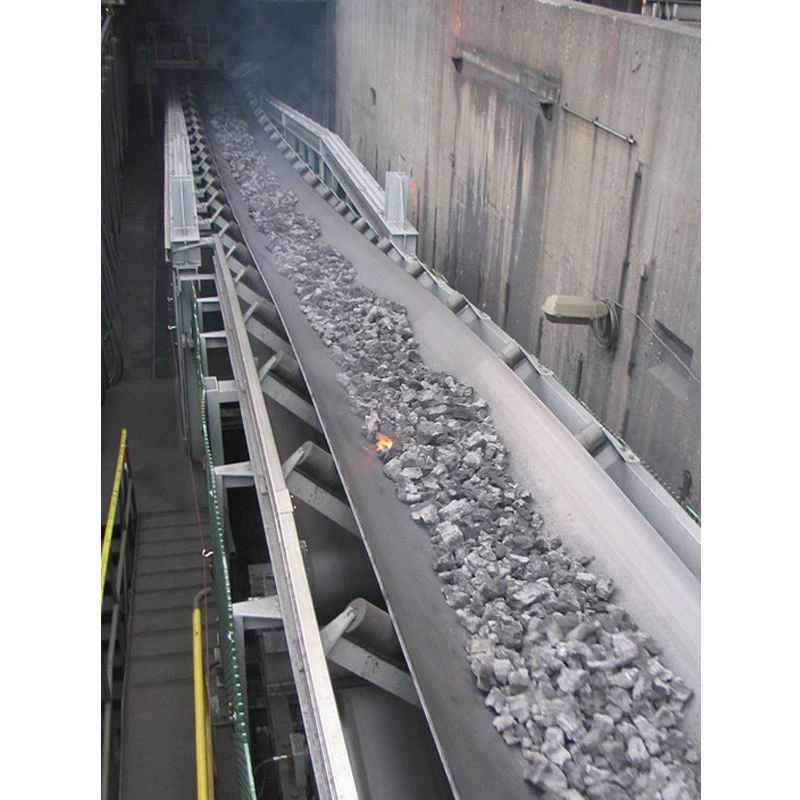 Heat Resistant And High-temperature Resistant Conveyor Belt
Heat resistant conveyor belts are mainly used in industries such as metallurgy and construction to transport high-temperature materials such as sintered ore, coke, and cement clinker.
-
 Button Sewing Machine
The conveyor belt joint nail buckle machine is mainly composed of a machine base component, a machine head, a positioning pin, a leather cutter, and a hand hammer.
-
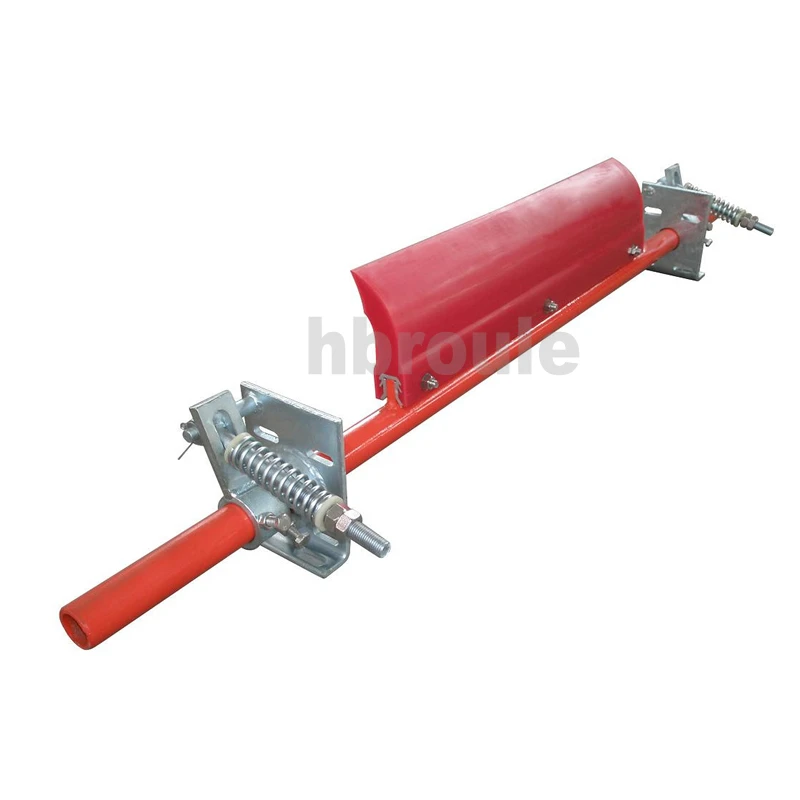 Head Polyurethane Cleaner For Belt Conveyor
The unique polyurethane formulation resists wear and deformation, delivering consistent cleaning performance year after year in cement, coal and bulk handling operations.
-
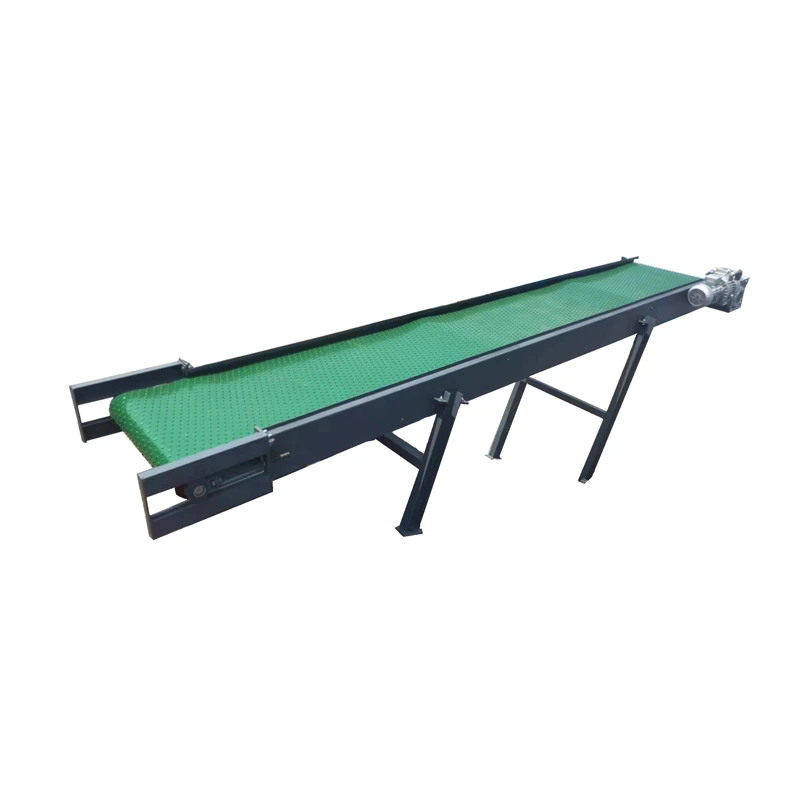 Climbing Light Conveyor For Loading
Lightweight conveyors are different from fixed belt conveyors and are mainly used in industries such as chemical, electronics, and food processing.
Let's Get in Touch!
Send us a message and let our experts assist you with tailored solutions.


