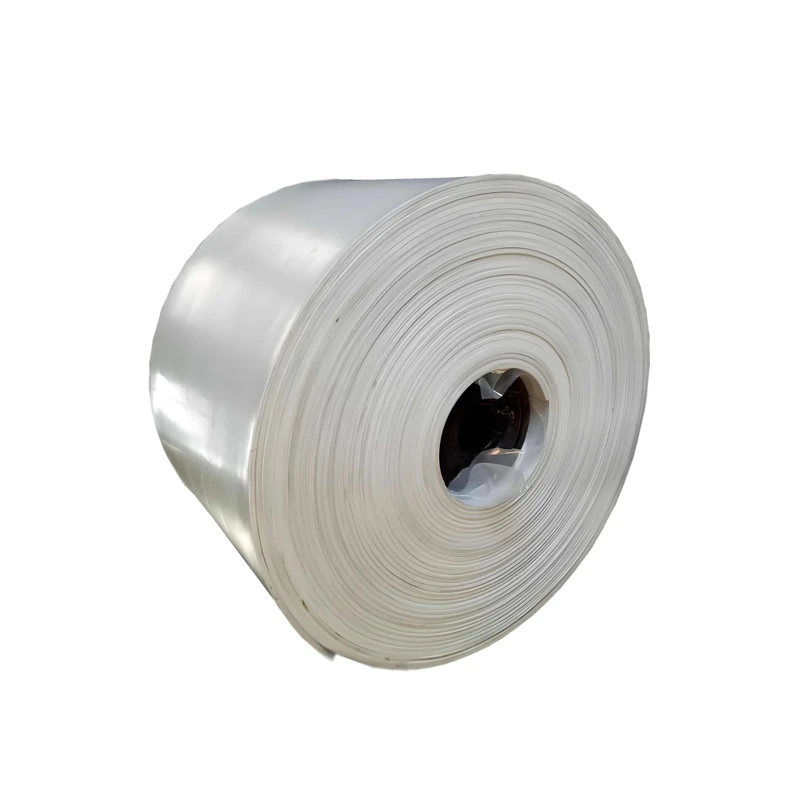
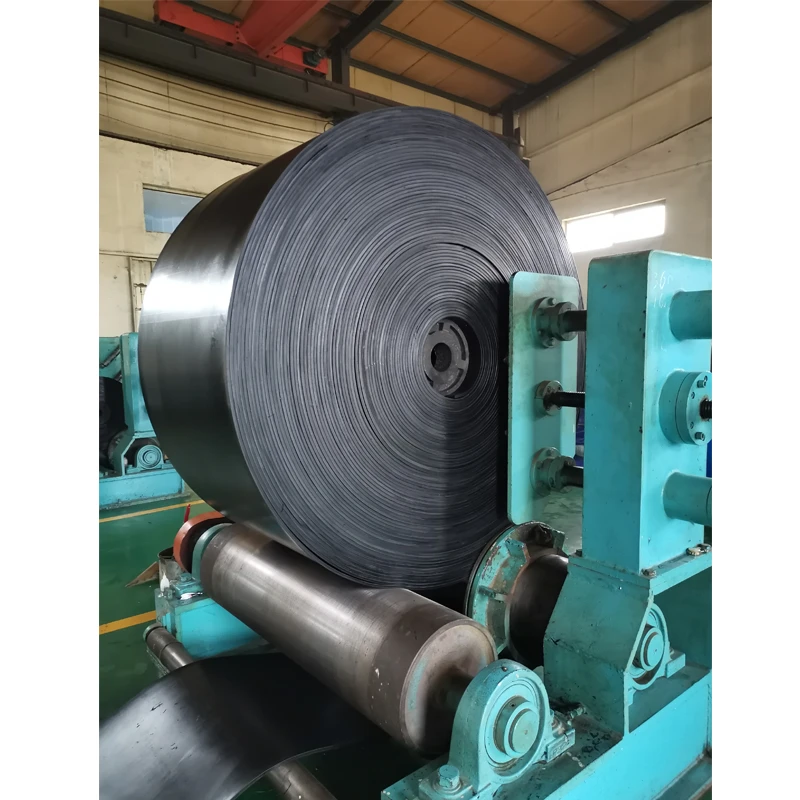
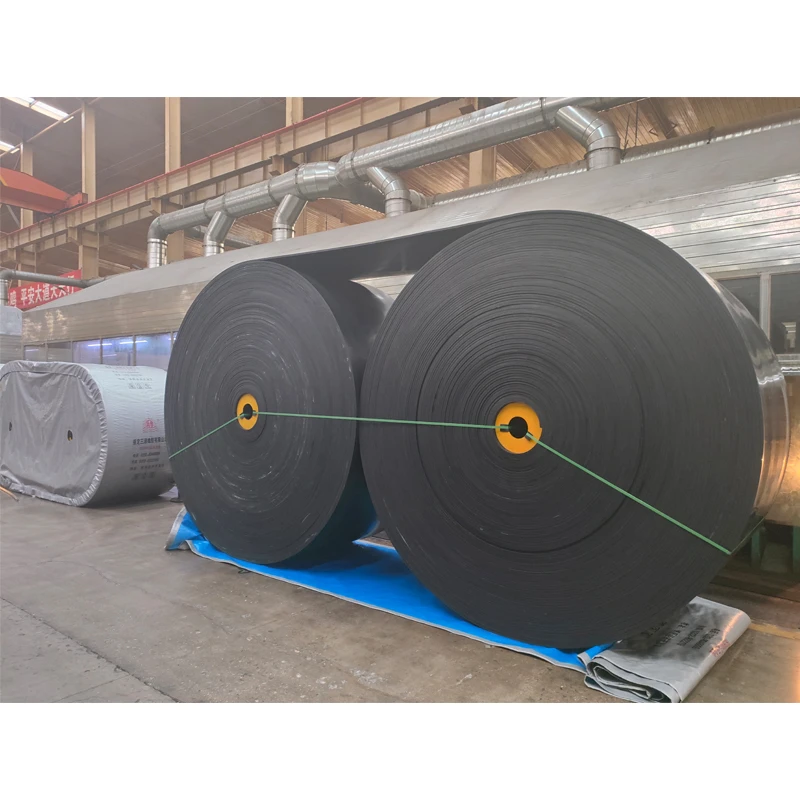
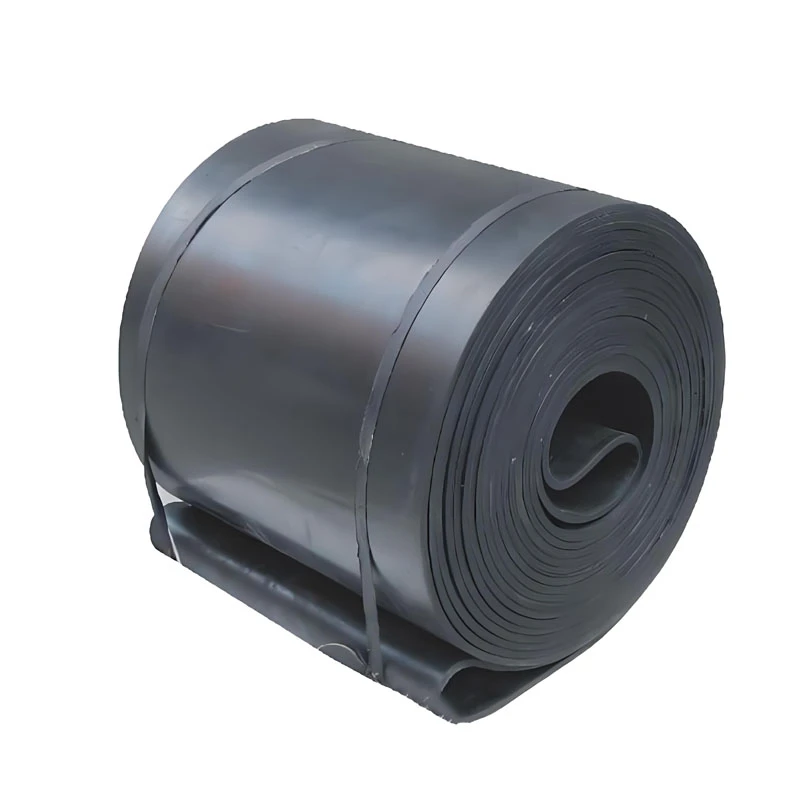
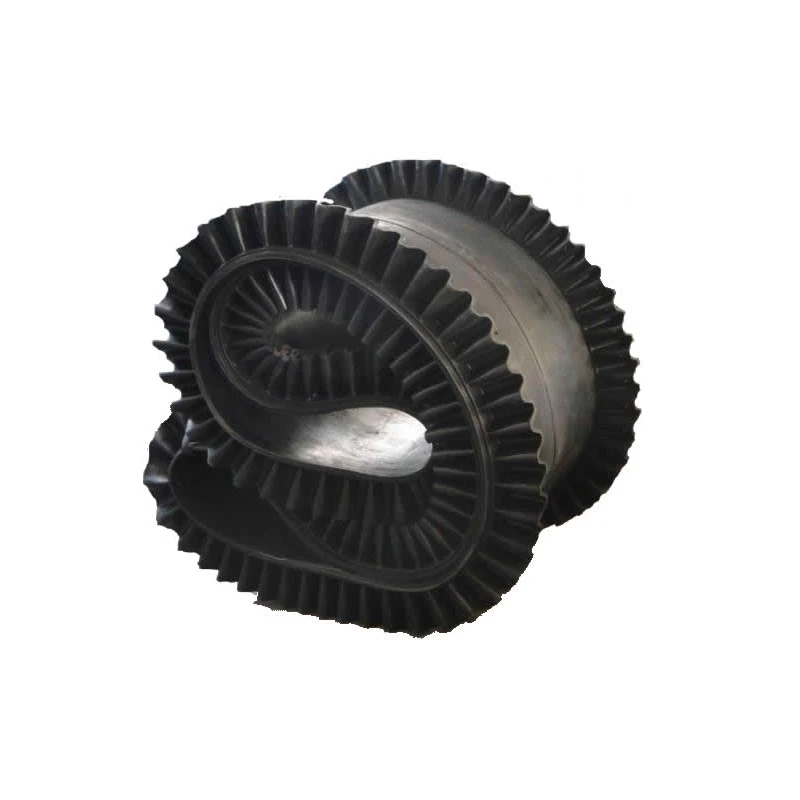
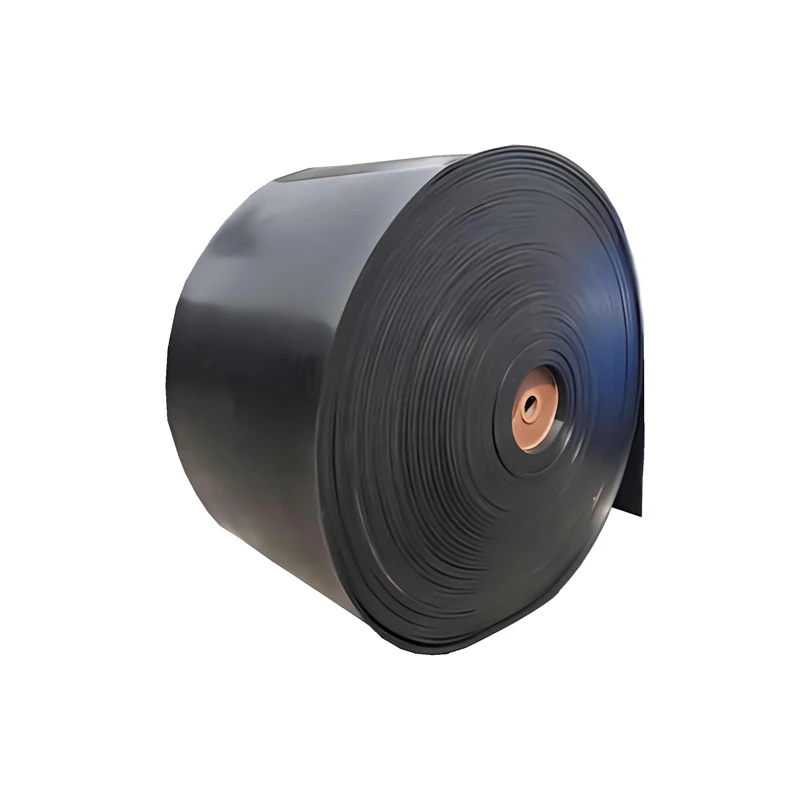
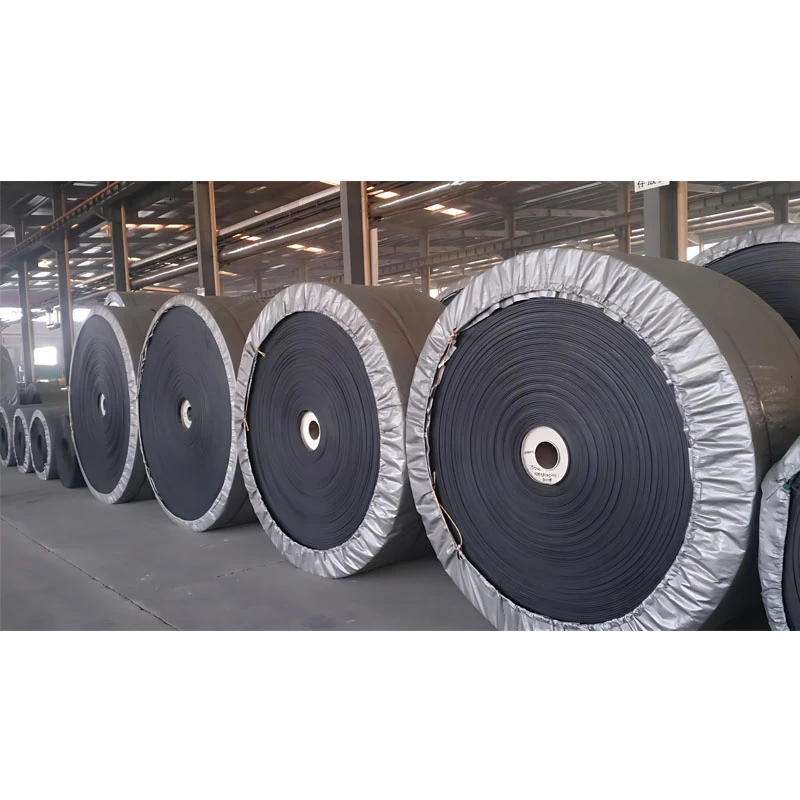
Lightweight PVC Conveyor Belt

PVC conveyor belt is a type of conveyor belt made of polyvinyl chloride (PVC).

The working temperature of PVC conveyor belt is generally from -10 ° C to+80 ° C


Download
Description
Product Tags

PVC conveyor belt is a type of conveyor belt made of polyvinyl chloride (PVC). The working temperature of PVC conveyor belt is generally from -10 ° C to+80 ° C, and its joint method is generally international gear joint. It has good lateral stability and is suitable for transmission in various complex environments.


Classification


1、 According to industry applications, PVC conveyor belt products can be classified into tobacco industry conveyor belts, logistics industry conveyor belts, packaging industry conveyor belts, printing industry conveyor belts, food industry conveyor belts, wood industry conveyor belts, food processing industry conveyor belts, entertainment industry conveyor belts, aquatic industry conveyor belts, stone industry conveyor belts, etc.

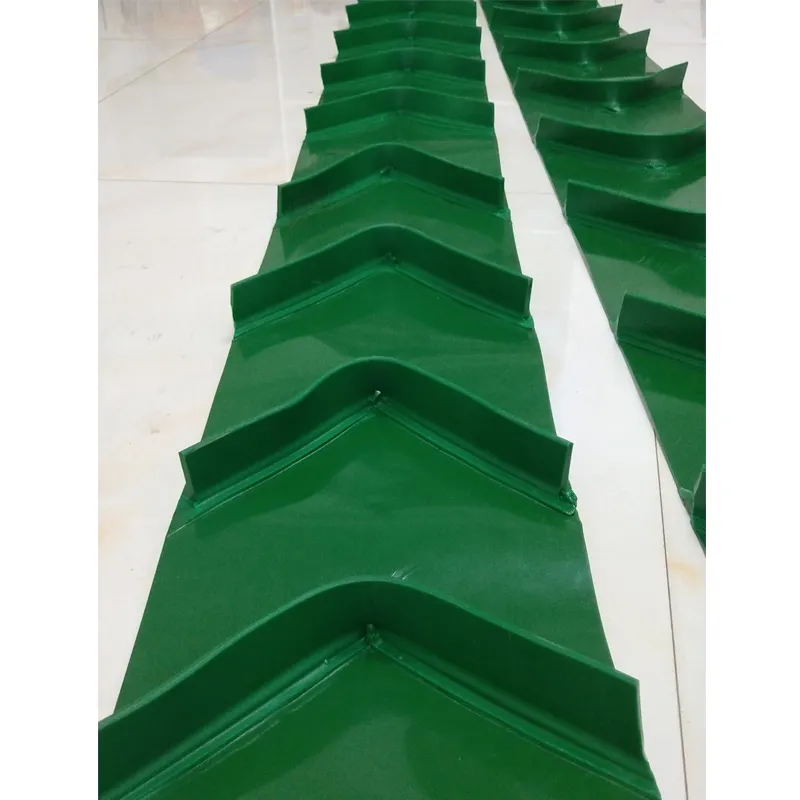
2、 According to performance classification, it can be divided into: mild climbing conveyor belt, high climbing conveyor belt, baffle lifting conveyor belt, vertical lifting conveyor belt, anti-skid conveyor belt, sanding machine conveyor belt, wear-resistant conveyor belt, heavier item conveyor belt, lightweight item conveyor belt, guided anti deviation conveyor belt, perforated suction conveyor belt (suction fan belt), rake nail conveyor belt, spiral lifting conveyor belt, turning lifting conveyor belt, ultra wide item conveyor belt, sponge conveyor belt, groove conveyor belt, block conveyor belt, edge sealing conveyor belt, groove conveyor belt, knife edge conveyor belt, etc.

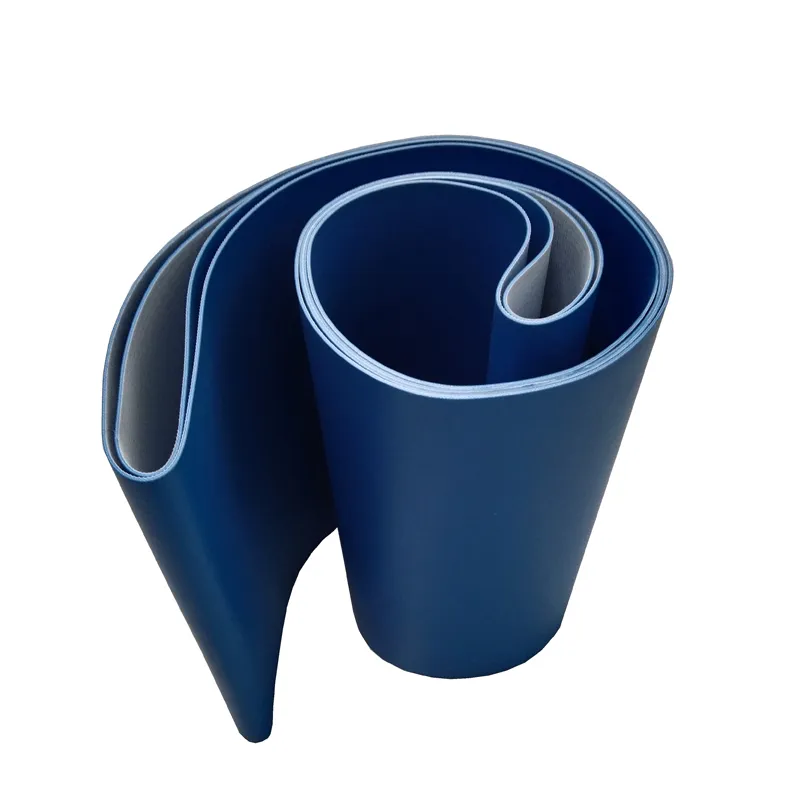
3、 According to the thickness and color development of the product, it can be divided into different colors (red, yellow, green, blue, gray, white, black, deep blue-green, transparent) and thicknesses of products, with thicknesses ranging from 0.8mm to 11.5mm that can be produced.

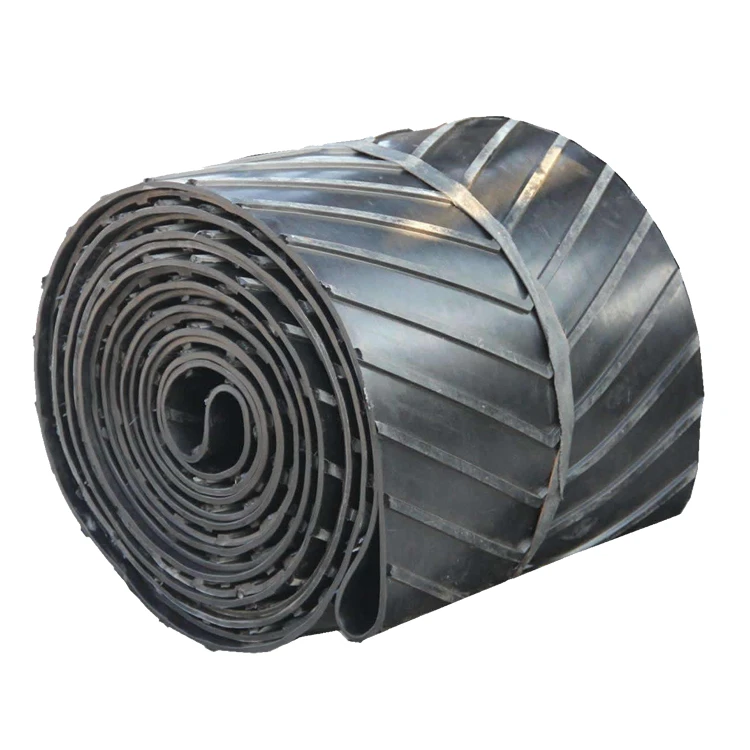
4、 According to the research and development of product patterns, they can be divided into lawn patterns, fishbone patterns, diamond grid patterns, cross patterns, mesh patterns, inverted triangle patterns, horseshoe patterns, sawtooth patterns, small dot patterns, diamond patterns, snake skin patterns, cloth patterns, large cone patterns, wave patterns, washboard patterns, straight patterns, golf patterns, large grid patterns, matte patterns, coarse texture patterns, grid patterns, etc.

5、 According to the fabric hierarchy of PVC conveyor belt products, they can be divided into: one fabric and one adhesive, two fabrics and one adhesive, one fabric and two adhesives, two fabrics and two adhesives, two fabrics and three adhesives, three fabrics and three adhesives, three fabrics and four adhesives, four fabrics and four adhesives, four fabrics and five adhesives, five fabrics and five adhesives, etc.

6、 According to the temperature range of PVC conveyor belts, they can be divided into cold resistant conveyor belts (above minus 40 ° C) and normal temperature conveyor belts (from minus 10 ° C to 80 ° C)
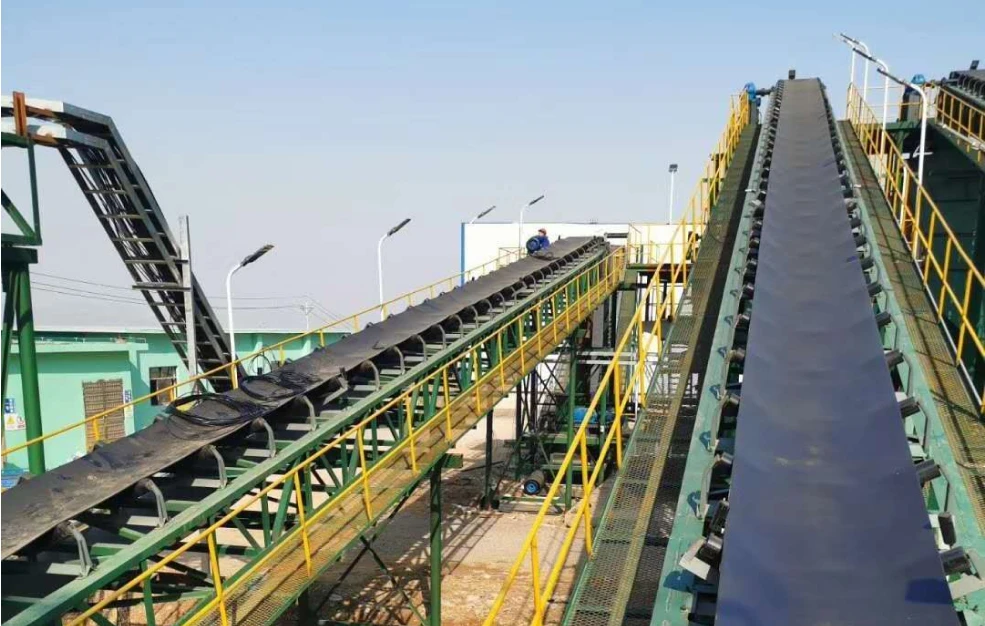
 

What Makes a Lightweight PVC Conveyor Belt Essential for Modern Production? 


Efficiency, reliability, and adaptability define the foundation of modern material handling systems. In this fast-paced industrial environment, the PVC conveyor belt has become an indispensable tool for manufacturers pursuing seamless production. Its lightweight construction allows for smoother transport of goods, reduced energy usage, and minimal equipment strain. This balance of strength and flexibility makes it a superior alternative to traditional rubber belts, especially in industries such as logistics, food packaging, pharmaceuticals, and electronics assembly. A well-designed PVC belt minimizes operational downtime, keeps conveyor systems running quietly, and ensures consistent product movement even in high-speed applications.


At Hebei Roule Conveyor Machinery Manufacturing Co., Ltd., excellence is built into every stage of production. Since our founding in 2010, we have combined advanced design, research, and manufacturing capabilities to provide conveyor solutions that meet international quality standards. Our engineers focus on innovation and user experience, ensuring that each lightweight belt offers stable tracking, high tensile strength, and strong resistance to abrasion, oil, and moisture. Every detail—from the surface pattern to the splice joint—is precisely engineered to improve both durability and operator safety.


The lightweight PVC belt is also a reflection of modern energy efficiency. Because it reduces power consumption, it enables systems to operate longer with fewer maintenance interruptions. Its surface texture allows for excellent grip without damaging delicate items, making it ideal for light-duty transport of packaged goods, electronics, and other sensitive materials. Additionally, PVC belts are easy to clean and maintain, ensuring hygienic performance in environments with strict sanitation requirements.


Working with experienced pvc conveyor belt manufacturers ensures not only reliable product quality but also access to customized solutions. At Hebei Roule, we provide various thicknesses, colors, and ply options to match different application needs. Clients benefit from technical consultation, professional after-sales support, and products tested for high endurance under continuous operation. Whether for small workshops or large automated facilities, the lightweight PVC conveyor belt helps users achieve a stable, low-noise, and cost-effective conveying system that drives long-term productivity.


How Does Material Choice Shape the Performance of a PVC Belt? 


The material composition of a conveyor belt is not just a technical detail—it is the foundation of its performance, lifespan, and reliability. The pvc belt is a benchmark in industrial conveyor technology because it provides a unique balance between strength and flexibility. Its polyvinyl chloride structure offers superior dimensional stability, maintaining its form under tension and high load. Unlike rubber or fabric-based belts, PVC models are less affected by humidity or temperature variations, which means smoother operation across diverse environments. For manufacturers seeking precision and durability, the choice of belt material directly determines the system’s long-term efficiency.


The versatility of pvc conveyor belt material lies in its adaptability to multiple applications. It can withstand oils, chemicals, and moisture without compromising surface friction or adhesion. This property is particularly important in sectors such as food processing, pharmaceuticals, and electronics, where contamination resistance and easy cleaning are critical. The belt’s non-porous structure prevents absorption of liquids, reducing bacterial growth and extending its service life. Meanwhile, its elasticity and low weight make it easy to install, splice, and maintain—saving both time and labor during system setup or repair.


At Hebei Roule Conveyor Machinery Manufacturing Co., Ltd., the development of PVC belts goes beyond standard formulation. Our factory uses advanced extrusion and calendaring equipment to produce belts with uniform density and excellent bonding strength. Through precise temperature control and coating processes, we ensure every roll delivers stable performance under demanding operational conditions. Our R&D team continuously refines material formulas to enhance anti-slip performance, abrasion resistance, and overall service life, keeping our products aligned with evolving industry expectations.


In Western markets, end users value practicality and transparency when choosing conveyor materials. They seek clear technical specifications, measurable benefits, and visible return on investment. A well-engineered PVC belt provides exactly that: predictable results, low maintenance costs, and consistent output. By investing in the right belt material, companies can prevent production delays, improve accuracy, and extend the lifespan of their entire conveying system—a strategic decision that improves both productivity and profitability.


Why Choose a Green PVC Conveyor Belt for Specialized Applications? 


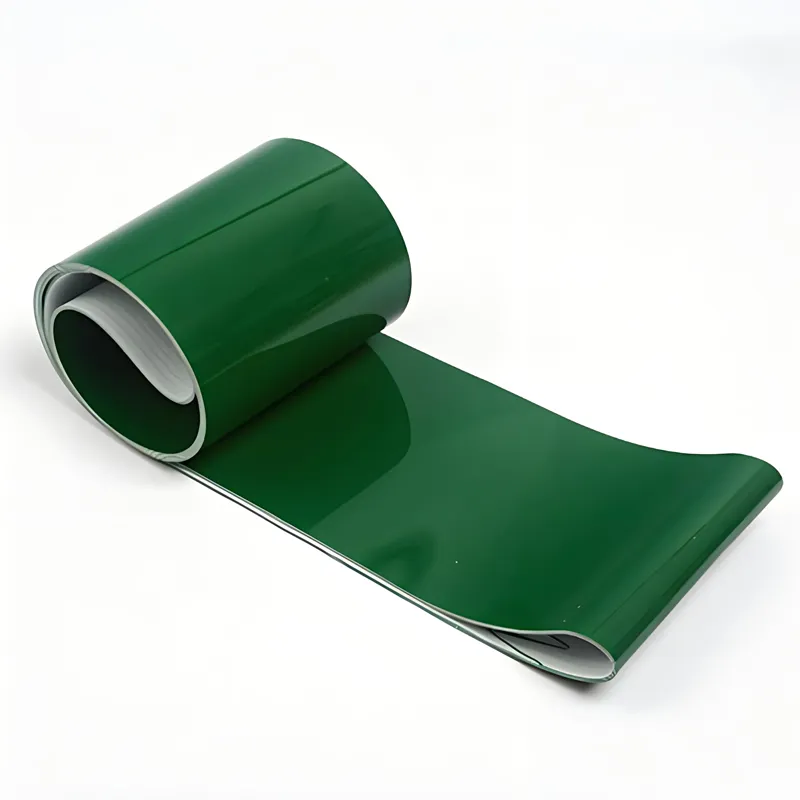
Color in industrial design often represents more than appearance—it reflects identity, precision, and purpose. The green pvc conveyor belt has gained recognition for its unique blend of visual distinction and technical performance. Its smooth, clean, and non-marking surface makes it particularly suitable for industries where product presentation and hygiene matter, such as pharmaceuticals, printing, packaging, and food processing. Beyond its color, this belt type embodies the principles of lightweight engineering: excellent flexibility, controlled elongation, and long-term reliability under continuous stress.


One of the most valuable qualities of the green PVC belt is its resistance to wear and deformation. Its balanced tensile structure allows it to maintain steady tracking even under heavy or uneven loads. The smooth coating provides excellent product release, while its anti-static and non-toxic features make it safe for delicate or contact-sensitive applications. In addition, the belt’s elasticity ensures smooth movement through pulleys and rollers, reducing system vibration and noise. The result is not only operational stability but also a more comfortable and efficient working environment.


At Hebei Roule Conveyor Machinery Manufacturing Co., Ltd., each belt is manufactured under strict quality management systems using imported raw materials and advanced production equipment. Our belts undergo rigorous testing for tension, adhesion, and aging resistance. By controlling every production step, we guarantee the precision, consistency, and durability that our international clients expect. While the pvc conveyor belt price varies depending on material thickness, ply count, and customization level, our products consistently deliver high value through extended service life and reduced maintenance frequency. We also provide flexible pricing plans and fast global delivery to meet the individual needs of every customer.


In a global industrial market increasingly focused on sustainability and efficiency, the green PVC conveyor belt stands out as a responsible and performance-driven solution. It minimizes waste, supports energy-saving goals, and maintains excellent reliability across various applications. For businesses aiming to balance cost, quality, and environmental responsibility, this belt represents the next generation of conveyor technology—lightweight, precise, and built for long-term success.


Structure of a PVC Conveyor Belt: Material Layers and Design for Stable Conveying


A PVC conveyor belt is a lightweight industrial conveying solution designed with a multi-layer structure that provides stable transportation performance for various production and handling systems. Understanding the structure of a conveyor belt is important when selecting the right product, because each layer plays a different role in determining belt strength, flexibility, and service performance.

The main component of a PVC conveyor belt is the pvc conveyor belt material, which is generally composed of a PVC surface layer and reinforced fabric layers. The top PVC layer provides the direct contact surface for conveyed products, offering a smooth and durable working area for material transportation. The internal fabric layer acts as the supporting structure, improving belt stability and helping the belt maintain its shape during continuous operation.

Depending on different application requirements, PVC conveyor belts can be manufactured with different fabric arrangements, such as single-layer or multi-layer structures. Multi-ply designs provide different levels of tensile strength and flexibility, allowing customers to select suitable belt structures according to load requirements and conveying conditions. The bottom layer can also be designed according to the conveyor system requirements to achieve better running performance.

The surface design is another important part of PVC conveyor belt construction. According to different conveying needs, the belt surface can be produced with various patterns, including smooth, diamond, mesh, fishbone, and other textured surfaces. These patterns can influence product contact and transportation stability, especially when handling materials that require additional grip.

Professional pvc conveyor belt manufacturers focus on every production step, including material selection, layer bonding, surface processing, and joint methods. At HG, we provide PVC conveyor belts with different thicknesses, colors, and structural options to meet different industrial requirements.

Choosing the right pvc conveyor belt material structure helps ensure reliable operation, reduce unnecessary maintenance, and improve the overall efficiency of conveyor systems. Working with experienced pvc conveyor belt suppliers allows customers to obtain suitable belt solutions based on their specific application requirements.


Key Features of PVC Conveyor Belt for Reliable Industrial Performance


A PVC conveyor belt is widely used in industrial conveying systems because it combines lightweight design, stable operation, and flexible application possibilities. The characteristics of PVC material make these belts suitable for many light and medium-duty transportation processes where smooth and reliable product movement is required.

One of the key advantages of PVC conveyor belts is their good dimensional stability. The combination of PVC coating and reinforced fabric layers allows the belt to maintain consistent shape during operation. This structure helps support stable running performance and reduces unnecessary belt movement during transportation.

Another important feature of PVC belts is their flexible surface design. According to different working requirements, customers can choose from various pvc conveyor belt types, including smooth surface belts, patterned surface belts, and belts with different thickness and fabric structures. Different surface patterns provide different levels of product contact and conveying performance.

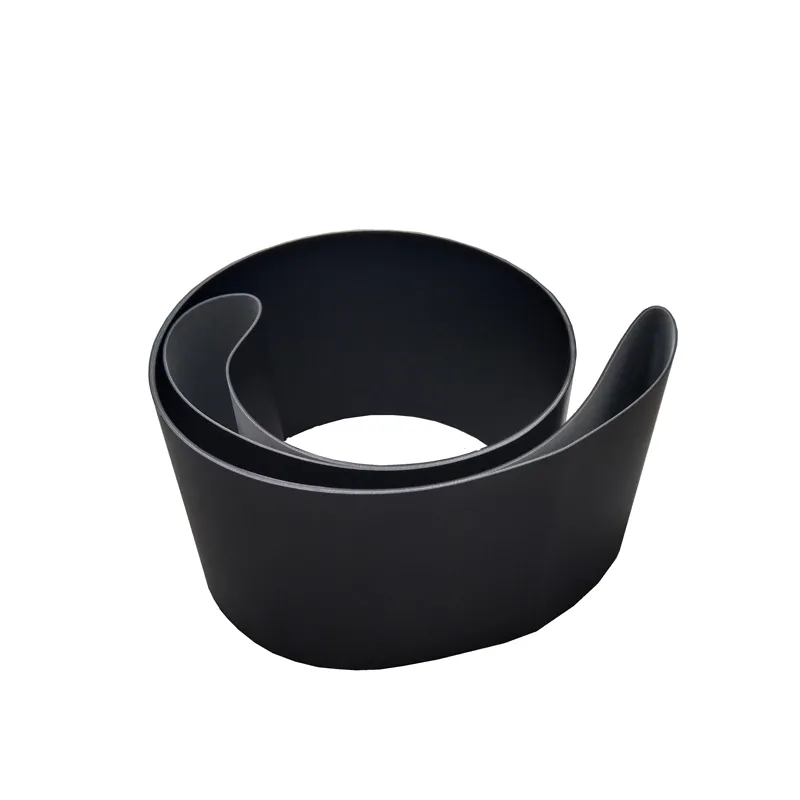
PVC conveyor belts are also available in multiple colors, allowing customers to select suitable options according to production line requirements. Common choices include green PVC conveyor belt and black PVC conveyor belt. The green PVC conveyor belt is widely recognized for its clean appearance and is commonly used in applications where visual identification of the conveying surface is needed. A black PVC conveyor belt can be selected for applications requiring a darker belt appearance.

The operating temperature range of standard PVC conveyor belts is generally from -10°C to +80°C, making them suitable for many normal-temperature industrial environments. The belt can also be produced in different thicknesses, widths, and surface patterns according to customer requirements.

When purchasing a PVC conveyor belt, factors such as application conditions, belt structure, surface pattern, and expected service requirements should be considered. Experienced pvc conveyor belt manufacturers can provide technical recommendations and suitable solutions based on actual conveying needs.

The pvc conveyor belt price is influenced by factors such as thickness, fabric layers, belt width, surface pattern, and customization requirements. Choosing reliable pvc conveyor belt suppliers helps customers achieve a balance between product quality, application performance, and long-term operating value.


Applications of PVC Conveyor Belt in Different Industries


A PVC conveyor belt is widely applied in industries that require efficient and stable product transportation. Due to its lightweight structure, flexible design options, and reliable conveying performance, PVC belts are commonly used in logistics, packaging, food processing, printing, electronics, manufacturing, and other industrial fields.

In the logistics industry, PVC conveyor belts are often used for transporting parcels, packages, and lightweight products. Their smooth running performance helps support continuous material movement in sorting and handling systems. For production lines that require frequent transportation, selecting the right PVC belt can improve conveying efficiency and reduce manual handling requirements.

In the packaging industry, a conveyor belt provides a stable surface for moving packaged products through different production stages. Different surface patterns and belt structures allow customers to select suitable pvc conveyor belt types according to product characteristics and transportation requirements.

Food processing is another common application area for PVC conveyor belts. The PVC surface is easy to clean and suitable for environments that require regular maintenance. Different colors, including green PVC conveyor belt options, are available to meet different production line designs and equipment layouts.

PVC conveyor belts are also widely used in printing, electronics assembly, textile production, and general manufacturing. In these applications, lightweight conveyor solutions are often preferred because they provide smooth transportation while maintaining system flexibility.

For industries requiring specific appearance or equipment matching, a black PVC conveyor belt can provide a practical solution with its dark surface design. Different surface patterns, thicknesses, and structures allow manufacturers to customize belts for different products and conveying conditions.

Selecting suitable pvc conveyor belt suppliers is important because different industries have different requirements for belt structure, width, thickness, and surface design. Professional pvc conveyor belt manufacturers can provide customized solutions based on the actual working environment and conveyor system requirements.

Whether used in automated production lines, logistics systems, or general material handling equipment, PVC conveyor belts provide a cost-effective and flexible option for modern industrial transportation.


PVC Conveyor Belt vs TPU Conveyor Belt: Why PVC Is a Practical Industrial Choice


When selecting a conveyor belt material, PVC and TPU are two commonly considered options. Both materials have their own characteristics, but a PVC conveyor belt remains a widely used choice for many industrial applications because it provides a practical balance between performance, flexibility, and cost efficiency.

The main difference between PVC and TPU conveyor belts comes from their material properties. A PVC conveyor belt uses polyvinyl chloride as the main surface material, combined with reinforced fabric layers to provide stable support. The pvc conveyor belt material offers good flexibility, stable dimensions, and reliable performance for light and medium-duty conveying systems.

Compared with TPU conveyor belts, PVC conveyor belts usually provide a more economical solution for general industrial transportation. For applications where extreme abrasion resistance or special material performance is not required, PVC belts can meet daily conveying needs while helping reduce equipment investment costs.

Another advantage of PVC conveyor belts is their wide range of available designs. Customers can select different pvc conveyor belt types based on their application requirements, including different thicknesses, surface patterns, colors, and fabric structures. Options such as green PVC conveyor belt and black PVC conveyor belt allow greater flexibility in production line design.

TPU belts may be selected for applications requiring specific material characteristics, but PVC conveyor belts remain popular among many industries because of their versatility and cost-effectiveness. They are commonly used in logistics, packaging, printing, electronics, and general manufacturing systems.

The final selection depends on the working environment, product characteristics, and budget requirements. For many standard conveying applications, PVC provides an excellent balance between reliability and investment value. And sometimes we should select other belts including filter one or Cold Resistant Conveyor Belt to meet the demand. So it depends.

Professional pvc conveyor belt manufacturers can help customers compare different belt materials and select suitable solutions. By working with reliable pvc conveyor belt suppliers, companies can obtain high-quality conveyor belts that meet their operational requirements while controlling the overall pvc conveyor belt price.


Why Choose a Lightweight PVC Conveyor Belt for Efficient Material Handling?


A lightweight PVC conveyor belt is designed to provide a practical conveying solution for industries that require smooth product transportation, flexible installation, and efficient operation. Compared with heavier conveyor belt solutions, this type of belt uses a lightweight PVC structure that helps reduce the overall load on conveyor equipment while maintaining stable conveying performance. It is especially suitable for applications involving lightweight products, frequent material movement, and continuous production processes.

The key advantage of a lightweight PVC conveyor belt comes from its optimized pvc conveyor belt material structure. The PVC surface layer combined with reinforced fabric layers provides sufficient strength and dimensional stability while keeping the belt easy to handle and install. This balance between strength and lightweight design allows the conveyor system to operate smoothly with reduced mechanical stress on rollers and drive components.

For modern production lines, equipment efficiency and operating convenience are becoming increasingly important. A lightweight PVC conveyor belt can help simplify installation, replacement, and daily maintenance procedures due to its flexible structure and manageable weight. Compared with heavier belt types, it is easier to integrate into compact conveyor systems where space, energy efficiency, and operational flexibility are important considerations.

Lightweight PVC belts are widely used in industries such as logistics, packaging, electronics, printing, food processing, and general manufacturing. In these applications, products usually require careful and stable transportation rather than extremely heavy-duty conveying capacity. Different surface patterns, thicknesses, and colors can be selected according to specific requirements, including options such as a green PVC conveyor belt or black PVC conveyor belt for different production environments.

When selecting a lightweight belt solution, working with experienced pvc conveyor belt manufacturers and reliable pvc conveyor belt suppliers helps ensure the right product configuration. Factors such as belt thickness, fabric structure, surface design, and application conditions can influence the final pvc conveyor belt price.

HG provides lightweight PVC conveyor belt solutions with various specifications and customization options. Our belts are designed to support stable conveying performance while meeting the practical requirements of modern industrial material handling systems.

warehouse conveyor belt

High-Efficiency Lightweight PVC Conveyor Belt – The Smart Choice for Fast Operations

High-Efficiency Lightweight PVC Conveyor Belt – The Smart Choice for Fast Operations

Our PVC conveyor belt combines exceptional strength with ultra-light construction, perfect for food processing, packaging, and logistics applications. The smooth non-porous surface ensures easy cleaning while maintaining flexibility for small pulley diameters.

Durable Yet Lightweight PVC Belt – Energy-Saving Performance Without Compromise

Durable Yet Lightweight PVC Belt – Energy-Saving Performance Without Compromise

Engineered with reinforced fabric layers, our PVC belt delivers reliable strength lighter weight than traditional rubber belts. The low friction design reduces motor strain, cutting energy costs in high-speed sorting and assembly line operations.

Let's Get in Touch!

Send us a message and let our experts assist you with tailored solutions.

If you are interested in our products, you can choose to leave your information here, and we will be in touch with you shortly.