-
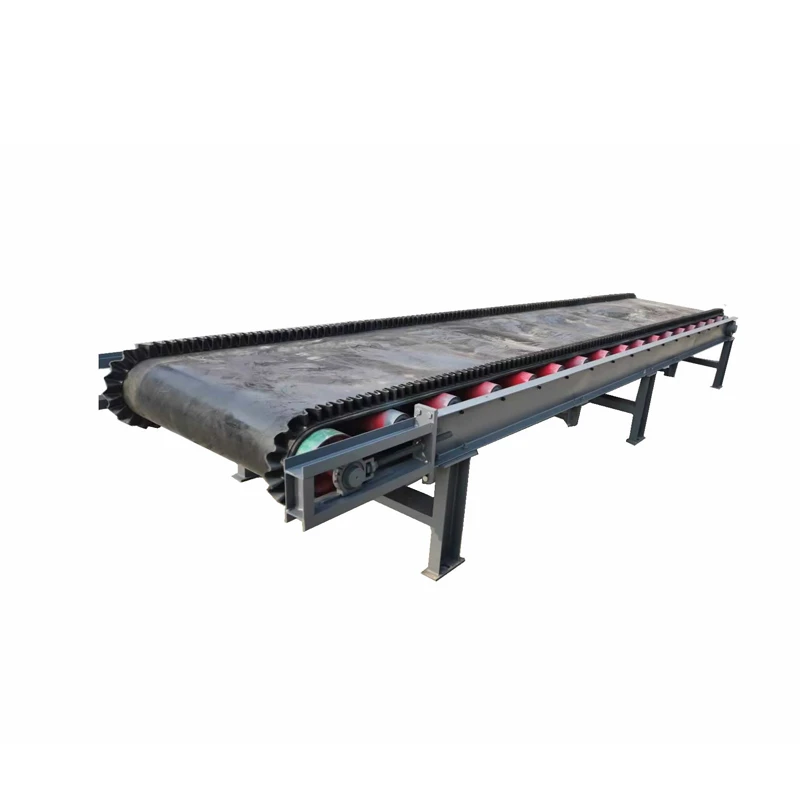
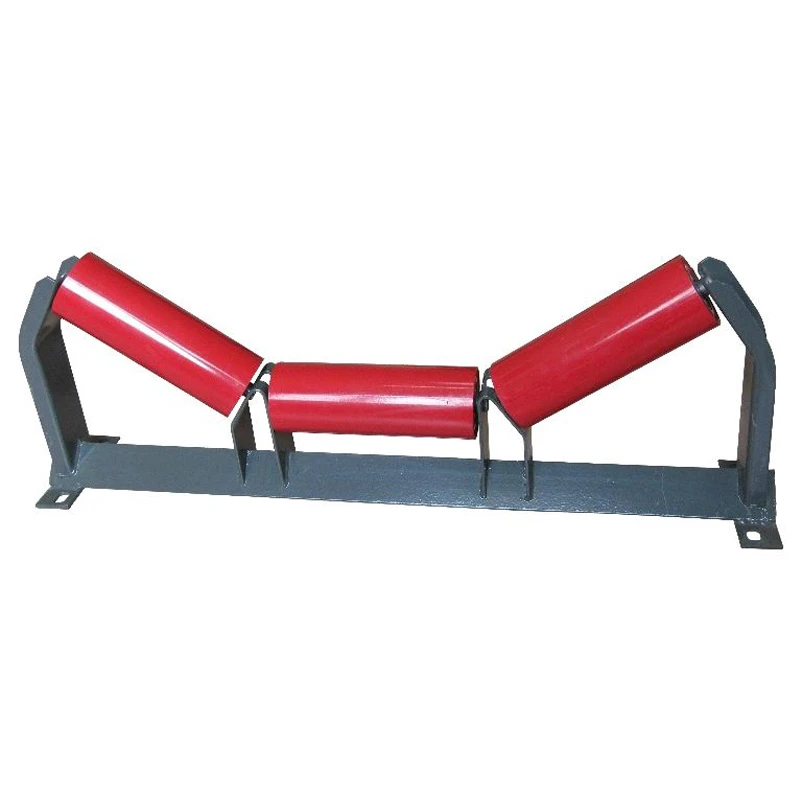
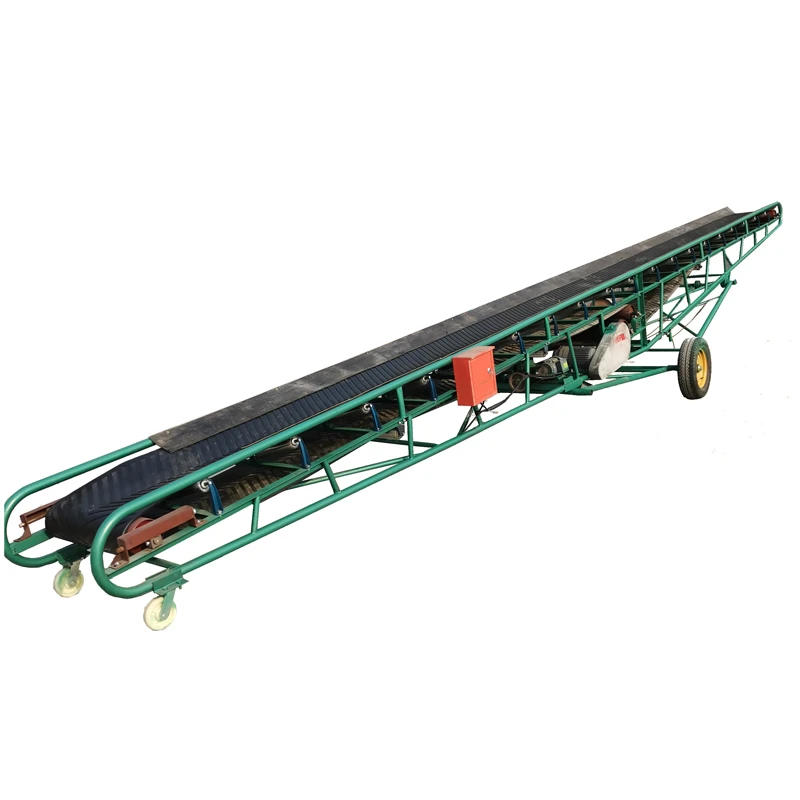
March 14, 2026Optimizing Production Efficiency with Advanced Production Line Conveyor SystemsIn modern manufacturing and logistics, efficiency is paramount. Production line conveyor systems are the backbone of streamlined operations, automating material handling and boosting productivity. This article will explore the different types, benefits, applications, and key considerations when selecting a conveyor system for your specific needs. Understanding these systems is crucial for optimizing your workflow and reducing operational costs. Choosing the right system can drastically improve your bottom line and allow your business to scale effectively. There's a diverse range of conveyor systems available, each suited to different materials, weights, and production environments. Belt conveyors are ideal for handling a wide variety of products, from lightweight items to heavier packages. Roller conveyors are excellent for moving items with a flat bottom. Modular plastic belt conveyors offer flexibility and are easy to clean, making them popular in food processing. Other options include chain conveyors for heavy-duty applications, and overhead conveyors for maximizing floor space. Selecting the right type depends on your specific application and materials handled. Implementing a conveyor system delivers numerous benefits, including increased throughput, reduced labor costs, improved worker safety, and enhanced operational efficiency.
-
March 12, 2026Optimizing Logistics with Advanced Product Merging Conveyor SystemsIn today's fast-paced world of logistics and manufacturing, efficiency is paramount. A product merging conveyor system is a crucial component in optimizing workflows, reducing bottlenecks, and increasing throughput. This article delves into the intricacies of these systems, exploring their benefits, applications, key considerations, and how HG Conveyor Belt can provide tailored solutions to meet your specific needs. We’ll cover everything from basic principles to advanced integration techniques. A product merging conveyor system, at its core, is designed to combine multiple product streams onto a single conveyor line. This is essential in scenarios where items arrive from different sources—such as various production lines, sorting stations, or automated guided vehicles (AGVs)—and need to be consolidated for further processing, packaging, or shipping. These systems aren’t simply about joining products; they involve sophisticated control mechanisms to maintain proper spacing, prevent collisions, and ensure smooth transitions. The benefits extend beyond just streamlining flow; they can also improve accuracy, reduce labor costs, and enhance overall system reliability.
-
March 11, 2026Optimizing Industrial Processes with Advanced Product Flipping Conveyor SystemsIn today's fast-paced industrial landscape, efficiency and flexibility are paramount. Product flipping conveyors are engineered to tackle complex material handling challenges, particularly when it comes to orienting products for downstream processes. This article delves into the advantages, applications, and key considerations for implementing a product flipping conveyor system, providing a comprehensive guide for businesses seeking to streamline their operations. Whether you're in food processing, packaging, or manufacturing, understanding how these systems work can unlock significant productivity gains. A product flipping conveyor, also known as a turning conveyor, is a specialized conveyor system designed to rotate or flip products 90 or 180 degrees. This functionality is critical in applications where products need to be presented in a specific orientation for labeling, inspection, packaging, or further processing. Unlike traditional conveyors that move products linearly, flipping conveyors add a dynamic element to the material handling workflow, providing increased versatility and automation. They can handle a wide range of product types, including boxes, cartons, bottles, and even irregular shaped items.
-
March 10, 2026Comprehensive Guide to Process Conveyor Systems for Industrial EfficiencyIn the realm of industrial material handling, process conveyor systems are indispensable. They streamline operations, boost efficiency, and reduce labor costs across a multitude of industries. This article delves into the world of process conveyors, exploring their types, applications, benefits, and critical considerations for selection. A well-chosen process conveyor isn’t just a piece of equipment; it's a strategic investment in productivity and safety. A process conveyor is a mechanical handling system used to move materials or products along a defined path. Unlike simple material transfer conveyors, process conveyors are often integrated directly into a manufacturing or production process. This means materials are moved during processing, not just between stages. They can handle a vast range of materials, from raw ingredients to finished goods, and are engineered to withstand diverse operating conditions.
-
March 9, 2026Optimizing Agricultural Efficiency with Advanced Seed Conveyors SystemsIn modern agriculture, efficient handling of seeds is paramount for successful planting and maximizing yields. Seed conveyors play a crucial role in this process, automating seed transfer and ensuring accurate distribution. This article explores the different types of seed conveyors, their benefits, applications, and factors to consider when selecting the right system for your agricultural needs. Investing in a reliable seed conveyor system can significantly reduce labor costs, minimize seed waste, and ultimately contribute to increased profitability. Various types of seed conveyors are available, each suited to specific applications and seed types. Common types include auger conveyors, belt conveyors, pneumatic conveyors, and screw conveyors. Auger conveyors are ideal for short-distance horizontal transport, while belt conveyors excel in handling larger volumes over longer distances. Pneumatic conveyors are well-suited for delicate seeds, ensuring minimal damage during transfer. Screw conveyors offer precise metering and are often used in seed processing and packaging.
-
March 8, 2026Optimizing Livestock Operations with Efficient Silage ConveyorsEfficiently moving silage is crucial for livestock operations. Silage conveyors play a vital role in this process, streamlining feed distribution and minimizing labor costs. This article provides a detailed overview of silage conveyors, their types, benefits, applications, and key considerations when choosing the right system for your farm. Understanding your silage handling needs and selecting the appropriate conveyor system can significantly improve overall farm efficiency and productivity. A silage conveyor is a mechanical system designed to transport silage – fermented, high-moisture fodder – from storage areas, such as silos or piles, to feeding locations. They offer a significantly more efficient and less labor-intensive alternative to manual handling. These conveyors come in various designs, each suited for different farm sizes, silage types, and operational requirements. They can handle various types of silage including corn silage, grass silage and others. Choosing the right conveyor type depends heavily on the scale of your operation and the specific characteristics of the silage you’re handling.
-
March 7, 2026Optimized Logistics Through Innovative Smart Conveyor Design SolutionsIn today’s fast-paced business environment, efficient material handling is crucial for success, especially in cross-border trade. Smart conveyor design solutions are no longer a luxury, but a necessity. At HG Conveyor Belt, we specialize in crafting customized conveyor systems that streamline your operations, reduce costs, and improve overall productivity. This article explores the key considerations for smart conveyor design and how our expertise can benefit your global supply chain. Investing in the right conveyor system is an investment in your future. The first step in designing a truly ‘smart’ conveyor system is a thorough understanding of your specific requirements. Factors to consider include the type of materials being handled (size, weight, shape), throughput demands, the layout of your facility, and any specific environmental conditions. A poorly designed system can lead to bottlenecks, damage to goods, and increased labor costs. At HG Conveyor Belt, we begin with a comprehensive consultation to assess your needs and develop a tailored solution. We don’t offer one-size-fits-all products; we engineer systems that work for you. This consultative approach guarantees efficiency and longevity of the system.
-
March 6, 2026Optimizing Material Handling with Small Diameter Screw ConveyorsIn the world of material handling, efficient and reliable transportation of dry bulk solids is paramount. Small diameter screw conveyors offer a compact and versatile solution for moving a wide range of materials. These conveyors are particularly well-suited for applications where space is limited or precise dosing is required. This article will delve into the features, benefits, applications, and key considerations when selecting a small diameter screw conveyor for your specific needs. We'll explore how these systems improve efficiency and reduce operational costs. A small diameter screw conveyor, also known as a screw feeder, is a mechanism used to transport bulk solids through a rotating helical screw blade within a tubular housing. The "small diameter" typically refers to housing diameters ranging from 2 inches to 8 inches (50mm to 200mm), though this can vary.
-
March 5, 2026Comprehensive Guide to Sling Conveyors for Efficient Material HandlingIn the world of material handling, efficiency and reliability are paramount. Sling conveyors offer a versatile solution for transporting bulk materials, often providing a cost-effective and adaptable alternative to traditional conveyor systems. This article delves into the intricacies of sling conveyors, exploring their applications, benefits, design considerations, and maintenance requirements. Whether you're involved in agriculture, mining, recycling, or another industry reliant on bulk material movement, understanding sling conveyors can optimize your operations and enhance productivity. A sling conveyor, also known as a friction conveyor, utilizes a continuous belt or series of belts traveling on a low-friction surface to move materials. Unlike belt conveyors that rely on rollers, sling conveyors leverage the friction between the belt and the material itself to propel the load. This design is particularly effective for handling dry, free-flowing bulk materials like agricultural products, wood chips, sand, gravel, and recycled materials.
-
March 4, 2026Understanding Slide Conveyors for Efficient Material Handling SolutionsIn material handling and logistics, efficiency and safety are paramount. Slide conveyor systems offer a simple yet effective solution for moving items horizontally. These conveyors are widely used across diverse industries for their reliability and low maintenance requirements. This article will delve into the specifics of slide conveyors, their applications, benefits, and considerations for selection, providing a comprehensive overview for businesses looking to optimize their material flow. From streamlining production lines to enhancing warehouse operations, understanding slide conveyors is crucial for modern logistics. A slide conveyor, also known as a gravity conveyor, utilizes gravity to move materials along a smooth, inclined surface. Typically constructed from stainless steel or aluminum, these conveyors minimize friction, allowing items to glide effortlessly from one point to another. They're powered by gravity alone, requiring no external energy source for operation, making them a cost-effective and environmentally friendly solution. They’re ideal for moving boxes, cartons, totes, and other similar items.
-
March 3, 2026Optimizing Bulk Material Handling with Versatile Slewing Conveyor SystemsIn the realm of bulk material handling, efficiency and versatility are paramount. Slewing conveyors offer a unique solution for applications requiring high maneuverability and precise material placement. These conveyors are designed to rotate 360 degrees, allowing for the discharge of materials in a wide arc, making them ideal for various industries. This article explores the functionality, key benefits, applications, and selection considerations for slewing conveyors. Choosing the right conveyor system can drastically improve operational efficiency and reduce handling costs. A slewing conveyor, also known as a rotating conveyor, is a material handling system that features a rotating discharge point. Unlike traditional conveyors that move materials in a fixed direction, a slewing conveyor can rotate its boom or discharge pulley through a complete 360-degree arc.
-
February 28, 2026Comprehensive Guide to Stainless Steel Food Conveyors for Optimal HygieneMaintaining hygiene and efficiency in food processing is paramount. Stainless steel food conveyors are a crucial component in achieving both. This article will explore the benefits, applications, and key considerations when selecting stainless steel conveyors for your food production needs. From bakeries to meat processing plants, we’ll cover how these conveyors contribute to safe and reliable food handling. Understanding the right conveyor system can significantly impact your operational efficiency and product quality. Stainless steel is the preferred material for food conveyors due to its exceptional properties. It's non-porous, preventing bacteria buildup and making cleaning and sanitization far more effective than other materials. This is essential for complying with stringent food safety regulations. Furthermore, stainless steel is incredibly durable and resistant to corrosion, even when exposed to harsh cleaning agents and food acids. The longevity of stainless steel conveyors translates to lower lifecycle costs. They also withstand high and low temperatures, making them suitable for a wide range of food processing applications. Several types of stainless steel conveyors cater to different food processing needs. These include belt conveyors, roller conveyors, modular belt conveyors, and plastic chain conveyors.