- Tel: +8615128135888
- Email: hg@chinaconveyerbelt.com

Spiral Conveyor Roller


Spiral rollers are mainly used to clean debris adhered to adhesive tape and can also play a role in adjusting deviation. It is commonly used for conveying materials with high viscosity and easy adhesion to conveyor belts, such as wet coal slurry, clay, etc. During the rotation of the spiral roller, the spiral blades can scrape off the material adhered to the conveyor belt, playing a role in cleaning the conveyor belt and preventing material accumulation from affecting its normal operation. Spiral rollers can effectively solve the problem of material sticking on conveyor belts when processing wet coal slurry in coal washing plants.
The Advantages Of Spiral Rollers Include:
Cleaning conveyor belt: During the rotation of the spiral roller, the spiral blades can scrape off the materials adhered to the conveyor belt, preventing material accumulation from affecting the normal operation of the conveyor belt.
Reduce conveyor belt deviation: The design of spiral idlers helps to reduce the phenomenon of conveyor belt deviation, ensuring that materials can be smoothly transported to the end of the belt conveyor.
Wide applicability: Spiral rollers are particularly suitable for conveying materials with high viscosity and easy adhesion to conveyor belts, such as wet coal slurry, clay, etc.
Easy installation: The bidirectional spiral rubber roller is easy to install, and the self centering conveyor is stable, which can reduce the deviation of the conveyor belt and protect the conveyor belt.
Long service life: The spiral rubber roller has a long service life and can be used normally within the range of -40 ℃ to 70 ℃.
Spiral rubber rollers perform well in the phosphate compound fertilizer industry and are particularly suitable for conveying sticky and wet materials. Spiral rollers can be used to transport materials with high viscosity, such as wet coal slurry, clay, etc., to reduce the problems of material accumulation and conveyor belt deviation. Grain processing plant: In the conveying system of grain processing plants, V-shaped spiral rollers can effectively improve conveying efficiency and are suitable for bulk materials with good fluidity and small particle size.
Working Principle of Spiral Conveyor Roller for Belt Self-Cleaning and Deviation Correction
Different from ordinary flat conveyor idlers that only provide simple supporting rotation, the spiral conveyor roller adopts a unique spiral blade structure to realize dual functions of automatic belt cleaning and passive deviation correction during equipment operation. Its core working principle relies on mechanical rotation and spiral structural force, solving the common industrial problems of sticky material accumulation and belt offset in wet and high-viscosity material conveying. When the conveyor transports adhesive materials such as wet coal slurry and clay, residual materials easily adhere firmly to the belt surface, which cannot be removed by traditional smooth rollers. As a kind of spiral roller, the spiral conveyor roller rotates synchronously with the running belt, its continuous spiral blades produce stable scraping force, thoroughly stripping sticky attachments from the belt surface and preventing material buildup that may block normal conveying operation.
In addition to the self-cleaning function, the structural layout of the spiral conveyor roller generates uniform lateral traction during rotation, forming a natural self-centering effect for the moving belt. This passive mechanical correction principle effectively relieves belt deviation without additional auxiliary correction devices or manual adjustment, ensuring stable and linear belt operation. Designed with adaptive structural toughness, the roller maintains flexible and consistent rotating performance throughout the temperature range of -40℃ to 70℃. With simple installation and purely mechanical working logic, the spiral roller requires no external power or daily lubrication, delivering stable long-term operation and greatly improving the overall working efficiency and operational stability of industrial conveyor systems for coal washing, chemical fertilizer and grain processing scenarios.
Thanks to its integrated mechanical working mechanism, the strong spiral conveyor roller strong operates synchronously with the entire conveyor system without consuming extra energy or requiring complex auxiliary control. While completing continuous belt cleaning and deviation correction, it keeps stable rotating flexibility even after long-hour continuous operation. This pure physical working mode avoids performance attenuation caused by chemical aging or lubricant failure, ensuring long-term functional stability in coal washing, chemical industry and grain processing conveying scenarios. It fundamentally optimizes the operating state of sticky material conveyor lines and reduces hidden equipment failures.
Spiral Conveyor Roller Applications in Sticky Material Handling Systems
Spiral conveyor rollers are widely used in belt conveyor systems where sticky, wet, or easily accumulated materials need to be transported efficiently. Their spiral-shaped surface design helps remove material attached to the conveyor belt during operation, reducing buildup and improving the overall cleanliness of the conveying process. These rollers are especially suitable for industries that handle materials such as wet coal slurry, clay, and other high-viscosity substances.
In coal washing plants and mineral processing facilities, spiral conveyor roller solutions help solve common problems caused by material adhesion. When wet materials remain attached to the belt surface, they can gradually accumulate and affect conveyor performance. The rotating spiral structure continuously scrapes away residual materials, helping maintain a cleaner belt surface and supporting stable material transportation.
For bulk material handling applications, spiral roller systems are also used to reduce belt deviation issues. The spiral design creates a guiding effect during rotation, helping the conveyor belt maintain proper alignment and reducing operational interruptions caused by belt movement. This makes spiral rollers a practical choice for conveying systems that require continuous and reliable operation.
In agricultural and chemical industries, these rollers are suitable for handling materials with different moisture levels and adhesion characteristics. For example, grain processing plants can use spiral rollers in conveying equipment to support smoother transportation of bulk materials. In fertilizer production lines, where wet and sticky materials are common, spiral rubber rollers can help minimize material accumulation and improve conveyor efficiency.
The application of conveyor spiral roller components is not limited to heavy industries. They can also be integrated into various material transfer systems where belt cleaning and stable operation are required, using different types of conveyor belt. With a simple structure and convenient installation, spiral rollers can be easily incorporated into existing conveyor equipment to improve maintenance efficiency.
By combining belt cleaning capability with deviation reduction performance, spiral conveyor rollers provide a reliable solution for conveyor systems handling challenging materials. HG supplies durable conveyor roller solutions designed for different industrial conveying requirements. Contact us for customized spiral roller options according to your application needs.
Spiral Conveyor Roller Industry Standards for Reliable Belt Conveyor Performance
In modern bulk material handling systems, spiral conveyor roller components are required to meet practical industry requirements for stable operation, effective belt cleaning, and compatibility with different conveying environments. As an important part of belt conveyor equipment, spiral rollers are designed according to the working conditions of materials being transported, especially in applications where sticky or wet materials may affect normal conveyor operation.
A key requirement for a conveyor spiral roller is its ability to maintain effective contact with the conveyor belt during continuous operation. The spiral blade structure should provide a scraping function to remove materials attached to the belt surface while avoiding unnecessary interference with belt movement. This design helps reduce material accumulation and supports smoother conveyor system performance in industries handling wet coal slurry, clay, and other adhesive materials.
For belt conveyor applications, proper alignment performance is also an important consideration. Spiral idler designs are commonly developed to help reduce belt deviation during transportation. By supporting stable belt running, these rollers contribute to more reliable conveying processes and reduce operational problems caused by uneven belt movement.
Industry requirements for conveyor components also focus on adaptability and installation convenience. A suitable spiral rubber roller should be able to integrate with existing conveyor structures and operate effectively under different material handling conditions. Spiral rollers are widely applied in coal washing plants, fertilizer production, mineral processing, and grain handling systems because they can handle materials with different levels of moisture and adhesion.
Material selection and operating durability are also important factors when evaluating spiral roller performance. Conveyor rollers need to maintain stable function under continuous working conditions, while the rubber surface and spiral structure should provide reliable cleaning performance throughout service periods. These characteristics make spiral rollers a practical solution for improving conveyor maintenance efficiency.
HG follows practical manufacturing requirements to produce spiral belt conveyor roller solutions for industrial conveying systems. With professional production experience and customized service capability, the company provides conveyor roller products suitable for various bulk material transportation needs. Contact us for more information about spiral roller solutions for your conveyor applications.
Spiral Conveyor Roller Material Comparison and Selection Guide
The material selection of a spiral conveyor roller directly affects its performance in different conveying environments. According to the characteristics of transported materials and working conditions, spiral rollers are generally designed with different surface materials to meet various industrial requirements. Choosing the right material helps improve conveyor operation stability and maintain effective belt cleaning performance.
Rubber spiral rollers are widely used in applications where materials are wet, sticky, or easy to accumulate on the conveyor belt. The rubber surface provides suitable contact with the belt, while the spiral structure helps remove attached materials during rotation. For industries such as coal washing plants, fertilizer production, and mineral processing, a spiral roller is a practical choice for handling materials like wet coal slurry, clay, and other high-viscosity substances.
Compared with rubber types, other roller surface materials may be selected according to specific conveying conditions. For example, different surface designs can be considered when the application requires different levels of wear resistance, cleaning performance, or compatibility with transported materials. The final selection should be based on factors such as material moisture, adhesion characteristics, and conveyor operating conditions.
In bulk material handling systems, the structure of a spiral conveyor idler also plays an important role together with the roller material. The spiral blades help scrape materials from the conveyor belt surface, reducing buildup that may affect normal transportation. A suitable combination of roller structure and material can support smoother belt operation and reduce cleaning requirements.
When selecting a conveyor spiral roller, users should consider the actual application environment rather than focusing only on material type. Conveying conditions, material properties, and maintenance requirements all influence the suitable roller configuration. Proper selection allows the roller to perform effectively in continuous conveying systems.
HG provides spiral roller solutions for different industrial conveying applications. With suitable material options and professional manufacturing experience, our spiral conveyor roller products are designed to meet the needs of various belt conveyor systems, including applications involving sticky and wet materials.
Spiral Conveyor Roller Usage, Maintenance, and Replacement Guide
Proper operation and maintenance are important for maintaining the performance of a spiral roller in long-term belt conveyor applications. Although spiral rollers are designed for continuous material handling, regular inspection and correct usage can help ensure stable operation and reduce unexpected equipment problems.
During daily operation, the working condition of the spiral roller should be checked regularly. Since these rollers are mainly used for cleaning materials attached to conveyor belts, accumulated debris around the spiral blades should be monitored. Keeping the roller surface free from excessive material buildup helps maintain the cleaning function and supports smooth belt movement.
A spiral roller for conveyor belt systems should also be installed according to the conveyor structure and operating requirements. Proper installation helps the roller maintain stable rotation and allows the spiral design to effectively remove sticky materials from the belt surface. During use, operators should pay attention to abnormal rotation, unusual noise, or changes in belt running conditions.
For maintenance, regular checks of the roller surface, connection parts, and overall operating condition are recommended. In environments handling wet coal slurry, clay, or other adhesive materials, inspection frequency may need to be adjusted according to actual working conditions. Timely cleaning and maintenance can help reduce material accumulation and maintain conveyor efficiency.
When a conveyor spiral roller shows serious wear, damage, or reduced cleaning performance, replacement should be considered. The replacement process usually involves removing the existing roller from the conveyor frame and installing a new roller with suitable dimensions and structure. Sometimes we should also check the well being of other parts including roller bracket and bearings Selecting a compatible replacement roller ensures proper fitting and stable conveyor operation.
HG supplies reliable spiral conveyor roller products for industrial belt conveyor systems. By following proper usage methods, maintenance procedures, and replacement practices, users can maintain consistent conveying performance and extend the service life of their conveyor equipment.
How Does a Spiral Conveyor Roller Keep a Conveyor Belt Cleaner?
A spiral conveyor roller is designed to do more than simply support the return side of a conveyor belt. Its spiral surface creates a continuously changing contact pattern as the roller rotates, helping reduce the accumulation of fines, sticky particles, and residual material around the roller and belt surface. This makes the spiral design particularly useful on conveyor systems where material carryback creates frequent cleaning and maintenance problems.
With a conventional smooth roller, wet or adhesive material may gradually collect on the roller surface. As the buildup becomes uneven, it can interfere with smooth rotation and contribute to vibration, irregular belt contact, and additional wear. The spiral structure helps interrupt this accumulation rather than allowing a continuous layer of material to develop. Hebei Roule's spiral roller solutions are therefore suitable for bulk-material conveying environments where keeping the return section cleaner is an important operating requirement.
This self-cleaning characteristic can be especially valuable when handling coal, ore, aggregates, minerals, and other bulk materials that generate dust or fines. However, a spiral roller should be considered part of the overall conveyor cleaning strategy rather than a replacement for every belt cleaner. Material characteristics, moisture content, belt speed, roller position, and conveyor configuration all influence the final performance.
For buyers experiencing repeated material buildup on return rollers, choosing the correct spiral configuration can help reduce manual cleaning requirements and support more stable conveyor operation.
Where Are Spiral Rollers Used in Belt Conveyor Systems?
The operating environment is one of the most important considerations when selecting a spiral roller. These rollers are particularly suitable for belt conveyor systems where bulk material residue remains on the return side of the belt and can accumulate around conventional rollers. As a result, spiral designs are commonly considered for demanding material-handling applications rather than simple light-duty product transportation.
Mining and mineral-processing conveyors are a typical application. Ore, coal, crushed stone, and mineral fines can produce dust or sticky carryback, especially when moisture is present. A spiral conveyor roller installed at an appropriate return position can help disrupt material accumulation while supporting the returning conveyor belt. Similar requirements can occur in aggregate plants, cement operations, coal handling facilities, ports, terminals, metallurgy plants, and certain chemical material-handling systems.
The correct application should nevertheless be determined by operating conditions rather than industry name alone. Buyers should evaluate the conveyed material, particle size, moisture level, abrasiveness, belt width, belt speed, load conditions, installation position, and environmental exposure before selecting a roller.
For example, a dry aggregate conveyor and a conveyor handling wet mineral fines may require different spiral materials, sealing arrangements, dimensions, and structural configurations.
Hebei Roule supplies conveyor components for industries including mining, ports, metallurgy, coal, and chemical engineering, allowing spiral roller specifications to be matched more closely to the actual conveyor application rather than selected as a generic replacement component.
Spiral Roller vs Standard Conveyor Roller: Which One Should You Choose?
Choosing between a spiral roller and a standard smooth conveyor roller should depend on the problem that needs to be solved. A standard roller is primarily designed to provide stable belt support and low-resistance rotation. For clean, dry applications where material carryback is limited, a conventional roller may provide a simpler and more economical solution.
A spiral conveyor roller, however, becomes more attractive when the return belt carries residual material that tends to stick to or accumulate around conventional rollers. Instead of maintaining continuous surface contact in the same way as a smooth roller, the spiral profile creates changing contact as the roller rotates. This can help disturb adhered material and reduce localized buildup.
The distinction is particularly relevant for mining, coal, aggregate, cement, and other bulk-handling conveyors. Material buildup on standard return rollers can eventually create uneven surfaces, increase vibration, interfere with belt movement, and add unnecessary maintenance work. In these conditions, the additional cleaning action of a spiral design can provide an operational advantage.
That does not mean spiral rollers should replace every standard roller in a conveyor system. Carrying positions, return positions, loading zones, transition areas, and belt-tracking locations have different functional requirements.
For procurement teams, the better question is therefore not simply “Which roller is better?” but “What problem exists at this position of the conveyor?” If carryback and roller buildup are recurring problems, a spiral configuration may offer a more application-specific solution.
How to Choose the Right Spiral Conveyor Roller for Your Belt Conveyor
Selecting the correct spiral conveyor roller requires more than matching the overall roller length. A roller that physically fits the conveyor frame may still perform poorly if its diameter, shaft, bearings, sealing system, spiral material, or load capability does not match the operating conditions.
Start with the conveyor itself. Buyers should provide belt width, roller installation position, required roller diameter and face length, shaft dimensions, belt speed, and operating load. Existing roller drawings or clear dimensional information can make replacement selection significantly easier.
Next, consider the conveyed material. Abrasive ore, fine coal, wet aggregate, and chemical bulk materials place different demands on a spiral roller. Moisture and fine particles are especially important because they influence carryback behavior and the risk of contamination reaching the bearing system. Dusty or wet environments may therefore require more effective bearing protection and sealing.
The spiral surface material should also be evaluated according to wear, impact, temperature, and environmental requirements. Rather than specifying a material solely by price, buyers should consider its suitability for the actual duty cycle.
Hebei Roule can provide conveyor rollers in different configurations and supports customized conveyor solutions. The company's broader roller manufacturing capabilities include adapting dimensions, materials, shafts, bearings, and sealing configurations according to application requirements.
For replacement projects, sending the existing roller dimensions, conveyor operating data, application photos, and material information is usually the most effective starting point for determining a suitable specification.
Can Spiral Conveyor Rollers Reduce Carryback and Conveyor Maintenance?
Material carryback is a common source of maintenance work in bulk conveyor systems. Small quantities of material that remain attached to the belt may appear insignificant, but over continuous operation they can accumulate beneath the conveyor or around return-side components. This can increase housekeeping requirements and contribute to premature component wear.
A spiral conveyor roller can help address one part of this problem by reducing the tendency for residual material to remain continuously packed around the roller surface. As the spiral profile rotates against the returning belt, its changing contact pattern helps disturb adhered fines and deposits. This self-cleaning function is particularly useful where conventional return rollers repeatedly become coated with sticky or wet material.
Cleaner roller surfaces can also support more consistent roller rotation. Uneven buildup on a roller may change its effective surface profile and create irregular belt contact. Reducing that accumulation can therefore contribute to smoother return-belt operation and lower the frequency of manual roller cleaning.
However, buyers should avoid treating a spiral roller as a universal cure for conveyor carryback. Primary and secondary belt cleaners, correct belt tension, proper tracking, suitable idler spacing, and good maintenance practices remain important parts of the complete system.
The strongest application is therefore a conveyor where return-side material buildup has already been identified as a recurring maintenance issue. In these installations, spiral rollers can work alongside the existing cleaning system to improve operating reliability and reduce unnecessary maintenance intervention.
Why Choose Hebei Roule as Your Spiral Conveyor Roller Manufacturer?
For industrial buyers, sourcing a spiral conveyor roller is not only about comparing unit prices. Dimensions, material selection, bearing protection, manufacturing consistency, customization capability, and long-term supply reliability can have a greater impact on the total operating cost of a conveyor system.
Hebei Roule specializes in conveyor rollers, conveyor belts, drums, conveyor machinery, and related components. According to the company's manufacturing information, its product portfolio includes more than 100 product types serving applications such as mining, ports, metallurgy, coal, and chemical engineering. This broader conveyor-system experience is valuable when a spiral roller needs to be selected according to the customer's actual belt and operating environment rather than treated as an isolated component.
Quality management is another consideration for international procurement. Hebei Roule states that the company has ISO 9001 quality management, ISO 45001 occupational health and safety management, ISO 14001 environmental management, SGS factory inspection, and CE product certification.
For OEM, replacement, and project requirements, customers can discuss roller dimensions, shaft configuration, materials, bearings, sealing arrangements, and other application-specific requirements before production.
Whether you need a replacement spiral roller for an existing conveyor or customized rollers for a new bulk-material handling project, Hebei Roule can work from operating parameters and dimensional requirements to develop a more appropriate roller configuration.
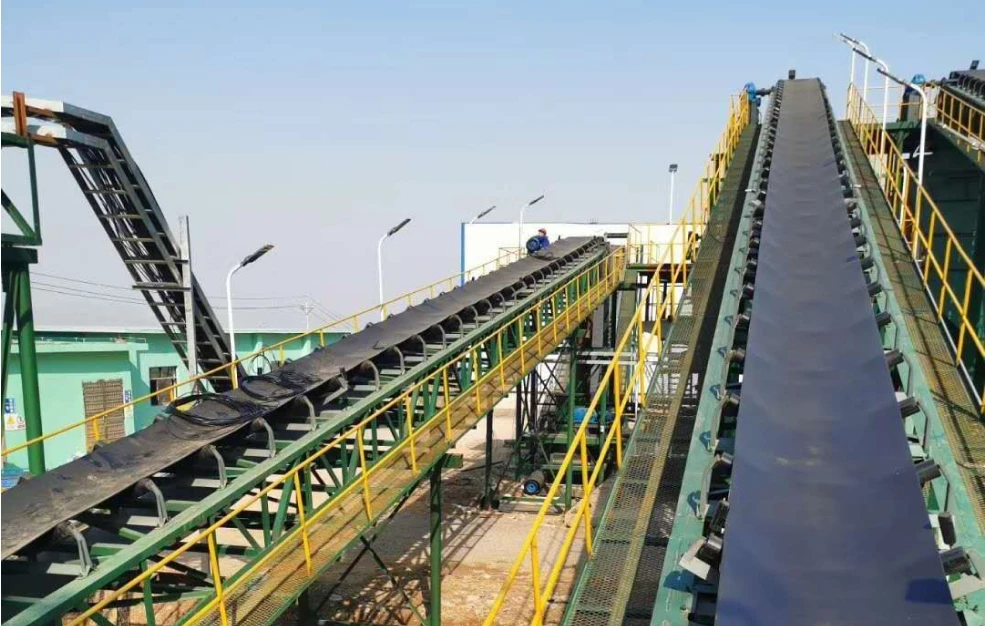
Compact & Efficient Spiral Roller Solution
Compact & Efficient Spiral Roller SolutionDesigned to maximize floor space, these Spiral Conveyor Rollers feature a robust modular construction that reduces noise and energy consumption while maintaining reliable 24/7 operation. The self-supporting structure eliminates the need for complex frameworks.
-
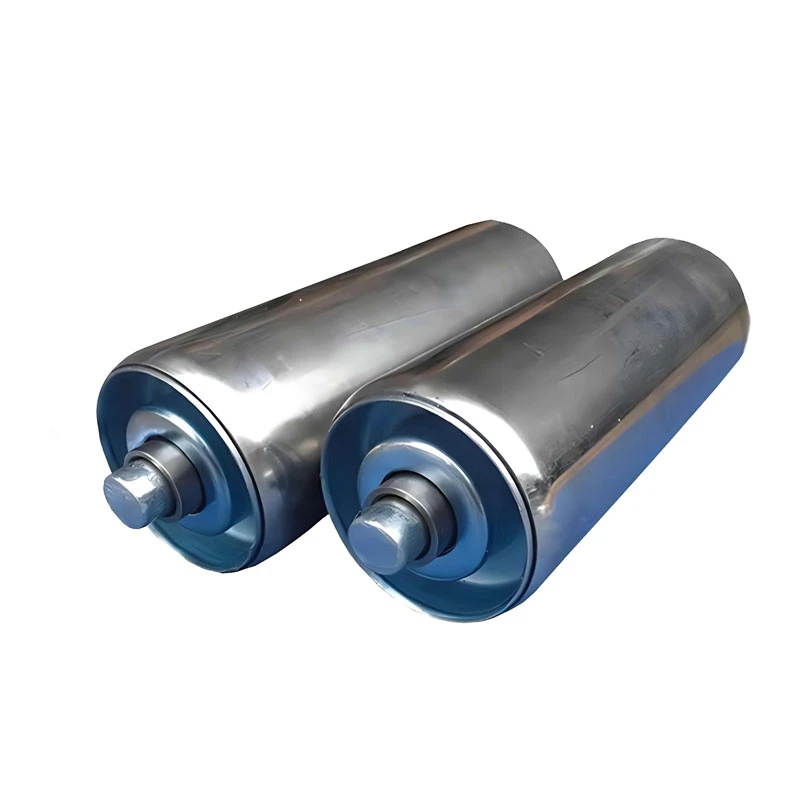 Stainless Steel Conveyor Roller
Stainless steel conveyor rollers made of stainless steel are important components in conveyor lines. There are many types of stainless steel conveyor rollers, so different stainless steel conveyor rollers can be customized according to the needs of different industries.
-
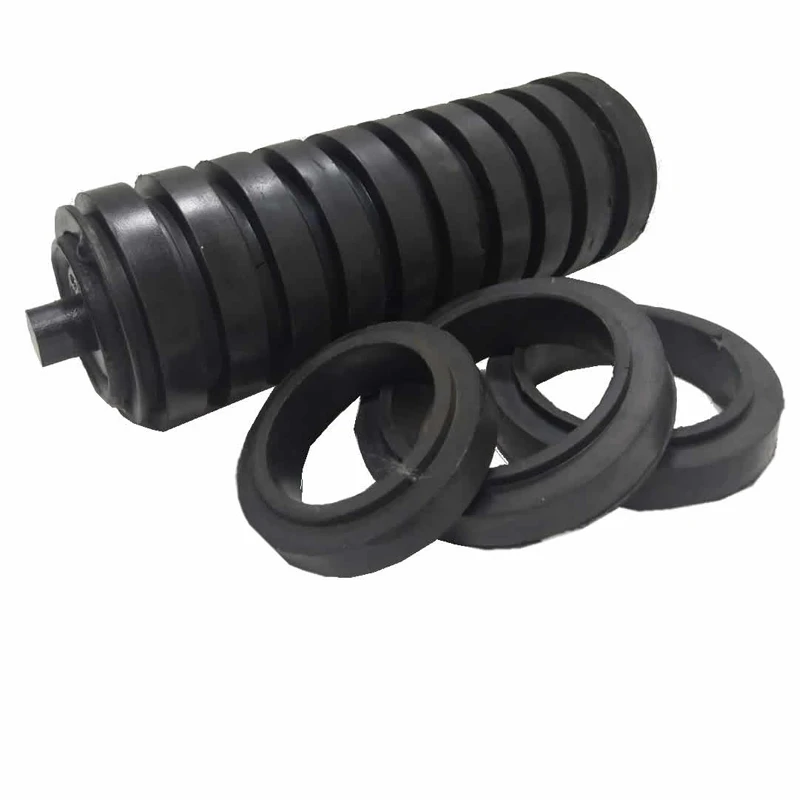 Casting Rubber Roller
The buffer roller group is installed below the receiving section of the conveyor to reduce the impact of materials on the conveyor belt during material dropping, thereby extending the service life of the conveyor belt.
-
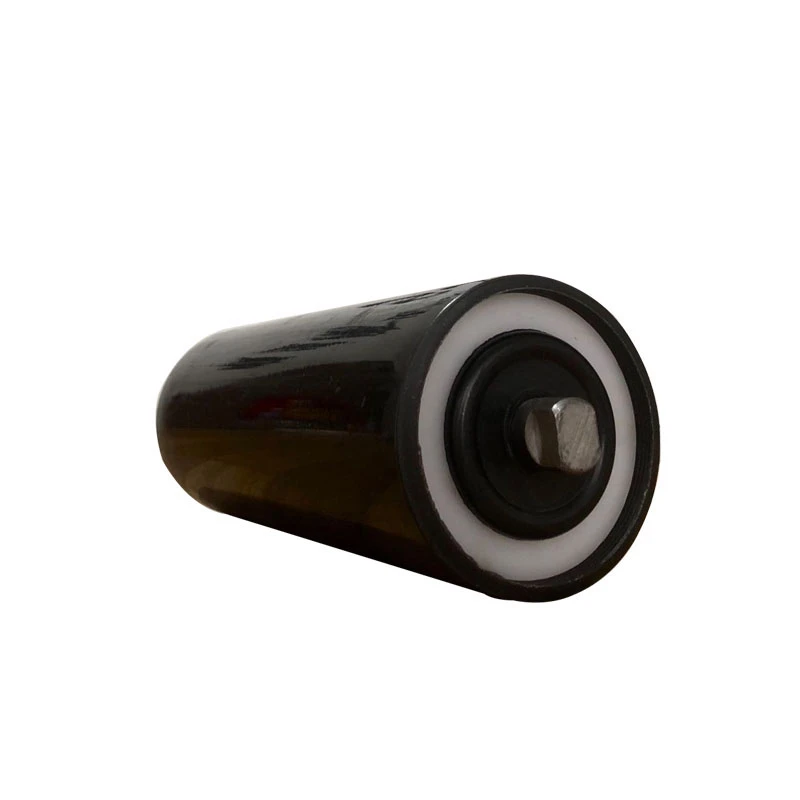 Wear Resistant Ultra-High Polymer Roller
Polymer rollers, also known as ultra-high molecular weight polyethylene rollers, are produced independently by our factory. Our polymer rollers have superior performance in wear resistance, corrosion resistance, and adhesion resistance.
-
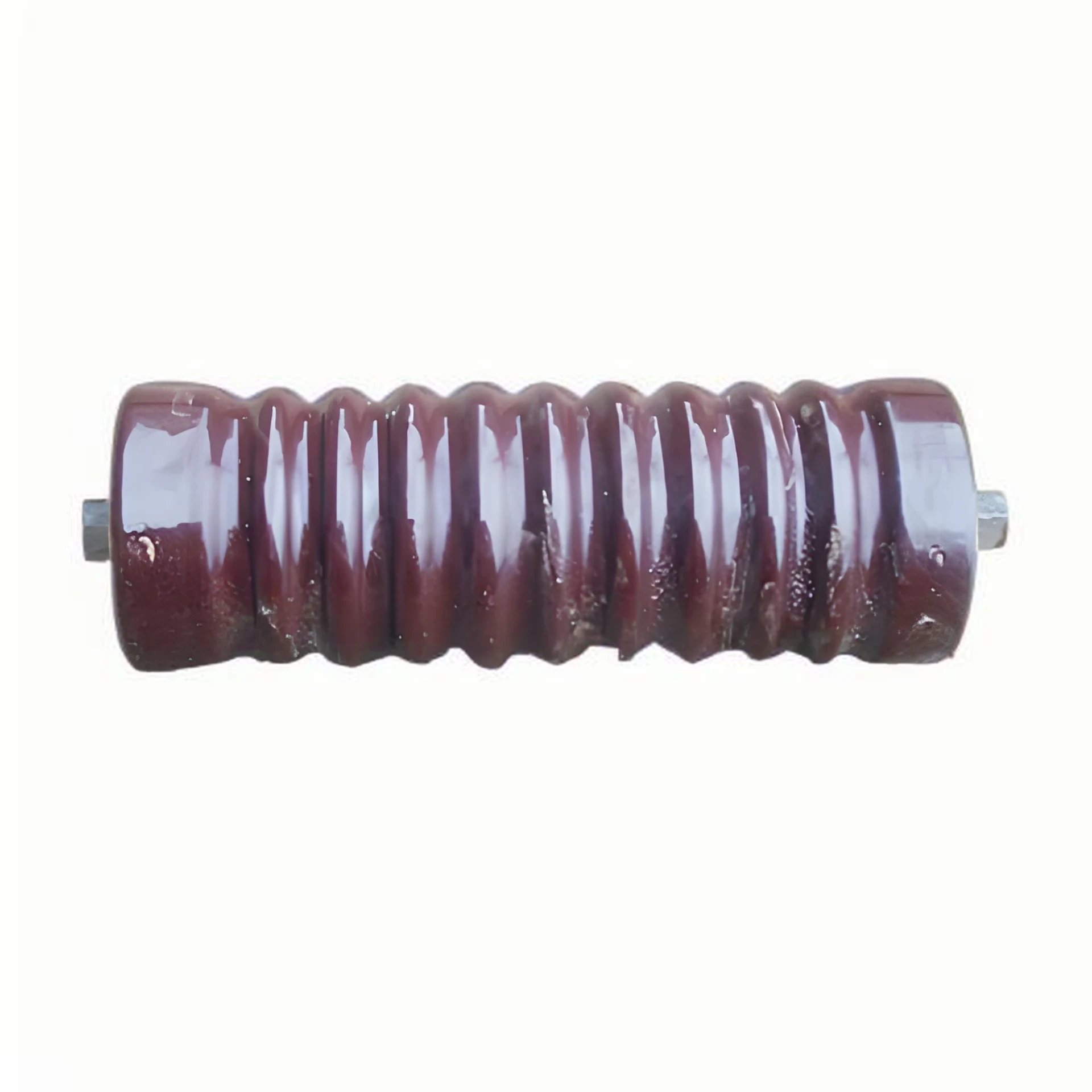 Parallel Ceramic Rollers For Conveyor
Ceramic rollers are composite components composed of ceramic bodies, bearings, shafts, and plastic labyrinth seals.
-
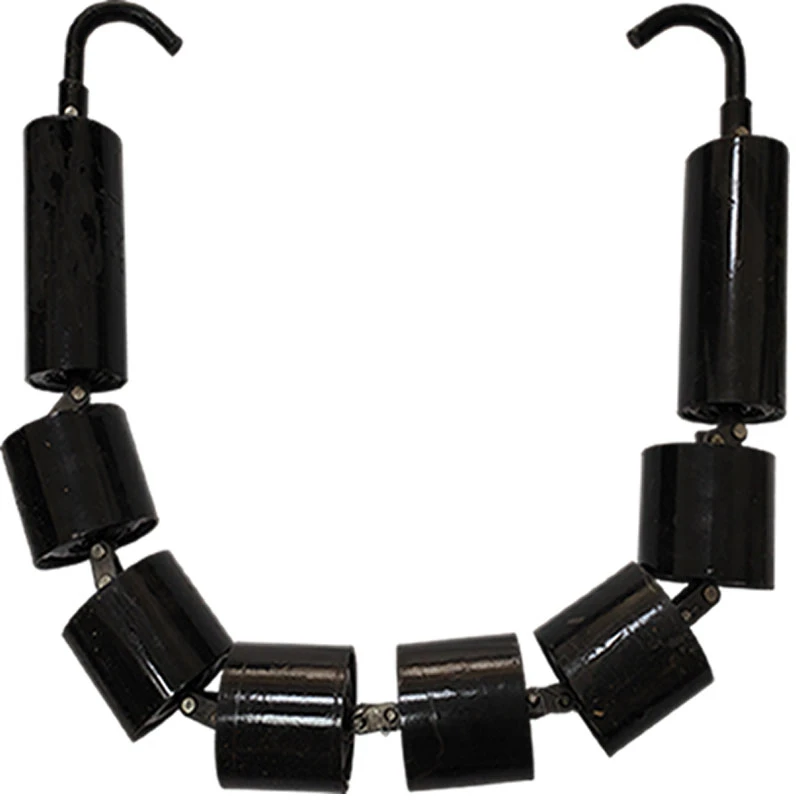 Belt Conveyor Triple Roller String
The triple roller set is different from the roller set. The rollers are connected by pins and fixed to the steel pipes on both sides with climbing hooks. This makes the roller set both lightweight and easy to disassemble. Reduced costs. It is quite flexible to use.
-
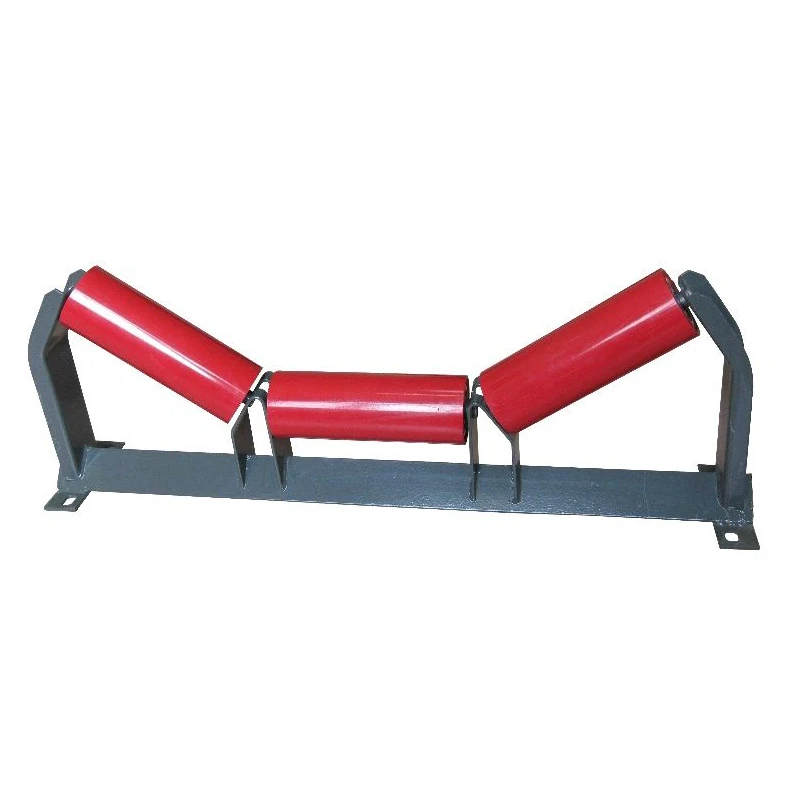 Conveyor Rollers And Belt Conveyor Rollers
Roller is an important component of a belt conveyor, used to support the weight of the conveyor belt and materials. The roller is mainly composed of a pipe body, a shaft, bearings, and a sealing device.
-
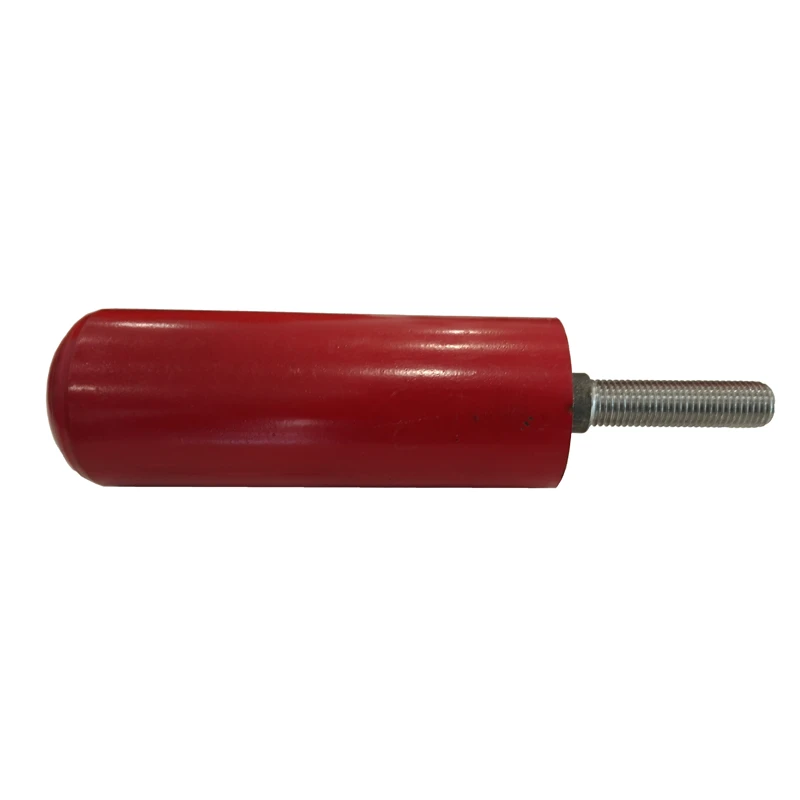 Belt Conveyor Barrier Roller
Belt conveyor stop roller, also known as vertical roller, is a device mainly connected to the centering bracket and is usually installed on both sides of the belt conveyor.
-
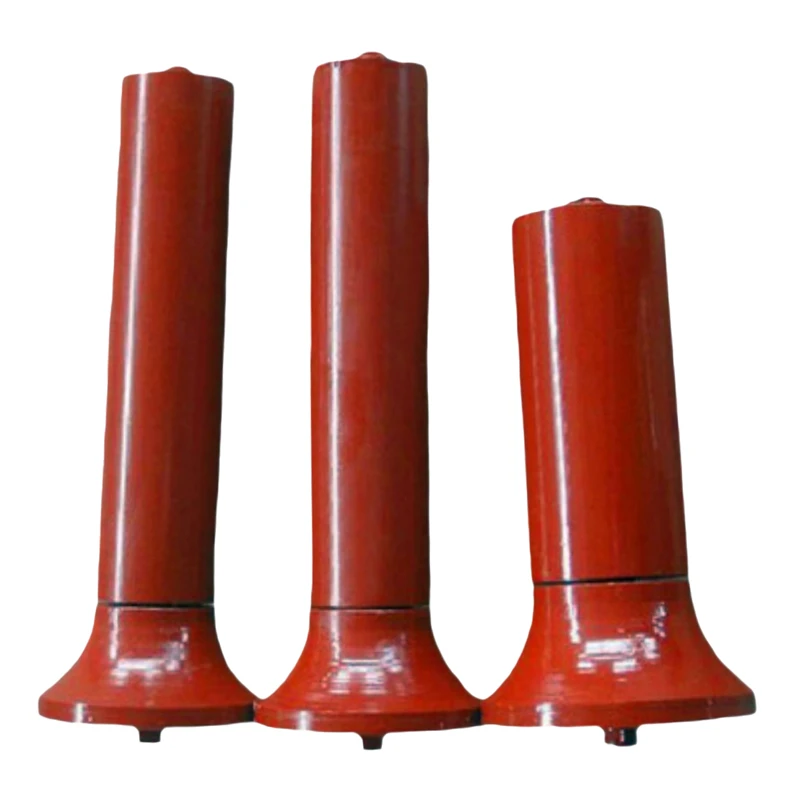 Self Aligning Friction Roller
Friction roller is a mechanical structure composed of a drum, shaft, and bracket, which plays a role in supporting materials, transmitting power, and maintaining stability during the movement of a conveyor belt.
Let's Get in Touch!
Send us a message and let our experts assist you with tailored solutions.


