Optimizing Your Material Handling: A Guide to Milk Can Conveyor Systems
Efficiently moving milk cans is critical for dairy farms and processing plants. A well-designed milk can conveyor system streamlines operations, reduces labor costs, and ensures the safe and hygienic transport of valuable products. This article explores the benefits, types, and key considerations when selecting a milk can conveyor system for your facility. We’ll cover everything from belt materials to system configurations, helping you find the optimal solution for your specific needs. Investing in the right conveyor can significantly boost productivity and improve overall efficiency.
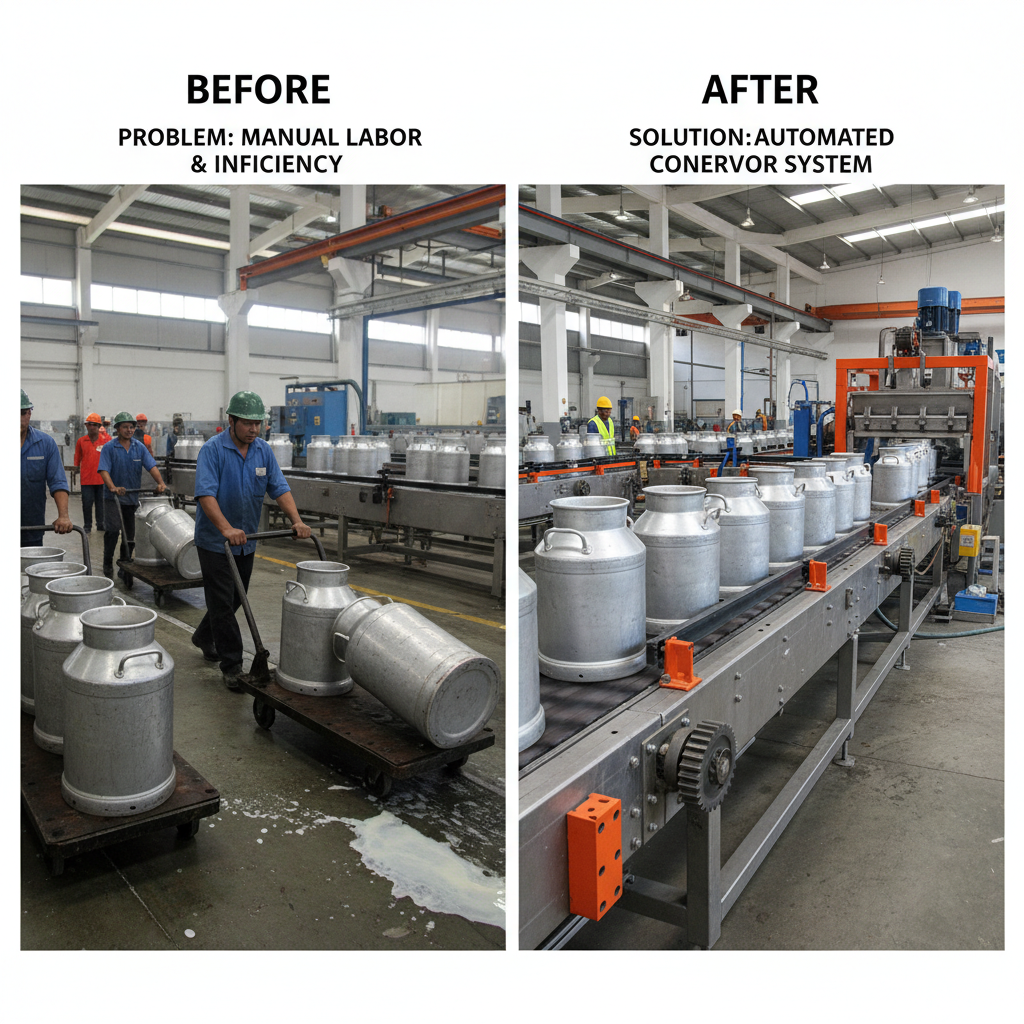
Benefits of Implementing a Milk Can Conveyor System
Implementing a milk can conveyor system offers numerous advantages. Primarily, it reduces the need for manual handling, minimizing the risk of product damage, spills, and worker injuries. This translates to significant cost savings in the long run. Automated conveyance also speeds up the transfer process, increasing throughput and allowing for faster processing times. A conveyor system enhances hygiene by minimizing direct contact with the cans, reducing the potential for contamination. Moreover, it optimizes space utilization within the facility, creating a more organized and efficient workflow. The conveyor belts offered by HG Conveyor Belt are designed for these critical applications.
Key Benefits: Reduced manual handling, increased throughput, enhanced hygiene, optimized space, and minimized product damage.
Types of Milk Can Conveyor Systems
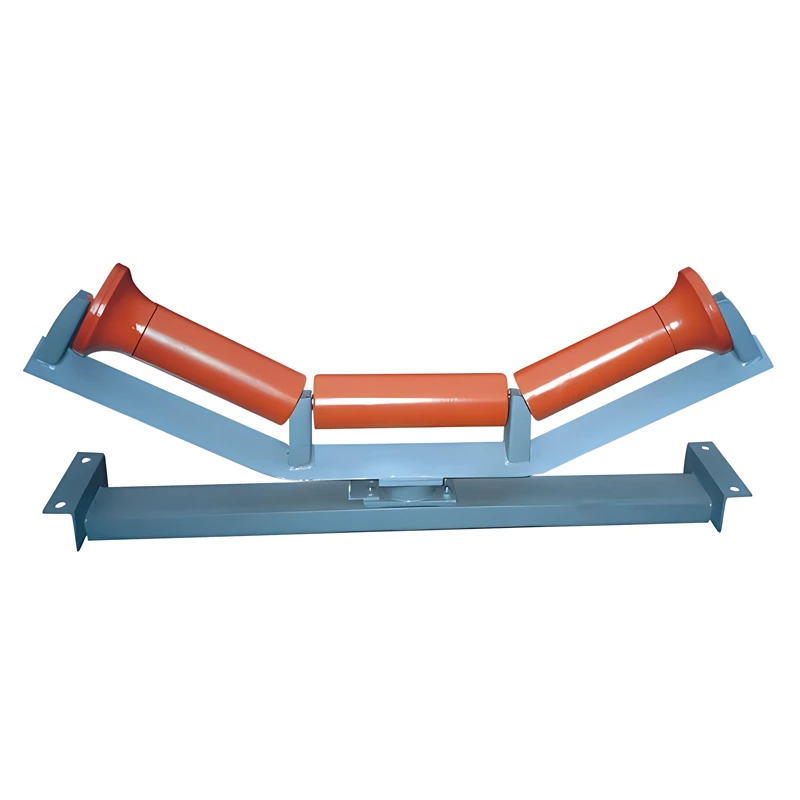
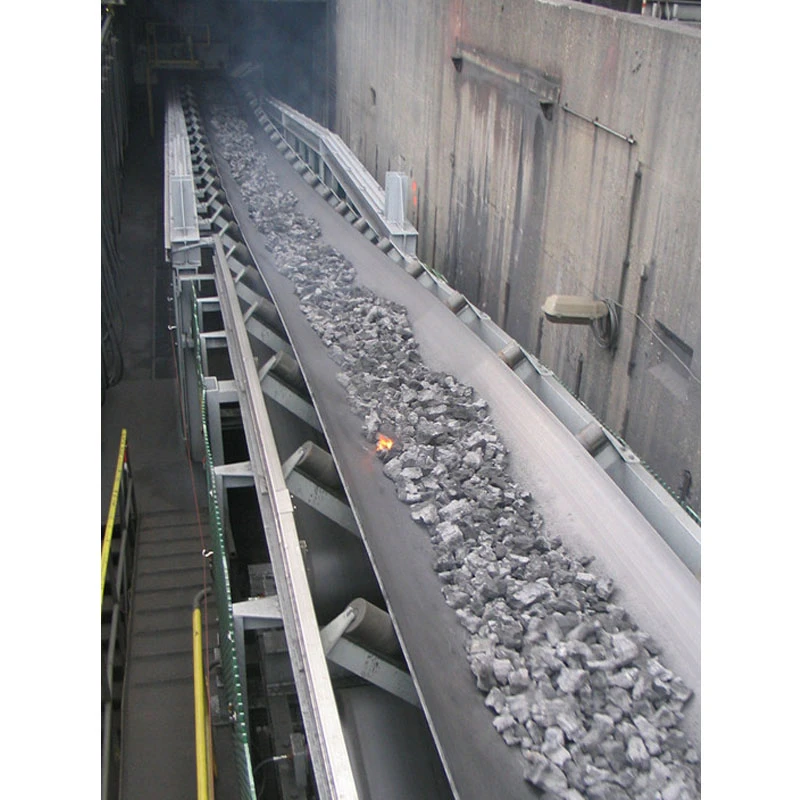
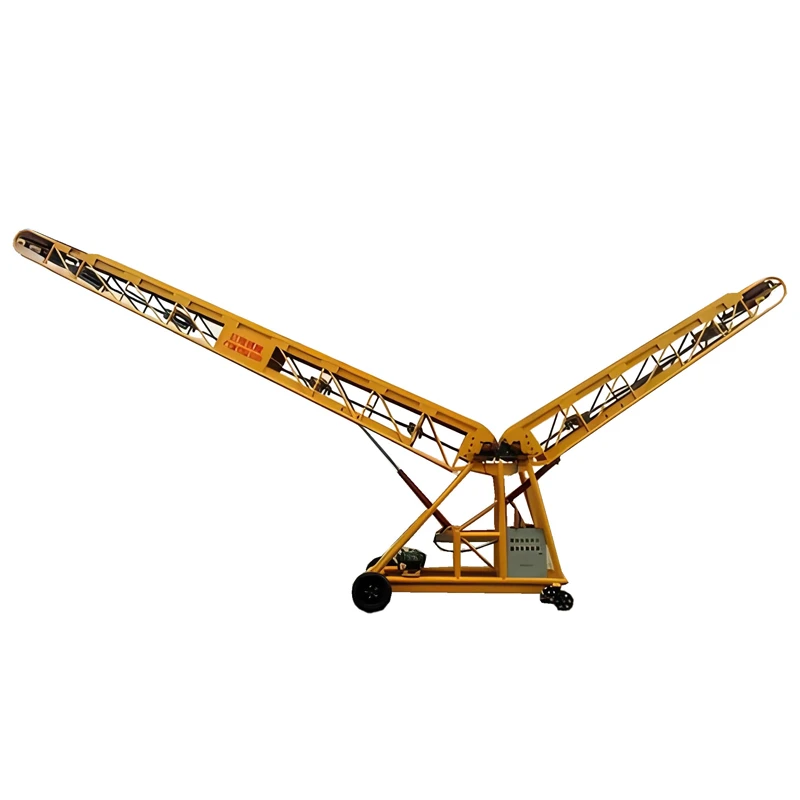
Several types of conveyor systems are suitable for milk can transport, each with unique characteristics. Roller conveyors are a cost-effective option for straight-line movement, relying on gravity or powered rollers. Belt conveyors offer versatility and can handle curves and inclines, making them suitable for more complex layouts. Modular plastic belt conveyors are ideal for hygiene-sensitive applications, as they are easy to clean and resistant to bacteria growth. Chain conveyors are robust and can handle heavy loads but may require more maintenance. The choice depends on factors like the facility layout, can weight, and desired level of automation.
Conveyor System Options:
• Roller Conveyors
• Belt Conveyors
• Modular Plastic Belt Conveyors
• Chain Conveyors
Key Considerations When Selecting a Milk Can Conveyor
Choosing the right conveyor system requires careful consideration. First, assess the size and weight of the milk cans you need to transport. Next, map out your facility layout to determine the required conveyor length and complexity. Consider the desired throughput rate and whether you need automated features like speed control and sensors. Hygiene is paramount, so select materials that are easy to clean and sanitize, such as food-grade plastics or stainless steel. Finally, factor in your budget and long-term maintenance costs. Investing in a durable and reliable system from a reputable supplier like HG Conveyor Belt ensures a long-term return on investment.
Material Options for Milk Can Conveyors
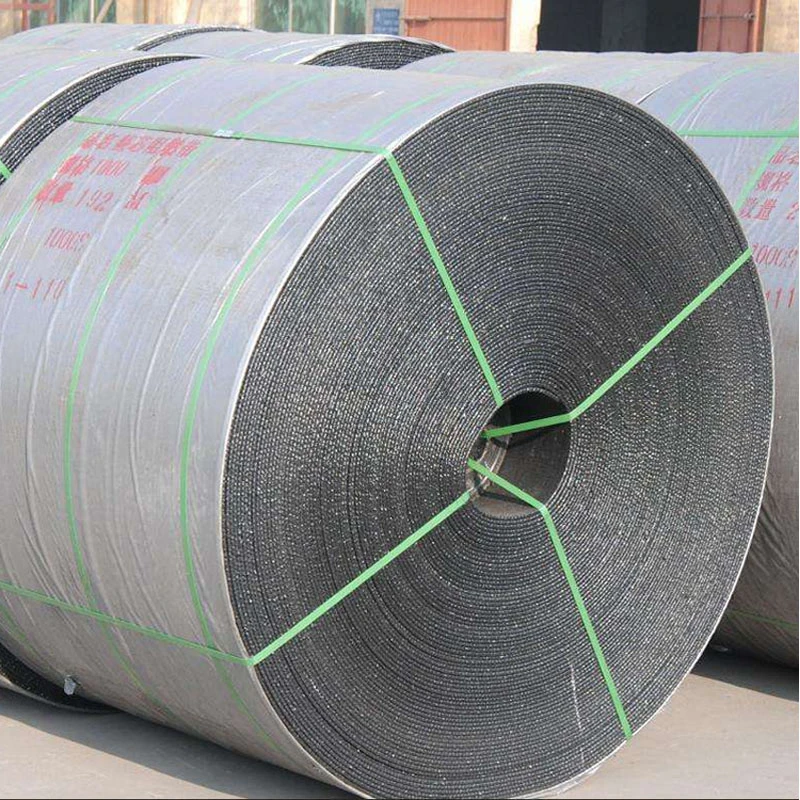
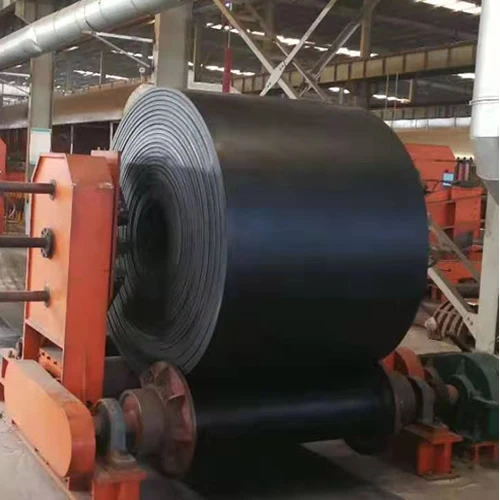
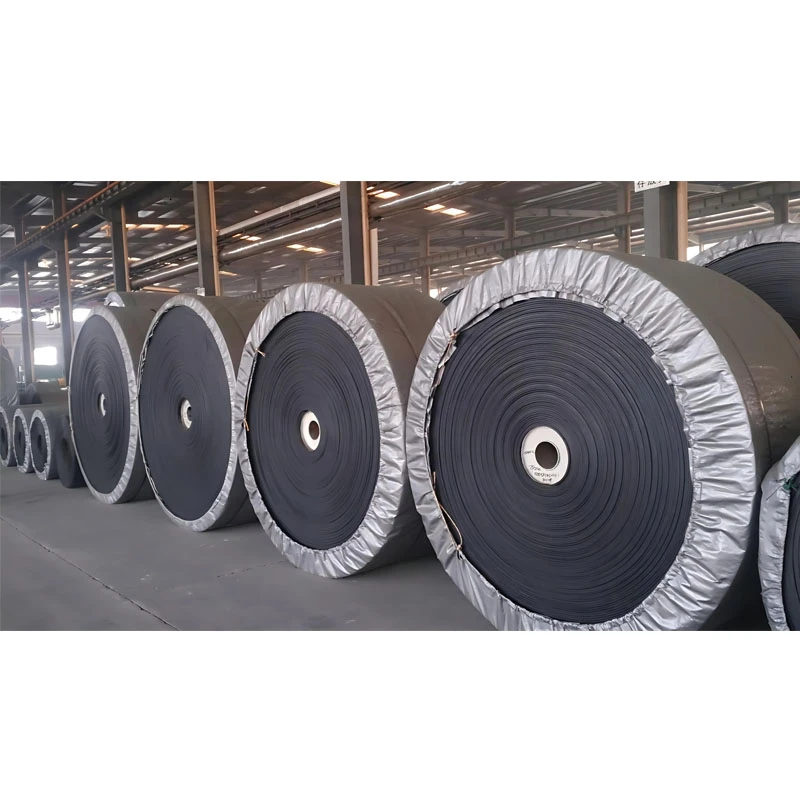
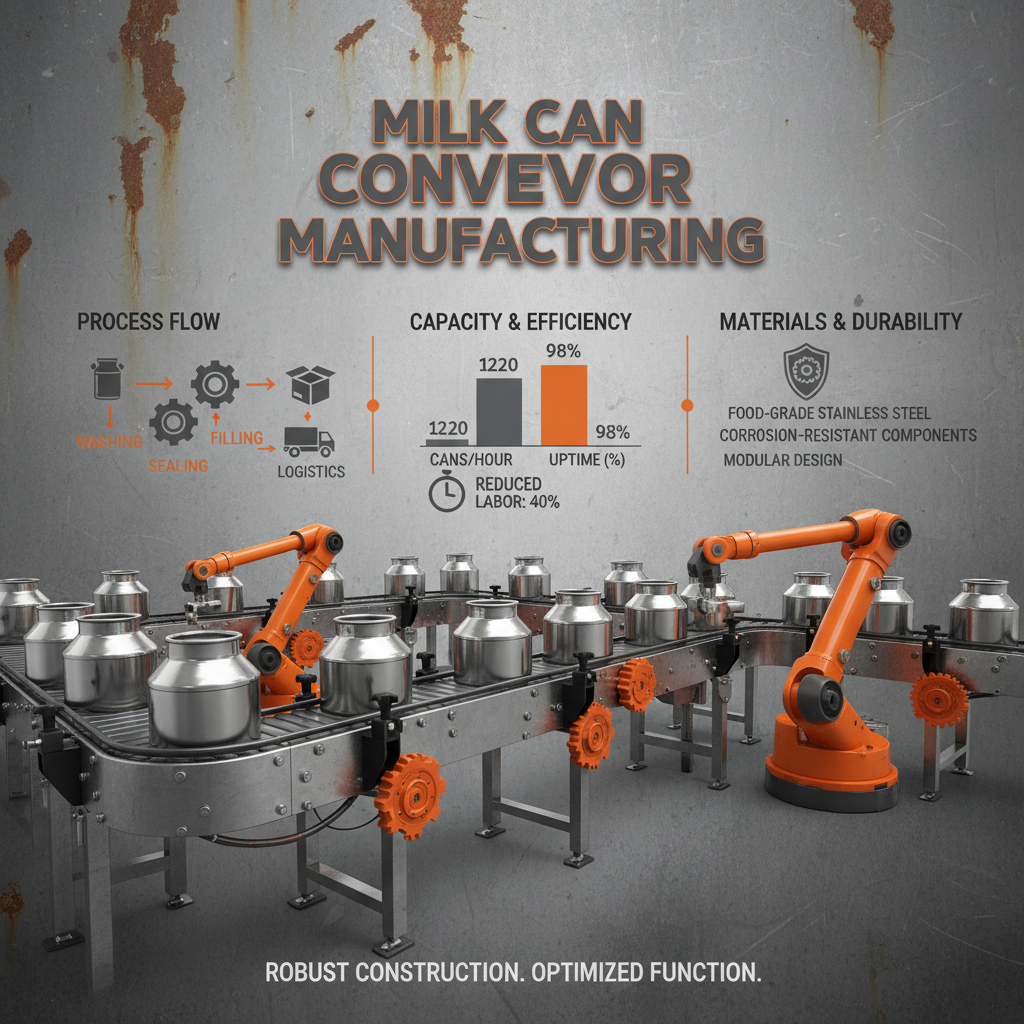
The material of the conveyor belt is critical for maintaining hygiene and ensuring durability. Common materials include PVC, polyurethane, and modular plastics. PVC belts are cost-effective but may not be suitable for all cleaning agents. Polyurethane belts offer better abrasion resistance and can withstand higher temperatures. Modular plastic belts are the most hygienic option, as they are non-porous and easy to sanitize. They are also highly durable and can handle heavy loads. HG Conveyor Belt offers a wide range of material options to suit your specific needs.
Maintenance and Longevity of Your System
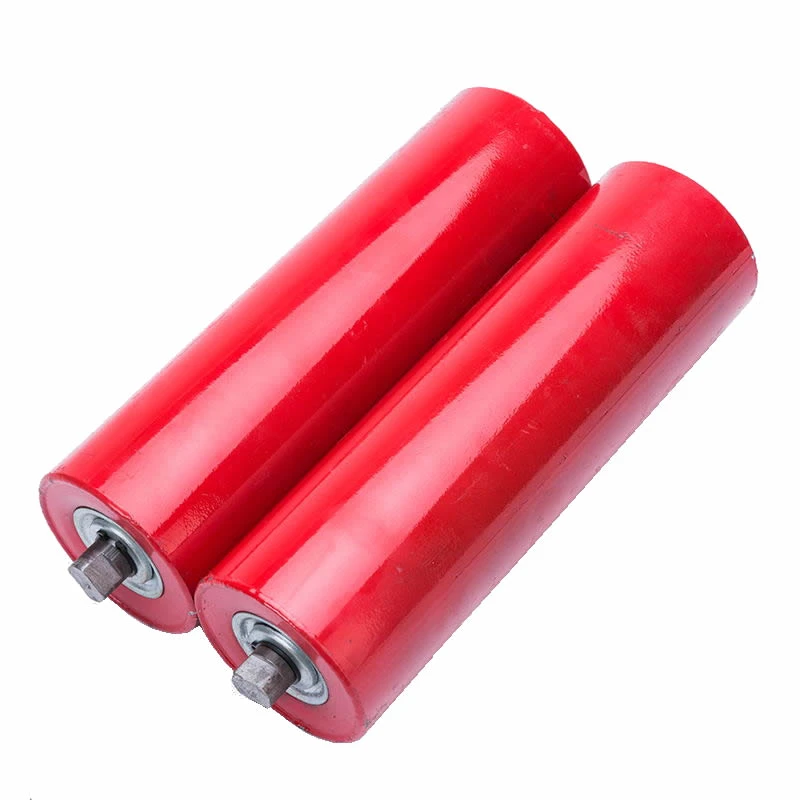
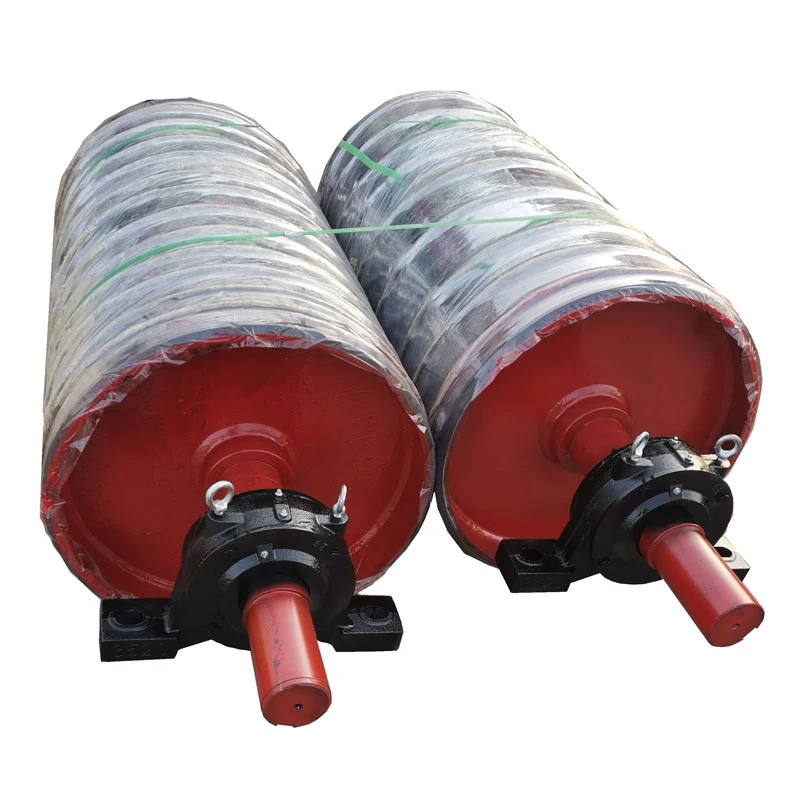
Regular maintenance is essential to ensure the longevity and optimal performance of your milk can conveyor system. This includes routine cleaning, lubrication of moving parts, and inspection for wear and tear. Check belts for cracks or damage, and replace them as needed. Ensure rollers and bearings are properly aligned and lubricated. Implement a preventative maintenance schedule to identify and address potential issues before they escalate. Properly maintained conveyor systems can provide years of reliable service. HG Conveyor Belt provides comprehensive maintenance support to help you keep your system running smoothly.
Conclusion: Enhancing Dairy Efficiency with the Right Conveyor
Investing in a high-quality milk can conveyor system is a strategic move for any dairy farm or processing plant. It streamlines operations, reduces labor costs, improves hygiene, and ensures product safety. By carefully considering your specific needs and choosing a reputable supplier like HG Conveyor Belt, you can achieve significant improvements in efficiency and profitability. Don't wait to optimize your material handling – contact us today for a customized solution.
Frequently Asked Questions (FAQs)
What is the typical payback period for a milk can conveyor system?
The payback period varies depending on the size and complexity of the system, as well as your existing labor costs. However, many dairy facilities experience a payback period of 1-3 years due to reduced labor requirements, increased throughput, and minimized product damage. The initial investment is often offset by significant long-term savings. A detailed cost-benefit analysis can be conducted to determine the expected payback period for your specific application. Factors like reduced worker compensation claims and improved product quality also contribute to the overall return on investment.
What safety features should I look for in a milk can conveyor?
Safety is paramount. Look for features such as emergency stop buttons located along the conveyor's length, guarding to prevent accidental contact with moving parts, and overload protection to prevent damage to the system. Ensure the conveyor is equipped with sensors to detect obstructions and automatically shut down. Proper signage and training for employees are also essential. HG Conveyor Belt designs its systems with comprehensive safety features to protect workers and prevent accidents.
Can a conveyor system be integrated with existing dairy processing equipment?
Yes, conveyor systems can be seamlessly integrated with existing equipment, such as filling machines, cooling tanks, and packaging lines. Our team of engineers can assess your current setup and design a custom conveyor system that complements your existing workflow. This ensures a smooth and efficient transition, maximizing productivity and minimizing disruption. Proper planning and communication are key to successful integration.
What type of maintenance is required for a modular plastic belt conveyor?
Modular plastic belt conveyors require relatively low maintenance. Regular cleaning with appropriate sanitizing agents is essential to maintain hygiene. Periodic inspection of the belt for wear and tear is recommended. Replacing damaged modules is straightforward and can be done quickly. Lubrication of bearings and other moving parts should be performed according to the manufacturer's guidelines. Compared to other conveyor types, modular plastic belts offer a long service life with minimal maintenance requirements.