Motor Selection for Conveyor Systems: A Comprehensive Guide
Choosing the right motor for your conveyor system is crucial for efficient and reliable operation. A properly selected motor ensures smooth material handling, minimizes downtime, and optimizes energy consumption. This article will delve into the key considerations for conveyor motor selection, covering essential factors like load requirements, speed control, and environmental conditions. We'll explore different motor types and provide guidance on how to match the motor to your specific application. Selecting the correct motor from HG Conveyor Belt will save costs and improve operational efficiency.

Understanding Conveyor System Loads
The first step in motor selection for conveyor systems is accurately determining the load it will handle. This includes the weight of the conveyed material, the belt itself, and any products positioned on the conveyor. Consider both static and dynamic loads. Static load is the weight at rest, while dynamic load includes the acceleration and deceleration forces when starting and stopping the conveyor. Calculating peak load is essential, as the motor must be able to handle momentary increases in weight. Furthermore, factor in the angle of incline, as this significantly increases the required power. Accurate load calculations are paramount to preventing motor overload and ensuring long-term reliability.
Key Considerations: Accurate load calculations are paramount to preventing motor overload and ensuring long-term reliability. Factor in both static and dynamic loads, as well as the angle of incline.
Conveyor Speed and Motor RPM: Finding the Right Match
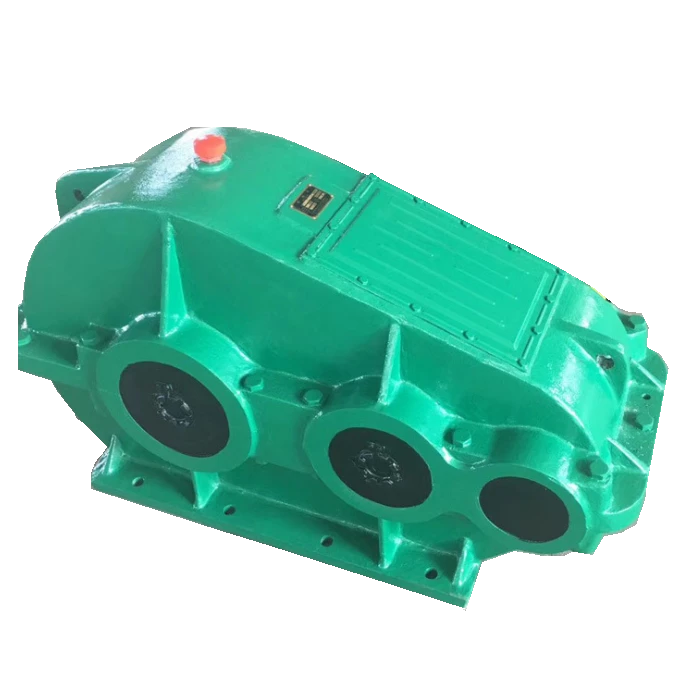
The desired conveyor speed is directly linked to the motor's required RPM (revolutions per minute). A gearbox is often used to reduce the motor's high RPM to a suitable speed for the conveyor belt. The gear ratio determines the output speed and torque. It’s important to calculate the optimal gear ratio to achieve the desired conveyor speed while maximizing motor efficiency. Consider using a variable frequency drive (VFD) to control the motor speed, providing greater flexibility and energy savings. VFDs allow you to adjust the speed based on real-time needs, reducing unnecessary energy consumption during periods of low demand. The precise alignment of conveyor speed and motor RPM is crucial for consistent and efficient material handling.
Motor Speed Control Benefits:
• Greater flexibility and responsiveness
• Enhanced energy savings through optimized speed control
• Reduced wear and tear on the conveyor system
• Improved process control and synchronization
Motor Types for Conveyor Applications
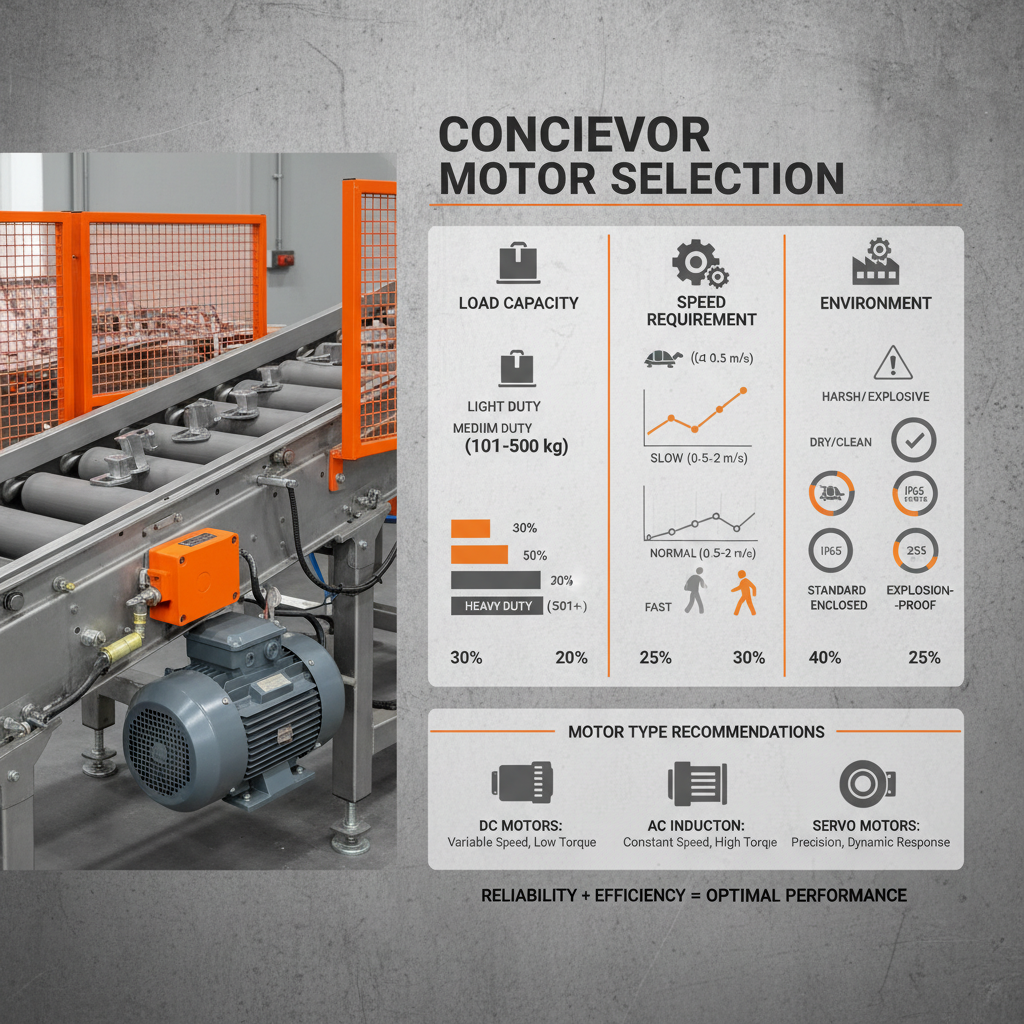
Several motor types are commonly used in conveyor systems, each with its own advantages and disadvantages. AC induction motors are the most prevalent choice due to their robustness, reliability, and cost-effectiveness. DC motors offer precise speed control but generally require more maintenance. Brushless DC (BLDC) motors provide the benefits of DC motors with reduced maintenance and increased efficiency. Servo motors are used for high-precision applications requiring accurate positioning and speed control. Selecting the appropriate motor type depends on the specific requirements of your conveyor system.
Environmental Considerations for Motor Selection
The operating environment significantly impacts motor selection. If the conveyor system will operate in a dusty, wet, or corrosive environment, you need a motor with appropriate enclosure protection. NEMA (National Electrical Manufacturers Association) ratings define the level of protection against environmental factors. For example, a NEMA 4 motor is suitable for wet and dusty environments, while a NEMA 7 motor is designed for hazardous locations. Consider temperature extremes as well, as high temperatures can reduce motor lifespan. Selecting a motor with the proper enclosure and insulation class is crucial for reliable operation in challenging environments.
Power Supply and Efficiency
Ensure the motor's voltage and frequency requirements match your power supply. Using an incompatible motor can lead to damage and malfunction. Consider the motor's efficiency rating, as higher efficiency motors consume less energy, resulting in lower operating costs. Look for motors with an IE3 or IE4 efficiency class for optimal energy performance. Utilizing energy-efficient motors is a sustainable practice and contributes to reduced carbon emissions. HG Conveyor Belt offers a range of high-efficiency motors designed to minimize energy consumption.
Conclusion: Choosing the Right Motor for Optimal Conveyor Performance
Selecting the right motor for your conveyor system is a critical decision that impacts efficiency, reliability, and cost-effectiveness. By carefully considering the load requirements, speed control, environmental conditions, and power supply, you can choose a motor that delivers optimal performance. HG Conveyor Belt provides expert guidance and a wide range of high-quality motors to meet your specific needs. Investing in the right motor ensures smooth, reliable, and efficient material handling for years to come.
Frequently Asked Questions (FAQs)
What is the role of a gearbox in a conveyor system?
A gearbox is used to reduce the high RPM of the motor to a suitable speed for the conveyor belt. It also increases the output torque, allowing the conveyor to handle heavier loads. The gear ratio determines the speed reduction and torque increase. Selecting the correct gear ratio is crucial for optimizing conveyor performance and efficiency. Without a gearbox, the motor would likely rotate the conveyor too quickly, making it difficult to control and potentially damaging the materials being conveyed.
How do I determine the service factor for my conveyor motor?
The service factor accounts for variations in load and operating conditions. It's a multiplier used to determine the motor's overload capacity. A higher service factor indicates a greater ability to handle intermittent or shock loads. For conveyors with frequent starts and stops, or with unevenly distributed loads, a higher service factor (e.g., 1.15 or 1.25) is recommended. Consult motor manufacturers' guidelines for specific service factor recommendations based on your application.
What are the benefits of using a VFD with a conveyor motor?
A Variable Frequency Drive (VFD) offers numerous benefits, including precise speed control, reduced energy consumption, and smoother starts and stops. VFDs allow you to adjust the conveyor speed to match the material flow, optimizing efficiency and minimizing wear and tear. They also protect the motor from overload and voltage fluctuations, extending its lifespan. VFDs are particularly useful in applications where the conveyor load varies significantly.
What maintenance is required for conveyor motors?
Regular maintenance is essential for ensuring the long-term reliability of conveyor motors. This includes periodic inspection of the motor for signs of wear and tear, cleaning the motor to remove dust and debris, lubricating bearings, and checking electrical connections. Monitoring motor temperature and vibration levels can also help identify potential problems early on. Following the manufacturer's recommended maintenance schedule is crucial for preventing unexpected downtime and extending motor lifespan.