Maximizing Bulk Material Efficiency with a Moving Floor Conveyor
In the world of industrial logistics and bulk material handling, efficiency is the heartbeat of profitability. A moving floor conveyor offers a revolutionary approach to transporting materials without the need for traditional belts or screw augers. By utilizing a series of overlapping slats that move in a reciprocating motion, this system ensures a smooth, consistent flow of materials while minimizing product damage. Whether you are dealing with waste management, agriculture, or industrial minerals, understanding the mechanics and advantages of this technology is key to optimizing your supply chain. In this guide, we will explore how this specialized equipment can transform your operational throughput.
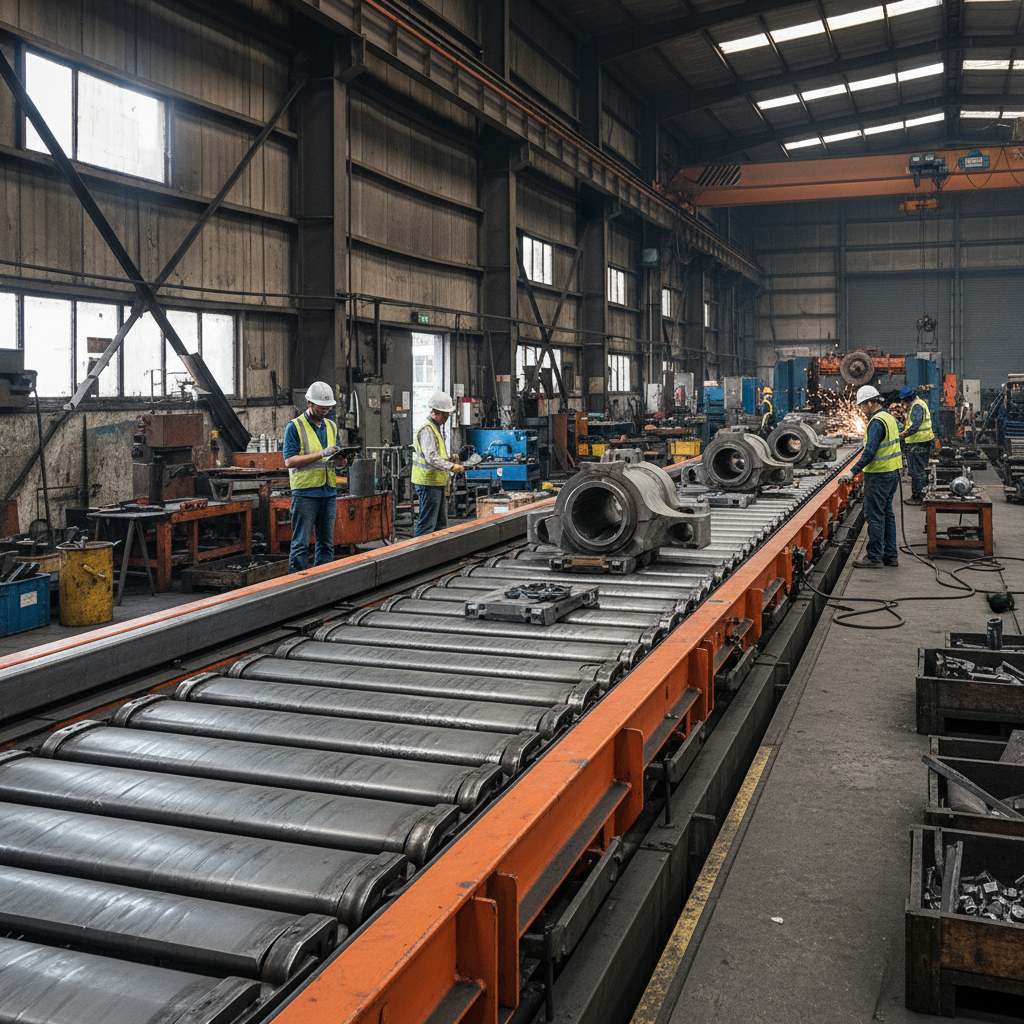
The Engineering Logic Behind Moving Floor Technology
Unlike standard conveyor belts that rely on continuous friction, a moving floor conveyor operates on a "push-and-return" principle. The floor consists of slats that move forward to push the material and then slide back underneath the product to reset. This unique mechanism prevents the material from sticking to the surface and allows for the transport of highly viscous or heavy bulk goods. This design significantly reduces the risk of clogging, which is a common failure point in screw conveyors or traditional belt systems when handling wet or irregularly shaped materials.
Technical Insight: The reciprocating movement creates a "shoveling" effect, ensuring that materials are moved uniformly across the entire width of the floor, eliminating dead zones often found in hopper bottoms.
Key Advantages of Using a Moving Floor Conveyor
Implementing a moving floor conveyor provides several strategic advantages over traditional systems. First, the low profile of the equipment allows it to be integrated into existing facilities with limited vertical space. Second, because the slats are typically made from high-strength steel or reinforced polymers, they can withstand abrasive materials that would shred a rubber belt. Furthermore, the system's ability to handle variable load densities makes it an ideal choice for facilities that process multiple types of materials throughout the day, ensuring versatility and long-term durability.
Operational Benefits:
• Reduced maintenance compared to belt-tensioning systems
• Exceptional durability in harsh, abrasive environments
• Energy-efficient movement for heavy-duty bulk loads
• Gentle handling to prevent material degradation
Comparing Moving Floor Conveyors with Traditional Systems
When deciding between a moving floor conveyor and a screw conveyor or belt conveyor, the decision usually comes down to material characteristics and maintenance costs. While screw conveyors are excellent for precise metering, they often struggle with large chunks or "bridging" materials. Belt conveyors are fast but prone to slippage and wear. The moving floor system bridges this gap by providing the stability of a floor with the movement of a conveyor, offering a superior balance of reliability and capacity.
Industrial Applications of Moving Floor Systems
The versatility of the moving floor conveyor allows it to be deployed across a staggering array of sectors. In the agricultural industry, these systems are used to move grains, silage, and biomass without damaging the organic structure of the product. In waste management, they are the gold standard for moving municipal solid waste (MSW) and recycled materials through sorting facilities. Additionally, the mining sector utilizes these conveyors for the transport of heavy ores and crushed stones where traditional belts would suffer premature failure. The ability to integrate with hoppers and silos makes them an indispensable part of modern automated warehouses.
Technical Specifications for a Moving Floor Conveyor
Choosing the right equipment requires a deep dive into the technical specifications to ensure compatibility with your material load. A high-quality moving floor conveyor is built with precision-engineered chain drives and wear-resistant slats. Depending on the application, the slats can be customized for different friction coefficients or chemical resistance. Below is a general specification table for a standard industrial-grade moving floor system:
Conclusion: Enhancing Throughput with Modern Conveyance
The moving floor conveyor represents a significant leap forward in bulk material handling. By eliminating the constraints of traditional belts and the clogging risks of screw conveyors, businesses can achieve higher uptime and lower maintenance costs. Investing in a system tailored to your specific material needs not only optimizes your current workflow but also prepares your facility for future scaling. When durability meets efficiency, the moving floor conveyor is the clear choice for industrial excellence.
Frequently Asked Questions (FAQs)
How does a moving floor conveyor differ from a standard belt conveyor?
The fundamental difference lies in the motion. A standard belt conveyor moves in one continuous direction, which can lead to belt slippage or wear when handling heavy, abrasive, or sticky materials. In contrast, a moving floor conveyor uses a reciprocating action—slats move forward to push the material and then retract beneath the load. This removes the need for a return belt and makes the system far more robust for bulk materials that would otherwise damage a rubber belt or cause it to slide.
What materials are best suited for moving floor systems?
Moving floor systems are exceptionally versatile. They are ideal for "difficult" materials such as wet biomass, municipal waste, animal bedding, grains, and heavy industrial minerals. Because there is no central shaft (like in a screw conveyor), they can handle materials with larger lumps or irregular shapes without risking a jam. If your material is abrasive or tends to bridge in a hopper, the moving floor is generally the most reliable solution.
Is the maintenance of a moving floor conveyor high?
Actually, maintenance is often lower than that of belt conveyors. There are no belts to track, tension, or replace due to punctures. The primary maintenance involves lubricating the chain drives and occasionally inspecting the slats for wear. Because the system is designed for heavy-duty industrial use, the components are built for longevity. By choosing high-quality materials from a professional supplier like HG Conveyor Belt, you can ensure a long operational life with minimal downtime.
Can these systems be customized for specific industry needs?
Absolutely. Moving floor conveyors are highly customizable. You can specify the slat material (such as stainless steel for food-grade applications or UHMW-PE for low friction), adjust the width and length to fit your facility, and integrate Variable Frequency Drives (VFD) to control the speed of transport. They can also be integrated into custom-built hoppers or linked with other conveyor systems to create a fully automated material handling line tailored to your unique production requirements.