Maximizing Efficiency with Mechanical Conveyors for Bulk Solids
In the demanding world of industrial material handling, the seamless movement of raw materials is the backbone of productivity. Utilizing professional mechanical conveyors for bulk solids is essential for businesses looking to reduce manual labor, minimize product wastage, and accelerate throughput. Whether you are dealing with grains, minerals, chemicals, or biomass, the right conveyor system ensures that your bulk materials reach their destination with precision and safety. In this comprehensive guide, we will explore the various types of mechanical conveying systems, their technical advantages, and how to select the ideal solution for your specific operational needs.
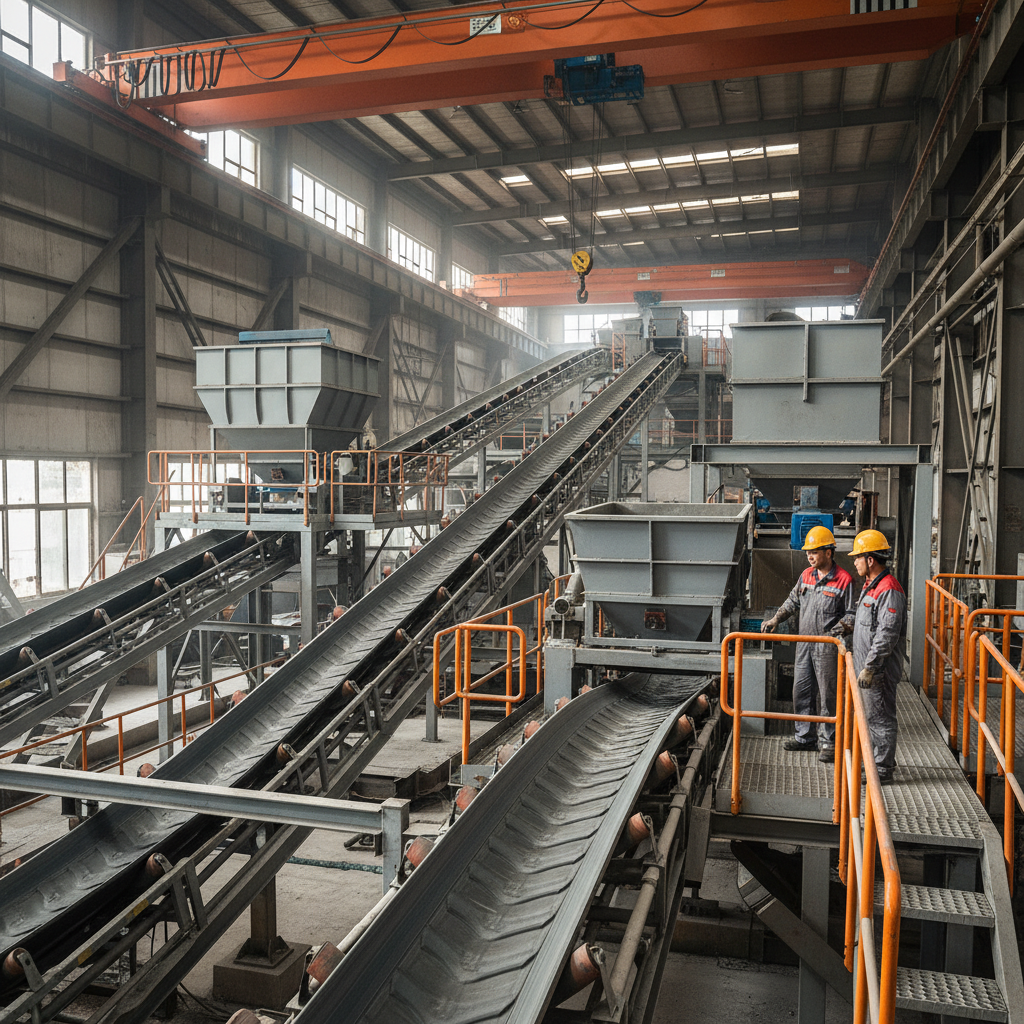
The Fundamental Role of Mechanical Conveying Systems
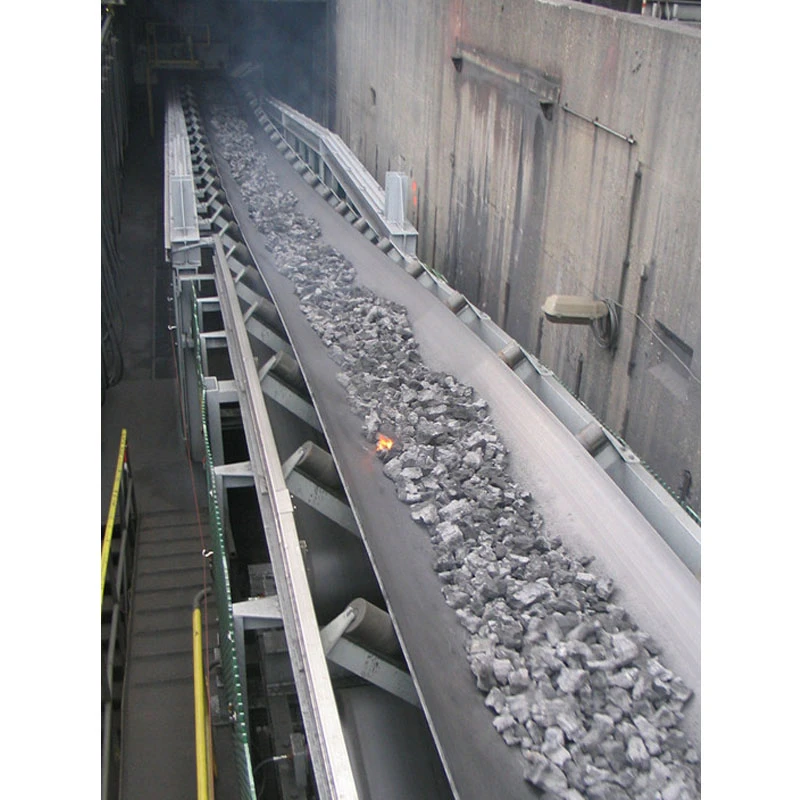
Mechanical conveying differs from pneumatic systems by using physical components—such as belts, screws, or chains—to move materials. For heavy-duty applications, mechanical conveyors for bulk solids are often preferred because they typically offer higher energy efficiency and can handle larger particle sizes without the risk of clogging associated with air-pressure systems. These systems provide a controlled environment for material flow, reducing dust emissions and preventing the segregation of particles based on size or density, which is critical for maintaining product quality in the pharmaceutical and food industries.
Operational Advantage: Mechanical systems provide higher volumetric capacity and lower operational costs per ton of material moved compared to traditional manual hauling or pneumatic alternatives.
Comparing Popular Mechanical Conveyors for Bulk Solids
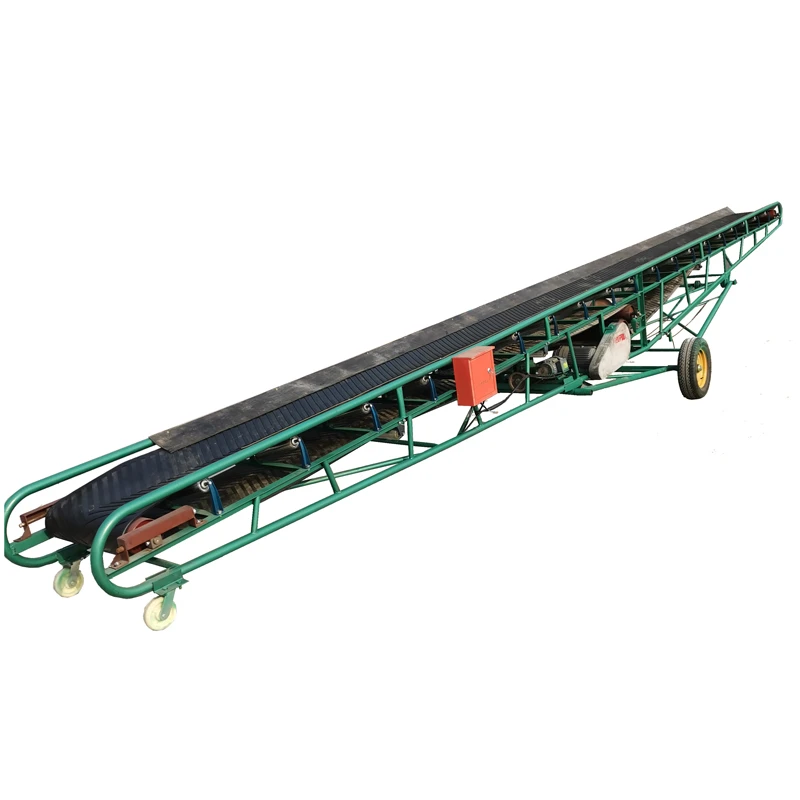
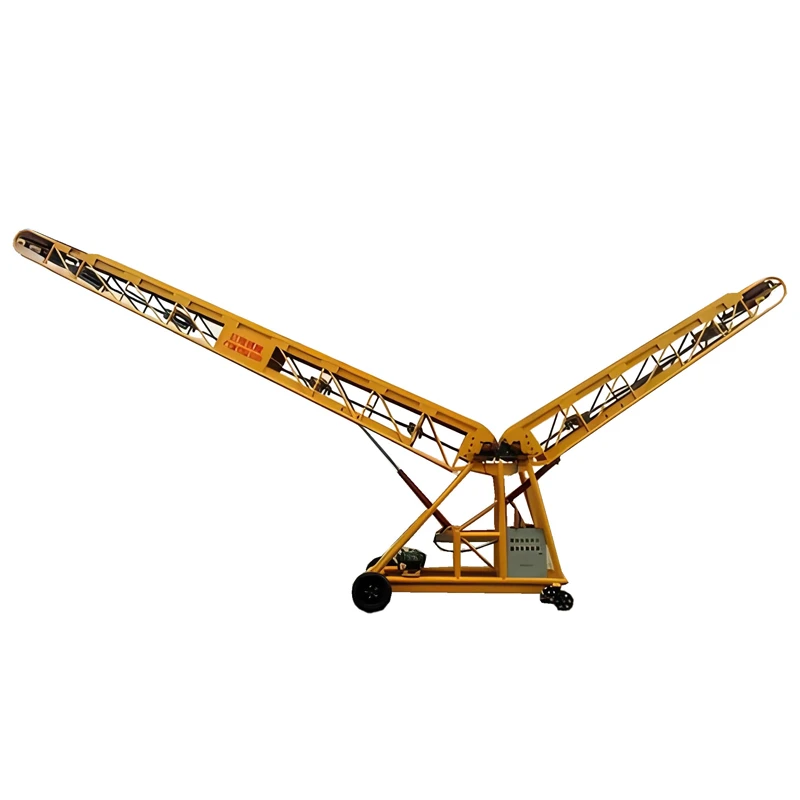
Not all bulk solids are created equal; some are abrasive, while others are fragile or hygroscopic. Therefore, choosing between a belt conveyor, a screw conveyor, or a bucket elevator is a strategic decision. For instance, belt conveyors are ideal for long-distance transport, whereas screw conveyors excel in short-distance, enclosed movements. To help you decide, we have analyzed the core differences between the most common mechanical conveyors for bulk solids based on their performance metrics.
Design Considerations for Bulk Solids Conveying
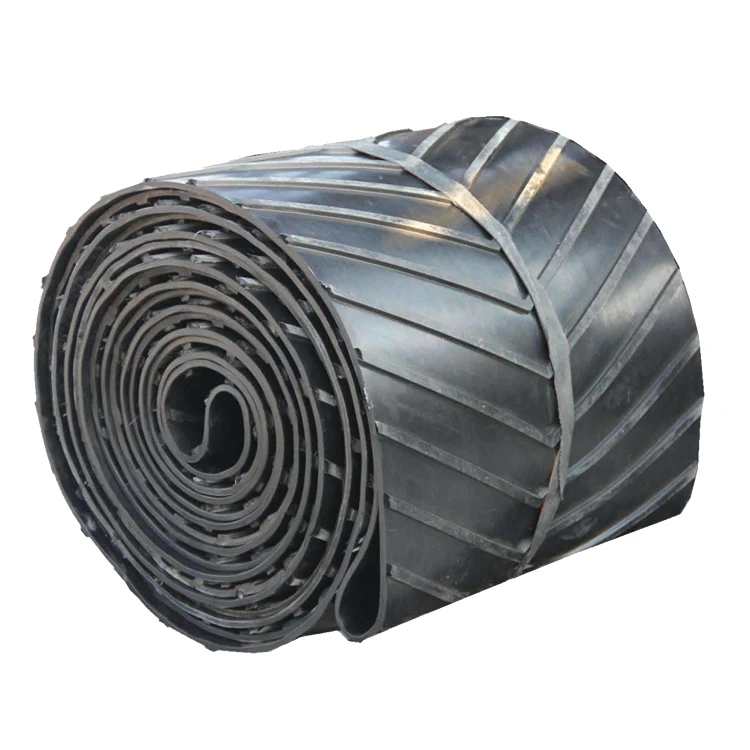
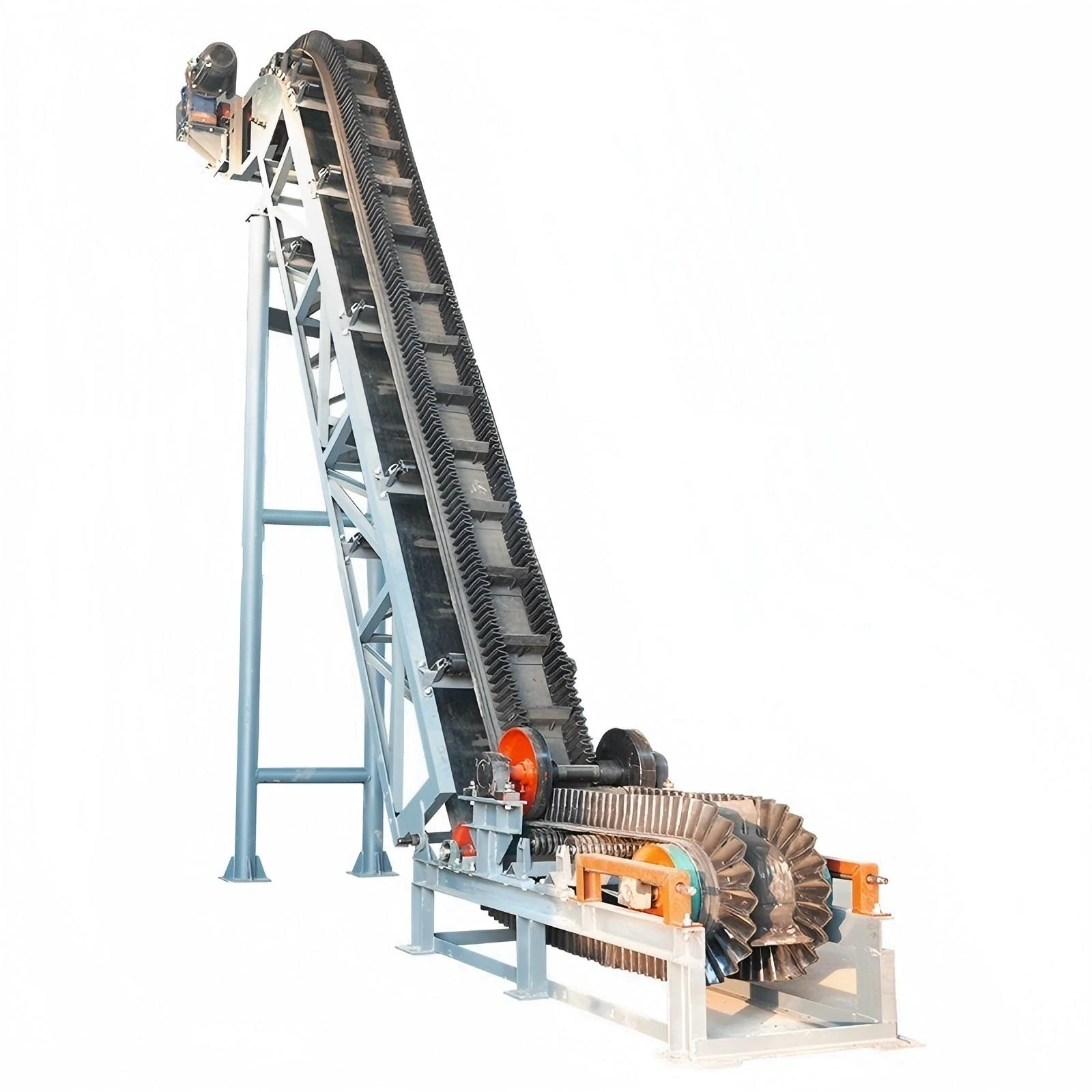
When integrating mechanical conveyors for bulk solids into your production line, several technical factors must be analyzed. First is the material flowability; cohesive materials may require specialized linings or vibrators to prevent buildup. Second is the environmental constraint; for instance, food-grade stainless steel is mandatory in FDA-regulated environments. Third is the inclination angle; while standard belts have limits, cleated belts or elevators allow for steeper lifts. Proper design prevents material spill-over and reduces the wear and tear on the mechanical components, significantly lowering the total cost of ownership.
Maintenance Strategies for Industrial Conveyors
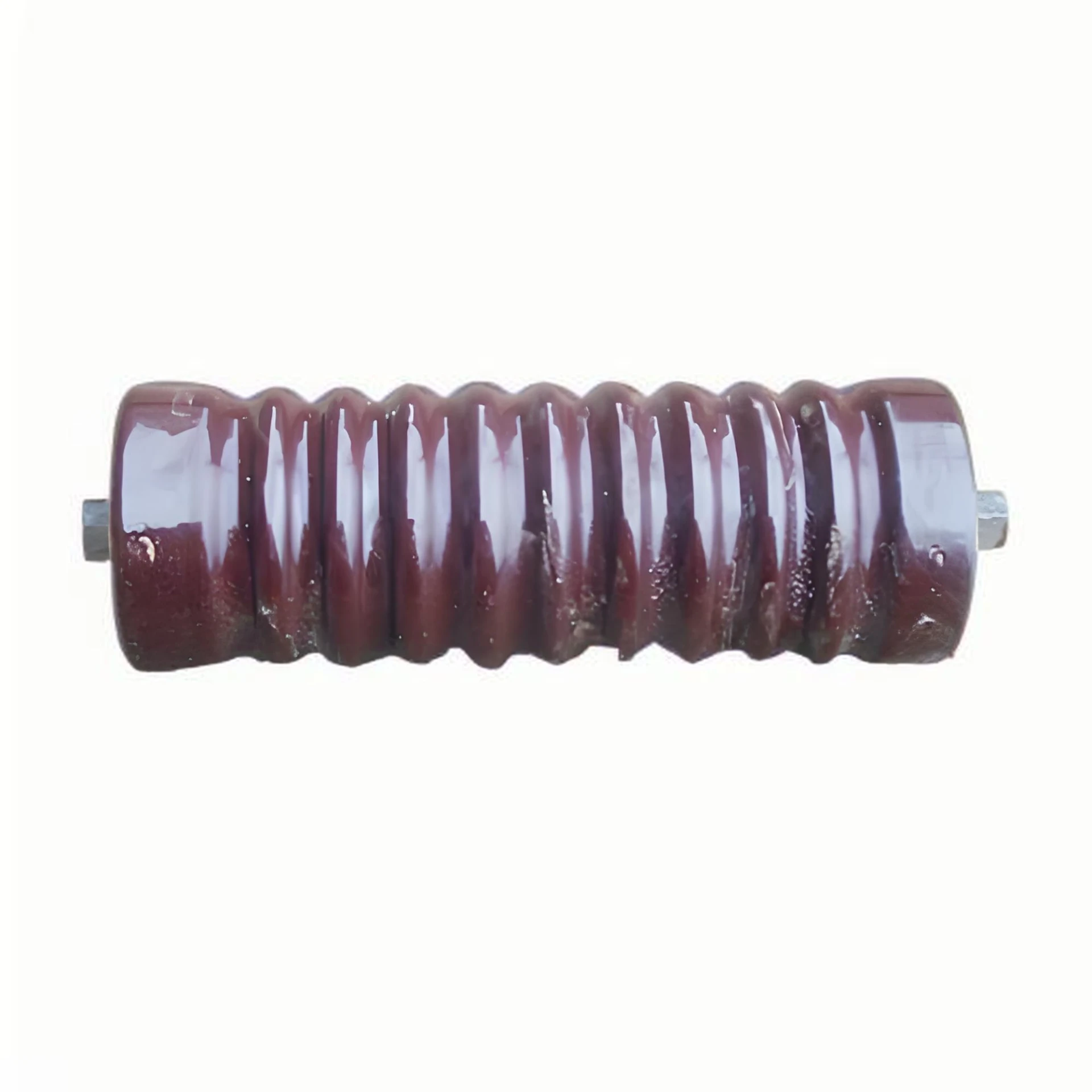
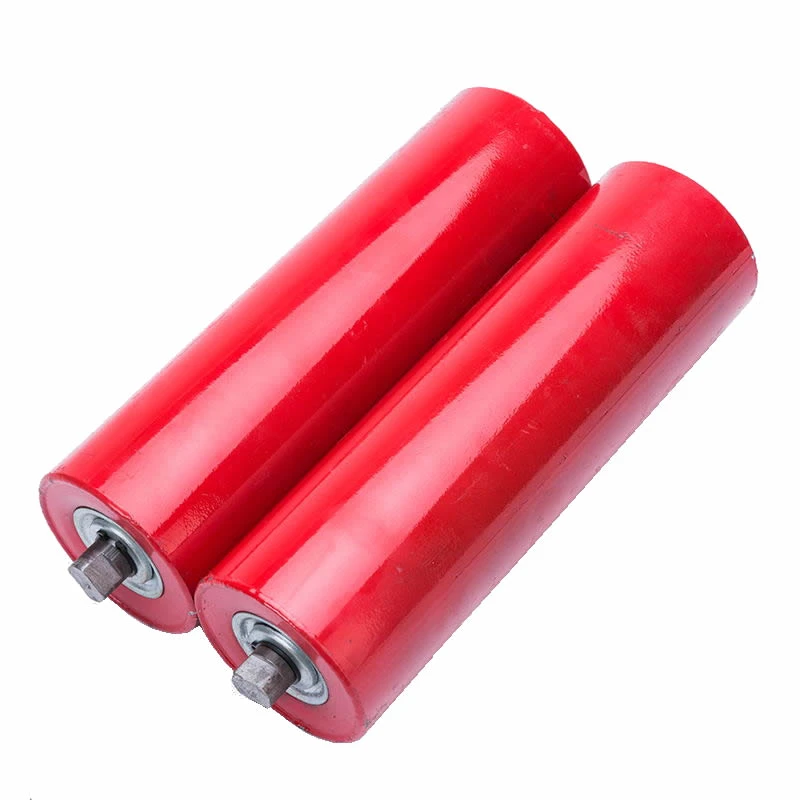
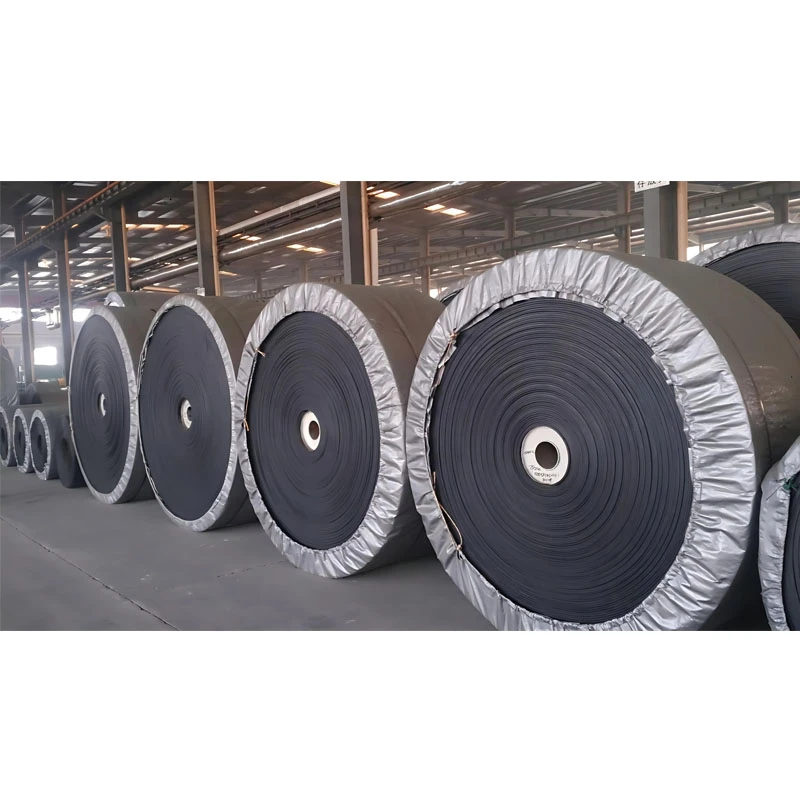
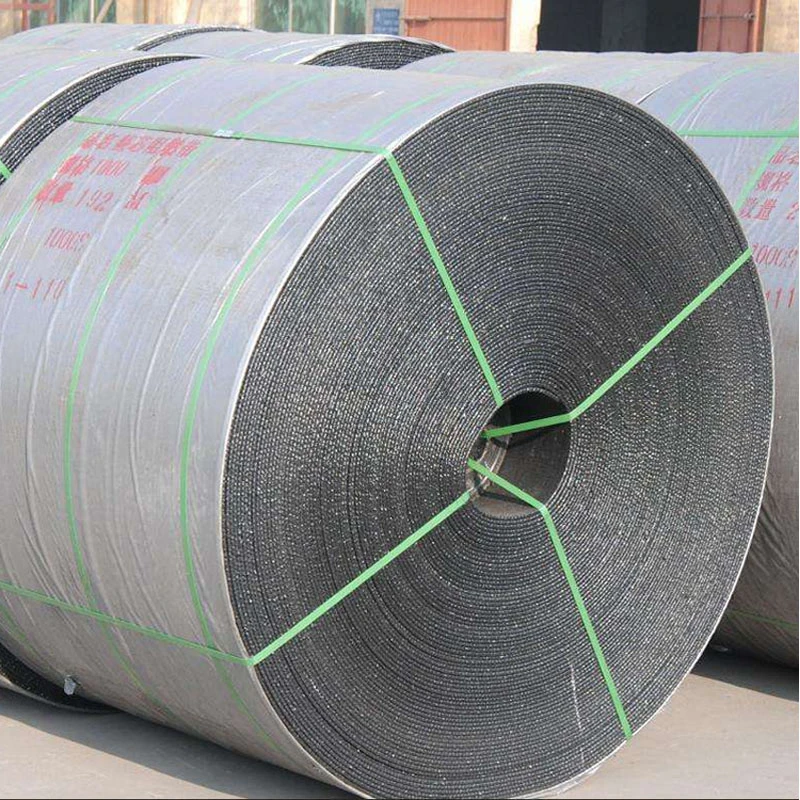
To ensure the longevity of mechanical conveyors for bulk solids, a proactive maintenance schedule is non-negotiable. Regular lubrication of bearings, tension adjustment for belts, and alignment checks for screws prevent catastrophic failures. Modern systems often incorporate IoT sensors to monitor motor temperature and belt slip in real-time, enabling predictive maintenance. By addressing a worn-out roller today, you avoid a total system shutdown tomorrow. High-quality replacement parts and a steady supply of conveyor belting are essential to minimize downtime during scheduled overhauls.
Technical Specifications and Performance Metrics
Selecting the right hardware requires a deep dive into specifications. From belt width and motor horsepower to the tensile strength of the fabric, every detail impacts the capacity of your mechanical conveyors for bulk solids. Below is a specification table for a standard heavy-duty industrial belt conveyor used in bulk material handling.
Sustainability and the Future of Bulk Conveying
As industries move toward "Green Manufacturing," the design of mechanical conveyors for bulk solids is evolving. There is a significant shift toward using energy-efficient motors (IE3/IE4 standards) and biodegradable belt materials. Furthermore, closed-loop mechanical systems are replacing open belts to eliminate dust pollution, protecting both the workers' health and the surrounding environment. By optimizing the conveyor's path and reducing friction through advanced polymers, companies can significantly lower their carbon footprint while increasing operational reliability.
Conclusion: Optimizing Your Bulk Handling Workflow
The implementation of high-quality mechanical conveyors for bulk solids is more than just a hardware upgrade; it is a strategic investment in your company's scalability. By matching the conveyor type to your material's properties and adhering to a strict maintenance regime, you can ensure a seamless, cost-effective, and safe production flow. Whether you need the long-range power of a belt system or the precision of a screw conveyor, choosing the right partner for your conveying needs is the first step toward industrial excellence.
Frequently Asked Questions (FAQs)
How do I choose between a belt conveyor and a screw conveyor for bulk solids?
The choice depends primarily on the distance and the nature of the material. Belt conveyors are the gold standard for long-distance transport and high-volume throughput of non-sticky materials. In contrast, screw conveyors are ideal for short distances, moving powders or granules in a fully enclosed environment to prevent leakage or contamination. If your material is abrasive or requires precise dosing, a screw conveyor is often superior. For heavy aggregates moving across a warehouse, a belt conveyor is the most efficient choice.
What are the most common causes of failure in mechanical conveyors?
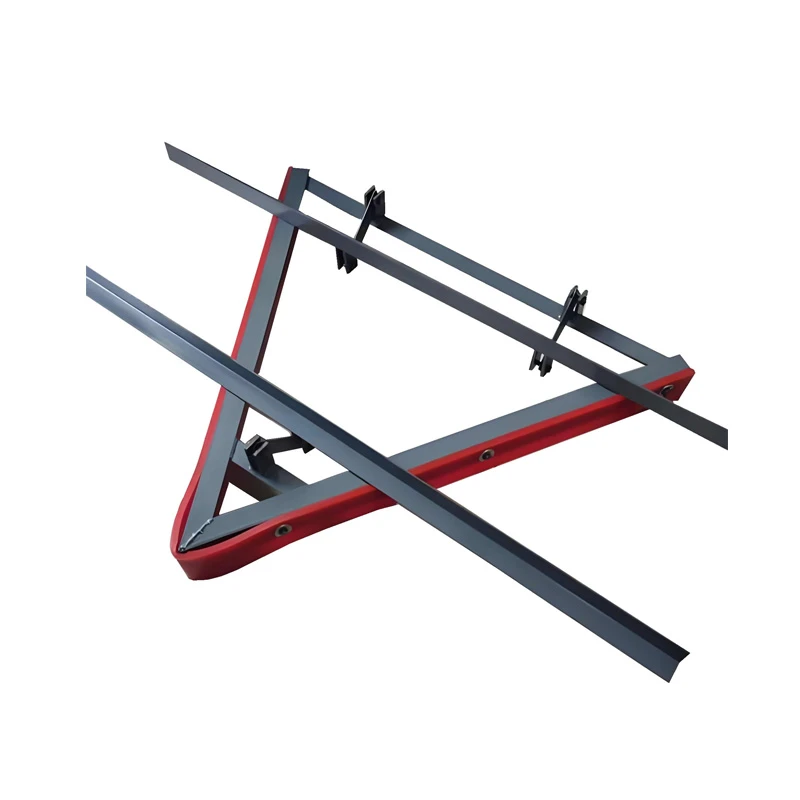
The most frequent failures include belt misalignment (tracking issues), bearing seizure due to lack of lubrication, and motor overload caused by material blockages. Misalignment often leads to belt edge wear and premature snapping. To prevent these, operators should implement regular tension checks and use high-quality scrapers to keep the belt clean. Ensuring that the material fed into the mechanical conveyors for bulk solids does not exceed the design capacity is also critical to avoid motor burnout.
Can mechanical conveyors handle corrosive bulk materials?
Yes, but they require specific material construction. For corrosive solids, standard carbon steel components must be replaced with stainless steel (such as 304 or 316 grade) or coated with specialized epoxy resins. Additionally, the conveyor belt itself should be made from chemically resistant polymers like PVC or nitrile rubber. Choosing the correct material specifications during the design phase prevents premature rust and structural failure, ensuring the system remains safe and operational in harsh chemical environments.
How does belt tension affect the efficiency of bulk solids conveyors?
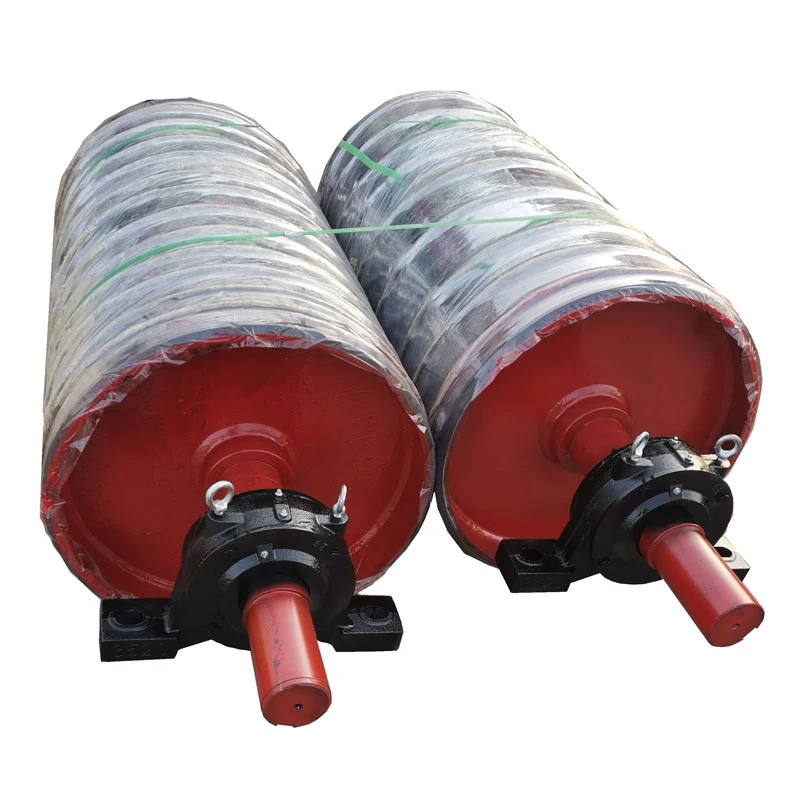
Belt tension is a balancing act. If the tension is too low, the belt will slip on the drive pulley, leading to energy loss, heat buildup, and reduced throughput. If the tension is too high, it puts excessive stress on the bearings and the belt fabric, leading to premature stretching and mechanical failure. Maintaining the "sweet spot" of tension ensures maximum grip and minimal wear. Most modern industrial conveyors use automatic take-up units to maintain constant tension regardless of load fluctuations.