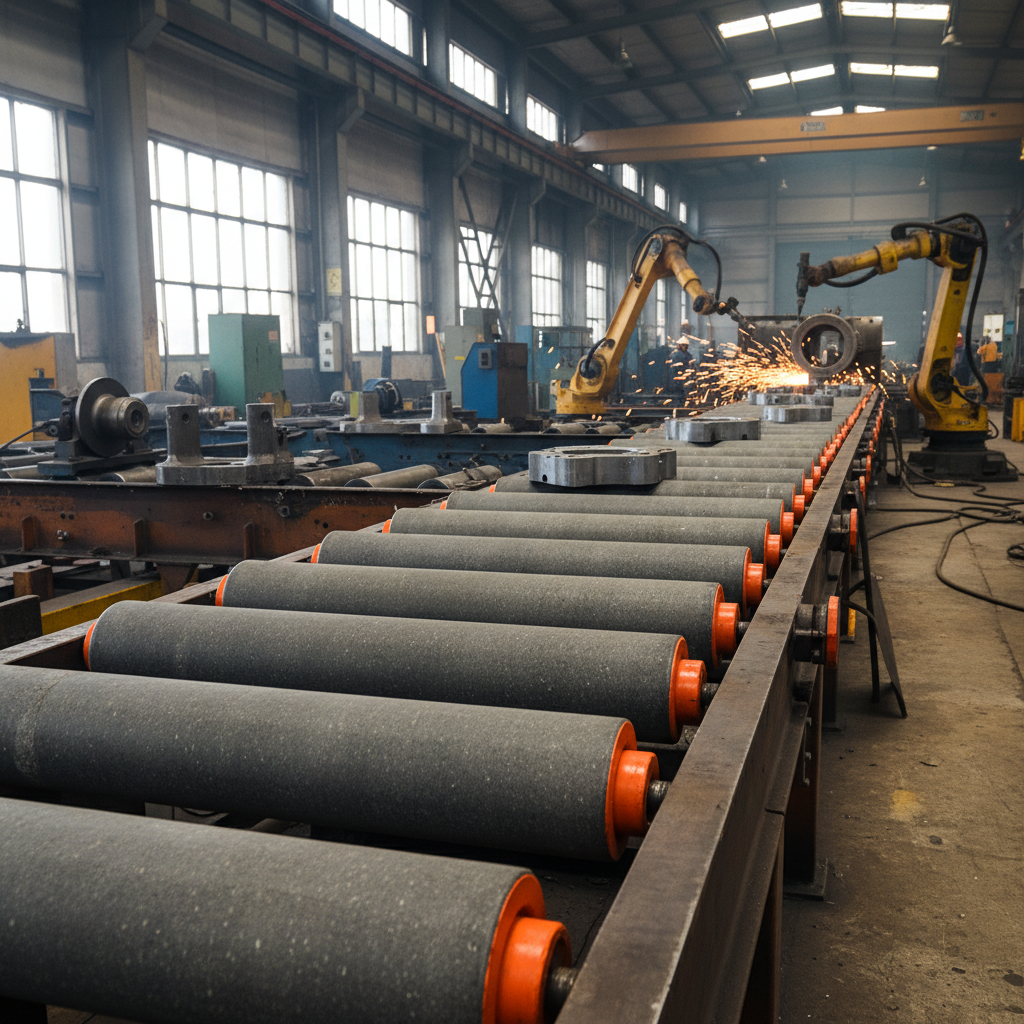
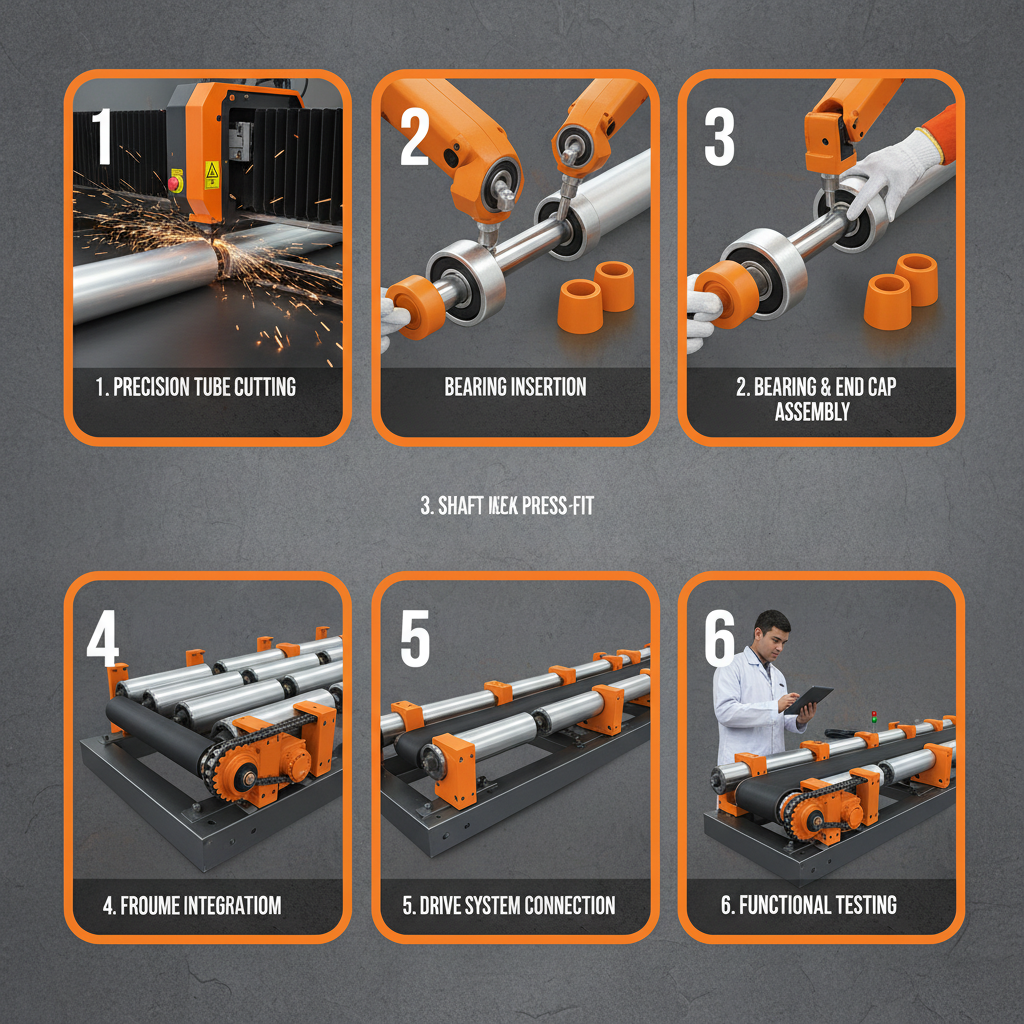
Conveyor rollers are the unsung heroes of modern material handling, silently enabling the efficient movement of goods across a vast spectrum of industries. From bustling manufacturing plants and complex logistics networks to intricate packaging systems and even agricultural processing, these seemingly simple components are fundamental to keeping supply chains flowing. Understanding the intricacies of conveyor rollers is not merely a technical exercise; it’s a strategic imperative for businesses seeking to optimize operations, reduce costs, and enhance productivity.
Globally, the demand for efficient material handling solutions is skyrocketing, driven by factors such as e-commerce growth, increasing automation in manufacturing, and a renewed focus on supply chain resilience. According to a recent report by the World Bank, investments in logistics infrastructure are critical for fostering economic development, and conveyor systems, relying heavily on dependable conveyor rollers, are a cornerstone of this infrastructure. This global trend creates a significant need for high-quality, durable, and customized conveyor roller solutions.
At their core, conveyor rollers are cylindrical components designed to support and facilitate the movement of conveyor belts or directly carry materials. They are a deceptively simple technology, yet their performance profoundly impacts the overall efficiency and reliability of a conveyor system. Crucially, they contribute not only to the physical transport of goods but also to workplace safety and operational longevity – a concept increasingly vital in today’s industry landscape.
The Significance of Conveyor Rollers in Modern Industry
Conveyor rollers are integral to a vast range of industrial processes, fundamentally impacting productivity and efficiency. They are not simply support components; they actively contribute to reducing manual labor, minimizing product damage, and optimizing workflow. The demand for conveyor rollers is directly linked to the growth of automation and the increasingly complex logistics demands of global commerce.
Consider the sheer scale of operations in modern distribution centers or the intricate assembly lines of manufacturing plants. In these environments, the reliable and smooth operation of conveyor systems – reliant on high-performance rollers – is crucial for maintaining throughput and meeting demanding delivery schedules. A failure in even a single roller can trigger significant disruptions and costly downtime.
Understanding Conveyor Roller Fundamentals
At its simplest, a conveyor roller is a cylinder designed to reduce friction and facilitate the movement of a load. However, the design and materials used in constructing these rollers vary significantly depending on the specific application. Factors such as load capacity, operating environment, and speed requirements dictate the choice of materials, including steel, stainless steel, PVC, and polymers. The core function remains consistent: to provide a low-friction surface for efficient material transport.
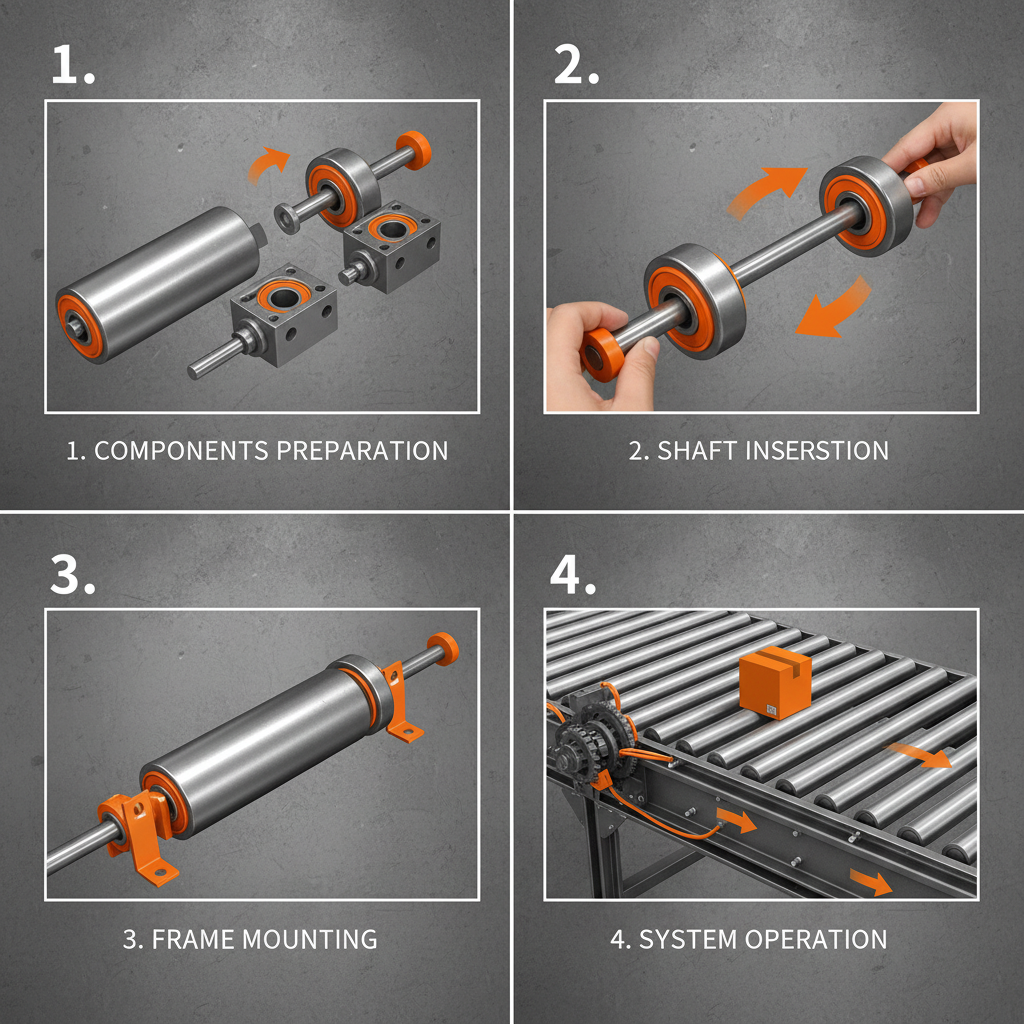
The effectiveness of conveyor rollers also depends on their mounting and alignment. Proper installation and regular maintenance are vital for ensuring smooth operation, preventing premature wear, and maximizing the lifespan of the entire conveyor system. Misaligned rollers can lead to belt tracking issues, increased energy consumption, and potential safety hazards.
Furthermore, understanding the different types of conveyor rollers – carry rollers, return rollers, impact rollers, and self-aligning rollers – is essential for selecting the optimal configuration for a given application. Each type is designed to address specific challenges and contribute to the overall efficiency of the conveyor system.
Core Components and Factors Influencing Performance
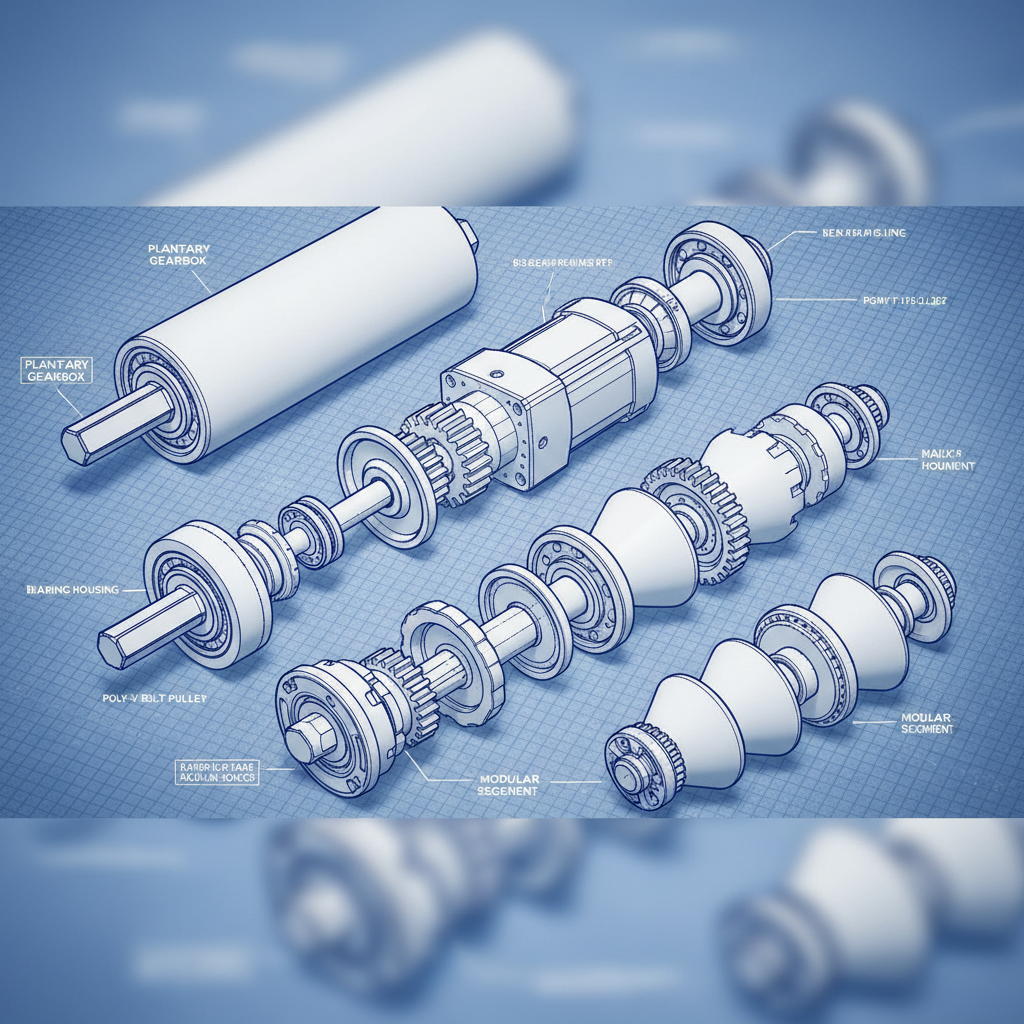
Several core components define the performance characteristics of conveyor rollers. The bearing is perhaps the most critical element, determining the roller’s ability to rotate smoothly and withstand loads. Bearing selection is based on factors like load capacity, speed, and environmental conditions. The shell material, whether steel, stainless steel, or a polymer, dictates the roller’s resistance to corrosion, abrasion, and impact.
Durability, load capacity, and resistance to wear are paramount considerations when evaluating conveyor rollers. The roller’s ability to maintain its structural integrity under prolonged use directly impacts the system’s reliability and reduces the frequency of costly replacements. Additionally, factors such as temperature extremes, exposure to chemicals, and dust ingress can significantly affect performance.
Finally, the roller’s diameter and length play a crucial role in determining its load-carrying capacity and its ability to handle varying material types. Larger diameter rollers generally provide smoother operation and can handle heavier loads, while the length is adjusted to suit the width of the conveyor belt.
Diverse Applications of Conveyor Rollers Across Industries
The versatility of conveyor rollers makes them indispensable across a wide range of industries. In the mining sector, heavy-duty conveyor rollers are used to transport vast quantities of ore and minerals in harsh environments. Manufacturing facilities rely on precision rollers for assembly lines and packaging systems.
Within the logistics and distribution industry, conveyor rollers are the backbone of automated sorting and handling systems in warehouses and distribution centers, enabling rapid and efficient order fulfillment. Agricultural processing plants utilize rollers for handling harvested crops and packaging produce. Even in airports, conveyor rollers play a critical role in baggage handling systems, ensuring the timely and secure transport of luggage.
Conveyor Roller Performance by Application
Advantages and Long-Term Value Proposition
Investing in high-quality conveyor rollers yields significant long-term benefits. Reduced maintenance costs, increased operational efficiency, and minimized downtime translate directly into improved profitability. Durable rollers require less frequent replacement, lowering lifecycle costs and reducing disruptions to production.
Beyond financial gains, reliable conveyor roller systems contribute to enhanced workplace safety by reducing the risk of material handling accidents. Furthermore, the optimized material flow facilitated by efficient rollers can reduce energy consumption and minimize waste, promoting sustainability and environmental responsibility.
Future Trends and Innovations in Conveyor Roller Technology
The future of conveyor roller technology is focused on intelligent automation, advanced materials, and enhanced monitoring capabilities. The integration of sensors and IoT devices is enabling predictive maintenance, allowing operators to identify potential failures before they occur and schedule repairs proactively.
Research is also underway to develop rollers made from lightweight, high-strength materials that offer improved energy efficiency and reduced wear. Furthermore, self-cleaning roller designs are gaining traction in industries where dust and debris are a significant concern. The move towards “smart” conveyor rollers promises to revolutionize material handling operations.
Sustainability will continue to drive innovation, with a growing demand for rollers manufactured from recycled materials and designed for easy disassembly and component reuse.
Common Challenges and Innovative Solutions
Despite their simplicity, conveyor rollers face several challenges, including wear and tear from abrasive materials, corrosion in harsh environments, and misalignment causing belt tracking issues. Traditional solutions often involve reactive maintenance – replacing rollers only after they fail.
However, innovative approaches are emerging, such as applying specialized coatings to enhance wear resistance and corrosion protection. Advanced alignment systems and automated monitoring tools are helping to prevent misalignment and identify potential problems early on.
Furthermore, the development of modular roller designs allows for quick and easy replacement of individual components, reducing downtime and minimizing disruption to operations. The integration of data analytics provides insights into roller performance, enabling optimized maintenance schedules and informed decision-making.
Summary of Common Conveyor Roller Challenges and Solutions
| Challenge |
Impact on Operations |
Traditional Solution |
Innovative Solution |
| Wear & Tear |
Reduced efficiency, increased downtime |
Roller replacement |
Wear-resistant coatings |
| Corrosion |
Roller failure, system damage |
Stainless steel rollers |
Corrosion-resistant alloys & coatings |
| Misalignment |
Belt tracking issues, energy loss |
Manual adjustment |
Automated alignment systems |
| Dust & Debris |
Bearing damage, reduced lifespan |
Regular cleaning |
Self-cleaning roller designs |
| Predictive Maintenance |
Unplanned downtime |
Scheduled replacements |
Sensor integration & data analytics |
| High Replacement Costs |
Increased operational expenses |
Full roller replacement |
Modular roller designs |
FAQS
The lifespan of industrial conveyor rollers varies significantly depending on several factors, including the operating environment, load intensity, and maintenance practices. Generally, high-quality steel rollers can last between 5-10 years, while polymer rollers might have a shorter lifespan of 2-5 years. Regular inspection, lubrication, and timely replacement of worn components are crucial for maximizing their service life. Proper alignment also plays a key role in extending longevity.
Selecting the appropriate conveyor roller requires careful consideration of your specific needs. Factors to assess include the material being conveyed (weight, abrasiveness), the operating environment (temperature, humidity, exposure to chemicals), and the conveyor system’s speed and load capacity. For heavy loads, robust steel rollers are recommended. For corrosive environments, stainless steel or polymer rollers are preferable. Consulting with a conveyor system specialist can ensure optimal selection.
Several indicators suggest a conveyor roller requires replacement. These include excessive noise during operation, visible wear or damage to the roller shell, difficulty in rotation, and belt tracking issues. If you notice any of these symptoms, it’s crucial to inspect the rollers immediately and replace any that are compromised to prevent further damage to the conveyor system and potential safety hazards.
Regular maintenance is vital for extending the life of conveyor rollers. This includes periodic inspection for wear and damage, lubrication of bearings, and alignment checks. Removing debris and ensuring proper cleaning are also essential. Implementing a preventative maintenance schedule can significantly reduce downtime and lower overall maintenance costs. Consider vibration analysis to detect bearing issues early on.
Yes, an increasing number of environmentally friendly conveyor roller options are becoming available. These include rollers manufactured from recycled materials, rollers designed for easy disassembly and component reuse, and rollers with low-friction bearings that reduce energy consumption. Choosing sustainable options demonstrates a commitment to environmental responsibility and can contribute to a more eco-friendly operation.
Optimizing the energy efficiency of your conveyor system starts with selecting low-friction conveyor rollers and ensuring proper alignment. Regularly lubricating bearings reduces friction and minimizes energy loss. Implementing variable frequency drives (VFDs) on conveyor motors allows you to adjust the speed based on demand, further reducing energy consumption. Conducting an energy audit can identify additional areas for improvement.
Conclusion
In conclusion, conveyor rollers are fundamental components of modern material handling systems, driving efficiency, safety, and cost-effectiveness across a wide range of industries. Understanding their core principles, diverse applications, and emerging technologies is crucial for businesses seeking to optimize operations and maintain a competitive edge. Investing in high-quality rollers, implementing proactive maintenance programs, and embracing innovative solutions are essential for maximizing their long-term value.
Looking ahead, the continued evolution of conveyor roller technology promises even greater advancements in automation, sustainability, and predictive maintenance. By staying informed about these trends and adopting best practices, businesses can unlock new levels of productivity and resilience. Explore the comprehensive range of conveyor rollers and related products to find the perfect solution for your specific needs.