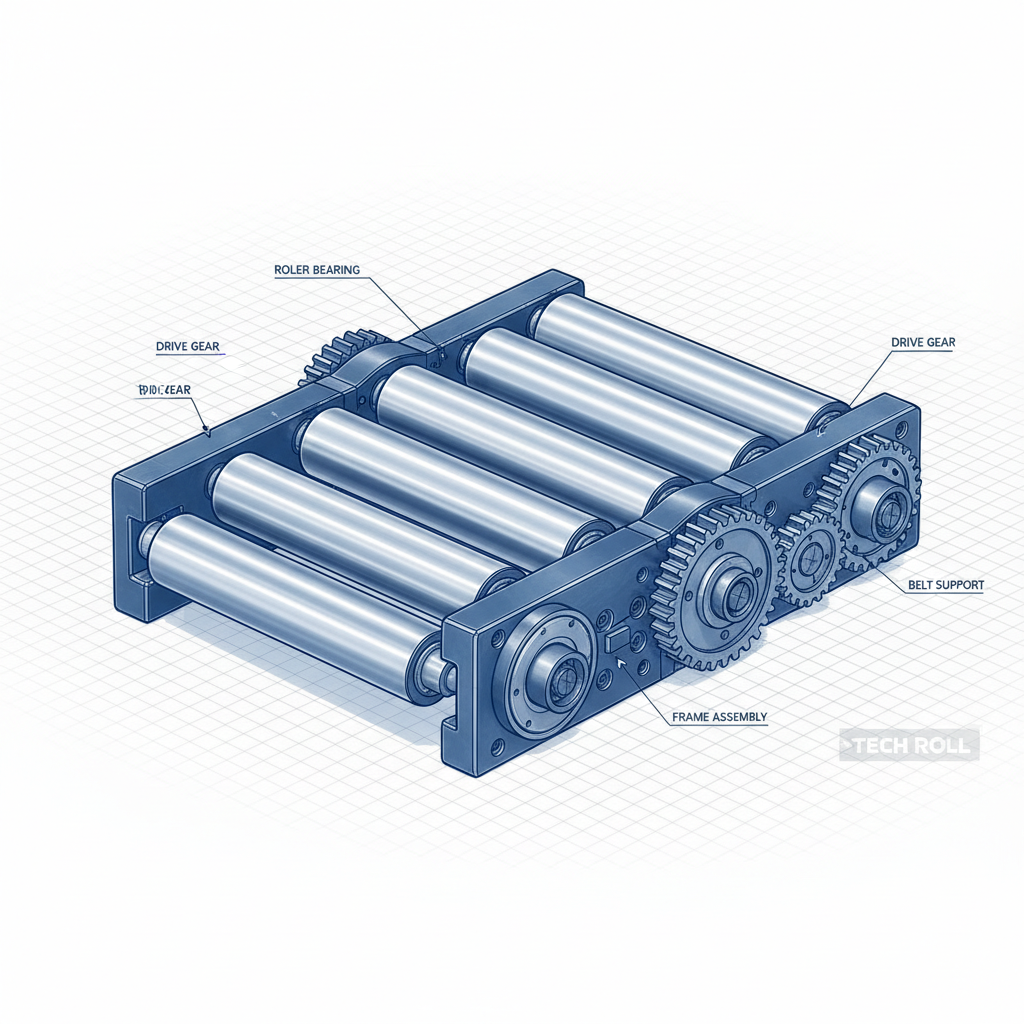
Metal conveyor rollers are essential components in modern material handling systems, playing a critical role in a wide range of industries. From manufacturing and logistics to food processing and mining, these rollers facilitate the efficient and reliable movement of goods. Their robust construction and ability to handle substantial loads make them indispensable for streamlining operations and reducing labor costs. The global demand for efficient supply chains is a key driver in the continued innovation and adoption of advanced metal conveyor roller technologies.
The significance of metal conveyor rollers extends beyond mere efficiency. Their reliability directly impacts productivity, and proper maintenance minimizes downtime, directly contributing to a company's bottom line. As global trade continues to expand, the need for robust and dependable material handling solutions becomes increasingly crucial. Understanding the nuances of different metal conveyor roller types and their applications is paramount for optimizing performance and maximizing return on investment.
Furthermore, the environmental impact of material handling is gaining prominence. Newer metal conveyor roller designs prioritize energy efficiency and durability, reducing the need for frequent replacements and minimizing waste. These advancements align with the growing global focus on sustainable industrial practices.
Introduction to Metal Conveyor Rollers
Metal conveyor rollers are fundamental to countless industrial processes, enabling the smooth and consistent movement of materials. They come in various designs, materials, and load capacities, tailored to meet the specific needs of diverse applications. Selecting the right type of metal conveyor rollers is critical for optimizing efficiency and preventing costly downtime.
These rollers aren’t merely passive components; they’re engineered solutions designed to withstand demanding conditions, minimize friction, and ensure precise product handling. The evolution of metal conveyor roller technology has focused on enhancing durability, reducing maintenance requirements, and incorporating smart features for improved monitoring and control.
Defining Metal Conveyor Rollers
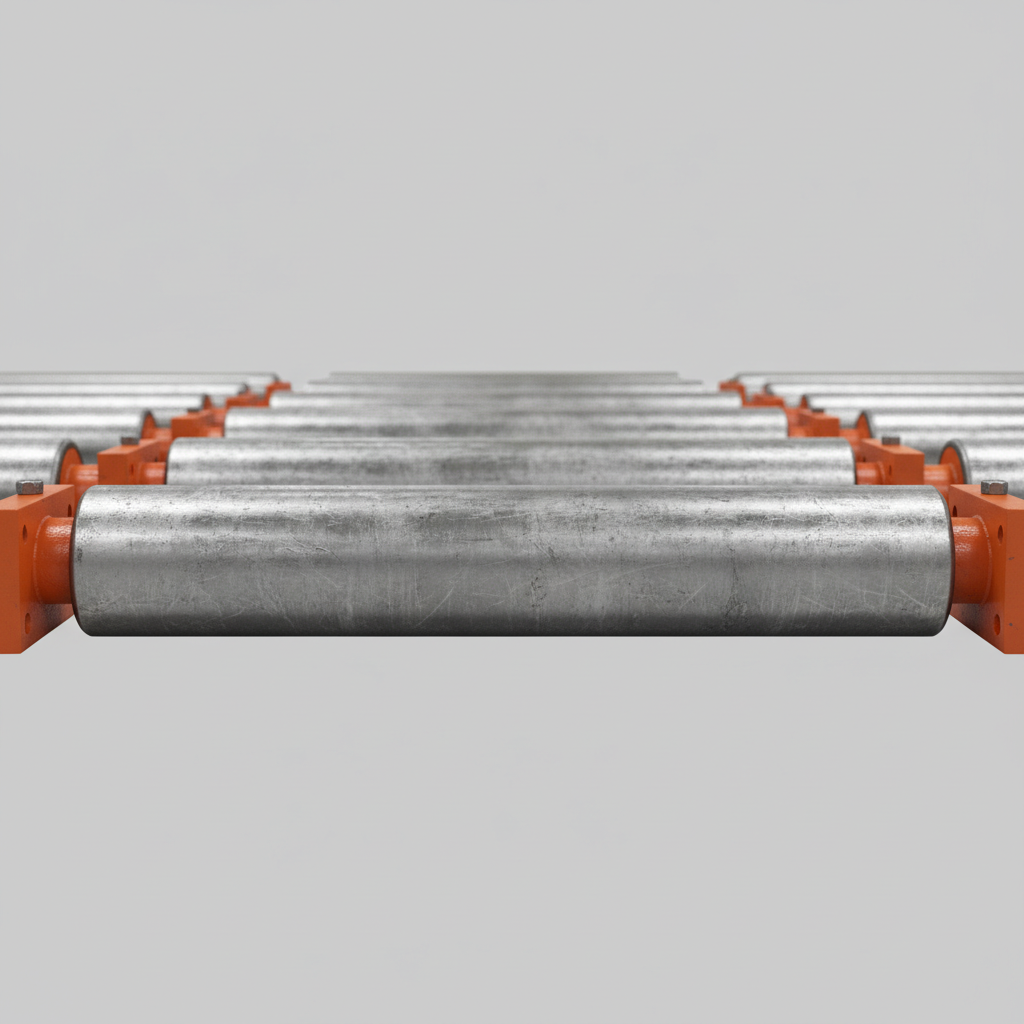
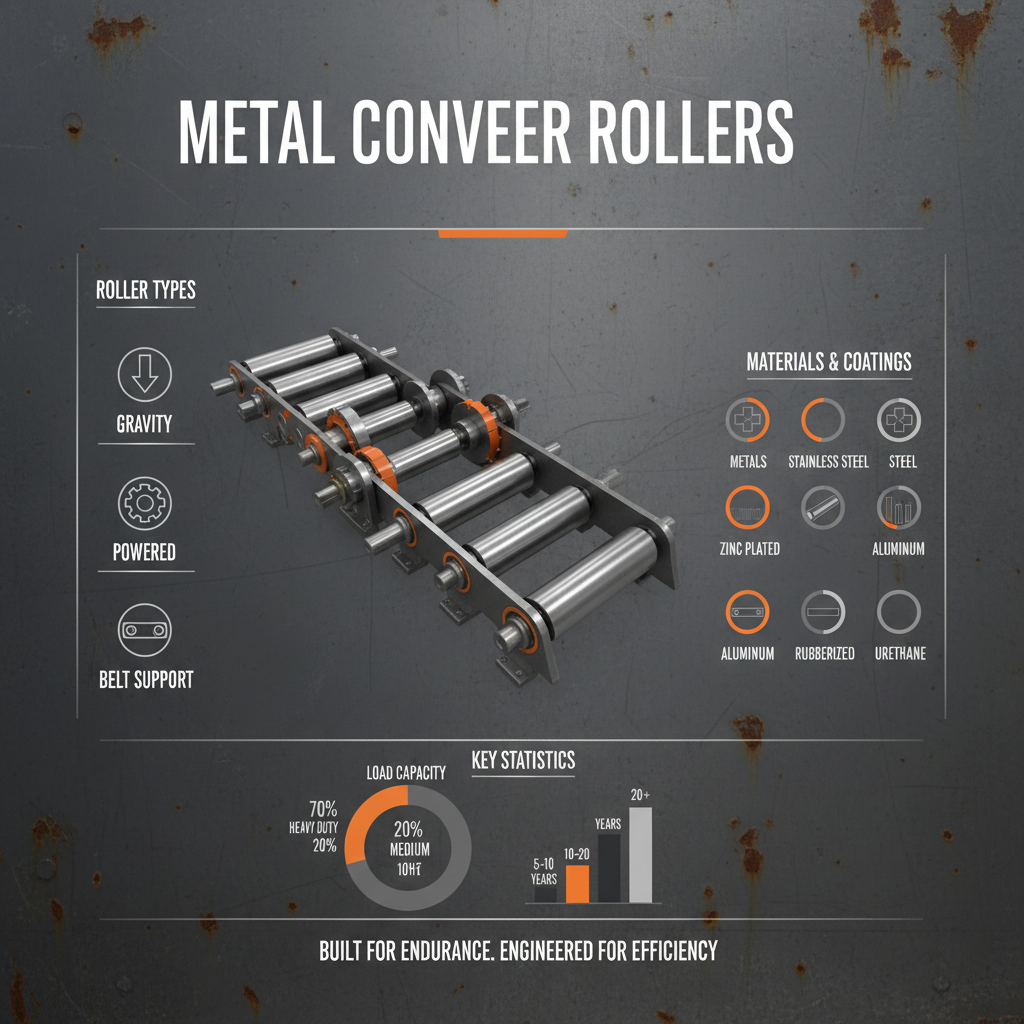
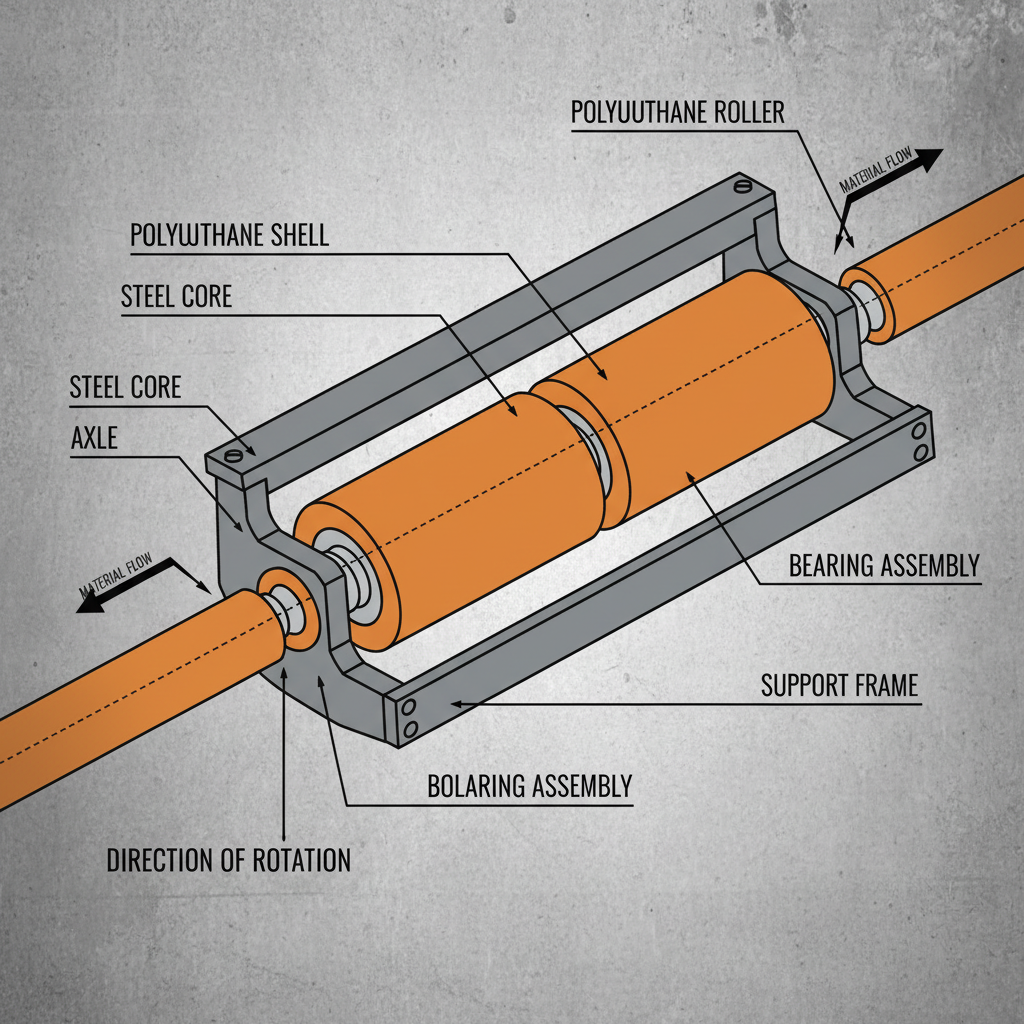
Metal conveyor rollers are cylindrical components used to support and move a conveyor belt or directly support moving objects. Typically constructed from steel, stainless steel, or aluminum, they provide a low-friction surface for efficient material handling. Their design often incorporates bearings to facilitate smooth rotation and reduce wear and tear.
They are a core element in both gravity-powered and powered conveyor systems. Powered rollers utilize motors to drive the conveyor belt, while gravity rollers rely on the force of gravity to move materials along a decline. The selection of materials is crucial, depending on the environment and the type of materials being conveyed.
Their relevance to modern industry is undeniable. Efficient logistics, manufacturing, and distribution systems all rely on the reliable operation of metal conveyor rollers to keep goods moving. In humanitarian contexts, they play a crucial role in distributing aid supplies quickly and effectively.
Key Characteristics of Metal Conveyor Rollers
Durability is a paramount characteristic of metal conveyor rollers. Constructed from robust materials like steel and stainless steel, they can withstand heavy loads, abrasive materials, and harsh environmental conditions. This durability translates into a longer lifespan and reduced maintenance costs.
Load capacity is another critical factor. Metal conveyor rollers are engineered to handle specific weight limits, and choosing rollers with the appropriate capacity is essential for safe and efficient operation. Exceeding the load capacity can lead to premature failure and potential safety hazards.
Low friction is also key, accomplished through precision bearings and smooth surface finishes. Reducing friction minimizes energy consumption and extends the lifespan of both the rollers and the conveyor belt. Furthermore, specific coatings can be applied to reduce friction and enhance grip, depending on the application.
Application Areas of Metal Conveyor Rollers
Metal conveyor rollers are widely used in manufacturing facilities for assembly lines, packaging, and material transport. They facilitate the movement of raw materials, work-in-progress items, and finished products, optimizing production efficiency.
The logistics and warehousing industries rely heavily on metal conveyor rollers for sorting packages, loading and unloading trucks, and managing inventory. Automated conveyor systems utilizing metal conveyor rollers are a staple in modern distribution centers.
Metal Conveyor Roller Performance Comparison
Global Impact and Industries Served
The impact of metal conveyor rollers is felt globally across a multitude of industries. In Asia, particularly in manufacturing hubs like China and India, these rollers are critical for supporting large-scale production and export operations.
North America and Europe rely heavily on metal conveyor rollers in automated warehousing and distribution centers, driving the efficiency of e-commerce and retail supply chains. The mining industry in Australia and South America utilizes robust metal conveyor rollers to transport extracted materials.
Advantages of Utilizing Metal Conveyor Rollers
The primary advantage of using metal conveyor rollers is their increased durability and longevity compared to plastic alternatives. This translates to lower long-term costs due to reduced replacement frequency and maintenance requirements.
Furthermore, metal rollers are capable of handling significantly heavier loads and operating reliably in harsher environments, making them ideal for demanding industrial applications. They also provide enhanced precision and control over material movement, contributing to improved operational efficiency.
Future Trends in Metal Conveyor Roller Technology
One emerging trend is the integration of smart sensors into metal conveyor rollers. These sensors can monitor roller performance, detect potential failures, and provide real-time data for predictive maintenance, minimizing downtime and optimizing efficiency.
Another area of innovation is the development of more lightweight and energy-efficient metal alloys. These materials reduce the overall weight of the conveyor system and minimize energy consumption. The implementation of robotics and AI to optimize conveyor system management will further enhance the capabilities of metal conveyor rollers.
Sustainability is also driving innovation, with manufacturers exploring the use of recycled materials and developing more eco-friendly manufacturing processes.
Challenges and Solutions in Metal Conveyor Roller Implementation
A common challenge is corrosion, particularly in environments with high humidity or exposure to corrosive chemicals. Choosing the appropriate metal alloy, such as stainless steel, and applying protective coatings can mitigate this issue.
Another challenge is maintaining proper alignment and tension in conveyor systems. Regular inspections and adjustments are crucial for preventing misalignment and ensuring smooth operation. Implementing automated tensioning systems can also help address this challenge.
Finally, noise pollution can be a concern in some applications. Utilizing vibration damping materials and employing noise reduction techniques in the roller design can help minimize noise levels.
Metal Conveyor Roller Performance Metrics
| Roller Type |
Load Capacity (kg) |
Maintenance Frequency (Months) |
Corrosion Resistance (1-10) |
| Steel Roller - Standard |
100 |
6 |
5 |
| Stainless Steel Roller |
150 |
12 |
9 |
| Aluminum Roller |
80 |
9 |
7 |
| Coated Steel Roller |
120 |
8 |
7 |
| High-Load Steel Roller |
200 |
6 |
6 |
| Precision Bearing Roller |
100 |
18 |
8 |
FAQS
The most common materials are carbon steel, stainless steel, and aluminum. Carbon steel offers high strength and cost-effectiveness, while stainless steel provides superior corrosion resistance. Aluminum is lighter and suitable for applications where weight is a concern. The best material depends on the specific application and environmental factors.
Calculating the load capacity requires considering the weight of the materials being conveyed, the conveyor belt's weight, and any dynamic loads that may occur during operation. Always factor in a safety margin to prevent overloading and ensure long-term reliability. Consulting with a conveyor system expert is recommended for complex applications.
Regular maintenance includes lubricating bearings, inspecting for wear and tear, and ensuring proper alignment. Promptly address any signs of damage, such as cracks or corrosion. Routine cleaning also helps prevent buildup that can impede operation. Following the manufacturer’s recommendations is critical.
Using stainless steel rollers in corrosive environments is a primary solution. Applying protective coatings, such as paint or galvanization, can also significantly reduce corrosion. Regular cleaning and inspection, along with prompt repair of any damaged coatings, are essential preventative measures.
Sealed bearings provide enhanced protection against dust, debris, and moisture, extending bearing life and reducing maintenance requirements. They minimize friction and ensure smoother operation, resulting in improved efficiency and reduced noise levels. This results in a longer operational lifespan and reduced overall costs.
Yes, metal conveyor rollers can be customized in terms of dimensions, materials, bearing types, and coatings to meet specific application requirements. Manufacturers offer a range of customization options to optimize performance and ensure compatibility with existing conveyor systems. This allows for tailored solutions to unique challenges.
Conclusion
Metal conveyor rollers are indispensable components of modern industrial operations, driving efficiency, reliability, and cost savings. Their versatility and adaptability make them essential across diverse sectors, from manufacturing and logistics to mining and food processing. Understanding their characteristics, applications, and future trends is crucial for optimizing material handling systems and maximizing productivity.
Looking ahead, innovations in materials, sensor technology, and automation will continue to enhance the performance and capabilities of metal conveyor rollers. Investing in high-quality rollers and implementing proactive maintenance strategies will be key to unlocking their full potential. For more information on selecting the right metal conveyor rollers for your specific needs, visit our website: www.hgconveyorbelt.com.