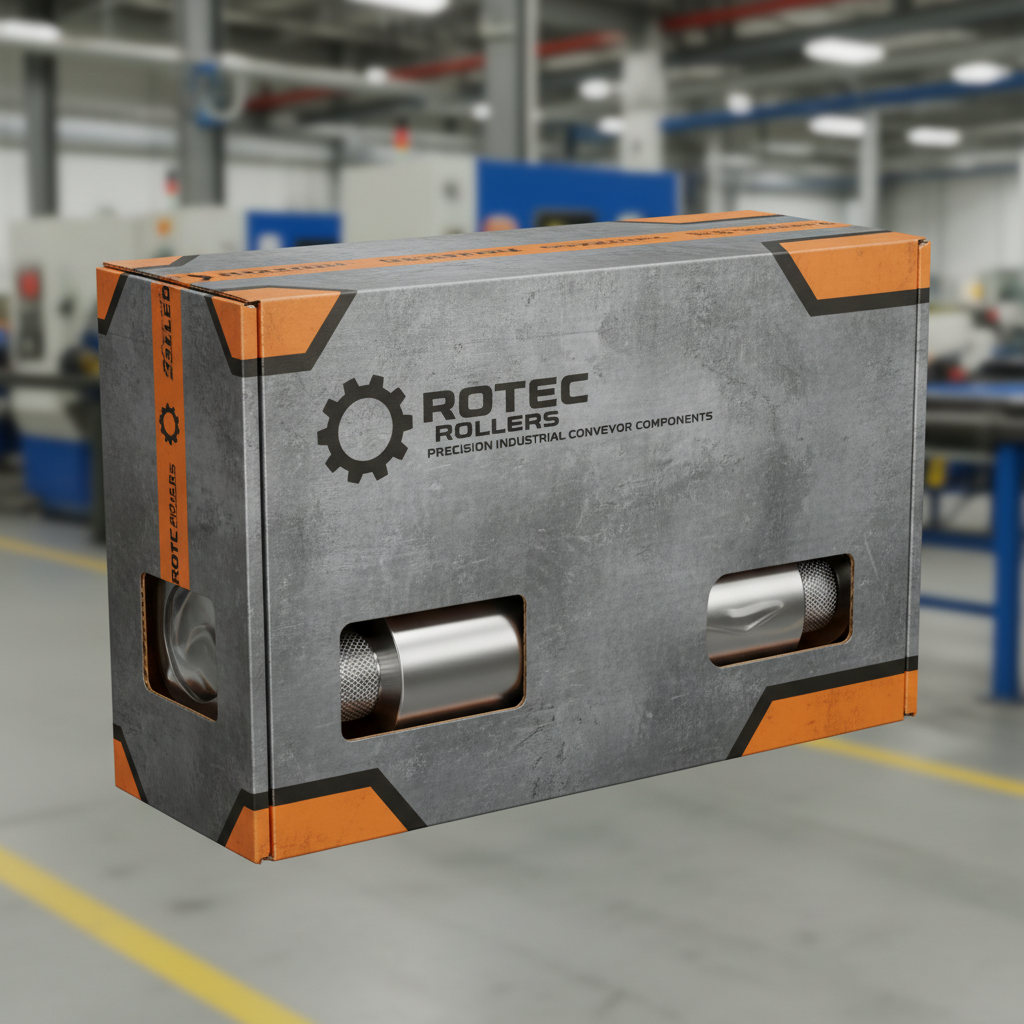
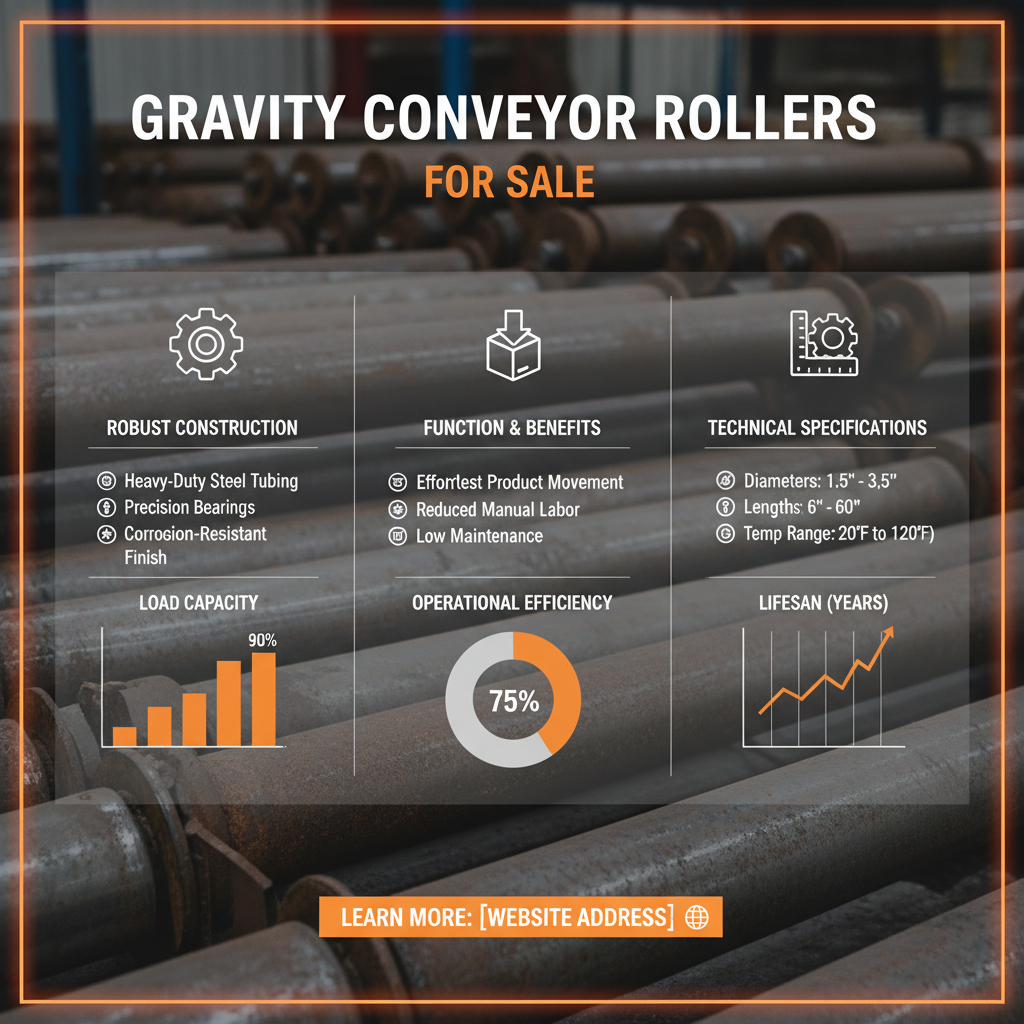
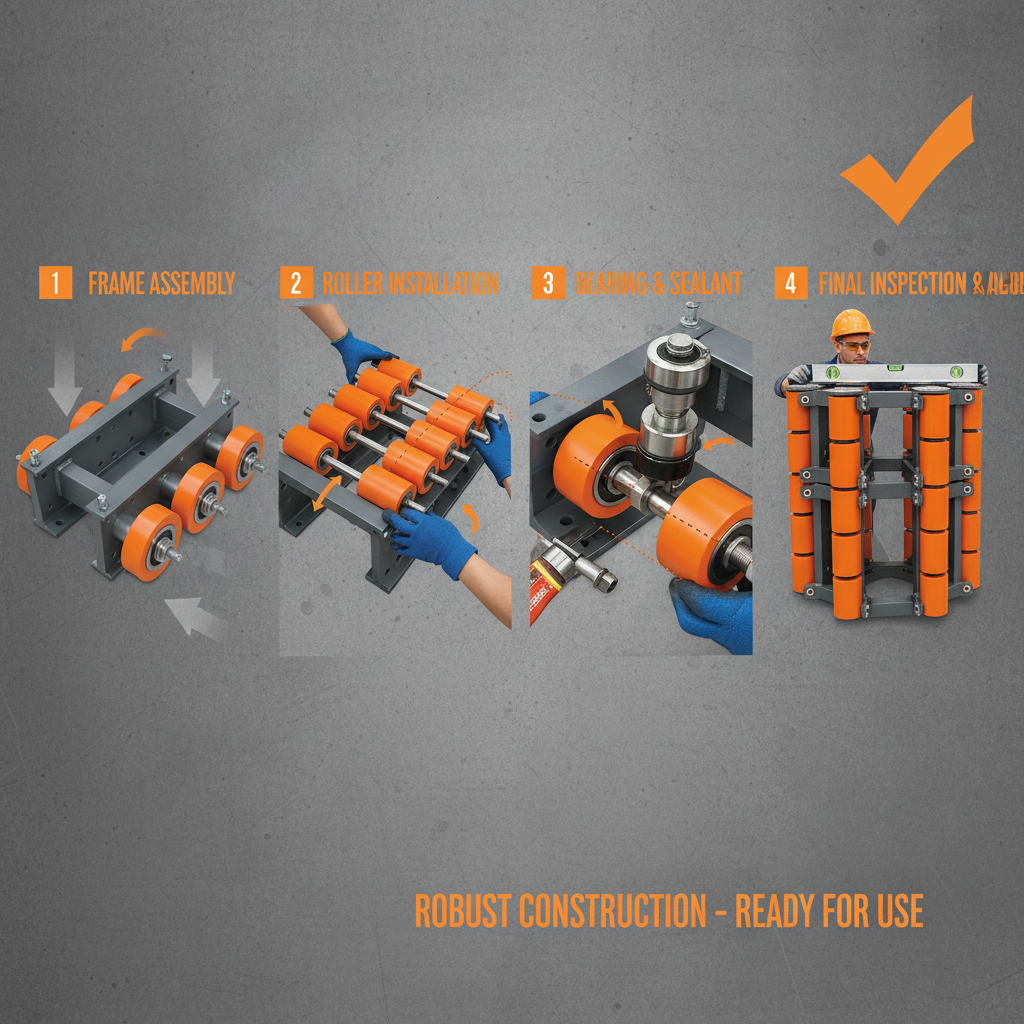
Conveyor rollers are fundamental components within a vast network of material handling systems, quietly enabling the movement of goods across industries globally. From bustling distribution centers and intricate manufacturing lines to essential agricultural processes and even humanitarian aid delivery, the reliability and efficiency of these seemingly simple cylinders are paramount. Understanding their design, applications, and evolving technologies is crucial for optimizing logistics, reducing operational costs, and driving innovation in modern industry. The global conveyor roller market is experiencing steady growth, fueled by the expanding e-commerce sector and the increasing need for automated material handling solutions.
The significance of the conveyor roller extends beyond mere logistical convenience. They contribute directly to supply chain resilience, enabling faster delivery times and improved inventory management. Properly selected and maintained conveyor rollers minimize downtime, prevent product damage, and enhance workplace safety. As businesses navigate increasingly complex supply chains and heightened customer expectations, investing in high-quality conveyor roller systems becomes not just a competitive advantage, but a necessity.
Furthermore, advancements in conveyor roller technology are impacting sustainability efforts. Lightweight materials, energy-efficient designs, and smart monitoring systems are reducing the environmental footprint of material handling operations. As the world prioritizes sustainable practices, the role of the conveyor roller in fostering eco-friendly logistics will only continue to grow.
The Importance of Conveyor Rollers
Conveyor rollers are the unsung heroes of modern logistics and manufacturing. Their seemingly simple design belies their critical role in maintaining efficient material flow, reducing labor costs, and minimizing the risk of workplace injuries. Without reliable conveyor rollers, countless industries would face significant bottlenecks and inefficiencies. conveyor roller are vital to supply chains.
The impact of high-quality conveyor rollers extends beyond operational efficiency. They also contribute to improved product handling, reducing damage and ensuring that goods arrive at their destination in optimal condition. Investing in durable and well-maintained rollers is a strategic decision that pays dividends in terms of customer satisfaction and overall profitability.
Defining Conveyor Rollers
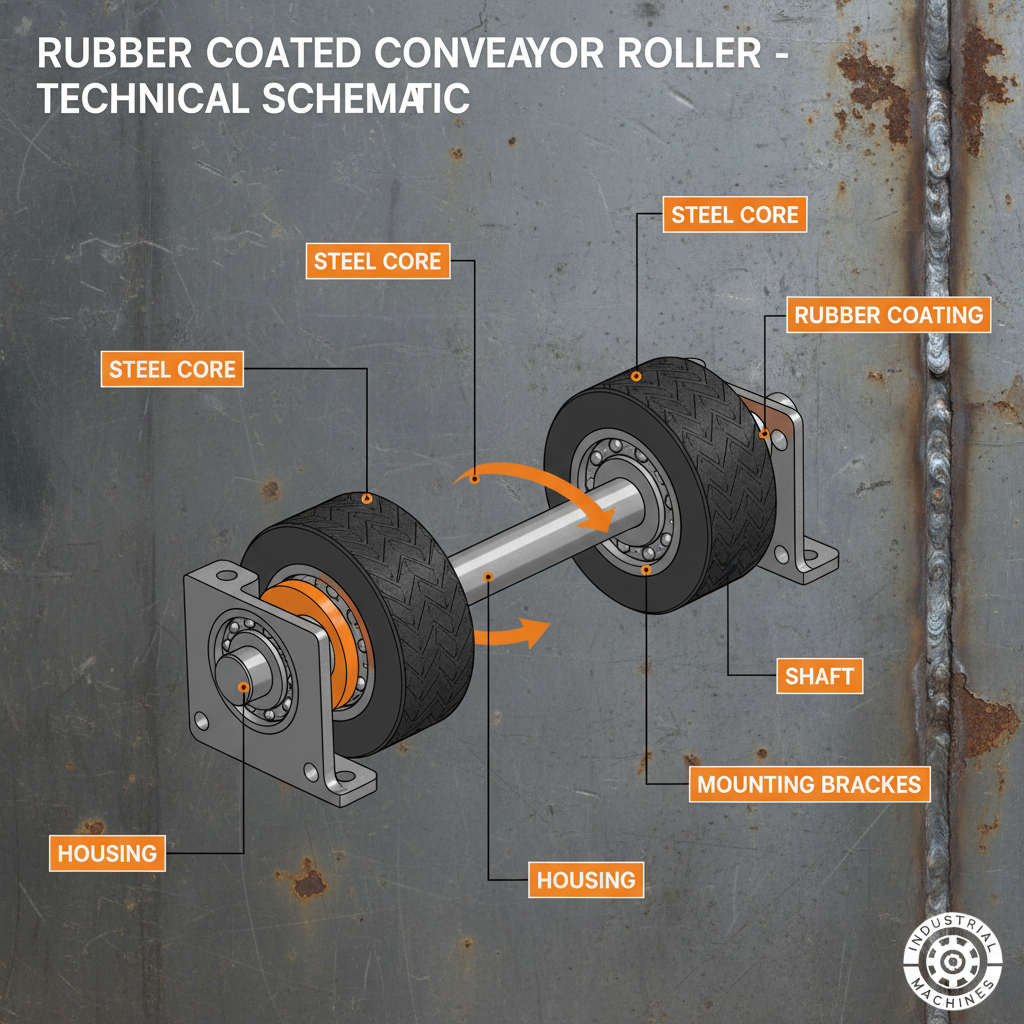
At its core, a conveyor roller is a cylindrical component designed to support and facilitate the movement of a conveyor belt. These rollers can be categorized in several ways, including their construction material (steel, PVC, stainless steel), load-bearing capacity, and drive mechanism (powered or idler). The selection of the appropriate roller type depends heavily on the specific application and the materials being conveyed.
The purpose of a conveyor roller is to minimize friction between the belt and the supporting surface, enabling smooth and efficient transportation. They act as a critical interface between the belt and the load, distributing weight evenly and preventing damage. Modern conveyor systems often incorporate a complex arrangement of rollers, including drive rollers, return rollers, and snub rollers, each serving a distinct function.
In essence, the conveyor roller is a fundamental element in automated material handling, providing a reliable and cost-effective means of moving goods from one point to another. They are integral to streamlining processes in numerous industries, from parcel delivery and food processing to mining and automotive manufacturing.
Key Factors Influencing Conveyor Roller Performance
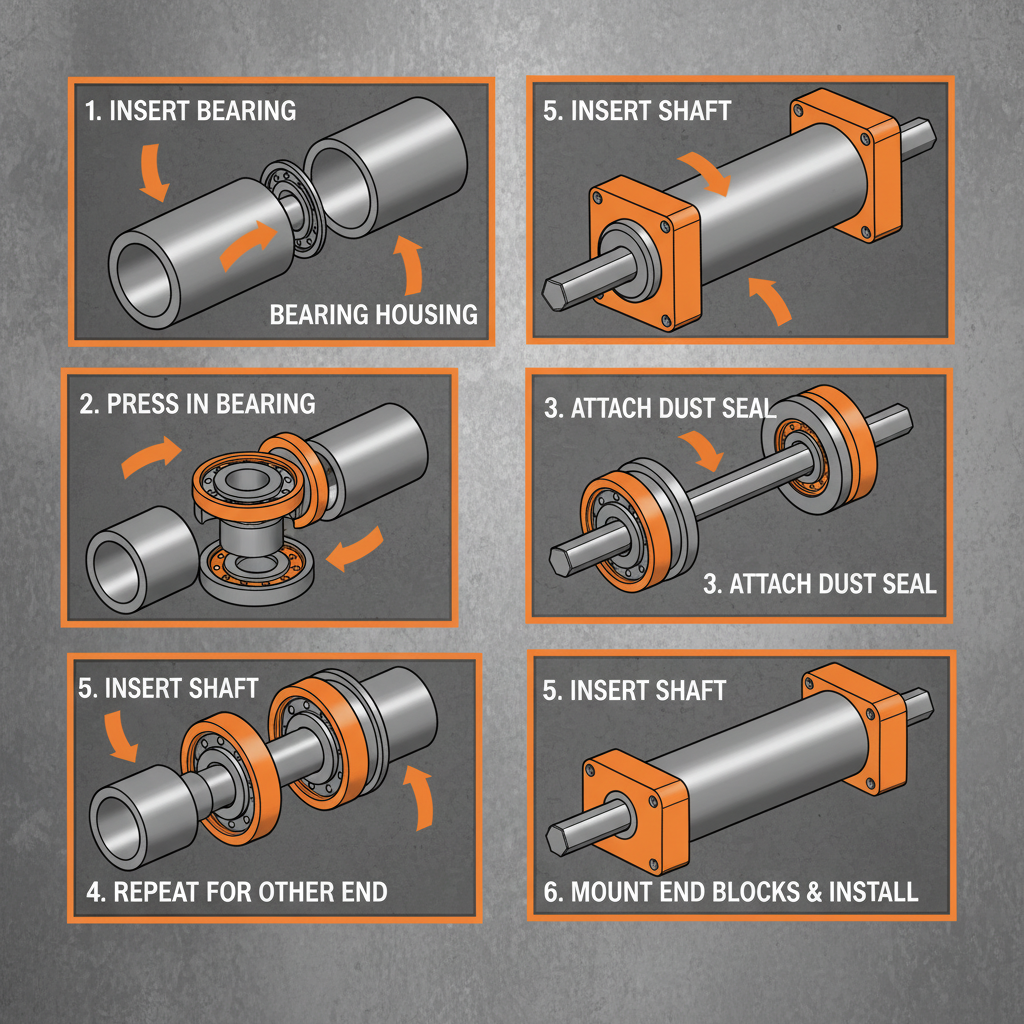
Several key factors determine the performance and longevity of conveyor rollers. Durability, particularly resistance to wear and tear from abrasive materials, is paramount. The choice of bearing material and sealing mechanisms significantly impacts roller lifespan and maintenance requirements.
Load capacity is another critical consideration. Rollers must be able to withstand the weight of the conveyed materials without deformation or failure. Proper load distribution is essential to prevent premature wear and maintain system stability. Furthermore, the roller's ability to handle dynamic loads – sudden impacts or uneven weight distribution – is vital for applications involving heavy or irregularly shaped items.
Finally, the environmental conditions in which the rollers operate play a significant role. Exposure to extreme temperatures, moisture, dust, or corrosive substances can accelerate wear and reduce performance. Selecting rollers constructed from appropriate materials and incorporating effective sealing solutions is crucial for ensuring reliable operation in challenging environments.
Global Applications of Conveyor Rollers
Conveyor rollers are ubiquitous across a wide spectrum of industries worldwide. In the logistics and warehousing sector, they form the backbone of automated sorting and distribution systems, enabling the rapid movement of parcels and pallets. Manufacturing facilities utilize conveyor rollers in assembly lines, production lines, and packaging processes.
The mining industry relies heavily on conveyor rollers for transporting extracted materials from underground mines to processing plants. Agricultural operations use them in grain handling systems, fruit sorting facilities, and fertilizer distribution networks. In remote industrial zones, where access to labor and resources is limited, conveyor roller systems provide a reliable and cost-effective means of material handling.
In post-disaster relief operations, portable conveyor roller systems can be deployed to quickly distribute essential supplies to affected communities. They are also employed in airports for baggage handling, in food processing plants for hygiene and efficiency, and increasingly in recycling facilities for separating and sorting materials.
Conveyor Roller Performance Comparison
Advantages and Long-Term Value
Investing in high-quality conveyor rollers offers a multitude of tangible benefits. Reduced labor costs, increased throughput, and minimized product damage all contribute to improved profitability. A well-designed conveyor system can significantly streamline operations and reduce reliance on manual handling, enhancing efficiency and worker safety. conveyor roller provide lasting value.
Beyond the immediate cost savings, conveyor rollers offer long-term value through enhanced sustainability. Optimized material flow reduces waste, while durable rollers minimize the need for frequent replacements, reducing environmental impact. Moreover, automated conveyor systems contribute to a safer and more ergonomic work environment, improving employee morale and reducing the risk of workplace accidents.
Future Trends and Innovations
The future of conveyor rollers is poised for significant innovation. The integration of smart sensors and data analytics is enabling predictive maintenance, allowing operators to identify and address potential issues before they lead to downtime. These smart rollers can monitor bearing temperature, vibration levels, and load distribution, providing valuable insights into system performance.
Further advancements are focused on developing lightweight, high-strength materials for rollers, reducing energy consumption and improving overall efficiency. The adoption of modular designs will enable greater customization and flexibility, allowing conveyor systems to adapt to changing production needs. Furthermore, the exploration of self-powered rollers, utilizing renewable energy sources, is gaining traction.
Challenges and Solutions
Despite their widespread adoption, conveyor rollers face certain challenges. Wear and tear from abrasive materials, particularly in industries such as mining and agriculture, remains a significant concern. Proper lubrication and regular inspection are essential for mitigating this issue.
Another challenge is maintaining alignment and preventing belt tracking issues. Misaligned rollers can cause belt slippage, damage, and reduced efficiency. Implementing automated alignment systems and utilizing rollers with adjustable mounting brackets can help address this problem. Moreover, the initial investment cost can be a barrier for some businesses.
However, innovative financing options and the long-term cost savings associated with automated material handling often outweigh the initial investment. Selecting the appropriate roller type for the specific application and investing in preventative maintenance are key to maximizing the lifespan and performance of conveyor roller systems.
Summary of Conveyor Roller Challenges and Potential Solutions
| Challenge |
Impact on Operation |
Potential Solution |
Implementation Cost (1-10) |
| Roller Wear & Tear |
Reduced Lifespan, Frequent Replacements |
High-Durability Materials, Regular Lubrication |
4 |
| Belt Misalignment |
Belt Slippage, Damage, Reduced Efficiency |
Automated Alignment Systems, Adjustable Mounts |
6 |
| Bearing Failure |
System Downtime, Repair Costs |
Sealed Bearings, Predictive Maintenance |
5 |
| Corrosion & Environmental Damage |
Reduced Strength, Accelerated Wear |
Corrosion-Resistant Materials, Protective Coatings |
7 |
| High Initial Investment |
Budget Constraints, Delayed Implementation |
Financing Options, Phased Implementation |
8 |
| Lack of Skilled Maintenance Personnel |
Improper Maintenance, Reduced Lifespan |
Training Programs, Outsourced Maintenance |
3 |
FAQS
Conveyor rollers are typically manufactured from steel, stainless steel, PVC, or polypropylene. Steel rollers are known for their high load capacity and durability, while stainless steel offers excellent corrosion resistance. PVC and polypropylene rollers are lightweight and suitable for applications where hygiene is paramount. The choice of material depends on the specific application requirements, including the materials being conveyed, the operating environment, and the desired lifespan.
Regular inspection and maintenance are crucial for ensuring the longevity and reliable performance of conveyor rollers. A visual inspection should be conducted at least monthly, checking for signs of wear, damage, or misalignment. Lubrication of bearings should be performed according to the manufacturer's recommendations, typically every 3-6 months. More frequent maintenance may be required in harsh operating environments.
The load capacity of a conveyor roller is influenced by several factors, including the roller's diameter, the material of construction, the bearing type, and the support span. Larger diameter rollers and those made from stronger materials can support heavier loads. The bearing type also plays a critical role, with higher-capacity bearings able to withstand greater stress. Proper support span between rollers is essential to distribute the load evenly and prevent deformation.
Selecting the right conveyor roller requires careful consideration of your specific application requirements. Key factors to consider include the materials being conveyed, the load weight, the operating environment, and the desired throughput. You should also assess the level of abrasion, impact, and exposure to chemicals or extreme temperatures. Consulting with a conveyor roller specialist can help you make the best choice for your needs.
Sealed bearing conveyor rollers offer several advantages over traditional open-bearing rollers. The seal protects the bearings from contaminants such as dust, dirt, and moisture, extending their lifespan and reducing the need for frequent lubrication. Sealed bearings also operate more quietly and smoothly, improving overall system performance and reducing noise pollution.
Yes, conveyor rollers can often be customized to meet specific application requirements. This may include modifications to the roller's diameter, length, material, or bearing type. Customization options also extend to mounting brackets, coatings, and other accessories. Working with a reputable conveyor roller manufacturer can ensure that you receive a solution tailored to your exact needs.
Conclusion
In conclusion, conveyor rollers are indispensable components of modern material handling systems, playing a critical role in a wide range of industries. Their reliability, efficiency, and adaptability make them essential for optimizing logistics, reducing costs, and enhancing workplace safety. Understanding the key factors influencing their performance, along with the latest innovations and challenges, is crucial for making informed decisions and maximizing their long-term value.
Looking ahead, the future of conveyor rollers will be shaped by advancements in smart technology, sustainable materials, and predictive maintenance. By embracing these innovations, businesses can unlock even greater efficiencies and create more resilient and environmentally responsible supply chains. Visit our website at www.hgconveyorbelt.com to learn more about how we can help you optimize your material handling operations.