0%

Table of Contents

Conveyor rollers are fundamental components in material handling systems across countless industries. These seemingly simple cylindrical components are, in fact, sophisticated pieces of engineering crucial for the efficient and reliable movement of goods, from packages in distribution centers to bulk materials in mining operations. Understanding the diverse types of conveyor roller available—their materials, construction, and applications—is paramount for optimizing logistical processes, reducing costs, and enhancing overall operational efficiency. The global reliance on supply chains underscores the importance of dependable material handling, making the selection of appropriate conveyor rollers a critical decision for businesses worldwide.

The relevance of different types of conveyor roller extends beyond mere commercial logistics. They are integral to infrastructure projects, such as airport baggage handling systems, and essential in industries like agriculture for processing harvests. According to a report by the Material Handling Institute, the global conveyor and sortation systems market is projected to reach \$37.9 billion by 2027, indicating sustained growth and increasing demand for advanced roller technologies. Efficient material handling directly impacts productivity, safety, and the environmental footprint of various sectors.

However, a significant challenge exists in selecting the optimal roller for a specific application. The vast array of choices, coupled with varying load requirements, environmental conditions, and budget constraints, can lead to suboptimal performance, increased maintenance costs, and potential system failures. This necessitates a comprehensive understanding of the different types of conveyor roller and their suitability for diverse needs.
Exploring Diverse Types of Conveyor Roller for Optimized Material Handling

Introduction to Types of Conveyor Roller

Exploring Diverse Types of Conveyor Roller for Optimized Material Handling

The term “types of conveyor roller” encompasses a broad spectrum of cylindrical components designed to support and facilitate the movement of materials within a conveyor system. These rollers are not simply static supports; they are engineered to handle specific loads, speeds, and environmental conditions. Different materials, diameters, and construction methods dictate their performance characteristics.

The selection process must carefully consider the type of material being conveyed, the conveyor system’s layout, and the desired level of throughput. Failing to account for these factors can result in premature wear, reduced efficiency, and even system downtime. Proper specification of types of conveyor roller is thus essential for reliable and cost-effective material handling.

Defining Types of Conveyor Roller

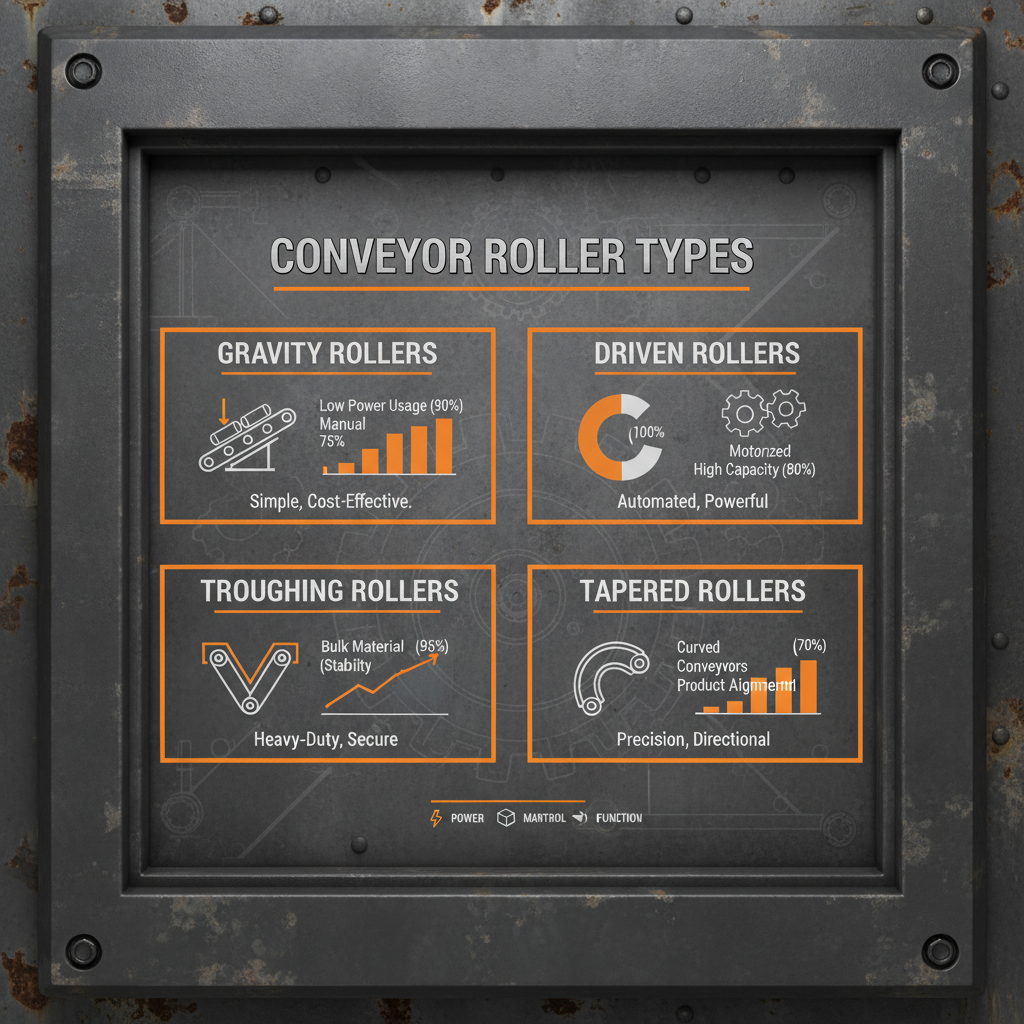
Essentially, types of conveyor roller are cylindrical mechanisms enabling continuous or intermittent movement of materials. They function by providing a low-friction surface upon which the load travels. The rollers themselves may be powered (driving rollers) or unpowered (idler rollers), contributing to the overall system’s functionality. They form the core of many automated material handling systems, reducing manual labor and increasing efficiency.

These rollers play a pivotal role in modern industrial processes. From automating assembly lines to streamlining warehouse operations, they are the workhorses of countless logistical networks. The ability to tailor roller systems to specific needs makes them adaptable to a remarkably wide range of applications.

Their connection to humanitarian efforts is equally important. In disaster relief scenarios, efficient distribution of supplies relies heavily on robust and reliable conveyor systems, which, in turn, depend on the proper functioning of types of conveyor roller.

Key Characteristics of Conveyor Rollers

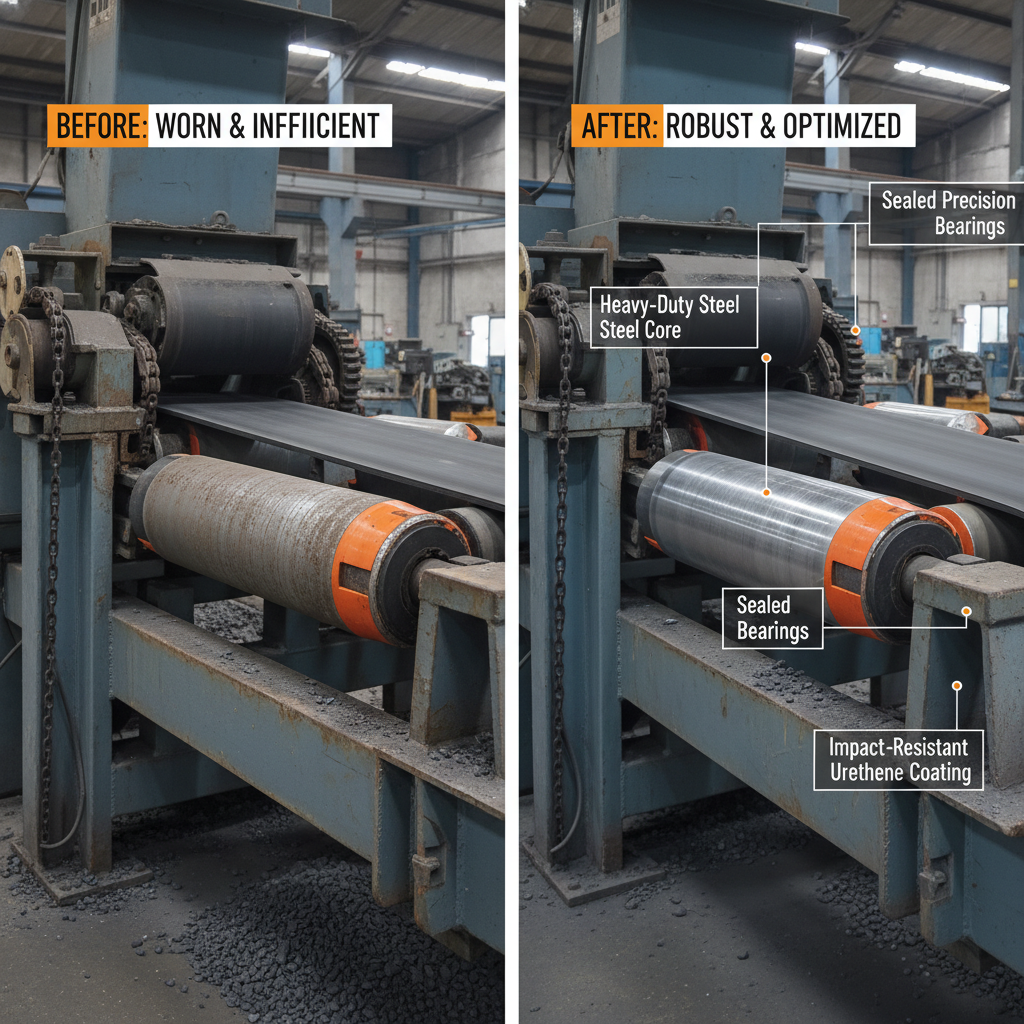
Several key characteristics define the performance and suitability of types of conveyor roller. Durability is paramount, particularly in demanding applications where rollers are exposed to abrasive materials or harsh environmental conditions. This is often dictated by the material of construction, with steel, stainless steel, and engineered plastics being common choices.

Load Capacity is another critical factor. Rollers must be capable of supporting the weight of the conveyed materials without deformation or failure. This capacity is influenced by the roller’s diameter, length, and the material’s strength. Proper load calculation is essential to prevent premature wear and ensure system safety.

Coefficient of Friction determines how easily materials slide across the roller surface. Lower friction reduces energy consumption and minimizes material damage. The surface finish and material composition influence friction, with coatings and specialized materials often used to optimize performance. Finally, Maintenance Requirements also influence long-term cost-effectiveness. Self-lubricating rollers and designs minimizing debris buildup reduce the need for frequent maintenance.

Global Applications of Conveyor Rollers

Types of conveyor roller find extensive use in the mining industry, transporting vast quantities of ore and minerals. They are critical components in aggregate processing plants, moving materials like gravel, sand, and crushed stone. In e-commerce fulfillment centers, high-speed conveyor systems relying on specialized rollers handle millions of packages daily.

In Asia, particularly in rapidly developing manufacturing hubs like China and Vietnam, conveyor roller systems are integral to the efficient production and distribution of goods. In North America, automated distribution centers depend heavily on these systems to meet the demands of online retail. Even in remote locations, such as Arctic mining operations, robust types of conveyor roller are essential for maintaining supply lines.

Roller Performance Comparison Across Applications


Advantages and Value Proposition

The advantages of employing the correct types of conveyor roller are multifaceted. Cost savings are significant, stemming from reduced manual labor, increased throughput, and minimized downtime. Sustainability benefits arise from optimized energy consumption and reduced waste.

The enhanced safety of automated systems compared to manual handling is a substantial benefit, reducing the risk of workplace injuries. The reliability of well-maintained conveyor systems fosters trust among stakeholders and contributes to a more resilient supply chain. Ultimately, the strategic implementation of appropriate types of conveyor roller drives innovation and strengthens a company’s competitive edge.

Future Trends in Conveyor Roller Technology

The future of conveyor roller technology is centered around automation and smart systems. The integration of sensors and IoT devices allows for real-time monitoring of roller performance, predictive maintenance, and optimized energy usage. Developments in material science are leading to lighter, stronger, and more durable roller materials.

The drive towards sustainable practices is fueling the development of rollers made from recycled materials and designed for easy disassembly and recycling at the end of their life cycle. Furthermore, the increasing adoption of modular conveyor systems allows for greater flexibility and scalability, adapting to changing operational needs.

Challenges and Solutions in Roller Implementation

Common challenges in implementing types of conveyor roller include accurately assessing load requirements, selecting the appropriate materials for the specific environment, and ensuring proper alignment and tensioning. Dust and debris buildup can also contribute to premature wear and reduced efficiency.

Solutions involve utilizing advanced modeling software to simulate load conditions, collaborating with experienced roller manufacturers to specify appropriate materials, and implementing regular maintenance schedules. Self-cleaning roller designs and enclosed conveyor systems can minimize the impact of dust and debris. Investing in employee training is also crucial to ensure proper operation and maintenance of the system.

Furthermore, exploring innovative lubrication systems, such as those utilizing magnetic fluids or self-lubricating materials, can significantly reduce maintenance needs and extend roller lifespan.

Summary of Key Challenges & Solutions in Conveyor Roller Implementation

Challenge Impact on System Performance Solution Cost of Implementation (1-10)
Inaccurate Load Assessment Premature Roller Failure, Reduced Throughput Load Simulation Software & Expert Consultation 6
Incorrect Material Selection Corrosion, Wear, Reduced Lifespan Material Compatibility Analysis, Specialized Coatings 7
Misalignment & Tension Issues Increased Friction, Belt Damage Precise Alignment Tools, Regular Tension Checks 4
Dust & Debris Accumulation Increased Friction, Reduced Efficiency Enclosed Systems, Self-Cleaning Rollers 5
Lack of Preventative Maintenance Unexpected Downtime, Increased Repair Costs Scheduled Inspections, Lubrication Programs 3
Inadequate Employee Training Improper Operation, Increased Risk of Damage Comprehensive Training Programs, SOP Development 2

FAQS

What factors should I consider when choosing between steel and plastic conveyor rollers?

Selecting between steel and plastic types of conveyor roller depends on the application. Steel rollers offer higher load capacity and durability, making them ideal for heavy-duty applications. Plastic rollers are lighter, corrosion-resistant, and quieter, making them suitable for food processing or cleanroom environments. Consider the material being conveyed, the operating environment (temperature, humidity, exposure to chemicals), and the budget when making your decision. A proper analysis of these factors will ensure optimal performance and longevity.

How often should conveyor rollers be inspected for wear and tear?

Regular inspection is crucial for preventing unexpected downtime and ensuring safe operation. We recommend inspecting types of conveyor roller at least monthly, or more frequently in demanding applications. Look for signs of wear such as cracks, flat spots, corrosion, or bearing issues. Listen for unusual noises during operation. Addressing minor issues promptly can prevent them from escalating into major repairs or replacements.

What is the best way to lubricate conveyor rollers?

Proper lubrication is essential for minimizing friction and extending the life of conveyor roller bearings. The lubrication method depends on the roller type. Sealed bearings typically require no lubrication, while open bearings need periodic greasing. Use a lubricant specifically designed for conveyor roller applications, and follow the manufacturer's recommendations for frequency and quantity. Over-lubrication can attract dust and debris, so apply lubricant sparingly.

What are the benefits of using self-cleaning conveyor rollers?

Self-cleaning types of conveyor roller are designed to prevent material buildup, which can cause friction, belt misalignment, and reduced efficiency. They are particularly beneficial in applications where sticky or abrasive materials are conveyed. By minimizing buildup, self-cleaning rollers reduce maintenance requirements, extend roller life, and improve overall system performance. They contribute to a cleaner and safer working environment.

How do I determine the correct roller diameter for my application?

Roller diameter is crucial for load distribution and belt stability. Larger diameters generally support heavier loads and reduce belt sag, but require more power to drive. Smaller diameters are suitable for lighter loads and tighter curves. Consider the weight of the conveyed material, the conveyor belt’s characteristics, and the overall system layout. Consulting with a conveyor roller specialist can help you determine the optimal diameter for your specific needs.

Are there any eco-friendly options for conveyor rollers?

Yes, sustainability is becoming increasingly important. Manufacturers now offer types of conveyor roller made from recycled materials or engineered plastics with lower environmental impact. Additionally, rollers with improved energy efficiency and longer lifespans contribute to sustainability by reducing resource consumption and waste. Look for rollers with certifications demonstrating environmentally responsible manufacturing practices.

Conclusion

In conclusion, understanding the nuances of types of conveyor roller is critical for optimizing material handling systems. From the careful consideration of load capacity and durability to embracing emerging technologies like smart rollers, informed decision-making leads to increased efficiency, reduced costs, and enhanced safety. The application spans across diverse industries, impacting global supply chains and logistical operations.

Looking ahead, continued innovation in materials science and automation will further revolutionize the field. Investing in preventative maintenance, employee training, and sustainable roller solutions will be key to maximizing long-term value and minimizing environmental impact. To learn more about selecting the right conveyor rollers for your specific needs, visit our website: www.hgconveyorbelt.com.

David Miller

David Miller

David Miller is a seasoned Sales Engineer with Hebei Roule Conveyor Machinery. With over 8 years of experience in the materials handling industry, David focuses on building strong relationships with clients in the mining and metallurgy sectors. He's instrumental in understanding client needs and tailoring conveyor solutions to optimize their
Previous Optimizing Material Handling with Efficient Conveyor Roller Systems
Next Understanding the Diverse Types of Rollers in Conveyor Systems for Optimized Performance