0%

Table of Contents

The selection of appropriate rollers is fundamental to the efficient operation of conveyor systems across a vast spectrum of industries. These seemingly simple components are critical for minimizing friction, supporting load weight, and ensuring smooth material handling. Understanding the different types of rollers in conveyor is paramount for optimizing system performance, reducing downtime, and maximizing return on investment. A tailored roller solution directly impacts a conveyor’s capacity, energy efficiency, and overall lifespan, making it a cornerstone of modern logistical and manufacturing processes.

Globally, conveyor systems are integral to supply chains, facilitating the movement of goods from production facilities to consumers. The UN estimates that global trade volume reached $28.5 trillion in 2022, a significant portion of which relies on efficient material handling solutions. The demand for robust and reliable conveyor components, particularly rollers, is therefore steadily increasing. Challenges exist, however, in optimizing roller selection for diverse applications and minimizing environmental impact through sustainable materials and energy-efficient designs. Addressing these challenges requires a deep understanding of the various types of rollers in conveyor available.

From automated warehouses to mining operations and airport baggage handling, conveyor systems are ubiquitous. Selecting the right rollers contributes directly to increased throughput, reduced labor costs, and enhanced safety. The increasing complexity of modern supply chains and the drive for greater operational efficiency further elevate the importance of this often-overlooked component. The integration of smart technology and predictive maintenance also relies on the quality and performance of the underlying roller infrastructure.
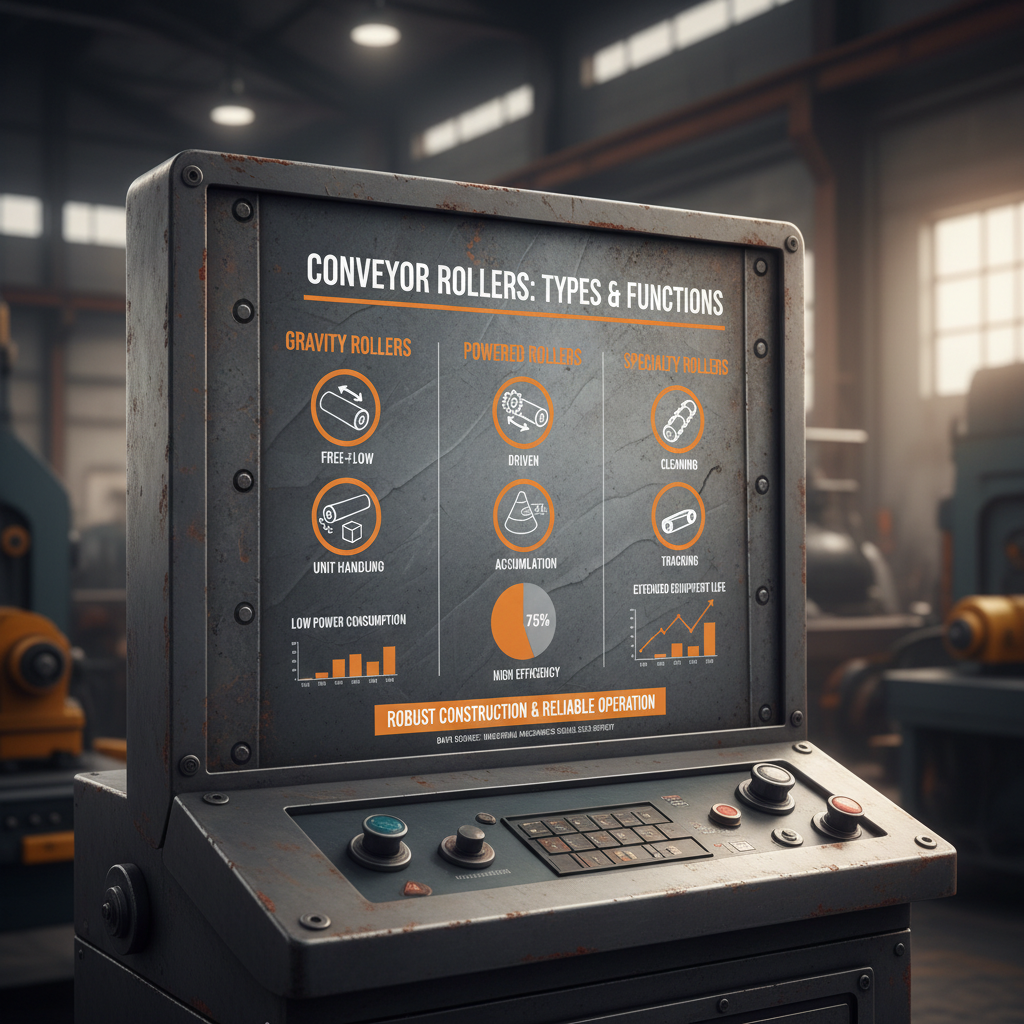
Understanding the Diverse Types of Rollers in Conveyor Systems for Optimized Performance

Introduction to Types of Rollers in Conveyor

Understanding the Diverse Types of Rollers in Conveyor Systems for Optimized Performance

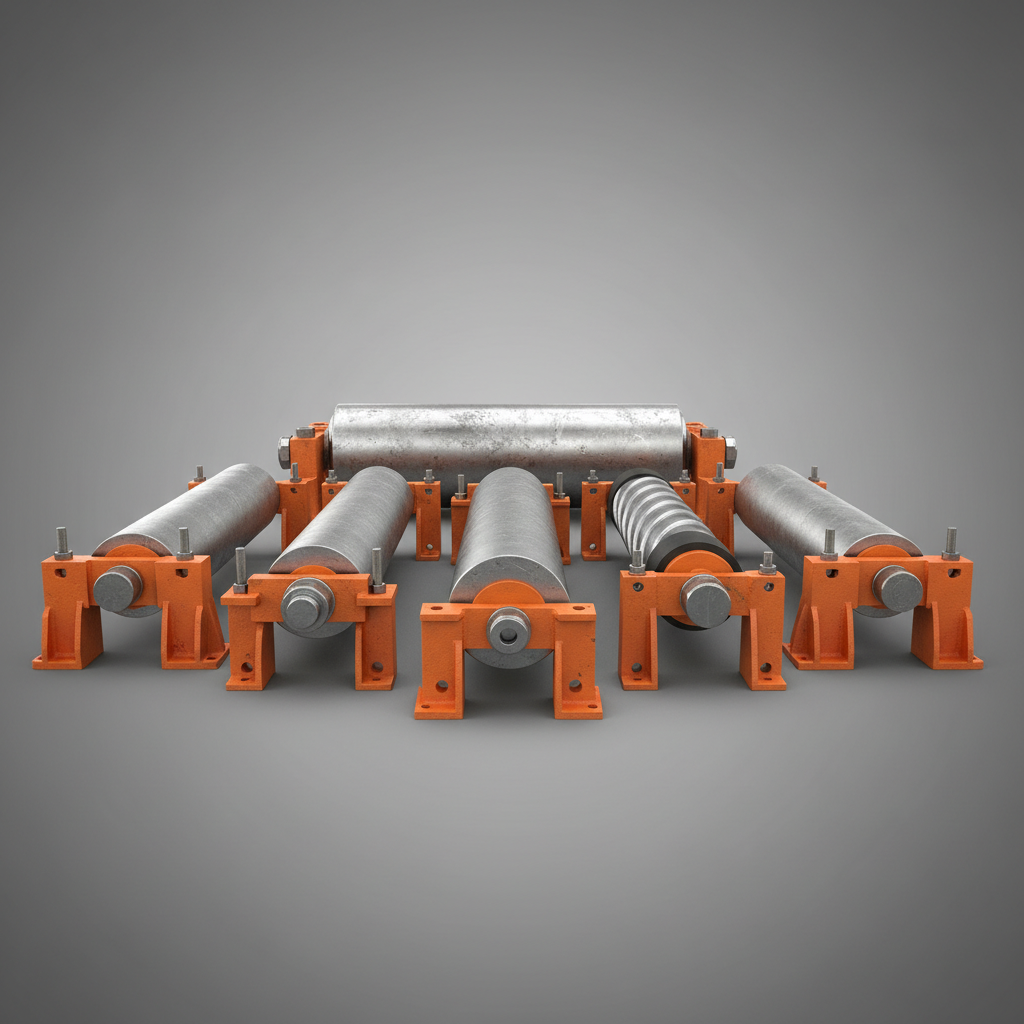
Conveyor rollers are cylindrical components strategically positioned within a conveyor system to facilitate the movement of materials. These rollers can be categorized into numerous types of rollers in conveyor, each designed for specific applications and load capacities. Understanding these distinctions is crucial for engineers and operators seeking to optimize their material handling processes. The selection process isn’t simply about cost; it’s about matching the roller’s characteristics to the demands of the application.

The basic function of a roller is to reduce friction and enable smooth, continuous material flow. However, the specifics vary greatly. Factors like material composition, diameter, surface finish, and bearing type all play a significant role in determining a roller's performance and longevity. These factors directly impact a conveyor system’s efficiency and reliability.

Defining Types of Rollers in Conveyor

Types of rollers in conveyor are defined by their construction, materials, and intended use. Generally, they fall into several key categories: carrying rollers (supporting the load), return rollers (returning the belt), and specialized rollers designed for specific functions like diverting or accumulating materials. The core function is to provide a low-friction surface for the conveyor belt or product to move across.

The design of a roller is inextricably linked to the demands of the application. Heavy-duty applications, such as those found in mining or aggregate processing, necessitate rollers constructed from robust materials with high load-bearing capabilities. Conversely, lighter-duty applications, such as those in packaging or food processing, may prioritize rollers with smoother surfaces and hygienic designs.

Understanding the distinction between these different roller types – and the nuances within each category – is essential for selecting the optimal components for a given conveyor system. This ensures efficient operation, minimizes maintenance, and extends the overall lifespan of the equipment.

Key Characteristics of Roller Types

Several key characteristics define the performance of different types of rollers in conveyor. Durability is paramount, with rollers needing to withstand constant use, varying loads, and potentially harsh environmental conditions. Material selection directly impacts durability, with options ranging from steel and stainless steel to polymers and composite materials.

Load capacity is another critical factor. Rollers must be able to safely support the weight of the conveyed materials without deformation or failure. This is directly related to the roller's diameter, material strength, and bearing design. Scalability allows systems to adapt to changing throughput demands; modular roller designs facilitate easy expansion or reconfiguration.

Cost efficiency is also a significant consideration. While higher-quality rollers may have a higher upfront cost, they often offer a lower total cost of ownership due to reduced maintenance and longer lifespan. Friction reduction is the core function, and minimizing this requires careful consideration of bearing type and surface finish.

Global Applications of Conveyor Rollers

The application of types of rollers in conveyor is incredibly diverse, spanning countless industries. In logistics and warehousing, powered rollers drive automated sorting and distribution systems, while unpowered rollers facilitate manual handling. These systems are essential for e-commerce fulfillment centers globally.

The mining industry relies heavily on heavy-duty rollers to transport ore, coal, and other bulk materials over long distances and challenging terrain. In remote industrial zones, reliable roller systems are critical for maintaining uninterrupted operations. Airport baggage handling systems utilize complex networks of rollers to efficiently move luggage throughout terminals.

In post-disaster relief operations, portable conveyor systems equipped with appropriate rollers can be rapidly deployed to distribute essential supplies. The food processing industry employs specialized rollers constructed from hygienic materials to ensure product safety and prevent contamination. The versatility of these components makes them integral to a multitude of processes worldwide.

Roller Performance Comparison Across Applications


Advantages and Value Proposition

Investing in high-quality types of rollers in conveyor delivers substantial benefits. Reduced downtime is a key advantage; durable rollers require less frequent replacement, minimizing disruptions to operations. Lower maintenance costs are realized through improved reliability and simplified maintenance procedures.

Sustainability is increasingly important, and selecting rollers made from recycled materials or designed for extended lifecycles contributes to a reduced environmental footprint. Enhanced safety is another crucial benefit, as reliable rollers contribute to smoother material flow and reduce the risk of accidents. The overall impact is increased productivity, lower operating costs, and a more sustainable operation.

Future Trends in Roller Technology

The future of conveyor roller technology is focused on smart rollers equipped with sensors for monitoring load, speed, and temperature. These data insights enable predictive maintenance, optimizing performance and preventing costly breakdowns. The integration of IoT technology allows for remote monitoring and control of roller systems.

Material science advancements are leading to the development of lighter, stronger, and more durable roller materials. Automated lubrication systems are reducing friction and extending roller lifespan. The pursuit of energy-efficient rollers, minimizing power consumption, is a key focus for future development.

Challenges and Innovative Solutions

A common challenge is roller wear and tear, particularly in harsh environments. Innovative solutions include the development of abrasion-resistant coatings and self-cleaning roller designs. Another challenge is noise reduction; engineers are exploring vibration dampening materials and optimized bearing designs to minimize noise levels.

Addressing the environmental impact of roller manufacturing and disposal is also critical. The use of recycled materials and the development of biodegradable roller components are gaining traction. Furthermore, optimizing roller alignment and tensioning procedures is essential for maximizing efficiency and minimizing energy consumption.

The increasing demand for customized roller solutions requires flexible manufacturing processes and close collaboration between roller manufacturers and conveyor system integrators. Adapting to these changing demands will be key to continued innovation in the field.

Summary of Roller Performance Characteristics

Roller Type Load Capacity (tons) Durability Rating (1-10) Cost (USD/roller)
Steel Carrying Roller 10 9 150
Polymer Return Roller 5 7 80
Stainless Steel Sanitary Roller 7 8 200
Impact Idler Roller 12 10 250
Tapered Roller 8 6 100
Coated Rubber Roller 6 7 120

FAQS

What are the main differences between steel and polymer rollers?

Steel rollers typically offer higher load capacity and durability, making them suitable for heavy-duty applications. Polymer rollers are lighter, more cost-effective, and offer better resistance to corrosion, but generally have lower load capacities. The ideal choice depends on the specific application requirements and environmental conditions. Carefully evaluate the loads, speed and environment before deciding between these types of rollers in conveyor.

How often should conveyor rollers be inspected for wear and tear?

Regular inspection is crucial for maintaining conveyor system efficiency and safety. Rollers should be inspected at least monthly, and more frequently in harsh environments. Look for signs of wear, damage, or misalignment. Proactive maintenance, including lubrication and timely replacement of worn rollers, can prevent costly downtime and ensure optimal performance. Failing to inspect these types of rollers in conveyor will increase costs over the long run.

What factors influence the lifespan of a conveyor roller?

Several factors affect roller lifespan, including load, speed, operating environment, lubrication, and roller material. Excessive loads, abrasive materials, and improper lubrication can significantly reduce roller life. Choosing the right roller material for the application and implementing a regular maintenance schedule are essential for maximizing lifespan. Selecting the appropriate types of rollers in conveyor for the task is essential.

Are there rollers designed for specific industries, like food processing?

Yes, specialized rollers are designed for specific industries. For example, food processing applications require rollers made from stainless steel or food-grade polymers to ensure hygiene and prevent contamination. Mining operations utilize heavy-duty rollers constructed from abrasion-resistant materials. Selecting the appropriate roller type for the industry is vital for compliance and safety. Ensuring all types of rollers in conveyor conform to regulations is vital.

How does bearing type affect roller performance?

The bearing type significantly impacts roller performance. Sealed bearings offer excellent protection against contamination, reducing maintenance requirements. However, they may have a lower load capacity compared to open bearings. The correct bearing type will reduce friction, and in turn, increase the life and efficiency of these types of rollers in conveyor. Selecting the appropriate bearing depends on the application’s load, speed, and environmental conditions.

What is the role of roller alignment in conveyor system efficiency?

Proper roller alignment is critical for efficient conveyor operation. Misaligned rollers increase friction, leading to belt wear, reduced throughput, and increased energy consumption. Regular alignment checks and adjustments are essential. Misalignment can cause significant damage to the belt and adjacent rollers. Ensure regular checks and correct the alignment of all types of rollers in conveyor

Conclusion

In conclusion, understanding the diverse types of rollers in conveyor available is crucial for optimizing material handling systems. From selecting the right materials and load capacities to considering long-term durability and sustainability, a thoughtful approach to roller selection delivers significant benefits in terms of efficiency, cost savings, and safety. Investing in high-quality rollers is an investment in the overall reliability and performance of the conveyor system.

Looking ahead, the integration of smart technologies and predictive maintenance will further enhance the value of conveyor rollers. By embracing innovation and prioritizing proactive maintenance, businesses can unlock new levels of efficiency and sustainability. We invite you to explore our comprehensive range of conveyor rollers and expert solutions. Visit our website today: www.hgconveyorbelt.com

Michael Brown

Michael Brown

Michael Brown is a Quality Control Specialist at Hebei Roule Conveyor Machinery, dedicated to upholding our ISO9001, ISO45001, and ISO14001 certifications. Michael meticulously inspects raw materials and finished products, ensuring they meet rigorous industry and national standards. He has extensive experience in non-destructive testing and implements stringent quality assurance protocols
Previous Exploring Diverse Types of Conveyor Roller for Optimized Material Handling
Next Exploring Diverse Types of Conveyor Belt Rollers for Optimal Industrial Solutions