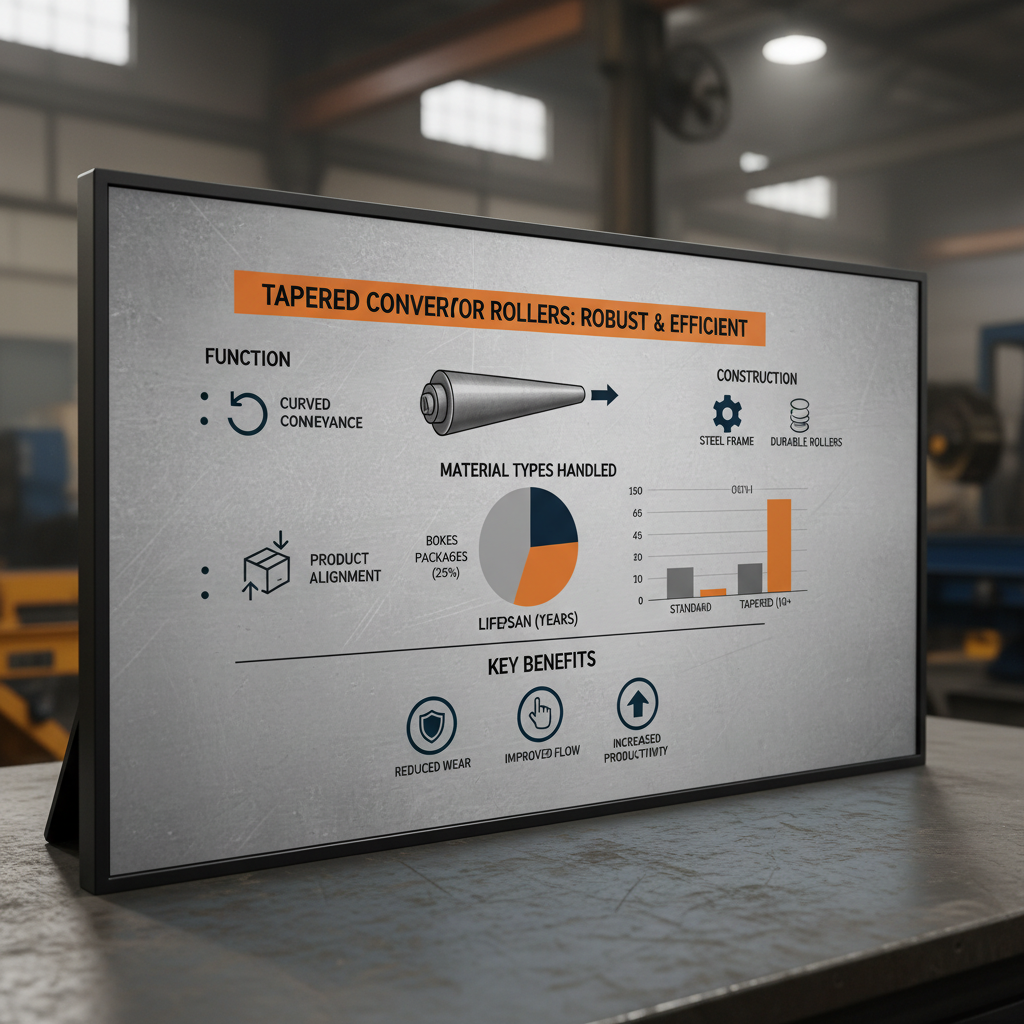
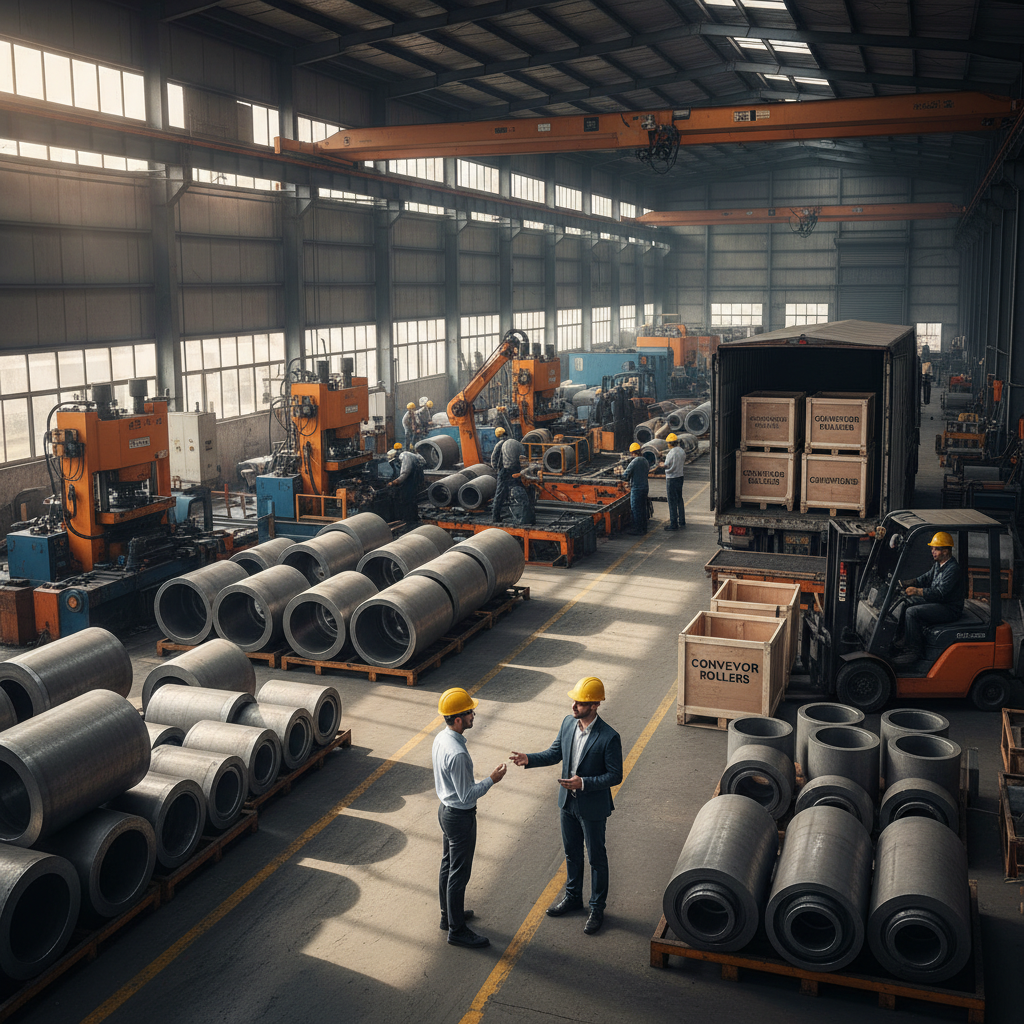
Selecting the right conveyor roller manufacturers is a critical decision for any industrial operation that relies on continuous material handling. These components, while appearing simple, are the unsung heroes of the production line, reducing friction and ensuring that bulk materials move efficiently from one point to another without causing premature wear on the belt.
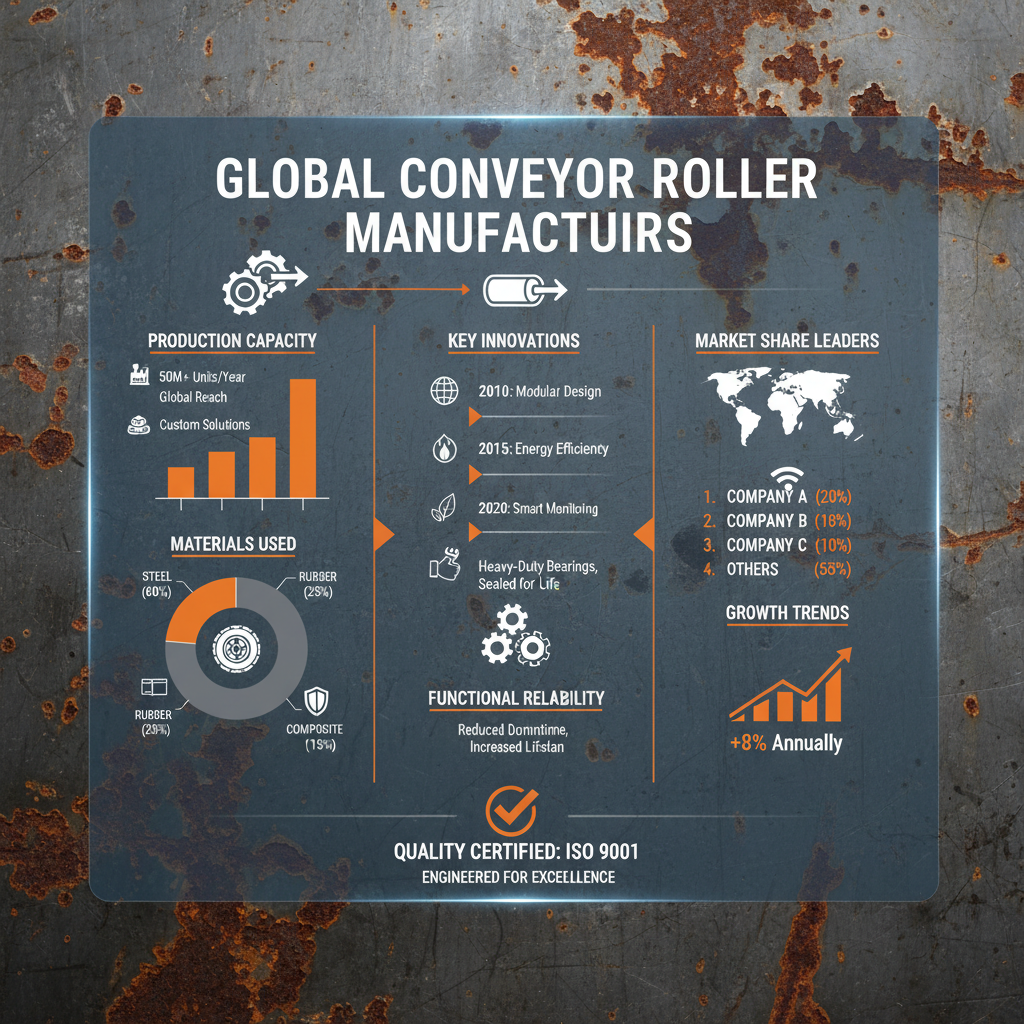
Across the globe, from massive mining operations in Australia to automated logistics hubs in Europe, the quality of rollers directly impacts operational uptime and energy consumption. When partnering with experienced conveyor roller manufacturers, companies can significantly reduce the Total Cost of Ownership (TCO) by extending the service life of their hardware and minimizing emergency maintenance shutdowns.
Understanding the nuances of roller design—including material selection, sealing technology, and bearing precision—allows plant managers to optimize their throughput. This guide explores the landscape of the industry, providing a comprehensive look at how leading conveyor roller manufacturers solve complex engineering challenges to keep the world's industries moving.
The Global Role of Conveyor Roller Manufacturers
In the modern industrial landscape, conveyor roller manufacturers operate as the backbone of global logistics and resource extraction. According to ISO standards for mechanical components, the precision of a roller's rotation can dictate the energy efficiency of an entire conveyor system. By reducing rolling resistance, manufacturers help companies lower their carbon footprint and reduce electricity costs, aligning industrial growth with global sustainability goals.
The challenge facing many enterprises today is the volatility of material handling environments—ranging from extreme Arctic cold to corrosive chemical plants. Leading manufacturers address these issues by innovating with advanced polymers and stainless steel alloys, ensuring that the rollers can withstand the harshest conditions without seizing or corroding, which would otherwise lead to catastrophic belt failure.
Defining Quality Standards in Roller Manufacturing
At its core, the work of conveyor roller manufacturers involves the precise engineering of cylindrical components designed to support a moving belt and its load. This process is not merely about shaping steel; it is about integrating metallurgy, tribology, and mechanical physics to create a product that can rotate millions of times under heavy pressure without failing.
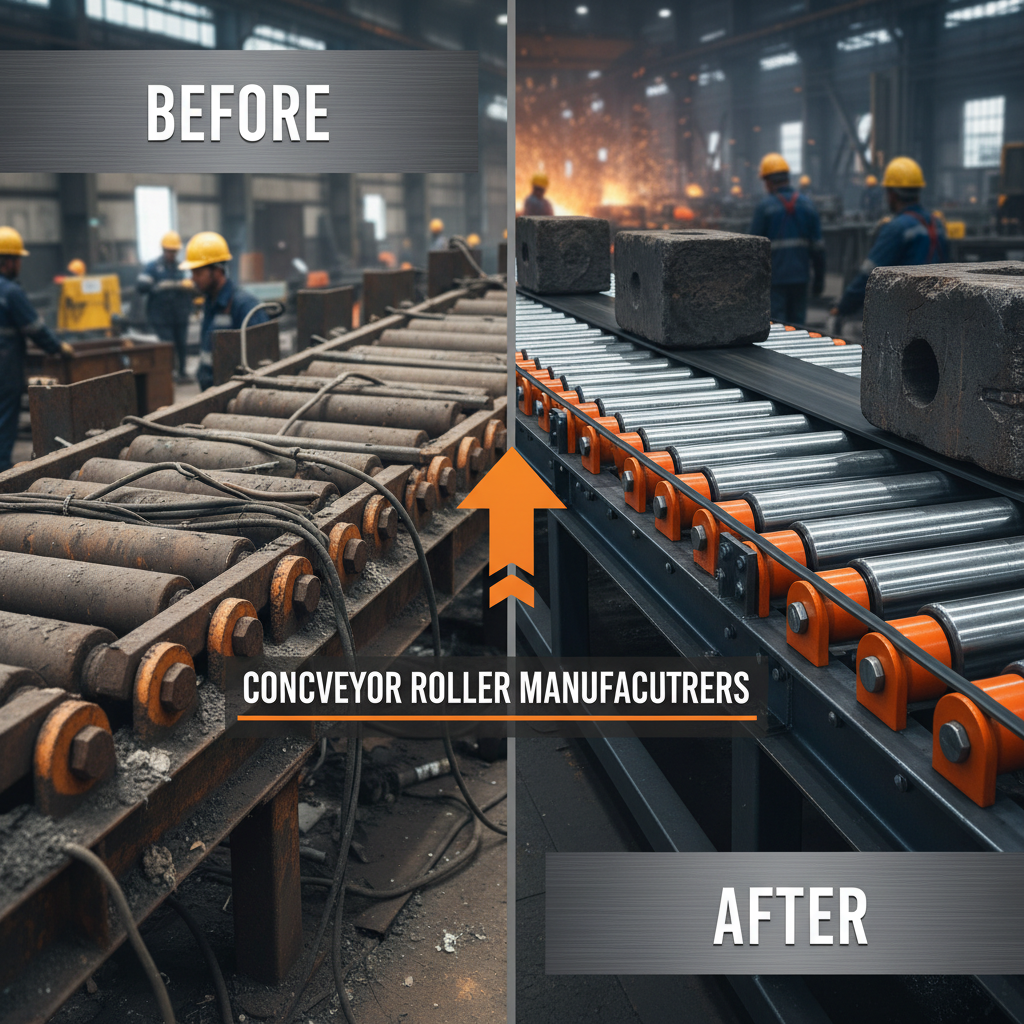
In the context of modern industry, "quality" is defined by the balance between durability and friction. A low-quality roller may be cheap initially but often leads to "flat spotting" or bearing seizure, which increases the tension on the conveyor belt and causes it to tear. Reputable manufacturers utilize precision-ground shells and high-grade bearings to ensure a smooth, consistent surface.
Beyond the physical product, professional conveyor roller manufacturers provide essential documentation and certification. This includes load-bearing ratings and corrosion-resistance certifications, which are vital for safety compliance in industries like mining and chemical processing where equipment failure can lead to significant safety hazards.
Core Components of High-Performance Rollers
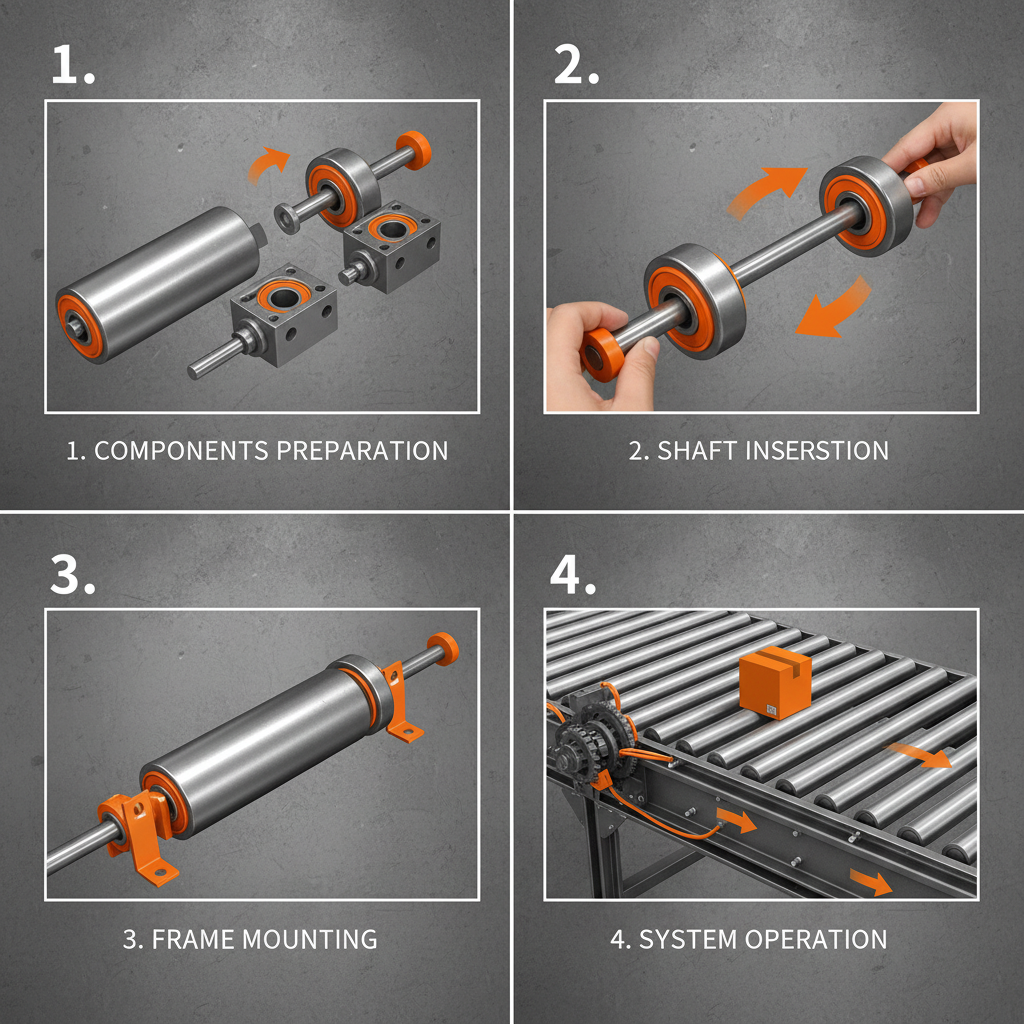
The durability of a system depends on the synergy between various parts provided by conveyor roller manufacturers. The outer shell is the first line of defense, often made from carbon steel, stainless steel, or HDPE (High-Density Polyethylene) depending on the environment. This shell must be perfectly concentric to prevent belt oscillation.
Central to the roller's performance is the bearing and housing assembly. Top-tier conveyor roller manufacturers utilize sealed-for-life bearings that prevent dust, moisture, and grit from entering the race. The housing must be robust enough to prevent deformation under peak loads while maintaining a tight seal to protect the internal lubrication.
Finally, the shaft serves as the structural anchor. Whether it is a standard hexagonal shaft or a custom precision-machined axle, the shaft must resist bending and fatigue. By optimizing the wall thickness and material grade, manufacturers ensure that the roller remains stable even when transporting heavy ores or large parcels.
Evaluating Manufacturing Methodologies
Different production paths lead to different performance outcomes. Some conveyor roller manufacturers focus on high-volume, standardized production using automated welding and painting lines, while others specialize in bespoke, high-precision engineering for specialized environments, such as food-grade stainless steel rollers.
The choice of methodology impacts everything from the surface finish to the long-term fatigue life of the component. For instance, a laser-welded seam provides a smoother transition than traditional arc welding, reducing the wear on the conveyor belt and extending its life.
Comparison of Performance Indices by Manufacturer Approach
Real-World Applications Across Industries
The versatility of products from conveyor roller manufacturers is evident in their wide array of applications. In the mining sector, impact idlers are used at loading points to absorb the shock of falling ore, preventing belt punctures. In contrast, airport baggage handling systems utilize lightweight, low-noise polymer rollers to ensure a quiet and efficient passenger experience.
Furthermore, in remote industrial zones or post-disaster relief operations, modular conveyor systems are often deployed. These systems rely on standardized rollers that can be easily replaced without specialized tools, allowing for rapid setup and maintenance in environments where professional technical support is limited.
Long-Term Economic and Operational Value
Investing in premium components from reputable conveyor roller manufacturers offers a significant return on investment (ROI). While the initial purchase price may be higher, the reduction in unplanned downtime is a massive financial win. For a large-scale mine, a single hour of conveyor downtime can cost thousands of dollars in lost production.
Sustainability is another logical angle. Higher quality rollers result in lower rolling resistance, which means the conveyor drive motors require less power to move the same amount of material. This not only lowers electricity bills but also reduces the wear and tear on the electric machinery and reducers.
Beyond the numbers, there is the element of trust and safety. Reliable rollers prevent "belt drift" and misalignment, which are primary causes of industrial accidents. By ensuring the belt stays centered, manufacturers provide peace of mind to operators and a safer working environment for the entire facility.
Future Innovations in Conveyor Roller Tech
The industry is currently undergoing a digital transformation. Leading conveyor roller manufacturers are integrating "Smart Idlers" equipped with sensors that monitor vibration, temperature, and rotation speed in real-time. This allows for predictive maintenance, where a roller is replaced just before it fails, rather than following a rigid, often inefficient, time-based schedule.
Material science is also evolving. We are seeing a shift toward carbon-fiber reinforced polymers and nano-coatings that provide extreme hardness with very low weight. These innovations allow for faster conveyor speeds and higher load capacities without increasing the energy demand of the system.
Environmental policies are driving the development of "Green Rollers" that use biodegradable lubricants and recyclable materials. As global industries strive for Net Zero, the role of conveyor roller manufacturers will shift from providing simple mechanical parts to delivering holistic, eco-friendly material handling solutions.
Comparative Analysis of Future Roller Technology Trends
| Technology Type |
Primary Benefit |
Implementation Cost |
Efficiency Gain |
| Smart Sensors |
Predictive Maintenance |
High |
9/10 |
| Nano-Coatings |
Extreme Wear Resistance |
Medium |
8/10 |
| Composite Shells |
Weight Reduction |
Medium |
7/10 |
| Magnetic Levitation |
Zero Friction |
Very High |
10/10 |
| Bio-Lubricants |
Eco-Friendliness |
Low |
6/10 |
| Hybrid Ceramics |
High-Temp Stability |
High |
8/10 |
FAQS
The choice depends on your environment. Steel rollers are superior for heavy-duty loads and high-impact areas, such as mining. Polymer rollers are ideal for corrosive environments, food processing (where hygiene is key), or applications where weight reduction and noise suppression are priorities. Always consult the load-bearing chart provided by the manufacturer.
Lifespan varies wildly based on the application. In a clean warehouse, a high-quality roller can last 5-10 years. In a harsh mining environment, they may need replacing every 12-24 months. Using rollers from premium manufacturers with advanced sealing ensures the longest possible life by keeping contaminants out of the bearings.
While physically possible, it is generally discouraged. Different manufacturers may have slight variations in diameter or shaft tolerances. Mixing them can lead to uneven belt support, increasing the risk of belt misalignment and localized wear. For optimal performance, stick to a single manufacturer's ecosystem for each section of the conveyor.
Impact rollers are specialized rollers designed with rubber rings or composite materials to absorb the shock of materials being dropped onto the belt. Without them, the force of falling material would cause the belt to stretch or tear and the standard rollers to deform, leading to frequent system failures.
Sealed bearings prevent the ingress of dust, water, and chemicals, which are the primary causes of bearing seizure. By maintaining a clean internal environment and keeping the lubricant locked in, sealed bearings eliminate the need for manual greasing and significantly extend the operational life of the roller.
Look for certifications (ISO), a proven track record in your specific industry, and a commitment to quality control (e.g., 100% testing of bearings). A reliable manufacturer will provide detailed technical data sheets, warranty terms, and a clear plan for after-sales support and replacement parts.
Conclusion
In summary, the strategic selection of conveyor roller manufacturers is a cornerstone of industrial efficiency. By focusing on high-grade materials, precision bearing integration, and innovative sealing technologies, companies can transform their material handling from a maintenance burden into a competitive advantage. The synergy between durable rollers and a well-maintained belt system ensures maximum uptime, reduced energy costs, and enhanced workplace safety.
Looking forward, the integration of smart sensing and sustainable materials will further redefine the industry. We encourage plant managers and engineers to move beyond the "lowest price" mentality and instead embrace a "lowest total cost" approach. Investing in quality today prevents the costly failures of tomorrow. For more information on high-performance conveyor components, visit our website: www.hgconveyorbelt.com