0%

Table of Contents

Gravity feed conveyor rollers represent a foundational technology in material handling, playing a crucial role in logistics, manufacturing, and distribution networks globally. These systems leverage the simple principle of gravity to move items along a defined path, offering a cost-effective and energy-efficient alternative to powered conveyor systems. Understanding their applications and benefits is paramount for optimizing processes and reducing operational costs across diverse industries.

The increasing demand for efficient and sustainable logistics solutions has propelled the adoption of gravity feed conveyor rollers worldwide. From e-commerce fulfillment centers to assembly lines, these rollers are integral to streamlining operations. According to industry reports, the global conveyor systems market is projected to reach significant growth in the coming years, with gravity-based systems contributing a substantial portion due to their reliability and low maintenance requirements.

In a world facing increasing energy costs and a heightened focus on sustainability, gravity feed conveyor rollers provide a compelling solution for moving materials without the need for electricity. This characteristic not only reduces operating expenses but also aligns with corporate social responsibility goals, making them a practical choice for businesses aiming to minimize their environmental footprint. Furthermore, the simplicity of the technology contributes to ease of maintenance and long-term reliability.
Optimizing Material Handling with Gravity Feed Conveyor Rollers Solutions

Introduction to Gravity Feed Conveyor Rollers

Optimizing Material Handling with Gravity Feed Conveyor Rollers Solutions

Gravity feed conveyor rollers are a simple yet highly effective method for moving materials, utilizing gravity as the primary driving force. Their inherent design means minimal energy consumption and a lower total cost of ownership compared to motorized systems. This makes them ideal for situations where continuous movement isn't required, or where energy efficiency is a primary concern.

The versatility of gravity feed conveyor rollers allows for customization based on specific application needs. From light-duty applications involving small packages to heavy-duty scenarios handling pallets, these systems can be configured with various roller materials, widths, and lengths to accommodate different load requirements.

Defining Gravity Feed Conveyor Rollers

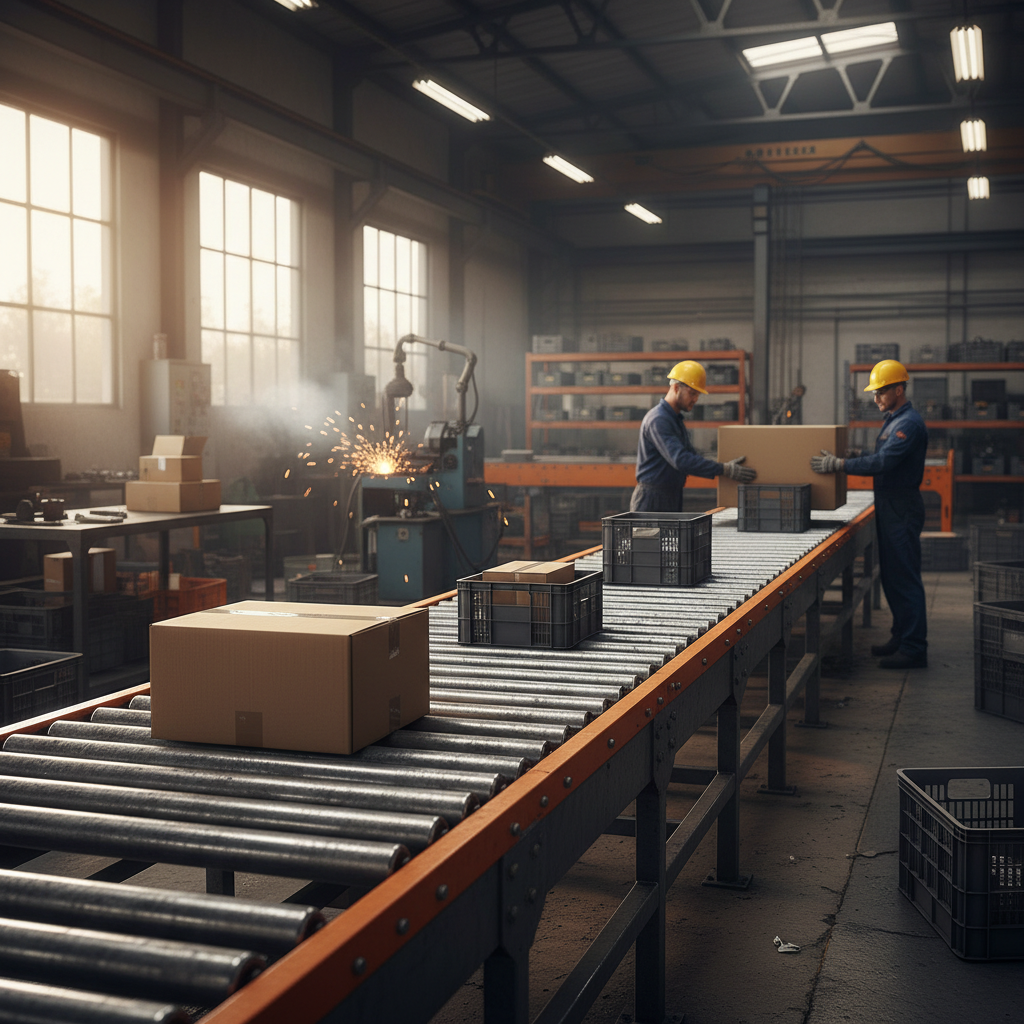
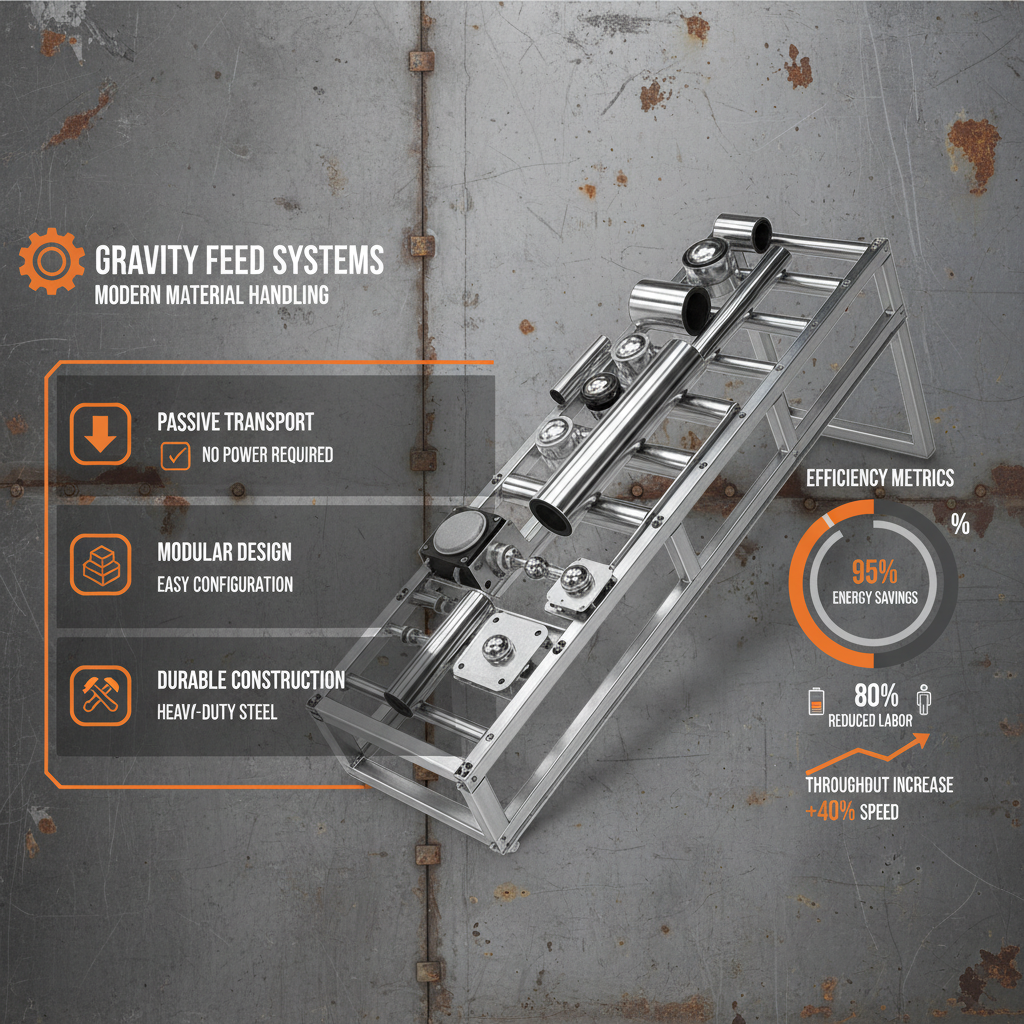
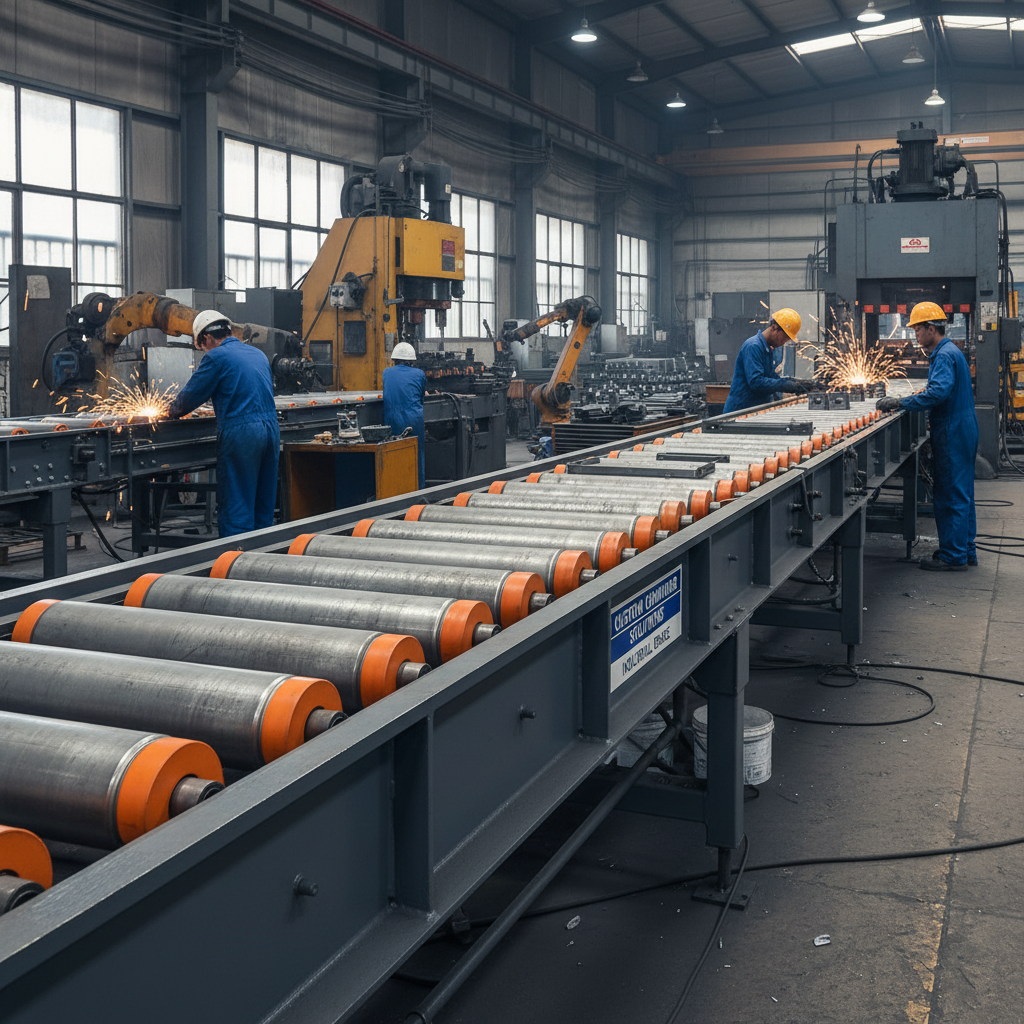
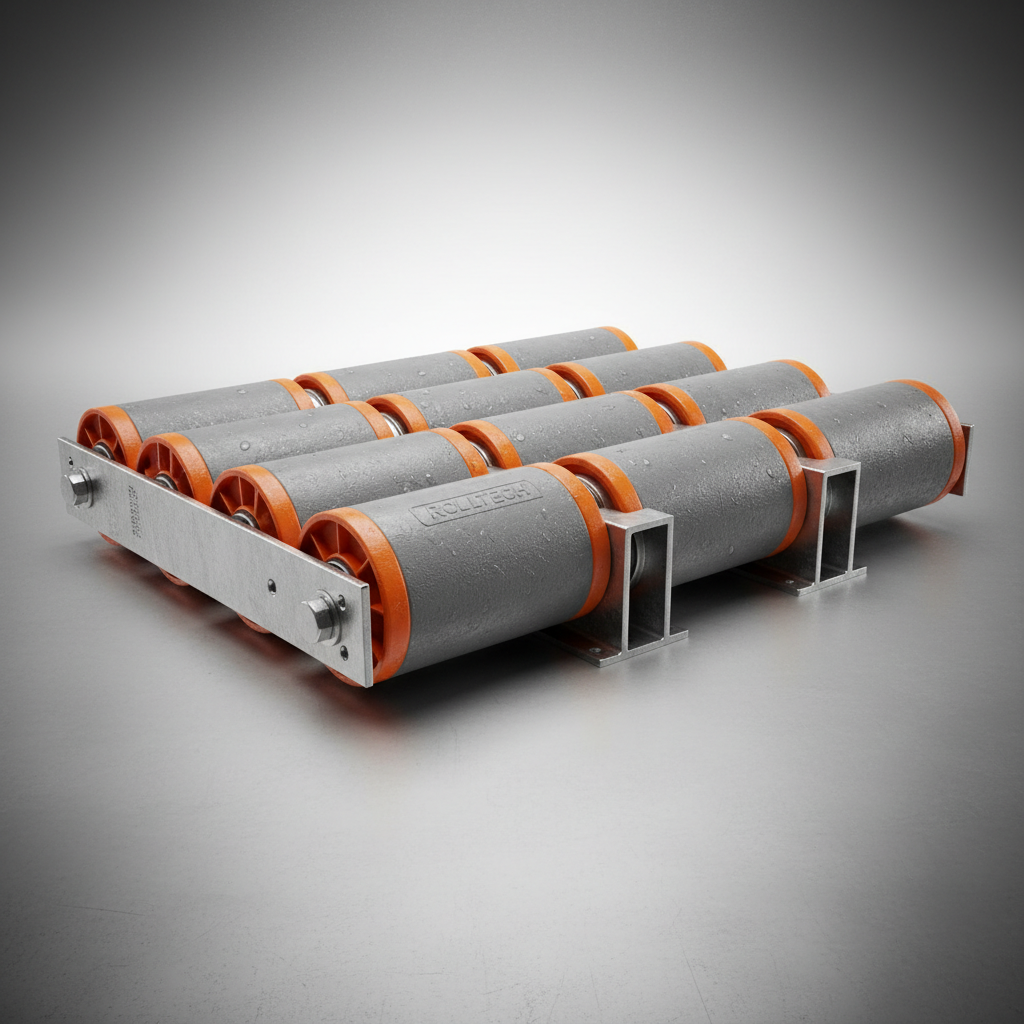
Simply put, gravity feed conveyor rollers consist of a series of rollers mounted within a frame, allowing items placed on the rollers to move downhill due to gravity. They are a passive system, meaning they don't require electricity to operate, unlike powered conveyors. This fundamental characteristic is what defines their efficiency and cost-effectiveness.

These systems are often used in conjunction with other material handling equipment, such as powered conveyors or sorting systems, to create a comprehensive logistics solution. They can be a crucial component of lean manufacturing principles, promoting a smooth and uninterrupted flow of materials.

The connection to modern industry and even humanitarian needs stems from the simplicity and reliability of the design. In warehouses and distribution centers, they increase throughput. In disaster relief scenarios, they can be rapidly deployed to move essential supplies efficiently where powered options are unavailable.

Core Components and Key Factors

Several factors contribute to the performance and longevity of gravity feed conveyor rollers. Durability is key; rollers are typically constructed from steel, stainless steel, or PVC, depending on the application and load requirements. Rollers must withstand continuous use and the weight of the conveyed materials.

Scalability is another significant factor. Gravity feed systems can be easily expanded or reconfigured to accommodate changing needs. Adding more sections or adjusting the roller layout is generally a straightforward process, providing flexibility in response to fluctuating production volumes or facility layouts. The modular nature of these systems supports this adaptability.

Cost-efficiency is a primary driver for adopting gravity feed conveyor rollers. Their lack of reliance on electricity translates to lower operating costs, and the relatively simple construction minimizes maintenance requirements. Furthermore, the initial investment is often lower compared to powered conveyor solutions. Load Capacity represents another vital factor, dictating roller material and frame strength.

Practical Applications Across Industries

Gravity feed conveyor rollers find application in a remarkably broad range of industries. In warehousing and distribution, they're commonly used for order picking, packing, and shipping processes. Manufacturing facilities leverage them for assembly lines, moving parts between workstations, and transporting finished goods.

Retail operations utilize gravity feed rollers in backroom storage and sorting areas. Food and beverage processing plants employ them for conveying products through various stages of production. Even in postal services, they streamline mail sorting and handling.

Gravity Feed Conveyor Roller Application Ratings


Advantages and Long-Term Value Proposition

The advantages of gravity feed conveyor rollers extend beyond simple cost savings. They offer a sustainable solution by minimizing energy consumption, reducing the carbon footprint of operations, and contributing to environmentally responsible practices. The robust design contributes to a long service life, reducing the need for frequent replacements.

From a logistical standpoint, these systems promote a smooth and continuous flow of materials, minimizing bottlenecks and improving overall efficiency. This, in turn, enhances productivity and reduces labor costs. The inherent safety of the system, with no moving powered parts, contributes to a safer working environment for employees.

Future Trends and Innovations

Several emerging trends are shaping the future of gravity feed conveyor rollers. The integration of smart sensors and IoT (Internet of Things) technologies allows for real-time monitoring of material flow, providing valuable data for optimizing processes and identifying potential issues.

Developments in lightweight, high-strength materials are leading to more durable and efficient roller designs. Furthermore, the increasing focus on circular economy principles is driving the development of recyclable and sustainable roller materials. Automation integration, even within gravity-based systems, offers new possibilities for streamlining operations and improving throughput.

Challenges and Solutions in Implementation

Despite their advantages, implementing gravity feed conveyor rollers isn't without challenges. Maintaining consistent slope and alignment is crucial for smooth operation, and misalignment can lead to jams or stoppages. Dust and debris accumulation can also affect performance, requiring regular cleaning and maintenance.

Solutions include employing precision leveling techniques during installation, using self-cleaning roller designs, and implementing preventative maintenance schedules. Careful consideration of the material being conveyed – its size, weight, and surface properties – is also essential for selecting the appropriate roller material and system configuration. Proper training of personnel on system operation and maintenance is vital for long-term success.

Careful system design, taking into account the specific application and potential challenges, is paramount. Investing in high-quality components and adhering to best practices during installation and maintenance ensures reliable and efficient operation for years to come.

Key Performance Indicators for Gravity Feed Conveyor Roller Systems

System Uptime (%) Throughput (Items/Hour) Maintenance Cost ($/Year) Jam Frequency (Jams/Week)
98% 800 $200 0.5
95% 650 $350 1.2
99% 950 $150 0.1
92% 700 $400 2.0
97% 850 $250 0.8
94% 600 $300 1.5

FAQS

What are the key benefits of using gravity feed conveyor rollers over powered conveyor systems?

Gravity feed conveyor rollers offer several key advantages over powered systems, primarily in terms of cost savings and energy efficiency. They require no electricity to operate, resulting in lower operating costs and a reduced carbon footprint. They also typically have lower maintenance requirements due to their simpler design. Additionally, they provide a reliable and robust solution for many material handling applications, especially when continuous movement isn’t essential.

How do I determine the correct roller material for my application?

The selection of roller material depends on several factors, including the weight of the conveyed items, the type of material being conveyed, and the environmental conditions. Steel rollers are suitable for heavy loads and general-purpose applications. Stainless steel rollers offer corrosion resistance and are ideal for food processing or pharmaceutical environments. PVC rollers are lightweight and provide a softer surface, suitable for delicate items.

What is the maximum slope angle recommended for gravity feed conveyor rollers?

The maximum recommended slope angle for gravity feed conveyor rollers is typically between 3% and 5%. Exceeding this angle can cause items to accelerate excessively, leading to damage or safety hazards. A shallower slope might not provide sufficient velocity for reliable movement. The optimal slope angle depends on the weight and characteristics of the material being conveyed.

How can I prevent jams and stoppages in a gravity feed conveyor system?

Preventing jams and stoppages involves several measures. Ensuring proper alignment and leveling of the rollers is critical. Regular cleaning to remove dust and debris is essential. Avoiding overloading the system beyond its capacity is vital. Implementing a preventative maintenance schedule that includes inspection and lubrication of rollers can also help minimize issues.

Can gravity feed conveyor rollers be integrated with other conveyor systems?

Yes, gravity feed conveyor rollers are often integrated with other conveyor systems, such as powered conveyors, belt conveyors, or sorting systems, to create a comprehensive material handling solution. They can serve as an infeed or outfeed section, providing a cost-effective and energy-efficient transition between different stages of the process. Careful planning and compatibility assessment are essential for successful integration.

What maintenance is typically required for gravity feed conveyor rollers?

Typical maintenance for gravity feed conveyor rollers includes regular inspection for wear and tear, lubrication of bearings, cleaning to remove dust and debris, and realignment if necessary. Checking for damaged rollers or frames is also important. A preventative maintenance schedule can help identify and address potential issues before they lead to costly downtime.

Conclusion

Gravity feed conveyor rollers represent a cornerstone of efficient and cost-effective material handling. Their simplicity, reliability, and sustainability make them an invaluable asset across diverse industries. From reducing energy consumption and operational expenses to enhancing productivity and safety, the benefits are substantial. Understanding the core principles and optimal applications of these systems is crucial for maximizing logistical efficiency.

As technology evolves, the integration of smart sensors and automation promises to further enhance the capabilities of gravity feed conveyor rollers. Continued investment in research and development of sustainable materials and innovative designs will solidify their role as a key component of modern material handling solutions. For reliable and effective gravity feed conveyor solutions, visit our website today!
Robert Johnson

Robert Johnson

Robert Johnson serves as the Logistics Manager at Hebei Roule Conveyor Machinery, overseeing the efficient and timely delivery of our products globally. With a background in supply chain management, Robert ensures compliance with international standards and manages all aspects of shipping, warehousing, and documentation. He’s been with the company for
Previous Revolutionizing Material Handling with Motorised Conveyor Rollers Systems
Next Optimizing Material Handling with Advanced Adjustable Conveyor Roller Systems