Magnetic conveyor rollers are transforming material handling across diverse industries. These innovative systems utilize the principles of magnetism to efficiently and safely convey products, offering a compelling alternative to traditional conveyor belts. Their ability to handle challenging materials, streamline operations, and reduce maintenance demands positions them as a crucial technology for modern logistics and manufacturing. Understanding their applications and benefits is vital for businesses seeking to optimize their processes and gain a competitive edge.
Globally, the demand for efficient and reliable material handling solutions is soaring, driven by factors like e-commerce growth, increased automation, and the need for sustainable practices. The market for conveyor systems, including those incorporating magnetic technology, is projected to reach substantial figures in the coming years. Magnetic conveyor rollers directly address critical challenges faced by industries—minimizing product damage, reducing energy consumption, and enhancing workplace safety.
This technology isn’t simply an improvement on existing systems; it represents a paradigm shift in how materials are moved and managed. From automotive manufacturing to food processing and beyond, magnetic conveyor rollers are redefining efficiency and paving the way for smarter, more resilient supply chains.
Introduction to Magnetic Conveyor Rollers
Magnetic conveyor rollers represent a significant advancement in material handling, offering a robust and efficient alternative to traditional mechanical systems. These rollers utilize permanent magnets or electromagnets to grip and move ferrous materials, eliminating the need for friction-based drives in certain applications. This technology is particularly effective for handling heavy loads, navigating complex layouts, and maintaining precise control over product flow.
The adaptability of magnetic conveyor roller systems makes them suitable for a wide range of industries, from automotive and metalworking to recycling and logistics. Their ability to operate reliably in harsh environments and minimize downtime makes them a valuable asset for businesses striving for operational excellence.
Defining Magnetic Conveyor Roller Technology
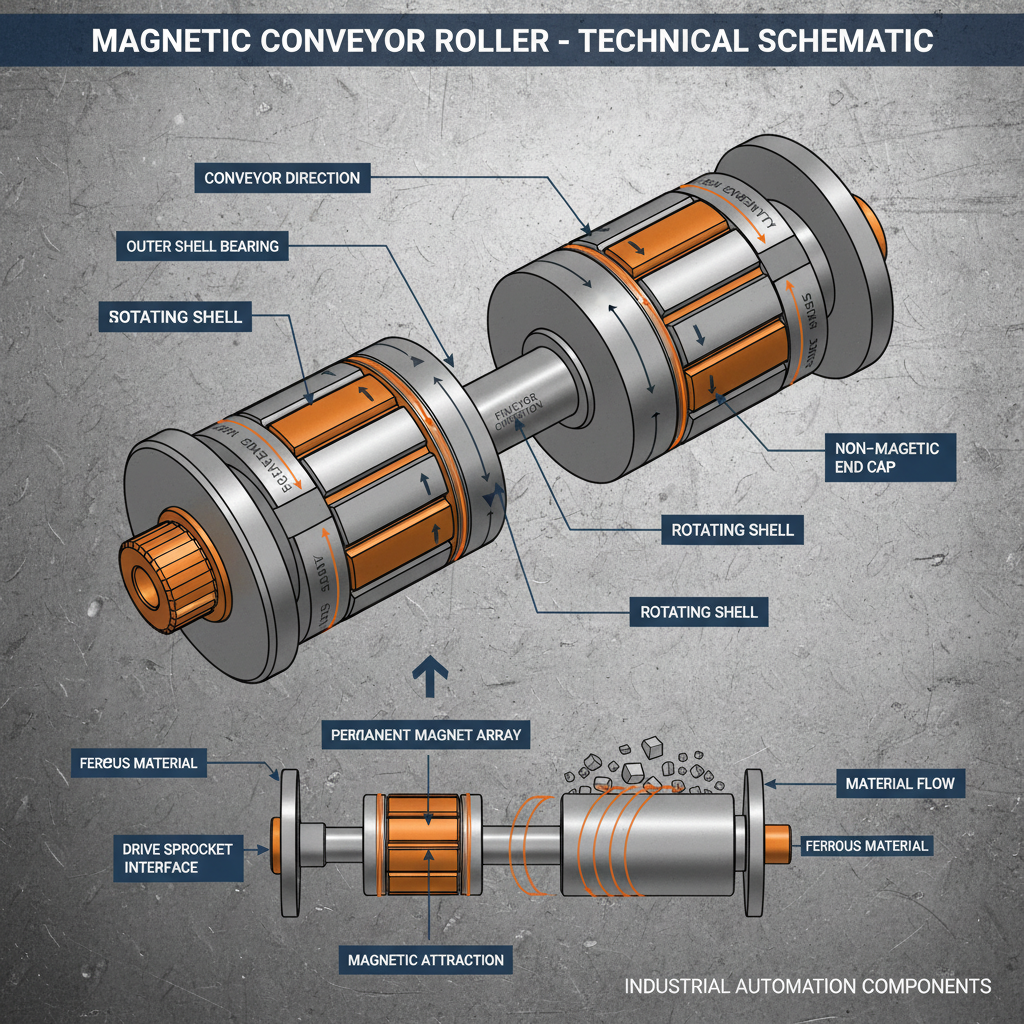
A magnetic conveyor roller is fundamentally a conveyor roller incorporating magnetic materials or electromagnets within its construction. These magnetic fields interact with ferrous materials placed on the conveyor, creating a secure grip that facilitates movement. This method contrasts with traditional conveyor systems that rely on friction between the belt and the material being conveyed.
The strength of the magnetic field, the roller's design, and the characteristics of the conveyed material are all critical factors in determining the system’s overall performance. Systems can be designed for specific materials, loads, and conveyor configurations. The connection to modern industry is rooted in the drive for automation and efficiency, streamlining processes where manual handling is costly or hazardous.
This technology extends beyond simple transport; it provides a precise and controlled method for manipulating materials within complex production lines, contributing to improved product quality and reduced waste.
Core Components and Operational Factors
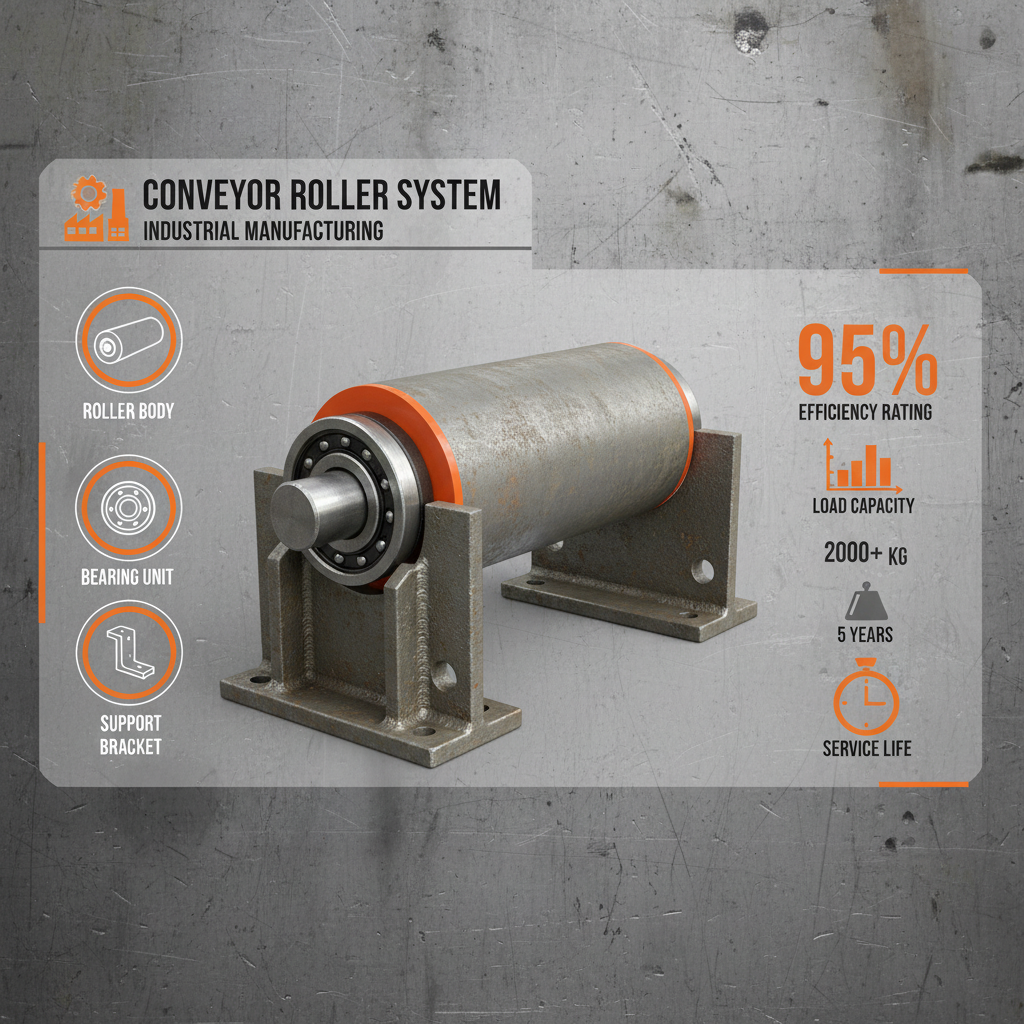
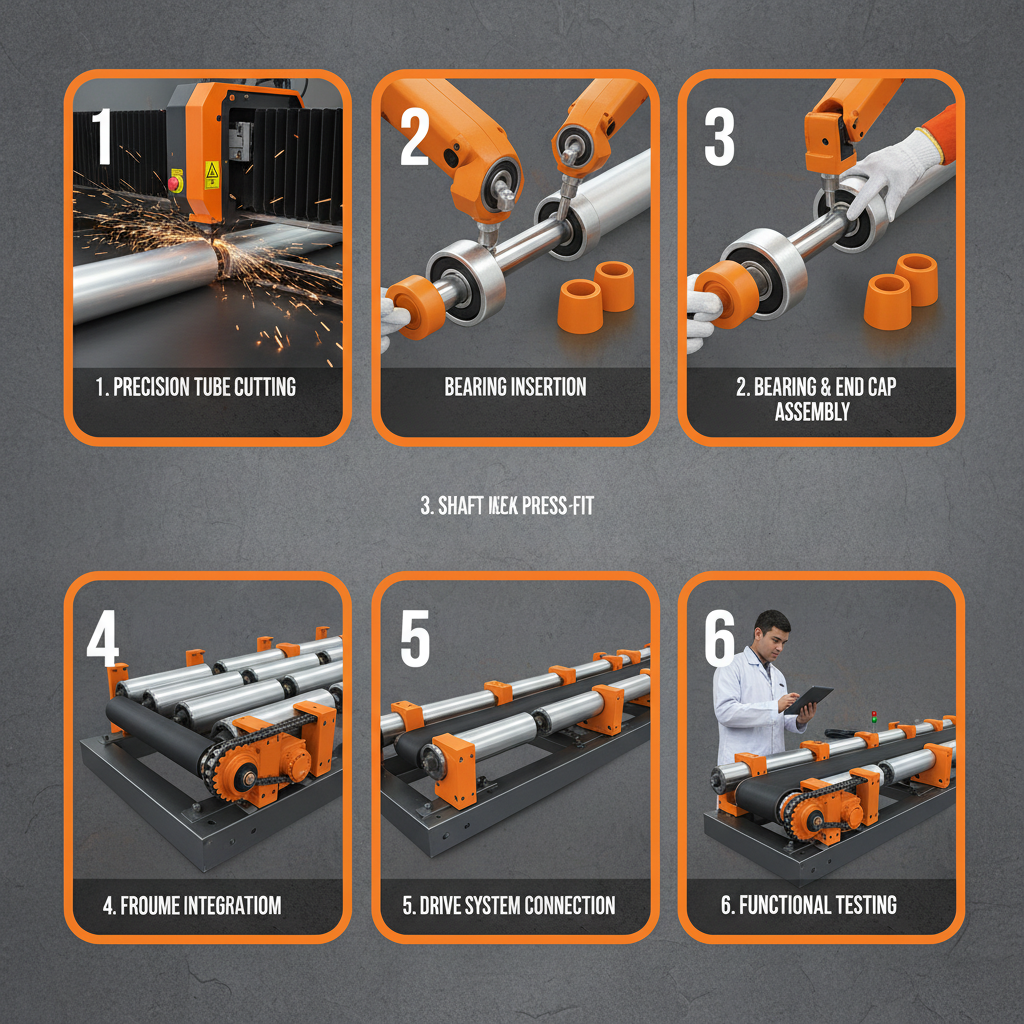
Several key components contribute to the effective operation of a magnetic conveyor roller system. The magnetic source – either permanent magnets or electromagnets – is central, dictating the strength of the grip. The roller’s housing, typically constructed from durable materials like steel or aluminum, provides structural support and protects the magnetic core. Control systems, particularly for electromagnetic rollers, allow for adjustable magnetic fields and precise control over material flow.
Operational factors like material composition, load weight, conveyor speed, and environmental conditions significantly influence performance. Ferrous materials with high magnetic permeability are best suited for these systems. Overloading the conveyor can reduce the magnetic grip and lead to slippage. Regular maintenance, including cleaning and inspection of the magnetic components, is essential for ensuring long-term reliability.
Effective system design considers these factors, optimizing the magnetic field strength, roller spacing, and conveyor speed to achieve the desired level of efficiency and control. Proper integration with existing automation systems further enhances the benefits of this technology.
Key Performance Indicators of Magnetic Conveyor Rollers
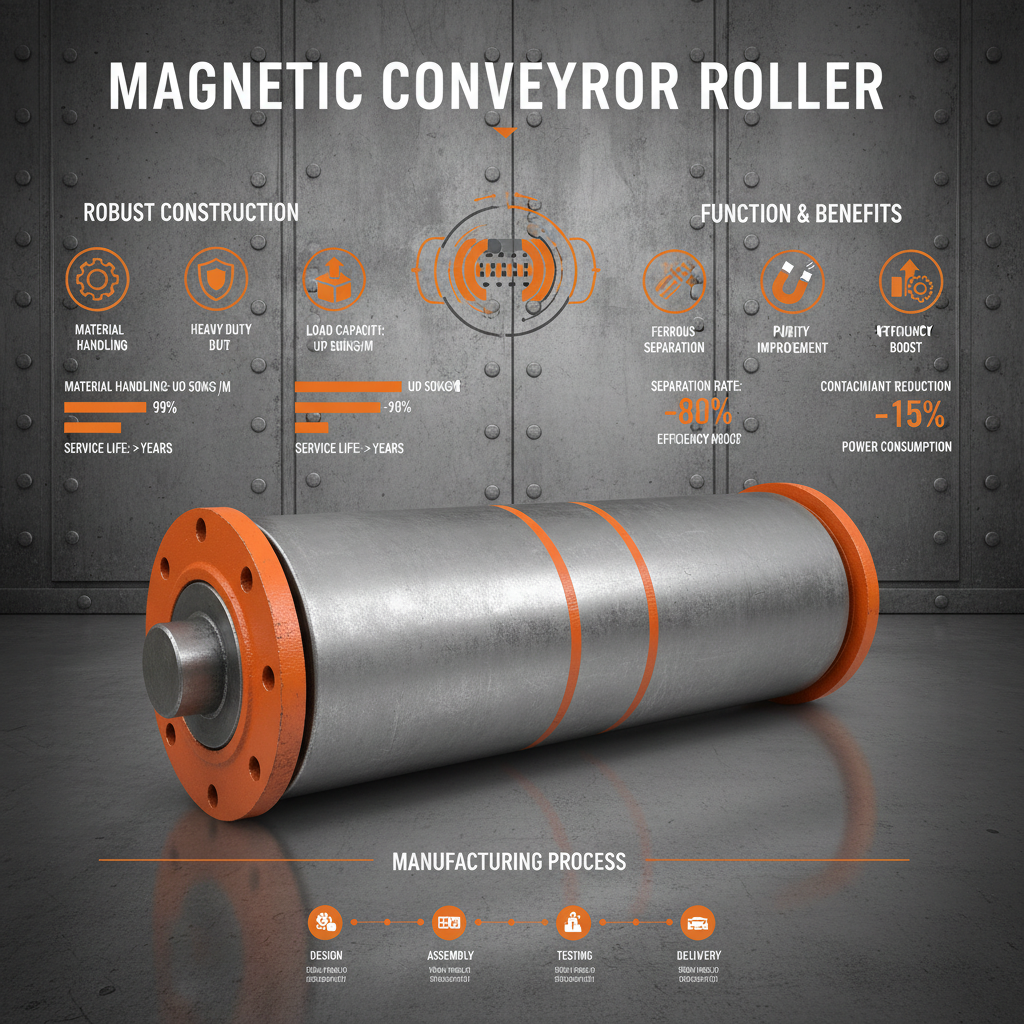
Evaluating the performance of magnetic conveyor rollers requires consideration of several key indicators. One critical metric is the maximum load capacity, which dictates the weight of material the system can reliably handle. Another is the conveyor speed, influencing throughput and overall efficiency. Energy consumption, particularly for electromagnetic systems, is also a vital consideration.
Reliability and maintenance costs are essential factors in assessing the long-term value of these systems. Minimizing downtime and reducing the frequency of repairs contribute to significant cost savings. Furthermore, assessing the system’s ability to handle different material types and its adaptability to changing operational requirements provides a comprehensive performance picture.
Performance Comparison of Magnetic Conveyor Roller Methods
Real-World Applications of Magnetic Conveyor Rollers
The versatility of magnetic conveyor rollers is demonstrated in a wide array of applications. In the automotive industry, they efficiently handle sheet metal, stampings, and other ferrous components throughout the manufacturing process. Recycling facilities leverage these systems to separate ferrous materials from mixed waste streams, improving sorting efficiency and material recovery rates.
Food processing plants utilize magnetic conveyor rollers for handling stainless steel components and ensuring product hygiene. In logistics and warehousing, they streamline the movement of pallets and containers, enhancing throughput and reducing labor costs. Furthermore, magnetic conveyor roller systems are increasingly employed in the aerospace and defense industries for handling sensitive materials and components.
The Advantages and Long-Term Value Proposition
The benefits of adopting magnetic conveyor roller technology extend far beyond simple efficiency gains. Reduced maintenance requirements, due to the lack of moving parts and minimal wear and tear, translate into significant cost savings over the system’s lifecycle. Enhanced safety, by eliminating slip hazards and reducing the risk of material damage, creates a more secure working environment.
Sustainability is also a key advantage, with lower energy consumption compared to traditional conveyor systems contributing to a reduced carbon footprint. The long-term value lies in the combination of these factors—cost efficiency, improved safety, and environmental responsibility—creating a compelling return on investment.
Future Trends and Innovative Developments
The future of magnetic conveyor roller technology is poised for continued innovation. The integration of smart sensors and IoT connectivity will enable real-time monitoring of system performance, predictive maintenance, and optimized control. Advanced magnetic materials, offering higher strength and efficiency, are under development, further enhancing system capabilities.
The trend towards automation and Industry 4.0 is driving the demand for intelligent conveyor systems that can adapt to changing production needs. Furthermore, the growing emphasis on sustainability is prompting research into energy-efficient magnetic technologies and environmentally friendly materials.
These advancements will solidify the role of magnetic conveyor rollers as a critical component of modern, intelligent manufacturing and logistics operations.
Key Performance Metrics for Magnetic Conveyor Roller System Implementation
| Implementation Stage |
Performance Metric |
Measurement Scale (1-10) |
Success Threshold |
| Planning & Design |
System Integration Complexity |
7 |
6+ |
| Installation |
Installation Time Efficiency |
8 |
7+ |
| Initial Operation |
Throughput Capacity |
9 |
8+ |
| Routine Operation |
Maintenance Frequency |
6 |
7+ |
| Long-Term Performance |
System Reliability |
9 |
8+ |
| Cost Analysis |
Return on Investment (ROI) |
8 |
7+ |
FAQS
Magnetic conveyor rollers are most effective with ferrous materials—those containing iron. This includes steel, cast iron, and certain types of stainless steel. The effectiveness depends on the material’s magnetic permeability. Materials with higher permeability exhibit a stronger magnetic attraction. Non-ferrous materials, like aluminum or plastic, require alternative conveyor solutions.
Magnetic conveyor rollers can often handle heavier loads compared to traditional belt-driven systems, particularly when utilizing high-strength magnets. The load capacity depends on the roller’s design, the magnetic field strength, and the material’s properties. Careful engineering and material selection ensure safe and reliable operation even with substantial loads.
Magnetic conveyor rollers generally require minimal maintenance. Routine inspections should focus on cleaning the rollers to remove debris and ensuring the magnetic field remains consistent. For electromagnetic systems, periodic checks of the power supply and control system are necessary. Compared to traditional conveyor belts, there are fewer moving parts to wear out, reducing maintenance downtime and costs.
Magnetic conveyor rollers, particularly those utilizing permanent magnets, are inherently energy-efficient as they don't rely on constant power to maintain the magnetic grip. Electromagnetic systems consume energy to generate the magnetic field, but often less than traditional motor-driven conveyors. Optimization of the control system can further minimize energy consumption.
Magnetic conveyor rollers enhance safety by eliminating slip hazards associated with traditional belt-driven systems. The secure magnetic grip reduces the risk of materials falling or shifting during transport. Emergency stop mechanisms and safety guards can be incorporated to provide additional layers of protection.
Yes, magnetic conveyor rollers are readily integrated with existing automation systems, including PLCs, SCADA systems, and robotic arms. Communication protocols like Modbus or Ethernet/IP facilitate seamless data exchange and control. This integration enables automated material handling, optimized process control, and enhanced overall efficiency.
Conclusion
Magnetic conveyor roller technology represents a transformative approach to material handling, offering a compelling blend of efficiency, reliability, and safety. From streamlining production lines in automotive manufacturing to optimizing material recovery in recycling facilities, these systems provide tangible benefits across diverse industries. By minimizing maintenance, reducing energy consumption, and enhancing workplace safety, magnetic conveyor rollers contribute to significant cost savings and a more sustainable operational footprint.
Looking ahead, continued innovation in magnetic materials, sensor technology, and automation integration will further expand the capabilities of these systems. Embracing this technology is not just about improving material handling; it's about investing in a future of smarter, more resilient, and more sustainable industrial operations. To learn more about how magnetic conveyor rollers can benefit your specific application, visit our website: www.hgconveyorbelt.com