- Tel: +8615128135888
- Email: hg@chinaconveyerbelt.com

To be honest, things are moving fast these days. Everyone's talking about Industry 4.0, IoT, smart factories… But out on the site, you still see a lot of guys with clipboards. It’s a weird mix. We're seeing a huge push for modularity, prefabrication. Everything needs to be faster, cheaper, and delivered yesterday. That's what's driving a lot of the changes in industrial products conveyors & drives inc, because honestly, nobody wants to spend three days rigging up a conveyor system when they could have it bolted down in an afternoon.
Have you noticed how everyone’s obsessed with data now? Sensors everywhere. They want to know everything – load capacity, belt speed, vibration analysis… It’s good, it is, but sometimes I think people get lost in the numbers and forget about the feel of the machine. A smooth running conveyor isn't just about optimal data, it's about listening for the telltale signs - a slight whine, a wobble, something just… off.
And the pressure on lead times? Forget about it. Everything’s urgent. It used to be you could plan things out, get quotes, test materials… Now, it’s all “Can you have it to me by Friday?” It's pushing everyone to cut corners, and that's where things get dicey with industrial products conveyors & drives inc. You start to compromise on quality, and that’s when things fall apart.
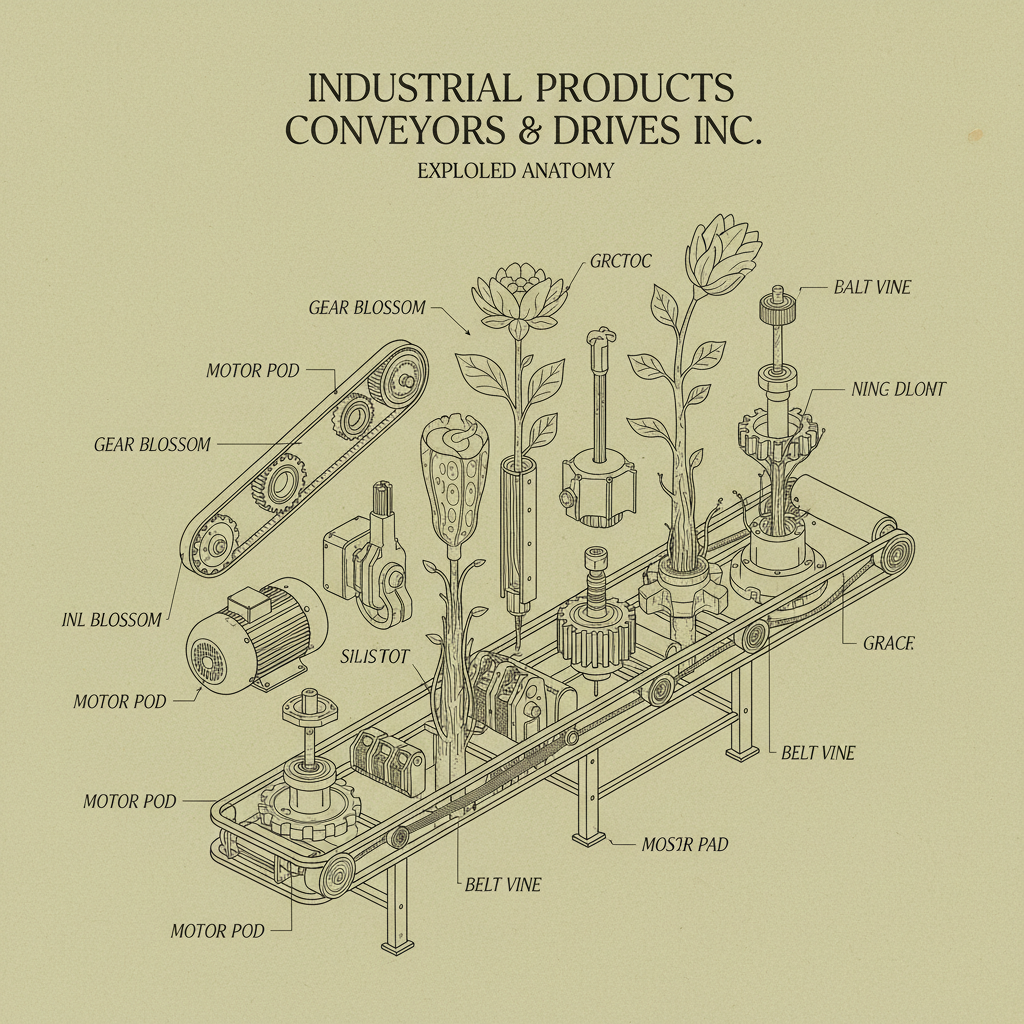
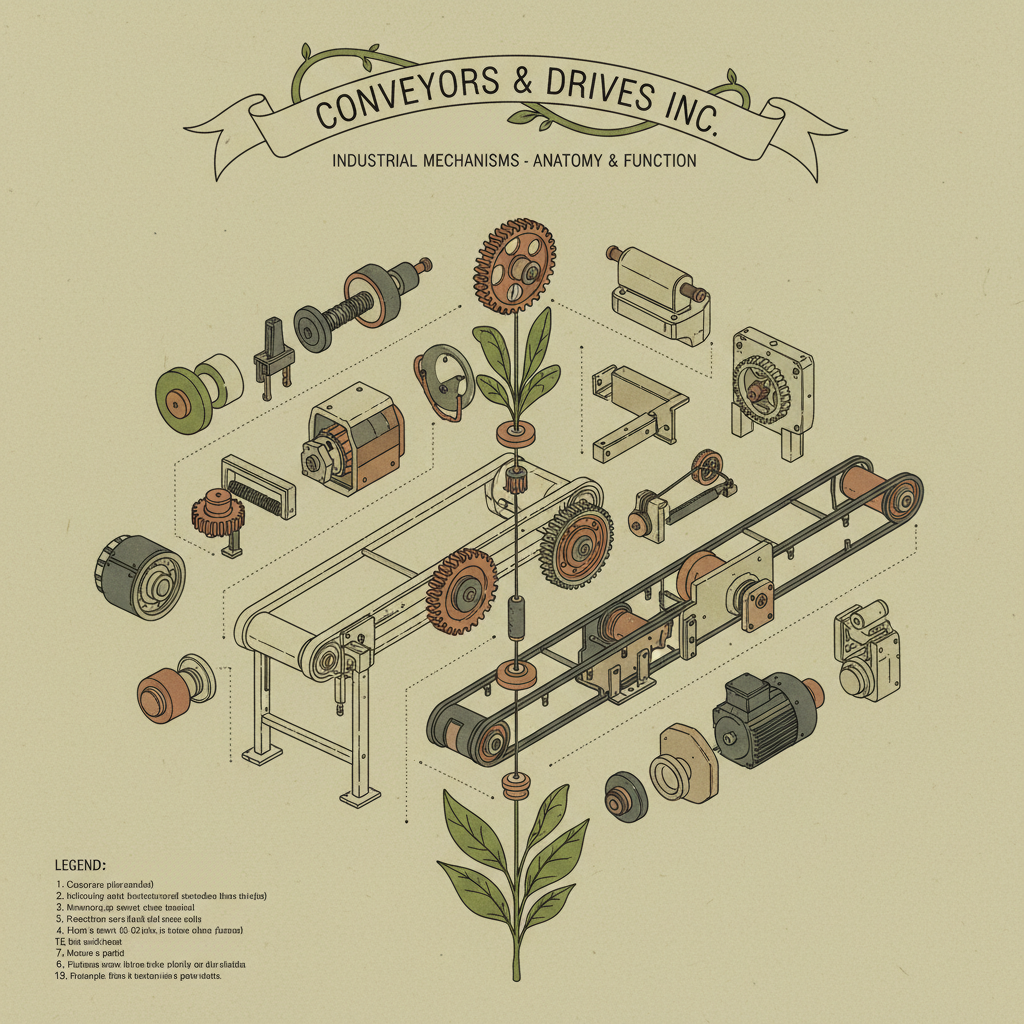
Strangely enough, the biggest trend I’m seeing isn’t new tech, it’s going back to basics – robust, reliable designs that can take a beating. Everyone wanted fancy automation, but now they’re realizing they need systems that can actually run continuously without needing a PhD to fix. There’s been a lot of emphasis on energy efficiency too, obviously, and rightfully so. But that can’t come at the expense of durability. I encountered this at a food processing plant last time - they installed a new ‘eco-friendly’ belt, and it lasted a week. A week! They went back to the old style, more robust option immediately.
Industrial products conveyors & drives inc are fundamentally about moving things from point A to point B. It sounds simple, but the variations are endless. From delicate electronics to heavy castings, every material presents a different challenge. And it's not just the material itself, it's the environment. Dust, heat, moisture, corrosive chemicals… You gotta account for everything. That’s why you don't just pick a conveyor off the shelf; you gotta design a solution.
Honestly, it's not thinking long-term. They focus on the initial cost and don't consider the total cost of ownership - maintenance, downtime, energy consumption, and eventual replacement. A cheaper system upfront can end up costing a fortune down the road. They also often underestimate the weight and volume of the materials they'll be handling. Get the specs right from the start or you'll be rebuilding it in a year. It's not just about moving stuff, it's about moving it reliably and efficiently for years to come.
Critical. Absolutely critical. It’s like servicing your car. Ignore it, and it will break down at the worst possible moment. Regular inspection, lubrication, belt tracking adjustments… it all adds up to less downtime and longer conveyor life. A good preventative maintenance schedule can save you thousands of dollars in repair costs and lost productivity. And I've seen guys try to "tough it out" without maintenance, it almost always ends badly.
We're seeing a lot more focus on smart conveyors - systems with integrated sensors and data analytics. They can monitor performance, predict failures, and optimize efficiency. Also, more companies are exploring modular conveyor systems that can be easily reconfigured and adapted to changing needs. And, believe it or not, there's a growing interest in using recycled materials in conveyor components. It's good for the environment, and it can actually be quite durable.
No, not always. Sometimes a standard conveyor can do the job just fine. But if you have unique requirements – unusual materials, tight space constraints, specific throughput rates – then customization is often the best option. It’s about finding the right balance between cost and performance. Don't over-engineer it, but don't settle for something that won't meet your needs. If the standard doesn’t fit, adapt it - don’t just force it.
Think about the material you’re conveying. Is it abrasive? Oily? Hot? Corrosive? Different belt materials offer different levels of resistance to these factors. PVC is good for general purpose use, but it can be damaged by sharp objects. Rubber is more durable, but it can degrade over time. UHMW polyethylene is excellent for wear resistance, but it’s not ideal for high-temperature applications. And don't forget to consider the coefficient of friction – how easily the material will slide across the belt.
Look for signs of wear and tear: frayed belts, worn rollers, loose bearings. Listen for unusual noises. Monitor energy consumption. Check belt tracking and alignment. And, most importantly, talk to the operators. They’ll tell you if something feels off. A good rule of thumb is to conduct regular performance audits and make adjustments as needed. There are also systems now which can monitor it remotely, which is fantastic.
So, industrial products conveyors & drives inc – it’s not just about belts and rollers. It’s about understanding the entire process, the materials, the environment, and the people who will be using it. It’s about balancing cost, performance, and reliability. It's about recognizing that a seemingly small detail – the right connector, the right lubricant, the right belt material – can make all the difference.
The industry is evolving rapidly, but the fundamentals remain the same. Focus on robustness, simplicity, and long-term value. And always, always listen to the guys on the shop floor. They’re the ones who will tell you what really works. Ultimately, whether this thing works or not, the worker will know the moment he tightens the screw.