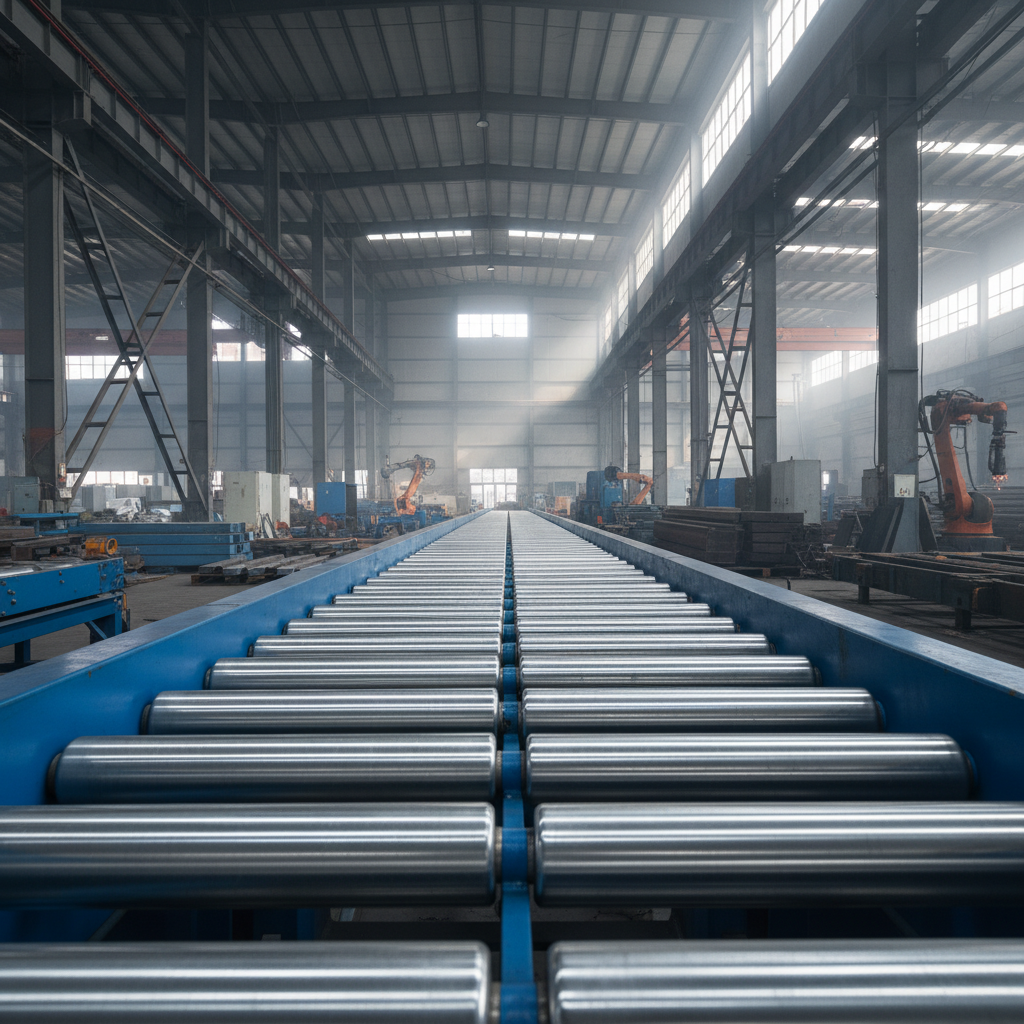
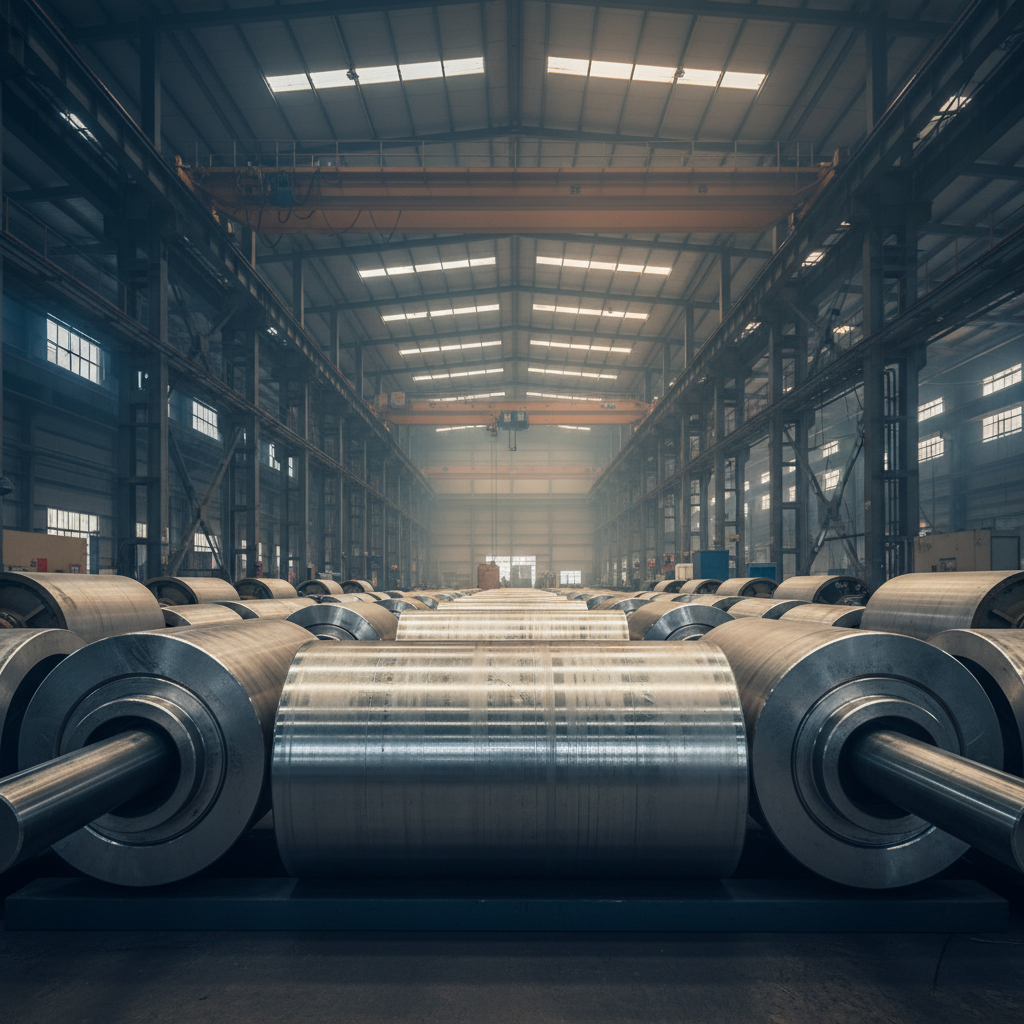
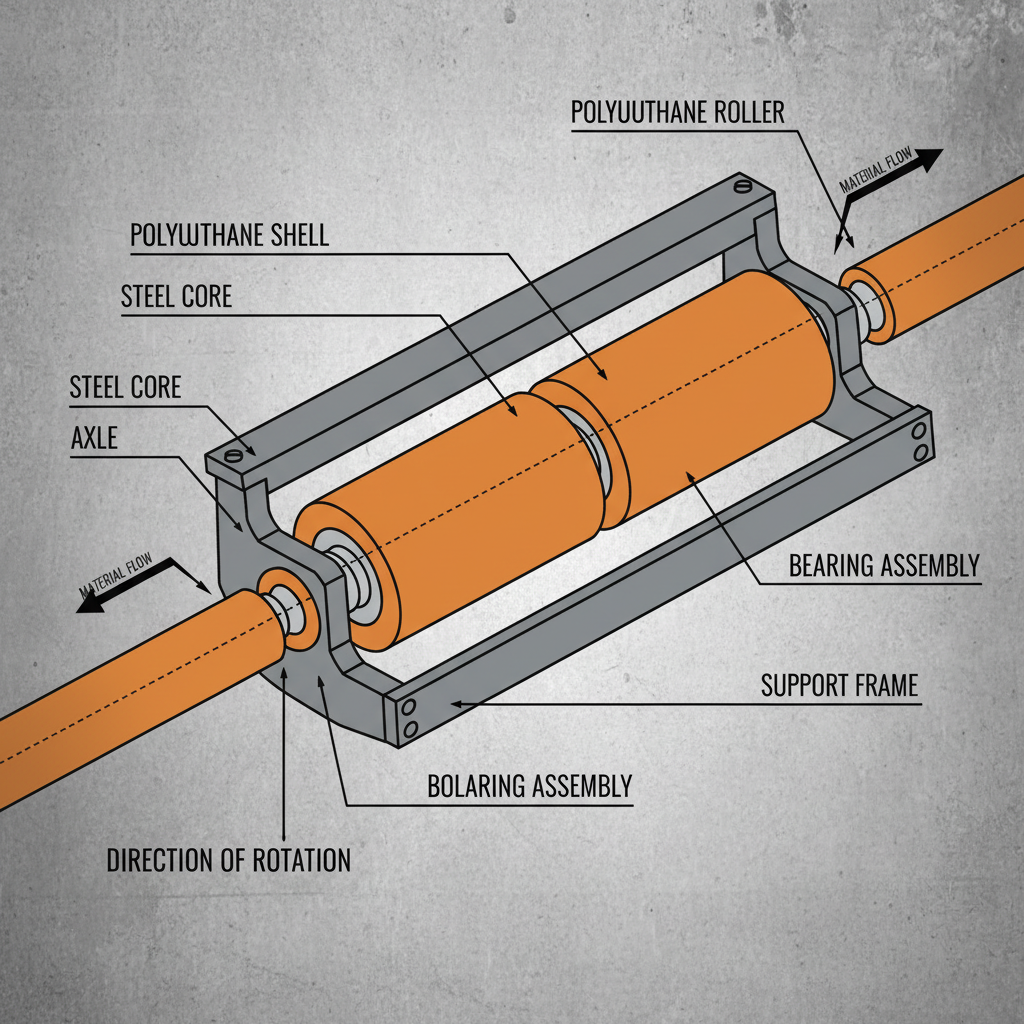
In the demanding landscape of modern material handling, the gravity conveyor roller stands as a fundamental component that bridges the gap between complex automation and simple, reliable physics. By utilizing the natural force of gravity, these rollers enable the seamless movement of goods across warehouses and production lines without the need for external power sources, making them an indispensable asset for lean manufacturing.
The global logistics surge, accelerated by the rise of e-commerce and just-in-time delivery models, has placed unprecedented pressure on facility throughput. Implementing high-quality roller systems allows operators to optimize their floor space and reduce energy overheads, effectively turning a passive slope into a high-efficiency transit artery for diverse cargo types.
Understanding the technical nuances of the gravity conveyor roller—from bearing precision to material durability—is crucial for any facility manager looking to minimize downtime. Whether integrated into a larger Conveyor Roller system or used in a standalone sorting station, the right choice of roller can significantly impact the overall safety and speed of a supply chain.
Global Relevance of Gravity Conveyor Roller Systems
On a global scale, the adoption of the gravity conveyor roller is driven by the necessity for sustainable and cost-effective logistics. In regions where energy costs are volatile or electrical infrastructure is unreliable, these non-powered systems provide a fail-safe method of transporting heavy components, ensuring that production does not grind to a halt during power outages.
Industry data suggests that optimizing the flow of goods through gravity-based systems can reduce operational costs by up to 15% in medium-sized distribution centers. By aligning with ISO standards for load-bearing and rotational friction, modern rollers allow for a standardized approach to material handling that facilitates international trade and equipment interoperability.
Defining the Gravity Conveyor Roller in Modern Industry
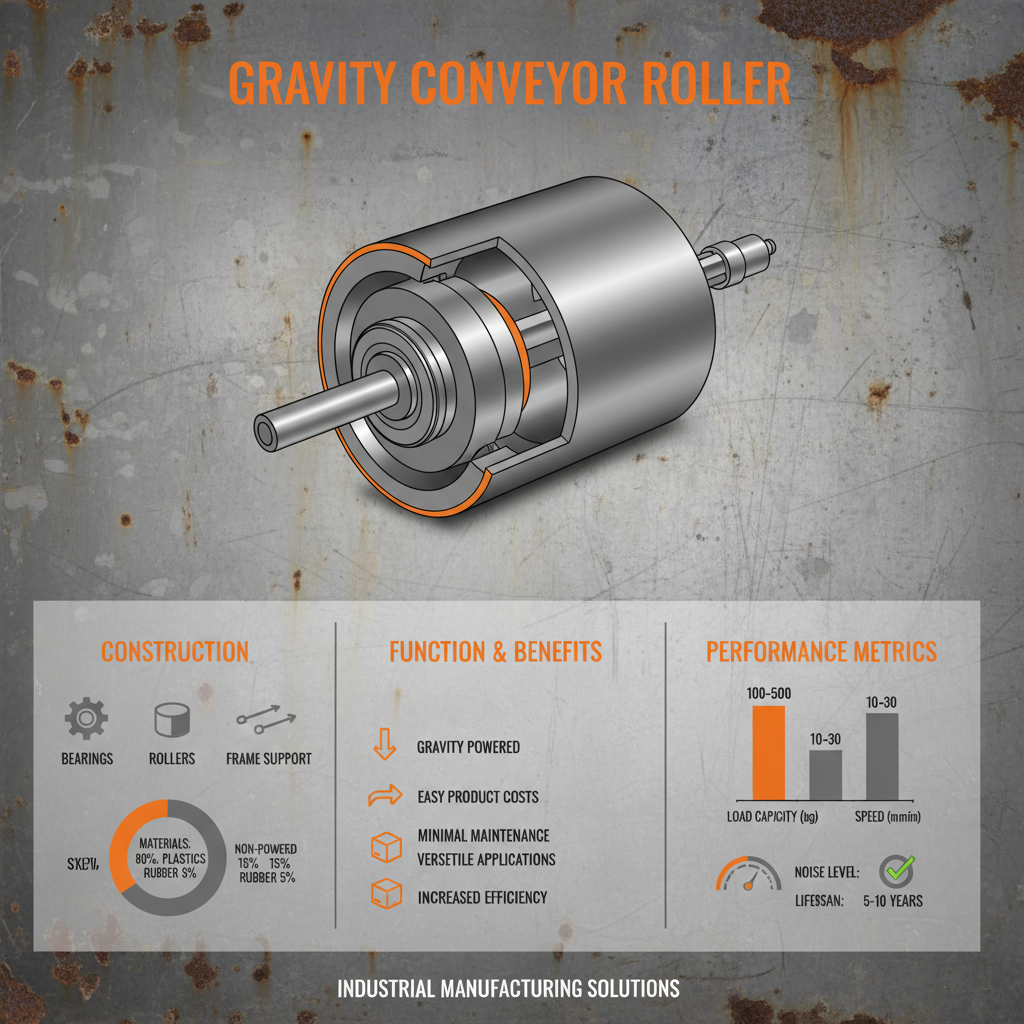
At its most basic level, a gravity conveyor roller is a cylindrical component designed to rotate freely on an axis, allowing an object to move across its surface under the influence of gravity. Unlike powered rollers, these components rely on a slight decline in the conveyor frame to propel the load, making them an elegant solution for simple transport tasks.
In the context of modern industry, these rollers are more than just "metal tubes"; they are engineered precision parts. They often incorporate high-grade bearings and specialized tube materials—such as galvanized steel or PVC—to handle specific environmental stressors, whether it be high humidity in a food processing plant or abrasive dust in a mining facility.
The integration of these rollers into broader systems, such as Conveyor Parts, allows for a modular approach to warehouse design. This flexibility is vital for humanitarian aid logistics and rapid-deployment industrial zones, where the ability to set up a functioning transit line in hours rather than days is a critical requirement.
Core Engineering Factors for Optimal Roller Performance
Durability is the primary benchmark for any gravity conveyor roller. The choice of shell material—ranging from heavy-duty carbon steel for industrial machinery to stainless steel for pharmaceutical environments—determines the roller's lifespan and its resistance to corrosion and wear.
Bearing precision is the "heart" of the gravity conveyor roller. High-quality ball bearings reduce rolling resistance, ensuring that even lightweight parcels can glide smoothly down a shallow incline without sticking, which is essential for maintaining a consistent throughput speed.
Scalability and load capacity are also critical. Engineers must calculate the "roller pitch"—the distance between the centers of two adjacent rollers—to ensure that the load is always supported by at least three rollers, preventing the "sagging" effect that can damage fragile goods or stall the movement.
Industrial Applications and Global Use Cases
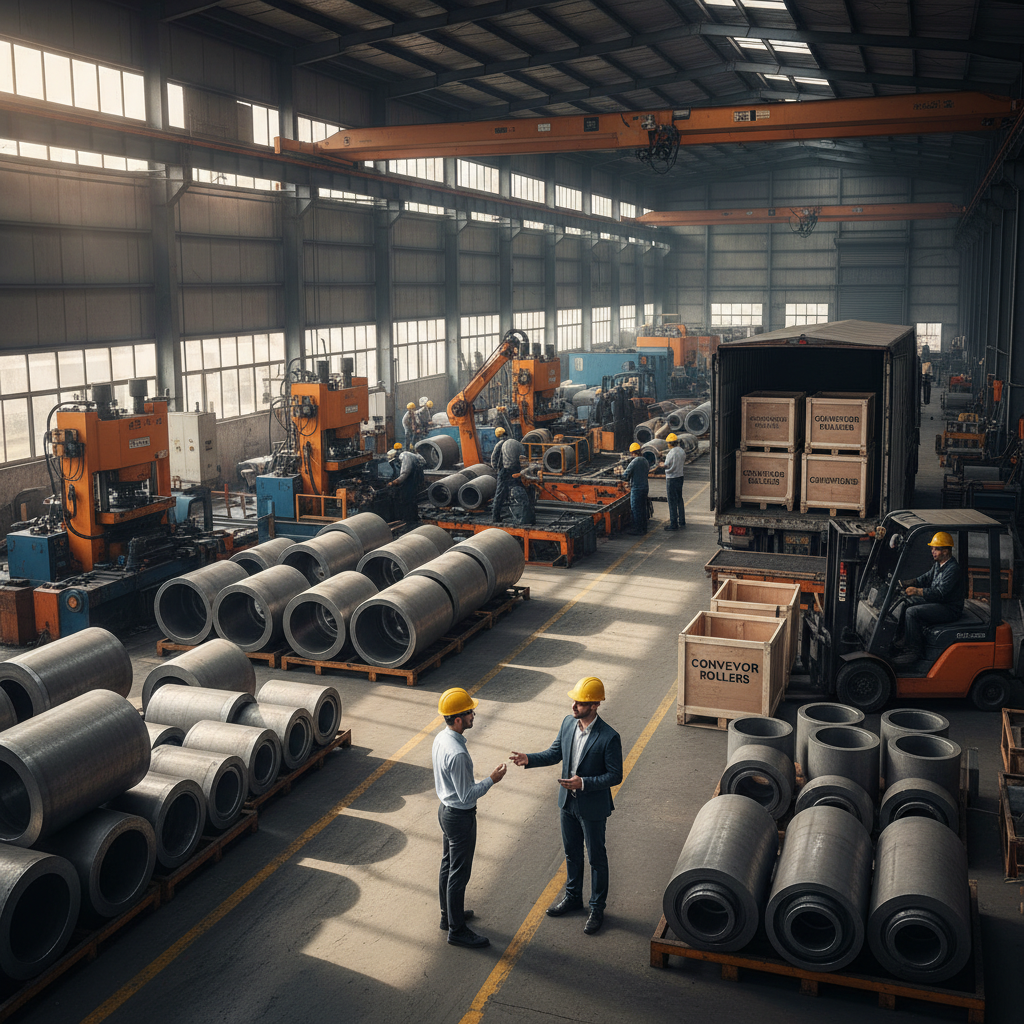
The versatility of the gravity conveyor roller allows it to be deployed in a vast array of settings. In the automotive industry, these rollers are frequently used in assembly lines to move chassis components between workstations, providing a low-maintenance alternative to complex belt systems.
In remote industrial zones or post-disaster relief operations, gravity conveyors are often the first infrastructure deployed. Because they require no electricity, they can be used to move crates of medical supplies or food from landing strips into temporary warehouses, proving that simplicity is often the ultimate sophistication in crisis management.
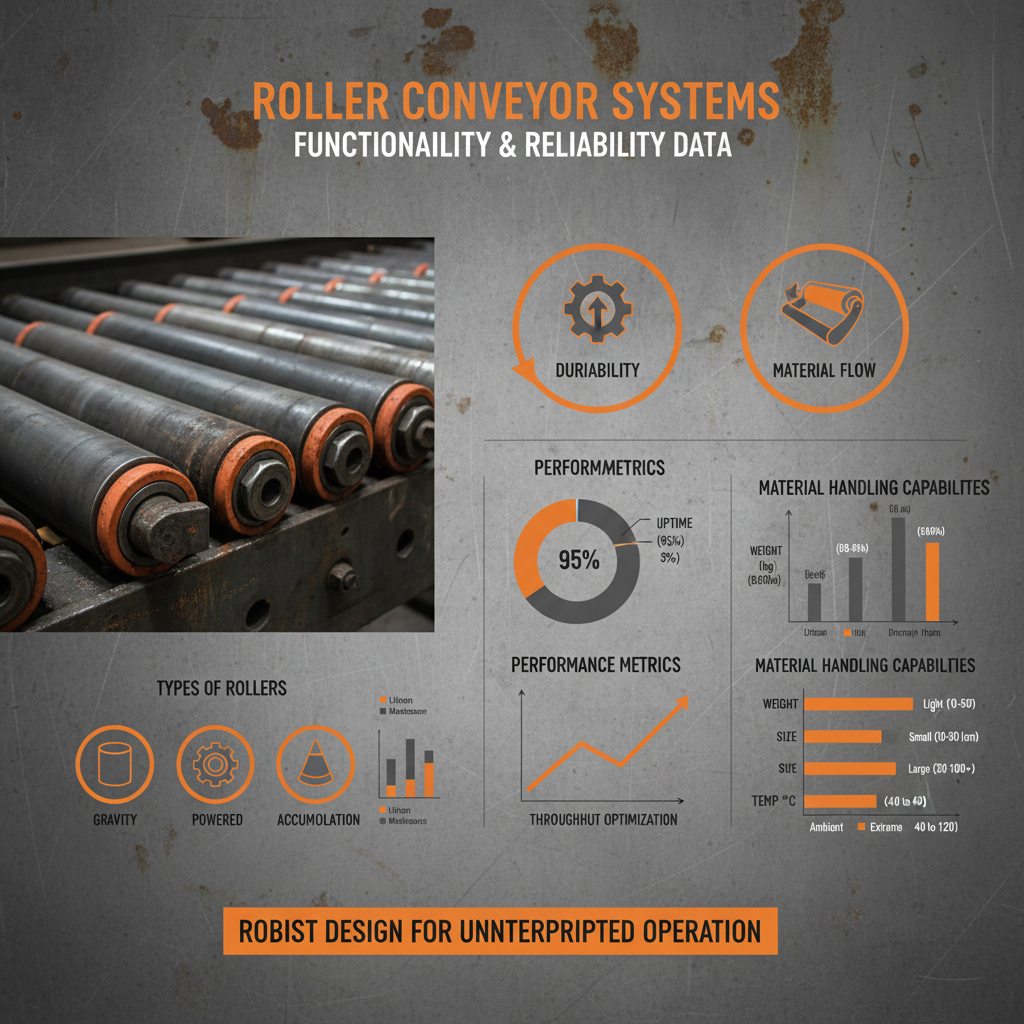
Efficiency Comparison of Gravity Conveyor Roller Types
Long-Term Value and Operational Advantages
Investing in a high-grade gravity conveyor roller yields tangible long-term benefits, most notably in the realm of sustainability. By eliminating the need for motors and electricity, these systems reduce the carbon footprint of a warehouse and lower the overall cost of ownership through minimal maintenance requirements.
Beyond the financial metrics, there is a significant human element. Gravity systems are inherently safer; they lack the pinch points associated with drive belts and motors, reducing the risk of workplace injuries. This fosters a safer, more dignified work environment where employees can focus on sorting and quality control rather than managing complex machinery.
Future Trends in Roller Material Science
The future of the gravity conveyor roller is being shaped by the digital transformation and the pursuit of "green" materials. We are seeing a shift toward high-performance polymers and composite materials that offer the strength of steel with a fraction of the weight, allowing for easier installation and lower inertial resistance.
Furthermore, the integration of "smart" sensors into roller housings is becoming a reality. These sensors can monitor the rotation speed and vibration of the roller in real-time, alerting maintenance crews to a failing bearing before the roller seizes, thus transitioning the industry from reactive to predictive maintenance.
Sustainability policies are also pushing for the use of recycled metals and biodegradable lubricants within the roller assemblies. This ensures that when a roller eventually reaches the end of its lifecycle, it can be recycled without releasing harmful toxins into the environment, aligning industrial growth with planetary health.
Common Challenges and Expert Engineering Solutions
One of the most persistent challenges with gravity conveyor rollers is "roller drift" or misalignment, which can cause loads to veer off course. Expert engineers solve this by implementing precision Self-Aligning Roller technology or by installing guide rails that ensure a straight path for the cargo.
Another common issue is the accumulation of debris within the bearings, which increases friction and stalls movement. The solution lies in the adoption of sealed bearing housings and the use of "comb-shaped" rollers in environments with high particulate matter, preventing contaminants from entering the critical rotating elements.
Finally, calculating the precise slope to prevent "runaway" loads—where goods move too fast and crash at the end of the line—requires careful planning. Engineers often introduce "brake rollers" or speed-control dampers that utilize friction to maintain a safe, constant velocity, ensuring the safety of both the product and the personnel.
Comparative Analysis of Gravity Conveyor Roller Specifications
| Roller Material |
Load Capacity |
Corrosion Resistance |
Maintenance Need |
| Galvanized Steel |
High |
Medium |
Low |
| Stainless Steel |
High |
Very High |
Very Low |
| PVC/Polymer |
Medium |
High |
Medium |
| Aluminum |
Medium |
High |
Low |
| Heavy Carbon Steel |
Extra High |
Low |
Medium |
| Composite Fiber |
Medium |
Very High |
Low |
FAQS
The ideal slope typically ranges between 1.5% and 4%, depending on the weight of the load and the coefficient of friction of the product's base. A slope that is too steep can lead to uncontrolled acceleration, while one that is too shallow may cause the items to stall. We recommend performing a load test with your heaviest and lightest items to calibrate the exact angle for your specific operational needs.
Steel rollers are best for heavy industrial loads, high-impact environments, and applications requiring maximum structural rigidity. Polymer rollers are ideal for lightweight goods, environments where noise reduction is a priority, or settings exposed to chemicals and moisture where corrosion resistance is paramount. Consider your maximum load weight and the environmental hazards of your facility when making the choice.
While they are low-maintenance, a quarterly inspection is recommended. This includes checking for "flat spots" on the rollers, ensuring the bearings are spinning freely, and clearing any debris from the tracks. In high-dust environments, weekly cleaning of the roller surfaces can extend the life of the bearings significantly and prevent unexpected downtime.
Yes, they are frequently used as "accumulation" zones or "outfeed" lanes in automated systems. By using mechanical diverters or pneumatic pushers, automated systems can steer products onto a gravity lane, allowing the product to glide to a packing station without needing a powered belt for the final few meters of the journey.
The most common causes are bearing failure due to wear, contamination (dust or grit entering the race), or structural deformation of the roller tube (bending). If a roller is not spinning, it creates a "drag" point that can stop the entire flow of materials. Replacing the individual roller or the bearing housing typically resolves the issue immediately.
Absolutely. Many manufacturers now offer rollers made from recycled galvanized steel and high-density polyethylene (HDPE). Additionally, the move toward "lubrication-free" bearings reduces the risk of oil leaks and chemical contamination, making the system safer for both the environment and the workforce.
Conclusion
In summary, the gravity conveyor roller remains a cornerstone of efficient material handling, offering a perfect blend of simplicity, reliability, and cost-effectiveness. By focusing on key engineering factors such as material selection, bearing precision, and proper slope calculation, businesses can create a seamless flow of goods that minimizes energy consumption and maximizes throughput.
As the industry moves toward smarter, greener logistics, the evolution of roller technology will continue to play a pivotal role in sustainable growth. We encourage facility managers to audit their current transit lines and consider upgrading to high-performance rollers to ensure long-term operational resilience. For more information on high-quality conveyor solutions, visit our website: www.hgconveyorbelt.com