In the complex world of bulk material handling, the efficiency of a conveyor system often hinges on the smallest components. The idler roller serves as the unsung hero of these systems, providing the essential support and stability required to transport heavy loads over vast distances. Without precision-engineered rollers, conveyor belts would sag, materials would spill, and energy consumption would skyrocket, leading to costly downtime in critical industrial operations.
Globally, the demand for high-performance material handling is surging, driven by the expansion of mining, quarrying, and large-scale manufacturing. The integration of advanced materials in idler roller design has allowed industries to push the boundaries of load capacity and operational speed. Understanding the nuances of roller selection—from bearing types to shell materials—is no longer just a technical requirement but a strategic advantage for maintaining competitive operational costs.
Whether it is ensuring the seamless flow of iron ore in a remote Australian mine or managing the precise movement of parcels in a global logistics hub, the role of the idler roller is paramount. By focusing on reducing rolling resistance and increasing durability, companies can achieve significant gains in sustainability and reliability, ensuring that their supply chains remain resilient in the face of increasing global demands.
Global Significance of Idler Roller Systems
On a global scale, the movement of raw materials is the heartbeat of industrialization. According to ISO standards for material handling, the optimization of support components like the idler roller is critical to reducing the carbon footprint of mining and manufacturing. As nations strive for Net-Zero emissions, the industry is shifting toward rollers with lower friction coefficients, which directly reduces the electricity required to drive massive conveyor belts.
The challenge lies in the harsh environments these components face. From the corrosive salt air of coastal ports to the abrasive dust of open-pit mines, a standard roller often fails prematurely. This creates a global logistics bottleneck; when a single idler roller seizes, it can cause belt misalignment or catastrophic belt tears, halting production for hours or days and resulting in millions of dollars in lost revenue.
Technical Definition and Core Functions
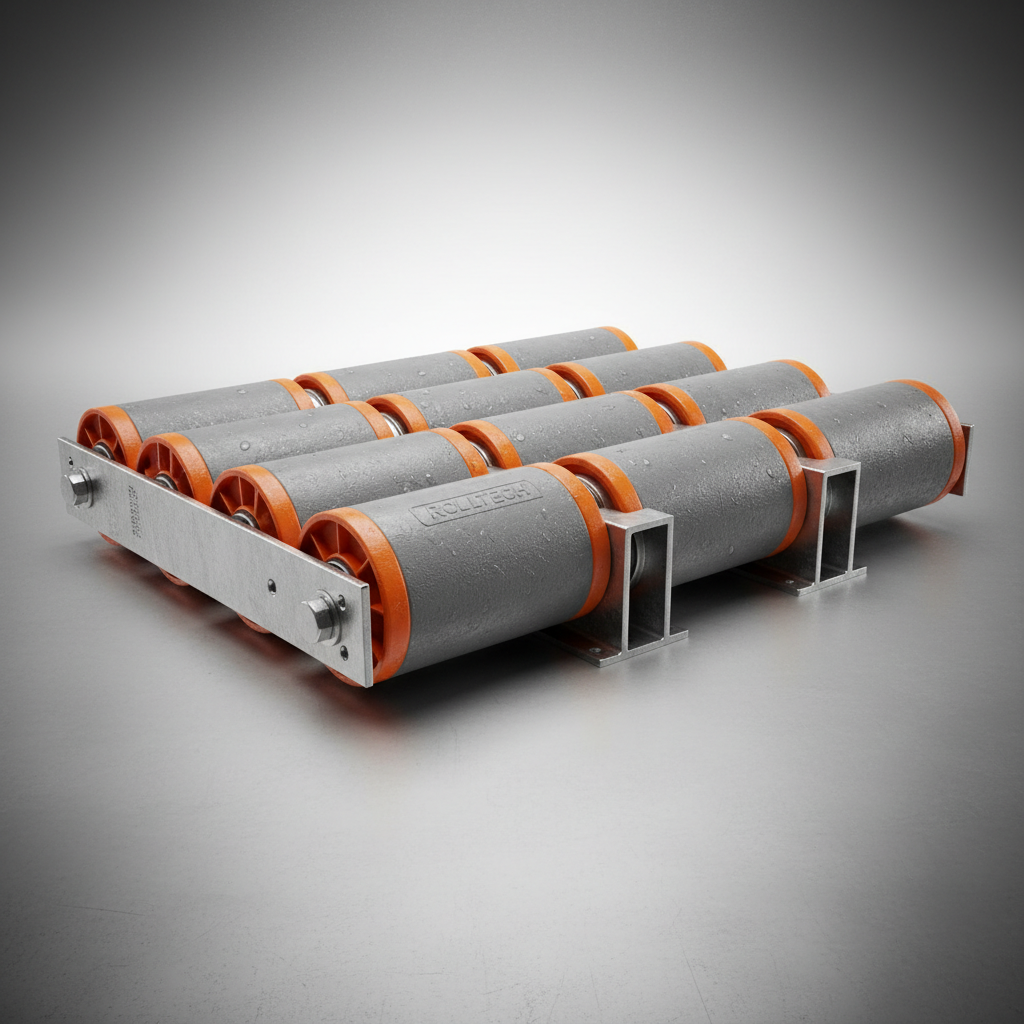
In simple technical terms, an idler roller is a non-driven cylindrical component designed to support the weight of the conveyor belt and its load. Unlike the drive pulley, which provides the motive force, the idler's primary purpose is to minimize friction while maintaining the belt's shape and path. They are typically arranged in sets—such as troughing idlers or return idlers—to create the necessary geometry for efficient material transport.
Beyond mere support, these components play a vital role in "belt tracking." By utilizing self-aligning idler roller designs, systems can automatically correct the belt's position, preventing it from rubbing against the structure. This humanitarian and safety-centric design reduces the need for technicians to enter dangerous conveyor galleries for manual adjustments, thereby significantly lowering the risk of workplace accidents.
Modern industry relies on the synchronization of these rollers to ensure a steady flow of materials. Whether it is the high-speed transport of grain in agricultural sectors or the heavy-duty haulage of coal, the idler roller ensures that the tension is distributed evenly across the belt, preventing premature wear and extending the overall lifecycle of the entire conveyor system.
Key Factors for Idler Roller Performance
Durability is the first pillar of a high-performing idler roller. The choice of shell material—ranging from mild steel and galvanized steel to HDPE and ceramic—determines how the roller withstands abrasion and corrosion. In environments dealing with acidic materials, using stainless steel or polymer coatings is essential to prevent the shell from pitting, which would otherwise increase friction and lead to premature bearing failure.
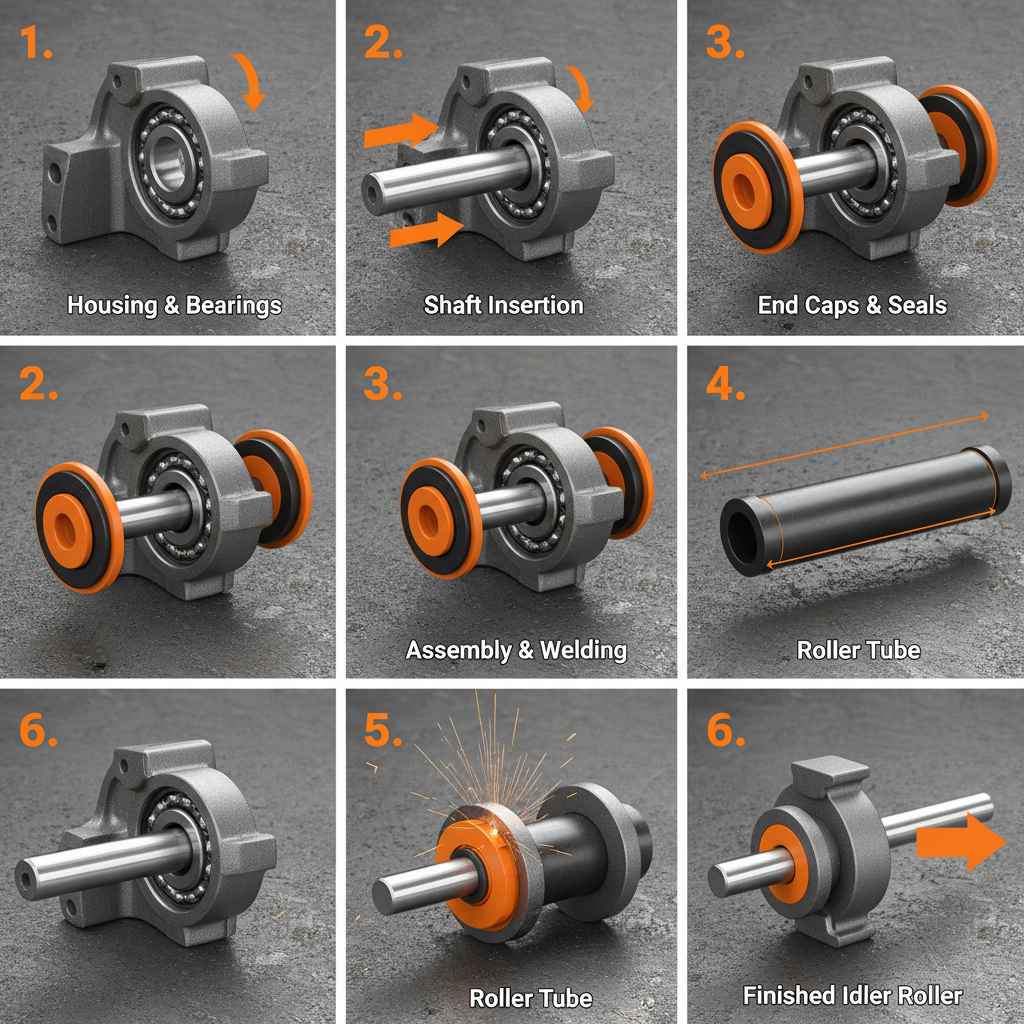
Load capacity and scalability are equally critical. An idler roller must be engineered to handle specific "static" and "dynamic" loads. Scalability refers to the ability of the roller design to be adapted for different belt widths and load densities without compromising structural integrity. Precision-machined shafts and high-grade bearings ensure that the roller can support tons of material without bending or seizing.
Finally, cost-efficiency is realized through the balance of initial investment and maintenance intervals. A cheap idler roller might save money upfront, but the "Total Cost of Ownership" (TCO) increases if the roller requires replacement every six months. High-efficiency rollers with labyrinth seals and precision lubrication systems extend the mean time between failures (MTBF), ensuring the system remains operational with minimal human intervention.
Comparative Efficiency Analysis of Roller Types
Selecting the right type of idler roller depends heavily on the specific application requirements. For instance, troughing rollers are designed to create a "U" shape in the belt to prevent material spillage, while impact rollers are reinforced with rubber rings to absorb the shock of falling heavy ores. The difference in energy efficiency and lifespan between these types can be dramatic depending on the load profile.
To better understand the performance metrics, we evaluate various idler roller configurations based on their durability, noise reduction, energy efficiency, and ease of installation. The following data illustrates how different material choices and designs impact the overall performance rating of the system.
Performance Rating of Various Idler Roller Types
Real-World Industrial Applications
In remote industrial zones, such as the copper mines of Chile or the iron ore fields of Western Australia, the idler roller is deployed in extreme clusters. In these settings, "impact idlers" are strategically placed at loading points to prevent the belt from rupturing under the weight of falling rocks. These rollers use specialized buffer rubber rings to decelerate the material, protecting both the belt and the conveyor frame from structural fatigue.
Beyond mining, the logistics and food processing industries utilize lightweight idler roller solutions made from polymers. In automated warehouses, where speed and noise reduction are critical, these rollers allow for rapid acceleration of packages while maintaining a quiet working environment. This versatility demonstrates that whether the requirement is heavy-duty strength or high-speed agility, the roller is the fundamental building block of material movement.
Long-Term Economic and Operational Value
The long-term value of investing in premium idler roller technology is most evident in the reduction of unplanned downtime. When a facility switches from basic steel rollers to precision-sealed, low-friction alternatives, they often see a measurable decrease in energy costs. This is because the reduced rolling resistance allows the drive motor to operate at a lower load, extending the life of the electric motors and reducers.
From a safety and social impact perspective, high-quality rollers foster a culture of trust and reliability. When equipment behaves predictably, workers are less likely to take risks with "quick fixes" or unauthorized maintenance. The peace of mind that comes from knowing the idler roller will not seize under peak load is invaluable for maintaining a safe, dignified, and efficient industrial workspace.
Furthermore, sustainability is achieved through the longevity of the components. By selecting rollers with superior wear resistance, companies reduce the volume of scrap metal and plastic entering landfills. The transition toward recyclable polymer rollers is a testament to how the idler roller industry is aligning with global ESG (Environmental, Social, and Governance) goals to create a circular industrial economy.
Future Trends in Conveyor Roller Technology
The future of the idler roller is inextricably linked to the Digital Transformation of industry (Industry 4.0). We are seeing the emergence of "Smart Idlers"—rollers embedded with IoT sensors that can monitor temperature, vibration, and rotation speed in real-time. This allows for predictive maintenance, where a technician is alerted that a roller is likely to fail weeks before it actually does, eliminating the "break-fix" cycle.
Material science is also evolving, with the introduction of nano-composite coatings and self-lubricating bearings. These innovations aim to create an idler roller that requires zero manual lubrication for its entire lifespan. Such advancements are particularly critical for conveyors in hazardous environments, such as chemical plants or deep-sea mining operations, where human access is strictly limited.
Finally, the push toward green energy is influencing the design of the conveyor's support system. Lightweight, high-strength carbon fiber composites are being tested for idler roller shells to further reduce the inertia of the system. As automation and AI continue to optimize conveyor paths, the roller will evolve from a passive support component into an active data-gathering node within the smart factory ecosystem.
Technical Comparison of Idler Roller Specifications by Environment
| Operating Environment |
Recommended Material |
Bearing Protection Level |
Expected Lifespan (Years) |
| Standard Warehousing |
Galvanized Steel |
Basic Seal |
5-7 |
| Heavy Mining (Abrasive) |
Ceramic Coated |
Labyrinth Seal |
3-5 |
| Chemical Processing |
Stainless Steel / PVC |
Hermetic Seal |
4-6 |
| Cold Storage / Arctic |
Specialized Polymer |
Low-Temp Grease Seal |
6-8 |
| Food Grade Conveying |
Food-Grade Nylon |
Non-Toxic Seal |
5-7 |
| High Impact Zones |
Rubber-Lined Steel |
Heavy Duty Seal |
2-4 |
FAQS
Carrying idlers are located on the top side of the conveyor belt and are often arranged in a trough shape to center the material and prevent spillage. Return idlers are located on the bottom side, supporting the empty belt as it returns to the loading point. Because return idlers carry no load, they are typically flat and designed primarily to maintain belt alignment and reduce tension drag.
Replacement intervals depend on the environment. In standard settings, rollers may last 5+ years. However, in abrasive mining environments, a quarterly inspection is recommended. You should replace an idler roller immediately if you detect abnormal noise, excessive vibration, or visible flat spots on the shell, as a seized roller can quickly cause the conveyor belt to friction-burn or tear.
While steel has higher absolute crush strength, high-density polymers (like HDPE) offer superior impact resistance and corrosion protection. For most medium-to-heavy loads, polymer rollers are more than sufficient and offer the added benefit of being significantly lighter, which reduces the overall energy required to start and stop the conveyor system.
Yes. If a roller is installed slightly off-center, or if it seizes and creates a point of high friction, the belt will naturally drift away from that point. This is why self-aligning idler rollers are used; they are designed to pivot and steer the belt back to the center of the conveyor frame automatically, reducing the risk of edge damage.
A labyrinth seal is a complex, winding path designed to prevent dust, water, and contaminants from reaching the bearing. In industries like mining, where fine particulates are omnipresent, a standard seal would fail quickly. The labyrinth seal forces contaminants to navigate a difficult route, ensuring the bearing remains lubricated and the idler roller rotates freely for a longer period.
Choose ceramic rollers for applications involving high abrasion and sliding friction, as ceramics are incredibly hard and resist wear. Choose rubber-lined rollers for "impact zones" where heavy materials are dropped onto the belt. The rubber acts as a shock absorber, protecting the roller's internal bearings and the belt from the physical impact of the load.
Conclusion
The idler roller may seem like a simple component, but it is the critical link that ensures industrial productivity, energy efficiency, and operational safety. From the selection of high-grade materials to the implementation of smart monitoring technology, the evolution of these rollers reflects the broader move toward a more sustainable and automated industrial landscape. By focusing on durability, load capacity, and precision engineering, businesses can significantly lower their total cost of ownership and eliminate the risks associated with unexpected system downtime.
Looking ahead, the integration of IoT and advanced composites will transform the idler roller from a passive support into an intelligent asset. For companies looking to optimize their material handling systems, the key is to move beyond "commodity buying" and instead invest in engineered solutions tailored to their specific environmental challenges. To explore high-performance conveyor solutions and specialized roller designs, visit our website: www.hgconveyorbelt.com