Rubber covered conveyor rollers are essential components in material handling systems across a vast array of industries. Their role extends far beyond simply moving materials; they are fundamental to efficiency, safety, and operational cost reduction. From mining and agriculture to manufacturing and logistics, these rollers are the workhorses that keep production lines flowing and supply chains moving. Understanding the nuances of rubber covered conveyor rollers—their construction, applications, and maintenance—is crucial for optimizing performance and minimizing downtime.
The global demand for efficient material handling solutions is constantly increasing, driven by factors such as population growth, urbanization, and expanding global trade. This demand directly translates to a growing need for reliable and durable conveyor systems, with rubber covered conveyor rollers at their heart. According to industry reports, the conveyor systems market is projected to reach significant growth in the coming years, highlighting the importance of continued innovation and optimization in this area.
Beyond economic considerations, the selection and implementation of appropriate rubber covered conveyor rollers can significantly contribute to workplace safety and environmental sustainability. Properly designed and maintained rollers reduce the risk of material spillage, equipment failure, and worker injuries, while also minimizing energy consumption and waste.
Understanding the Core Function of rubber covered conveyor rollers
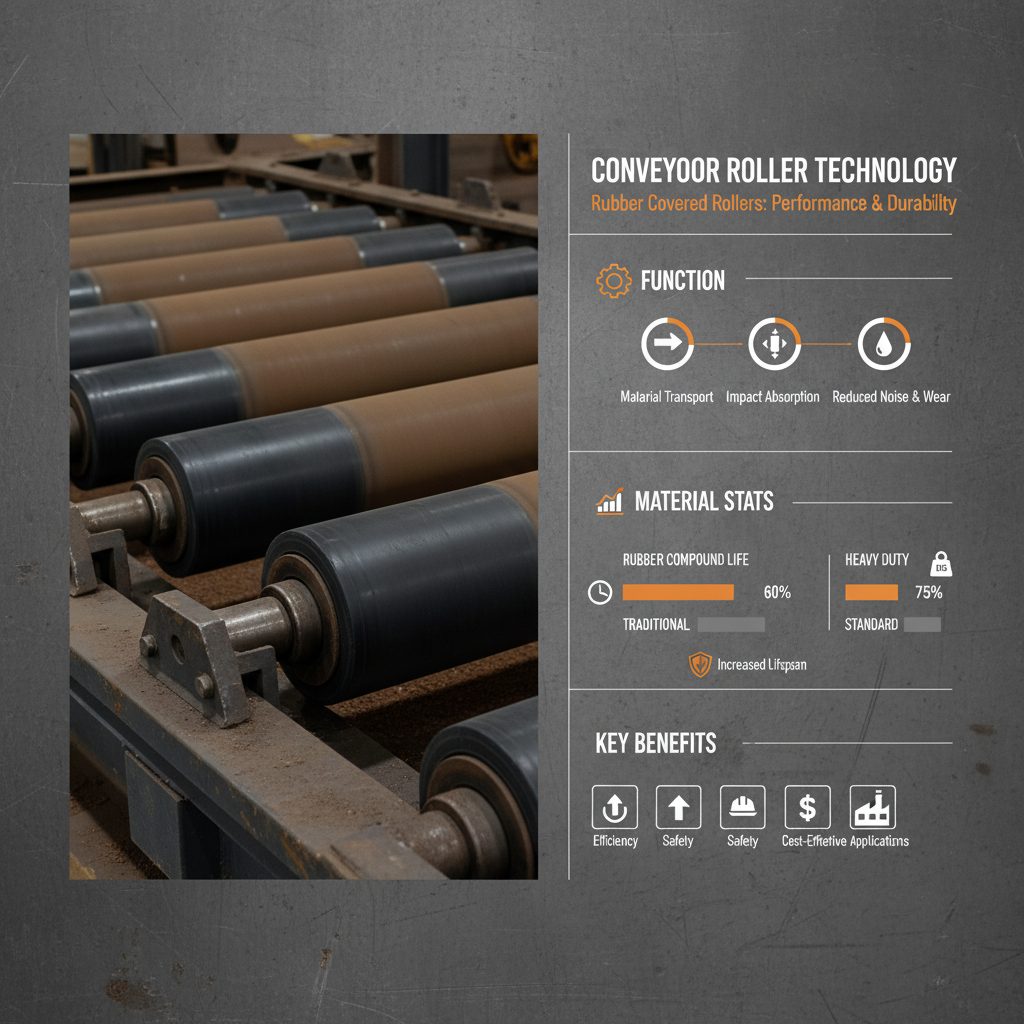
At their core, rubber covered conveyor rollers provide a low-friction surface for belts to travel upon, enabling the efficient movement of materials. The rubber covering is critical, providing grip, cushioning, and protection against wear and tear. This ensures a stable and reliable transport system, reducing the likelihood of slippage or damage to the conveyed materials. rubber covered conveyor rollers are designed to withstand significant loads and operate consistently across diverse environmental conditions.
The design of these rollers—including their diameter, length, and rubber compound—is tailored to specific applications and material characteristics. Factors such as material abrasiveness, temperature, and load weight all influence the selection of the optimal roller configuration. A well-chosen rubber covered conveyor roller can dramatically increase system efficiency and longevity.
The Global Significance of Material Handling and Rubber Covered Conveyor Rollers
Material handling is a cornerstone of modern industry, impacting nearly every sector of the global economy. From raw material extraction to finished product delivery, the efficient movement of goods is paramount. Rubber covered conveyor rollers play an integral role in this process, enabling the continuous and reliable transport of materials in a wide range of environments. This impacts everything from manufacturing costs to supply chain responsiveness.
The United Nations Conference on Trade and Development (UNCTAD) reports that efficient logistics and transportation infrastructure are crucial for promoting international trade and economic development. Rubber covered conveyor rollers, by facilitating seamless material flow, directly contribute to these objectives. They’re found in critical infrastructure projects worldwide, supporting industries ranging from mining in Australia to agriculture in Brazil.
The increasing complexity of global supply chains further underscores the importance of reliable material handling systems. Disruptions in one part of the chain can have cascading effects, highlighting the need for robust and resilient infrastructure. Investing in high-quality rubber covered conveyor rollers is a proactive step towards mitigating these risks and ensuring operational continuity.
Defining rubber covered conveyor rollers: A Detailed Explanation
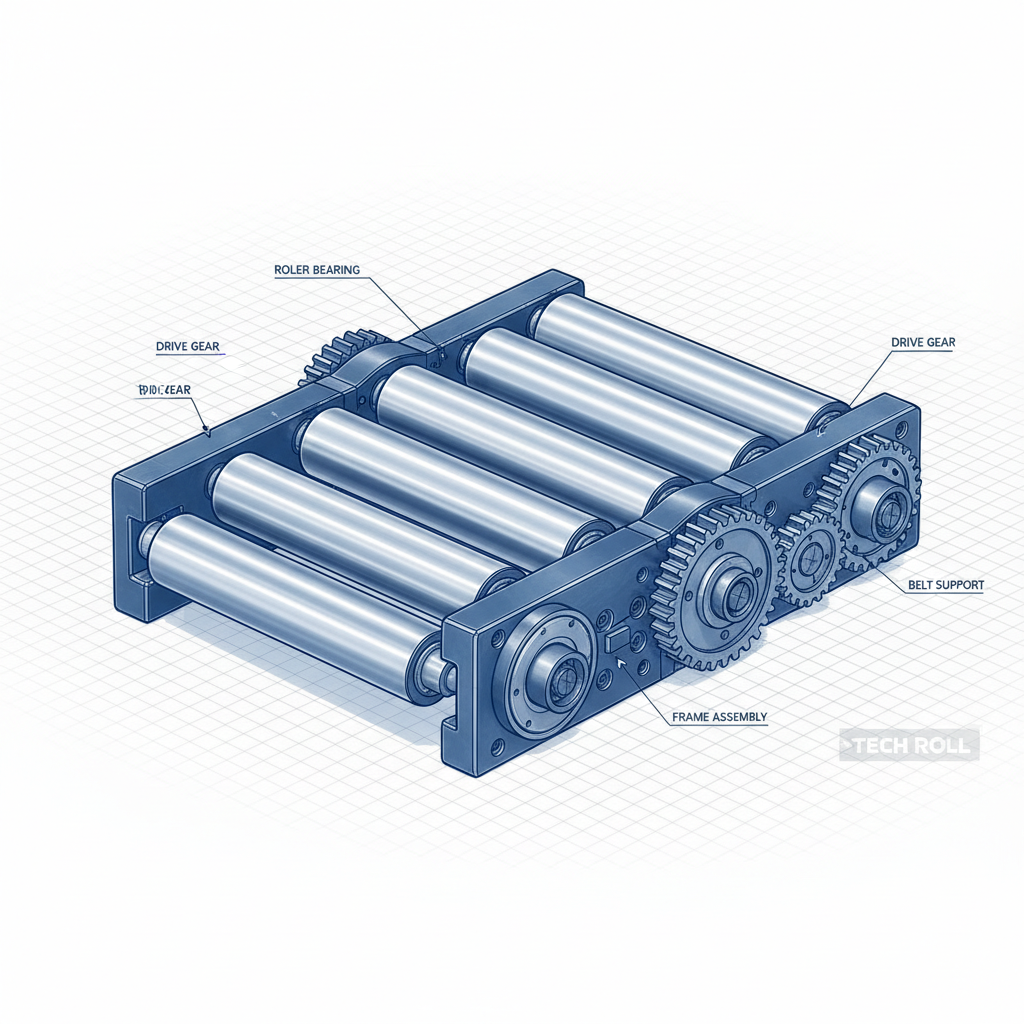
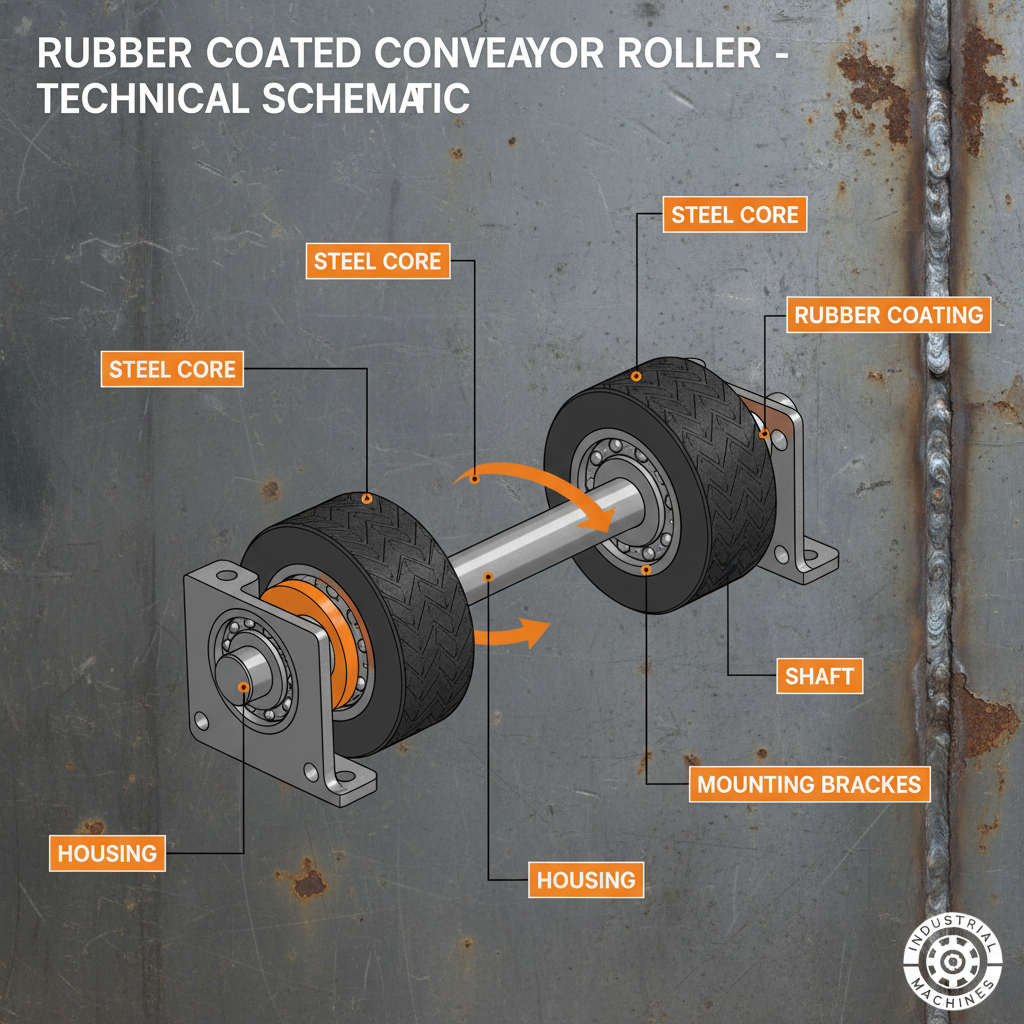
Rubber covered conveyor rollers are cylindrical components used within conveyor systems to support and facilitate the movement of conveyor belts. They consist of a core—typically made of steel, PVC, or aluminum—over which a layer of rubber is applied. This rubber covering is the critical element, providing the necessary friction, cushioning, and wear resistance. The choice of rubber compound significantly impacts the roller’s performance and suitability for specific applications.
The rubber itself can be natural rubber, synthetic rubber (like EPDM, SBR, or NBR), or a blend of both, tailored to withstand various conditions such as extreme temperatures, chemical exposure, and abrasive materials. Different rubber compositions offer varying levels of resilience, tensile strength, and resistance to degradation. Understanding these properties is essential for selecting the right roller for a given task.
These rollers aren't merely passive supports; they actively contribute to the efficiency and longevity of the conveyor system. Their smooth rotation minimizes friction, reducing energy consumption and wear on the belt. Moreover, the cushioning effect of the rubber covering protects the belt from damage caused by impact loads and uneven surfaces. rubber covered conveyor rollers are a vital link in the chain, ensuring smooth and reliable material transport.
Key Properties of High-Performance rubber covered conveyor rollers
Several key properties define the performance and durability of high-quality rubber covered conveyor rollers. These include durability, load capacity, abrasion resistance, temperature resistance, and chemical resistance. Optimizing these properties is crucial for ensuring long-term reliability and minimizing maintenance costs.
Durability is paramount, as rollers are subjected to continuous operation and significant stress. Load capacity must be carefully considered to match the weight of the conveyed materials and prevent premature failure. Abrasion resistance is particularly important in applications involving abrasive materials like sand, gravel, or coal.
Rubber Covered Conveyor Roller Performance Metrics
Diverse Applications of rubber covered conveyor rollers Worldwide
Rubber covered conveyor rollers are ubiquitous in a wide range of industries and applications globally. In mining, they are used to transport ore and extracted materials from underground or open-pit mines. In agriculture, they facilitate the movement of harvested crops and bulk fertilizers. Manufacturing relies on them for assembly lines and material handling within production facilities.
The logistics and warehousing sectors heavily utilize conveyor systems incorporating rubber covered conveyor rollers for sorting, packaging, and transporting goods within distribution centers. In remote industrial zones, such as those in Northern Canada or the Australian Outback, these rollers provide a reliable means of moving materials in challenging environments.
Advantages and Long-Term Value Proposition
Investing in high-quality rubber covered conveyor rollers yields significant advantages and long-term value. Reduced maintenance costs are a primary benefit, as durable rollers require less frequent replacement. Improved operational efficiency is another key advantage, stemming from smoother material flow and reduced downtime.
Furthermore, these rollers contribute to workplace safety by minimizing the risk of material spillage and equipment failure. The enhanced reliability of the conveyor system translates to greater productivity and profitability, offering a strong return on investment. The robust design also ensures longevity, reducing the environmental impact associated with frequent replacements.
Future Trends and Innovation in rubber covered conveyor rollers
The future of rubber covered conveyor rollers is focused on enhancing performance, sustainability, and integration with smart technologies. Research and development are focused on creating more durable and abrasion-resistant rubber compounds, extending roller lifespan and reducing maintenance needs. The use of advanced polymers and composite materials is also gaining traction.
The integration of sensors and data analytics into conveyor rollers allows for real-time monitoring of performance, predictive maintenance, and optimized system operation. This "smart roller" technology can identify potential issues before they lead to breakdowns, minimizing downtime and maximizing efficiency. Sustainable manufacturing practices and the use of recycled materials are also becoming increasingly important considerations.
Automation and robotics are driving demand for more precise and reliable conveyor systems. rubber covered conveyor rollers that can seamlessly integrate with automated processes are crucial for maintaining optimal performance in these advanced environments.
FAQS
The lifespan of a rubber covered conveyor roller varies widely depending on the application, materials handled, and operating conditions. However, under normal conditions, a well-maintained roller can last between 3 to 7 years. Factors like abrasive materials, high temperatures, and chemical exposure can significantly reduce this lifespan. Regular inspection and preventive maintenance are crucial for maximizing longevity.
Selecting the correct rubber compound is critical. Consider the materials being conveyed. Abrasive materials require abrasion-resistant compounds like SBR or natural rubber. Exposure to oils or chemicals necessitates compounds like NBR or EPDM. High temperatures demand heat-resistant compounds. Consulting with a conveyor roller specialist can help you determine the optimal compound for your specific needs.
Regular maintenance includes visual inspection for wear and tear, cleaning to remove material buildup, and lubrication of bearings. Check for cracks, gouges, or uneven wear on the rubber covering. Ensure proper alignment of rollers to prevent premature wear on the belt. Periodic bearing replacement is also essential for smooth operation.
Signs include excessive noise, visible damage to the rubber covering (cracks, chunks missing), uneven wear, difficulty rotating, or bearing failure. If you observe any of these issues, it's crucial to replace the roller promptly to prevent further damage to the conveyor system and potential safety hazards.
Minor damage, such as small cuts or abrasions, can sometimes be repaired using specialized rubber patching compounds. However, significant damage, like extensive cracking or bearing failure, generally requires full roller replacement. Attempting to repair severely damaged rollers can compromise safety and reliability.
Traditional rubber production has environmental concerns. However, manufacturers are increasingly offering sustainable options, including rollers made with recycled rubber or bio-based materials. Extending roller lifespan through proper maintenance also reduces waste. Choosing rollers from environmentally responsible manufacturers is a positive step towards minimizing environmental impact.
Conclusion
In conclusion, rubber covered conveyor rollers are fundamental components in modern material handling systems, playing a critical role in industries worldwide. Their efficiency, durability, and adaptability make them essential for optimizing operations, reducing costs, and ensuring safety. Understanding the nuances of roller selection, maintenance, and emerging technologies is crucial for maximizing their long-term value.
As industries continue to evolve, innovation in rubber compounds, sensor integration, and sustainable manufacturing will drive further advancements in conveyor roller technology. Investing in high-quality rollers and prioritizing preventative maintenance will remain key strategies for ensuring reliable and efficient material handling for years to come. To explore our full range of rubber covered conveyor rollers and find the perfect solution for your needs, visit our website today.