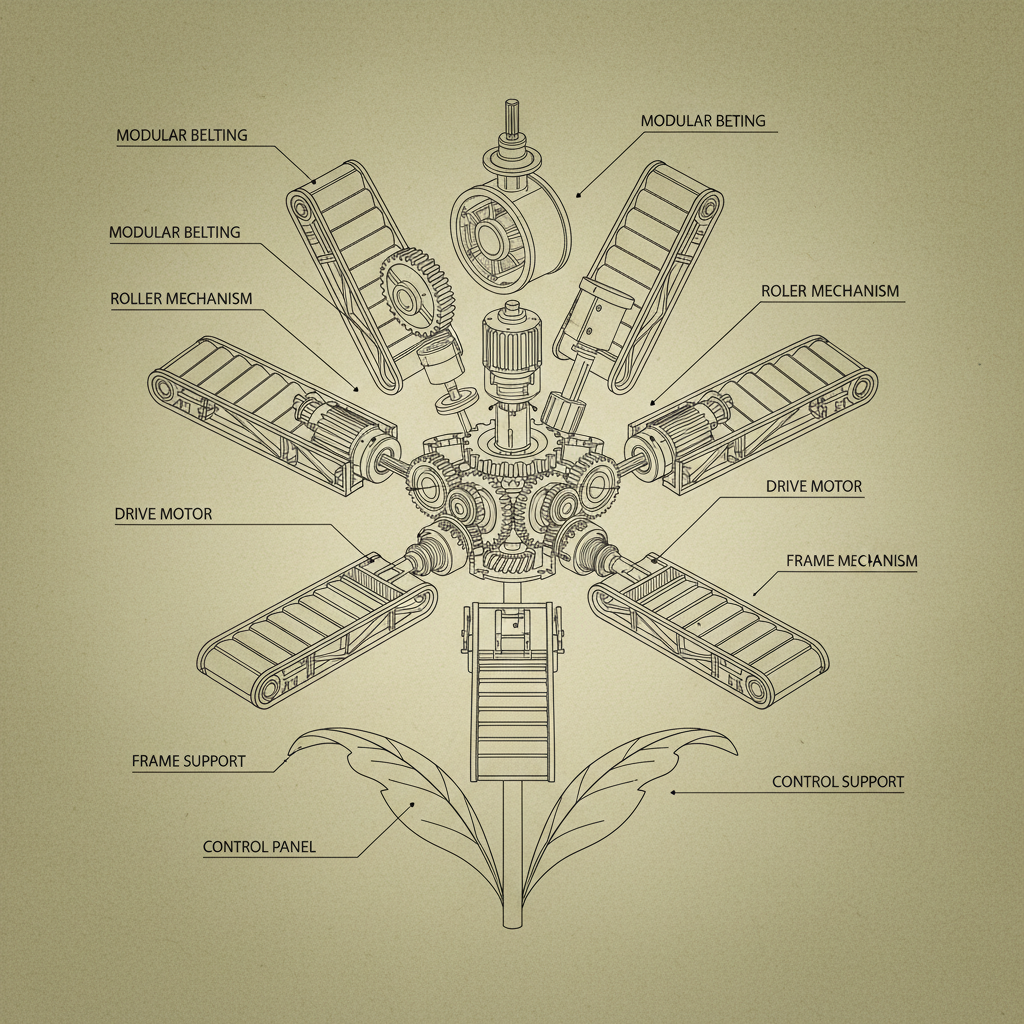
Steel conveyor rollers are essential components in modern material handling systems, facilitating the efficient and reliable movement of goods across a vast range of industries. From mining and agriculture to manufacturing and logistics, these seemingly simple devices play a critical role in streamlining operations and boosting productivity. Their widespread adoption underscores their importance in a globalized economy dependent on seamless supply chains.
The global market for conveyor rollers, including those made of steel, is experiencing significant growth, driven by factors such as increasing automation, expanding e-commerce, and the demand for more efficient logistics solutions. Reports from organizations like the UN and the World Bank highlight the crucial role of infrastructure development in emerging economies, further fueling the demand for robust and dependable material handling equipment, where steel conveyor rollers are frequently utilized.
This demand isn’t limited to industrial applications. Steel conveyor rollers are also finding use in innovative solutions like temporary warehousing, disaster relief distribution centers, and even modular construction projects, demonstrating their versatility and adaptability to evolving needs. The core challenge lies in balancing performance, durability, and cost-effectiveness to meet the diverse requirements of these applications.
The Importance of Steel Conveyor Rollers
Steel conveyor rollers are far more than just supporting components; they are integral to the efficiency and reliability of entire logistical operations. Their ability to withstand heavy loads, resist wear and tear, and maintain consistent performance under demanding conditions makes them a cornerstone of modern industry. Selecting the right steel conveyor rollers impacts system uptime, maintenance costs, and overall productivity.
The importance of these rollers extends beyond simple transportation. They contribute to worker safety by reducing manual handling, minimizing the risk of injuries, and creating a more ergonomic work environment. Furthermore, high-quality steel conveyor rollers enhance the longevity of the entire conveyor system, representing a significant long-term investment for businesses.
Defining Steel Conveyor Rollers
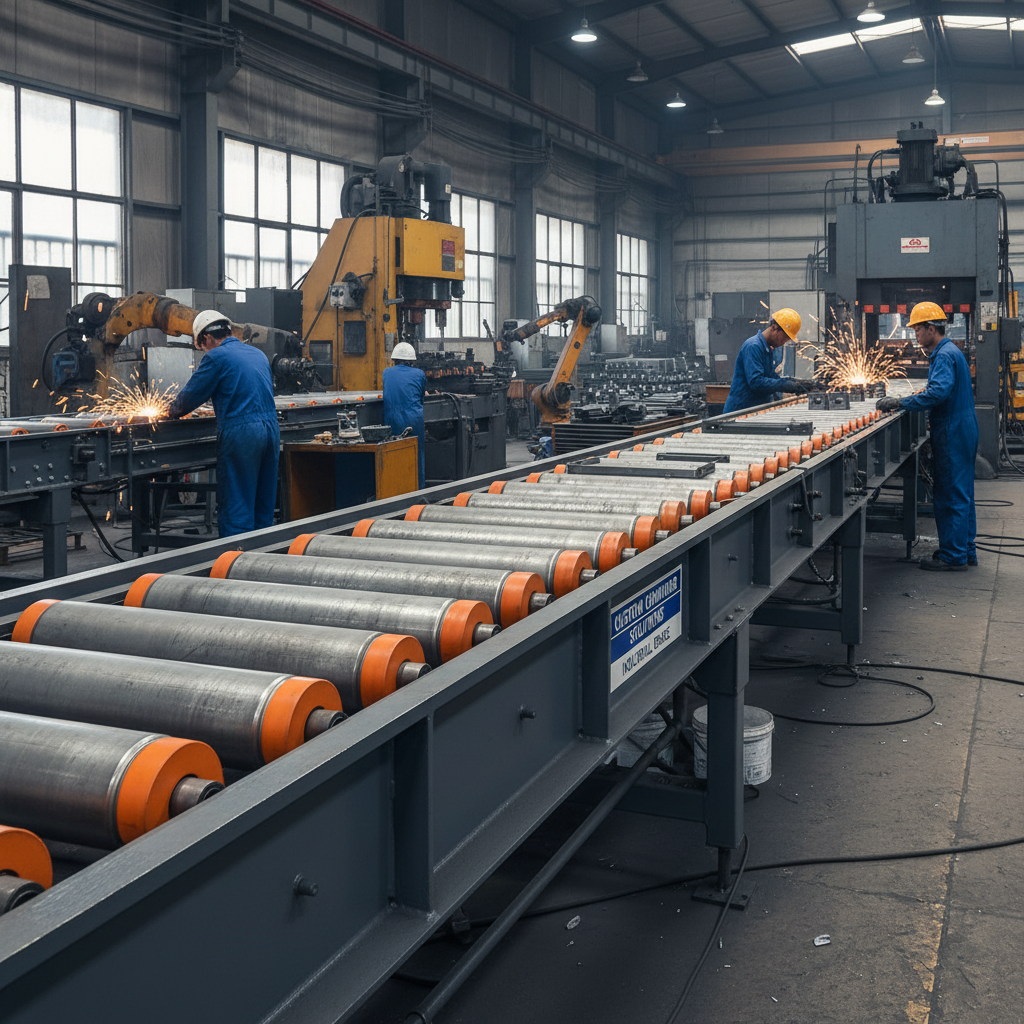
Steel conveyor rollers are cylindrical components designed to support and facilitate the movement of conveyor belts. Typically constructed from carbon steel, stainless steel, or alloy steel, they are strategically placed along the length of a conveyor system to provide a smooth, low-friction surface for the belt to travel on. These rollers are often grouped together to form a 'bed' upon which the belt rides.
Their connection to modern industry is undeniable. Without efficient material handling, manufacturing processes would grind to a halt, supply chains would be disrupted, and the cost of goods would skyrocket. Steel conveyor rollers enable the mass production and distribution of essential products, from food and beverages to electronics and automotive parts.
In a humanitarian context, the rapid deployment of essential supplies – food, water, medicine – relies heavily on efficient logistics. Steel conveyor rollers are frequently used in temporary distribution centers and emergency aid operations, ensuring that vital resources reach those in need quickly and reliably.
Key Factors of Steel Conveyor Rollers
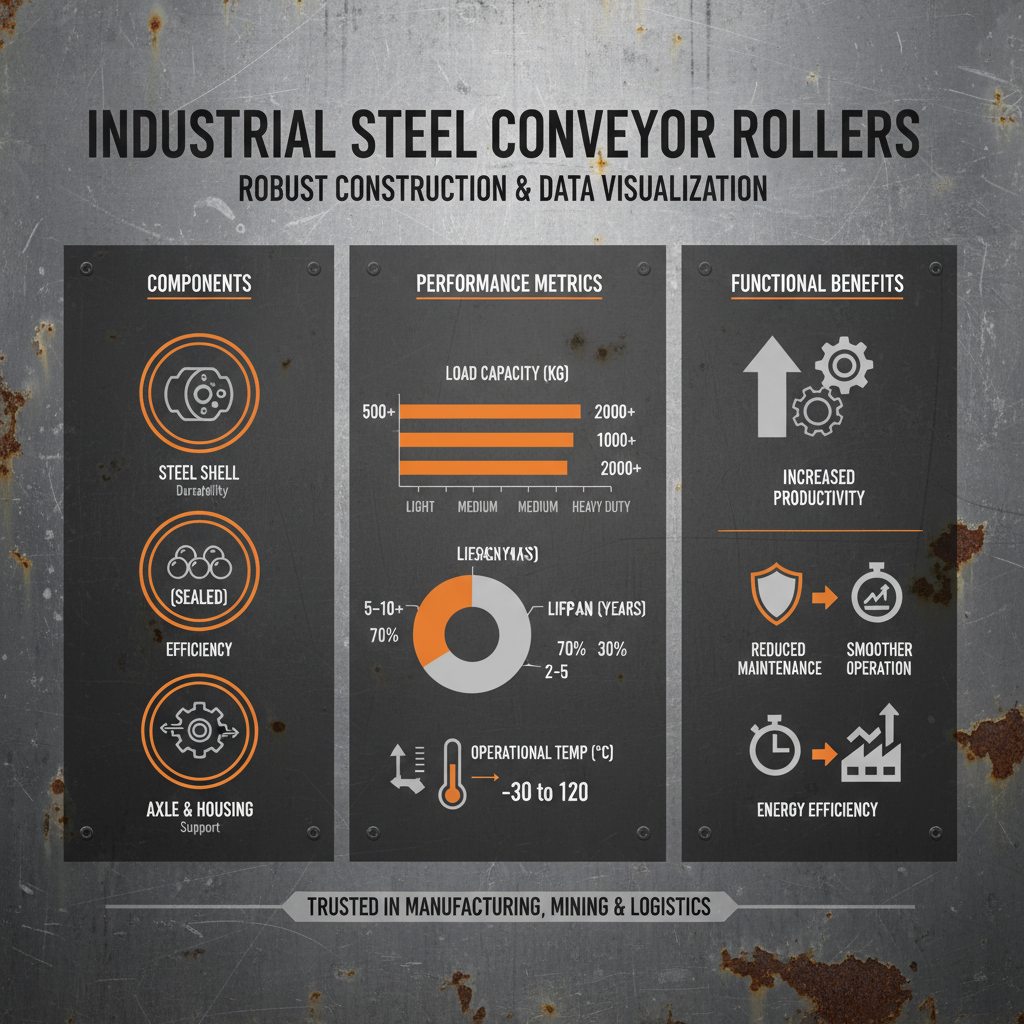
Durability is arguably the most critical factor influencing the selection of steel conveyor rollers. The ability to withstand repeated loading, resist abrasion, and maintain structural integrity under harsh conditions is essential for minimizing downtime and reducing maintenance costs. This durability directly impacts operational efficiency and long-term profitability.
Load Capacity is equally important. Different applications require rollers capable of supporting varying weights. Selecting rollers with an appropriate load capacity prevents premature failure, ensures safe operation, and avoids costly damage to the conveyor system. Proper load calculation is paramount to preventing issues.
Precision Engineering is another key factor. The dimensional accuracy and surface finish of steel conveyor rollers directly influence belt tracking and alignment. High-precision rollers minimize belt wander, reduce energy consumption, and extend the life of both the belt and the rollers themselves.
Core Components of Steel Conveyor Rollers
The performance of steel conveyor rollers isn’t solely determined by the steel itself, but also by the quality of its core components. Bearing quality is paramount. High-quality bearings minimize friction, reduce noise, and extend the roller’s lifespan. Sealed bearings are particularly important in dusty or wet environments to prevent contamination.
Shaft Material and design plays a crucial role. The shaft must be strong enough to withstand the applied loads and resistant to bending or twisting. The shaft diameter and material composition are key considerations.
Steel Conveyor Roller Performance Comparison
Global Applications & Use Cases
In the mining industry, steel conveyor rollers are subjected to extremely harsh conditions, handling abrasive materials and supporting incredibly heavy loads. They are essential for transporting ore from the extraction point to processing facilities. Similarly, in large-scale agricultural operations, they are used for conveying grains, fertilizers, and other bulk commodities.
E-commerce fulfillment centers rely heavily on sophisticated conveyor systems incorporating steel rollers to sort and transport packages quickly and efficiently. In remote industrial zones, where access to maintenance services is limited, the robustness and reliability of these rollers are particularly crucial.
Advantages & Long-Term Value
The cost-effectiveness of steel conveyor rollers extends beyond their initial purchase price. Their durability and resistance to wear and tear translate into reduced maintenance costs and fewer replacements, leading to significant savings over the long term. The robust nature reduces downtime and prevents expensive repairs.
From a sustainability perspective, the longevity of steel rollers minimizes waste. By reducing the need for frequent replacements, they contribute to a more circular economy. The inherent safety features of well-maintained conveyor systems also enhance workplace conditions and reduce the risk of accidents.
The reliability of steel conveyor rollers fosters trust and confidence in the entire supply chain, ensuring that materials are delivered on time and in good condition. This translates into improved customer satisfaction and a stronger brand reputation.
Future Trends & Innovations
The future of steel conveyor rollers is intertwined with advancements in materials science and automation. Research into new alloy steels with enhanced strength and corrosion resistance is ongoing, promising even more durable and reliable rollers. Smart rollers, equipped with sensors to monitor performance and predict potential failures, are also gaining traction.
Integration with digital twin technology allows for real-time monitoring and optimization of conveyor systems, maximizing efficiency and minimizing downtime. The pursuit of sustainable manufacturing practices is driving the development of rollers made from recycled steel and manufactured using energy-efficient processes.
The increasing demand for energy-efficient material handling solutions is also prompting innovation in roller design, focusing on minimizing friction and reducing power consumption. These advancements will further solidify the role of steel conveyor rollers as essential components in modern logistics and manufacturing.
FAQS
The lifespan of steel conveyor rollers depends heavily on the application and maintenance. However, with proper lubrication and regular inspection, high-quality rollers can often last between 5-10 years, and sometimes even longer in less demanding environments. Factors like load capacity, material handling abrasiveness, and environmental conditions all play a significant role.
Selecting the correct steel type is critical. Carbon steel is often used for general applications, while stainless steel is preferred in corrosive environments. Alloy steels offer enhanced strength and wear resistance for heavy-duty applications. Consider the load, material being conveyed, and operating environment when making your selection.
Regular lubrication is paramount to reduce friction and extend bearing life. Routine inspections for wear, damage, and proper alignment are also essential. Periodic cleaning to remove debris and contaminants will further prolong the roller's lifespan. Addressing any issues promptly prevents larger, more costly repairs.
Yes, carbon steel rollers are susceptible to corrosion, especially in humid or corrosive environments. Stainless steel rollers offer superior corrosion resistance. Consider applying protective coatings or using corrosion-inhibiting lubricants to extend the lifespan of carbon steel rollers in challenging environments.
Visual inspection for surface pitting, cracks, or deformation is a good starting point. Measuring the roller diameter with a precision instrument can reveal significant wear. Monitoring bearing performance, such as increased noise or vibration, can also indicate roller wear.
The bearing type significantly impacts roller performance. Sealed bearings offer superior protection against contamination, extending bearing life. High-quality bearings minimize friction and noise, while bearings with appropriate load ratings ensure reliable operation under heavy loads. Selecting the right bearing is essential for overall roller durability and efficiency.
Conclusion
Steel conveyor rollers are indispensable components of modern material handling systems, driving efficiency, reliability, and safety across a diverse range of industries. Their durability, load capacity, and adaptability make them a critical investment for businesses seeking to optimize their operations and streamline their supply chains. From mining and agriculture to e-commerce and disaster relief, these seemingly simple devices play a vital role in a connected global economy.
Looking ahead, ongoing innovation in materials science, automation, and sustainability will further enhance the performance and value of steel conveyor rollers. Embracing these advancements is crucial for businesses seeking to remain competitive and resilient in a rapidly evolving landscape. To learn more about selecting the right steel conveyor rollers for your specific needs, visit our website today.