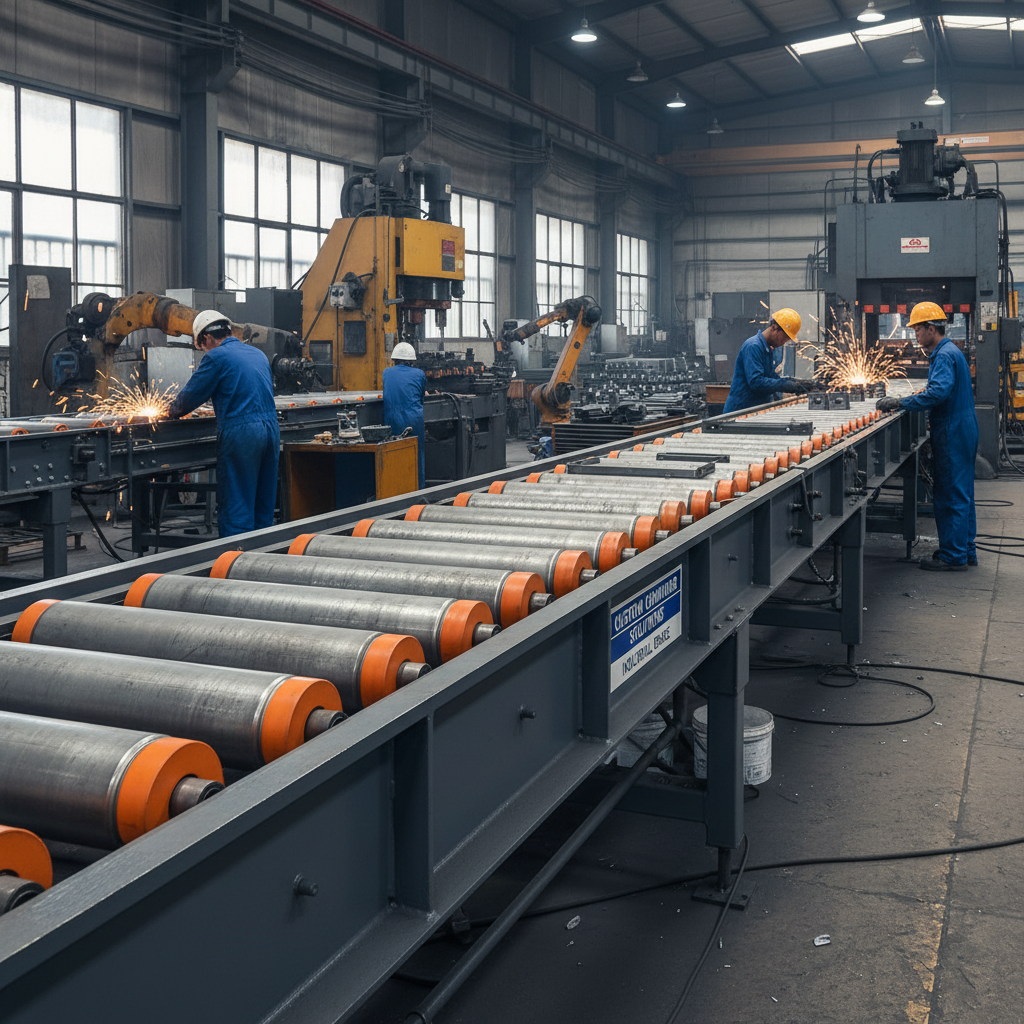
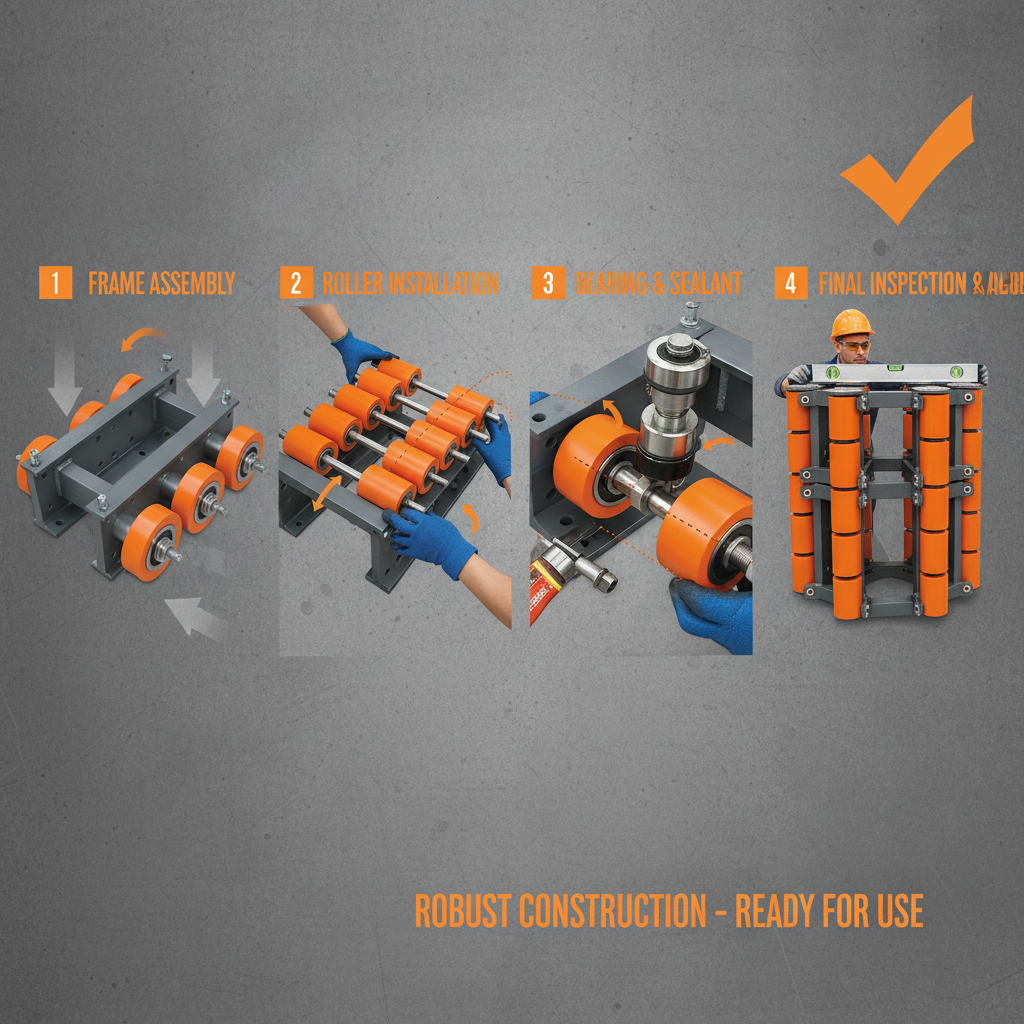
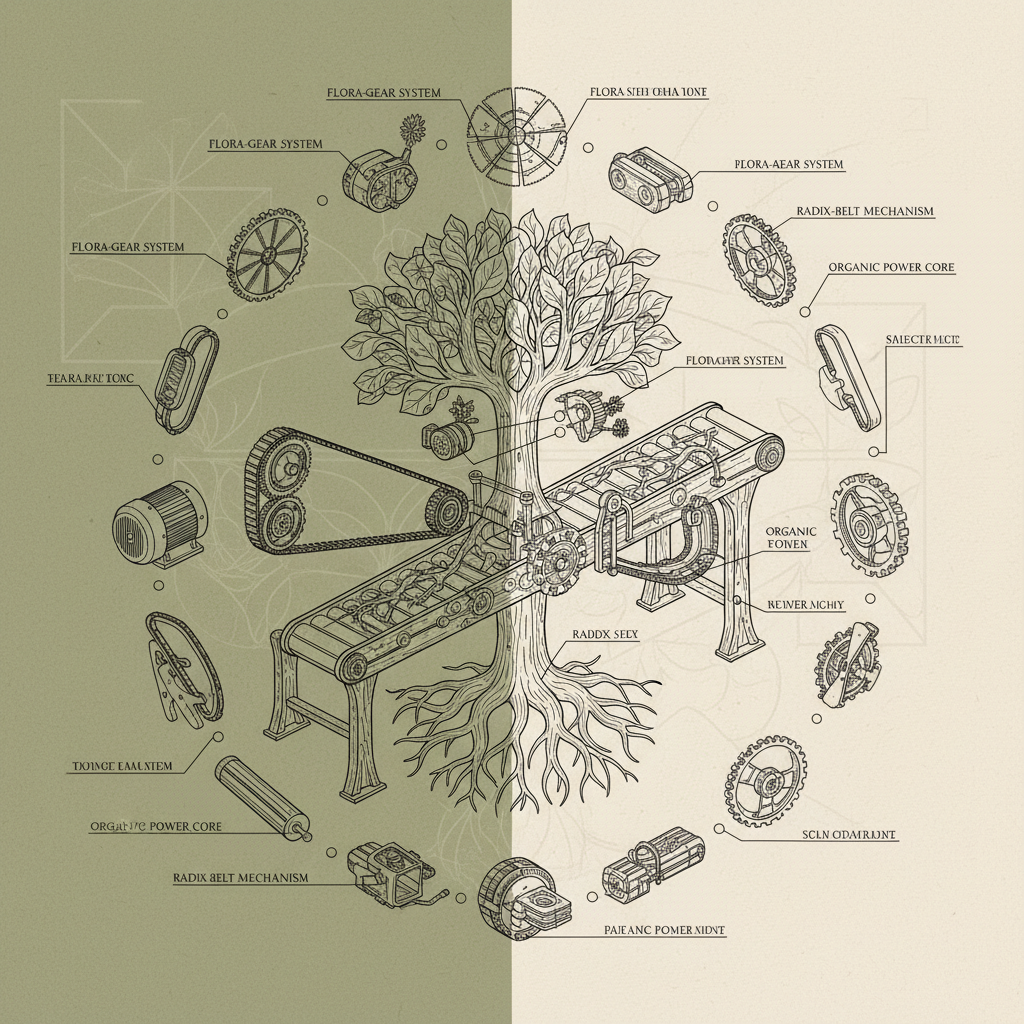
Custom conveyor rollers are essential components in modern material handling systems, quietly powering logistics, manufacturing, and distribution across the globe. From streamlining production lines to facilitating e-commerce fulfillment, these rollers are the unsung heroes of efficient operations. Understanding their design, application, and advancements is critical for businesses seeking to optimize their processes and maintain a competitive edge. They’re not simply moving parts; they are enablers of productivity, safety, and scalability.
The demand for custom conveyor rollers is intrinsically linked to global economic growth and the increasing complexity of supply chains. The United Nations estimates that global trade will continue to rise, placing further strain on logistics networks. The ISO standards for material handling equipment highlight the importance of reliable and efficient systems, driving innovation in roller technology. Addressing challenges like durability, load capacity, and specialized application requirements fuels the need for tailored solutions, making custom conveyor rollers a vital component of modern infrastructure.
Essentially, custom conveyor rollers are cylindrical supports around which a conveyor belt travels. Unlike standard rollers, these are designed and manufactured to meet specific operational needs—varying in length, diameter, material, and load-bearing capacity. They underpin countless industries, supporting processes from parcel sorting in logistics hubs to moving raw materials in mining operations, contributing significantly to both economic progress and humanitarian relief efforts.
Introduction to Custom Conveyor Rollers
The foundation of any efficient conveyor system lies in the quality and specificity of its rollers. Standard rollers often fall short when confronted with unique demands like heavy loads, abrasive materials, extreme temperatures, or the need for precise positioning. This is where custom conveyor rollers become indispensable, providing tailored solutions that optimize performance and minimize downtime. Investing in properly designed custom rollers can significantly reduce maintenance costs and increase overall system lifespan.
Choosing the right custom conveyor roller is about more than just size and material. It involves a comprehensive understanding of the application, considering factors such as load distribution, speed requirements, environmental conditions, and the type of material being conveyed. A collaborative approach between the end-user and a specialized manufacturer, like custom conveyor rollers experts, is critical to achieving optimal results and ensuring long-term operational success.
Defining Custom Conveyor Rollers
Custom conveyor rollers are specifically engineered cylindrical components designed to facilitate the movement of materials within a conveyor system. Unlike mass-produced standard rollers, they are manufactured to precise specifications, catering to unique industrial or logistical challenges. This customization extends to several key attributes, including diameter, length, bearing type, shaft material, surface coating, and load capacity.
The connection to modern industry is undeniable. Automated warehouses, manufacturing plants, and distribution centers rely heavily on these rollers to maintain throughput and efficiency. Similarly, in humanitarian contexts, custom rollers can be integrated into temporary conveyor systems for quickly distributing aid in disaster-stricken areas. They represent a critical link in the supply chain, enabling the seamless flow of goods and resources.
Ultimately, custom conveyor rollers bridge the gap between generic material handling equipment and highly specialized application requirements. They offer a flexible and cost-effective solution for optimizing conveyor systems, reducing operational bottlenecks, and extending the lifespan of vital infrastructure.
Core Components & Factors
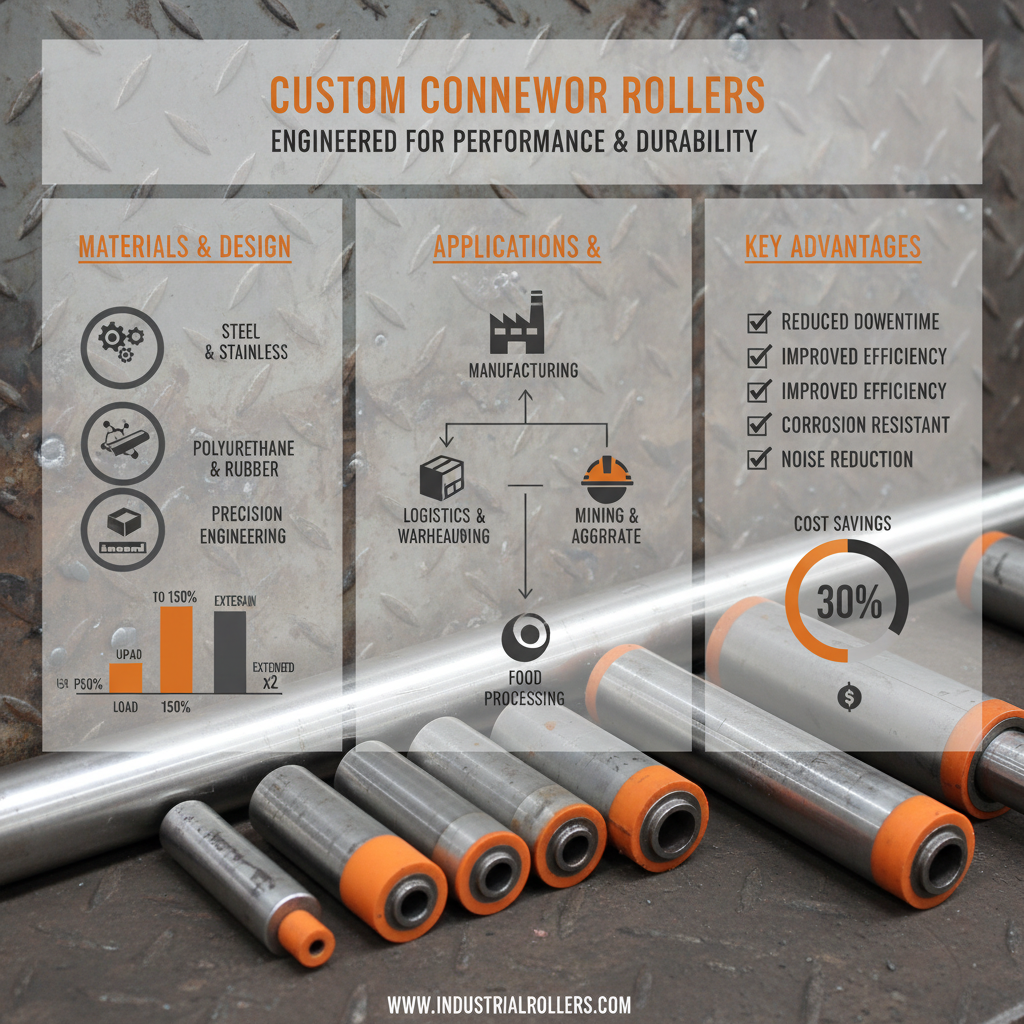
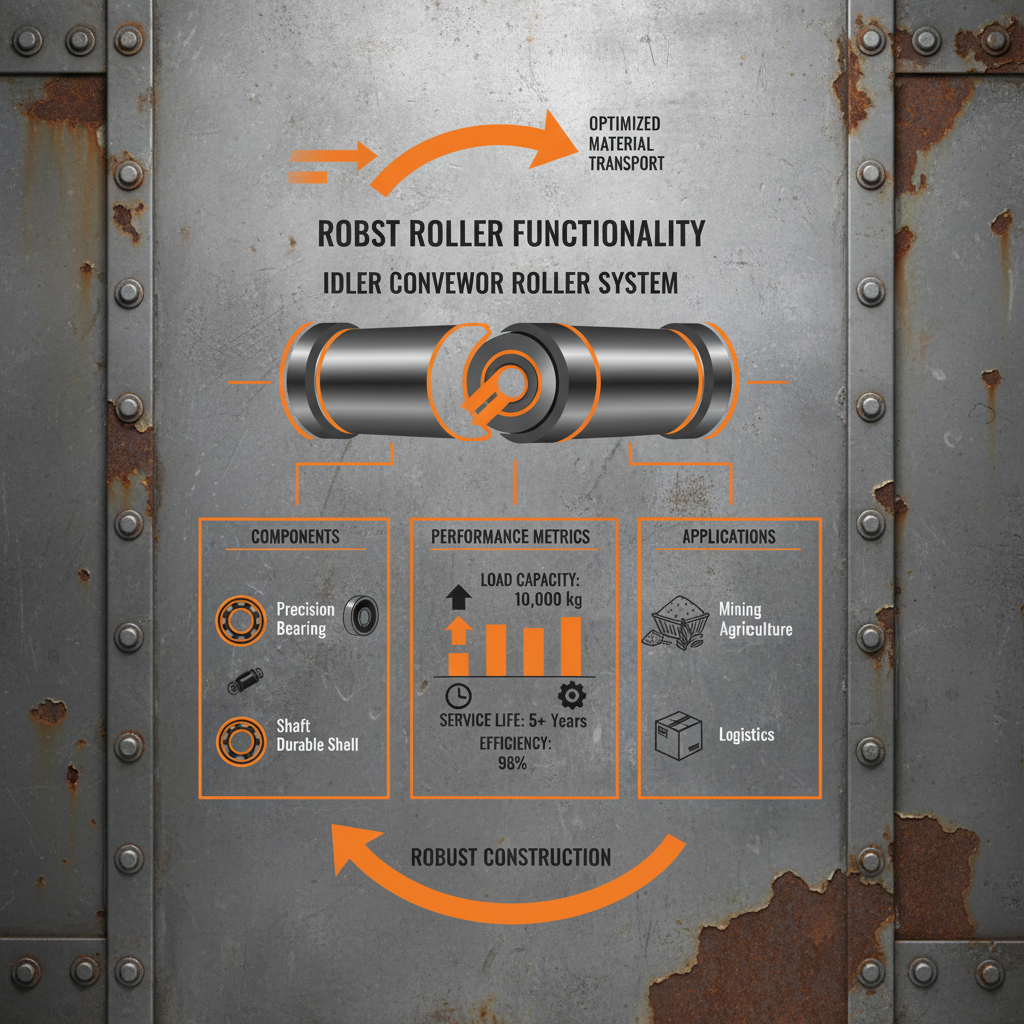
Several core factors contribute to the performance and longevity of custom conveyor rollers. Durability is paramount, requiring robust materials like steel, stainless steel, or specialized polymers capable of withstanding continuous use and harsh environments. The selection of the correct bearing type is also crucial, influencing load capacity, speed, and maintenance requirements.
Scalability refers to the ability to adapt roller specifications to evolving needs. A custom manufacturer can modify designs to accommodate increased load requirements or changes in material flow. Load Capacity is directly linked to the roller’s material, diameter, and bearing system. Correctly calculating the load capacity is essential for preventing premature failure and ensuring safe operation. Cost Efficiency doesn't necessarily mean cheapest; it means optimizing roller specifications to minimize lifecycle costs, including maintenance, repairs, and replacements.
Precision in manufacturing tolerances is vital for smooth operation and reduced wear. Even slight imperfections can lead to vibration, noise, and decreased efficiency. Finally, Environmental Resistance - rollers must withstand exposure to elements like moisture, chemicals, and temperature fluctuations to guarantee longevity and continued performance.
Global Applications of Custom Conveyor Rollers
Custom conveyor rollers find applications across a vast spectrum of industries and geographic locations. In the logistics sector, they are integral to automated sorting systems in major distribution hubs across North America and Europe, enabling rapid and accurate parcel handling. Mining operations in Australia and South America rely on heavy-duty custom rollers to transport ore and materials in harsh, abrasive environments.
Within the food and beverage industry, stringent hygiene standards necessitate the use of custom rollers made from food-grade materials like stainless steel, ensuring product safety and preventing contamination. In remote industrial zones of Southeast Asia, custom-designed rollers are deployed in challenging terrains to facilitate material transport where traditional infrastructure is limited.
In post-disaster relief operations, portable conveyor systems incorporating custom rollers can rapidly establish efficient distribution networks for essential supplies, delivering aid to affected populations quickly and effectively. From Amazon’s fulfillment centers to remote infrastructure projects, the adaptability of custom conveyor rollers makes them a cornerstone of modern logistics and material handling.
Custom Conveyor Roller Performance Metrics
Advantages and Long-Term Value
The advantages of investing in custom conveyor rollers extend far beyond immediate operational improvements. From a cost perspective, optimized rollers reduce energy consumption, minimize downtime, and extend the lifespan of the entire conveyor system, leading to significant long-term savings. Furthermore, the improved efficiency translates to increased throughput and reduced labor costs.
Sustainability is increasingly important. Choosing durable materials and designing rollers for longevity reduces waste and minimizes the environmental impact. Custom rollers also support safety by ensuring reliable operation and reducing the risk of accidents. Finally, trust and innovation are built through collaboration with reputable manufacturers like custom conveyor rollers, who offer expertise and cutting-edge solutions.
Future Trends & Innovations
The future of custom conveyor rollers is being shaped by several key trends. Automation and the integration of IoT sensors are enabling predictive maintenance, allowing for proactive replacement of rollers before failure occurs, minimizing downtime. The development of new materials, such as advanced polymers and composites, is leading to lighter, stronger, and more durable rollers.
Furthermore, the growing emphasis on green energy and sustainability is driving demand for energy-efficient roller designs and the use of recyclable materials. Digital twin technology allows for virtual prototyping and optimization of roller designs, reducing development time and costs. These advancements promise to further enhance the efficiency, reliability, and sustainability of conveyor systems globally.
Challenges & Solutions
Despite the many benefits, challenges remain in the realm of custom conveyor rollers. Maintaining consistent quality control across diverse manufacturing processes is a key hurdle. Another challenge is the complexity of specifying rollers for highly specialized applications, requiring detailed engineering analysis and material selection.
Solutions involve investing in advanced manufacturing technologies, such as 3D printing and automated inspection systems, to ensure precision and consistency. Collaborative design processes, where manufacturers work closely with end-users, can overcome the challenges of complex specifications. Utilizing data analytics to monitor roller performance and identify potential issues proactively is another effective solution.
Partnering with experienced manufacturers who prioritize quality, innovation, and customer support, like custom conveyor rollers suppliers, is crucial for mitigating these challenges and maximizing the value of custom conveyor roller investments.
Summary of Key Challenges and Solutions for Custom Conveyor Rollers
| Challenge Area |
Specific Problem |
Proposed Solution |
Implementation Difficulty (1-5, 5=High) |
| Manufacturing Quality |
Inconsistent dimensions and material properties |
Implement automated inspection and precision machining |
3 |
| Complex Specifications |
Difficulties in defining rollers for unique applications |
Collaborative design and engineering with end-users |
4 |
| Material Selection |
Choosing optimal materials for harsh environments |
Material testing and simulation to assess performance |
3 |
| Predictive Maintenance |
Lack of real-time monitoring of roller condition |
Integrate IoT sensors for data collection and analysis |
4 |
| Supply Chain Disruptions |
Delays in sourcing raw materials |
Diversify supplier base and maintain buffer stock |
2 |
| Cost Optimization |
Balancing performance with affordability |
Value engineering and lifecycle cost analysis |
3 |
FAQS
Lead times for custom conveyor rollers vary depending on complexity, material availability, and current manufacturing workload. Generally, simpler designs with readily available materials can be delivered in 4-6 weeks. More complex projects, especially those requiring specialized materials or extensive engineering, may take 8-12 weeks or longer. Accurate estimates are provided during the quoting process, and we prioritize clear communication regarding project timelines.
Yes, absolutely. We offer custom conveyor rollers manufactured from FDA-approved materials, such as stainless steel and specialized food-grade polymers, designed to meet the stringent hygiene requirements of the food and beverage industry. These rollers are engineered to prevent contamination and ensure product safety, with smooth surfaces and resistance to cleaning chemicals. Proper material certification is provided for all food-grade applications.
Specifying a custom roller begins with a detailed assessment of your application's requirements. We need to know the load capacity, conveyor speed, environmental conditions, material being conveyed, and any specific dimensional constraints. Providing drawings or schematics is helpful. Our engineering team will then work with you to select the appropriate materials, bearing type, and roller dimensions to ensure optimal performance and longevity.
We offer a wide range of bearing options, including sealed ball bearings, tapered roller bearings, and self-aligning bearings, to suit diverse application needs. Sealed ball bearings are cost-effective for general-purpose applications. Tapered roller bearings are ideal for heavy loads and shock loads. Self-aligning bearings accommodate misalignment, reducing stress on the roller and extending its lifespan. Bearing selection is crucial for optimal performance.
Yes, we offer a variety of coatings to enhance the durability and performance of custom conveyor rollers. These include chrome plating for corrosion resistance, ceramic coatings for abrasion resistance, and powder coating for enhanced aesthetic appeal and protection. The selection of the appropriate coating depends on the specific operating environment and the material being conveyed. Coatings significantly extend the lifespan of the rollers.
The lifespan of a custom conveyor roller is highly dependent on the application and maintenance practices. However, with proper lubrication, regular inspection, and appropriate material selection, a well-designed custom roller can last for 5-10 years or even longer. Implementing a proactive maintenance schedule and addressing issues promptly can significantly extend the roller’s service life and minimize downtime.
Conclusion
Custom conveyor rollers represent a vital component of modern industrial and logistical infrastructure. Their ability to be tailored to specific needs ensures optimized performance, reduced downtime, and increased efficiency. From streamlining production lines to facilitating global supply chains, custom rollers are integral to a wide range of applications, offering long-term cost savings, enhanced safety, and improved sustainability.
Looking ahead, continued innovation in materials, automation, and data analytics will further enhance the capabilities of custom conveyor rollers. Investing in high-quality, custom-engineered solutions from a reliable partner, like the team at custom conveyor rollers, is crucial for staying ahead in today's competitive landscape. We encourage you to explore how tailored conveyor roller solutions can transform your operations and drive success.