- Tel: +8615128135888
- Email: hg@chinaconveyerbelt.com

Idler conveyor rollers are essential components in material handling systems globally, forming the backbone of industries ranging from mining and agriculture to manufacturing and logistics. These seemingly simple components facilitate the efficient and reliable transport of goods, minimizing manual labor and boosting productivity. Understanding the principles behind idler conveyor roller design, maintenance, and application is paramount for optimizing operational efficiency and ensuring safe working environments. The economic impact is significant, with proper idler function directly affecting throughput and minimizing downtime, ultimately contributing to reduced costs and increased profitability.
The global demand for idler conveyor rollers is steadily increasing, driven by factors such as expanding infrastructure projects, growing e-commerce industries, and the need for streamlined supply chains. According to a report by Market Research Future, the global conveyor rollers market is projected to reach USD 6.5 billion by 2027, exhibiting a CAGR of 4.2% during the forecast period. This growth highlights the critical role these rollers play in modern industrial processes. However, challenges remain, including the need for more durable materials, reduced maintenance requirements, and innovative designs to handle increasingly complex material flows.
Efficient material handling is a cornerstone of modern industry and humanitarian aid efforts. Idler conveyor rollers contribute significantly to this efficiency, enabling continuous and automated transportation of materials across diverse terrains and environments. From large-scale mining operations to disaster relief distribution centers, the reliable performance of these rollers is crucial for maintaining operations and delivering essential resources where they are needed most.
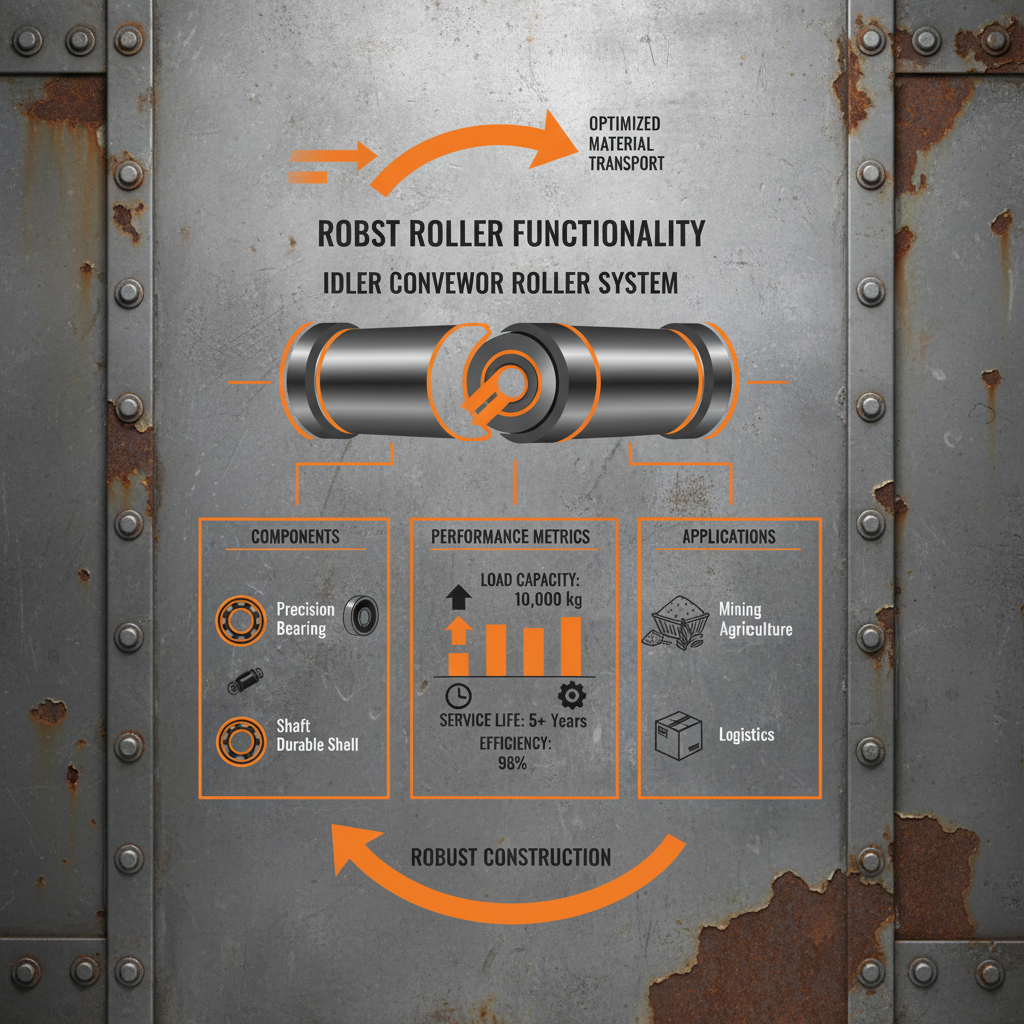
Idler conveyor rollers are cylindrical components strategically placed beneath conveyor belts to support the load and facilitate smooth material transport. These rollers are not powered; instead, the belt's movement is driven by a motor and relies on the idlers to reduce friction and maintain belt alignment. Proper selection and maintenance of idler conveyor roller is crucial for maximizing system efficiency and minimizing operational costs.
The importance of idler conveyor rollers extends beyond simply supporting the belt. They play a vital role in protecting the belt from wear and tear, preventing sag, and ensuring consistent material flow. Choosing the right type of idler, considering factors like load capacity, material characteristics, and environmental conditions, is essential for achieving optimal performance and longevity.
When selecting idler conveyor rollers, it's crucial to consider several factors. These include the load capacity required for the materials being conveyed, the operating environment (temperature, humidity, dust levels), the type of material being handled (abrasiveness, corrosiveness), and the desired lifespan of the rollers. Furthermore, understanding the conveyor system design, such as belt speed and length, is vital for optimal roller selection. Proper selection ensures efficient operation, minimizes downtime, and extends the overall lifespan of the conveyor system.
Regular inspection and maintenance are essential for maximizing the performance and lifespan of idler conveyor rollers. A visual inspection should be conducted at least monthly to check for signs of wear, damage, or misalignment. Bearings should be lubricated according to the manufacturer's recommendations. More detailed inspections, including bearing checks and shell integrity assessments, should be performed quarterly or annually, depending on operating conditions. Proactive maintenance prevents costly downtime and ensures safe operation.
Common causes of idler conveyor roller failure include bearing failure due to lack of lubrication or contamination, shell damage from impact or abrasion, and misalignment leading to uneven wear. Corrosion, particularly in harsh environments, can also significantly reduce roller lifespan. Overloading beyond the roller's capacity and inadequate maintenance practices contribute to premature failure. Addressing these issues through preventative measures is essential for maximizing roller reliability.
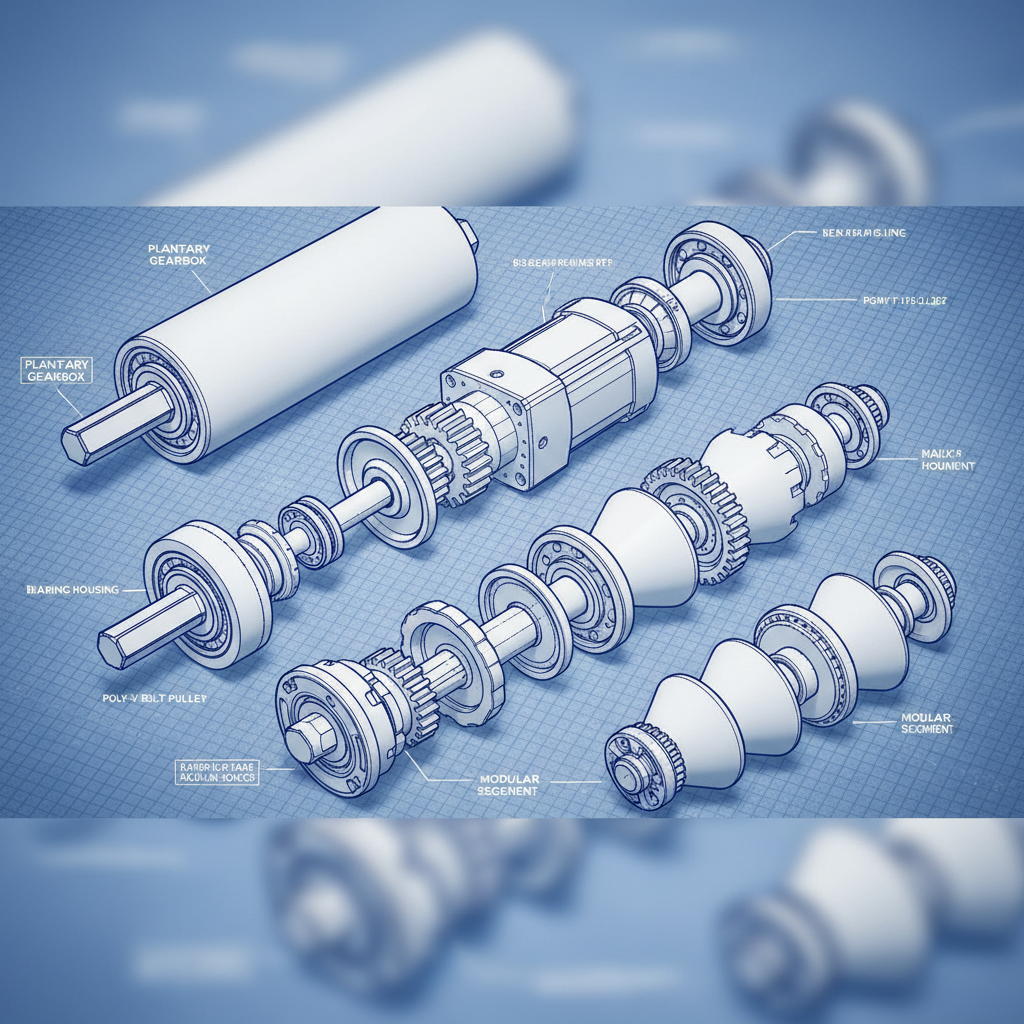
Self-centering idlers are designed to automatically adjust to belt misalignment, ensuring the belt remains centered on the conveyor structure. This is achieved through a tapered or spherical bearing housing. End-supported idlers, on the other hand, rely on the conveyor structure to maintain belt alignment. Self-centering idlers are preferred in applications where belt misalignment is a frequent occurrence, while end-supported idlers are suitable for systems with stable belt tracking.
Smart sensors integrated into idler conveyor rollers provide real-time data on crucial parameters such as bearing temperature, vibration levels, and rotational speed. This data allows for predictive maintenance, identifying potential failures before they occur and minimizing downtime. The sensors also help optimize system performance by detecting inefficiencies and alerting operators to issues like material buildup or belt misalignment. They enable a shift from reactive to proactive maintenance strategies.
High-efficiency idler conveyor rollers contribute to environmental sustainability by reducing energy consumption. Lower friction translates to less power required to operate the conveyor system. Moreover, durable rollers with extended lifespans minimize waste and reduce the need for frequent replacements. The use of environmentally friendly materials in roller construction further enhances sustainability. Overall, optimizing idler performance can significantly reduce a facility’s carbon footprint.
Idler conveyor rollers are fundamental to efficient material handling across a vast array of industries. Their seemingly simple design belies their critical role in reducing friction, supporting belt loads, and ensuring smooth material flow. Understanding the key characteristics, applications, and emerging trends surrounding these components is essential for optimizing operational performance, minimizing costs, and promoting sustainability.
Looking ahead, innovations in sensor technology, materials science, and automation will continue to drive advancements in idler conveyor roller design and functionality. Investing in high-quality rollers, implementing proactive maintenance strategies, and embracing new technologies will unlock significant benefits for businesses seeking to improve efficiency, reduce downtime, and enhance overall productivity. For more information and to explore our range of idler conveyor roller solutions, visit our website: www.hgconveyorbelt.com