Bearing conveyor roller systems are the unsung heroes of modern logistics and material handling. These seemingly simple components are integral to countless industries, from mining and agriculture to e-commerce and manufacturing. Their reliable operation is crucial for maintaining efficient supply chains, reducing labor costs, and ensuring the safe and timely delivery of goods across the globe. Understanding the nuances of bearing conveyor roller technology – its design, maintenance, and future innovations – is essential for professionals seeking to optimize operations and stay ahead in today’s competitive landscape.
The global demand for bearing conveyor roller solutions is driven by the continued growth of industrialization and the increasing need for automation. According to industry reports, the conveyor systems market is projected to reach significant values in the coming years, with a substantial portion attributed to the demand for high-quality rollers and associated bearings. This growth isn’t just concentrated in developed nations; emerging economies are rapidly expanding their infrastructure, further fueling the demand. Addressing challenges like durability in harsh environments and optimizing energy efficiency are central to meeting this escalating need.
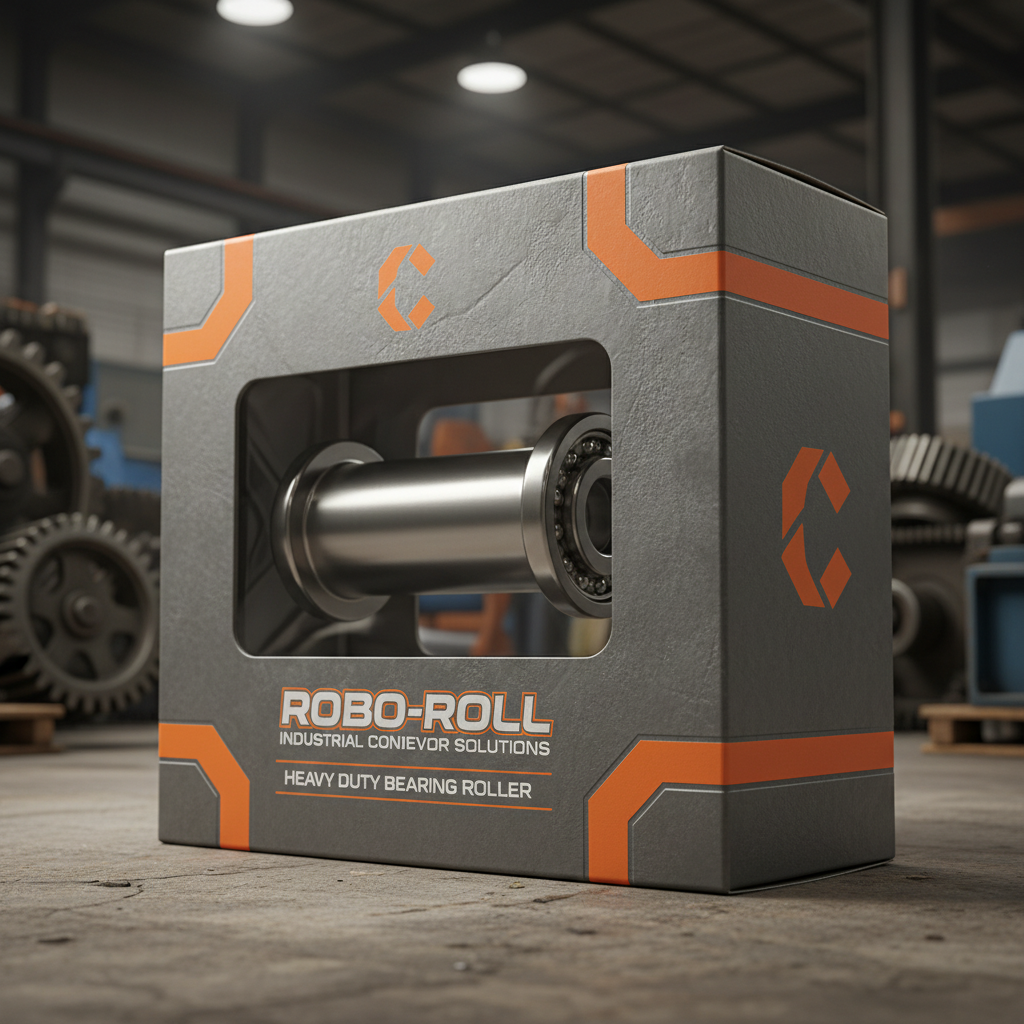
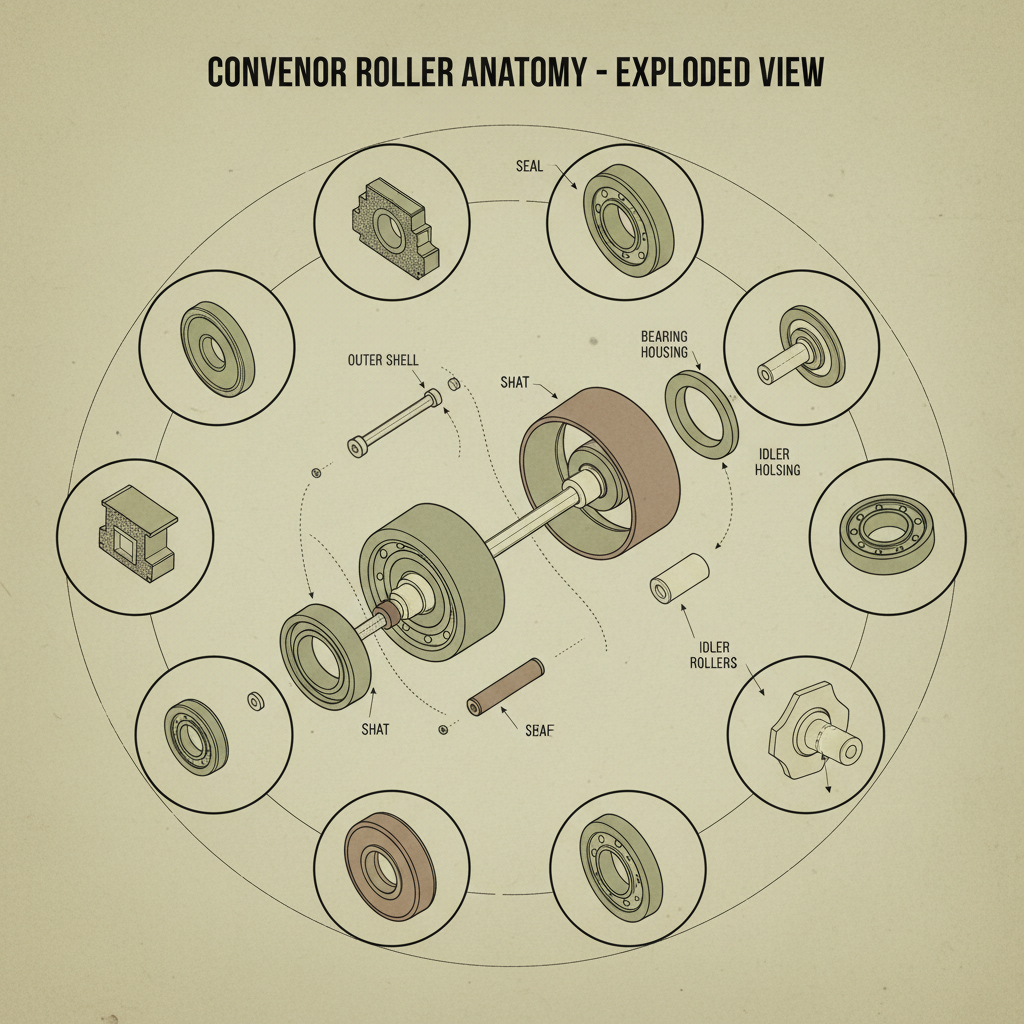
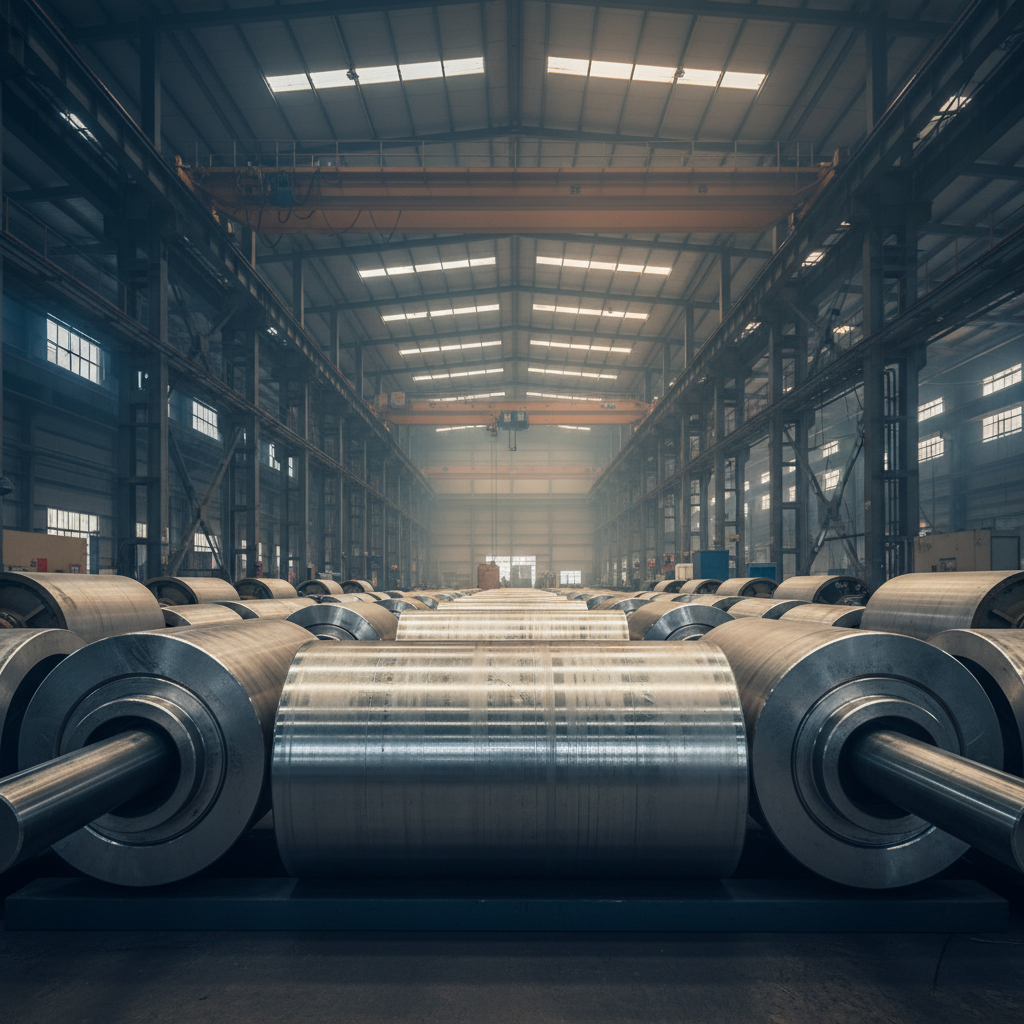
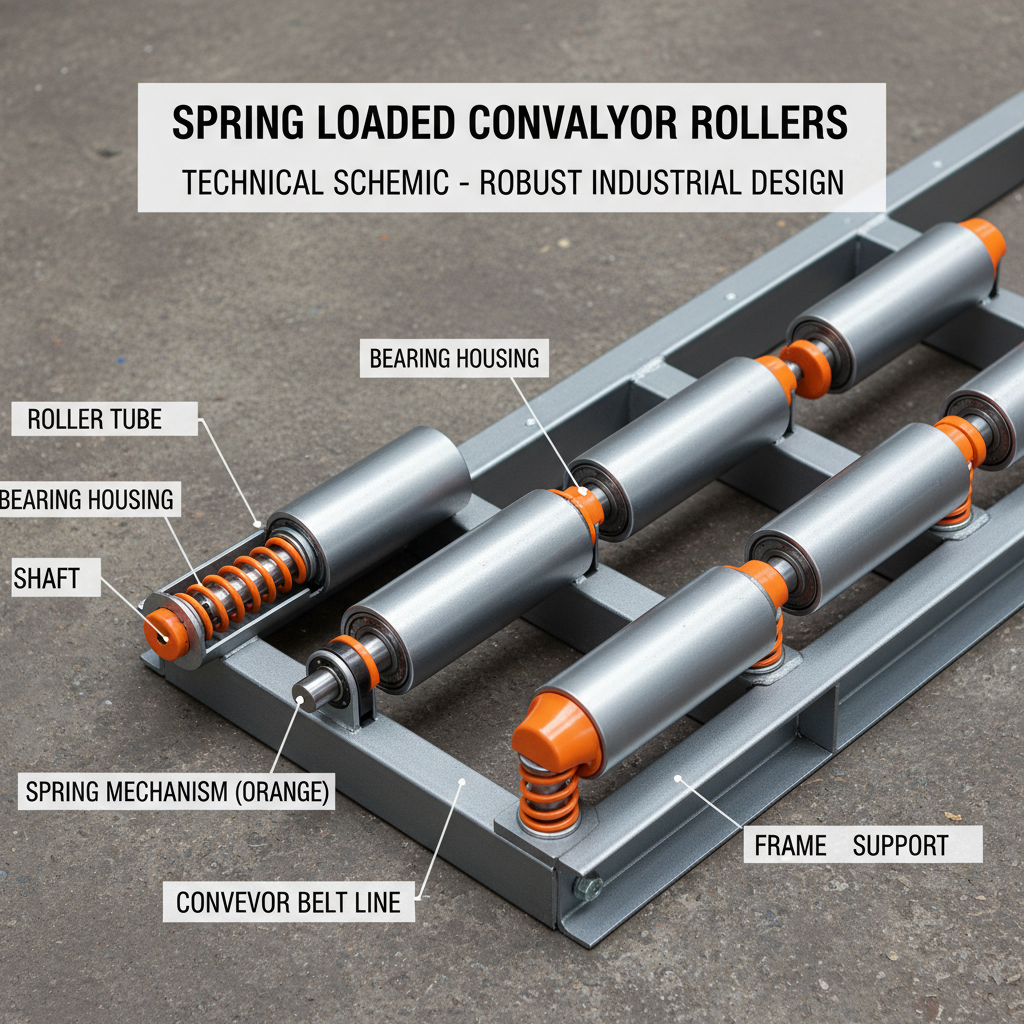
At its core, a bearing conveyor roller is a cylindrical component designed to support and facilitate the movement of materials along a conveyor belt. It comprises a cylindrical shell, often made of steel or PVC, encasing a bearing assembly that allows for smooth rotation. These rollers are strategically positioned along the conveyor frame, providing a low-friction surface for the belt to travel upon. Modern industrial processes are heavily reliant on the efficient performance of these essential parts.
Introduction: Global or Industry Context
Bearing conveyor roller systems are the backbone of countless industries globally. Their reliability impacts everything from the efficiency of mining operations and agricultural processing to the speed of package delivery in modern e-commerce fulfillment centers. The World Bank estimates that investments in logistics infrastructure, heavily reliant on conveyor technology, are crucial for economic development in emerging nations. Without effective material handling solutions, businesses face increased costs, slower throughput, and potential disruptions to their supply chains.
The demand for optimized conveyor systems – and therefore, superior bearing conveyor rollers – is continuously rising. The ISO standards governing material handling equipment emphasize safety, efficiency, and durability, pushing manufacturers to innovate and improve their designs. This demand isn't just about moving materials; it's about doing so sustainably, cost-effectively, and with minimal environmental impact. Factors like roller weight, material composition, and bearing type directly influence energy consumption and overall operational costs.
Definition & Meaning
A bearing conveyor roller is a supporting component utilized within a conveyor system, enabling the smooth and efficient transport of materials. It typically consists of a cylindrical shell – often steel, stainless steel, or PVC – which surrounds a bearing unit. This bearing unit minimizes friction, allowing the roller to rotate freely as the conveyor belt passes over it. Essentially, it transforms a sliding friction problem into a rolling friction problem, drastically reducing the energy required to move loads.
The connection to modern industry is undeniable. In logistics, bearing conveyor rollers are fundamental to automated sorting systems and distribution centers. In mining, they facilitate the movement of ore and extracted materials. In agriculture, they are vital for processing and packaging crops. They are even found in simpler applications like supermarket checkout lanes and baggage handling at airports. They represent a critical interface between mechanical power and material flow.
The importance of these rollers extends beyond mere convenience. They are often a safety-critical component; a malfunctioning roller can cause belt misalignment, material spillage, and even system shutdown. Selecting the appropriate bearing conveyor roller for a specific application requires careful consideration of load capacity, operating environment, and desired lifespan.
Key Factors or Core Components
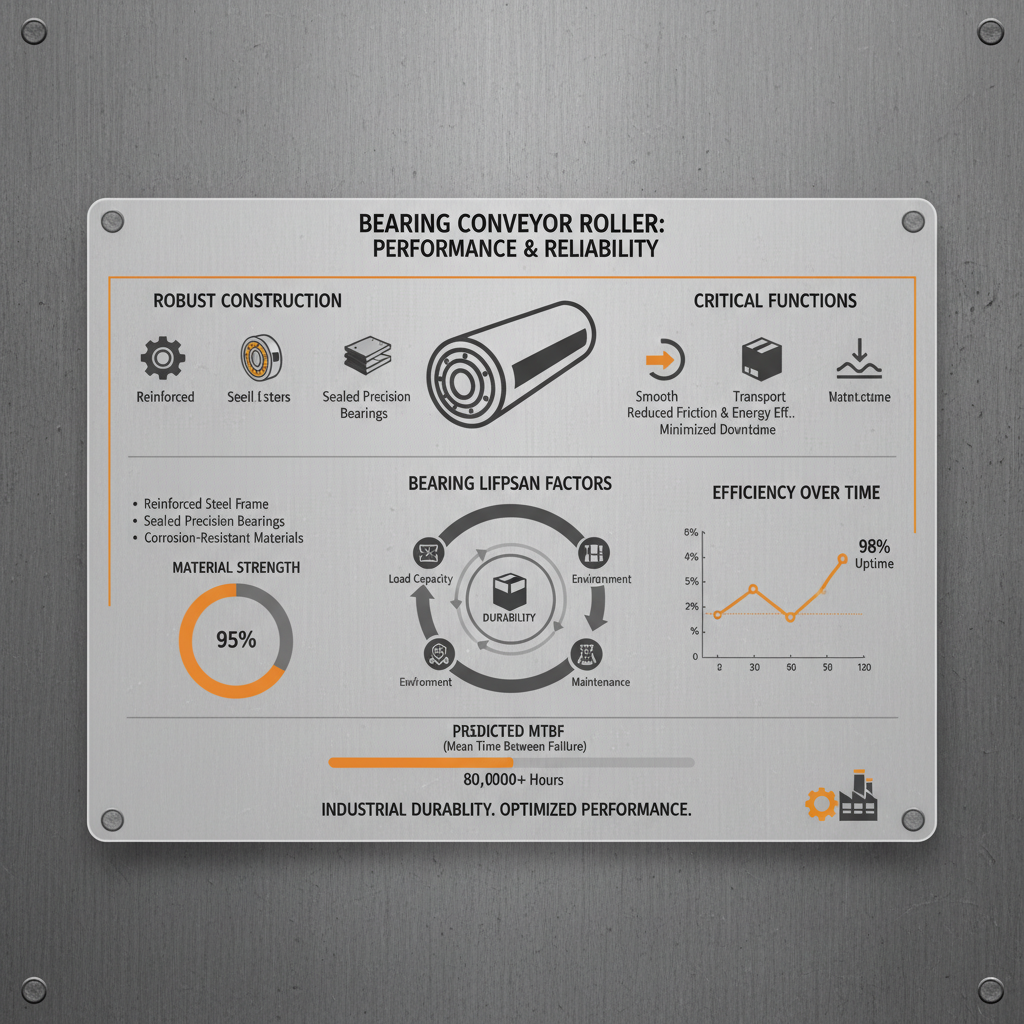
Durability is paramount. Bearing conveyor rollers are often subjected to harsh conditions – extreme temperatures, abrasive materials, and heavy loads. High-quality rollers are constructed from robust materials and feature sealed bearings to prevent contamination and ensure a long operational life. This reduces downtime and lowers maintenance costs.
Load Capacity directly influences the roller’s ability to handle the weight of the conveyed materials. Correct load calculation is critical to avoid premature failure. Rollers are typically rated based on their maximum load capacity, and selecting a roller with an appropriate safety margin is crucial.
Bearing Type significantly impacts performance. Common bearing types include ball bearings, roller bearings, and tapered roller bearings, each with its strengths and weaknesses. Ball bearings offer low friction and high speed capability, while roller bearings excel at handling heavier loads.
Material Compatibility addresses the chemical resistance of the roller components. Certain materials may react with the conveyed substances, causing corrosion or degradation. Choosing compatible materials is essential for maintaining long-term reliability.
Friction Reduction is a core function, achieved through bearing design and lubrication. Minimizing friction not only reduces energy consumption but also extends the lifespan of both the roller and the conveyor belt.
Sealing Effectiveness is essential to protecting the bearings from contaminants like dust, moisture, and debris, which can cause wear and failure. Well-sealed bearings contribute to extended operational life and reduced maintenance requirements.
Global Applications & Use Cases
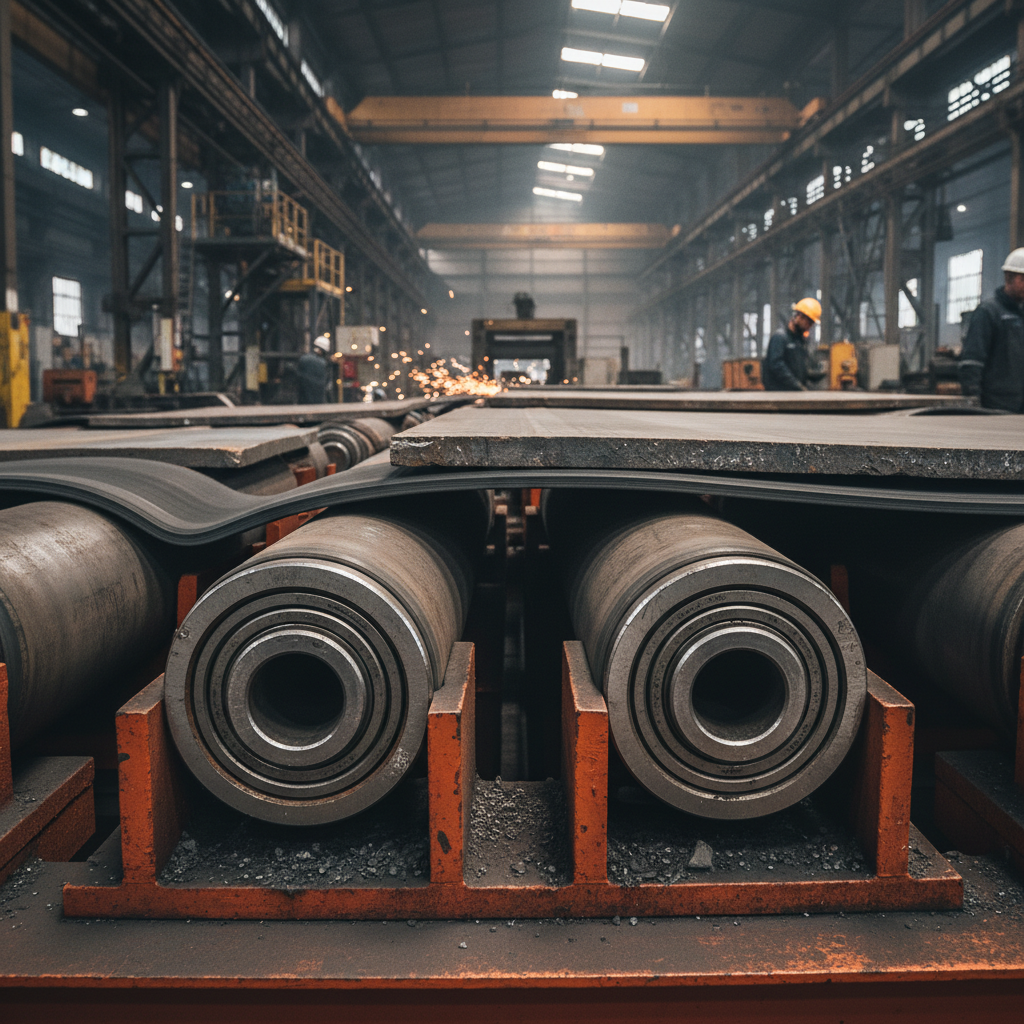
Bearing conveyor rollers are ubiquitous across numerous industries. In the mining sector, heavy-duty rollers are used in massive conveyor systems to transport ore from the mine to processing facilities. In agriculture, they are integral to automated sorting and packaging lines for fruits, vegetables, and grains. The Amazon fulfillment centers around the world heavily depend on these systems and bearing conveyor roller to process millions of packages daily.
In remote industrial zones, such as oil and gas fields, bearing conveyor rollers provide a reliable means of transporting equipment and supplies. In post-disaster relief operations, portable conveyor systems equipped with robust rollers are used to quickly move essential goods to affected areas. The automotive industry utilizes bearing conveyor rollers extensively in assembly lines for transporting vehicle components.
Moreover, the expanding e-commerce sector continues to drive demand in regions like Asia-Pacific, where rapidly growing online retail markets require increasingly sophisticated logistics infrastructure. Manufacturers in Europe are also focusing on implementing more energy-efficient and sustainable conveyor systems, leading to innovation in roller design and materials.
Bearing Conveyor Roller Performance Metrics
Advantages & Long-Term Value
The advantages of utilizing high-quality bearing conveyor rollers extend far beyond simple material handling. Reduced labor costs are a significant benefit, as automated conveyor systems minimize the need for manual lifting and moving of materials. Increased throughput and improved operational efficiency translate directly into higher profitability. The inherent safety features of well-maintained conveyor systems also contribute to a safer working environment.
The long-term value proposition includes sustainability benefits. By reducing friction and optimizing energy consumption, these rollers contribute to a smaller carbon footprint. Furthermore, durable rollers require less frequent replacement, reducing waste and minimizing the environmental impact associated with manufacturing and disposal. Reliable operation builds trust with customers and partners, solidifying a company's reputation for quality and efficiency.
Future Trends & Innovations
Several exciting trends are shaping the future of bearing conveyor roller technology. Smart rollers, equipped with sensors and data analytics capabilities, are gaining traction. These sensors can monitor roller performance, predict potential failures, and optimize maintenance schedules. The integration of IoT (Internet of Things) technology allows for remote monitoring and control of entire conveyor systems.
Furthermore, advancements in materials science are leading to the development of lighter, stronger, and more durable roller components. The use of composite materials and self-lubricating bearings is becoming increasingly common. Sustainable manufacturing practices and the incorporation of recycled materials are also gaining prominence, aligning with the growing demand for environmentally responsible solutions.
Challenges & Solutions
Despite the advancements, challenges remain. Maintaining consistent performance in harsh environments – particularly those involving corrosive materials or extreme temperatures – is a persistent issue. Preventing bearing failure due to contamination or overload requires robust sealing mechanisms and regular maintenance. Another challenge is the initial investment cost, which can be significant for large-scale conveyor systems.
Solutions involve proactive maintenance programs, utilizing advanced diagnostic tools to identify potential problems before they escalate. Investing in high-quality rollers with superior sealing and bearing designs can significantly extend lifespan and reduce downtime. Exploring financing options and lifecycle cost analysis can help justify the initial investment. bearing conveyor roller experts offer customized solutions to address specific challenges.
Embracing predictive maintenance strategies, leveraging data analytics from smart rollers, and fostering collaboration between manufacturers and end-users will be crucial for overcoming these challenges and unlocking the full potential of bearing conveyor roller technology.
Summary of Bearing Conveyor Roller Challenges and Solutions
| Challenge |
Impact Area |
Severity (1-10) |
Proposed Solution |
| Harsh Environmental Conditions |
Roller Durability |
8 |
Utilize corrosion-resistant materials and enhanced sealing. |
| Bearing Contamination |
Roller Lifespan |
9 |
Implement advanced sealing technologies and regular cleaning protocols. |
| Roller Overload |
System Reliability |
7 |
Conduct load capacity assessments and implement overload protection systems. |
| High Initial Cost |
Budget Allocation |
6 |
Perform lifecycle cost analysis and explore financing options. |
| Lack of Predictive Maintenance |
Downtime & Efficiency |
7 |
Integrate smart rollers with data analytics for predictive maintenance. |
| Inadequate Lubrication |
Bearing Wear |
8 |
Automate lubrication systems and use appropriate lubricants. |
FAQS
The lifespan of a bearing conveyor roller varies considerably based on factors like load, operating environment, maintenance schedule, and the quality of the roller itself. However, in a typical industrial setting with moderate loads and regular maintenance (including lubrication and inspection), a well-constructed bearing conveyor roller can last anywhere from 3 to 7 years. Higher loads, corrosive environments, or lack of maintenance will significantly reduce this lifespan. Proactive maintenance and proper selection of materials are key to maximizing roller longevity.
Determining the correct load capacity is critical for safe and efficient operation. First, accurately calculate the maximum weight of the materials the roller will be supporting, including any additional weight from the conveyor belt itself. Then, add a safety factor of at least 20-30% to account for dynamic loads and potential overloads. Consult the manufacturer's specifications for the roller's rated load capacity to ensure it meets your requirements. It's always better to overestimate than underestimate the load.
Sealed bearings offer significant advantages in protecting the internal components of the roller from contamination. They prevent dust, moisture, and debris from entering the bearing, which can cause wear, corrosion, and ultimately, failure. Sealed bearings also retain lubricant, ensuring smooth and consistent operation. This leads to a longer lifespan, reduced maintenance costs, and improved overall reliability of the conveyor system.
The lubrication frequency depends on the operating environment, load, and bearing type. As a general guideline, rollers operating in harsh environments or under heavy loads should be lubricated more frequently – typically every 3-6 months. Rollers in cleaner, less demanding applications may only require lubrication once a year. Always follow the manufacturer's recommendations for lubrication type and frequency. Regular lubrication is crucial for minimizing friction, reducing wear, and extending the lifespan of the bearings.
Several signs indicate that a bearing conveyor roller is failing and needs replacement. These include unusual noises (squealing, grinding, or clicking), excessive vibration, difficulty rotating, visible wear or damage to the roller shell or bearings, and increased friction. Ignoring these signs can lead to further damage, system downtime, and potential safety hazards. Regular inspection and preventative maintenance can help identify and address these issues before they escalate.
Yes, increasingly, manufacturers are offering eco-friendly options. This includes using recycled materials in the roller construction, designing rollers for extended lifespan to reduce replacement frequency, and utilizing biodegradable lubricants. Some rollers are also designed to be more energy efficient, reducing overall energy consumption. Choosing sustainable options contributes to a smaller environmental footprint and supports responsible manufacturing practices.
Conclusion
Bearing conveyor rollers are far more than simple supporting components; they are integral to the efficiency, safety, and sustainability of countless industrial processes worldwide. Understanding their core components, applications, and emerging trends is essential for professionals seeking to optimize material handling systems and drive operational improvements. From durable construction and optimized bearing types to the integration of smart technologies, the evolution of bearing conveyor roller technology continues to shape the future of logistics and manufacturing.
Looking ahead, embracing predictive maintenance strategies, investing in high-quality rollers, and prioritizing sustainable manufacturing practices will be critical for maximizing the value of these essential components. By staying informed about the latest innovations and addressing the inherent challenges, organizations can unlock the full potential of bearing conveyor rollers and achieve significant gains in productivity, reliability, and environmental responsibility. For reliable bearing conveyor roller solutions, visit our website: www.hgconveyorbelt.com