Plastic conveyor rollers are integral components in a vast array of modern industries, facilitating the efficient and reliable movement of goods. From bustling distribution centers to intricate manufacturing processes, these rollers minimize friction and maximize throughput. Their impact extends beyond simple conveyance; they represent a cornerstone of logistical efficiency, reducing labor costs and improving overall operational effectiveness. The increasing demand for streamlined supply chains globally fuels the continued innovation and adoption of advanced plastic conveyor roller systems.
The global market for material handling equipment, including plastic conveyor rollers, is experiencing significant growth, driven by factors like e-commerce expansion and automation in manufacturing. According to a recent report by the World Bank, efficient logistics are crucial for sustainable economic development. Plastic conveyor rollers play a key role in achieving this efficiency, offering a cost-effective and versatile solution for various material handling needs. The challenges of maintaining seamless supply chains, especially in the wake of global disruptions, highlight the critical importance of robust and reliable conveying systems.
Understanding the nuances of plastic conveyor rollers – their materials, applications, and future trends – is therefore essential for businesses seeking to optimize their operations and remain competitive in an increasingly dynamic global landscape. This knowledge empowers informed decision-making, enabling organizations to select the optimal roller solutions for their specific requirements and long-term sustainability goals.
Introduction: Global or Industry Context
Plastic conveyor rollers are becoming increasingly vital in the face of growing global trade and the demands for faster, more efficient logistics. These rollers are found in a multitude of settings, from airport baggage handling systems to food processing plants and e-commerce fulfillment centers. The need for systems that can handle diverse load types and operate reliably in demanding environments is driving demand for high-quality plastic rollers.
The ISO 9001 standards, internationally recognized for quality management, are frequently applied in the manufacturing of plastic conveyor rollers, demonstrating a commitment to consistency and reliability. The United Nations’ Sustainable Development Goals (SDGs), particularly those related to infrastructure and responsible consumption, also influence the industry, pushing for more durable and sustainable materials. The adoption of plastic conveyor rollers directly contributes to improved supply chain resilience, enabling businesses to respond more effectively to disruptions.
Definition & Meaning
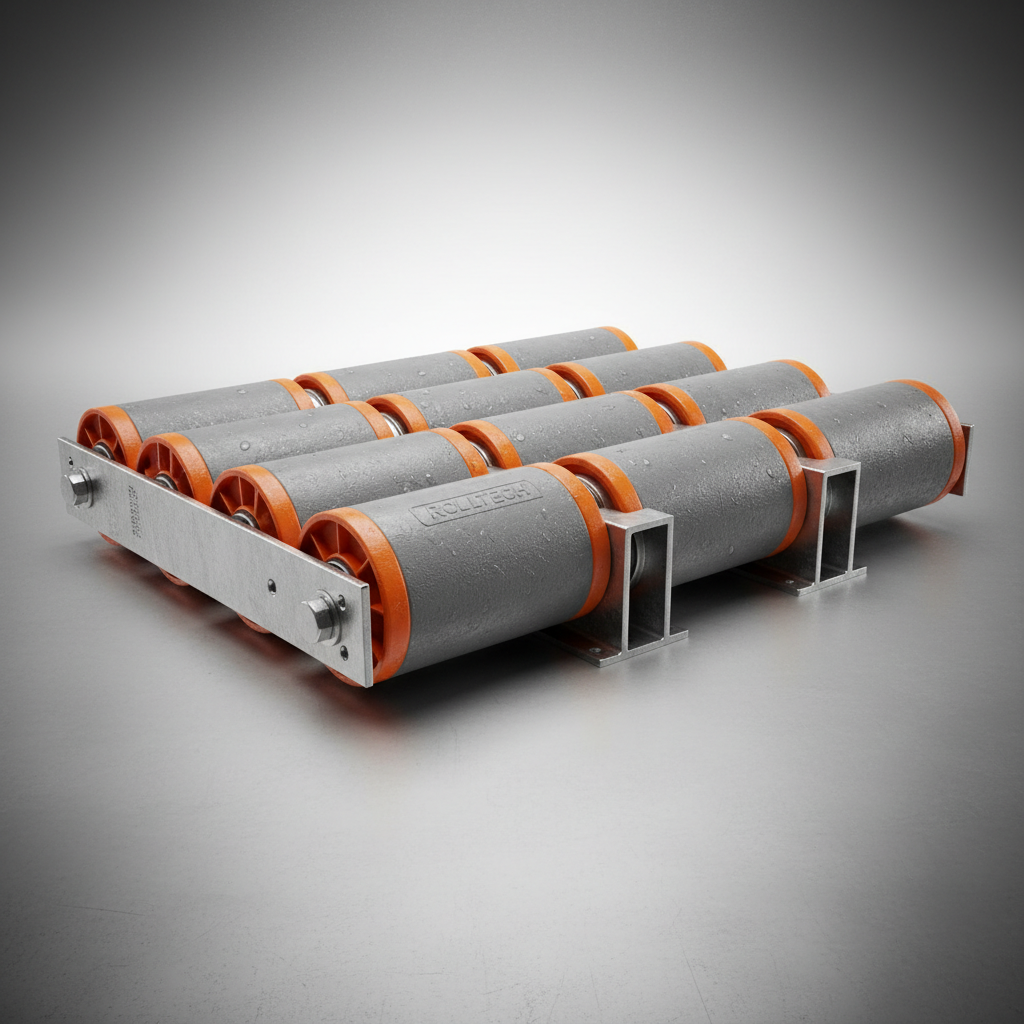
Plastic conveyor rollers are cylindrical components designed to support and move materials along a conveyor system. Unlike traditional metal rollers, plastic rollers are manufactured from various polymers – including polyethylene, polypropylene, and PVC – offering unique advantages in terms of weight, corrosion resistance, and noise reduction. They facilitate the smooth and controlled movement of items, minimizing damage and maximizing efficiency.
Their connection to modern industry is undeniable; they are critical for automating processes in manufacturing, distribution, and logistics. In humanitarian contexts, they can be incorporated into mobile material handling systems for rapid deployment in disaster relief efforts, enabling the quick delivery of essential supplies. Furthermore, their relatively low cost and ease of maintenance make them an accessible solution for businesses of all sizes.
Essentially, plastic conveyor rollers represent a pragmatic solution for transporting goods, bridging the gap between manual labor and fully automated systems. They are a fundamental component in the movement of products across virtually every sector of the economy, impacting both commercial success and humanitarian aid.
Key Factors or Core Components
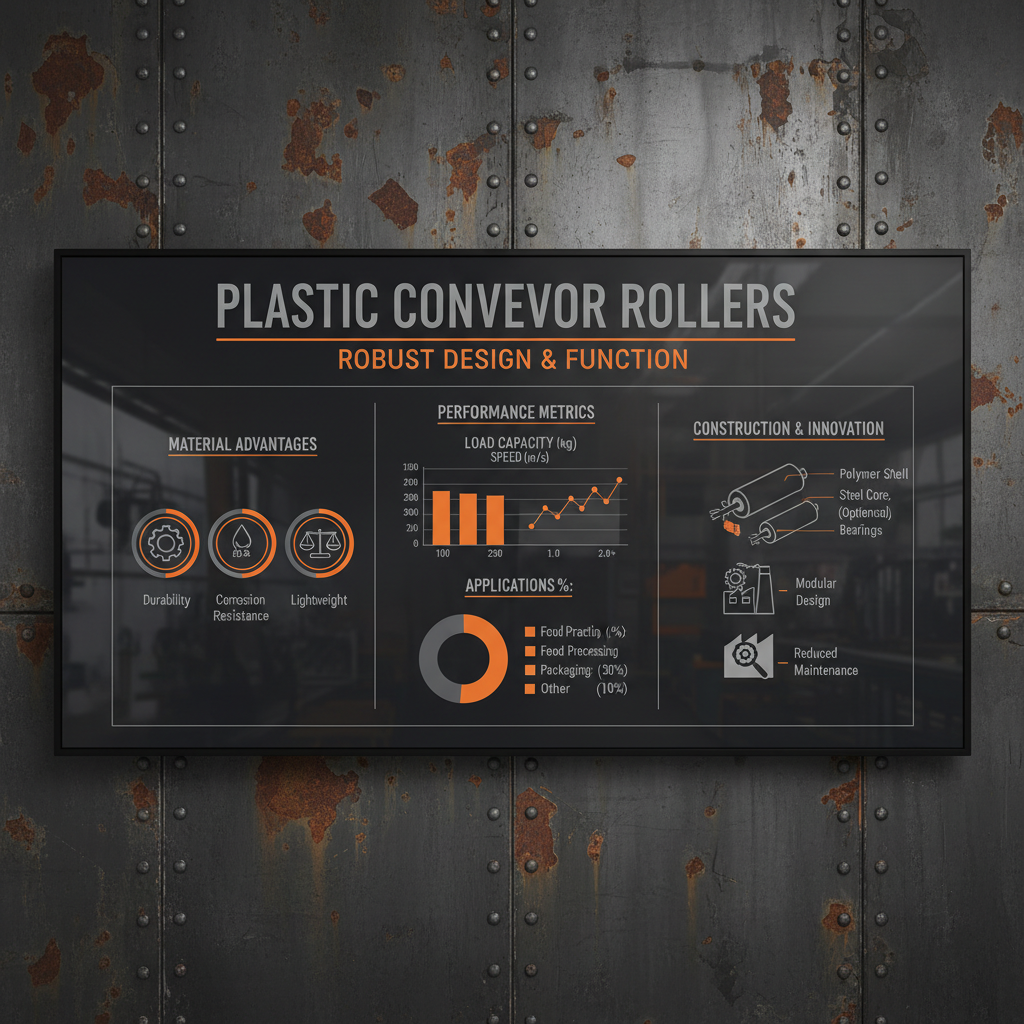
Durability: Plastic conveyor rollers exhibit excellent resistance to wear and tear, corrosion, and impact, making them suitable for harsh operating environments. This durability translates to reduced maintenance costs and longer service life, contributing to a lower total cost of ownership. Different plastic formulations can be chosen to optimize performance based on specific application requirements.
Load Capacity: The load capacity of plastic conveyor rollers is determined by factors like the diameter of the roller, the material used, and the support structure. Selecting rollers with appropriate load capacity is crucial for ensuring safe and efficient operation.
Low Friction: The inherent properties of plastics provide a low-friction surface, minimizing energy consumption and reducing the risk of damage to conveyed materials. This is particularly important when handling delicate or sensitive items.
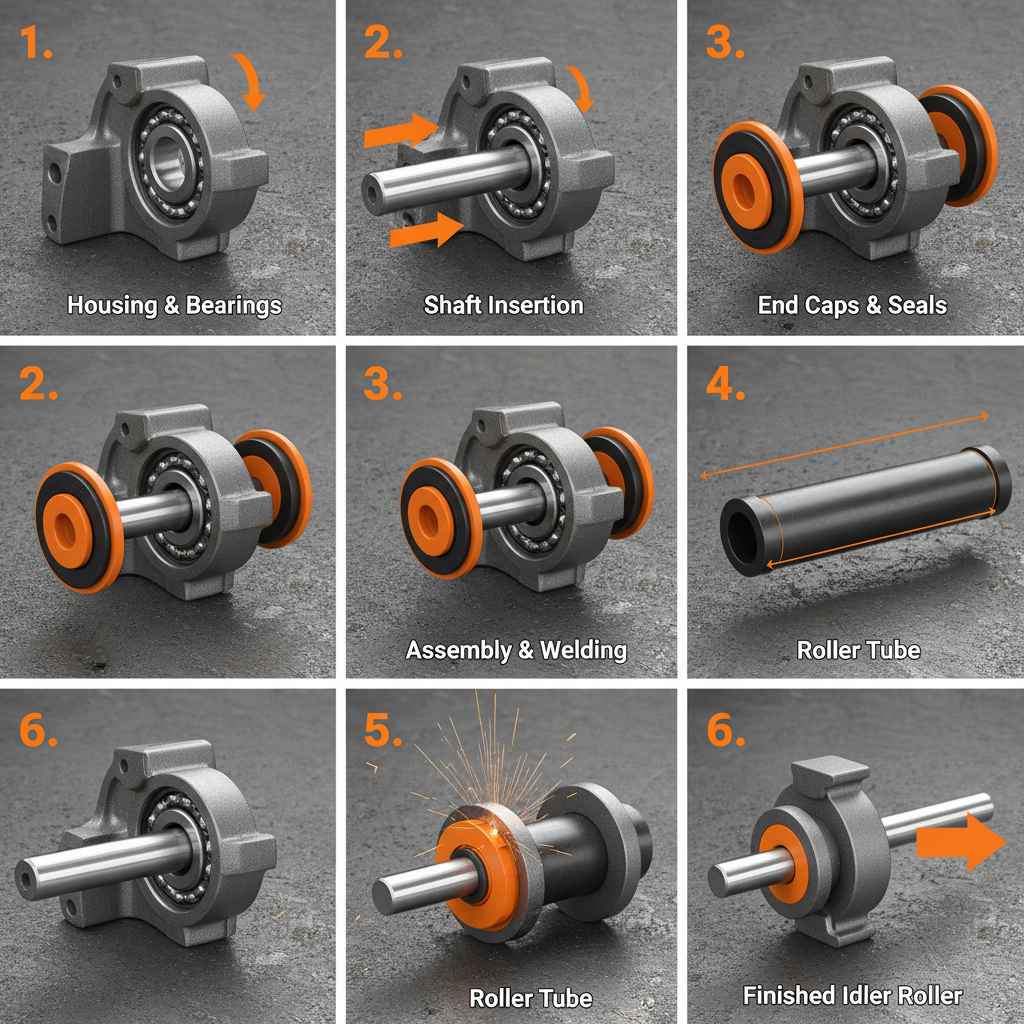
Versatility: Plastic conveyor rollers can be customized in various sizes, lengths, and configurations to meet specific application needs. They can be fitted with different bearing types and end configurations to integrate seamlessly with existing conveyor systems. This adaptability makes them a suitable solution for a wide range of industries.
Noise Reduction: Compared to metal rollers, plastic rollers operate much quieter, creating a more pleasant and productive work environment. This is especially important in environments where noise levels are a concern.
Cost Efficiency: Generally, plastic conveyor rollers are more cost-effective than their metal counterparts, offering a significant advantage for businesses looking to optimize their budget without compromising performance.
Global Applications & Use Cases
Plastic conveyor rollers are ubiquitous in the logistics and warehousing sector. Large distribution centers operated by companies like Amazon and Walmart rely heavily on these rollers to move packages efficiently through sorting and fulfillment processes. In Europe, the food and beverage industry utilizes specialized plastic rollers designed to withstand stringent hygiene standards and resist chemical exposure.
In Asia, particularly in rapidly developing economies like China and India, plastic conveyor rollers are playing a critical role in the expansion of manufacturing capacity. They are found in automotive plants, electronics factories, and textile mills, streamlining production lines and improving throughput. The increasing adoption of automation further drives the demand for reliable conveying systems.
In post-disaster relief operations, lightweight and portable conveyor systems incorporating plastic rollers are deployed to quickly distribute essential supplies to affected populations. In remote industrial zones, where access to maintenance resources may be limited, the durability and low-maintenance requirements of plastic rollers make them an ideal solution.
Plastic Conveyor Roller Performance Comparison
Advantages & Long-Term Value
The advantages of utilizing plastic conveyor rollers extend beyond immediate operational improvements. From a cost perspective, the lower initial investment and reduced maintenance requirements translate to significant long-term savings. The inherent durability of the materials minimizes downtime and replacement costs, maximizing return on investment.
Sustainability is another key benefit. Plastic conveyor rollers are often recyclable, reducing their environmental footprint. Furthermore, their lightweight construction contributes to lower energy consumption during operation, aligning with corporate sustainability goals. The reliability and efficiency gains contribute to increased productivity and profitability, fostering long-term business success.
Future Trends & Innovations
The future of plastic conveyor rollers is intertwined with advancements in materials science and automation technologies. Research into bio-based and biodegradable plastics is gaining momentum, offering sustainable alternatives to traditional polymers. Smart rollers equipped with sensors and IoT connectivity are also emerging, providing real-time data on performance and enabling predictive maintenance.
The integration of artificial intelligence (AI) and machine learning (ML) will further enhance the capabilities of these systems, optimizing conveyor operations and minimizing disruptions. The increasing focus on energy efficiency will drive the development of rollers with even lower friction coefficients and optimized designs.
Challenges & Solutions
One of the primary challenges associated with plastic conveyor rollers is their susceptibility to deformation under heavy loads or extreme temperatures. However, this can be mitigated by selecting appropriate plastic formulations with higher tensile strength and temperature resistance. Proper support structures and load distribution are also crucial.
Another challenge is the potential for static electricity buildup, which can attract dust and debris and potentially interfere with sensitive equipment. This can be addressed by incorporating anti-static additives into the plastic material or by grounding the conveyor system.
Addressing wear and tear over time requires proactive maintenance. Regular inspections, lubrication of bearings, and timely replacement of worn rollers can significantly extend the lifespan of the system and prevent costly downtime. Utilizing advanced monitoring systems can predict potential failures before they occur.
Summary of Challenges and Solutions for Plastic Conveyor Rollers
| Challenge |
Severity (1-10) |
Potential Solution |
Implementation Cost (USD) |
| Deformation under heavy loads |
7 |
High-strength plastic selection |
50-200 |
| Temperature sensitivity |
6 |
Temperature-resistant polymers |
100-300 |
| Static electricity buildup |
5 |
Anti-static additives/grounding |
20-100 |
| Wear and tear over time |
8 |
Regular maintenance/replacement |
50-500 (annual) |
| Incompatibility with certain materials |
4 |
Material compatibility analysis |
10-50 |
| Noise levels in specific applications |
3 |
Noise dampening materials |
30-150 |
FAQS
Plastic conveyor rollers offer several benefits compared to metal. They are lighter, reducing energy consumption and wear on driving equipment. They also resist corrosion, making them ideal for harsh environments. Furthermore, they typically operate more quietly and are generally more cost-effective, especially for lower load applications. The lower coefficient of friction also minimizes damage to conveyed products.
Selecting the appropriate plastic material depends on several factors, including the load capacity required, operating temperature, exposure to chemicals, and abrasion resistance needs. Polyethylene is a good general-purpose option, while polypropylene offers better chemical resistance. PVC is often used for higher load applications. Consulting with a material specialist is recommended for complex applications.
The lifespan of a plastic conveyor roller varies greatly depending on the application and maintenance practices. However, with proper care and lubrication, a well-chosen roller can last for several years, often exceeding the lifespan of comparable metal rollers. Regular inspections and timely replacement of worn components are crucial for maximizing lifespan.
Yes, certain types of plastic conveyor rollers are specifically designed for use in food processing environments. These rollers are manufactured from FDA-approved materials that are non-toxic and easy to clean. They also resist bacterial growth and can withstand frequent washdowns.
Static electricity buildup can be minimized by incorporating anti-static additives into the plastic material or by grounding the conveyor system. Maintaining proper humidity levels in the environment can also help. Regular cleaning to remove dust and debris is also essential.
Regular maintenance is crucial for maximizing the lifespan of plastic conveyor rollers. This includes periodic inspections for wear and tear, lubrication of bearings, cleaning to remove debris, and tightening of fasteners. Addressing minor issues promptly can prevent more significant problems down the line.
Conclusion
Plastic conveyor rollers represent a vital component in modern material handling systems, offering a compelling combination of durability, cost-effectiveness, and versatility. Their widespread adoption across diverse industries – from logistics and manufacturing to food processing and disaster relief – underscores their critical role in optimizing efficiency and reducing operational costs. The ability to customize these rollers to specific application requirements further enhances their value.
Looking ahead, continued innovation in materials science and automation technologies promises to unlock even greater potential for plastic conveyor rollers. By embracing sustainable materials, integrating smart sensors, and leveraging AI-powered optimization, businesses can further enhance the performance, reliability, and environmental footprint of their conveying systems. Visit our website at www.hgconveyorbelt.com to learn more about our range of plastic conveyor rollers and solutions.