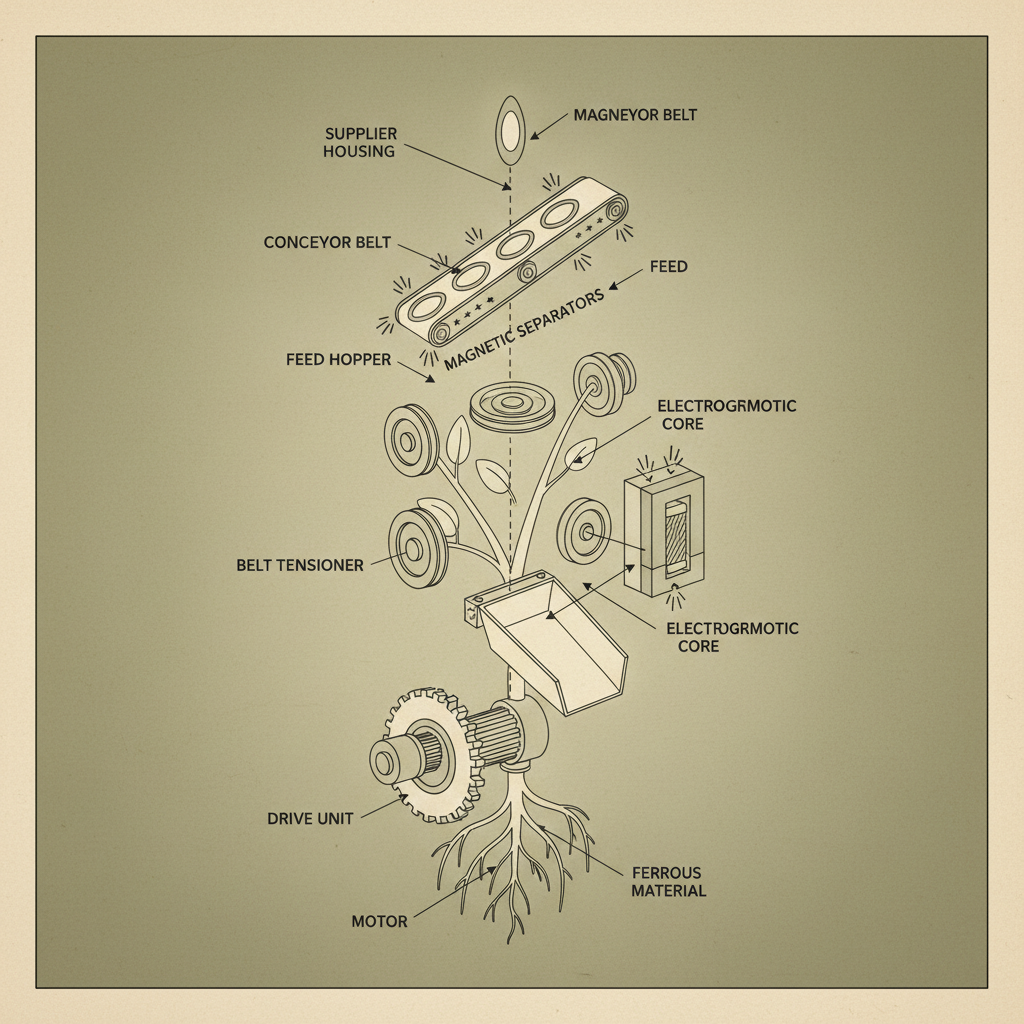
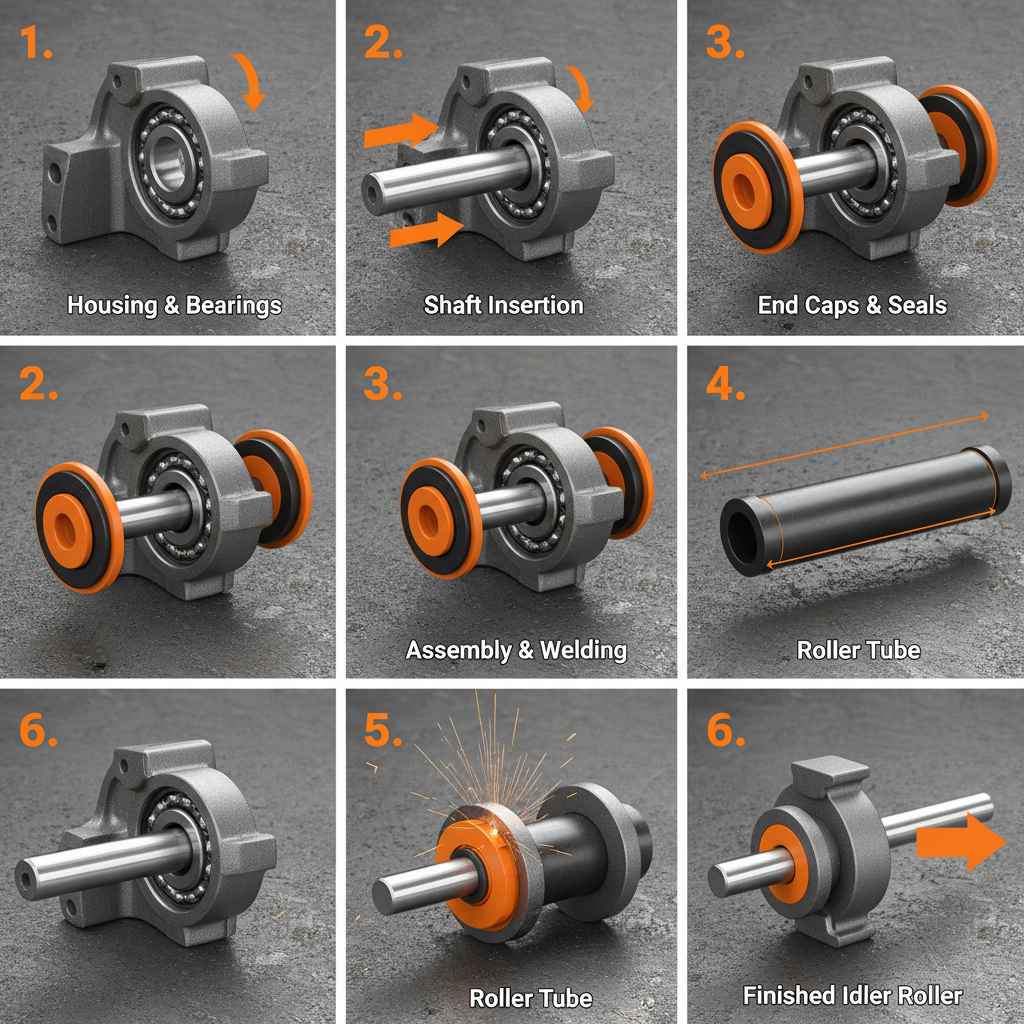
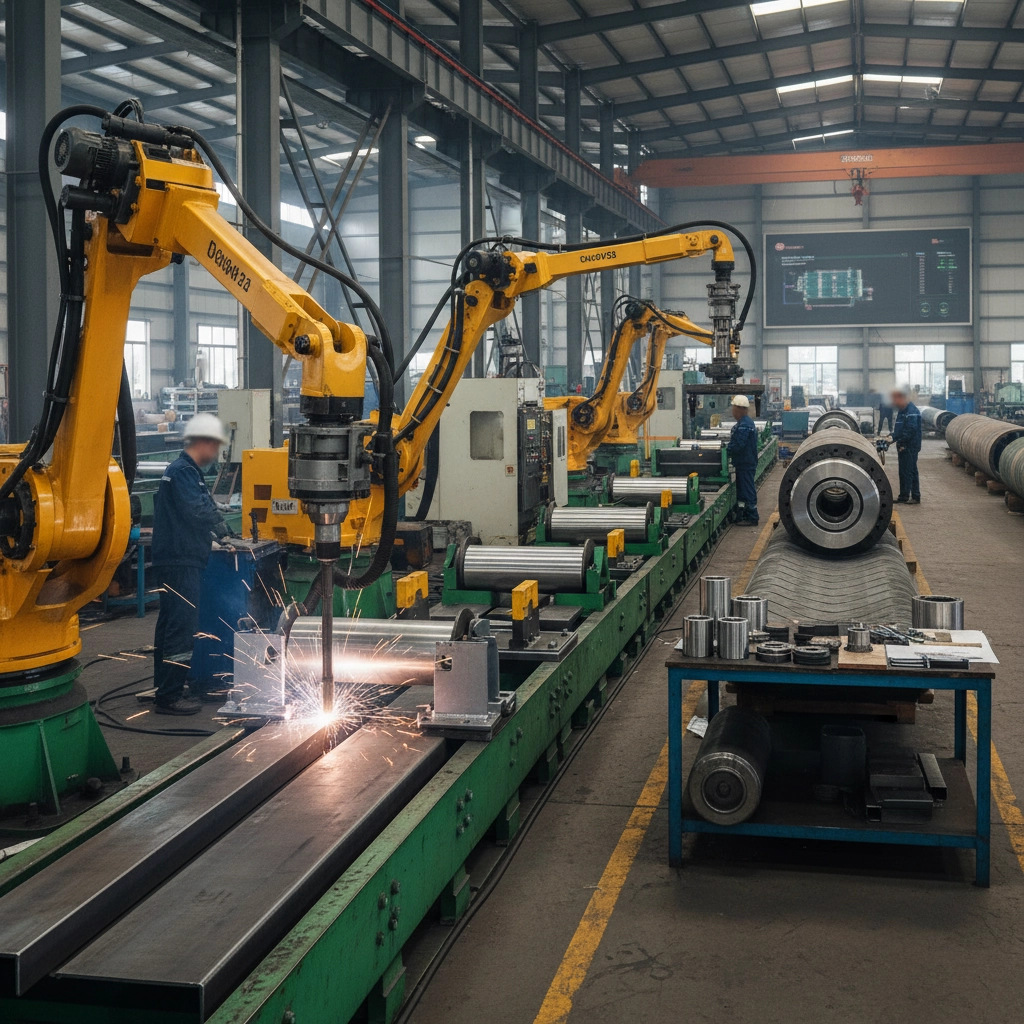
To be honest, these conveyor magnet suppliers… been seeing a shift lately. Everyone's chasing automation, right? But it's not just about slapping a robot arm on things. It's about getting the right magnet, the right strength, for the specific material you're moving. Used to be, ‘strong enough’ was good enough. Now? Now they want pinpoint control, minimal waste. And the demand for high-intensity rare earth magnets? Through the roof.
Have you noticed how many guys are trying to squeeze more out of existing systems? Retrofitting old conveyors with new magnets is huge. It’s cheaper than a complete overhaul, but it’s tricky. You gotta factor in the conveyor speed, the material density, the gap... it's a headache, let me tell you. I encountered this at a steel factory in Ohio last time - they’d bought some cheap magnets online, and they were just… flinging steel everywhere. Waste of money, waste of time, and a real safety hazard.
And it’s not just steel, you know. Everything’s getting separated – plastics, aluminum, even different grades of wood. It's a whole new level of complexity.
The Rising Demand for Specialized Conveyor Magnets
Strangely, I'm seeing more demand for magnets that aren't just about lifting. It's about separation. Specifically, separating ferrous materials from non-ferrous. Recycling plants are driving that, big time. They need to pull out the steel and iron without contaminating the aluminum or copper. It’s gotten really precise.
The whole industry’s getting sophisticated, I guess. More and more suppliers are offering tailored solutions, not just off-the-shelf magnets. Which is good… but it also means you need to know what you're talking about. Otherwise, you'll get sold something that doesn’t fit.
Design Pitfalls and Common Mistakes
One thing I see all the time is underestimating the impact of material buildup. Guys put in a magnet, it works great for a few hours, then it’s covered in dust and grime, and the efficiency drops through the floor. You need to think about self-cleaning mechanisms, or at least easy access for cleaning. That’s crucial.
Another mistake is neglecting the magnetic field gradient. You don’t just want a strong magnet; you want a magnet that has a steep drop-off in strength as you move away from it. That way, you get a clean separation. If the field is too gradual, you end up pulling in a bunch of stuff you don’t want.
And don’t even get me started on corrosion. If you're working in a wet environment, you need to use corrosion-resistant materials. Stainless steel is good, but even that can fail over time.
Material Science: Beyond Just ‘Strong’
You know, it’s not just about Neodymium magnets being “the strongest”. It's about the specific alloy, the coating, and how it’s manufactured. Samarium Cobalt magnets, for example, they’re more brittle but they handle high temperatures way better. Good for foundries, where things get seriously hot.
I remember smelling the epoxy used to coat some magnets at a plant in Germany. It was… pungent. Turns out they were using a cheap epoxy that wasn’t rated for the temperatures involved. The coating started to flake off, and the magnets corroded within weeks. It taught me a valuable lesson: don't skimp on the details.
And the ferrite magnets? They're cheaper, but they lose strength over time, especially if they get exposed to high temperatures or strong magnetic fields. They’re fine for light-duty applications, but not for anything demanding.
Real-World Testing: It's Not All Lab Results
Look, lab tests are good for getting baseline data, but they don't tell you how a magnet will perform in the real world. I’ve seen magnets pass all the lab tests and then completely fail on the shop floor. It's frustrating, to say the least.
What you need is field testing. Put the magnet on the conveyor, run it for a few weeks, and see how it holds up. Monitor the material buildup, measure the separation efficiency, and check for any signs of corrosion or wear. And don't just test it with pristine materials – test it with the dirty, mixed-up stuff you actually get in production.
Conveyor Magnet Supplier Performance: Key Metrics
How Users Actually Employ Conveyor Magnet Systems
It’s funny, you design these systems thinking people will use them exactly as intended. But they don’t. I’ve seen guys use magnets as makeshift clamps, as weights to hold things down, even as doorstops. You gotta design for the unexpected.
And the maintenance… that’s always a challenge. People don't read the manuals. They don't lubricate the moving parts. They just keep running the system until it breaks. Then they call me.
Advantages, Disadvantages, and the Search for Balance
The advantages are obvious, right? Increased efficiency, reduced labor costs, improved safety. But there are downsides. The initial investment can be significant. And you need to factor in the cost of maintenance and repairs.
Anyway, I think the key is finding the right balance between performance, cost, and reliability. You don’t need the most expensive, over-engineered system on the market. You just need something that does the job effectively and doesn’t break down every other week.
Ultimately, it's about minimizing downtime. Because downtime costs money. A lot of money.
Customization and Specialized Applications
Last month, that small boss in Shenzhen who makes smart home devices insisted on changing the interface to , and the result was a three-week delay because the standard magnetic separator we had didn't work with the new housing material. Apparently, it interfered with the Wi-Fi signal!
That’s where customization comes in. We had to work with the supplier to develop a shielded magnet system. It was a pain, but we got it done.
You'd be surprised how often you need to tweak things. Different materials, different conveyor speeds, different environmental conditions… it all affects the performance of the magnet.
A Summary of Common Customization Requests for Conveyor Magnet Suppliers
| Application Area |
Material Compatibility |
Magnetic Strength |
Environmental Considerations |
| Recycling Plants |
Aluminum, Copper, Plastics |
Medium-High |
Dust, Moisture |
| Food Processing |
Stainless Steel Fragments |
High |
Washdown, Hygiene |
| Wood Processing |
Iron Nails, Metal Shavings |
Low-Medium |
Wood Dust, Humidity |
| Foundries |
Molten Metal, Scrap Iron |
Very High |
Extreme Heat, Corrosive Gases |
| Mining Operations |
Iron Ore, Ferrous Alloys |
High |
Abrasive Materials, Wet Conditions |
| Chemical Processing |
Metal Contaminants, Catalyst Recovery |
Medium |
Corrosive Chemicals, Temperature Fluctuations |
FAQS
Honestly? Not understanding their material. You can't just pick a magnet based on price. You need to know the material's composition, density, and magnetic susceptibility. Otherwise, you're just throwing money away. I've seen it happen countless times. They think "magnet is a magnet," but it's way more complex than that.
It depends. A lot. If you're dealing with abrasive materials, or high temperatures, you'll need to replace them more often. Generally, I recommend a visual inspection every six months, and a full performance test every year. If you notice a significant drop in efficiency, it's time for a replacement. Don't wait until things start failing completely.
Permanent magnets, like neodymium, hold their magnetism indefinitely. Electromagnets, well, they need electricity to work. Electromagnets are good if you need to control the magnetic field on and off, or vary its strength. Permanent magnets are simpler and more reliable, but you can't adjust them. It's all about the application.
Safety first! Wear gloves, safety glasses, and appropriate clothing. The best way to clean a magnet depends on the type of material buildup. For light dust, a brush or vacuum cleaner will do. For heavier buildup, you may need to use a solvent or a scraper. But be careful not to damage the magnet or the coating. And always follow the supplier’s instructions.
This is a tricky one. Most conveyor magnets are designed for ferrous materials, and won't directly interact with plastic. However, they can be used to remove ferrous contamination from plastic streams. For separating different types of plastics, you'll likely need other technologies, like eddy current separators. It all depends on what you're trying to achieve.
You're right to notice that. Rare earth magnet prices are heavily influenced by geopolitical factors, supply chain disruptions, and demand from other industries (like electric vehicles). It's a complex market. I recommend locking in prices with your supplier when you can, and building some buffer into your budget to account for potential fluctuations.
Conclusion
So, yeah. Conveyor magnet suppliers… it’s more than just selling magnets. It’s understanding materials, applications, and the challenges people face on the shop floor. It’s about finding the right balance between performance, cost, and reliability. It's a constantly evolving field, driven by the need for greater efficiency, sustainability, and automation.
Ultimately, whether this thing works or not, the worker will know the moment he tightens the screw. And if he's cursing under his breath, then we've failed. If he's nodding and moving on, well, then we've done our job. And if you're looking for suppliers who understand that, check out HG Conveyor Belt. They’ve got a good team and they actually listen.