In the complex landscape of modern industrial logistics, the role of belt conveyor roller manufacturers has become pivotal to ensuring the seamless movement of bulk materials across global supply chains. These components, though often unseen, are the primary points of support and friction management that dictate the overall energy efficiency and lifespan of a conveyor system. Choosing the right manufacturer means balancing mechanical precision with material science to prevent costly downtime in high-stakes environments.
From the depths of open-pit mines to the sterilized environments of pharmaceutical plants, the engineering standards set by leading belt conveyor roller manufacturers directly impact operational safety and throughput. As industries shift toward "Industry 4.0," the demand for rollers that integrate smart monitoring and ultra-low rolling resistance has surged, pushing manufacturers to innovate beyond traditional steel pipes and basic bearings.
Understanding the nuances of roller design—such as the choice between polymer and stainless steel or the integration of precision-sealed bearings—allows plant managers to optimize their Total Cost of Ownership (TCO). By partnering with experienced belt conveyor roller manufacturers, companies can transition from reactive maintenance to predictive strategies, ensuring that their material handling systems remain robust under the most grueling conditions.
The Global Industrial Significance of Roller Engineering
The global reliance on bulk material transport has placed immense pressure on belt conveyor roller manufacturers to produce components that can withstand extreme environmental stress. Whether it is the abrasive dust of a cement plant or the corrosive atmosphere of a chemical facility, the roller is the first line of defense against belt wear and energy loss. In accordance with ISO standards for mechanical components, the precision of the roller's concentricity is what determines if a system runs smoothly or suffers from catastrophic belt misalignment.
Beyond mere hardware, the strategic importance of these manufacturers lies in their ability to reduce the "rolling resistance" of the entire system. Even a minor percentage reduction in friction across thousands of rollers can lead to massive energy savings for a mining operation, directly impacting the carbon footprint and the operational bottom line. This makes the selection of a manufacturer not just a procurement decision, but a sustainability strategy.
Core Technical Components of High-Performance Rollers
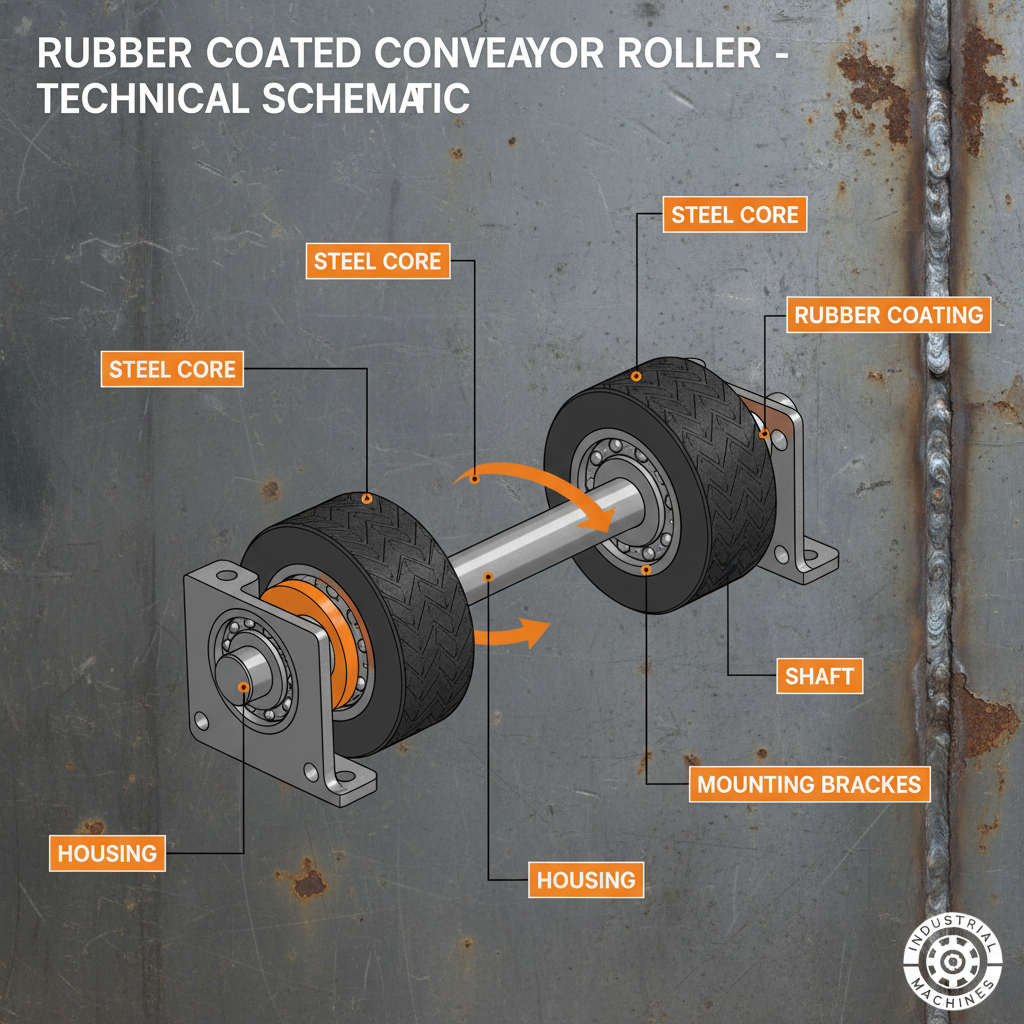
A high-quality roller is a symphony of several critical components, each meticulously sourced by reputable belt conveyor roller manufacturers. The outer shell, available in materials ranging from carbon steel and galvanized steel to HDPE and ceramics, must provide the perfect balance of rigidity and wear resistance. If the shell is too soft, it erodes; if it is too brittle, it cracks under the impact of heavy loads, leading to belt damage.
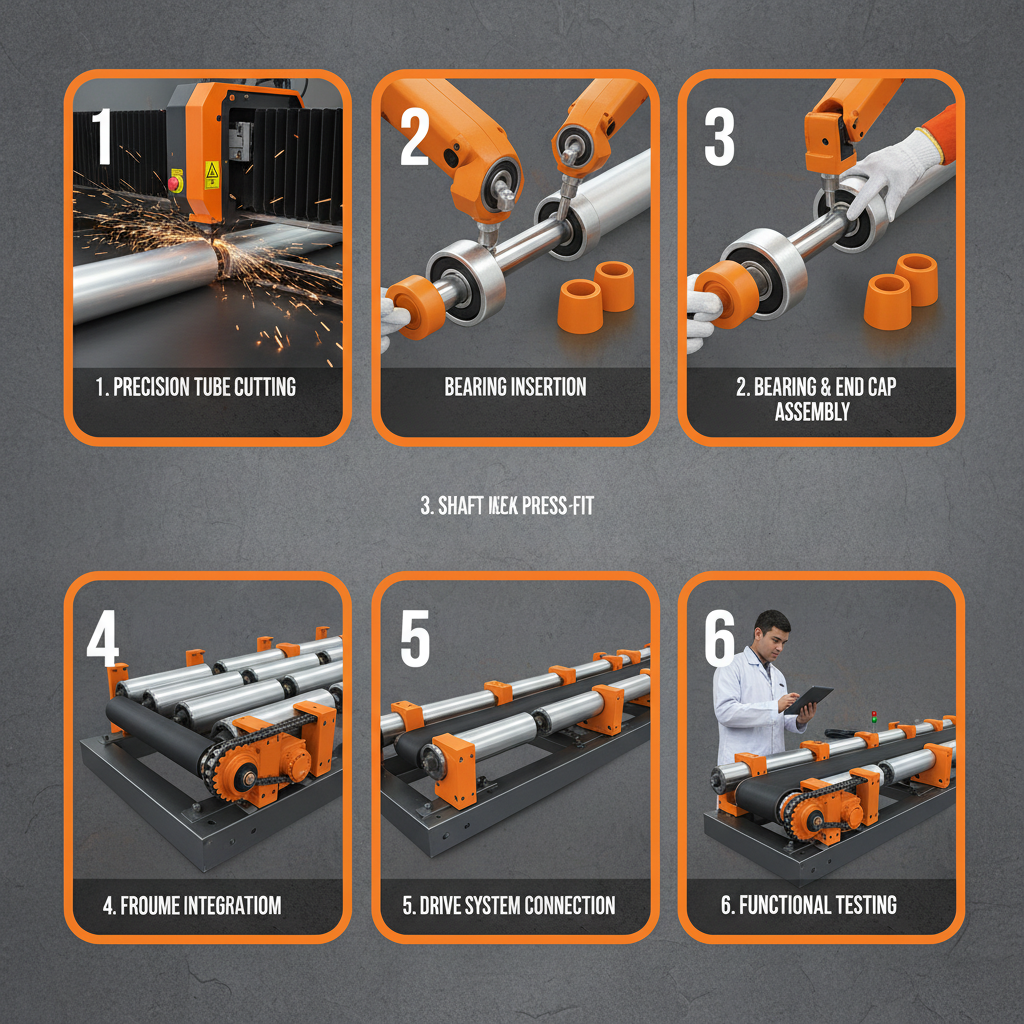
The heart of the roller is the bearing and its housing. Precision-engineered bearings, often paired with high-grade labyrinths or triple-lip seals, ensure that lubricants remain inside while contaminants like water, grit, and chemicals are kept out. Leading manufacturers focus heavily on the "fit" between the bearing and the shaft, as any play in this connection can lead to vibration and premature failure.
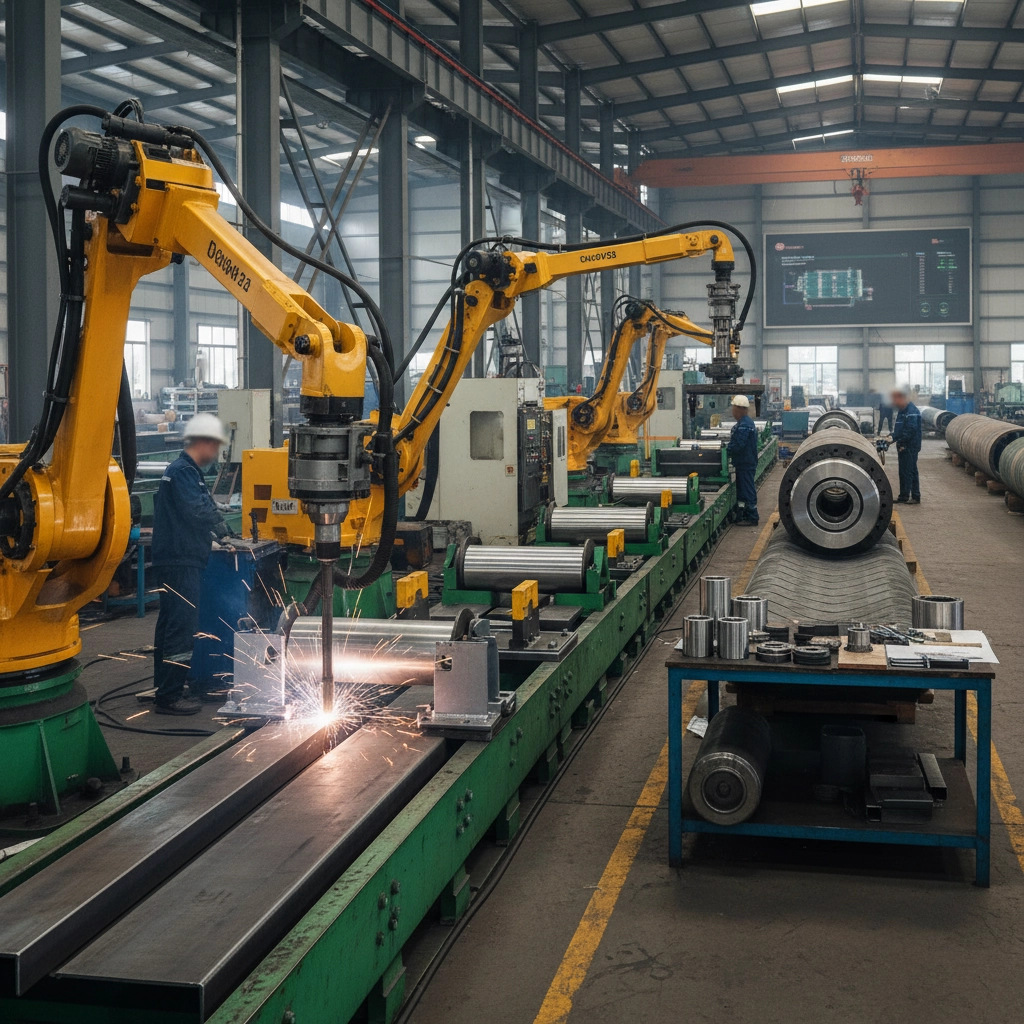
Finally, the shaft and end-caps provide the structural integrity required to maintain the roller's alignment under load. By utilizing advanced welding techniques and precision machining, belt conveyor roller manufacturers ensure that the shaft remains perfectly straight, preventing the "walking" of the conveyor belt which is a common cause of edge fraying and material spillage.
Defining Quality Standards for Roller Manufacturers
When evaluating belt conveyor roller manufacturers, the primary benchmark is the consistency of the manufacturing process. Quality is not defined by a single perfect sample, but by the statistical variance across a batch of ten thousand units. This involves rigorous testing for shell roundness, weld penetration, and bearing torque to ensure every single roller performs identically.
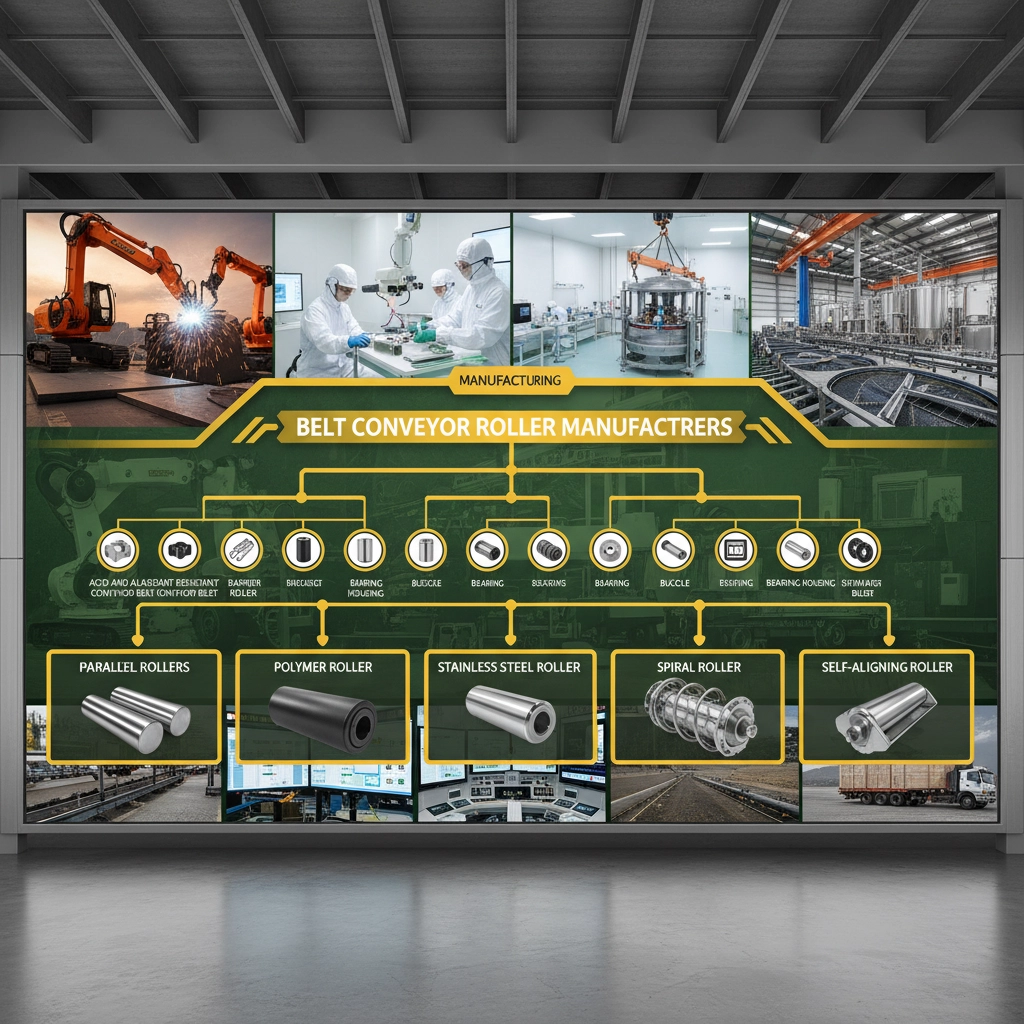
Furthermore, the ability of belt conveyor roller manufacturers to provide customized solutions—such as acid and alkali resistant coatings or reinforced impact idlers—separates the market leaders from generic suppliers. The integration of specialized materials like polymer or ceramic ensures that the rollers can survive in environments where traditional steel would fail within weeks.
Ultimately, the gold standard for any manufacturer is the verification of their E-E-A-T (Experience, Expertise, Authoritativeness, and Trustworthiness). This is evidenced through certifications, documented case studies in harsh environments, and a transparent quality control process that allows clients to trace the origin of the raw materials used in their conveyor parts.
Performance Metrics and Efficiency Benchmarks
To objectively compare different belt conveyor roller manufacturers, industry experts look at specific KPIs: the Coefficient of Rolling Resistance (CRR), Mean Time Between Failures (MTBF), and the noise emission levels (dB). A lower CRR means the motor requires less torque to move the belt, which translates directly into lower electricity costs.
Modern manufacturers are now benchmarking their products against "smart" standards, where sensors are embedded to detect bearing temperature or vibration levels. This shift allows operators to replace a roller exactly when it needs replacing, rather than following a rigid, often inefficient, calendar-based maintenance schedule.
Comparison of Roller Material Performance by Manufacturers
Global Applications Across Diverse Industrial Sectors
The versatility of products from belt conveyor roller manufacturers allows them to serve an incredibly broad range of industries. In the mining sector, heavy-duty impact idlers are used to absorb the shock of falling ores, protecting the belt from punctures. In contrast, food processing plants utilize stainless steel rollers and specialized polymer coatings to meet stringent FDA and hygiene standards, ensuring no contaminants leach into the product.
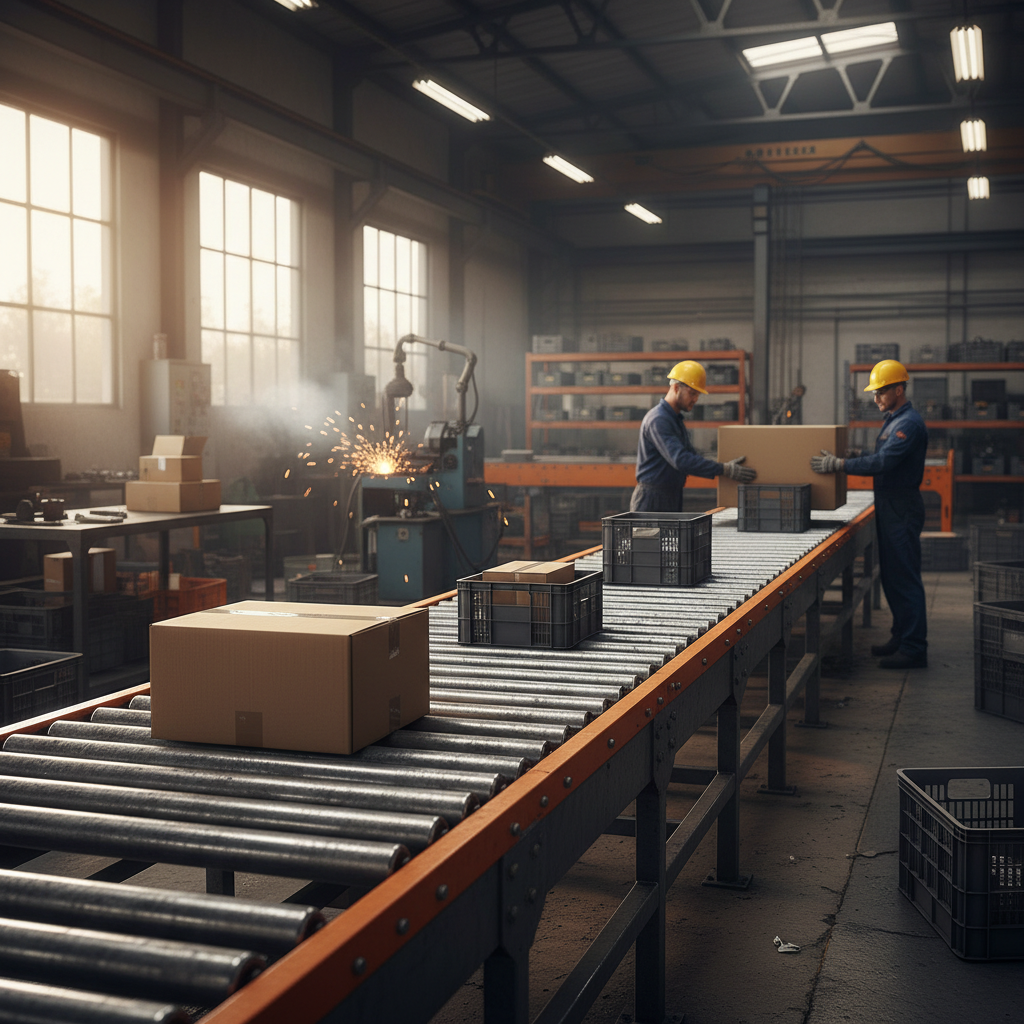
Beyond traditional factories, these components are essential in logistics hubs and airport baggage handling systems. In these high-speed environments, the focus shifts to low-noise operation and high-cycle reliability. Whether it's a telescopic conveyor in a warehouse or a large-scale mining conveyor in the Australian outback, the engineering logic remains the same: minimizing friction and maximizing uptime.
Long-Term Value and Sustainable Integration
Investing in premium components from established belt conveyor roller manufacturers provides value that extends far beyond the initial purchase price. The logical angle is simple: a cheap roller that fails every six months costs more in labor and downtime than a premium roller that lasts three years. This "Life Cycle Cost" (LCC) approach is now the standard for professional procurement officers.
From an emotional and safety perspective, reliable rollers prevent belt snaps and material spills, which can be hazardous to personnel on the ground. The peace of mind that comes from knowing a system is built with precision-engineered parts allows operators to focus on production rather than crisis management, fostering a culture of trust and stability within the workplace.
Furthermore, sustainability is integrated through the use of recyclable materials and the reduction of lubricant leakage. Modern manufacturers are developing "lubricated-for-life" bearings that eliminate the need for manual greasing, reducing both the risk of environmental contamination and the exposure of workers to hazardous chemicals.
Future Innovations in Conveyor Roller Technology
The future of the industry is being shaped by a transition toward "intelligent" hardware. Leading belt conveyor roller manufacturers are experimenting with IoT-enabled rollers that can communicate their health status in real-time. By measuring vibrations and temperature, these rollers can alert a central control room to a pending failure, effectively eliminating unscheduled downtime.
Material science is also evolving, with the introduction of graphene-enhanced polymers and advanced composite shells that offer the strength of steel with a fraction of the weight. This reduction in "dead weight" allows the conveyor motor to consume less energy, contributing to the overall green transformation of the manufacturing sector.
Additionally, we are seeing a rise in modular designs that allow for "plug-and-play" replacement of bearings and seals without removing the entire roller from the frame. This innovation significantly reduces the time required for maintenance and lowers the barrier for onsite repairs in remote industrial zones.
Technical Comparison of Roller Material Specifications
| Material Type |
Wear Resistance (1-10) |
Corrosion Resistance |
Typical Use Case |
| Carbon Steel |
6 |
Low |
General Purpose |
| Stainless Steel |
8 |
Very High |
Food & Pharma |
| HDPE Polymer |
5 |
High |
Wet Environments |
| Ceramic Coated |
10 |
Medium |
Abrasive Mining |
| Galvanized Steel |
7 |
Medium |
Outdoor Storage |
| Rubber Coated |
6 |
Medium |
Fragile Material |
FAQS
The choice depends primarily on your environment. Steel rollers are ideal for high-load, heavy-duty applications where structural rigidity is paramount. Polymer rollers, however, are superior in corrosive or wet environments as they don't rust and often offer lower noise levels. Consider the material being transported and the ambient humidity to make the final decision.
Lifespan varies wildly based on the quality of the manufacturer and the aggressiveness of the material. Standard steel rollers might last 6-12 months, whereas ceramic-coated rollers from premium belt conveyor roller manufacturers can last 3-5 years in similar conditions. Regular lubrication and alignment checks can further extend this lifespan.
While technically possible, it is not recommended. Different manufacturers may have slight variations in diameter or bearing friction, which can lead to uneven belt tension and increased wear. For maximum efficiency and easier spare parts management, it is best to standardize on a single trusted manufacturer.
Roller freeze occurs when contaminants enter the bearing housing and solidify, stopping the roller from turning. Top belt conveyor roller manufacturers prevent this by using multi-stage labyrinth seals and high-quality synthetic greases that maintain viscosity across a wide temperature range, ensuring the bearing remains sealed.
Yes, many manufacturers now offer rollers made from recycled polymers or use lead-free galvanized coatings. Additionally, the move toward "ultra-low friction" designs helps reduce the carbon footprint of the entire facility by decreasing the energy required to drive the conveyor belt.
For critical systems, a monthly visual inspection is recommended. Look for signs of shell thinning, audible bearing noise, or belt tracking issues. If you use smart rollers from advanced belt conveyor roller manufacturers, you can rely on automated sensor alerts for a more precise maintenance schedule.
Conclusion
In summary, the selection of belt conveyor roller manufacturers is a critical decision that impacts everything from daily operational costs to long-term facility safety. By focusing on material science, precision engineering, and a total-cost-of-ownership approach, companies can transform their material handling from a maintenance burden into a competitive advantage. The integration of high-quality rollers ensures reduced energy consumption, minimal downtime, and a significantly extended lifespan for the conveyor belt itself.
Looking ahead, the industry is moving toward a more sustainable and intelligent future. Embracing innovations such as IoT monitoring and advanced composite materials will allow businesses to achieve unprecedented levels of efficiency. We suggest that operators conduct a comprehensive audit of their current roller performance and partner with a manufacturer that prioritizes both technical excellence and environmental responsibility. For world-class conveyor solutions, visit our website: www.hgconveyorbelt.com