0%

Table of Contents

Rubber coated conveyor rollers are essential components in modern material handling systems, playing a crucial role in industries ranging from manufacturing and logistics to food processing and mining. Their ability to efficiently and reliably transport goods and materials makes them indispensable for streamlining operations and reducing labor costs. The global demand for these rollers is consistently high, fueled by increasing industrialization and the growth of e-commerce. Understanding the nuances of rubber coated conveyor rollers – their construction, applications, and maintenance – is vital for optimizing production processes and ensuring operational efficiency.

The significance of rubber coated conveyor rollers extends beyond simple material conveyance. They contribute directly to workplace safety by minimizing manual handling and reducing the risk of injuries. Moreover, the selection of appropriate rubber coatings can significantly impact energy consumption and noise levels within a facility, promoting a more sustainable and comfortable working environment. As industries continue to prioritize sustainability and operational excellence, the demand for advanced rubber coated conveyor rollers will only increase.

Ultimately, a comprehensive understanding of rubber coated conveyor rollers empowers businesses to make informed decisions regarding their material handling infrastructure. By carefully considering factors like load capacity, environmental conditions, and the specific properties of different rubber compounds, organizations can unlock significant cost savings, improve productivity, and enhance overall operational performance. Investing in quality rubber coated conveyor rollers is therefore a strategic imperative for businesses seeking a competitive edge in today’s dynamic marketplace.
Optimizing Material Handling with Durable Rubber Coated Conveyor Rollers

The Importance of Rubber Coated Conveyor Rollers

Optimizing Material Handling with Durable Rubber Coated Conveyor Rollers

Rubber coated conveyor rollers are not merely supporting elements; they are integral to the efficiency and reliability of entire production lines. Their primary function is to provide a low-friction surface for conveying materials, minimizing energy consumption and reducing wear and tear on the conveyor belt. The quality of the rubber coating directly impacts the lifespan of the rollers and the overall performance of the system.

Furthermore, the selection of the appropriate rubber compound is critical for meeting specific application requirements. Factors such as temperature, chemical exposure, and abrasive materials must be carefully considered to ensure optimal performance and longevity of the rubber coated conveyor rollers. The right choice can prevent costly downtime and maintain consistent throughput.

Defining Rubber Coated Conveyor Rollers

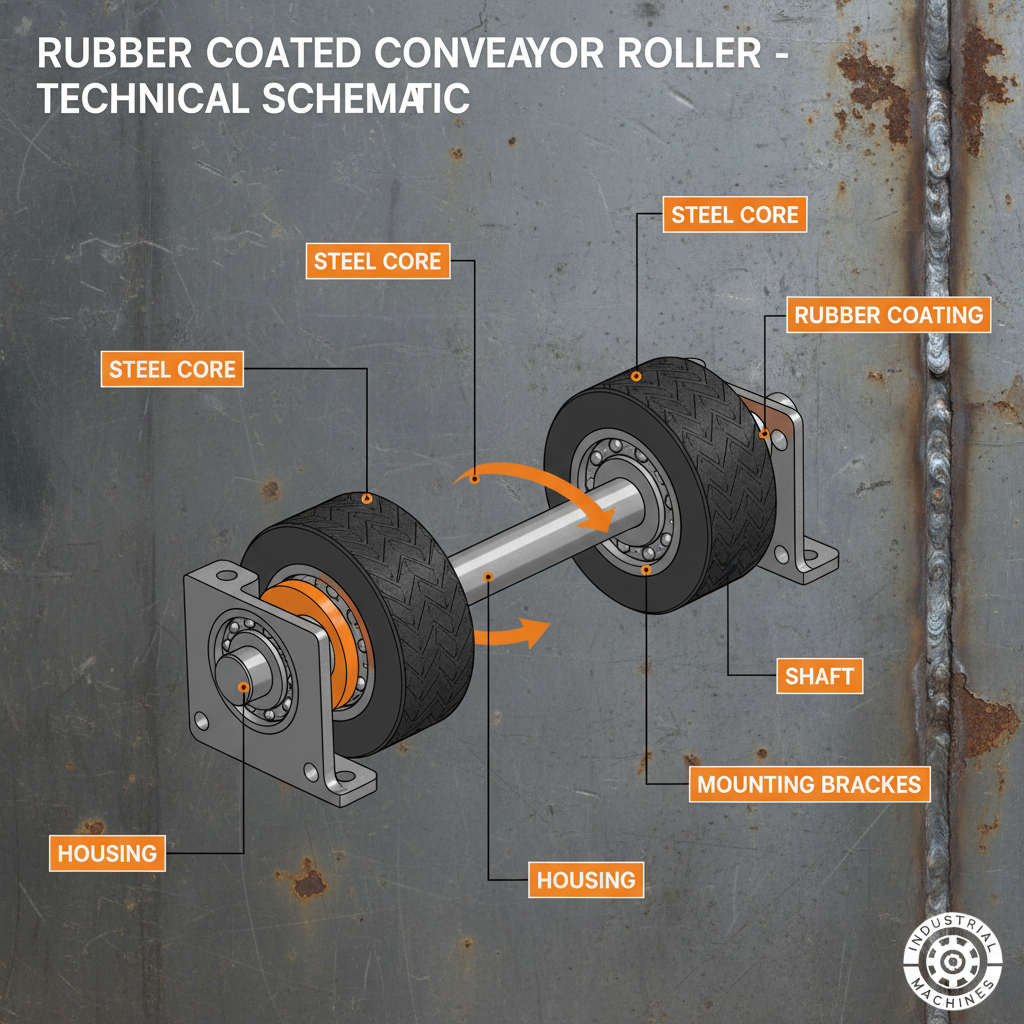
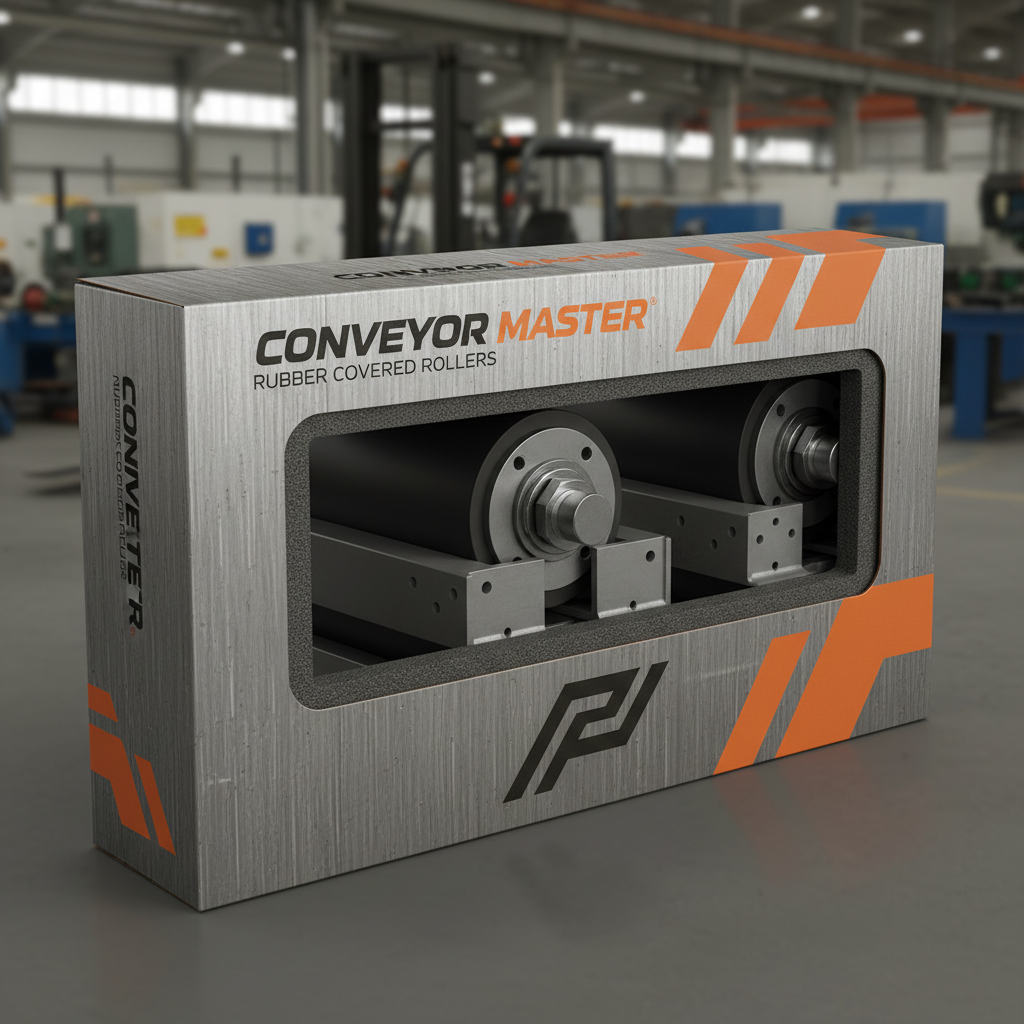
Rubber coated conveyor rollers are cylindrical components used within conveyor systems to support the conveyor belt and facilitate the smooth movement of materials. They consist of a core material – typically steel or aluminum – overlaid with a layer of rubber. This rubber coating provides the necessary friction and cushioning to protect both the belt and the conveyed materials from damage.

The core provides the structural integrity, while the rubber coating imparts the functional properties. Modern conveyor systems frequently utilize these rollers in a variety of configurations – driven, idler, and tapered – each serving a specific purpose within the overall conveying process. The design and composition of rubber coated conveyor rollers are directly tied to optimizing material flow and reducing operational costs.

These rollers are fundamental to industries handling bulk materials, packages, and manufactured goods, effectively bridging the gap between automated processes and physical material transport. The enduring utility of rubber coated conveyor rollers positions them as a core technology in modern logistical and manufacturing infrastructure.

Key Components and Material Science

The core of a rubber coated conveyor roller is most commonly constructed from steel, providing strength and durability. However, aluminum cores are used in applications requiring lighter weight or corrosion resistance. The selection of core material impacts the roller's load capacity and suitability for specific environments.

The rubber coating itself is where material science plays a crucial role. Various rubber compounds – including natural rubber, SBR (Styrene-Butadiene Rubber), NBR (Nitrile Butadiene Rubber), and EPDM (Ethylene Propylene Diene Monomer) – are used depending on the application. Natural rubber offers excellent abrasion resistance, while NBR provides resistance to oils and chemicals. EPDM is ideal for high-temperature applications. Careful consideration of these properties ensures optimal performance and longevity of the rubber coated conveyor rollers.

The bonding process between the rubber and the core is equally important. Proper adhesion is essential to prevent delamination and ensure the roller functions effectively over its lifespan. Modern bonding techniques, including chemical adhesives and vulcanization, are employed to create a robust and durable connection.

Performance Characteristics of Rubber Coated Rollers

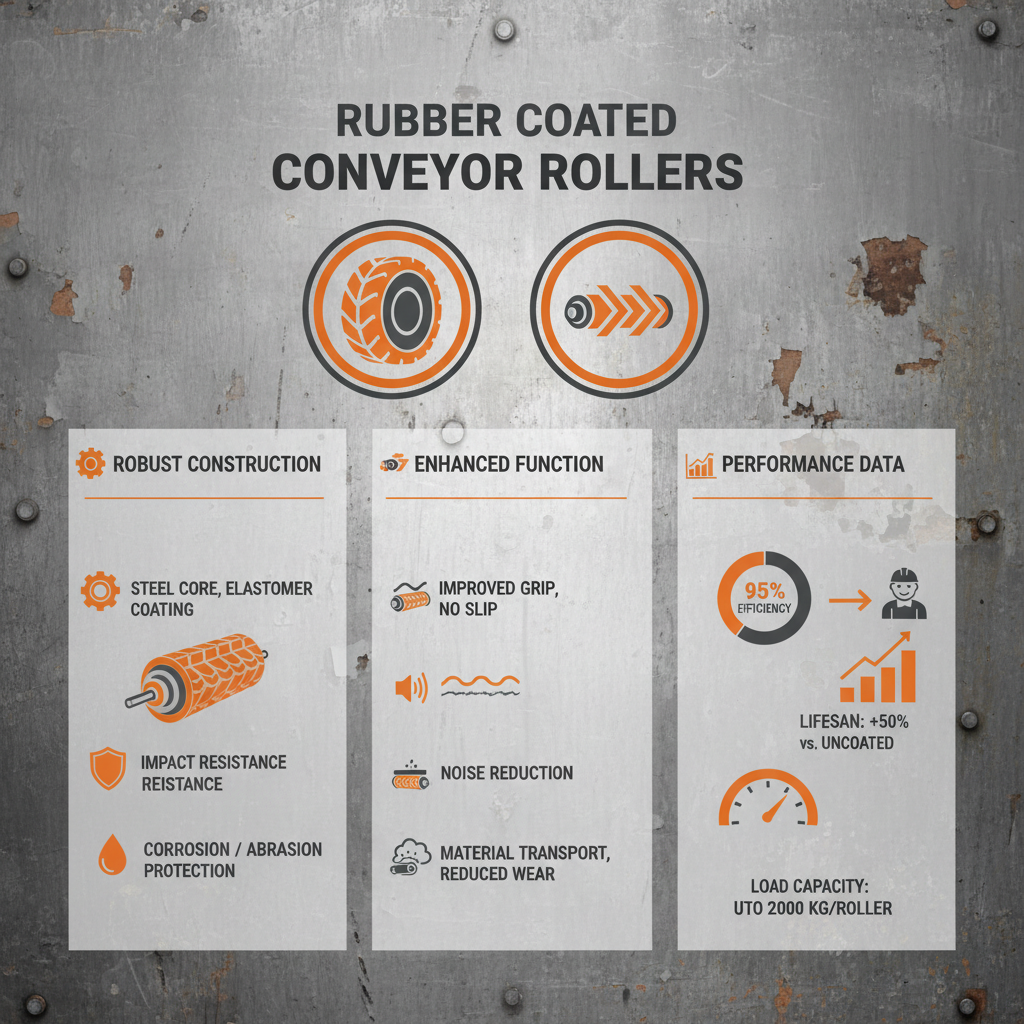
The performance of rubber coated conveyor rollers is defined by several key characteristics. Friction coefficient is paramount, influencing the energy required to move materials and the potential for belt slippage. Abrasion resistance dictates the roller’s lifespan, especially when handling abrasive materials.

Rubber Coated Conveyor Roller Performance Metrics


Global Applications and Industry Sectors

Rubber coated conveyor rollers are ubiquitous across numerous industries. In logistics and warehousing, they form the backbone of automated sorting and distribution systems, enabling efficient package handling. Mining operations rely heavily on these rollers to transport ore and other bulk materials over long distances.

The food processing industry utilizes sanitary-grade rubber coated conveyor rollers to maintain hygiene standards while conveying food products. Manufacturing plants employ them in assembly lines to move components and finished goods. From airports handling baggage to postal services sorting mail, the applications are vast and diverse.

Benefits and Long-Term Value Proposition

Investing in high-quality rubber coated conveyor rollers yields significant long-term benefits. Reduced maintenance costs are a key advantage, as durable rollers require less frequent replacement. Improved energy efficiency translates to lower operating expenses. Enhanced safety minimizes the risk of workplace accidents.

Furthermore, the reliability of these rollers contributes to increased production uptime and reduced downtime, maximizing overall operational efficiency. The initial investment is quickly offset by these long-term savings and improvements, making rubber coated conveyor rollers a cost-effective solution for material handling needs.

Future Trends and Technological Advancements

The future of rubber coated conveyor rollers is poised for innovation. Research is focused on developing new rubber compounds with enhanced abrasion resistance, chemical resistance, and temperature tolerance. Smart rollers equipped with sensors are emerging, providing real-time data on load, speed, and temperature, enabling predictive maintenance and optimizing performance.

Automation and integration with IoT (Internet of Things) platforms are also driving advancements, allowing for remote monitoring and control of conveyor systems. The pursuit of sustainable materials and manufacturing processes is gaining momentum, with a growing emphasis on using recycled rubber and reducing the environmental impact of production.

Overview of Performance Factors in Rubber Coated Conveyor Rollers

Rubber Compound Type Load Capacity (kg) Abrasion Resistance (1-10) Operating Temperature (°C)
Natural Rubber 500 9 -20 to 80
SBR 400 7 -30 to 90
NBR 300 6 -40 to 120
EPDM 450 8 -50 to 150
Polyurethane 600 10 -30 to 100
Silicone Rubber 250 5 -60 to 200

FAQS

What is the typical lifespan of rubber coated conveyor rollers?

The lifespan of rubber coated conveyor rollers varies significantly based on application, material handled, and maintenance practices. Generally, well-maintained rollers can last between 3 to 7 years. Factors like abrasive materials, chemical exposure, and temperature fluctuations can shorten this lifespan. Regular inspection and timely replacement of worn rollers are crucial for preventing downtime and maintaining system efficiency.

How do I choose the right rubber compound for my application?

Selecting the appropriate rubber compound requires careful consideration of the materials being conveyed, the operating environment, and the desired performance characteristics. For abrasive materials, natural rubber is a good choice. For oil resistance, NBR is preferred. For high temperatures, EPDM is suitable. Consulting with a conveyor roller specialist can ensure you choose the optimal compound for your specific needs.

What maintenance is required for rubber coated conveyor rollers?

Regular maintenance is key to extending the lifespan of rubber coated conveyor rollers. This includes periodic inspection for wear and tear, cleaning to remove debris and buildup, and lubrication of bearings. Monitoring belt tension and alignment is also crucial. Addressing minor issues promptly can prevent more significant problems and costly downtime.

Can rubber coated conveyor rollers be repaired?

Depending on the extent of the damage, some rubber coated conveyor rollers can be repaired. Minor surface damage can often be addressed with specialized rubber repair compounds. However, significant damage to the core or extensive rubber delamination typically necessitates roller replacement. The cost of repair versus replacement should be carefully evaluated.

What are the environmental considerations when disposing of old rollers?

Disposing of old rubber coated conveyor rollers requires adherence to local environmental regulations. Many recycling facilities can reclaim the steel core. The rubber coating may be recyclable depending on the compound type. Proper disposal ensures responsible environmental stewardship and minimizes landfill waste.

How do smart rollers improve conveyor system efficiency?

Smart rollers, equipped with sensors, provide real-time data on critical parameters like load, speed, and temperature. This data enables predictive maintenance, allowing you to address potential issues before they lead to downtime. Smart rollers also facilitate optimized system performance by providing insights into material flow and energy consumption.

Conclusion

Rubber coated conveyor rollers represent a foundational technology in modern material handling, driving efficiency, safety, and reliability across diverse industries. Their importance extends beyond simple conveyance, influencing operational costs, energy consumption, and workplace safety. Understanding the nuances of rubber compound selection, core materials, and proper maintenance is crucial for maximizing their long-term value.

As technology continues to advance, innovations in smart rollers and sustainable materials promise to further enhance the performance and environmental footprint of these essential components. Investing in high-quality rubber coated conveyor rollers and adopting proactive maintenance strategies will remain vital for organizations seeking a competitive edge in today's demanding marketplace. For all your rubber coated conveyor roller needs, visit our website: www.hgconveyorbelt.com.

Daniel Wilson

Daniel Wilson

Daniel Wilson is a Regional Sales Manager for Hebei Roule Conveyor Machinery, responsible for expanding our presence in the chemical engineering and related industries across the US. He leverages his extensive knowledge of conveyor belt systems and supporting accessories to consult with clients and provide tailored solutions. Daniel has a
Previous Revolutionizing Material Handling with Advanced Magnetic Conveyor Roller Systems
Next Optimizing Material Handling with Advanced Grooved Conveyor Rollers