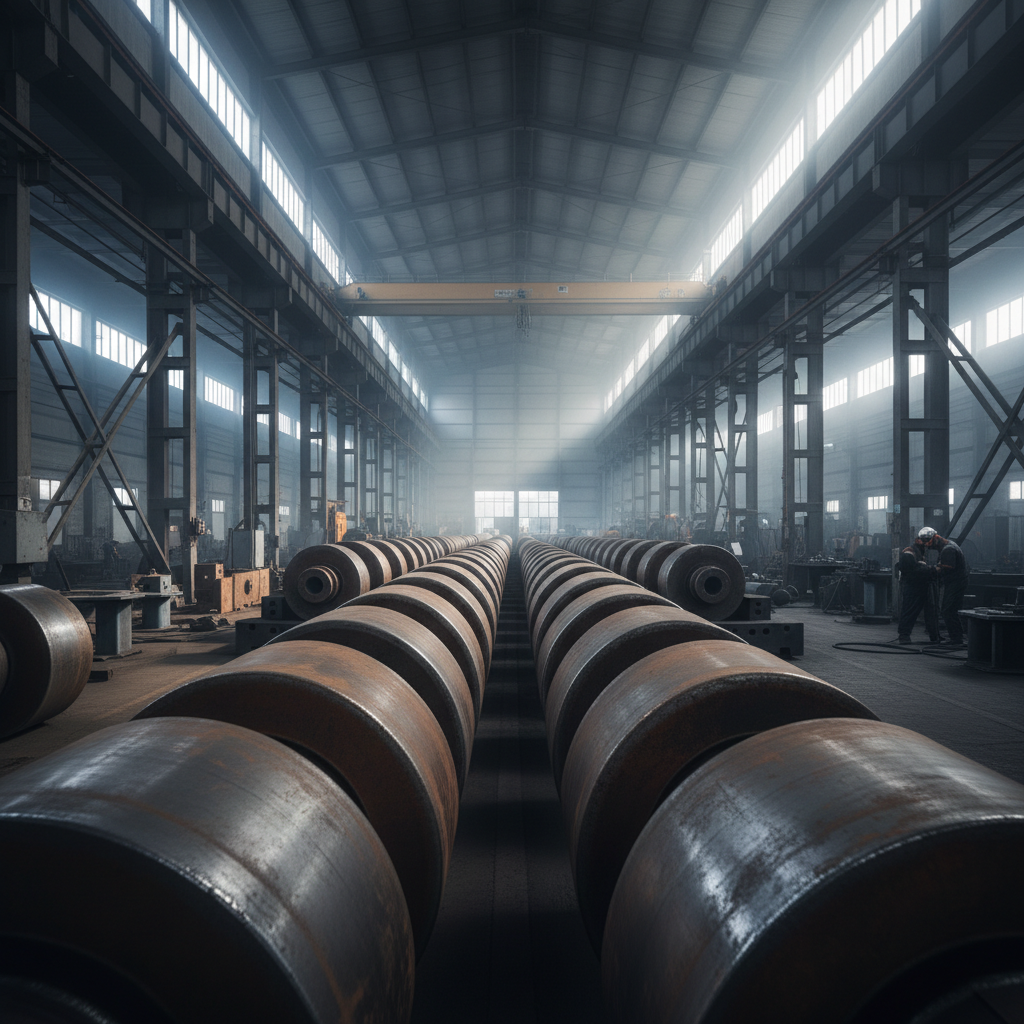
In the demanding world of bulk material handling, the efficiency of a system often hinges on the smallest components. aggregate conveyor rollers serve as the critical interface between the conveyor belt and the structural frame, ensuring that heavy loads of crushed stone, sand, and gravel move seamlessly across vast distances. Without high-quality rollers, the friction increases, belt wear accelerates, and the overall productivity of the mining or construction site plummets.
Across the global infrastructure landscape, the demand for optimized material transport has never been higher. From massive quarrying operations in Australia to urban construction projects in Southeast Asia, the implementation of specialized aggregate conveyor rollers allows operators to reduce downtime and lower energy consumption. By minimizing rolling resistance, these components directly impact the operational cost of moving millions of tons of aggregate annually.
Understanding the nuances of roller selection—ranging from material composition to bearing precision—is essential for any plant manager aiming for sustainable growth. This guide explores the technical architecture, global applications, and future innovations of aggregate conveyor rollers, providing a comprehensive roadmap for enhancing the reliability and lifespan of your continuous conveying systems.
Global Industry Context of Aggregate Conveyor Rollers
The global aggregate industry is the backbone of modern civilization, providing the raw materials necessary for roads, bridges, and skyscrapers. As urbanization accelerates, particularly in emerging economies, the throughput requirements for quarries and cement plants have reached unprecedented levels. In this high-pressure environment, aggregate conveyor rollers are no longer viewed as simple consumables but as strategic assets that determine the uptime of an entire production line.
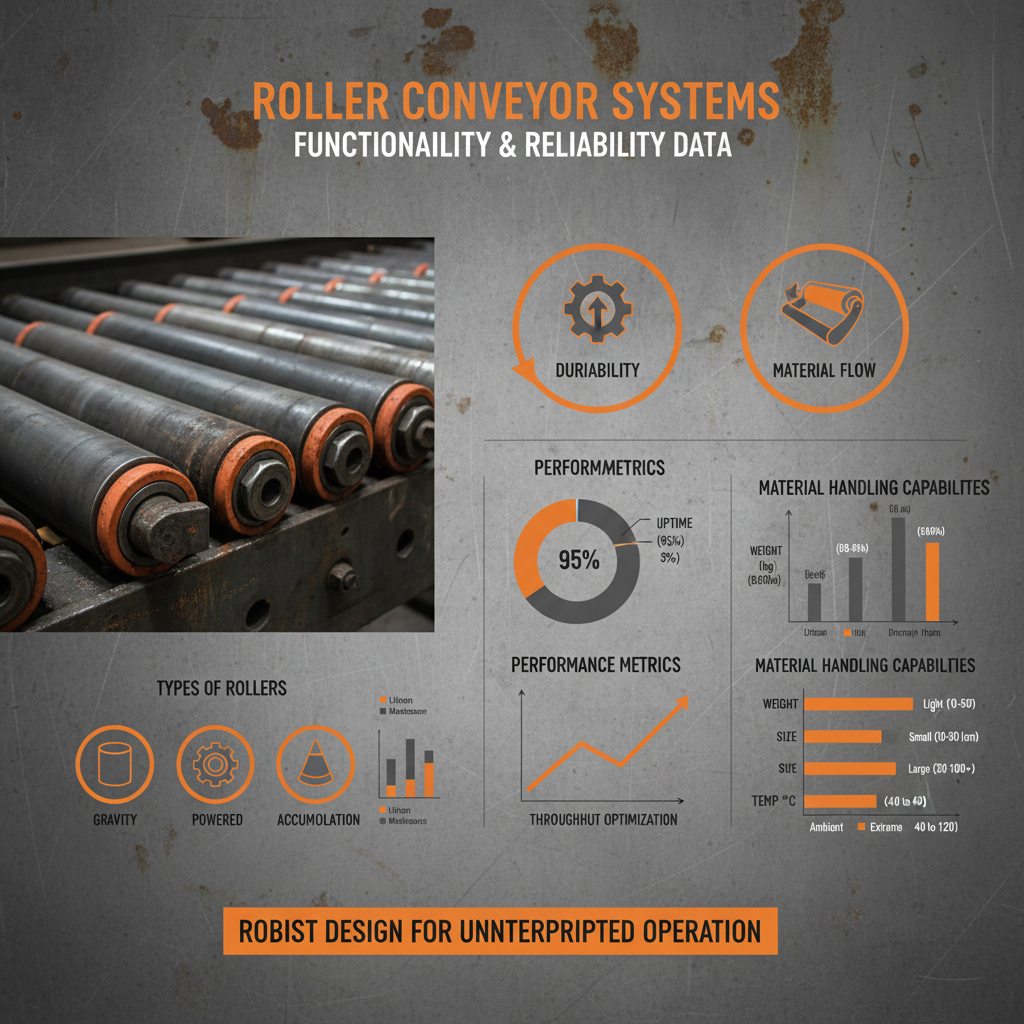
Industry data suggests that unplanned downtime due to roller failure can cost large-scale mining operations thousands of dollars per hour. The challenge lies in the abrasive nature of aggregate materials, which creates a "grinding" effect on the roller shells and penetrates bearing seals. Consequently, the industry is shifting toward precision-engineered rollers that can withstand extreme impact and corrosive environmental conditions while maintaining low rotational torque.
Technical Definition and Functional Meaning
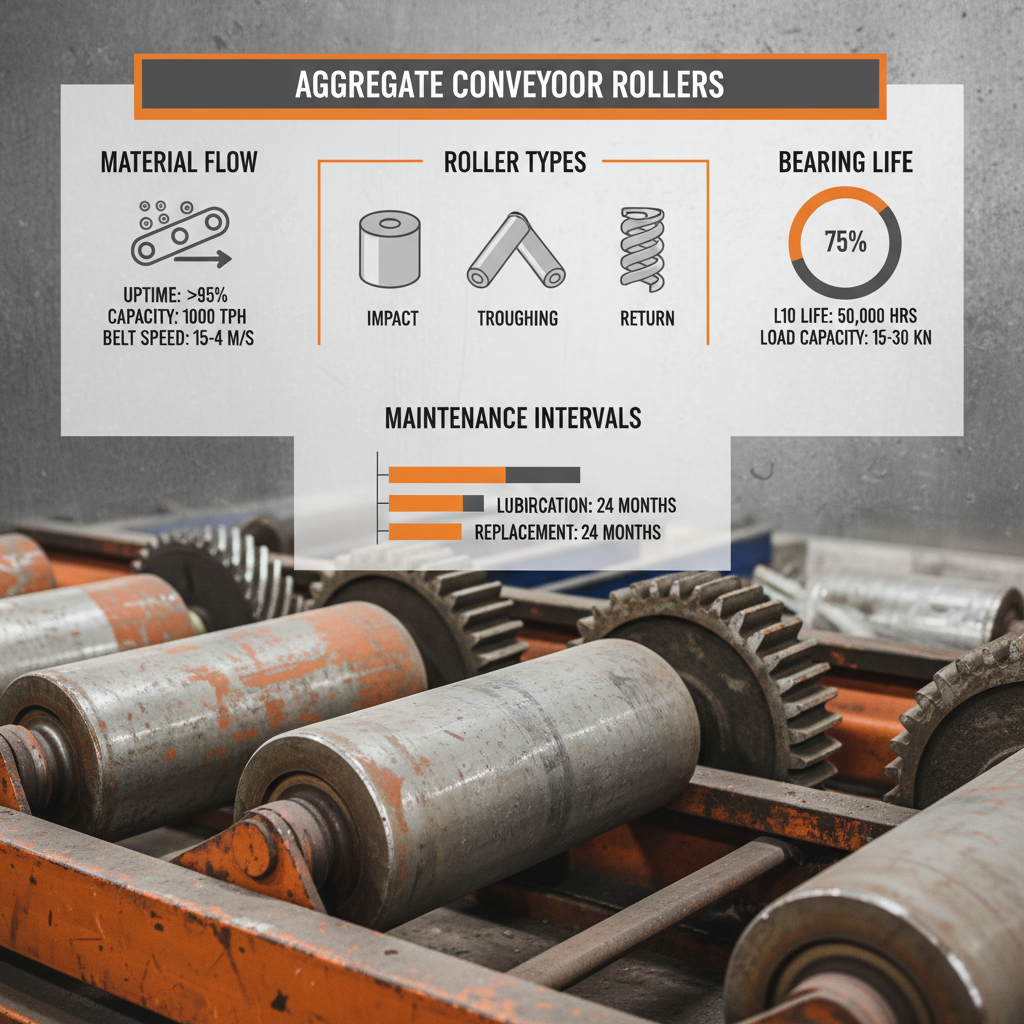
At its core, aggregate conveyor rollers are cylindrical components designed to support the conveyor belt and the load it carries. Unlike standard light-duty rollers, aggregate-specific versions are engineered with reinforced shells and heavy-duty bearings to handle the immense downward pressure exerted by dense materials like granite, limestone, and basalt. Their primary function is to minimize friction, ensuring that the belt moves with maximum energy efficiency.
Beyond simple support, these rollers act as the primary defense against belt sagging and misalignment. By maintaining a consistent support profile, they prevent the belt from dipping, which would otherwise cause material spillage and increased belt tension. In the context of modern industrial needs, these rollers are the "wheels" of the material handling world, enabling the continuous flow of resources required for global infrastructure development.
Furthermore, the integration of specialized materials—such as high-density polyethylene (HDPE) or reinforced steel—allows these rollers to adapt to specific humanitarian or industrial needs. For instance, in remote mining zones where maintenance access is limited, the use of sealed-for-life bearings in aggregate conveyor rollers ensures that systems can operate for years without requiring manual lubrication.
Core Components for Maximum Durability
The longevity of aggregate conveyor rollers depends heavily on the quality of the outer shell. Whether constructed from precision-rolled steel or high-impact polymers, the shell must resist abrasion from falling aggregates. A shell with the wrong hardness can either wear down too quickly or be too rigid, causing premature belt wear.
The bearing assembly is the heart of the roller. For aggregate conveyor rollers, the use of labyrinth seals is critical. These seals prevent the ingress of fine dust and moisture—common in quarry environments—which would otherwise contaminate the lubricant and lead to rapid bearing seizure.
Finally, the shaft alignment and housing integration ensure structural stability. A precisely machined shaft prevents vibration, which is a leading cause of mechanical fatigue in conveyor systems. When these three components—shell, bearing, and shaft—are synchronized, the resulting roller provides a reliable foundation for heavy-duty aggregate transport.
Performance Analysis of Roller Materials
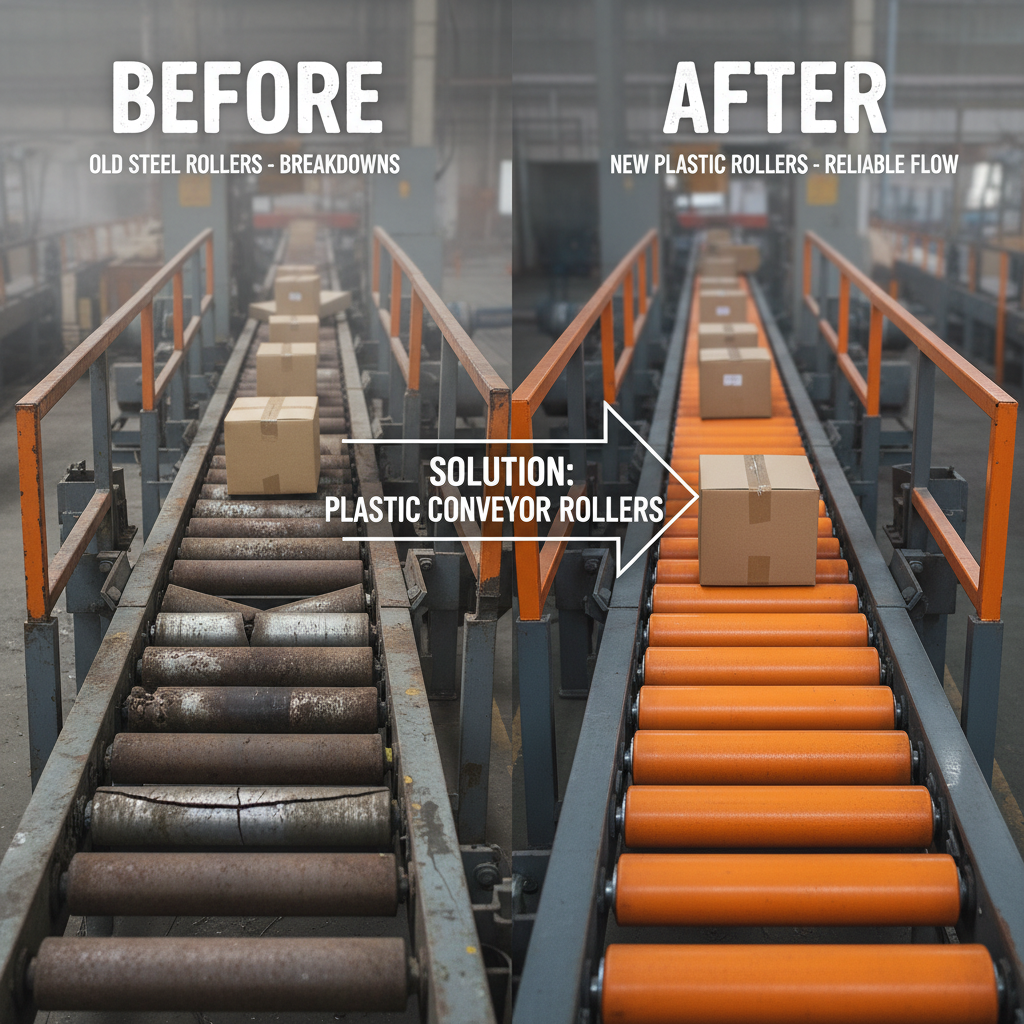
Selecting the right material for aggregate conveyor rollers involves a trade-off between weight, cost, and wear resistance. Steel rollers offer unmatched strength for the heaviest loads but are prone to corrosion and are heavier to install. In contrast, polymer rollers provide excellent corrosion resistance and lower noise levels, making them ideal for wet environments.
Modern engineering has introduced composite materials that combine the strength of steel with the lightness of plastics. These hybrid aggregate conveyor rollers are becoming the standard for long-distance conveyors where reducing the overall deadweight of the system can lead to significant energy savings in the drive motor.
Comparative Efficiency of Aggregate Conveyor Roller Materials
Global Applications and Real-World Use Cases
In the vast open-pit mines of the Andes or the Australian Outback, aggregate conveyor rollers are deployed in massive arrays to move ore across kilometers of rugged terrain. In these environments, the rollers must withstand extreme temperature fluctuations and constant exposure to UV radiation, requiring specialized coatings to prevent shell degradation.
Conversely, in urban recycling centers in Europe and North America, the application shifts toward versatility. Here, aggregate conveyor rollers handle a mix of concrete rubble and reclaimed asphalt. The focus in these settings is often on noise reduction and ease of replacement to minimize disruption to surrounding residential areas, leading to the widespread adoption of polymer-based solutions.
Long-Term Economic and Operational Value
The primary value of investing in premium aggregate conveyor rollers is the drastic reduction in Total Cost of Ownership (TCO). While cheaper rollers may seem attractive during the procurement phase, their shorter lifespan leads to frequent replacement cycles and increased labor costs. High-grade rollers, by contrast, extend the mean time between failures (MTBF), allowing for scheduled maintenance rather than emergency shutdowns.
From a safety perspective, reliable rollers are indispensable. A seized roller can create friction heat, which in extreme cases, poses a fire risk to the conveyor belt. By ensuring smooth rotation, operators protect their most expensive asset—the belt—and ensure the safety of the personnel working around the machinery. This reliability fosters a culture of trust in the equipment's performance.
Sustainability is another critical angle. Energy-efficient aggregate conveyor rollers reduce the amount of electricity required to drive the belt. Over a decade of operation, a 5% reduction in rolling resistance can translate into thousands of tons of reduced carbon emissions, aligning industrial operations with global green energy goals.
Future Trends and Digital Innovations
The industry is currently witnessing a transition toward "Smart Conveying." The integration of IoT sensors within aggregate conveyor rollers allows for real-time monitoring of vibration and temperature. This enables predictive maintenance, where a system can alert operators that a specific roller is likely to fail before it actually does, eliminating unplanned downtime entirely.
Material science is also evolving with the introduction of graphene-enhanced polymers. These new materials offer the weight advantages of plastic but with the hardness and wear resistance of hardened steel. As these materials become more cost-effective, we expect a paradigm shift in how aggregate conveyor rollers are designed for extreme-duty applications.
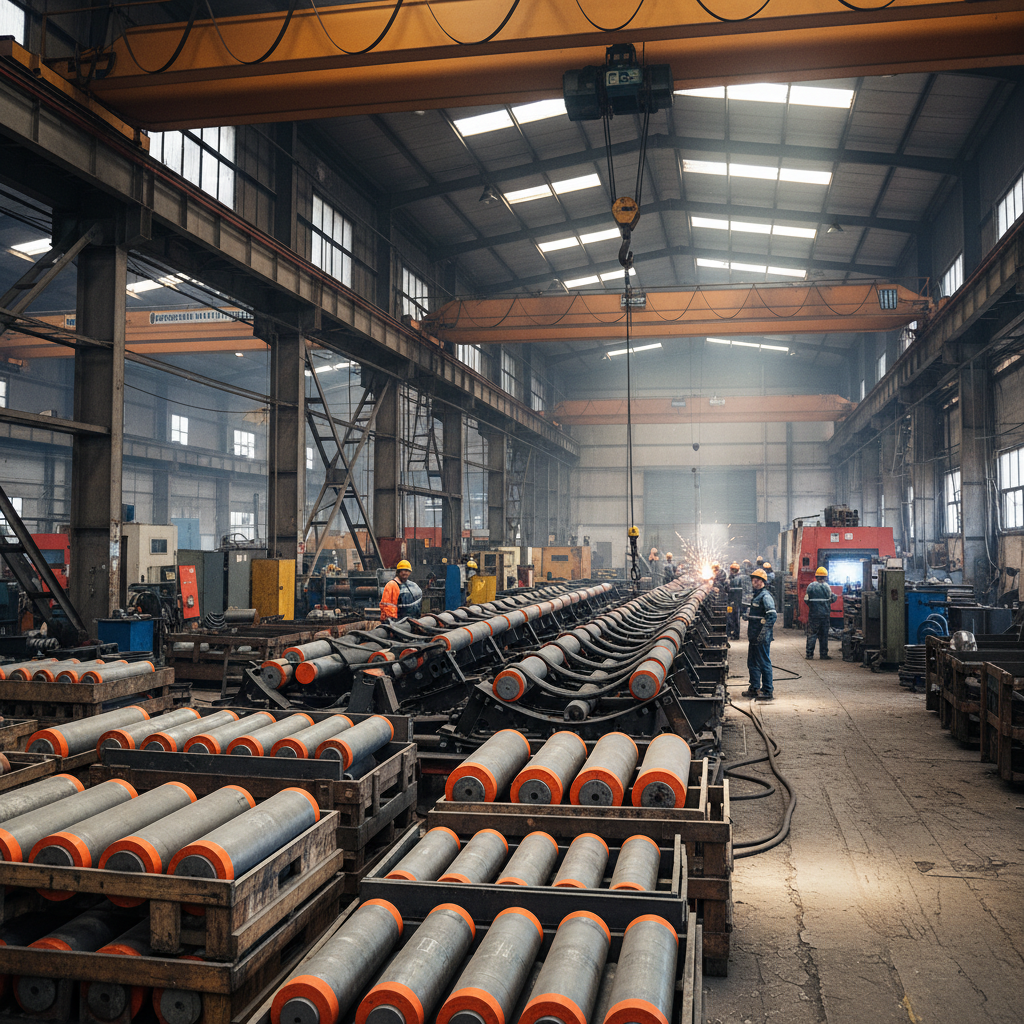
Furthermore, automation in the manufacturing of these rollers—using robotic precision welding and laser alignment—is ensuring that every unit produced meets stringent ISO standards. This consistency is vital for the global export market, where components must be interchangeable across different brands of conveyor systems.
Technical Specifications Comparison of Aggregate Conveyor Roller Technologies
| Roller Technology |
Load Capacity |
Wear Resistance |
Maintenance Cycle |
| Standard Steel |
High |
Medium |
12 Months |
| HDPE Polymer |
Medium |
High (Corrosion) |
18 Months |
| Ceramic Coated |
Very High |
Ultra High |
36 Months |
| Composite Hybrid |
High |
High |
24 Months |
| Smart IoT Roller |
Medium |
Medium |
Predictive |
| Rubber Lined |
Medium |
High (Impact) |
15 Months |
FAQS
Aggregate conveyor rollers are specifically engineered to handle higher impact loads and extreme abrasion. Unlike standard rollers, they feature reinforced shells and specialized sealing systems (such as labyrinth seals) to prevent the ingress of coarse dust and grit, which are common in quarrying and mining environments.
Replacement cycles vary based on material hardness, but generally, standard steel rollers are checked every 12 months. However, by upgrading to ceramic or composite rollers, you can extend this interval to 24-36 months, significantly reducing operational downtime.
Yes, provided they are made from high-grade HDPE or reinforced polymers. While steel is superior for extreme weight, polymer rollers are excellent for moisture-heavy aggregates because they do not rust and offer lower rolling resistance, which saves energy.
The best prevention is using rollers with "sealed-for-life" bearings and multi-stage seals. Additionally, ensuring proper belt alignment prevents side-loading on the rollers, which is a primary cause of premature bearing wear in aggregate systems.
Yes, and it is often recommended. For example, use high-impact rollers at the loading zones where aggregate first hits the belt, and use low-friction polymer rollers on the long return or carry sections to optimize both durability and energy efficiency.
Poorly maintained or seized rollers create "friction points" that act like sandpaper on the conveyor belt. High-quality, smooth-rotating rollers ensure a consistent support surface, drastically reducing belt cover wear and preventing longitudinal rips.
Conclusion
In summary, aggregate conveyor rollers are the unsung heroes of the bulk material handling industry. By balancing material science, precision engineering, and strategic application, these components ensure that the movement of crushed stone and minerals remains efficient, safe, and cost-effective. From the selection of labyrinth seals to the adoption of smart IoT monitoring, every technical detail contributes to the overall resilience of the production chain.
Looking forward, the shift toward sustainability and digitalization will continue to redefine roller technology. Operators who invest in high-performance, energy-efficient rollers today will find themselves better positioned for the future of automated, green mining. We recommend conducting a full audit of your current roller inventory to identify high-wear zones and upgrading to composite or ceramic solutions to maximize your operational uptime. Visit our website for more professional solutions: www.hgconveyorbelt.com