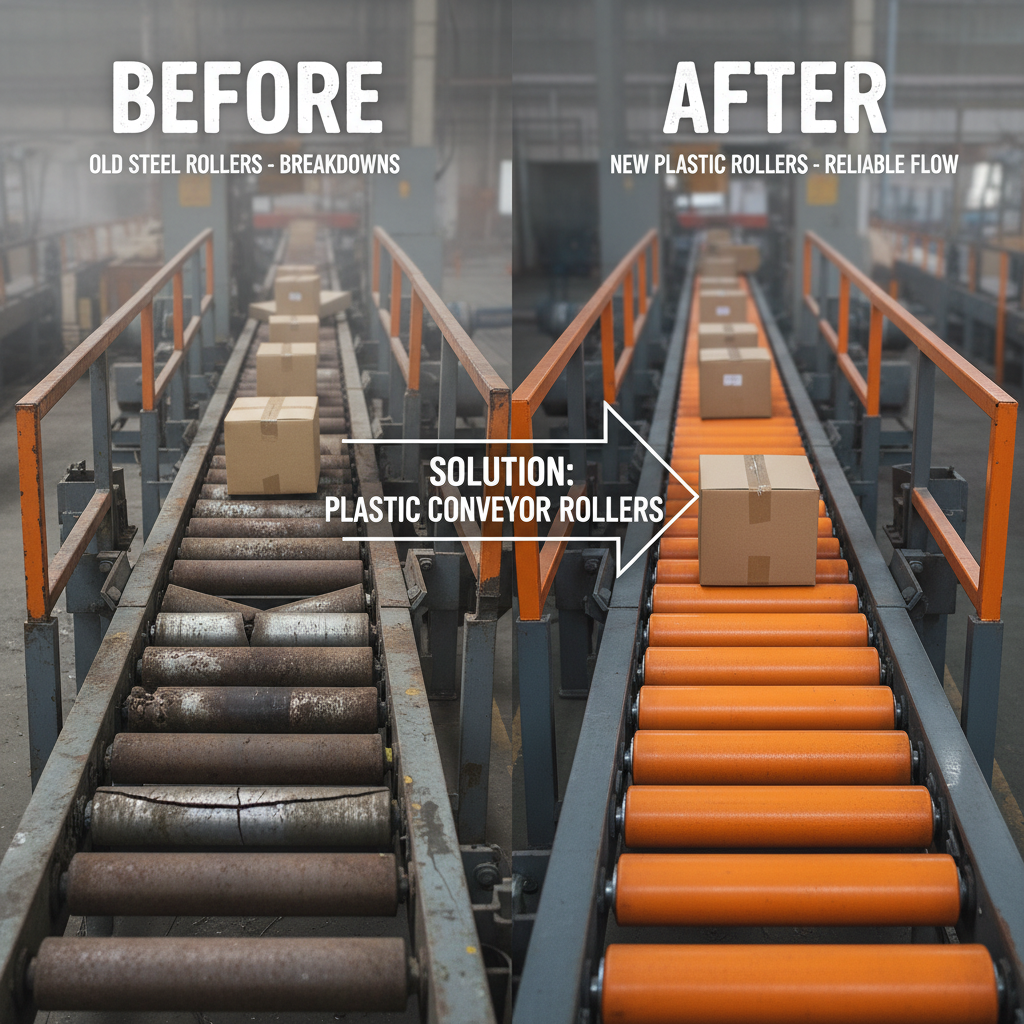
Finding reliable plastic conveyor roller suppliers is critical for industries seeking to optimize their material handling efficiency while reducing maintenance overhead. Unlike traditional steel rollers, plastic alternatives offer a unique blend of corrosion resistance and lightweight agility, making them indispensable in modern manufacturing plants.
The global shift toward sustainable and low-maintenance industrial components has placed a spotlight on high-performance polymers. By partnering with specialized plastic conveyor roller suppliers, businesses can significantly decrease downtime caused by rust and mechanical failure, ensuring a seamless flow of goods across the production line.
Whether you are operating in food processing, pharmaceuticals, or heavy-duty mining, the choice of rollers impacts your bottom line. Understanding the nuances of material science and supplier capabilities allows engineers to implement systems that are not only durable but also cost-effective in the long term.
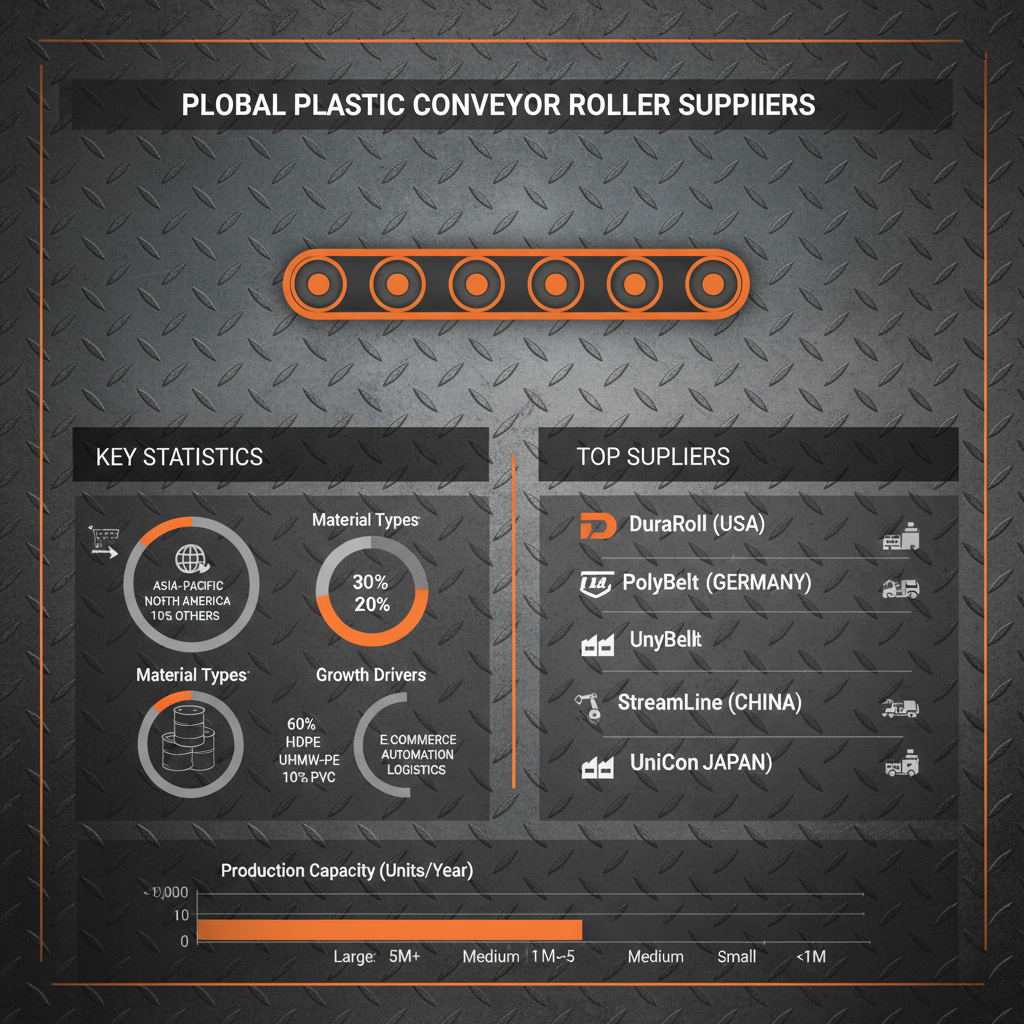
Global Relevance of Plastic Conveyor Roller Suppliers
In the current global industrial landscape, the demand for high-efficiency logistics has surged. According to ISO standards for material handling, the reduction of friction and weight in conveyor systems is a primary goal for improving energy efficiency. This is where plastic conveyor roller suppliers play a pivotal role, providing components that resist environmental degradation better than traditional metals.
The challenge most facilities face is the aggressive nature of industrial environments—moisture, chemicals, and abrasive dust. By transitioning to polymer-based solutions from reputable plastic conveyor roller suppliers, companies can mitigate the risk of oxidation and mechanical seizures, which often lead to costly unplanned outages in high-volume production environments.
Defining the Role of Plastic Conveyor Roller Suppliers
At its core, plastic conveyor roller suppliers are specialized manufacturers and distributors that provide cylindrical support components made from engineered plastics like HDPE, Nylon, or Polyurethane. These rollers are designed to support the conveyor belt and the load it carries, ensuring a smooth transit of materials with minimal rolling resistance.
Beyond simply selling a product, these suppliers act as technical consultants. They help industries select the right polymer grade based on the chemical exposure of the facility. For instance, in a food-grade environment, a supplier will provide FDA-compliant plastics that prevent contamination and withstand rigorous cleaning protocols.
The connection to modern industry is profound; as we move toward "Industry 4.0," the need for lightweight, sensor-compatible, and low-noise components has made the expertise of plastic conveyor roller suppliers essential for creating quieter and safer workplaces.
Core Components for Evaluating Plastic Conveyor Roller Suppliers
When vetting plastic conveyor roller suppliers, the first metric to examine is material durability. Not all plastics are created equal; the ability of a roller to withstand high impact without cracking is a hallmark of quality engineering and superior raw material sourcing.
Scalability is another critical factor. Leading plastic conveyor roller suppliers offer modular designs that allow for easy installation and replacement. This ensures that as a facility expands its conveyor lines, the new components integrate perfectly with existing hardware without requiring extensive modifications.
Finally, cost efficiency must be viewed through the lens of Total Cost of Ownership (TCO). While some plastic conveyor roller suppliers may offer lower initial prices, the value lies in the extended service life and reduced need for lubrication, which ultimately lowers the operational cost per hour.
Industrial Applications of Plastic Conveyor Roller Systems
The application of polymer rollers extends across a vast array of sectors. In the pharmaceutical industry, where sterile environments are non-negotiable, rollers from specialized plastic conveyor roller suppliers ensure that no metal shards or rust particles contaminate the medication packaging lines.
Similarly, in remote mining zones or coastal ports where salt air accelerates corrosion, plastic rollers provide a lifeline. Their inherent resistance to saltwater and acidic runoff makes them far superior to galvanized steel, significantly extending the intervals between maintenance cycles.
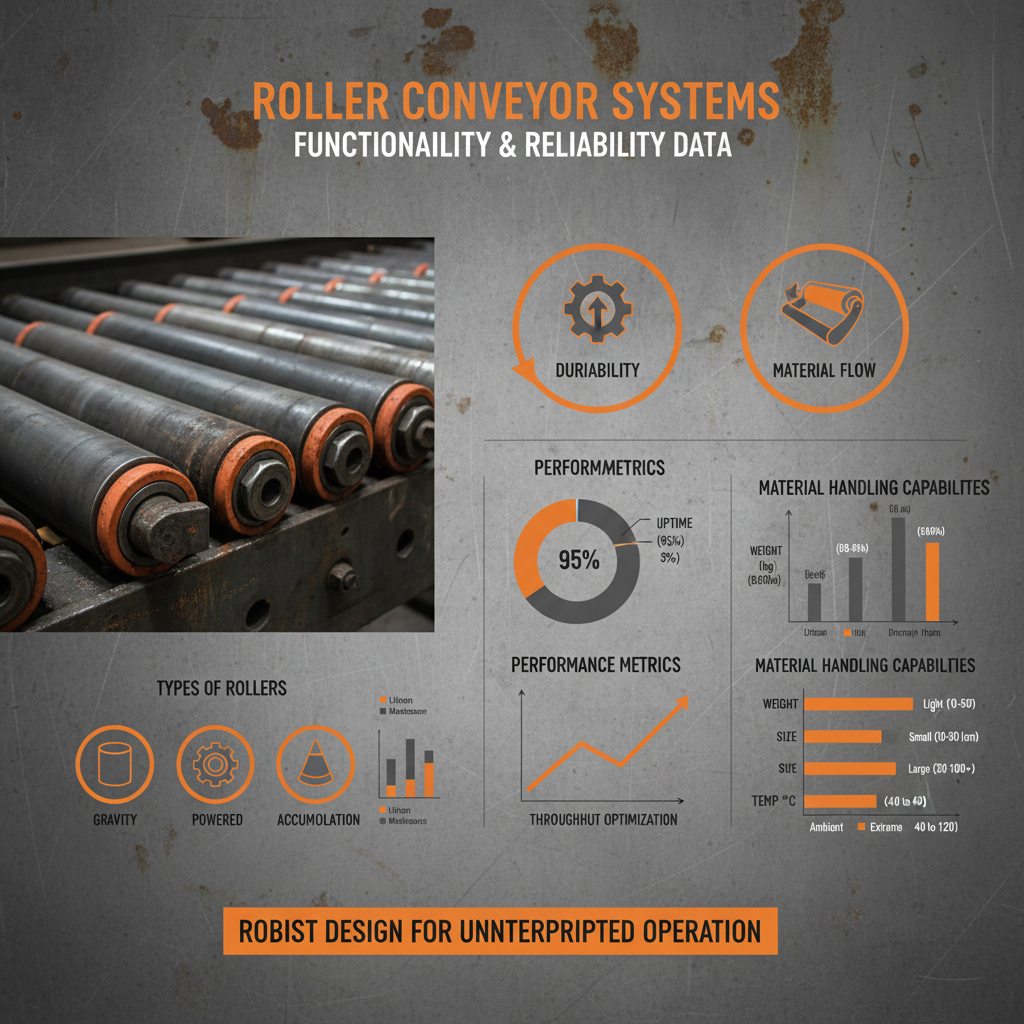
Performance Comparison of Plastic Conveyor Roller Suppliers Solutions
Long-term Value and Sustainability Advantages
Investing in components from premium plastic conveyor roller suppliers offers a tangible emotional and logical advantage: peace of mind. The reduction in noise pollution—a common complaint in metal-roller factories—improves worker dignity and safety, creating a more harmonious operational environment.
From a sustainability perspective, many plastic conveyor roller suppliers now utilize recyclable polymers. This aligns with global ESG (Environmental, Social, and Governance) goals, reducing the carbon footprint of the manufacturing plant by decreasing the energy required for transport (due to lower weight) and extending the product lifecycle.
Future Trends in Polymer Roller Engineering
The next frontier for plastic conveyor roller suppliers is the integration of "smart materials." We are seeing the emergence of rollers with embedded sensors that can detect bearing wear or belt misalignment in real-time, transforming a passive component into a data-gathering tool for predictive maintenance.
Furthermore, additive manufacturing (3D printing) is allowing plastic conveyor roller suppliers to create custom geometries that were previously impossible. This means rollers can be tailored to the exact weight and friction requirements of a specific product, maximizing energy efficiency.
The shift toward bio-based plastics is also gaining momentum. Future suppliers will likely offer rollers made from carbon-neutral polymers that maintain the high strength of traditional plastics while being fully biodegradable at the end of their life cycle.
Challenges and Expert Solutions in Roller Sourcing
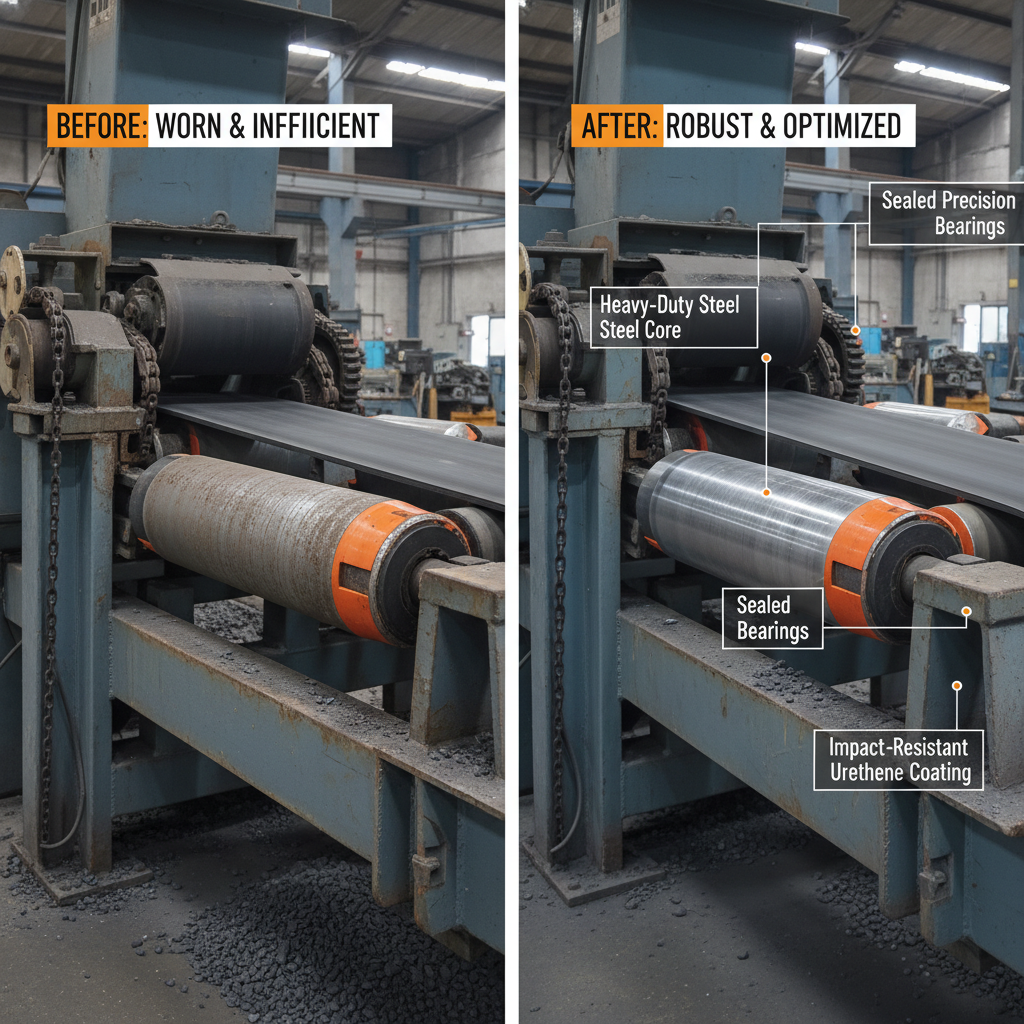
One of the primary challenges when dealing with plastic conveyor roller suppliers is the risk of "plastic creep" or deformation under extreme loads. To overcome this, expert suppliers utilize reinforced cores—combining a high-strength steel axle with a high-performance polymer shell.
Another limitation is thermal sensitivity; some plastics soften at high temperatures. The solution lies in sourcing specialized heat-stabilized polymers. By working with a supplier who understands the thermal dynamics of your specific environment, you can avoid premature failure.
Finally, the challenge of sourcing consistent quality across large batches can be mitigated by choosing suppliers with ISO 9001 certification. Rigorous quality control ensures that every roller has the same concentricity and balance, preventing belt vibration and wear.
Comparative Analysis of Sourcing Strategies for Plastic Conveyor Roller Suppliers
| Sourcing Dimension |
Low-Cost Suppliers |
Premium Suppliers |
Impact on ROI |
| Material Grade |
Standard PVC/PE |
Engineered Nylon/PU |
High (Longer Life) |
| Customization |
Limited/Stock only |
Full Bespoke Design |
Medium (Efficiency) |
| Lead Times |
Fast (Generic) |
Moderate (Custom) |
Low (Initial Cost) |
| Maintenance |
Frequent replacement |
Low intervention |
Very High (OpEx) |
| Certification |
Basic/None |
ISO/FDA/CE |
High (Compliance) |
| Noise Level |
Moderate |
Ultra-Low |
Medium (Safety) |
FAQS
The choice depends on your environment. For food or pharma, request FDA-approved polymers. For chemically aggressive areas, look for polypropylene or specialized polyurethane. If the application requires high load-bearing capacity and abrasion resistance, nylon or reinforced composites are the best options. Always provide your supplier with the specific chemicals and temperatures your system will face.
While steel has higher raw tensile strength, modern engineered plastics from top plastic conveyor roller suppliers are designed for specific load-to-weight ratios. For most light-to-medium duty applications, plastic rollers are more than sufficient and offer the added benefit of not bending or rusting, which can actually maintain better belt alignment over time than corroded steel.
Lifespan varies by material and load. High-quality polyurethane rollers can last several times longer than basic PVC options. On average, in a clean industrial environment, premium rollers can last 3-5 years before showing significant wear. Regular inspection of the bearings—which are often the first point of failure—is recommended to maximize the roller shell's life.
The plastic shell itself is self-lubricating and requires no maintenance. However, the internal bearings may still require lubrication depending on the design. Many leading plastic conveyor roller suppliers offer "sealed-for-life" bearing options that eliminate the need for manual greasing entirely, further reducing maintenance costs.
Yes, but you must specify "cold-resistant" polymers. Standard plastics can become brittle in freezing temperatures. Specialized plastic conveyor roller suppliers provide modified polymers that maintain flexibility and impact resistance even at -40°C, making them ideal for cold storage and outdoor arctic installations.
Check for ISO 9001 certification and ask for material data sheets (MDS). A reputable supplier should be able to provide a hardness rating (e.g., Shore A or D) and a load-bearing chart. Requesting a sample for a "stress test" in your actual operating environment is the most reliable way to ensure the product meets your specific needs.
Conclusion
Selecting the right plastic conveyor roller suppliers is not merely a procurement task but a strategic decision that impacts the efficiency, safety, and sustainability of your entire production line. By focusing on material science, TCO, and supplier expertise, businesses can transition from reactive maintenance to a proactive, streamlined operation that minimizes downtime and maximizes throughput.
As we move toward a more automated and eco-conscious industrial future, the synergy between advanced polymers and smart engineering will only grow. We encourage facility managers to audit their current roller systems and consider the long-term advantages of polymer technology. For high-quality, durable solutions, visit our website: www.hgconveyorbelt.com