Roller conveyor rollers are fundamental components in material handling systems globally, quietly enabling the efficient movement of goods across countless industries. From bustling distribution centers to intricate manufacturing lines, these seemingly simple cylinders are the workhorses of modern logistics. Understanding their functionality, variations, and optimal application is crucial for maximizing operational efficiency and minimizing downtime. The demand for improved roller conveyor rollers continues to rise alongside the growth of e-commerce and increasingly complex supply chains, making them a perpetually relevant topic for engineers, logistics professionals, and business owners alike.
The global market for roller conveyor rollers is experiencing substantial growth, driven by factors like increased automation in warehouses, the expansion of online retail, and the rising need for streamlined manufacturing processes. Reports indicate a multi-billion dollar industry with consistent annual growth projections. However, challenges remain, including the need for more durable materials, reduced noise pollution, and enhanced energy efficiency. Addressing these issues is paramount to meeting the evolving needs of a dynamic global marketplace. Effective roller conveyor roller solutions are vital for optimizing material flow, reducing labor costs, and improving overall productivity.
At their core, roller conveyor rollers facilitate the linear movement of items by providing a low-friction surface. They are integral to systems designed to handle a vast range of materials, from lightweight parcels to heavy industrial components. This reliance on simple physics coupled with innovative engineering makes roller conveyor rollers an enduring solution for material handling challenges in a variety of settings. Investment in understanding these systems leads directly to improved efficiency, and a more competitive operating environment.
The Global Significance of roller conveyor rollers
Roller conveyor rollers aren't merely a component; they're an enabler of global commerce. The United Nations estimates that over 90% of global trade is moved by sea, and a significant portion of that relies on efficient port logistics – systems heavily dependent on roller conveyors. Similarly, the World Bank’s Logistics Performance Index (LPI) highlights the critical importance of supply chain efficiency, where reliable material handling through robust roller conveyor systems plays a crucial role.
The challenge lies in optimizing these systems for increasing volumes and demands. Disruptions in the supply chain, exacerbated by recent global events, have underscored the necessity of resilient and adaptable material handling infrastructure. Investing in high-quality roller conveyor rollers directly contributes to the robustness of these systems, mitigating the impact of unforeseen circumstances and ensuring continuity of operations.
Defining roller conveyor rollers
Roller conveyor rollers are cylindrical components designed to support and facilitate the movement of loads along a conveying path. They minimize friction, allowing items to be easily pushed or moved by gravity or powered drives. These rollers are typically arranged in a series, forming a continuous surface over which materials travel. The specific material, diameter, and load capacity of the rollers depend on the application.
In modern industry, roller conveyor rollers are central to automating material handling processes, reducing labor requirements, and improving efficiency. They’re a cornerstone of lean manufacturing principles, enabling just-in-time inventory management and minimizing waste. Without effective roller conveyor rollers, the smooth operation of many manufacturing facilities and distribution centers would be impossible.
From the earliest applications in mining and quarrying to sophisticated automated systems in e-commerce fulfillment centers, roller conveyor rollers are a testament to the power of simple mechanical principles applied to solve complex logistical challenges. The constant pursuit of improved designs and materials ensures their continued relevance in an ever-evolving industrial landscape.
Core Components of Effective roller conveyor rollers
The effectiveness of roller conveyor rollers is dictated by several core components. First, the roller shell itself – typically steel, stainless steel, PVC, or aluminum – determines the roller's load capacity, durability, and resistance to corrosion. Secondly, the bearings within the roller are critical, ensuring smooth rotation and minimal friction. Bearing quality directly impacts roller lifespan and overall system performance.
The roller's end caps, often made of metal or plastic, provide structural support and protect the bearings from contaminants. Finally, the axle or shaft connecting the rollers to the conveyor frame must be appropriately sized and constructed to withstand the applied loads and ensure proper alignment. The selection of each component is crucial for optimizing performance and longevity.
A well-designed roller conveyor roller system considers the interplay of these components. Using high-quality materials and precise manufacturing tolerances extends service life and reduces the need for frequent maintenance. Regularly inspecting and replacing worn components ensures continued efficiency and prevents costly downtime.
Key Factors Influencing roller conveyor rollers Performance
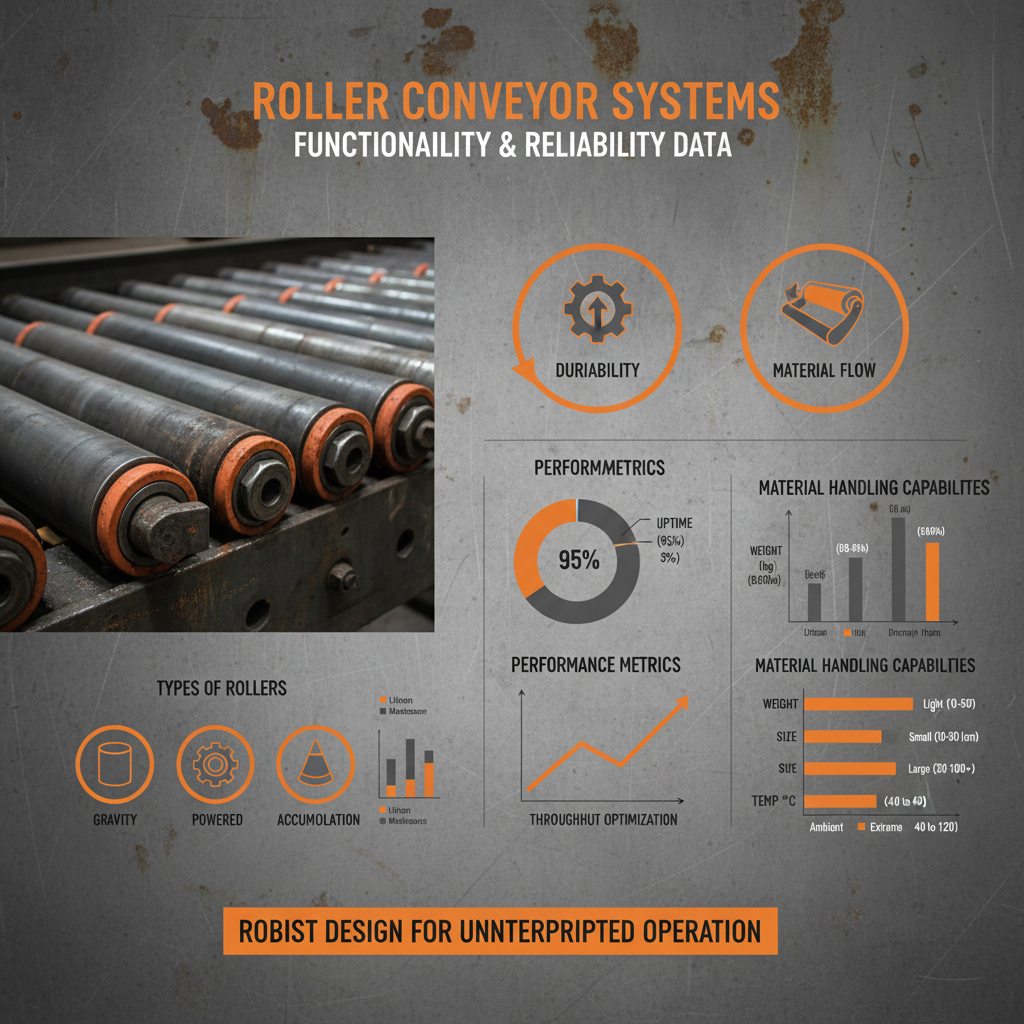
Durability is paramount. Roller conveyor rollers operate in demanding environments, exposed to heavy loads, impacts, and varying temperatures. Selecting rollers constructed from robust materials like high-grade steel or corrosion-resistant alloys is crucial for long-term reliability.
Load capacity directly dictates the types of materials the roller conveyor system can handle. Proper assessment of load requirements and selection of appropriately rated rollers prevents premature failure and ensures safe operation. Beyond material strength, roller diameter also influences load distribution and resistance to deflection.
roller conveyor rollers Performance Metrics
Global Applications and Real-World Use Cases
In post-disaster relief operations, portable roller conveyor systems are rapidly deployed to efficiently sort and distribute essential supplies, vastly improving aid delivery times. These systems are valued for their speed of setup and ability to operate in challenging environments.
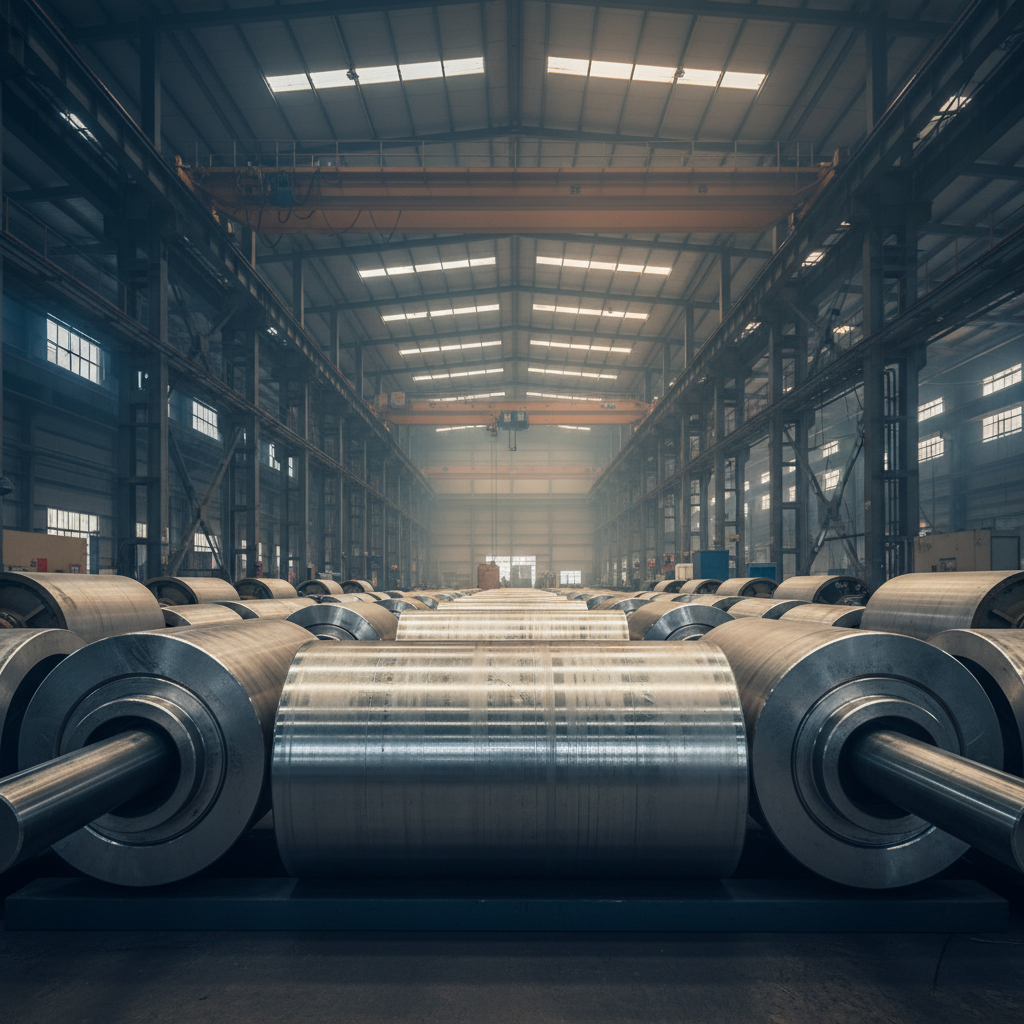
Within the e-commerce sector, massive fulfillment centers rely on complex networks of powered roller conveyor systems to process millions of orders daily. roller conveyor rollers here are engineered for high-speed operation and continuous use, maximizing throughput and minimizing order fulfillment times. In remote industrial zones, such as mining operations in Australia or construction sites in developing countries, roller conveyors provide a reliable means of moving materials where alternative transportation methods are impractical.
The automotive industry extensively uses roller conveyor rollers in assembly lines, precisely positioning components and streamlining the manufacturing process. Furthermore, airports employ roller conveyor systems in baggage handling, ensuring the efficient and secure transfer of luggage to and from aircraft.
Advantages and Long-Term Value Proposition
The economic advantages of implementing effective roller conveyor rollers are significant. Reduced labor costs, increased throughput, and minimized product damage all contribute to improved profitability. Furthermore, the scalability of these systems allows businesses to adapt to changing demands without major capital investments.
From a sustainability standpoint, roller conveyor rollers contribute to energy efficiency by minimizing manual handling and optimizing material flow. Their durability reduces the need for frequent replacements, reducing waste and conserving resources. Implementing reliable material handling solutions fosters a safer working environment, reducing the risk of injuries associated with manual lifting and carrying.
Future Trends and Innovations in roller conveyor rollers
The integration of smart sensors and IoT technology is transforming roller conveyor rollers into intelligent components, providing real-time data on performance, load distribution, and potential maintenance needs. This predictive maintenance capability minimizes downtime and optimizes system efficiency.
Advanced materials, such as engineered polymers and lightweight alloys, are being developed to enhance roller durability, reduce weight, and improve energy efficiency. Furthermore, modular roller conveyor systems are gaining popularity, offering increased flexibility and ease of customization. The adoption of automation and robotics will continue to drive innovation in roller conveyor roller technology, leading to more sophisticated and integrated material handling solutions.
Looking ahead, the development of self-powered rollers, utilizing energy harvesting technologies, promises to further reduce energy consumption and environmental impact. These innovations will solidify the role of roller conveyor rollers as a cornerstone of efficient and sustainable logistics for decades to come.
Challenges and Solutions in roller conveyor rollers
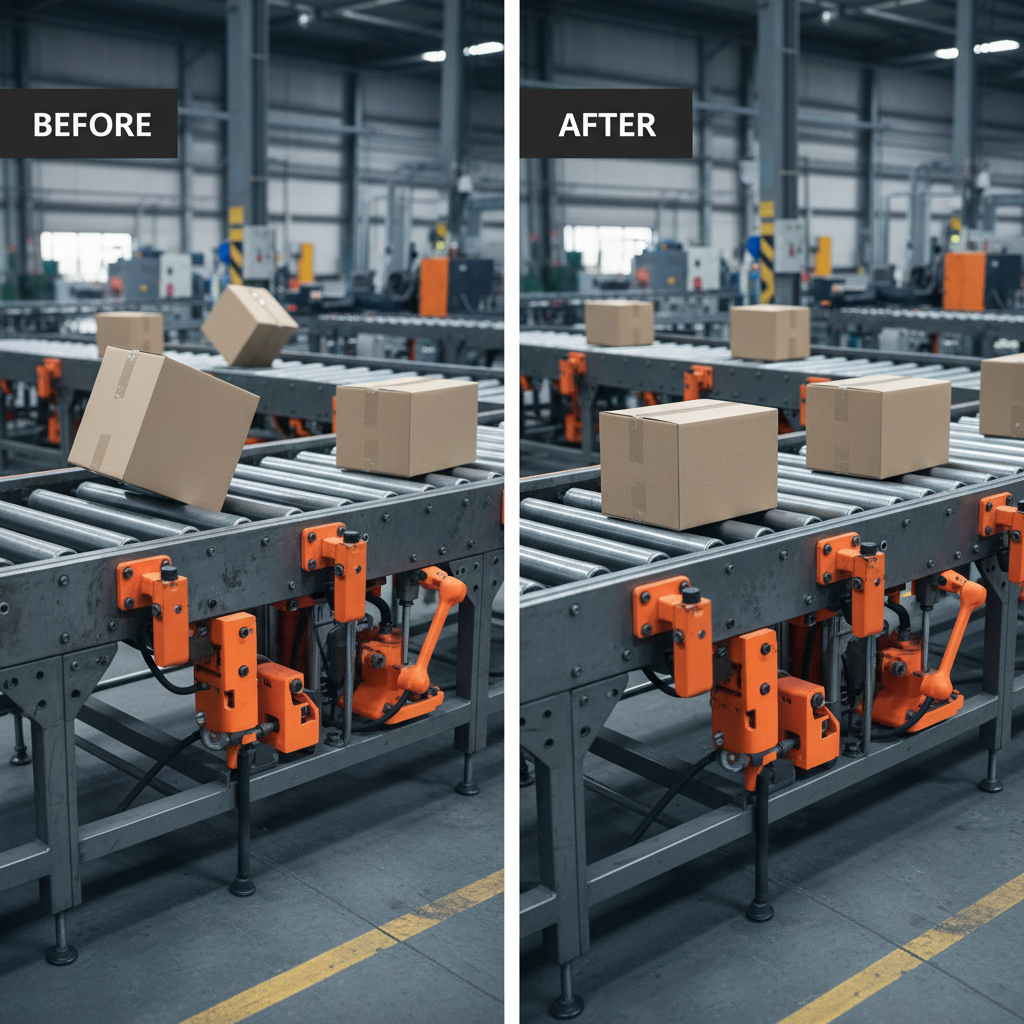
One common challenge is noise pollution, particularly in high-speed applications. Solutions include utilizing noise-dampening materials, implementing precision bearings, and optimizing roller alignment. Another limitation is the potential for jamming or misaligned loads, leading to system disruptions. Advanced sensor technologies and automated correction mechanisms can address this issue.
Maintaining proper roller alignment is crucial for optimal performance. Regular inspections and adjustments, coupled with the use of self-aligning rollers, can minimize friction and prevent premature wear. The increasing demand for customized solutions necessitates flexible designs and readily adaptable components.
Expert insight suggests a proactive approach to maintenance, incorporating predictive analytics based on sensor data, is key to maximizing the lifespan and efficiency of roller conveyor systems. Investment in employee training and adherence to best practices also contribute to long-term reliability and reduced operating costs.
Summary of Key Challenges and Solutions for roller conveyor rollers
| Challenge |
Impact Area |
Solution |
Implementation Difficulty (1-5) |
| Noise Pollution |
Workplace Safety & Comfort |
Noise-Dampening Materials, Precision Bearings |
3 |
| Load Jamming |
System Uptime & Throughput |
Sensor Integration, Automated Correction |
4 |
| Roller Misalignment |
Roller Lifespan & Efficiency |
Regular Inspections, Self-Aligning Rollers |
2 |
| Material Wear & Tear |
Maintenance Costs & Downtime |
High-Quality Materials, Protective Coatings |
3 |
| Customization Needs |
Application Flexibility |
Modular Design, Adaptable Components |
4 |
| Lack of Predictive Maintenance |
Unexpected Failures & Downtime |
Sensor Integration, Data Analytics |
5 |
FAQS
The lifespan of industrial roller conveyor rollers varies significantly depending on the operating environment, load capacity, maintenance schedule, and quality of materials. Generally, well-maintained rollers constructed from durable materials can last between 5 to 15 years. However, heavy-duty applications or corrosive environments may necessitate more frequent replacements. Regular inspection and lubrication are critical for maximizing lifespan. roller conveyor rollers quality is crucial.
Determining the correct load capacity involves accurately assessing the maximum weight of the items being conveyed, considering any dynamic forces during acceleration or deceleration, and applying a safety factor. Consulting with a conveyor system specialist is highly recommended to ensure the rollers can safely handle the intended load without premature failure or system damage. Incorrect load capacity is a primary cause of roller failure.
Roller conveyor rollers are commonly manufactured from steel (carbon or stainless), PVC, aluminum, and occasionally engineered polymers. Steel provides high strength and durability, while stainless steel offers corrosion resistance. PVC is a cost-effective option for lighter loads, and aluminum is lightweight and suitable for applications requiring minimal friction. Material selection depends on the specific application and environmental conditions.
Regular inspection and maintenance are crucial for preventing failures and maximizing roller lifespan. A visual inspection should be conducted at least monthly, checking for wear, damage, and proper alignment. Lubrication of bearings should be performed according to manufacturer recommendations, typically every 3-6 months. More frequent inspections may be necessary in harsh environments.
Self-aligning roller conveyor rollers compensate for minor misalignment in the conveyor frame, reducing friction and preventing premature wear. They are particularly beneficial in applications where precise alignment is difficult to maintain or where the conveyor frame may flex under load. Using them decreases downtime and ensures more consistent operation.
The bearing type significantly influences roller performance. Ball bearings are common for high-speed applications, while roller bearings are better suited for heavier loads. Sealed bearings offer superior protection from contaminants, extending bearing life. Bearing material and lubrication also play a vital role in minimizing friction and ensuring smooth operation. roller conveyor rollers with high quality bearings provide superior service.
Conclusion
In conclusion, roller conveyor rollers are far more than simple cylindrical components. They are essential enablers of modern logistics, manufacturing, and supply chain efficiency, playing a pivotal role in countless industries worldwide. Understanding their core principles, variations, and optimal application is vital for businesses seeking to optimize operations, reduce costs, and improve overall productivity. Investing in quality roller conveyor rollers, coupled with proactive maintenance, delivers substantial long-term benefits.
Looking ahead, the integration of smart technologies and the development of advanced materials promise to further enhance the performance and sustainability of these critical components. By embracing innovation and adopting best practices, businesses can leverage the full potential of roller conveyor systems to thrive in an increasingly competitive global marketplace. For expert guidance and high-quality roller conveyor rollers, visit our website today!