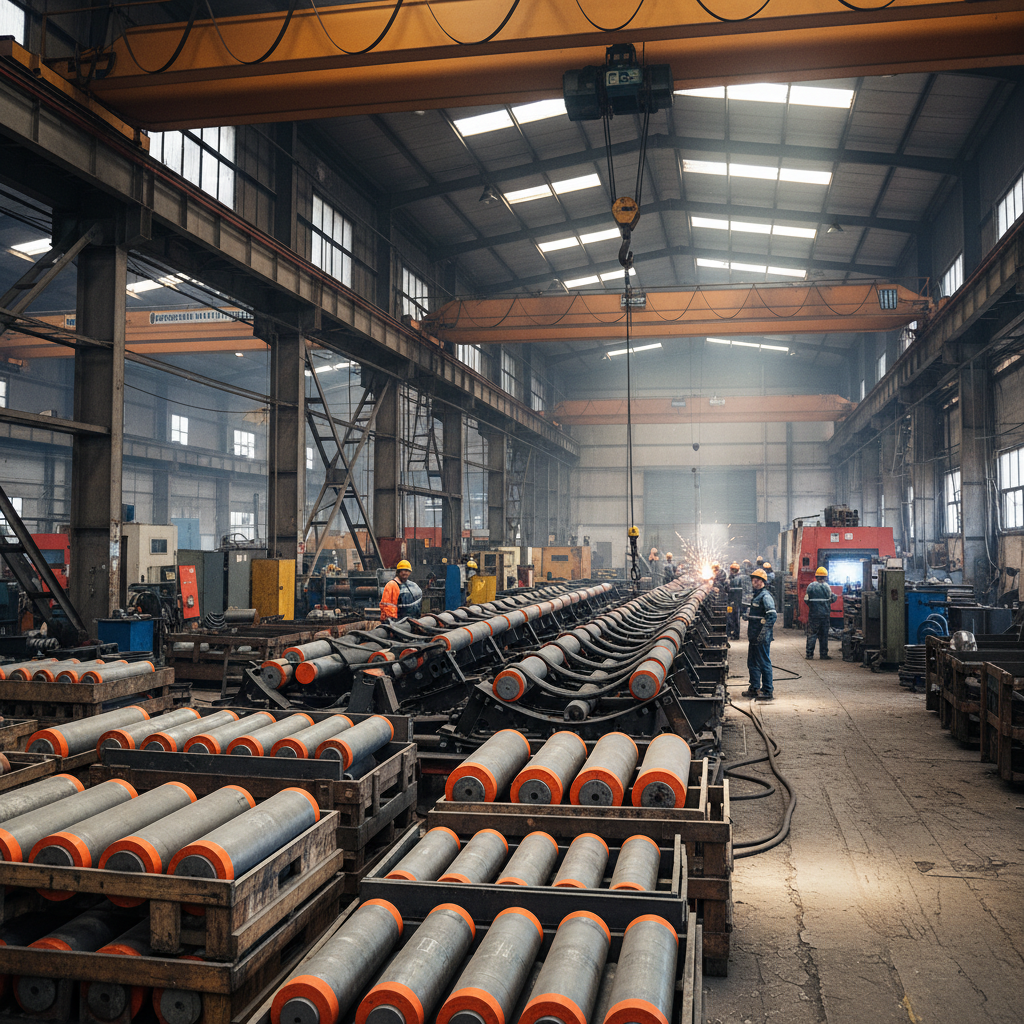
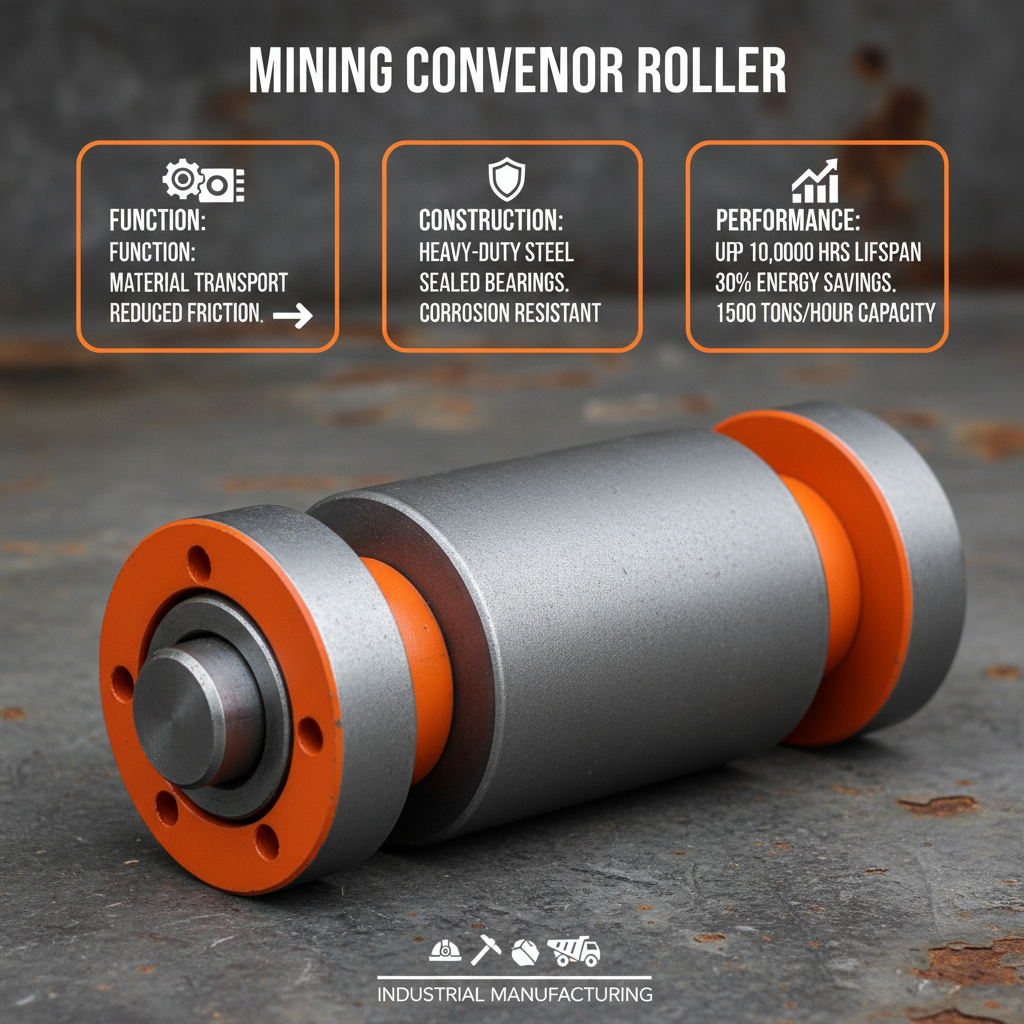
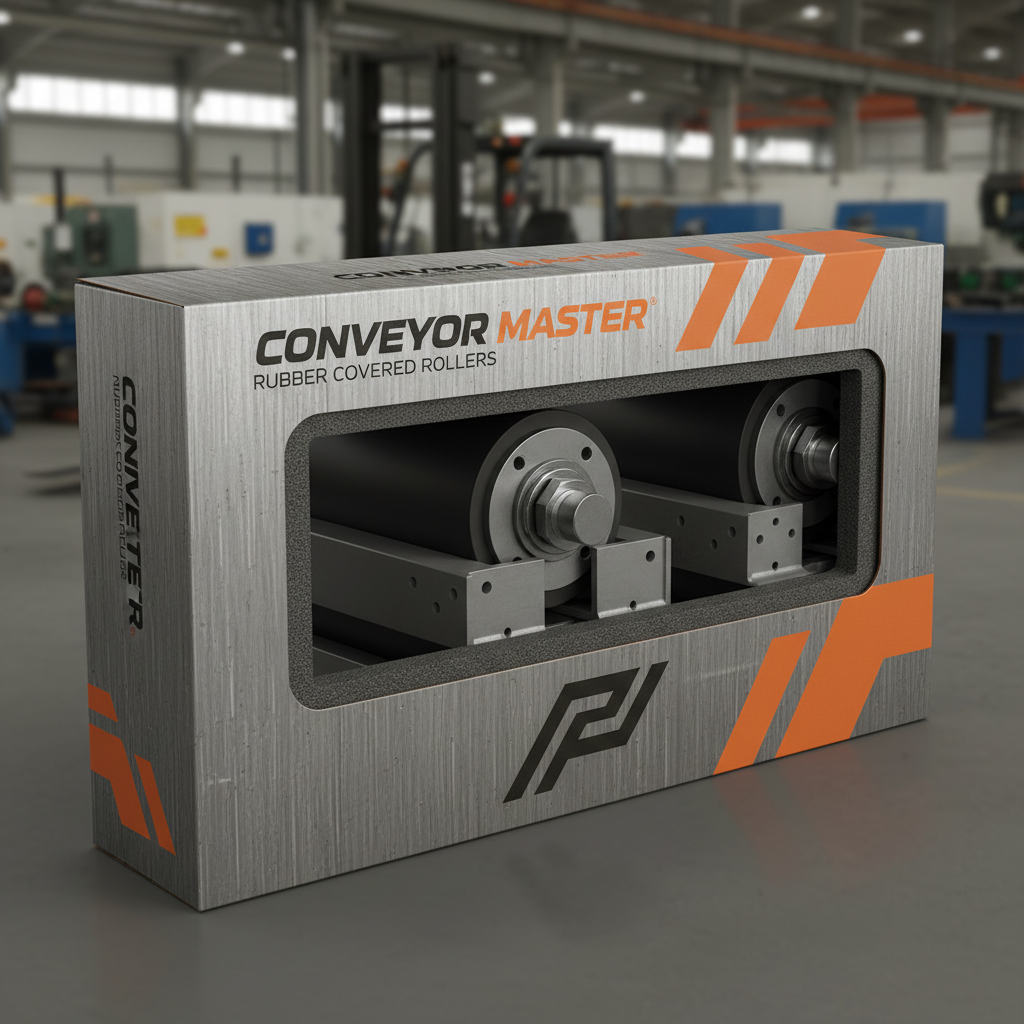
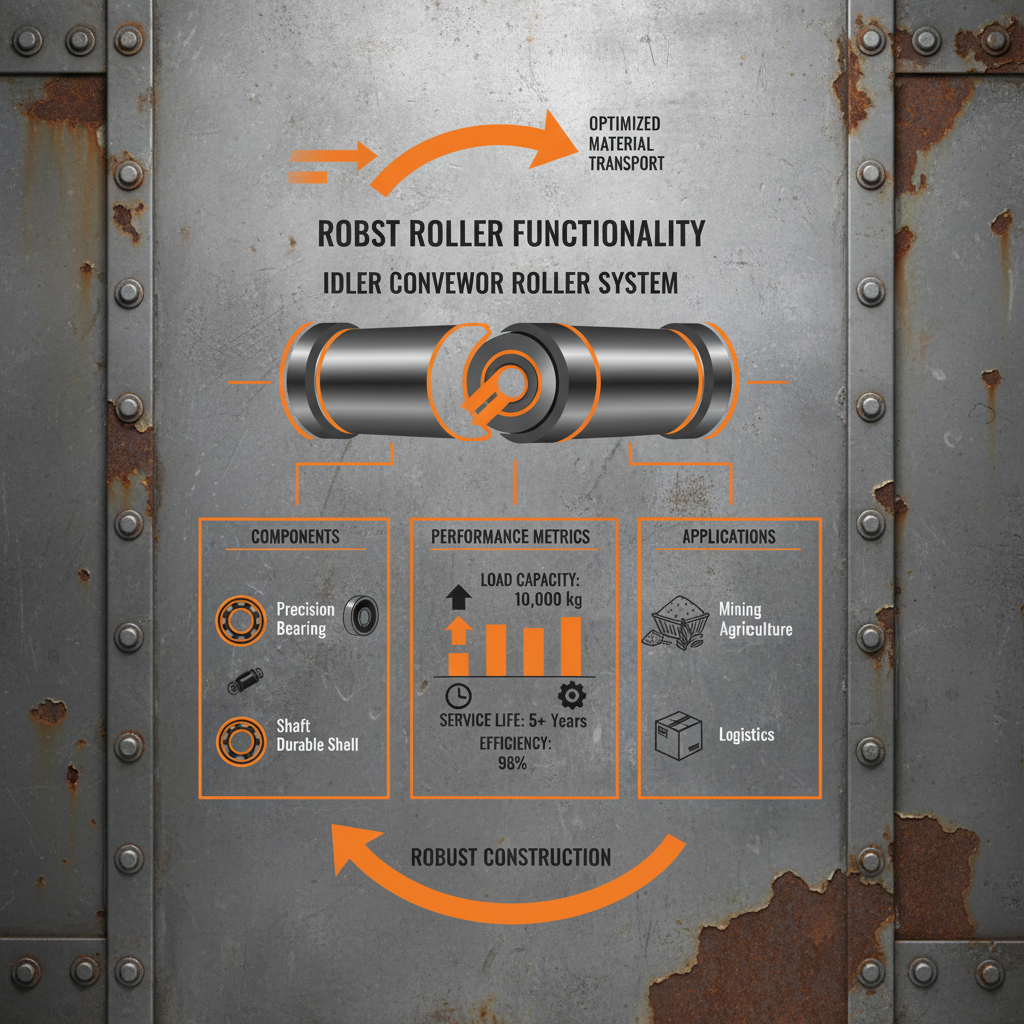
In the demanding environment of heavy-duty mineral extraction, the efficiency of material transport hinges on the reliability of small but critical components. A high-performance mining conveyor roller serves as the foundational support for conveyor belts, reducing friction and ensuring that massive volumes of ore are moved with minimal energy loss. Without these precision-engineered rollers, the operational costs of a mine would skyrocket due to belt wear and frequent mechanical failures.
Globally, the mining industry is facing an unprecedented push toward higher throughput and deeper excavations. This evolution requires equipment that can withstand extreme pressures, corrosive chemicals, and abrasive dust. The modern mining conveyor roller is no longer just a steel tube; it is a sophisticated piece of engineering involving advanced polymers, sealed bearing systems, and reinforced shells designed for maximum longevity.
Understanding the nuances of roller selection—from impact idlers to self-aligning versions—allows mine operators to transition from reactive maintenance to a proactive, predictive strategy. By optimizing the interaction between the belt and the roller, companies can significantly reduce downtime, improve worker safety, and enhance the overall sustainability of their extraction processes.
Global Relevance and Industry Impact of Mining Conveyor Rollers
The global mining sector contributes significantly to the world's GDP, providing the raw materials essential for everything from smartphones to electric vehicle batteries. However, the logistics of moving these materials from the pit to the processing plant is a massive challenge. According to ISO standards for conveyor equipment, the efficiency of a transport system is directly proportional to the rolling resistance of its idlers. A poorly maintained mining conveyor roller can increase energy consumption by up to 15% across a long-distance system.
In regions like Western Australia, the Andes of Chile, and the coal belts of Indonesia, the sheer scale of operations means that even a 1% increase in roller durability can save millions of dollars in annual maintenance. The industry is currently battling the "friction gap," where older steel-on-steel designs are being replaced by composite materials to handle the abrasive nature of minerals like iron ore and copper, which act as grinding agents against the equipment.
Technical Definition and Functional Role of Rollers
At its simplest, a mining conveyor roller is a cylindrical component designed to support the conveyor belt and the load it carries. While they appear simple, their primary function is to provide a low-friction interface that allows the belt to glide smoothly while maintaining the correct trough shape. This shaping is critical because it prevents material spillage and ensures the load is centered, reducing the risk of belt misalignment.
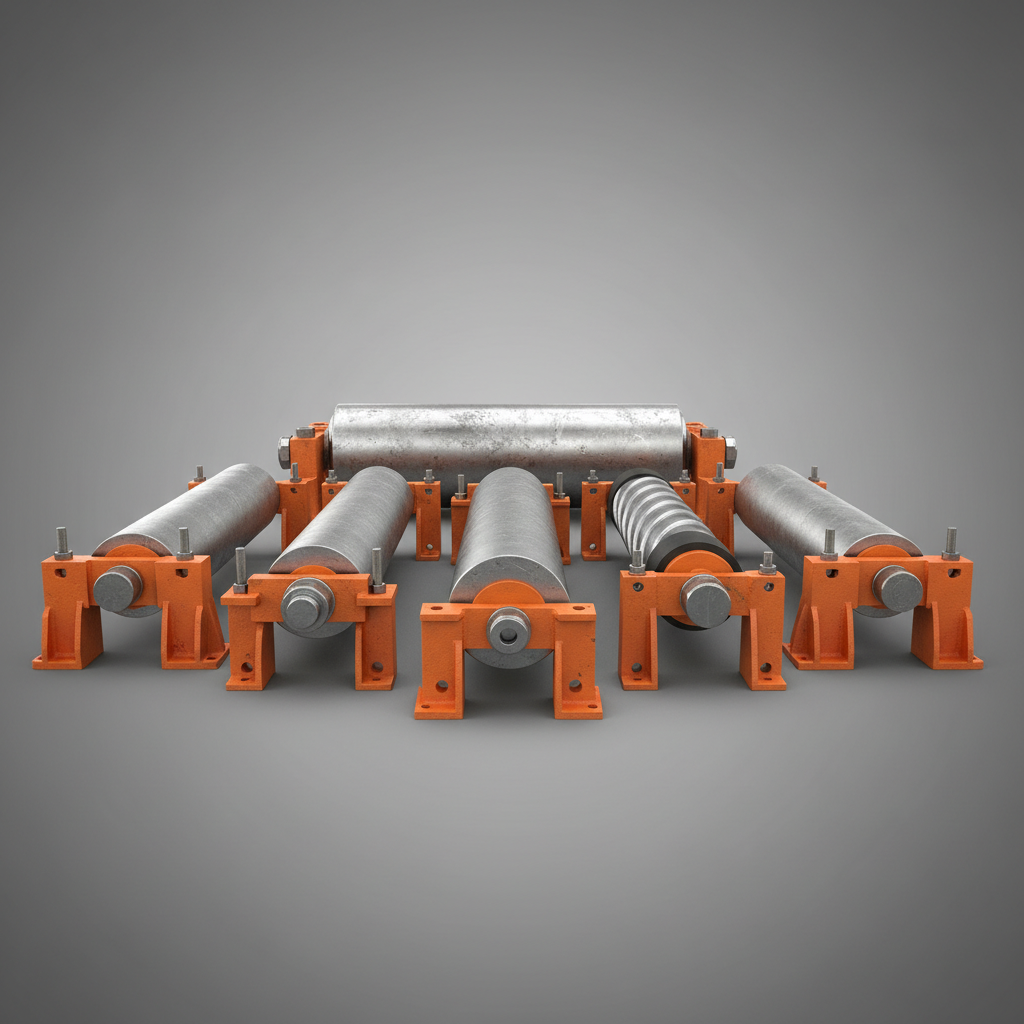
Beyond mere support, these rollers act as the primary defense against belt wear. By distributing the weight of the material evenly, they prevent the belt from sagging, which would otherwise increase the tension required to pull the load. In modern mining, rollers are categorized by their specific role: carry rollers support the loaded belt, return rollers support the empty belt, and impact rollers absorb the shock of falling ore at loading points.
From a humanitarian and safety perspective, the reliability of these components is paramount. A seized roller can create localized heat through friction, which in coal mines can lead to catastrophic fires. Therefore, the evolution of the mining conveyor roller has moved toward "fire-resistant" and "low-friction" designs to protect both the personnel and the infrastructure of the mine.
Core Components and Engineering Factors
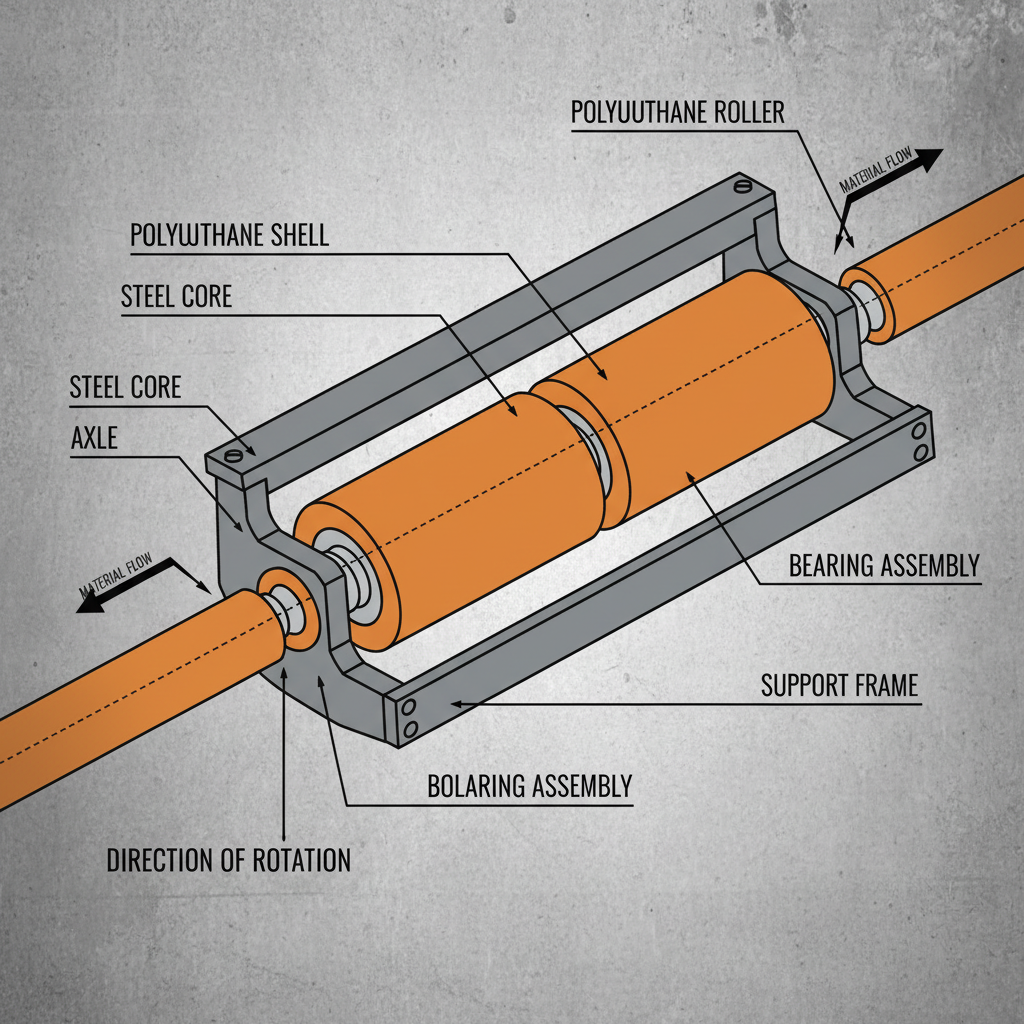
The durability of a mining conveyor roller depends on several core engineering factors. First is the shell material; options range from mild steel and galvanized steel to high-density polyethylene (HDPE) and ceramics. The choice depends on whether the environment is highly corrosive or purely abrasive. A ceramic-coated shell, for instance, provides an impenetrable barrier against the jagged edges of crushed stone.
Equally critical is the bearing and sealing system. The bearing is the heart of the mining conveyor roller, and the seal is its shield. In mining, "sealed-for-life" bearings using triple-labyrinth seals are the industry standard. These prevent the ingress of fine dust and moisture, which are the primary killers of rotational components. When the seal fails, the lubricant escapes, and the roller "seizes," leading to rapid belt abrasion.
Finally, the shaft and housing must be engineered for scalability and ease of replacement. Using precision-machined shafts ensures that the roller remains concentric during high-speed rotation. The housing, or bracket, must be robust enough to withstand the static load of the ore while allowing for a quick-change mechanism to minimize downtime during maintenance cycles.
Comparative Performance Analysis of Roller Materials
Choosing the right material for a mining conveyor roller involves a trade-off between initial cost, weight, and service life. Steel rollers offer unmatched structural strength but are prone to corrosion and are heavy to install. In contrast, polymer and rubber-lagged rollers provide better damping and are virtually immune to rust, though they may deform under extreme point loads.
Recent shifts toward "green mining" have seen a rise in the use of composite rollers. These components reduce the overall weight of the conveyor structure, lowering the energy required to start the system and reducing the carbon footprint associated with transporting heavy steel parts to remote mine sites.
Material Performance Rating for Mining Conveyor Rollers
Global Application Scenarios in Extreme Environments
In the Arctic regions of Canada or Russia, a standard mining conveyor roller would fail within days due to lubricant freezing and steel brittleness. These environments require cold-resistant lubricants and specialized alloys that maintain ductility at -40°C. The application of heat-tracing or specialized insulation around the roller brackets is often necessary to ensure continuous operation.
Conversely, in the tropical humidity of the Congo or Brazil, the primary enemy is oxidation and moisture. Here, stainless steel or high-grade polymer rollers are utilized to prevent the shell from rusting and the bearings from corroding. In these remote industrial zones, the ability to deploy rollers that require zero maintenance for years is the difference between a profitable operation and a logistical nightmare.
Long-term Economic and Operational Advantages
Investing in premium mining conveyor roller systems yields dividends in the form of reduced Total Cost of Ownership (TCO). While a high-end ceramic roller may cost more upfront than a basic steel one, its lifespan is often three to five times longer. This drastically reduces the frequency of "belt stops," which can cost a large-scale mine tens of thousands of dollars per hour in lost production.
From an operational standpoint, the use of self-aligning rollers significantly reduces belt deviation. When a belt drifts, it rubs against the structure, causing edge fraying and material spills. By incorporating rollers that automatically adjust the belt's position, mines can ensure a steady flow of material and reduce the manual labor required for belt tracking.
Furthermore, the psychological impact on the workforce cannot be overstated. Reliable equipment means fewer emergency repairs in dangerous areas of the mine. When the conveyor system runs smoothly, technicians can focus on scheduled maintenance rather than "firefighting," leading to a safer, more professional, and more dignified working environment.
Future Innovations and Sustainability Trends
The future of the mining conveyor roller is intrinsically linked to the "Industrial Internet of Things" (IIoT). We are seeing the emergence of "Smart Rollers" embedded with vibration sensors and temperature probes. These sensors transmit real-time data to a central control room, alerting engineers exactly which roller is beginning to fail before it actually seizes, enabling truly predictive maintenance.
Sustainability is also driving a shift toward circular economy principles. Many manufacturers are now developing rollers made from recyclable thermoplastics that can be ground down and remolded at the end of their life cycle. This reduces the reliance on virgin steel and lowers the energy intensity of the manufacturing process.
Automation and robotics are also playing a role. New automated roller replacement systems are being developed to swap out worn idlers without requiring human entry into the conveyor gallery, further enhancing safety and reducing the downtime associated with manual labor.
Comparative Analysis of Mining Conveyor Roller Technologies
| Technology Type |
Wear Resistance |
Installation Cost |
Maintenance Cycle |
| Traditional Steel |
Moderate |
Low |
Short (6-12 months) |
| HDPE Polymer |
High |
Moderate |
Medium (18-24 months) |
| Ceramic Lined |
Extreme |
High |
Long (36-60 months) |
| Smart IIoT Roller |
Variable |
Very High |
Predictive (On-Demand) |
| Rubber Lagged |
High (Impact) |
Moderate |
Medium (12-24 months) |
| Stainless Steel |
High (Corrosion) |
High |
Long (24-36 months) |
FAQS
Replacement frequency depends on the material being transported and the environment. In highly abrasive iron ore mines, steel rollers may need replacement every 6 to 12 months. However, ceramic or high-grade polymer rollers can last 3 to 5 years. We recommend implementing a monthly visual inspection and using vibration analysis to identify failing rollers before they cause belt damage.
Carry rollers are designed to support the belt while it is loaded with material, focusing on low rolling resistance. Impact rollers are installed at loading points where material drops onto the belt. They typically feature rubber rings or specialized dampers to absorb the shock of the falling load, preventing the belt from ripping and the roller shell from denting.
Yes, high-density polyethylene (HDPE) and other advanced polymers are engineered to handle significant loads. While steel has a higher ultimate crush strength, polymer rollers offer a better strength-to-weight ratio and superior resistance to corrosion. For most mining applications, polymer rollers are a viable and often superior alternative to steel, provided the temperature remains within the material's operating range.
The most effective way is to install self-aligning rollers (also known as trainer rollers). These rollers are pivoted and designed to rotate slightly when the belt drifts. This rotation creates a corrective force that steers the belt back to the center of the conveyor. Combining these with properly leveled carry rollers ensures the belt remains tracked throughout its journey.
Mining environments are filled with abrasive dust and moisture, both of which act as contaminants. If these enter the bearing, they destroy the lubricant and cause the metal balls to grind against the race, leading to a seized roller. High-quality labyrinth seals act as a physical barrier, ensuring the lubricant stays in and the contaminants stay out, which is the single most important factor in roller longevity.
Absolutely, in high-abrasion environments. While the initial cost is higher, the extended service life means fewer replacements and, more importantly, fewer unplanned shutdowns. When you calculate the cost of a single hour of lost production versus the cost of the roller, the ceramic option typically provides a much higher Return on Investment (ROI) over a 5-year period.
Conclusion
The mining conveyor roller may seem like a simple mechanical part, but it is the linchpin of the entire material handling process. From the selection of corrosion-resistant materials and precision-sealed bearings to the implementation of IIoT-driven predictive maintenance, every engineering choice impacts the bottom line of a mining operation. By prioritizing durability and technical precision, operators can ensure maximum throughput, enhanced worker safety, and a significant reduction in operational overhead.
As the industry moves toward deeper mines and more sustainable practices, the demand for intelligent and eco-friendly conveyor components will only grow. We encourage mine managers to move away from the "cheapest part" mentality and instead embrace a value-based procurement strategy that considers the total lifecycle of the equipment. For high-quality solutions tailored to your specific geological and environmental challenges, visit our website: www.hgconveyorbelt.com.