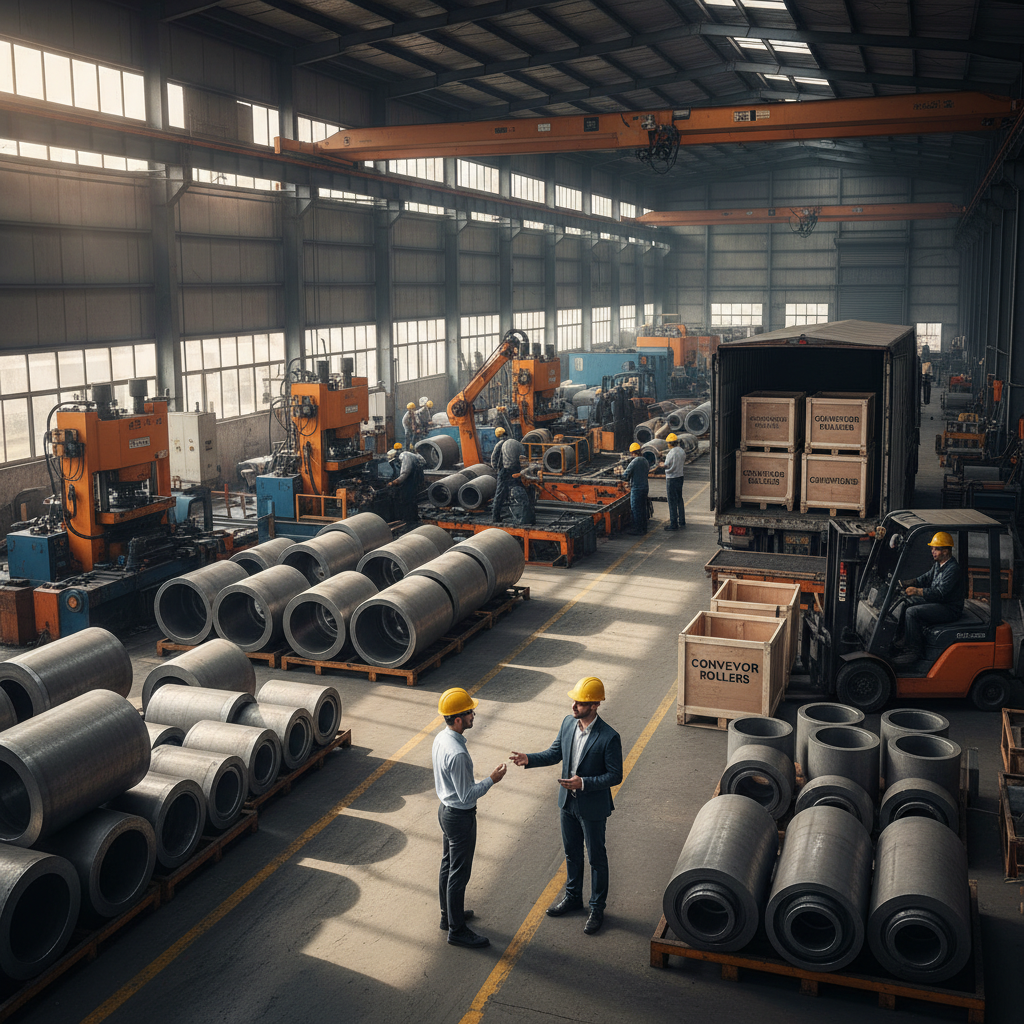
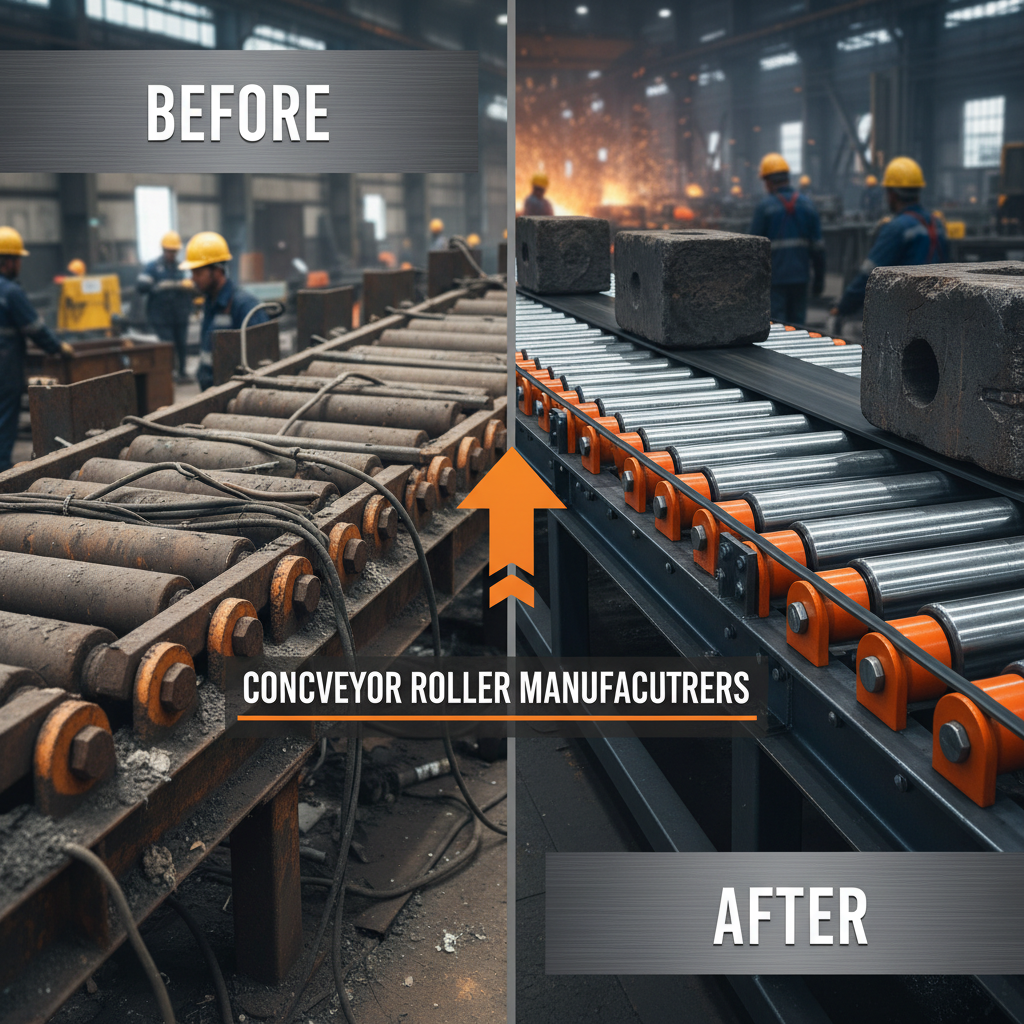
Selecting a reliable conveyor roller supplier is a critical decision for any industrial operation that relies on the seamless movement of bulk materials. In the world of continuous handling equipment, the roller is the unsung hero—a simple component that determines the efficiency, energy consumption, and lifespan of the entire conveyor system. When these components fail, the resulting downtime can cost companies thousands of dollars per hour, making the quality of the source paramount.
Across global industries ranging from mining and quarrying to food processing and logistics, the demand for high-performance rollers continues to grow. A professional conveyor roller supplier does more than just sell parts; they provide engineering expertise to ensure that the rollers can withstand specific environmental stressors, such as corrosive acids, extreme heat, or abrasive dust. This synergy between product quality and technical application is what separates a standard vendor from a strategic partner.
Understanding the nuances of roller materials—whether they be polymer, stainless steel, or ceramic—allows operators to optimize their throughput and reduce operational risks. By aligning with an experienced conveyor roller supplier, businesses can implement predictive maintenance schedules and transition from reactive repairs to a proactive reliability model, ensuring long-term stability in their supply chain.
Global Industry Context of Conveyor Roller Supply
On a global scale, the material handling industry is the backbone of the global economy, supporting everything from the ISO-standardized mining operations in Australia to the massive logistics hubs in North America. The role of a conveyor roller supplier has evolved from simple fabrication to high-precision engineering. As global trade volumes increase, the pressure on conveyor systems to operate 24/7 without failure has reached an all-time high.
Industry data suggests that mechanical failure in idlers and rollers accounts for a significant percentage of unplanned downtime in bulk handling. The challenge lies in the diversity of environments; a roller that works in a climate-controlled warehouse will fail instantly in a corrosive chemical plant or a sub-zero Arctic mining site. This is why the expertise of a specialized supplier is indispensable for maintaining operational continuity.
Defining the Role of a Professional Conveyor Roller Supplier
In simple terms, a conveyor roller supplier is a specialized manufacturer and distributor that provides the rotating cylinders (rollers/idlers) used to support conveyor belts and the materials they carry. However, a "professional" supplier goes beyond mere distribution. They act as consultants who analyze the load-bearing requirements, the chemical nature of the transported material, and the ambient environment to recommend the correct material grade and bearing type.
Modern industry requires more than just "steel pipes." The connection between a supplier and humanitarian or industrial needs is evident in how efficient transport systems lower the cost of essential goods. For instance, in large-scale agricultural projects or disaster relief infrastructure, the rapid deployment of robust conveyor systems—supported by high-quality rollers—ensures that food and medical supplies reach their destination without mechanical bottlenecks.
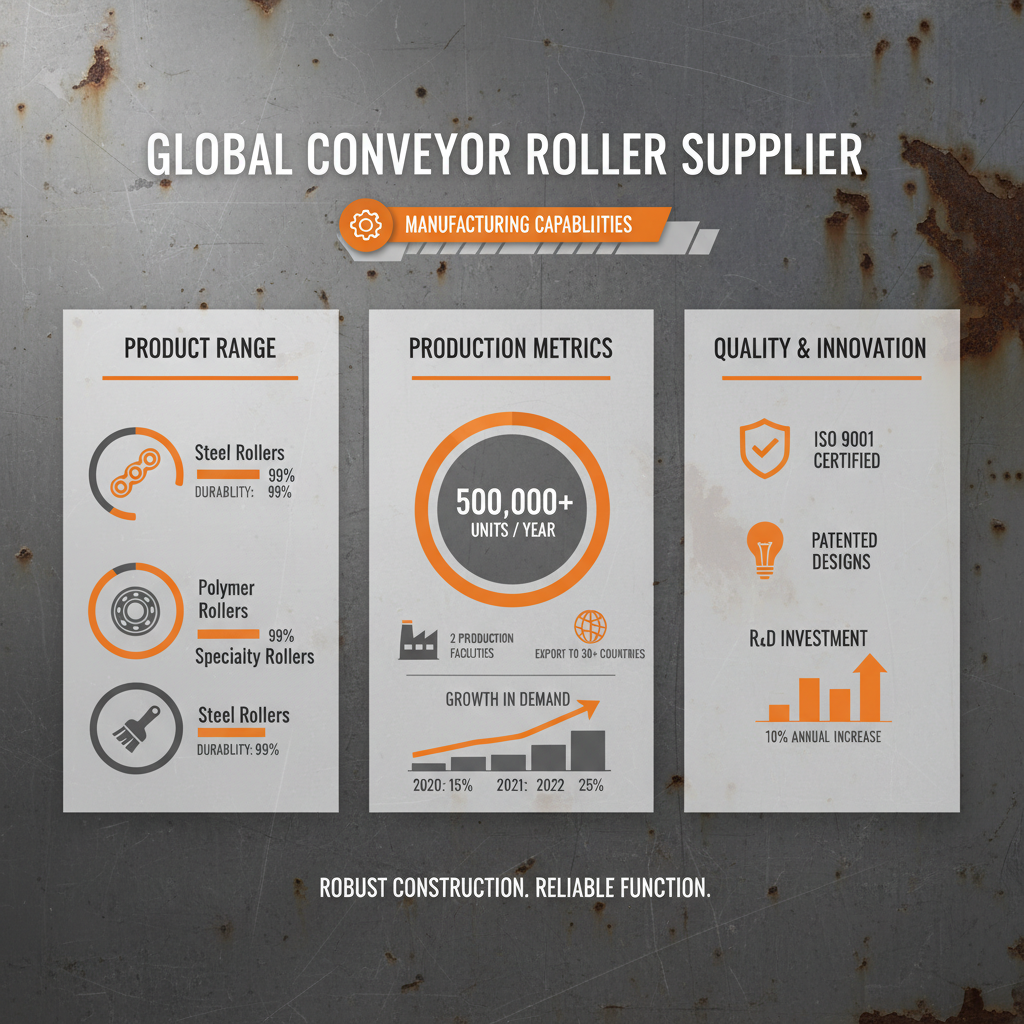
Furthermore, a top-tier supplier integrates quality control standards such as ISO 9001, ensuring that every batch of rollers maintains concentricity and balance. This precision prevents belt mistracking, which is one of the primary causes of premature belt wear and safety hazards in the workplace.
Core Components of Roller Performance and Durability
When evaluating a conveyor roller supplier, the first factor to consider is material durability. Depending on the application, rollers may be constructed from carbon steel, stainless steel, or high-density polymers. For example, in environments where moisture and salts are prevalent, a supplier providing stainless steel or polymer-coated rollers is essential to prevent oxidation and premature structural failure.
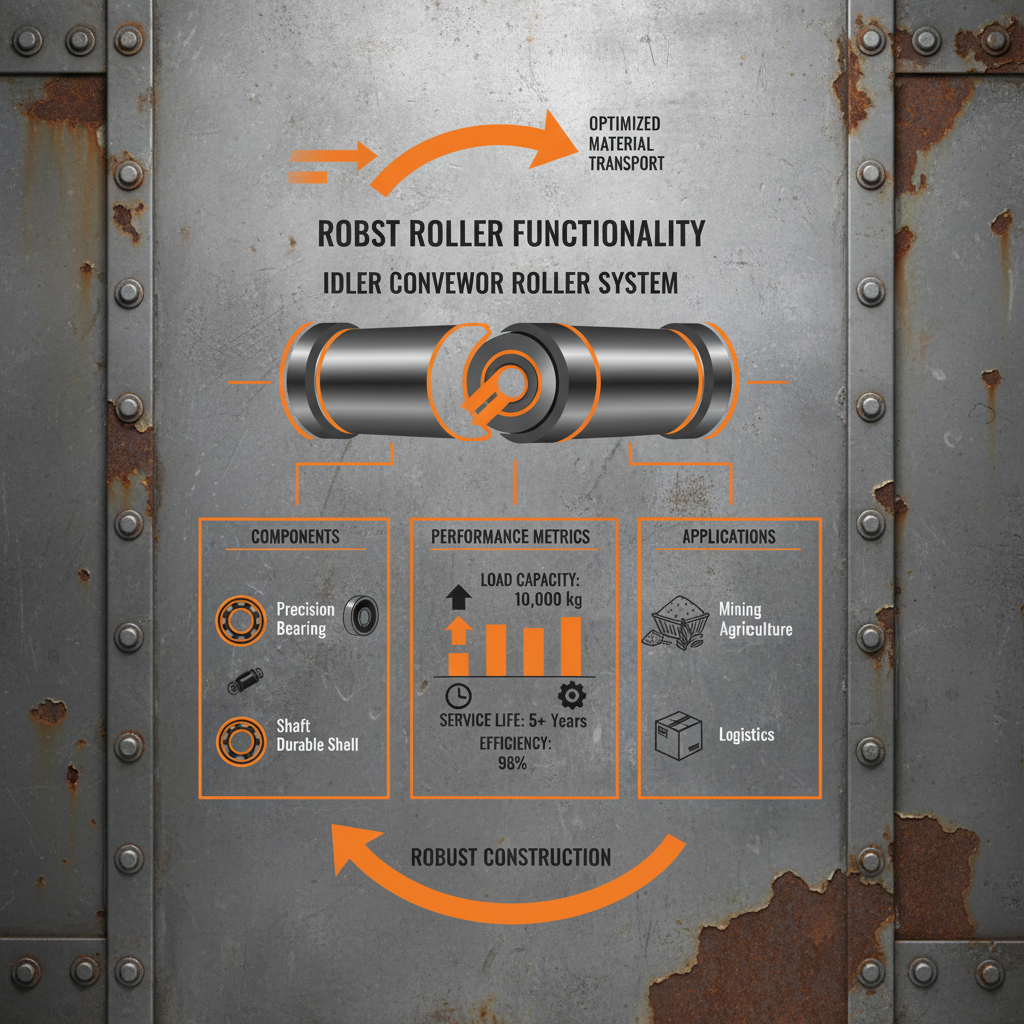
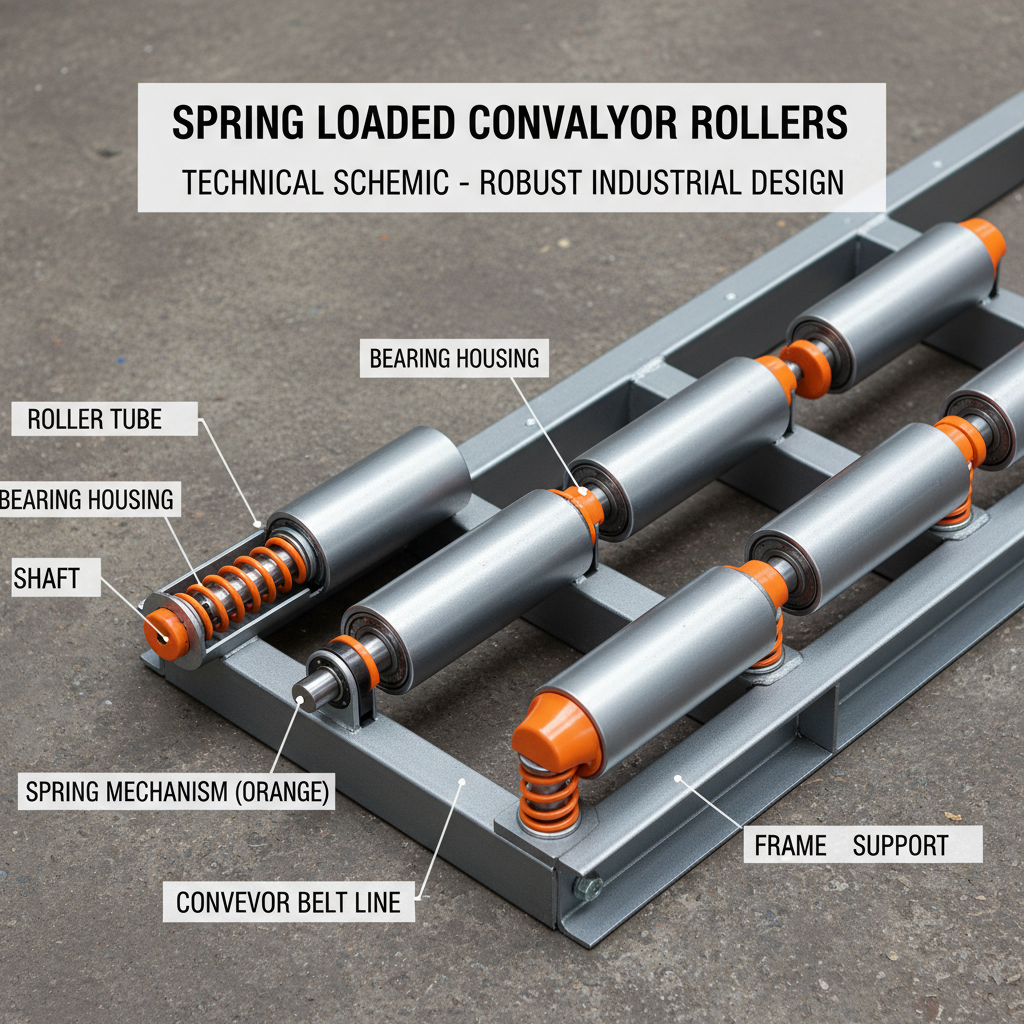
The second critical aspect is the bearing and housing assembly. The bearing is the heart of the roller; if it seizes, the roller becomes a stationary abrasive point that can shred a conveyor belt in minutes. A leading conveyor roller supplier will offer various sealing options—such as labyrinth seals or triple-lip seals—to keep contaminants out and lubricants in, significantly extending the mean time between failures (MTBF).
Finally, scalability and cost-efficiency must be balanced. While high-end ceramic rollers offer extreme wear resistance, they may be overkill for light-duty applications. An expert supplier helps clients categorize their conveyor lines into "high-wear zones" (like impact areas) and "low-wear zones," allowing for a hybrid installation that maximizes lifespan while optimizing the procurement budget.
Strategic Applications Across Global Industrial Zones
The application of rollers provided by a conveyor roller supplier varies wildly across different sectors. In the mining regions of South America and Africa, impact idlers are used at loading points to absorb the shock of falling ore, preventing belt punctures. In these remote industrial zones, the reliability of the roller is the only thing preventing a total site shutdown.
Conversely, in the pharmaceutical and food industries of Europe and Asia, hygiene is the priority. Here, the supplier provides stainless steel rollers with specialized coatings that resist caustic cleaning agents. Whether it is a telescopic conveyor in a modern e-commerce warehouse or a heavy-duty mining conveyor in a pit, the engineering logic remains the same: matching the roller's physical properties to the environment's stressors.
Performance Comparison of Roller Materials from a Conveyor Roller Supplier
Long-Term Value and Operational Advantages
The tangible benefits of partnering with a premium conveyor roller supplier extend far beyond the initial purchase price. High-quality rollers reduce rolling resistance, which directly lowers the energy consumption of the conveyor motor. Over a span of several years, this reduction in kilowatt-hours can result in significant operational cost savings and a smaller carbon footprint for the facility.
Beyond the logic of cost, there is the emotional angle of safety and trust. When a roller fails unexpectedly, it can lead to belt snaps or material spillage, creating hazardous conditions for workers. By investing in certified components, management provides a safer working environment, ensuring that employees can operate with dignity and confidence in their equipment. This reliability fosters a culture of innovation, as the team spends less time "firefighting" failures and more time optimizing production.
Future Trends in Conveyor Roller Technology
The industry is currently witnessing a digital transformation. The next generation of products from a forward-thinking conveyor roller supplier includes "smart rollers" equipped with embedded sensors. These sensors can monitor temperature, vibration, and rotation speed in real-time, sending alerts to a central control room before a bearing actually fails. This shift toward Industry 4.0 eliminates the guesswork in maintenance.
Sustainability is another driving force. We are seeing a move toward biodegradable polymers and recycled steel in roller fabrication. Green energy initiatives are pushing suppliers to develop rollers with ultra-low friction coefficients, further reducing the energy load on industrial grids. The goal is a circular economy where rollers are not just replaced but refurbished and recycled.
Automation in the manufacturing process of the rollers themselves is also increasing precision. CNC machining and automated laser welding ensure that every roller produced by the supplier is identical, which is crucial for high-speed conveyor systems where even a millimeter of deviation can cause systemic vibration and noise pollution.
Overcoming Common Challenges in Roller Selection
One of the most common limitations in current practice is the "one-size-fits-all" approach, where companies buy the cheapest available rollers regardless of the application. This often leads to a cycle of frequent replacements and increased downtime. The solution is to engage in a technical audit with a conveyor roller supplier to map out the specific wear patterns of the conveyor line.
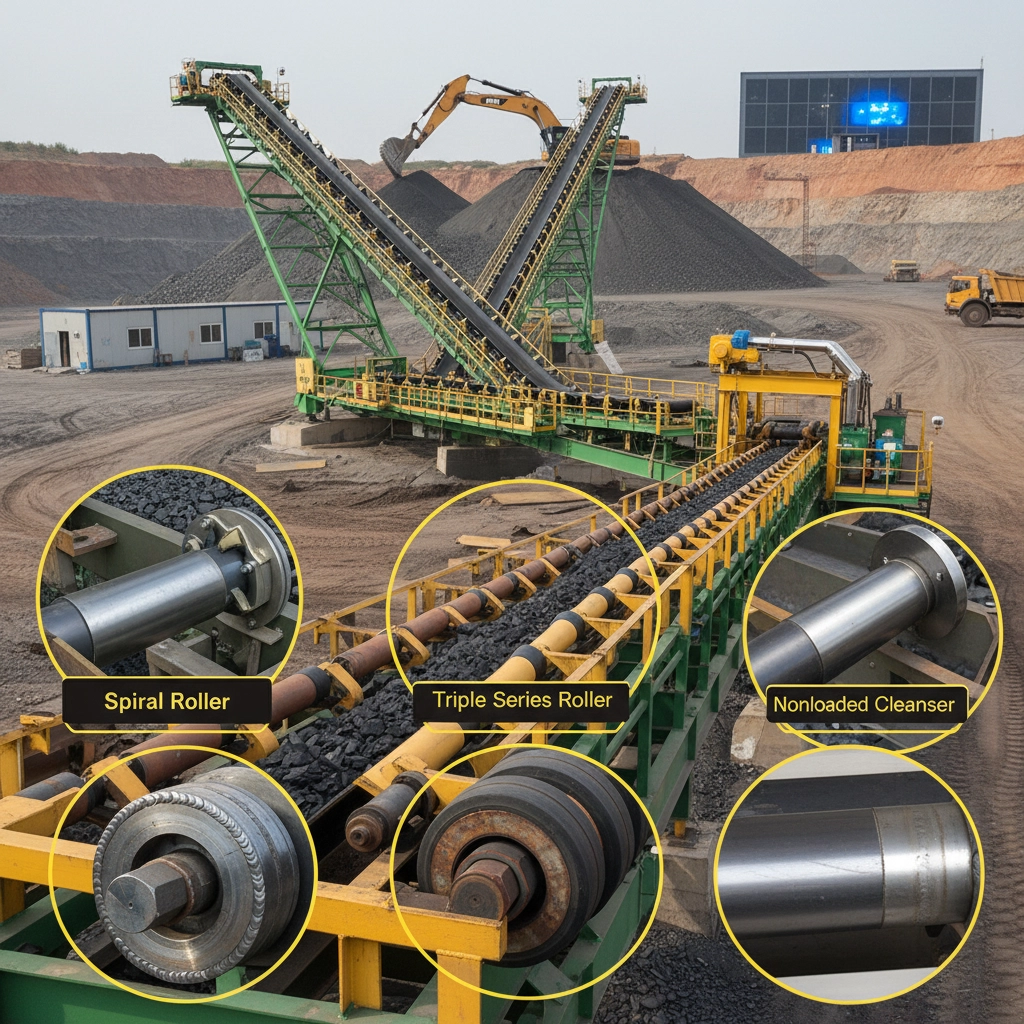
Another challenge is the struggle with "material build-up," where sticky substances adhere to the roller, changing its diameter and causing the belt to slip. Expert suppliers solve this by offering cleaners or specially textured rollers (such as spiral or convex patterns) that naturally shed material, maintaining the efficiency of the system without manual scrubbing.
Lastly, logistics and lead times often plague industrial operations. To overcome this, the best suppliers implement a Vendor Managed Inventory (VMI) system, where they maintain a local stock of critical rollers based on the client's historical usage data. This ensures that a replacement is always on hand, reducing the risk of extended outages.
Technical Specification Analysis for Conveyor Roller Selection
| Roller Material |
Environmental Suitability |
Wear Resistance (1-10) |
Expected Lifespan |
| Carbon Steel |
General Industrial |
6 |
12-24 Months |
| Stainless Steel |
Food/Chemical/Corrosive |
8 |
36-60 Months |
| Polymer/HDPE |
Wet/High Humidity |
5 |
18-30 Months |
| Ceramic Lined |
Abrasive Mining |
10 |
60+ Months |
| Rubber Coated |
Impact/Fragile Goods |
7 |
24-36 Months |
| Galvanized Steel |
Outdoor/Mild Corrosion |
7 |
24-48 Months |
FAQS
Look for a supplier that specializes in stainless steel or polymer-coated rollers. Ensure they offer a variety of sealing options, such as labyrinth seals, to prevent corrosive chemicals from entering the bearing housing. Ask for case studies or certifications regarding the material's resistance to the specific chemicals used in your facility.
Common warning signs include audible screeching or grinding noises (indicating bearing failure), visible belt mistracking or sagging, and an increase in the motor's power consumption. Additionally, any visible deformation of the roller shell or significant material build-up that alters the roller's diameter should prompt an immediate replacement.
It depends on the application. Polymer rollers are lighter, corrosion-resistant, and generally quieter, making them ideal for food processing or wet environments. However, steel rollers offer superior load-bearing capacity and impact resistance, which are essential for heavy mining or aggregate operations. A professional supplier will help you choose based on your specific load requirements.
Yes. High-precision rollers with low-friction bearings reduce the rolling resistance of the conveyor belt. This means the motor doesn't have to work as hard to move the same amount of material. By upgrading to high-efficiency rollers and ensuring proper alignment, many plants see a measurable drop in monthly energy expenditures.
While often used interchangeably, a roller is the rotating cylinder itself, whereas an "idler" typically refers to the entire assembly, including the roller, the bearings, and the frame/bracket that holds it in place on the conveyor structure. A comprehensive conveyor roller supplier provides both the individual rollers and the complete idler frames.
For critical high-load systems, a monthly visual inspection is recommended. In extreme environments (like mining), weekly checks for bearing noise and belt tracking are advisable. Implementing a predictive maintenance plan with your supplier can help you move toward "condition-based monitoring" rather than a strict calendar schedule.
Conclusion
In summary, the selection of a conveyor roller supplier is a pivotal decision that impacts every facet of industrial production, from daily energy costs and equipment lifespan to worker safety and overall throughput. By focusing on material suitability, bearing precision, and the strategic implementation of specialized rollers, companies can transform their material handling systems from a source of potential failure into a competitive advantage.
Looking forward, the integration of smart sensing and sustainable materials will redefine the industry. We encourage operators to move away from the "lowest cost" mindset and instead embrace a "total cost of ownership" approach. Investing in high-quality components today ensures a more resilient, efficient, and environmentally friendly operation for the future. Visit our website to learn more: www.hgconveyorbelt.com