Steel conveyor rollers with bearings are fundamental components in a vast array of material handling systems globally. These seemingly simple devices play a critical role in ensuring the smooth, efficient, and reliable movement of goods across industries ranging from mining and agriculture to manufacturing and logistics. The demand for these rollers is consistently high due to their essential function in optimizing production processes and reducing operational costs.
The global conveyor system market, of which steel conveyor rollers with bearings are a crucial part, is projected to continue its robust growth. Driven by increasing automation in warehousing, e-commerce expansion, and the need for efficient supply chains, the market is expected to reach significant valuations in the coming years. According to recent industry reports, investments in automated material handling solutions are on the rise, creating a favorable environment for the manufacturers and suppliers of these essential roller components.
Understanding the intricacies of steel conveyor rollers with bearings is paramount for engineers, maintenance personnel, and procurement specialists alike. Selecting the appropriate roller type, bearing configuration, and materials directly impacts system performance, lifespan, and overall cost-effectiveness. A comprehensive understanding leads to better decision-making, optimized operations, and ultimately, increased profitability.
The Importance of Steel Conveyor Rollers with Bearings
Steel conveyor rollers with bearings are the unsung heroes of countless industrial processes. Their ability to minimize friction and facilitate smooth movement of materials directly translates into increased efficiency and reduced energy consumption. Without properly functioning rollers, systems experience increased downtime, higher maintenance costs, and potentially, even safety hazards.
The selection of quality steel conveyor rollers with bearings is a crucial investment, not merely an expense. Choosing the right specifications—considering load capacity, speed requirements, and environmental conditions—can significantly extend the operational life of a conveyor system and optimize its overall performance.
Defining Steel Conveyor Rollers with Bearings
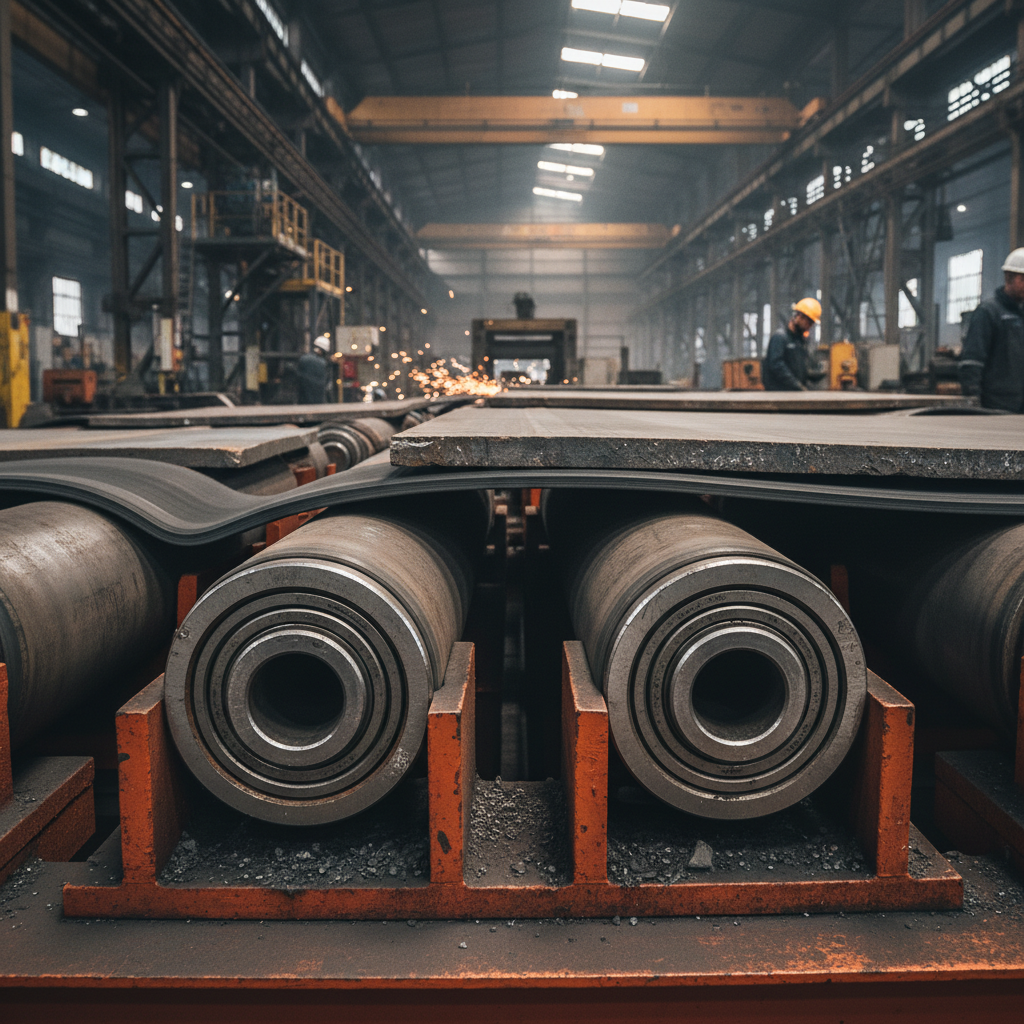
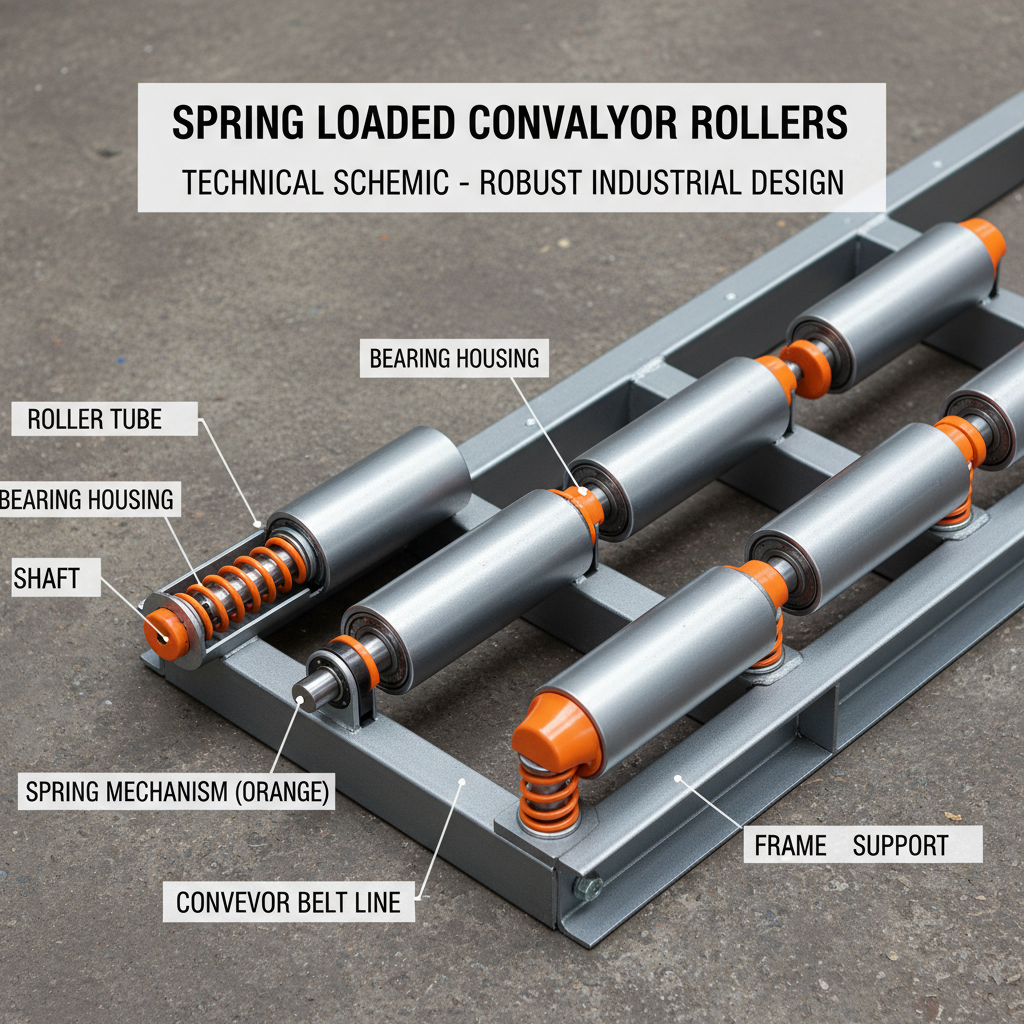
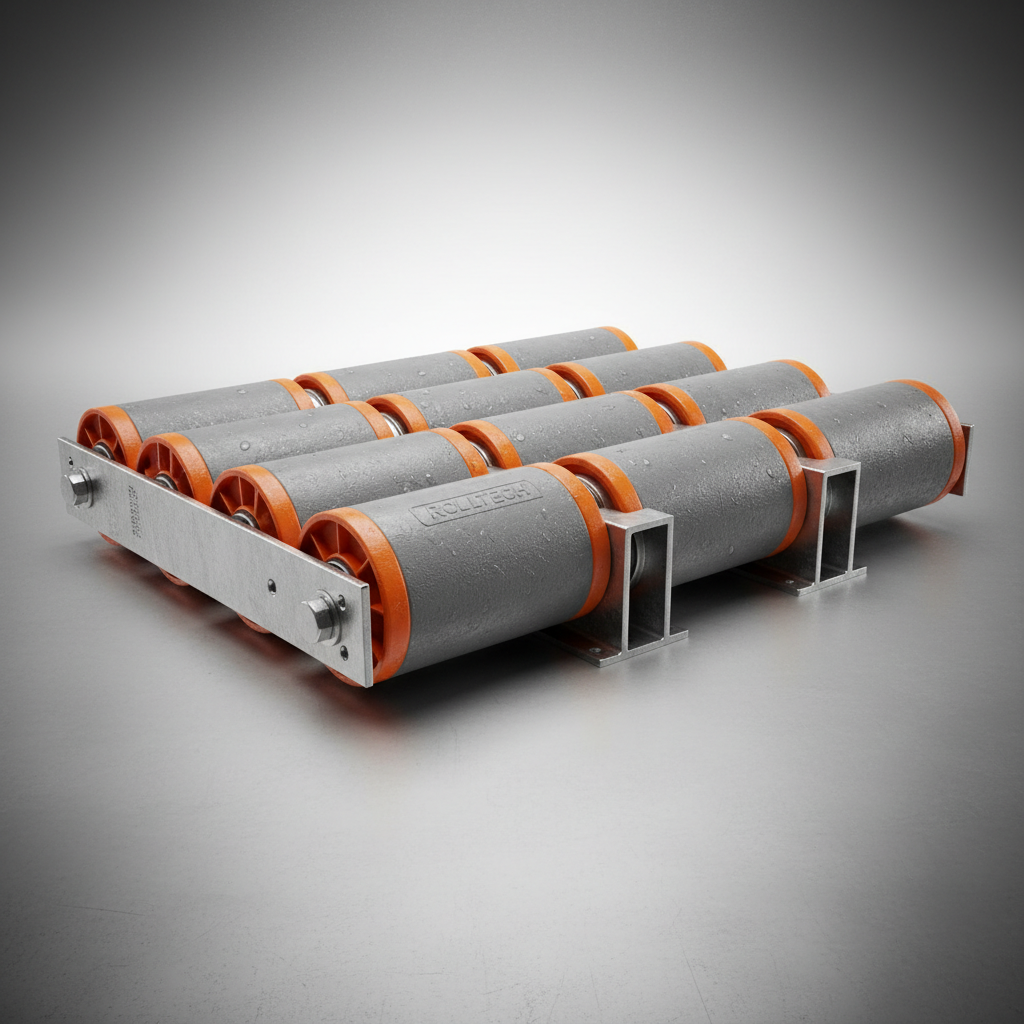
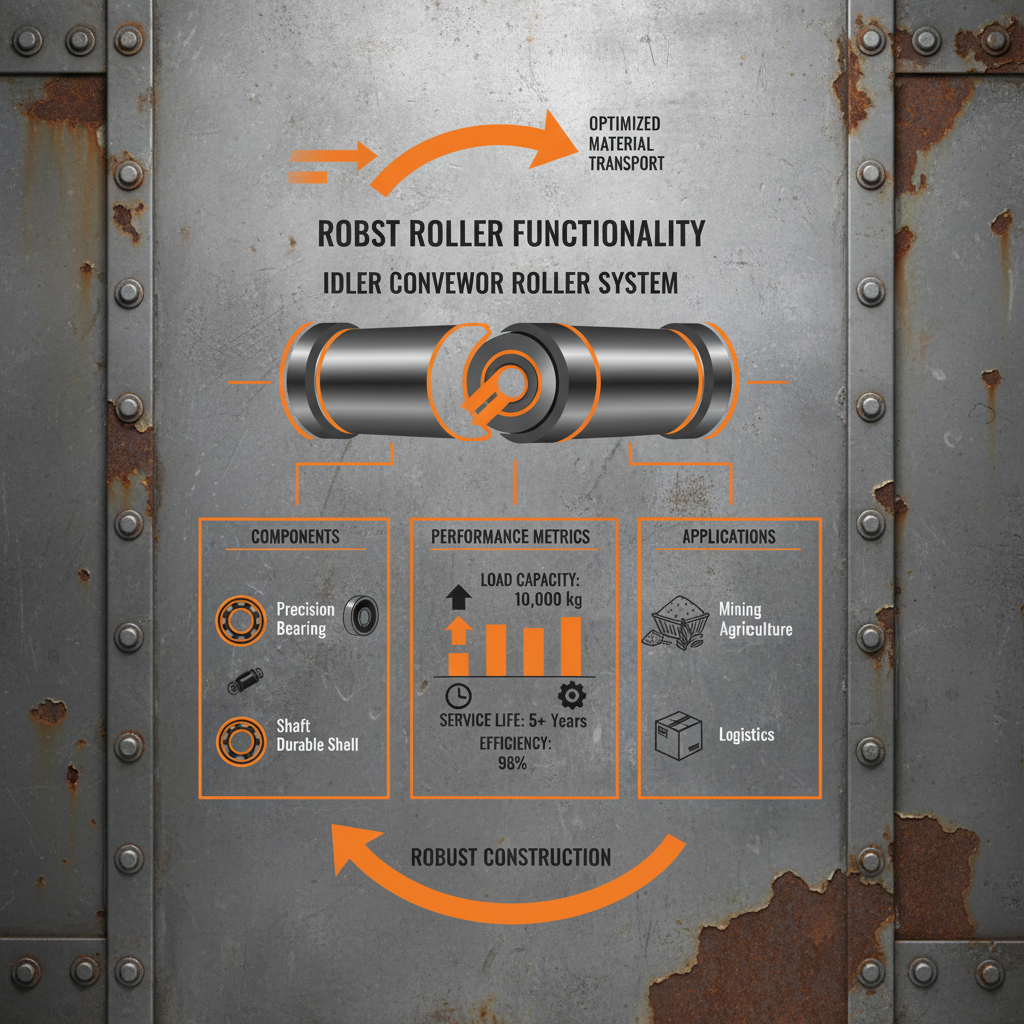
Steel conveyor rollers with bearings are cylindrical components designed to support and facilitate the movement of materials on a conveyor belt. They consist of a steel shell – often carbon steel or stainless steel – encasing a bearing assembly. This bearing assembly allows for smooth rotation, minimizing friction between the roller and the belt, and ultimately reducing the energy required to move the load.
These rollers are integral to both powered and non-powered conveyor systems. In powered systems, the rollers are driven by a motor, while in non-powered systems, the belt movement is initiated by an external force. Their ability to handle varying loads, speeds, and environmental conditions makes them adaptable to a wide spectrum of applications.
The connection to modern industry and humanitarian needs is direct. Efficient material handling, enabled by these rollers, underpins just-in-time manufacturing, rapid distribution networks, and even disaster relief logistics, ensuring critical supplies reach those in need quickly and effectively.
Core Components and Material Science
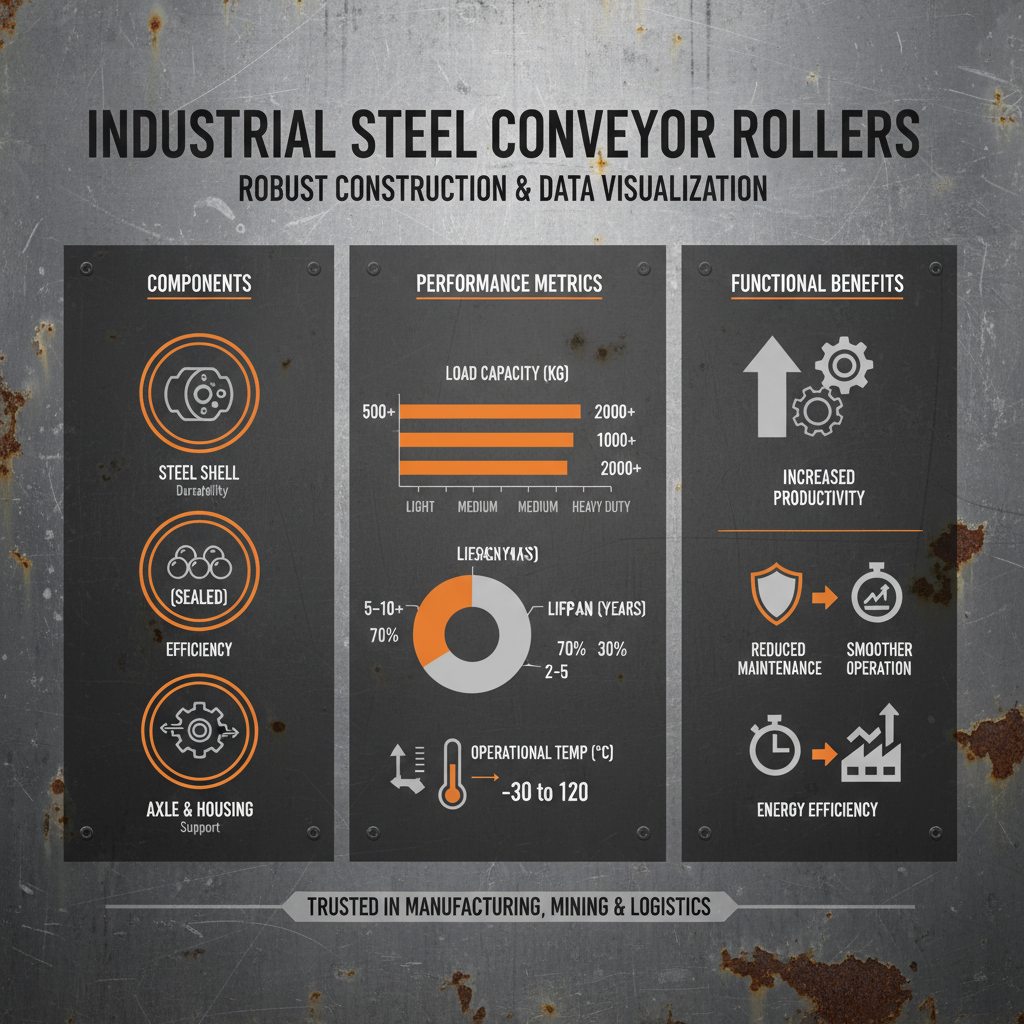
The composition of steel conveyor rollers with bearings hinges on a few key components. The steel shell itself must demonstrate high tensile strength, wear resistance, and durability. Different steel alloys are chosen based on the specific application; for instance, stainless steel is preferred in corrosive environments. The quality of the steel significantly impacts the roller's lifespan and its ability to withstand heavy loads.
The bearing assembly is equally crucial. Common bearing types include ball bearings, roller bearings, and tapered roller bearings, each offering distinct advantages regarding load capacity, speed, and precision. The bearing’s lubrication system is also vital; proper lubrication minimizes friction, reduces wear, and extends bearing life. Sealing mechanisms are employed to protect the bearings from contaminants like dust, moisture, and debris.
Material science plays a critical role in the continual improvement of these components. Research into advanced steel alloys, specialized coatings, and innovative bearing designs aims to enhance performance, reduce weight, and increase resistance to extreme temperatures and harsh chemicals.
Key Performance Indicators of Steel Conveyor Rollers with Bearings
Evaluating the performance of steel conveyor rollers with bearings requires considering several key indicators. Load capacity—the maximum weight the roller can safely support—is paramount. Rotational speed dictates the efficiency of material flow. Furthermore, the coefficient of friction directly impacts energy consumption.
Durability, measured by the roller’s resistance to wear and tear, is another critical factor. The bearing’s lifespan, determined by factors like lubrication and sealing effectiveness, also influences overall system reliability.
Steel Conveyor Rollers with Bearings Performance Comparison
Global Industrial Applications
The applications of steel conveyor rollers with bearings are remarkably diverse. In the mining industry, these rollers are used in heavy-duty conveyors to transport ore and minerals. Within manufacturing, they are integral to assembly lines, packaging systems, and automated material handling facilities. The e-commerce sector relies heavily on these rollers for efficient order fulfillment in warehouses.
Across regions, these rollers are essential. In North America, they support extensive logistics networks. In Europe, they are vital for automotive manufacturing and chemical processing. In Asia, they facilitate rapid production and distribution in burgeoning industrial hubs. Even in remote industrial zones like the Australian Outback or the Canadian Arctic, they play a vital role in resource extraction and transportation.
Advantages and Long-Term Value Proposition
Investing in high-quality steel conveyor rollers with bearings provides a multitude of advantages. Reduced maintenance requirements translate into lower operational costs and minimized downtime. Improved energy efficiency contributes to sustainability goals and lower utility bills. Enhanced system reliability increases production throughput and reduces the risk of costly disruptions.
Beyond the tangible benefits, there's a long-term value proposition rooted in safety, dignity, and trust. Reliable material handling systems protect workers from potential injuries. Efficient logistics contribute to a more stable and predictable supply chain. Choosing reputable suppliers, like steel conveyor rollers with bearings providers, builds trust and ensures lasting performance.
Future Trends and Technological Advancements
The future of steel conveyor rollers with bearings is intertwined with several emerging trends. The integration of smart sensors and IoT technology allows for real-time monitoring of roller performance, predictive maintenance, and optimized operations. Developments in advanced materials – such as high-strength polymers and composite materials – offer opportunities to reduce weight and enhance durability.
Automation and robotics are also driving innovation. Self-aligning rollers and automated lubrication systems minimize manual intervention and increase efficiency. Furthermore, a growing emphasis on sustainability is pushing manufacturers to develop more eco-friendly materials and energy-efficient designs.
Challenges and Solutions
Despite their proven reliability, steel conveyor rollers with bearings face certain challenges. Premature bearing failure due to improper lubrication or contamination remains a common issue. Wear and tear from abrasive materials can shorten roller lifespan. Selecting the appropriate roller for specific applications, particularly those involving extreme temperatures or corrosive environments, requires careful consideration.
Solutions include implementing robust preventative maintenance programs, utilizing advanced sealing technologies, and investing in rollers constructed from corrosion-resistant materials. Employing condition monitoring systems to detect early signs of wear and tear allows for timely intervention, preventing costly breakdowns.
Regular inspections and proactive maintenance, coupled with advancements in roller technology and material science, will continue to mitigate these challenges and enhance the performance and longevity of these critical components.
A Comparative Analysis of Steel Conveyor Roller Bearing Types
| Bearing Type |
Load Capacity (Tons) |
Operating Speed (RPM) |
Maintenance Frequency (Months) |
| Ball Bearing |
5 |
3000 |
6 |
| Roller Bearing |
10 |
2000 |
9 |
| Tapered Roller Bearing |
15 |
1500 |
12 |
| Spherical Roller Bearing |
20 |
1000 |
18 |
| Needle Roller Bearing |
8 |
2500 |
8 |
| Solid Lubricant Bearing |
7 |
1800 |
24 |
FAQS
The lifespan of steel conveyor rollers with bearings is highly variable, dependent on factors such as load, speed, operating environment, and maintenance practices. Generally, well-maintained rollers can last between 5 to 10 years, but in harsh conditions or with heavy use, this can be reduced. Regular inspections, proper lubrication, and timely replacement of worn components are key to maximizing their lifespan.
Selecting the appropriate bearing type depends on several factors. Ball bearings are suitable for high-speed, light-load applications. Roller bearings excel at handling heavier loads at lower speeds. Tapered roller bearings can handle both radial and thrust loads. Consider the operating conditions, load requirements, and desired lifespan when making your selection.
Proper lubrication is critical for the performance and longevity of steel conveyor rollers with bearings. Lubrication reduces friction, minimizes wear, dissipates heat, and protects against corrosion. The type of lubricant, the lubrication method (e.g., grease, oil bath), and the frequency of application are all important considerations. Insufficient or improper lubrication can lead to premature bearing failure.
Signs that a roller needs replacement include excessive noise, vibration, difficulty rotating, visible wear or damage to the roller shell or bearings, and increased friction. Regularly scheduled inspections are essential to identify these issues early. Ignoring these signs can lead to system downtime and potentially more significant damage.
Stainless steel rollers aren't always necessary, but they are highly recommended for applications where corrosion is a concern. Environments with exposure to moisture, chemicals, or harsh cleaning agents benefit significantly from the corrosion resistance of stainless steel. Carbon steel rollers are suitable for dry, indoor environments.
Regular maintenance is key. This includes visual inspections for wear and damage, proper lubrication, cleaning to remove debris, and alignment checks. Address any issues promptly, such as loose bolts or damaged seals. Implementing a preventative maintenance schedule will help ensure optimal performance and longevity.
Conclusion
Steel conveyor rollers with bearings are the backbone of countless industrial processes, providing reliable and efficient material handling solutions. Their importance extends far beyond simply moving goods – they contribute to increased productivity, reduced costs, improved safety, and sustainable operations. Understanding the core components, key performance indicators, and emerging trends in this field is crucial for maximizing their value.
Looking ahead, continued innovation in materials, sensor technology, and automation will further enhance the performance and reliability of these essential components. By embracing these advancements and prioritizing preventative maintenance, businesses can unlock the full potential of steel conveyor rollers with bearings and optimize their material handling systems for years to come. For high-quality steel conveyor rollers with bearings and expert solutions, visit our website today.