0%

Table of Contents

Conveyor drive rollers are essential components in a vast array of industrial and logistical operations, forming the backbone of material handling systems worldwide. From bustling distribution centers to intricate manufacturing lines, these seemingly simple devices play a critical role in ensuring the smooth, efficient, and reliable movement of goods. Understanding their function, variations, and advancements is crucial for optimizing operational performance and minimizing downtime in today's fast-paced environments.

The global market for conveyor drive rollers is substantial, driven by the continued growth of e-commerce, manufacturing, and logistics industries. According to industry reports, the conveyor systems market, in which drive rollers are a significant component, is projected to reach hundreds of billions of dollars in the coming years. This growth is particularly pronounced in emerging economies, where infrastructure development and industrial expansion are accelerating. Addressing challenges like efficiency, durability, and cost-effectiveness in conveyor systems relies heavily on innovative conveyor drive rollers technologies.

These rollers aren't merely passive support elements; they are the prime movers in many conveyor systems, responsible for translating power into motion. Their significance extends beyond simple transportation, contributing to workplace safety, reduced labor costs, and increased throughput. Effective utilization of conveyor drive rollers is a cornerstone of modern supply chain management and a critical element in meeting the escalating demands of global commerce.
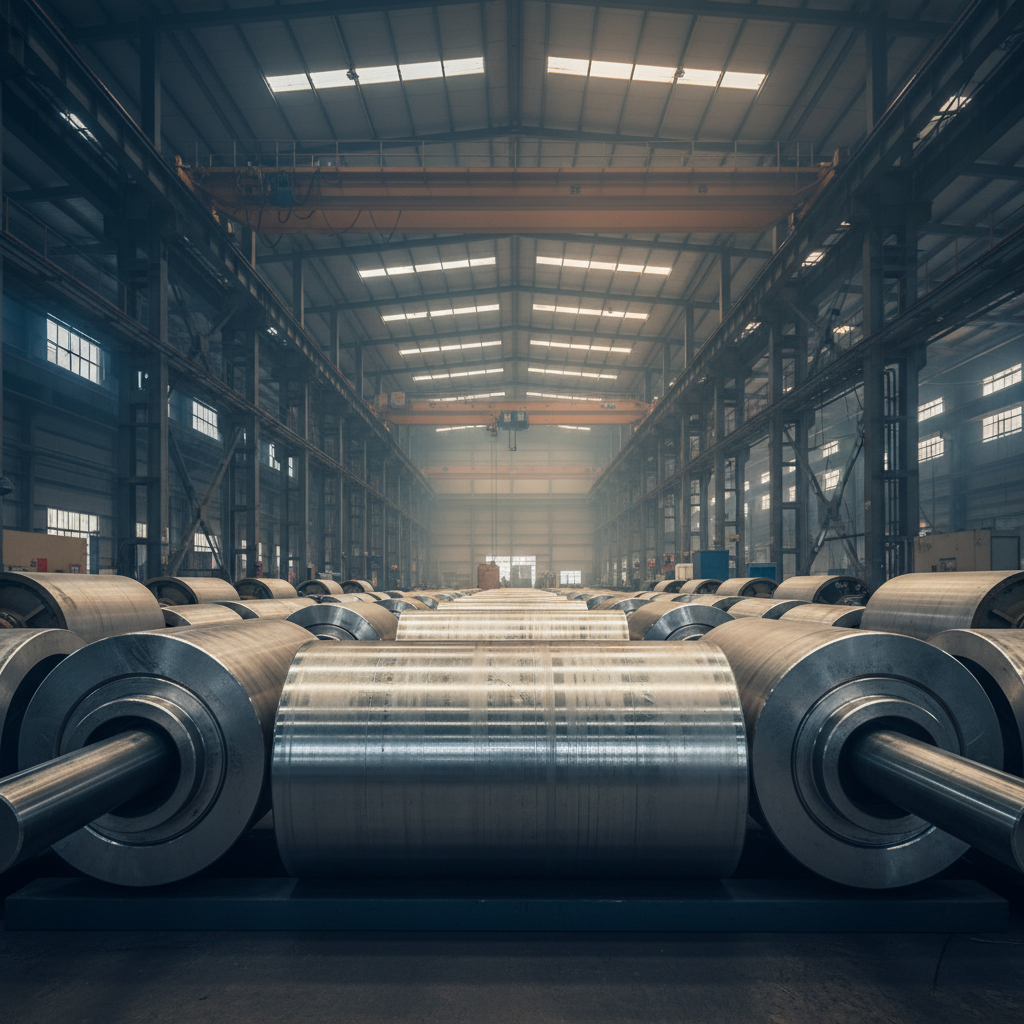
Optimizing Industrial Operations with Advanced Conveyor Drive Rollers

Introduction to Conveyor Drive Rollers

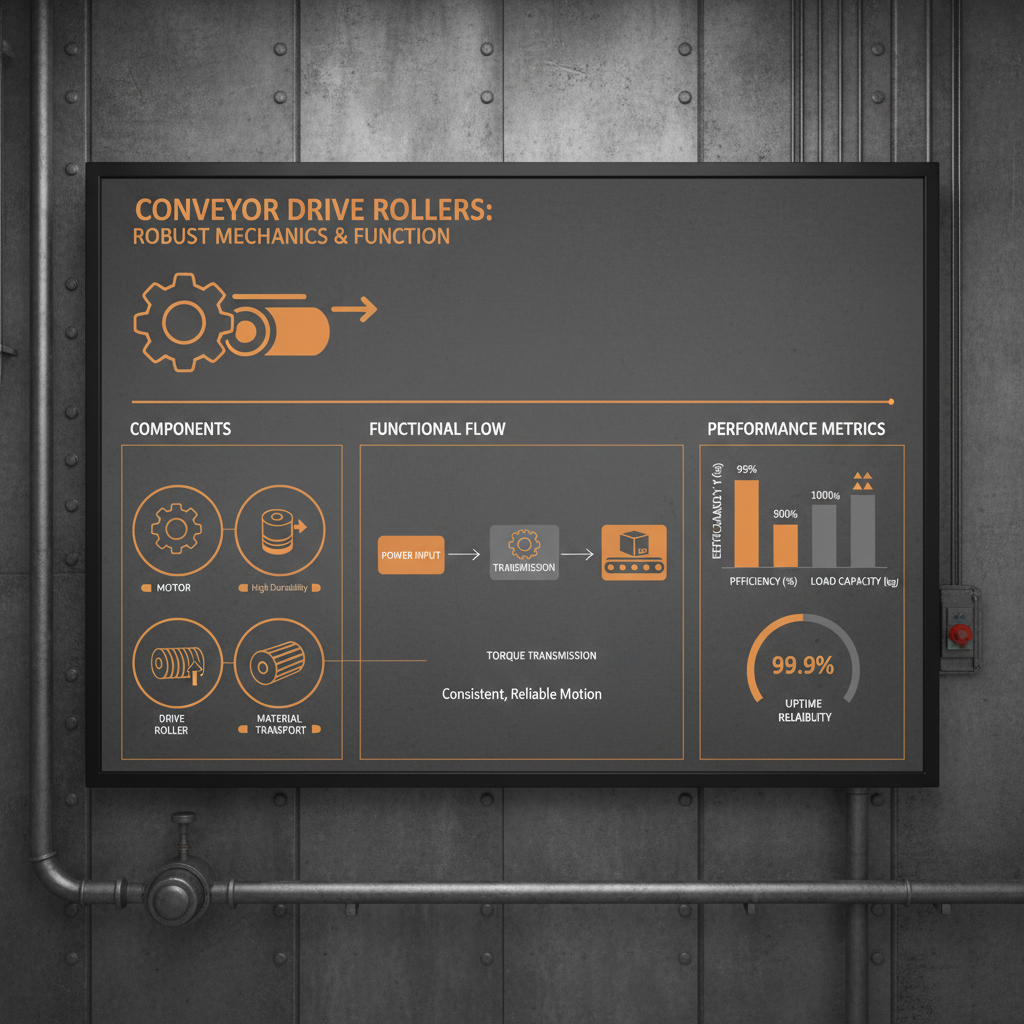
Optimizing Industrial Operations with Advanced Conveyor Drive Rollers

Conveyor drive rollers represent the power transmission element within a conveyor system, converting rotational force into linear motion of the conveyor belt. They are crucial for industries reliant on continuous material flow, providing a reliable and efficient means of transport. Selecting the right type of conveyor drive rollers is paramount for system longevity and performance.

The development of conveyor drive rollers has coincided with the evolution of industrial automation. Early systems relied on simple, manually operated rollers, but modern designs incorporate advanced materials, precise engineering, and often, integrated control systems. This evolution has led to increased carrying capacities, improved energy efficiency, and reduced maintenance requirements.

Defining Conveyor Drive Rollers

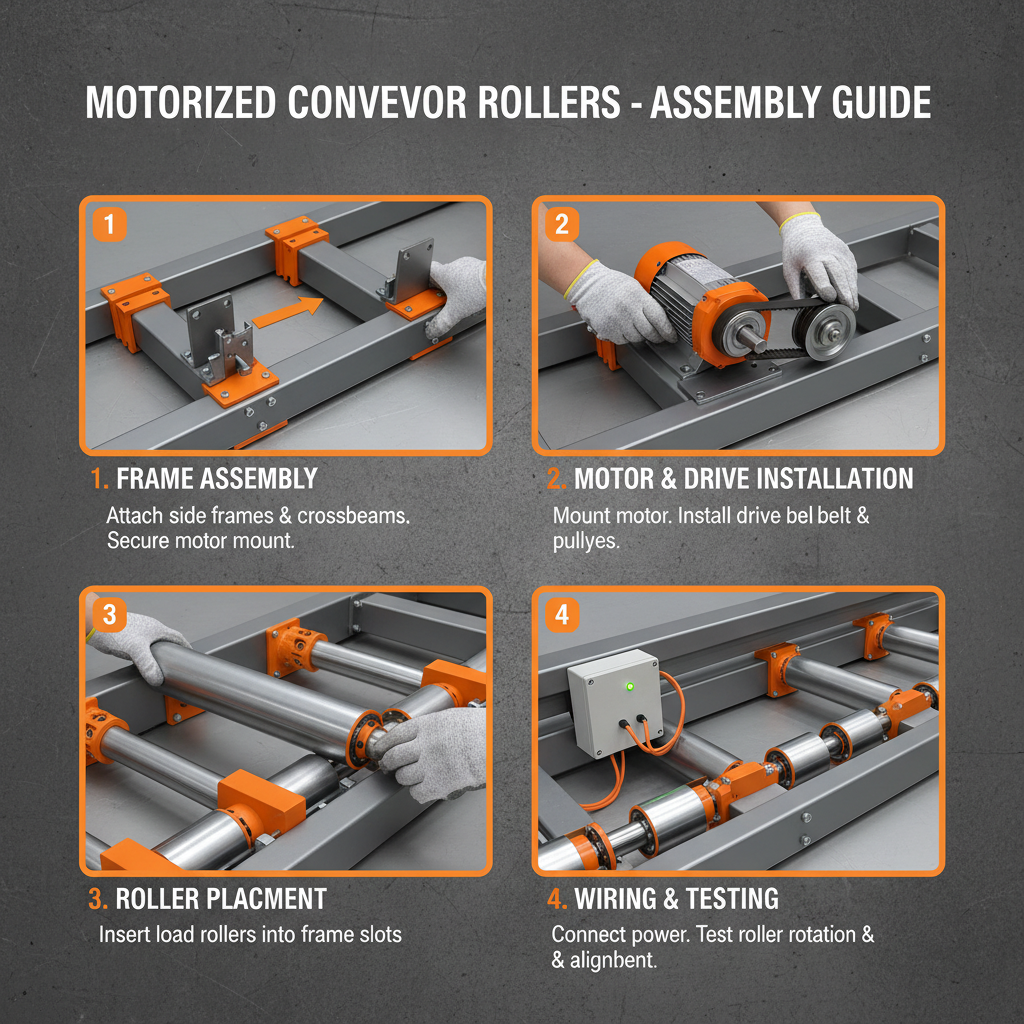
Conveyor drive rollers are cylindrical components designed to impart motion to a conveyor belt. Unlike idler rollers, which simply support the belt, drive rollers are directly connected to a motor or gearbox, providing the necessary torque to move the load. They are often equipped with a friction covering, such as rubber or polyurethane, to enhance grip and prevent slippage.

In essence, these rollers are the engines of many material handling systems. Their design is highly dependent on the application, with variations in diameter, length, material, and drive mechanism to suit specific load requirements, belt types, and operating environments. Effective operation is crucial for the efficient transport of goods within modern industries.

Their connection to modern industry and humanitarian needs is readily apparent. In manufacturing, they facilitate the assembly process, while in logistics, they streamline package handling. In disaster relief, conveyor systems powered by drive rollers enable the rapid distribution of essential supplies, highlighting their importance in addressing critical global challenges.

Core Components and Operational Factors

Several key factors dictate the performance and lifespan of conveyor drive rollers. Durability is paramount, with rollers needing to withstand constant stress, abrasion, and potentially harsh environmental conditions. High-quality materials, such as steel and engineered polymers, are essential for long-term reliability.

Scalability is another critical aspect. Conveyor systems must adapt to changing production demands, and drive rollers need to be easily integrated into systems of varying sizes and complexities. Modular designs and standardized components contribute to greater scalability and flexibility. Cost-efficiency also plays a significant role, particularly in large-scale installations where the cumulative cost of rollers can be substantial.

Further, the drive mechanism - whether direct, geared, or belt-driven - significantly impacts efficiency and control. The type of bearing used also influences performance and maintenance needs. Finally, proper alignment and tensioning are crucial for preventing premature wear and ensuring smooth operation of the conveyor drive rollers.

Global Applications of Conveyor Drive Rollers

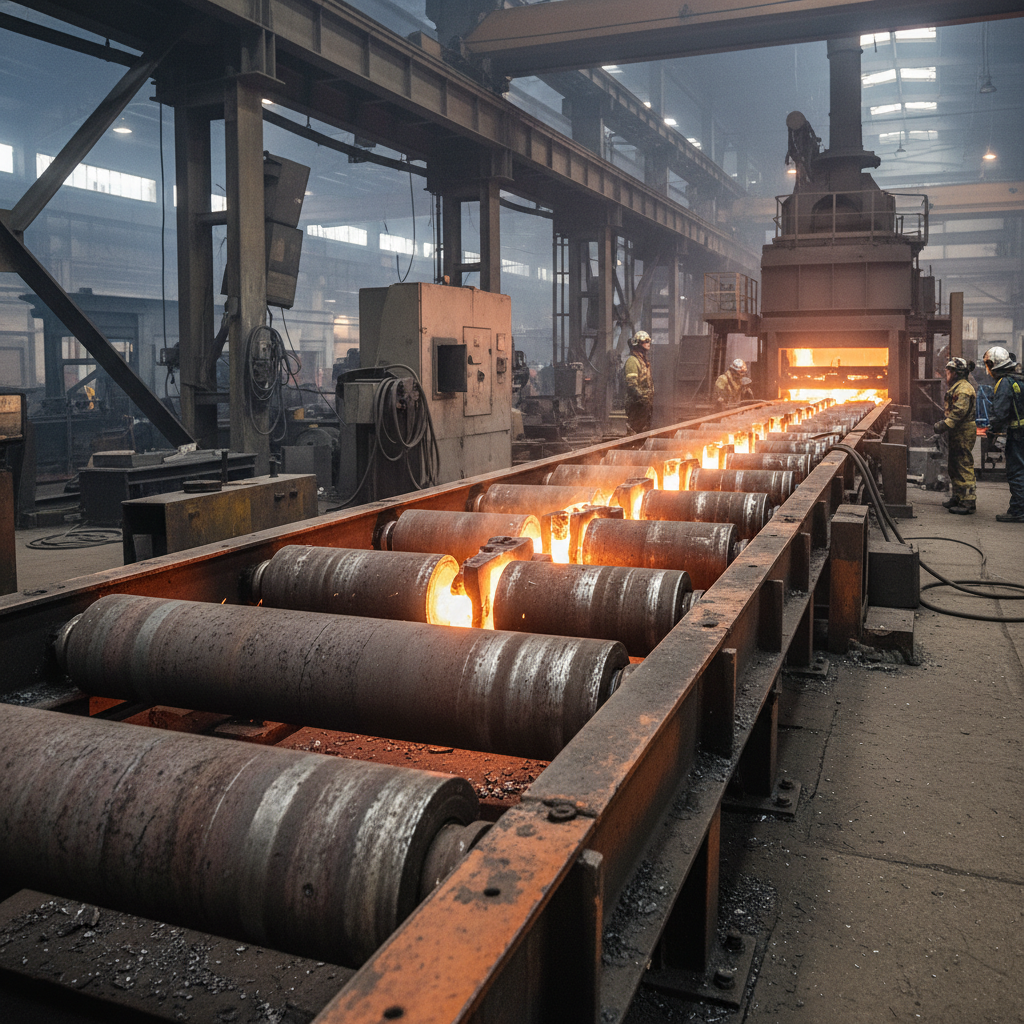
The applications of conveyor drive rollers are incredibly diverse. In the mining industry, they facilitate the transport of ore and raw materials. In the agricultural sector, they are integral to grain handling and processing. They are also widely used in airports for baggage handling, and in postal services for sorting packages.

Regions with significant manufacturing bases, such as China, Germany, and the United States, represent key markets for conveyor drive rollers. Emerging economies in Southeast Asia and Latin America are also experiencing rapid growth in demand due to expanding industrialization. Organizations like DHL and FedEx rely heavily on these components for efficient logistics operations.

Performance Metrics of Different Conveyor Drive Roller Methods


Advantages and Long-Term Value Proposition

The benefits of employing high-quality conveyor drive rollers extend beyond simply moving materials. Cost savings are significant, stemming from reduced downtime, lower maintenance requirements, and increased operational efficiency. A well-maintained system minimizes costly interruptions and maximizes throughput.

Sustainability is also a key advantage. Efficient drive rollers contribute to lower energy consumption, reducing the environmental impact of operations. Choosing durable components minimizes waste and promotes a more circular economy. The reliability and performance of these rollers instill trust and confidence in the overall supply chain.

Future Trends and Innovations

The future of conveyor drive rollers is intertwined with advancements in automation, digital technologies, and sustainable materials. Smart rollers equipped with sensors and data analytics capabilities are emerging, allowing for real-time monitoring of performance and predictive maintenance.

The integration of IoT (Internet of Things) technology enables remote diagnostics and optimized control, further enhancing efficiency and reducing downtime. Research into lighter, stronger materials – such as carbon fiber composites – promises to reduce energy consumption and improve overall performance.

Challenges and Solutions in Conveyor Drive Roller Technology

A common challenge is managing wear and tear, particularly in abrasive environments. Traditional solutions involve regular replacement of rollers, which can be costly and disruptive. Innovative coatings and surface treatments are being developed to enhance abrasion resistance and extend service life.

Another challenge is optimizing energy efficiency. Variable frequency drives (VFDs) and regenerative braking systems can help reduce energy consumption by matching motor speed to the actual load requirements. Proper alignment and tensioning, achieved through automated systems, also contribute to energy savings.

Addressing these challenges requires a holistic approach, encompassing careful material selection, advanced monitoring technologies, and proactive maintenance strategies. By embracing these innovations, companies can unlock the full potential of conveyor drive rollers and optimize their material handling operations.

Summary of Common Challenges & Corresponding Solutions for Conveyor Drive Rollers

Challenge Impact on Operations Proposed Solution Implementation Cost (1-10)
Premature Wear & Tear Increased Maintenance, Downtime Abrasion-Resistant Coatings 6
Energy Inefficiency High Operating Costs Variable Frequency Drives (VFDs) 7
Misalignment Issues Belt Tracking Problems, Damage Automated Alignment Systems 8
Inadequate Load Capacity System Overload, Failure High-Capacity Roller Selection 5
Lack of Real-time Monitoring Reactive Maintenance, Unforeseen Issues IoT-Enabled Sensor Integration 9
Material Compatibility Issues Corrosion, Degradation Corrosion-Resistant Materials 6

FAQS

What factors determine the lifespan of a conveyor drive roller?

The lifespan of a conveyor drive roller depends on several factors, including the load it carries, the operating environment (temperature, humidity, presence of abrasives), the quality of materials used in its construction, and the regularity of maintenance. Consistent lubrication, proper alignment, and avoiding overloading are crucial for maximizing longevity. Selecting a roller with a suitable capacity for the application and employing protective coatings can also significantly extend its service life.

How do I choose the right diameter conveyor drive roller for my application?

The correct diameter of a conveyor drive roller is determined by factors like belt speed, load capacity, and the belt material. Larger diameters generally result in higher belt speeds and are suitable for heavier loads. However, they also require more power to start and stop. A careful assessment of these parameters, along with consulting with a conveyor system specialist, is recommended to ensure optimal performance and efficiency.

What are the advantages of using a geared conveyor drive roller?

Geared conveyor drive rollers offer advantages such as increased torque at lower speeds, making them ideal for applications requiring substantial pulling power with precise control. The gear reduction also allows for the use of smaller, more efficient motors. However, geared rollers generally have higher maintenance requirements due to the added complexity of the gearbox.

How important is proper alignment of conveyor drive rollers?

Proper alignment is critically important for preventing premature wear and tear on both the rollers and the conveyor belt. Misalignment can cause uneven load distribution, leading to belt tracking problems, increased friction, and ultimately, system failure. Regular alignment checks and adjustments are essential for maintaining optimal performance and minimizing downtime.

What types of lubrication are recommended for conveyor drive rollers?

The type of lubrication recommended depends on the roller’s bearing type and the operating environment. Lithium-based greases are commonly used, but synthetic lubricants may be preferred in extreme temperatures or harsh conditions. Following the manufacturer’s recommendations for lubrication frequency and type is vital for preventing bearing failure and ensuring smooth operation.

Can conveyor drive rollers be retrofitted with energy-saving technologies?

Yes, many existing conveyor systems can be retrofitted with energy-saving technologies, such as variable frequency drives (VFDs) and high-efficiency motors. Replacing older rollers with models featuring improved bearings and coatings can also contribute to energy savings. A thorough assessment of the existing system is necessary to determine the most cost-effective upgrade options.

Conclusion

In conclusion, conveyor drive rollers are foundational to modern material handling and logistics, impacting efficiency, sustainability, and cost-effectiveness across numerous industries. Understanding their operation, key components, and emerging trends is critical for businesses seeking to optimize their supply chains and maintain a competitive edge. From advancements in materials science to the integration of smart technologies, the future of conveyor drive rollers promises even greater performance and reliability.

Investing in high-quality rollers, implementing proactive maintenance strategies, and embracing innovative solutions are essential for maximizing the long-term value of these critical components. Further research and development in areas like predictive maintenance and energy efficiency will undoubtedly unlock even greater potential, solidifying the role of conveyor drive rollers as a cornerstone of global commerce. To learn more about our comprehensive range of conveyor drive rollers and solutions, visit our website: www.hgconveyorbelt.com.
Robert Johnson

Robert Johnson

Robert Johnson serves as the Logistics Manager at Hebei Roule Conveyor Machinery, overseeing the efficient and timely delivery of our products globally. With a background in supply chain management, Robert ensures compliance with international standards and manages all aspects of shipping, warehousing, and documentation. He’s been with the company for
Previous Optimizing Material Handling with Durable Steel Conveyor Rollers with Bearings
Next The Essential Role of Conveyor Belt Rollers in Modern Material Handling Systems