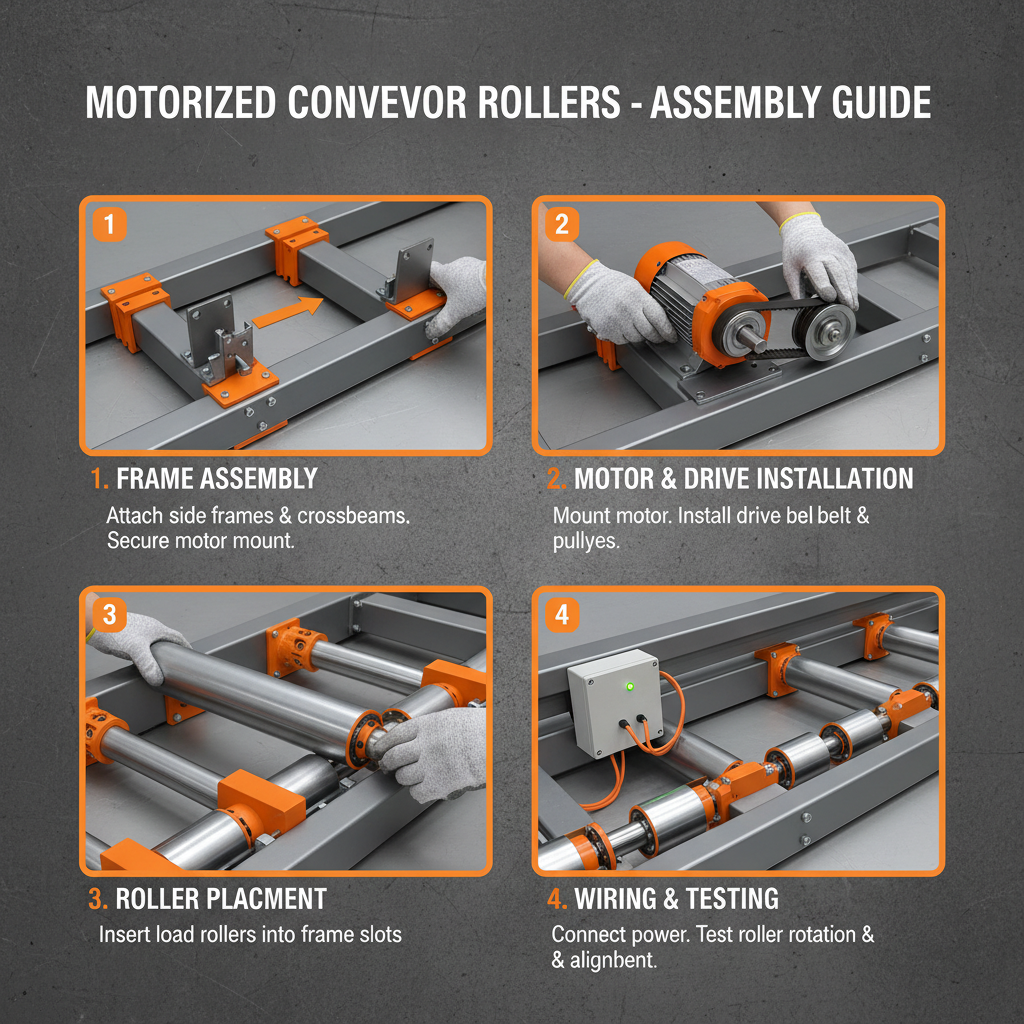
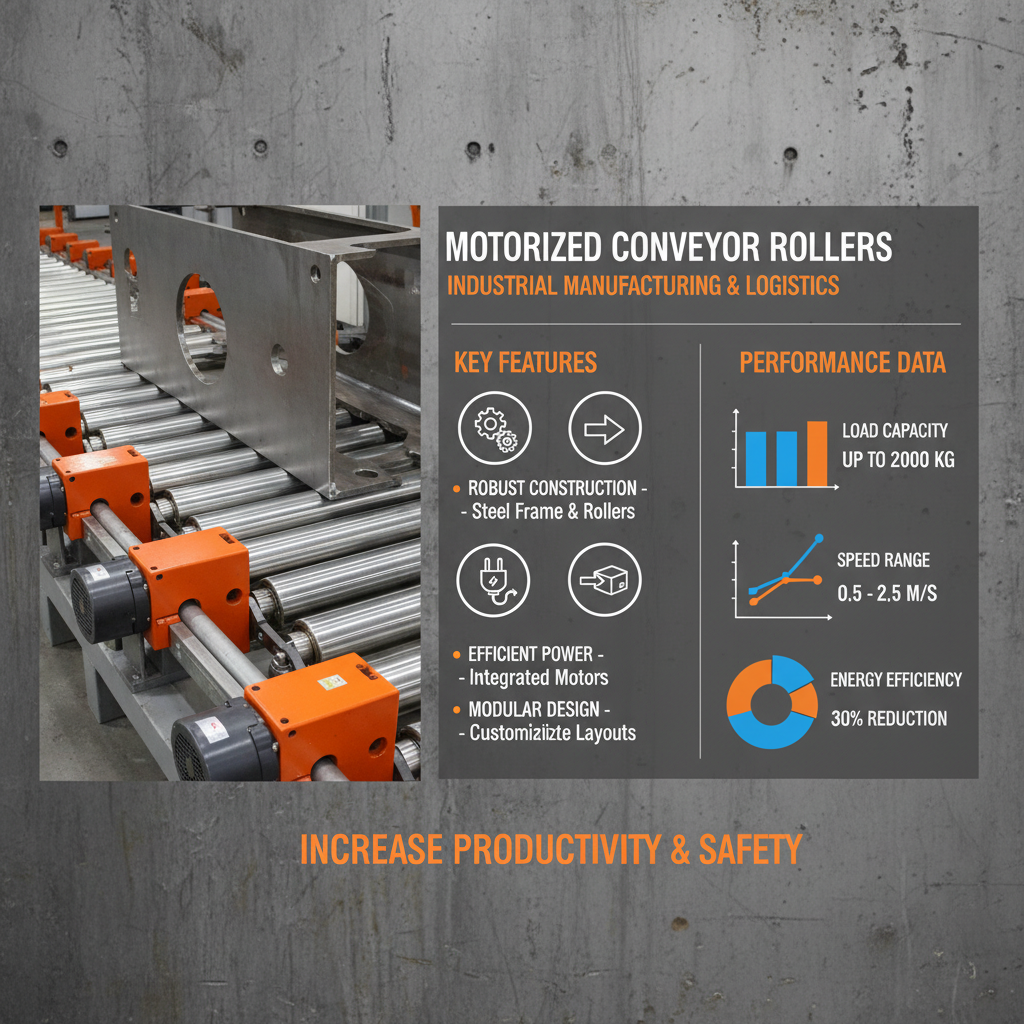
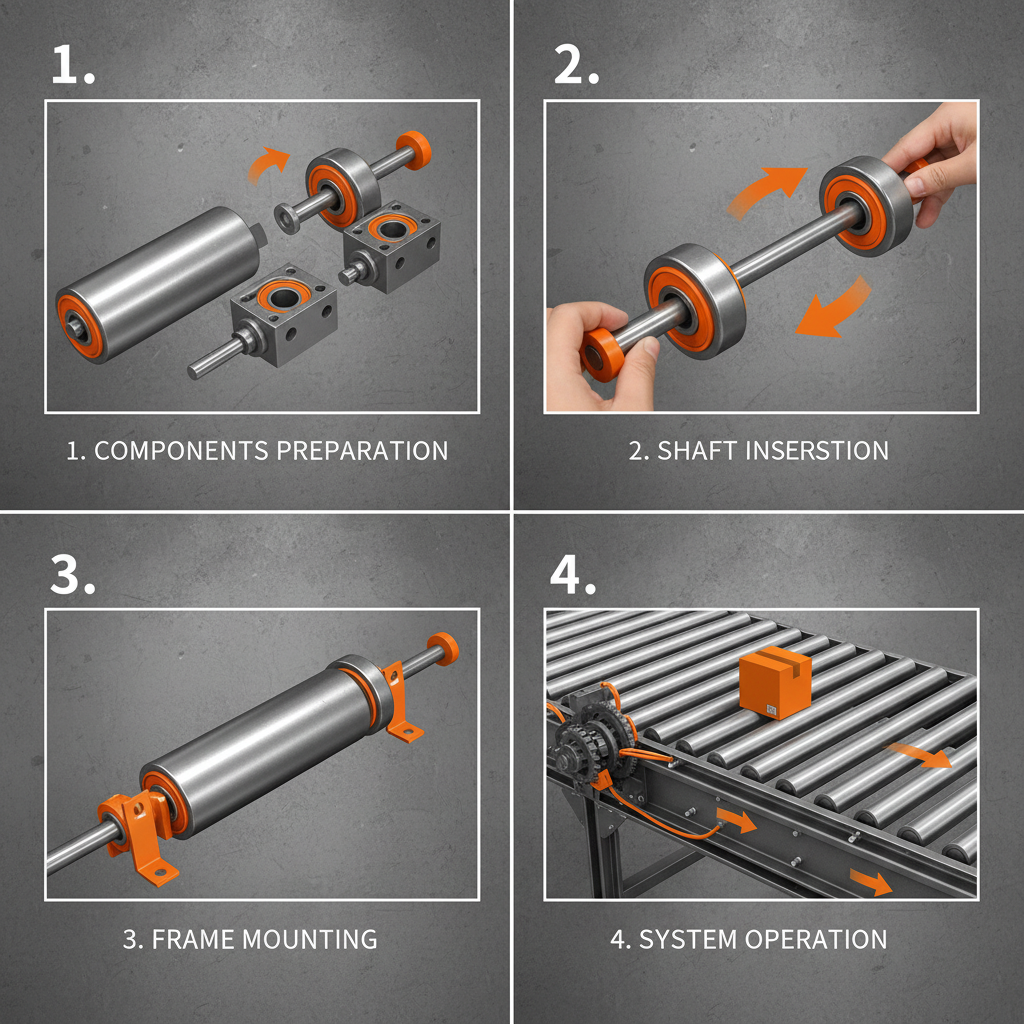
Motorised conveyor rollers are revolutionising material handling across numerous industries. These systems, incorporating electric motors directly into the rollers themselves, offer a significant upgrade over traditional gravity or manually powered conveyors. Their ability to precisely control movement, enhance efficiency, and reduce labour costs makes them a vital component in modern logistics, manufacturing, and distribution networks. Understanding the principles behind motorised conveyor rollers is crucial for optimising operational processes and adapting to the demands of increasingly automated environments.
The global demand for efficient and reliable material handling solutions is steadily increasing, driven by factors like e-commerce growth, industrial automation, and the need for streamlined supply chains. According to a report by Market Research Future, the global conveyor systems market is projected to reach USD 6.2 billion by 2027, exhibiting a CAGR of 5.8%. Motorised conveyor rollers play a key role in achieving this efficiency, providing precise control and adaptable solutions for complex material flow requirements.
The integration of motorised conveyor rollers is not limited to large-scale industrial operations; their adaptability makes them increasingly relevant in smaller facilities, warehouses, and even retail environments. They address challenges associated with manual handling, reducing the risk of injuries, increasing throughput, and improving overall operational safety.
Introduction: Global or Industry Context
Motorised conveyor rollers have become indispensable across a multitude of industries, fundamentally altering how materials are moved and managed. From complex logistics networks handling millions of packages daily to streamlined assembly lines in manufacturing plants, these rollers provide a reliable and efficient solution for diverse material handling needs. The growing demand for automation and increased throughput fuels the expansion of the motorised conveyor roller market.
The impact extends beyond purely industrial applications. Distribution centres supporting the booming e-commerce sector heavily rely on these systems to process orders swiftly and accurately. Moreover, sectors like food processing, pharmaceuticals, and airport baggage handling all benefit from the hygienic, controlled, and reliable movement offered by motorised conveyor rollers. Their adaptability and scalability make them a core element in the evolution of modern supply chains.
Definition & Meaning
Motorised conveyor rollers are self-propelled rollers integrated into a conveyor system. Unlike traditional gravity conveyors or those driven by a central motor, each motorised roller has its own dedicated electric motor, allowing for independent control of each roller. This enables precise movement of items, including start/stop functionality, acceleration, deceleration, and variable speed control.
These systems represent a significant advancement in material handling technology, bridging the gap between simple manual conveyors and complex, fully automated systems. They are integral to 'smart factories' and warehouses, supporting initiatives like Industry 4.0 and enhancing the overall efficiency of logistical operations. The connection to modern industry is clear: motorised conveyor rollers facilitate the seamless flow of materials, optimise space utilization, and reduce reliance on manual labour.
In humanitarian contexts, readily deployable conveyor systems utilising motorised rollers can drastically improve the speed and efficiency of aid distribution, particularly in disaster relief scenarios where time is critical. They can assist in the efficient handling of vital supplies like food, water, and medical equipment, supporting affected communities more effectively.
Key Factors or Core Components
Durability: High-quality construction using robust materials like steel, stainless steel, or durable polymers ensures a long operational lifespan, even in demanding environments. This translates to reduced maintenance costs and increased return on investment. The rollers themselves are often sealed to protect against dust, moisture, and other contaminants.
Precise Control: Integrated controllers allow for sophisticated control over roller speed, direction, and acceleration/deceleration. This precision is crucial for handling delicate items, preventing damage, and optimising material flow. Programmable logic controllers (PLCs) can be integrated for complex automated sequences.
Scalability: Motorised conveyor roller systems are easily scalable, allowing businesses to adapt to changing needs. Additional rollers can be added or removed to modify the conveyor length and capacity. This flexibility makes them suitable for both small workshops and large-scale facilities.
Energy Efficiency: Modern motorised rollers often incorporate energy-saving features such as regenerative braking and sleep modes. This reduces energy consumption and lowers operational costs. Furthermore, they consume less power compared to traditional central motor systems.
Safety Features: Integrated safety sensors, such as emergency stop buttons and obstruction detection systems, enhance worker safety and prevent damage to equipment and materials. These features are essential for maintaining a safe and productive work environment.
Global Applications & Use Cases
Motorised conveyor rollers are ubiquitous in logistics and warehousing. Amazon, DHL, and FedEx utilise them extensively in their sorting and distribution centres to manage the massive volume of packages they process daily. These systems allow for automated sorting, routing, and tracking, significantly improving efficiency and reducing delivery times.
In manufacturing, automotive plants and electronics factories heavily rely on these rollers for assembly line operations. The precise control offered by motorised rollers ensures accurate positioning of components and streamlines the production process. Similarly, food and beverage processing plants use them for hygienic and efficient transportation of products.
In remote industrial zones, where skilled labour may be scarce, motorised conveyor rollers offer a reliable solution for automated material handling. In post-disaster relief operations, rapidly deployable conveyor systems with motorised rollers can quickly establish efficient distribution networks for essential supplies. Airports employ these systems for baggage handling, optimising passenger flow and reducing delays.
Motorised Conveyor Roller System Performance
Advantages & Long-Term Value
The advantages of adopting motorised conveyor rollers are substantial and far-reaching. Reduced labour costs are immediately apparent, as automation minimises the need for manual handling. This translates directly into increased profitability and improved operational efficiency. Beyond cost savings, the implementation of these systems enhances worker safety by reducing the risk of strain injuries associated with manual lifting and repetitive motions.
Sustainability is also a key benefit. By optimising material flow and reducing waste, these systems contribute to a more environmentally responsible operation. The aforementioned energy-efficient features further minimise the environmental footprint. Moreover, the increased reliability and longevity of motorised rollers result in reduced replacement costs and waste generation.
Future Trends & Innovations
The future of motorised conveyor rollers is intrinsically linked to advancements in automation, artificial intelligence, and sustainable technologies. We can expect to see increased integration with robotics and machine learning, creating self-optimising conveyor systems that adapt to dynamic operational needs. Smart rollers equipped with sensors will provide real-time data on material flow, enabling predictive maintenance and proactive problem-solving.
Further developments will focus on enhancing energy efficiency and utilising renewable energy sources. The incorporation of lightweight and durable materials, like advanced composites, will lead to lighter, more efficient rollers. Digital twin technology will allow for virtual modelling and optimisation of conveyor systems before physical implementation, reducing costs and improving performance.
Challenges & Solutions
One common challenge is the initial investment cost, which can be higher compared to traditional conveyor systems. However, this cost is often offset by long-term savings in labour, maintenance, and energy consumption. Careful cost-benefit analysis is crucial when evaluating the feasibility of implementing motorised conveyor rollers.
Another challenge is the potential for complexity in system integration. Proper planning and collaboration with experienced system integrators are essential to ensure seamless integration with existing infrastructure. Robust control systems and advanced diagnostics are also vital for efficient troubleshooting and maintenance.
To address concerns about maintenance, manufacturers are developing self-diagnostic features and remote monitoring capabilities. This enables proactive maintenance, minimising downtime and reducing the need for on-site technicians. Standardisation of components and modular designs further simplify maintenance and repair procedures.
Overview of Common Issues and Mitigation Strategies for Motorised Conveyor Rollers
| Issue Category |
Severity Level (1-5) |
Common Causes |
Mitigation Strategies |
| Motor Failure |
4 |
Overloading, dust/debris, power surges |
Regular maintenance, dust covers, surge protection |
| Control System Errors |
3 |
Software bugs, communication failures, incorrect programming |
Software updates, robust network infrastructure, trained technicians |
| Roller Alignment Issues |
2 |
Vibration, uneven loading, improper installation |
Regular inspections, proper installation techniques, vibration dampeners |
| Sensor Malfunctions |
3 |
Dust accumulation, physical damage, electrical interference |
Protective enclosures, regular cleaning, shielded cables |
| Belt Tracking Problems |
2 |
Misalignment, uneven loading, worn rollers |
Belt tracking adjustments, regular inspections, roller replacement |
| Power Supply Interruptions |
1 |
Power outages, loose connections, faulty transformers |
UPS backup systems, regular electrical inspections, secure connections |
FAQS
The payback period for motorised conveyor rollers varies depending on the scale of the operation and existing processes. However, most businesses experience a return on investment within 12-36 months, driven by reduced labor costs, increased throughput, and minimized product damage. A detailed cost-benefit analysis, considering factors like labor rates, material handling volume, and maintenance expenses, is crucial for accurate prediction.
Motorised conveyor rollers are designed to handle a wide range of load weights, but it’s important to specify the maximum load capacity during system design. Many rollers feature adjustable torque settings, allowing them to adapt to different weight distributions. Systems can also be engineered with load sensors to automatically adjust speed and prevent overloading, safeguarding both the rollers and the transported goods.
Regular maintenance is crucial for optimal performance. This includes periodic inspections for wear and tear, lubrication of moving parts, cleaning to remove dust and debris, and checking electrical connections. Modern rollers often feature diagnostic capabilities that provide early warnings of potential issues, allowing for proactive maintenance and minimizing downtime.
Yes, motorised conveyor rollers can often be integrated with existing conveyor systems, although a thorough assessment is necessary. Compatibility depends on factors such as belt type, roller diameter, and control system protocols. Retrofitting may require modifications to the existing infrastructure, but the benefits of increased automation and control often outweigh the costs.
Motorised conveyor rollers incorporate several safety features, including emergency stop buttons, safety guards, and obstruction detection sensors. These features are designed to prevent accidents and protect workers from potential hazards. Systems can also be integrated with light curtains and other safety devices to create a secure working environment.
Yes, many motorised conveyor rollers are specifically designed for use in food processing environments. These rollers are typically constructed from stainless steel and other hygienic materials that are easy to clean and sanitize. They are also designed to prevent contamination and meet stringent food safety regulations.
Conclusion
Motorised conveyor rollers represent a significant advancement in material handling technology, offering numerous benefits ranging from increased efficiency and reduced labour costs to enhanced safety and sustainability. Their adaptability and scalability make them a valuable asset for a wide range of industries, from logistics and manufacturing to food processing and e-commerce. Understanding the core principles, applications, and future trends associated with these systems is essential for businesses seeking to optimise their operations and gain a competitive edge.
Looking ahead, the integration of motorised conveyor rollers with emerging technologies like AI, IoT, and robotics will unlock even greater potential for automation and optimisation. We encourage businesses to explore the possibilities offered by these innovative systems and consider how they can be leveraged to improve efficiency, reduce costs, and enhance overall performance.
For more information about motorised conveyor rollers and how they can benefit your operation, visit our website: www.hgconveyorbelt.com