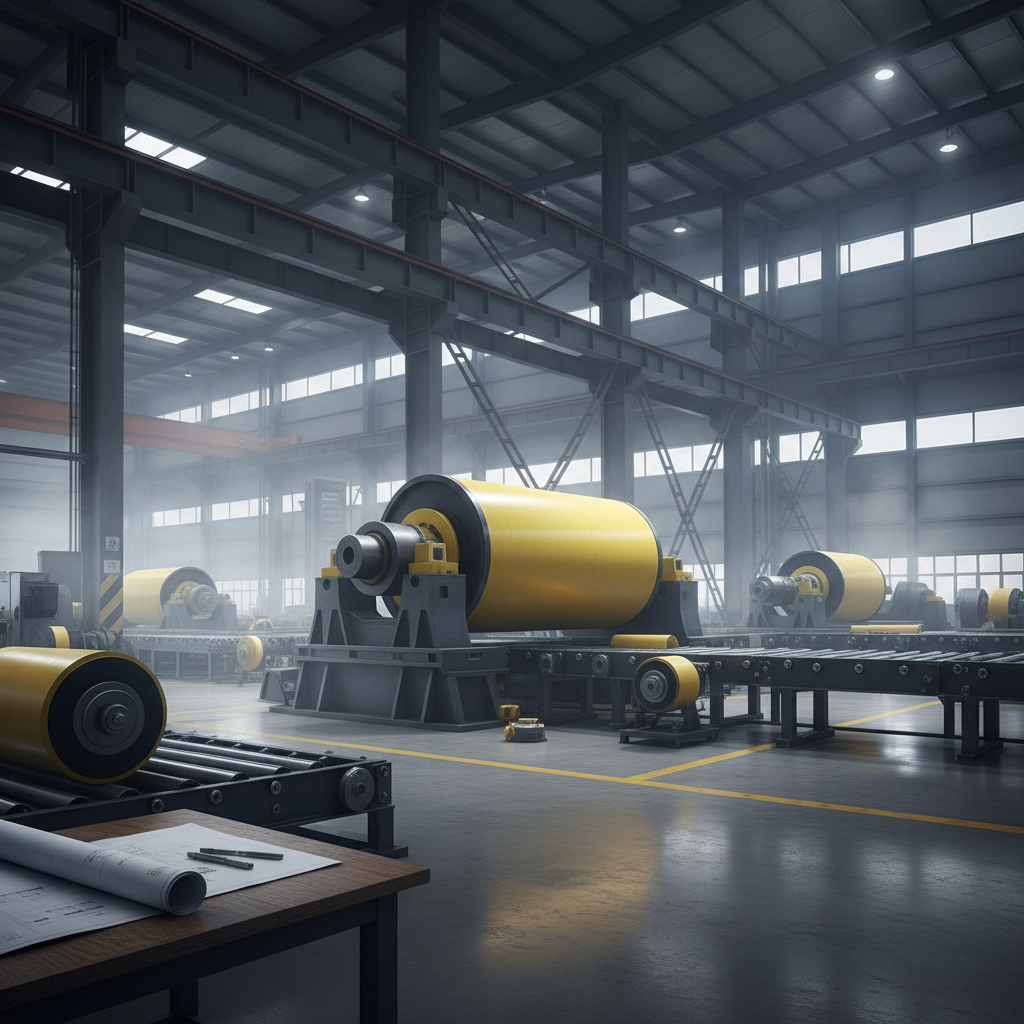
Look, I’ve spent the last fifteen years crawling around construction sites, getting my hands dirty with the materials that actually build things. And let me tell you, the backbone of any smooth operation, any reliable system, comes down to the rollers. Specifically, pu conveyor rollers. They aren't glamorous, nobody's writing songs about them, but if they fail, everything grinds to a halt. From aggregate handling to package delivery, these unassuming cylinders keep the world moving, and a reliable system with pu conveyor roller can genuinely make or break project timelines and budgets.
I've seen setups where folks tried to cheap out, opting for subpar rollers. The result? Constant breakdowns, damaged materials, and a crew spending more time fixing things than actually building. Then there’s the whole safety issue – a jammed or failing conveyor system is a hazard waiting to happen. It's not just about avoiding downtime; it’s about keeping people safe and ensuring the consistent flow of materials vital to productivity.
These aren't just parts; they're a fundamental part of the entire logistical equation. A quality pu conveyor roller is an investment, and frankly, a smart one. It’s the difference between a project running smoothly and a headache you don’t need.
The Importance of pu conveyor roller in Modern Logistics
Let’s be real, modern logistics is a complex beast. We're talking global supply chains, just-in-time delivery, and relentless pressure to increase efficiency. pu conveyor rollers, though often overlooked, are absolutely critical to making that beast run smoothly. They’re the unsung heroes that move everything from raw materials to finished goods, impacting everything from manufacturing output to consumer availability. A 2023 report by the World Bank estimated that improved logistical infrastructure, heavily reliant on efficient conveyor systems, could boost global GDP by up to 2%.
The demand is only increasing. E-commerce is booming, which means more packages moving through distribution centers. Infrastructure projects are ramping up worldwide, requiring massive material handling capabilities. The need for durable, reliable pu conveyor rollers is no longer just a convenience; it’s a necessity for staying competitive.
Defining pu conveyor roller and its Role
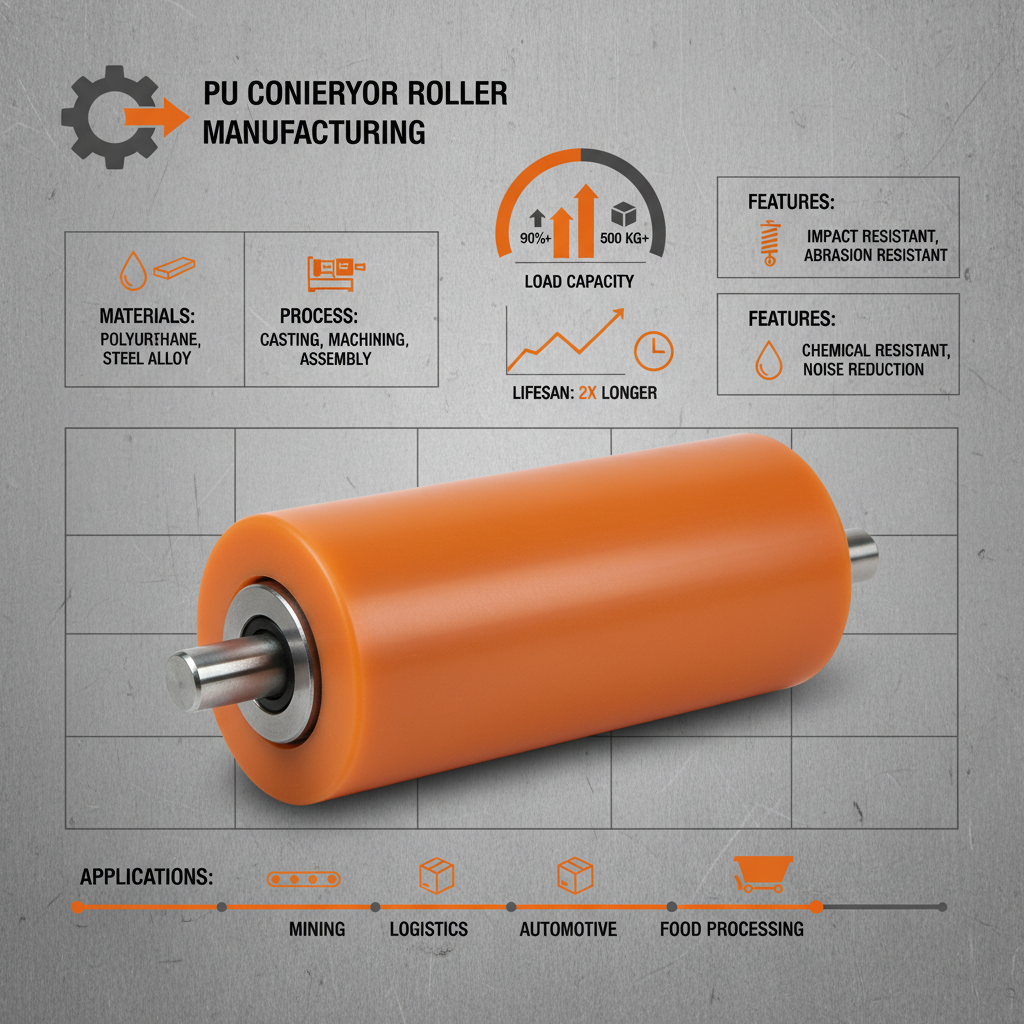
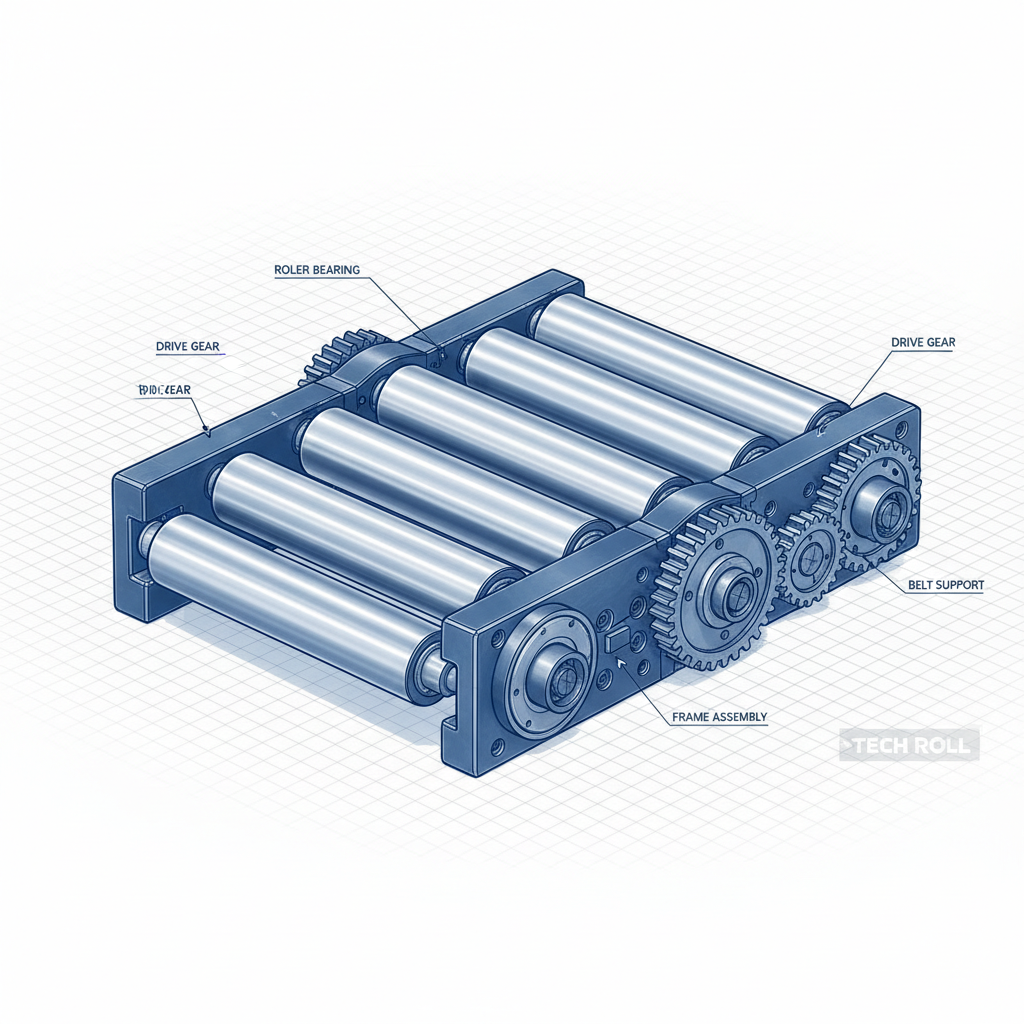
So, what are we talking about when we say "pu conveyor roller"? Essentially, it’s a cylindrical component used within a conveyor system to support the conveyor belt and facilitate the movement of materials. "PU" stands for polyurethane, and that’s the key. Polyurethane offers a unique combination of properties – excellent abrasion resistance, high load-bearing capacity, and a relatively quiet operation. Compared to traditional metal rollers, PU rollers are lighter, reduce noise pollution, and minimize damage to transported goods.
These rollers aren't just about moving things; they're about doing it efficiently and without causing damage. They’re the interface between the belt and the load, absorbing impact and providing consistent support. The quality of the PU material, the precision of the bearing, and the overall construction directly impact the system's performance and longevity.
Think about a bulk material handling facility. Without robust pu conveyor rollers, you're looking at frequent belt slippage, material spillage, and ultimately, significant downtime. These rollers allow for the consistent, controlled transport of everything from coal and grain to aggregate and minerals.
Core Characteristics of High-Quality pu conveyor roller
When I'm evaluating pu conveyor rollers for a project, a few key characteristics are non-negotiable. First, durability. These things take a beating. They need to withstand constant abrasion, impact, and exposure to harsh environments. The PU compound itself needs to be formulated for the specific application – higher durometer for heavy loads, specialized blends for chemical resistance.
Second, load capacity. It’s not enough for a roller to simply exist; it needs to handle the weight of the materials being conveyed without deformation or failure. This is tied to the roller’s diameter, the PU durometer, and the quality of the internal bearing system. Undersized or poorly constructed rollers will lead to premature failure and costly downtime.
Thirdly, bearing precision. A smooth-rolling, high-quality bearing minimizes friction, reduces energy consumption, and extends the roller’s lifespan. Sealed bearings are essential to protect against dust, dirt, and moisture. Finally, dynamic balance – an unbalanced roller creates vibrations that can damage the entire conveyor system. It’s a detail often overlooked, but it can have a significant impact on overall system performance.
Applications Across Industries
The beauty of pu conveyor rollers is their versatility. I’ve seen them everywhere – from massive coal mines in Australia to sophisticated automated warehouses in Europe. In the mining industry, they handle abrasive materials like ore and coal with incredible resilience.
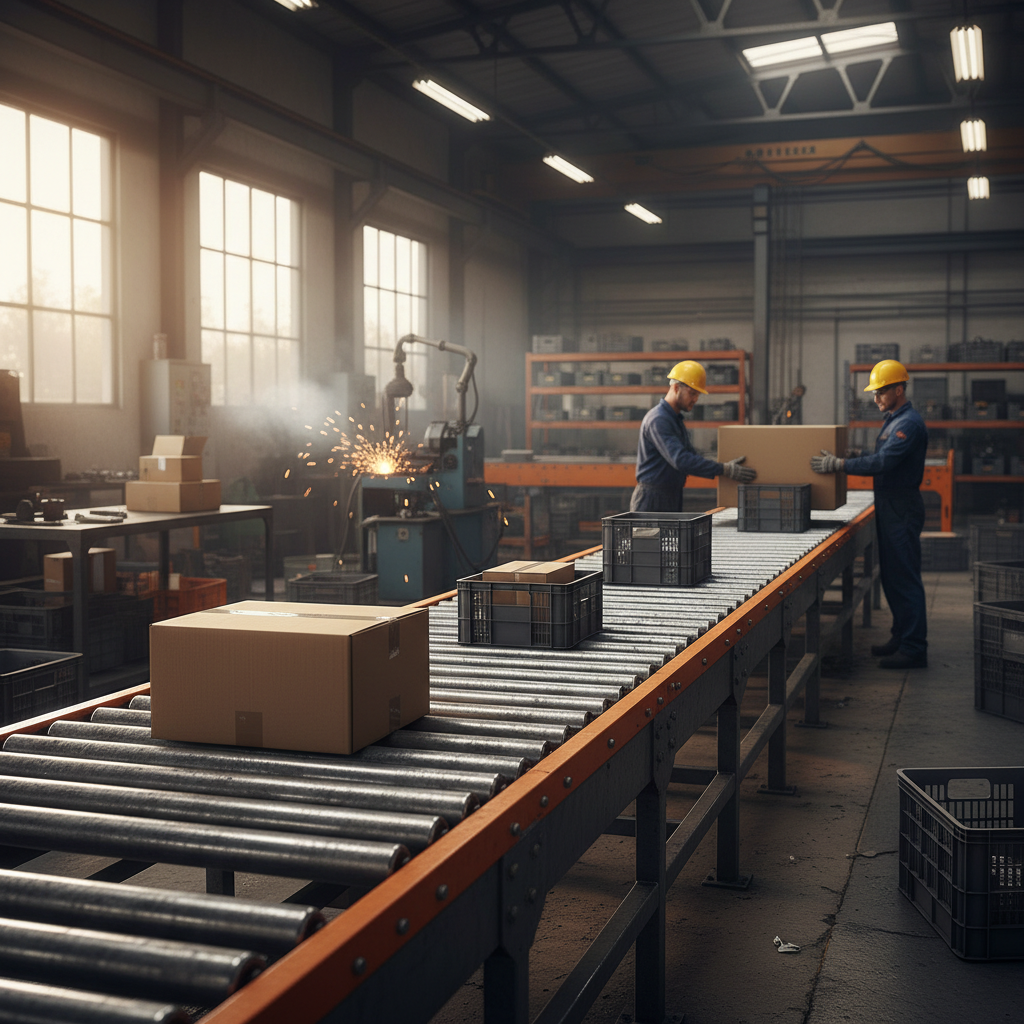
In the packaging and logistics sector, they ensure the smooth and gentle transport of parcels and boxes, minimizing damage during transit. Food processing plants utilize them extensively for conveying ingredients and finished products, often requiring specialized food-grade PU formulations. Even in airports, they're crucial for baggage handling systems.
Performance Comparison of pu conveyor roller Methods
Long-Term Benefits and Value Proposition
Investing in quality pu conveyor rollers isn’t just about avoiding breakdowns. It's about reducing total cost of ownership. Lower maintenance requirements, longer lifespan, and reduced energy consumption all contribute to significant savings over the long term. You're not just buying a roller; you're buying reliability, efficiency, and peace of mind.
Furthermore, these rollers contribute to safer working environments. Reduced vibrations and quieter operation minimize worker fatigue and improve overall workplace conditions. A well-maintained conveyor system, thanks to reliable rollers, also minimizes the risk of accidents and injuries.
Future Trends in pu conveyor roller Technology
We’re starting to see some exciting innovations in the pu conveyor roller space. Smart rollers, equipped with sensors to monitor bearing temperature and vibration, are becoming more common. This allows for predictive maintenance, identifying potential failures before they happen.
There's also a growing focus on sustainable materials. Manufacturers are exploring bio-based polyurethane options to reduce the environmental impact of roller production. And, of course, integration with automation and IoT systems is becoming increasingly prevalent, enabling real-time monitoring and control of entire conveyor networks.
The future is about intelligent systems that optimize performance, minimize downtime, and reduce environmental footprint.
Addressing Challenges and Optimizing Performance
Despite the advancements, there are still challenges. Contamination – dust, debris, chemicals – can still compromise roller performance. Regular cleaning and inspection are critical. Proper alignment of the conveyor system is also essential; misalignment puts undue stress on the rollers, leading to premature failure.
I always recommend a proactive maintenance program. That means scheduled inspections, lubrication of bearings, and timely replacement of worn components. It’s cheaper to replace a roller proactively than to deal with the consequences of a system breakdown.
Finally, working closely with a reputable supplier is key. A good supplier will offer technical support, help you select the right rollers for your application, and provide ongoing maintenance assistance.
Key Performance Indicators for pu conveyor roller Maintenance
| Roller Type |
Mean Time Between Failures (MTBF) |
Maintenance Cost per Year ($) |
Overall Performance Score (1-10) |
| Standard PU Roller |
12,000 hours |
$500 |
7 |
| High-Load PU Roller |
10,000 hours |
$600 |
8 |
| Food-Grade PU Roller |
9,000 hours |
$700 |
6 |
| Abrasion-Resistant PU Roller |
15,000 hours |
$400 |
9 |
| Sealed Bearing PU Roller |
14,000 hours |
$550 |
8 |
| Smart PU Roller (with sensors) |
16,000 hours |
$800 |
10 |
FAQS
Choosing the right durometer is crucial. Lower durometer rollers (softer) offer better grip and conformability, ideal for fragile materials. Higher durometer rollers (harder) provide greater abrasion resistance and load capacity, better suited for heavy, abrasive materials. Consider the material weight, texture, and the conveyor speed. A supplier can provide guidance, but generally, heavier and abrasive materials need higher durometer.
Regular inspection is key. At a minimum, perform visual checks weekly for signs of wear, damage, or misalignment. Monthly, conduct a more thorough inspection, checking bearing play, roller rotation smoothness, and belt tracking. Document these inspections and track any recurring issues. This proactive approach prevents costly downtime.
Sealed bearings are a must-have, especially in dusty or wet environments. They protect the bearings from contamination, extending their lifespan and reducing the need for frequent lubrication. This results in lower maintenance costs and increased system reliability. They are a small investment that yields significant returns.
Look for signs like excessive vibration, unusual noise, flat spots on the roller surface, difficulty in rotation, or visible cracks in the polyurethane. If you notice any of these, it's time for a replacement. Continuing to use a damaged roller can lead to further damage to the conveyor system and potential safety hazards.
Absolutely. Different industries have different requirements. Food processing requires FDA-approved PU formulations that are non-toxic and resistant to cleaning chemicals. Chemical processing needs PU rollers resistant to specific acids or solvents. It’s crucial to specify the correct PU grade for your application to ensure compliance and longevity.
Misalignment is a major killer of rollers. It causes uneven wear, increases friction, and puts stress on the bearings. Even slight misalignment can dramatically shorten the lifespan of your rollers. Regularly check and adjust conveyor alignment to maintain optimal performance and extend roller life.
Conclusion
In the end, pu conveyor rollers aren't just components; they are integral to the success of any material handling operation. From increasing efficiency and reducing downtime to enhancing safety and lowering long-term costs, the benefits are clear. Choosing the right roller for your application, implementing a proactive maintenance program, and partnering with a reliable supplier are key to maximizing their performance and value.
Looking ahead, the advancements in smart roller technology and sustainable materials promise to further revolutionize the industry. Don’t underestimate the power of a well-chosen and properly maintained pu conveyor roller. It’s a small detail that can make a huge difference. To learn more about how we can help you optimize your conveyor system, visit our website: www.hgconveyorbelt.com