Pipe conveyor rollers – they’re not glamorous, but they’re the backbone of moving bulk materials efficiently, reliably, and often in places where other conveyor systems just won’t cut it. I’ve spent the last fifteen years on construction sites, aggregate plants, and port facilities, and trust me, a failing conveyor system can bring everything to a grinding halt. It's not just about lost production; it's about safety, costs spiraling out of control, and a whole lot of headaches. That’s where understanding the nuances of pipe conveyor rollers, and how to specify and maintain them correctly, becomes critical.
Globally, the demand for efficient bulk material handling is soaring. According to the UN, global trade volumes are projected to continue rising, and a significant portion of that trade relies on moving commodities like coal, iron ore, cement, and grains. The World Bank reports a massive increase in infrastructure projects, particularly in developing nations, all requiring robust material handling solutions. The challenge? Many of these projects are in remote locations, face difficult terrain, or have stringent environmental regulations. That’s where pipe conveyors – and the rollers within them – offer a compelling advantage.
Simply put, pipe conveyor rollers are the components that support and facilitate the movement of a flexible pipe-shaped conveyor belt. Unlike traditional flat belt conveyors, pipe conveyors encase the material within a tubular structure, minimizing dust emissions and protecting the conveyed material from the elements. The rollers themselves aren't just simple wheels; they're engineered to handle the dynamic loads and bending stresses inherent in a fully-loaded pipe conveyor. They're the unsung heroes ensuring a smooth, consistent flow of materials.
Key Features and Applications of pipe conveyor rollers
The beauty of pipe conveyor rollers lies in their ability to navigate curves and inclines without the need for transfer points, which are common in traditional conveyor systems. This drastically reduces material degradation, spillage, and overall maintenance. They are especially suited to applications where space is limited or where the conveyor route requires complex geometry. I’ve seen them installed in tight urban environments and on steep mountainsides – places where a standard conveyor just wouldn’t be feasible.
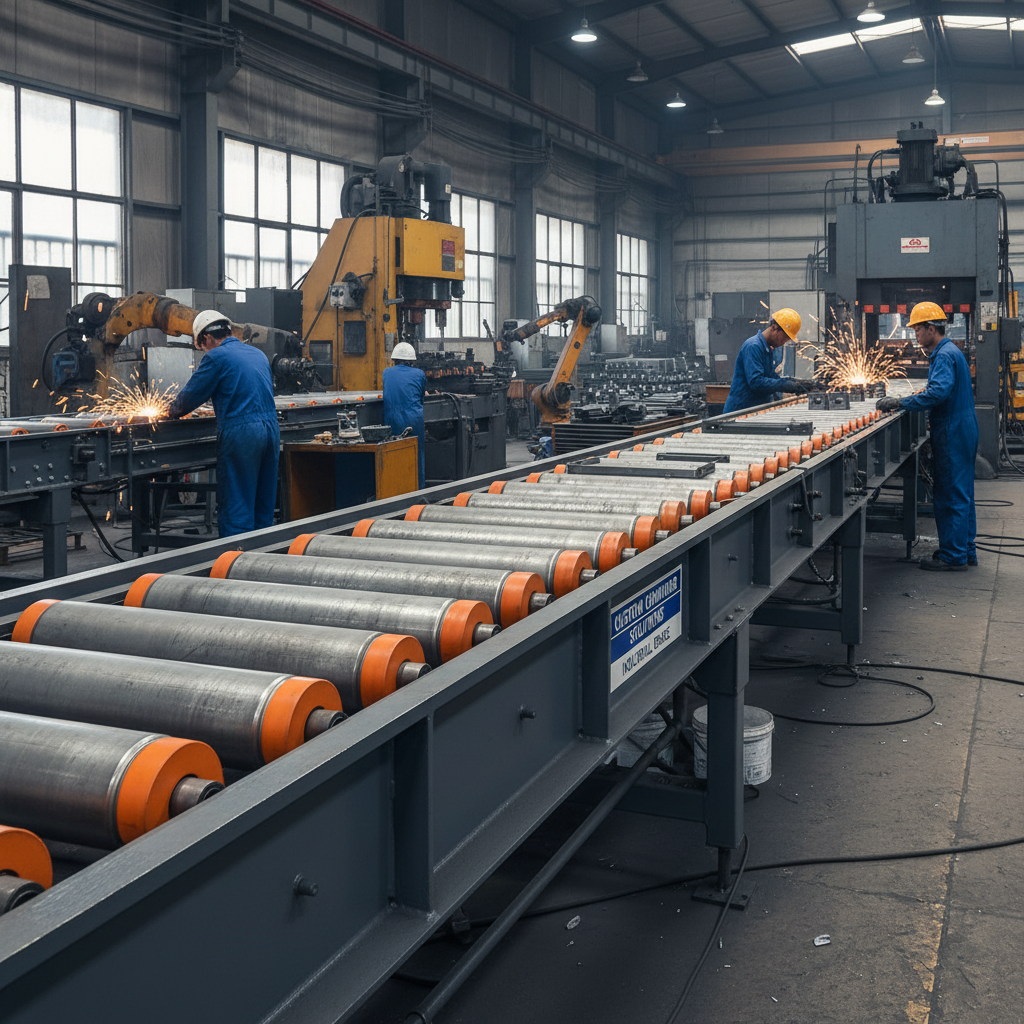
From an engineering perspective, the rollers themselves are often constructed from high-strength steel with sealed bearings to withstand continuous operation and harsh conditions. The choice of roller material and bearing type depends heavily on the material being conveyed – abrasive materials like aggregate require more durable components, while food-grade applications demand sanitary designs. The arrangement of the rollers – their spacing and alignment – is also critical for maintaining belt stability and preventing premature wear.
The Global Relevance of Pipe Conveyor Rollers
We’re seeing a massive increase in demand for pipe conveyor systems, and consequently, pipe conveyor rollers, in emerging economies. Countries like India, Indonesia, and Vietnam are investing heavily in infrastructure development, particularly in port facilities and power plants. These projects require efficient and reliable material handling solutions, and pipe conveyors often represent the best option. The reduced footprint and dust control features are particularly attractive in densely populated areas.
Beyond economic growth, environmental concerns are driving adoption. Traditional conveyors generate significant dust pollution, which poses health risks and violates environmental regulations. Pipe conveyors, by enclosing the material, minimize dust emissions, making them a more sustainable solution. This is becoming increasingly important as governments worldwide implement stricter environmental standards.
Even in established markets like North America and Europe, there's a growing recognition of the benefits of pipe conveyor rollers. Retrofitting existing facilities with pipe conveyors can significantly improve efficiency and reduce environmental impact. I've been involved in projects where simply switching to a pipe conveyor system with optimized rollers reduced dust emissions by over 80%.
Understanding the Core Components of pipe conveyor rollers
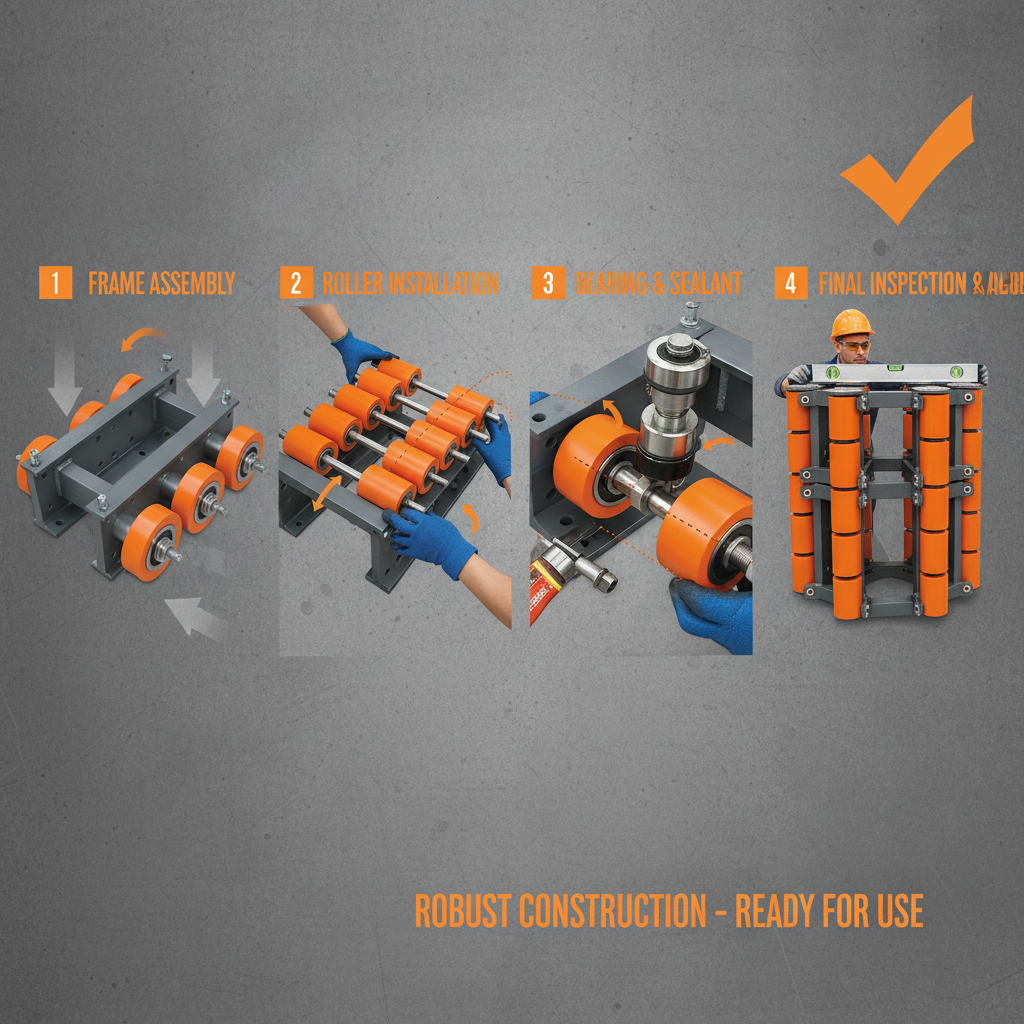
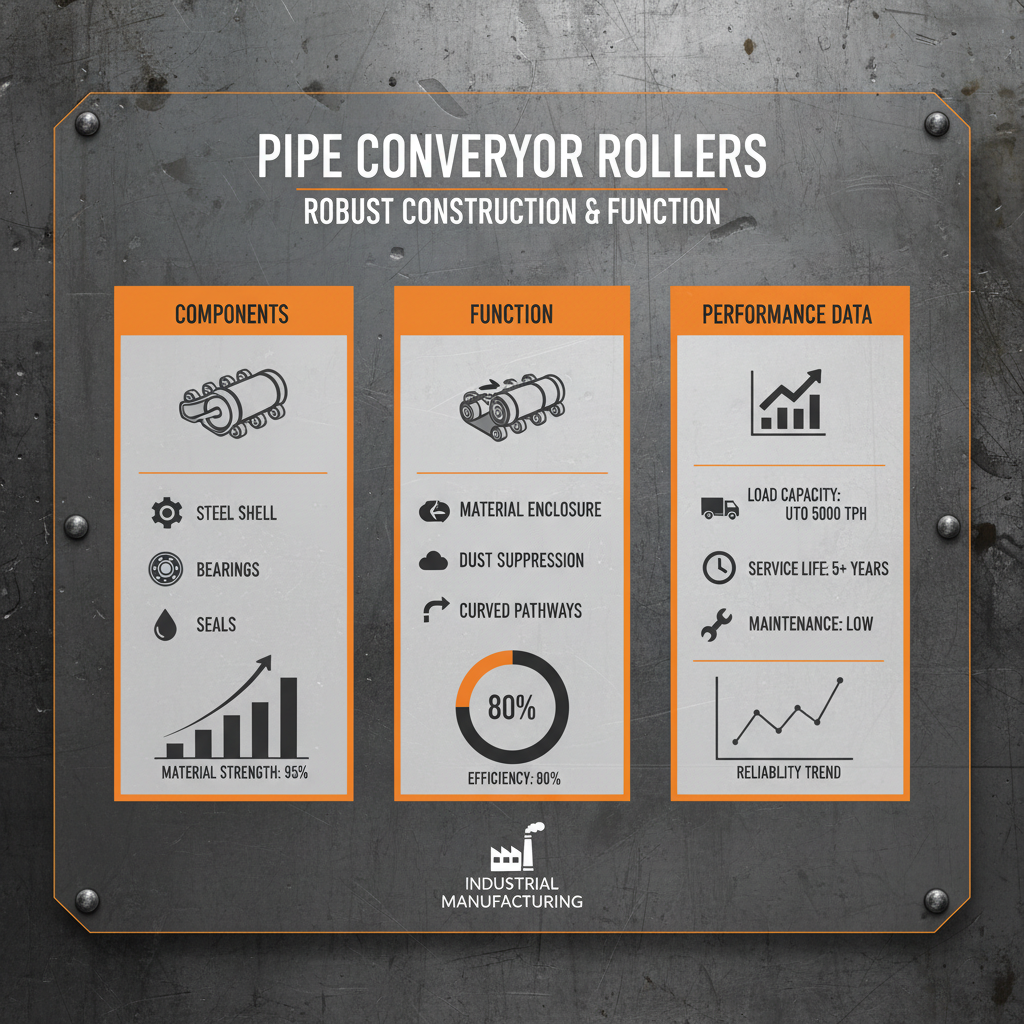
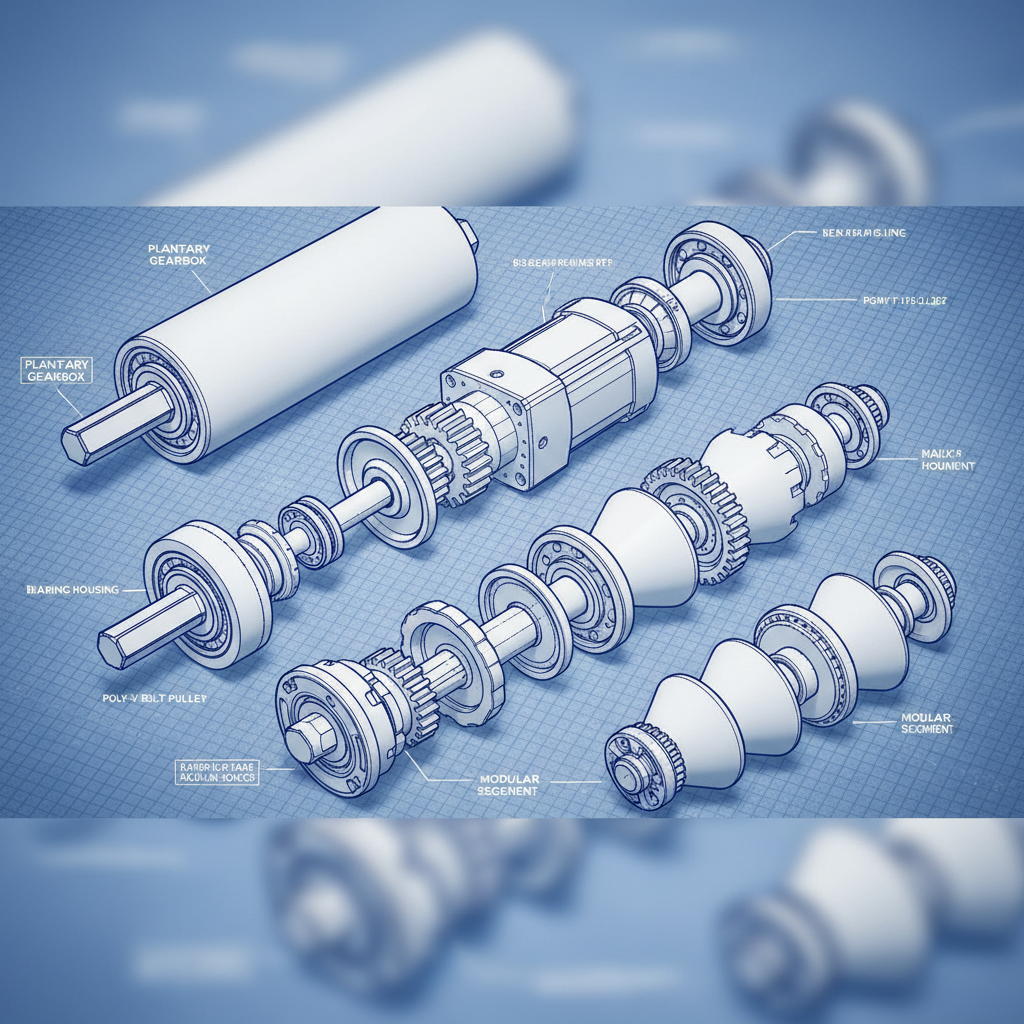
Let’s break down what makes these rollers tick. First, you’ve got the shell – typically steel, but sometimes composite materials for specific applications. The shell needs to be robust enough to withstand constant impact and abrasion. Then there's the bearing assembly, which is the heart of the roller. Sealed bearings are essential to keep out dust, moisture, and contaminants, extending the roller’s lifespan.
But it's not just the individual components; it’s how they’re integrated. The roller’s diameter, length, and the type of bearing used all influence its load-carrying capacity and resistance to deflection. Proper lubrication is also critical. I've seen far too many failures caused by neglecting regular lubrication schedules. It’s a simple task, but it can save you a fortune in repairs and downtime.
Finally, the mounting system is often overlooked. How the rollers are supported and aligned significantly affects the conveyor’s overall performance. Incorrectly mounted rollers can lead to belt misalignment, increased friction, and premature wear. A well-designed mounting system ensures smooth rotation and even load distribution.
Performance Metrics for pipe conveyor rollers
When evaluating pipe conveyor rollers, it's not enough to just look at the price tag. You need to consider several key performance indicators. Load capacity is obviously crucial – the rollers need to be able to handle the weight of the conveyed material without deformation. Another critical metric is the coefficient of friction – lower friction translates to reduced energy consumption and increased efficiency.
We also look at roller lifespan, which is heavily influenced by the quality of the bearings and the effectiveness of the sealing system. We’ve started tracking roller deflection under load – excessive deflection indicates a potential failure point. And finally, we measure noise levels – excessive noise can indicate bearing wear or misalignment.
Pipe Conveyor Roller Performance Ratings
Real-World Applications and Industry Impact
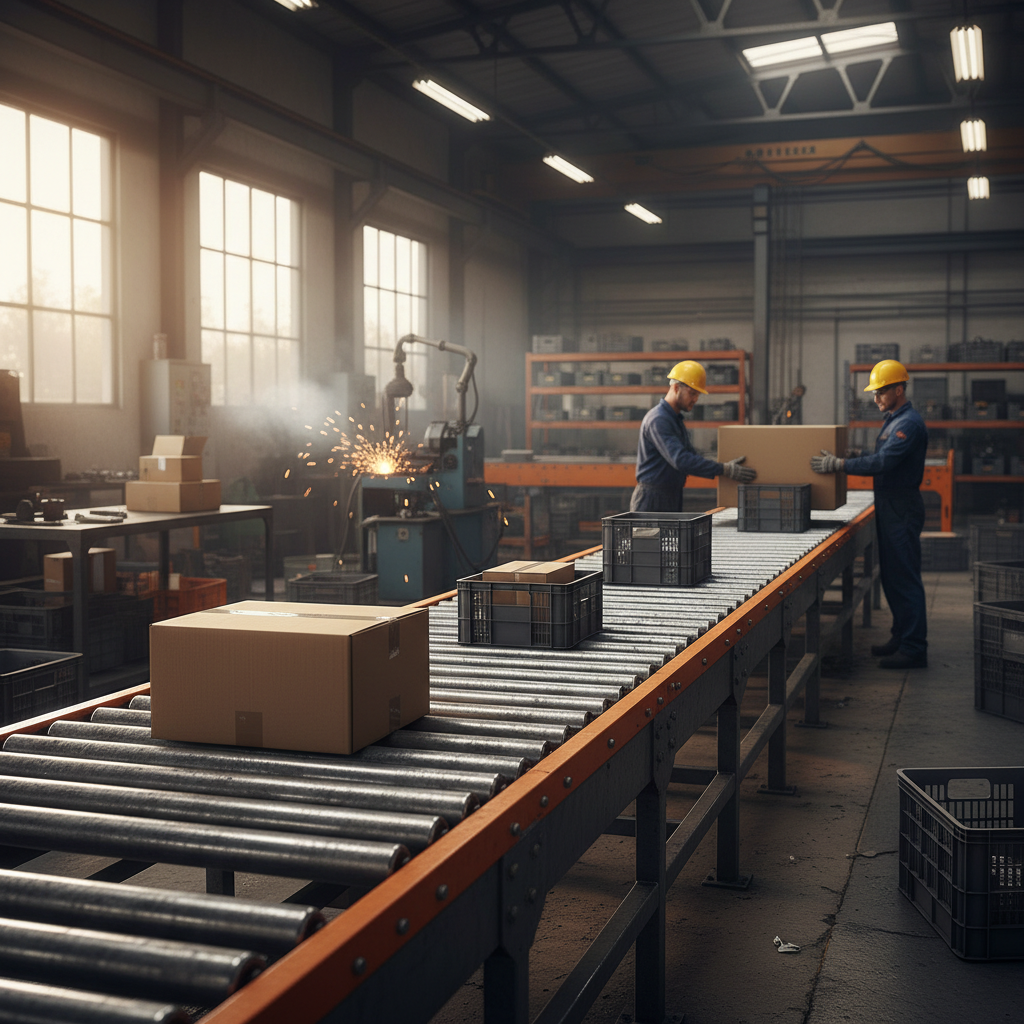
I've seen pipe conveyor rollers used in a diverse range of applications, from coal handling at power plants to limestone transport in cement factories. They’re particularly effective in situations where space is limited, such as inside tunnels or on rooftops. In post-disaster relief operations, they can be rapidly deployed to move essential supplies.
The impact on industries is significant. Reduced material spillage translates to lower cleanup costs and improved environmental compliance. Increased efficiency reduces energy consumption and operating expenses. And the improved safety features minimize the risk of accidents. We're seeing a shift towards more proactive maintenance programs, leveraging sensor technology to monitor roller performance and predict potential failures.
Long-Term Value and Sustainability of pipe conveyor rollers
Investing in high-quality pipe conveyor rollers isn't just about immediate cost savings; it's about long-term value. Durable rollers require less frequent replacement, reducing downtime and maintenance expenses. The reduced material spillage and dust emissions contribute to a cleaner, safer working environment.
From a sustainability perspective, pipe conveyors offer a significant advantage. By minimizing material waste and reducing energy consumption, they contribute to a more environmentally responsible operation. The use of recyclable materials in roller construction further enhances their sustainability profile.
There's also a growing emphasis on lifecycle assessment. Companies are now looking beyond the initial purchase price and considering the total cost of ownership, including maintenance, repairs, and disposal. This is where the quality and reliability of pipe conveyor rollers truly shine.
Challenges and Future Trends in pipe conveyor rollers
One of the biggest challenges is dealing with abrasive materials. Even with hardened steel rollers, wear and tear are inevitable. We’re seeing increasing interest in ceramic coatings and composite materials to improve abrasion resistance. Another challenge is maintaining alignment in dynamic environments – ground settlement or seismic activity can disrupt roller alignment, leading to performance issues.
Looking ahead, I expect to see more integration of sensor technology into pipe conveyor rollers. Real-time monitoring of bearing temperature, vibration, and load will enable predictive maintenance and prevent catastrophic failures. We’re also exploring the use of artificial intelligence to optimize roller performance and extend lifespan.
The trend towards automation will also drive innovation. Automated lubrication systems and remote monitoring capabilities will reduce maintenance requirements and improve overall system reliability. And as environmental regulations become stricter, we’ll see continued demand for more sustainable and dust-free material handling solutions.
Summary of Key Challenges and Innovative Solutions for Pipe Conveyor Rollers
| Challenge |
Impact on Operation |
Current Solutions |
Future Innovations |
| Abrasive Material Wear |
Reduced Roller Lifespan, Increased Maintenance |
Hardened Steel, Ceramic Coatings |
Advanced Composite Materials |
| Misalignment Due to Ground Movement |
Belt Tracking Issues, Increased Friction |
Regular Alignment Checks, Flexible Mounting Systems |
Automated Alignment Systems |
| Bearing Failure |
Downtime, Repair Costs |
Sealed Bearings, Regular Lubrication |
Sensor-Based Bearing Monitoring |
| Dust and Contamination |
Reduced Bearing Life, Performance Degradation |
Sealed Roller Designs |
Self-Cleaning Roller Systems |
| Limited Real-Time Monitoring |
Reactive Maintenance, Unplanned Downtime |
Manual Inspections |
Integrated Sensor Networks |
| High Initial Investment |
Budget Constraints |
Lifecycle Cost Analysis |
Modular Roller Designs |
FAQS
In a coal handling facility, the lifespan of a pipe conveyor roller can vary significantly depending on coal quality and operating conditions. Generally, you can expect between 3 to 7 years for standard steel rollers. However, rollers with ceramic coatings or specialized bearing seals can easily exceed 10 years. Regular lubrication and monitoring are crucial to maximize lifespan. The key is to implement a preventative maintenance schedule and address any signs of wear promptly.
Determining the right roller spacing is critical for belt stability and preventing sag. It depends on the material being conveyed, the belt's characteristics, and the conveyor's inclination. As a general rule, the roller spacing should be no greater than the belt's support length. Consulting with a conveyor specialist or using specialized software can help optimize roller spacing for your specific application. Consider a wider roller space, and the more support needed, to prevent belt sag.
Not necessarily. While the basic dimensions might seem similar, there can be subtle differences in bearing sizes, shaft diameters, and mounting configurations between manufacturers. Using non-compatible rollers can lead to misalignment and premature failure. It’s always best to use rollers specifically designed for your conveyor system or verify compatibility with the manufacturer before making a substitution. It's a common mistake that causes major damage to the system
The recommended lubrication depends on the operating environment and the bearing type. For most applications, a lithium-based grease with good water resistance and high load-carrying capacity is suitable. However, in dusty or abrasive environments, a specialized grease designed to repel contaminants is recommended. Always follow the bearing manufacturer's lubrication guidelines and use a grease applicator to ensure proper coverage. Regular re-lubrication is key to prolonging bearing life.
Common signs of a failing roller include increased noise, vibration, and heat. You might also notice belt misalignment or uneven wear. A visual inspection can reveal damaged bearings, worn seals, or corrosion. Using a vibration analyzer can help identify rollers with bearing defects. Early detection and replacement are essential to prevent catastrophic failures and minimize downtime. Don't ignore these subtle warning signs.
Sealed bearings are a must-have for most pipe conveyor roller applications. They protect the bearings from dust, moisture, and other contaminants, significantly extending their lifespan. Sealed bearings also reduce the need for frequent lubrication, lowering maintenance costs. The added protection against contamination also ensures smoother operation and reduced energy consumption. Investing in quality sealed bearings is a worthwhile investment.
Conclusion
Pipe conveyor rollers are far more than just simple components; they’re critical elements in the efficient and reliable movement of bulk materials. From their ability to navigate complex terrains to their contribution to sustainability, these unassuming heroes play a vital role in industries worldwide. Investing in quality rollers, implementing proactive maintenance programs, and staying abreast of emerging technologies are all essential for maximizing performance and minimizing long-term costs.
Looking forward, the integration of sensor technology, AI-driven optimization, and advanced materials will further enhance the capabilities of pipe conveyor rollers. The future is about smarter, more efficient, and more sustainable material handling solutions. If you’re looking to optimize your conveyor system or explore the benefits of pipe conveyors, visit our website at pipe conveyor rollers. We can provide expert guidance and customized solutions to meet your specific needs.