- Tel: +8615128135888
- Email: hg@chinaconveyerbelt.com

Look, I've spent the last twenty years breathing concrete dust and wrangling conveyor systems on sites all over the world. When it comes to moving materials – especially when things get hot, really hot – you need rollers you can rely on. That’s where high temperature conveyor rollers come in. They’re not glamorous, but they’re the backbone of keeping projects moving, and frankly, keeping people safe. Ignoring the heat resistance of your rollers isn't just a logistical headache, it's a recipe for breakdowns, delays, and potentially dangerous situations.
We're talking about industries like cement production, steel mills, foundries, even asphalt plants. Anywhere you're dealing with materials that are above 200°F (93°C) regularly, standard rollers just won't cut it. They warp, they fail, they create bottlenecks. I've seen projects stalled for days because someone skimped on the right equipment. The cost of downtime drastically outweighs the initial investment in quality high temperature conveyor rollers.
And it’s not just about the heat itself. It’s the cycling, the constant expansion and contraction. You need rollers engineered to withstand that stress. Over the years, I've been involved in testing and implementing various types of rollers, and the difference between a cheap import and a purpose-built, high-temperature solution is night and day.
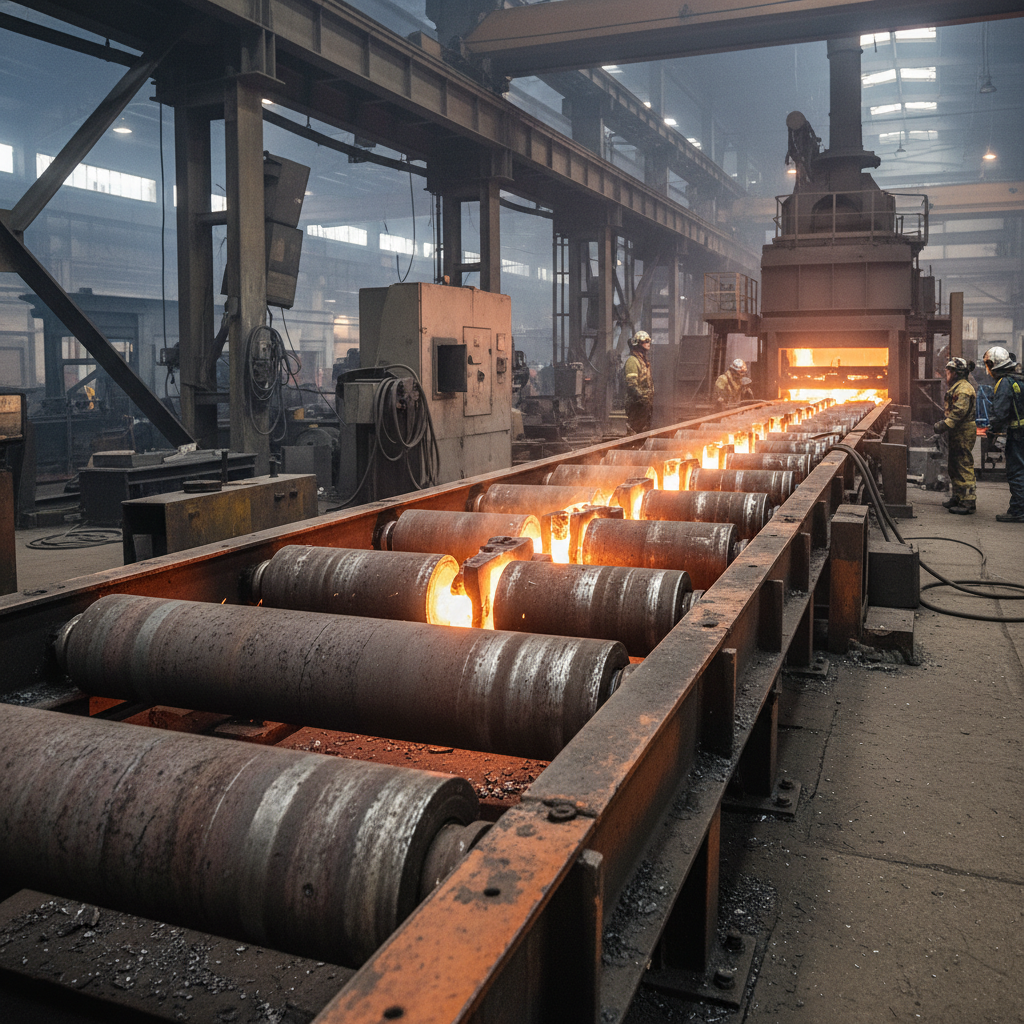
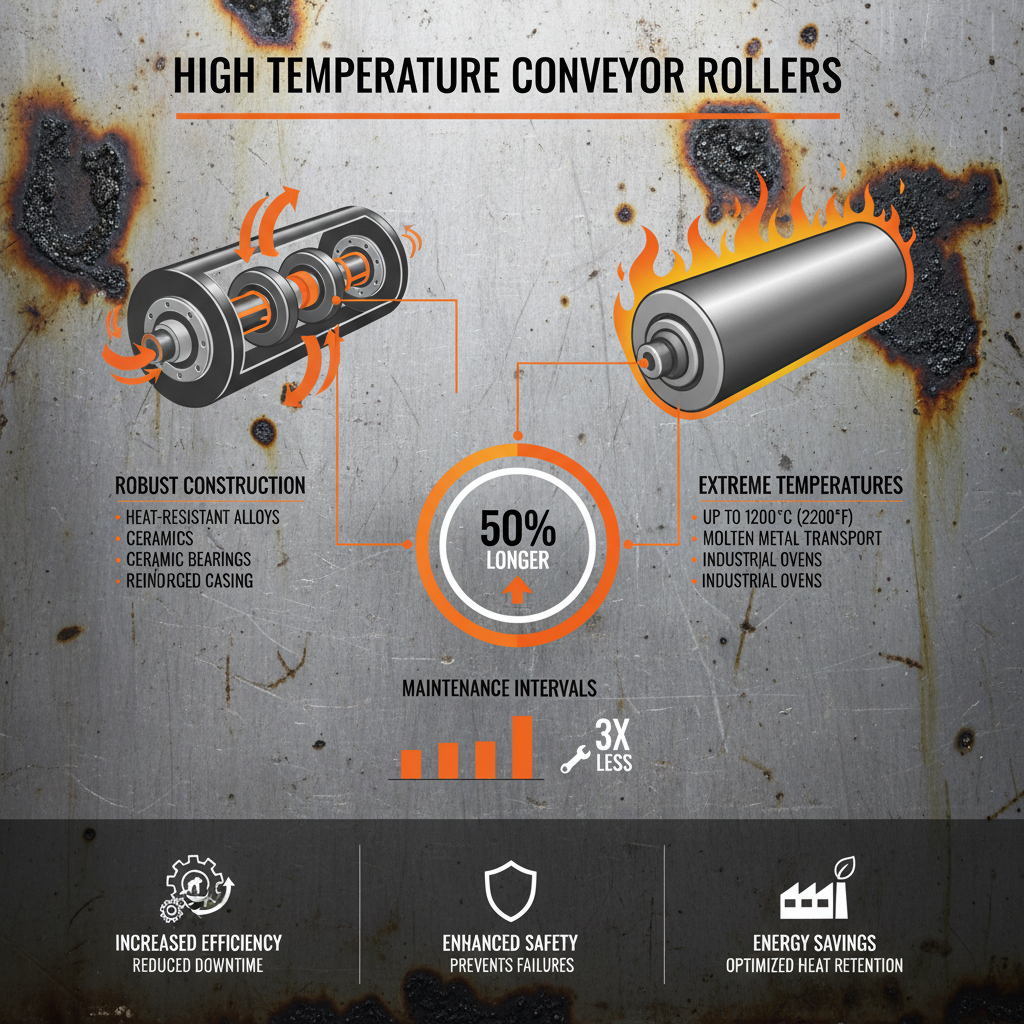
Look, efficiency on a construction site isn't just about how fast the concrete pours. It's about the entire material handling process. And that relies heavily on having rollers that can actually handle the conditions. High temperature conveyor rollers aren't a luxury, they're an absolute necessity in many industrial settings. Without them, you’re just throwing money away on constant repairs and replacements.
According to recent industry reports, unplanned downtime due to equipment failure costs companies an average of $5,100 per hour. In sectors like steel production, where temperatures consistently exceed 1000°F, relying on standard rollers is simply asking for trouble. It's a proactive investment that dramatically impacts the bottom line and overall project success.
Most high temperature rollers are designed to operate consistently up to around 500°F (260°C), with some specialized models reaching even higher temperatures – up to 800°F (427°C) or beyond. The specific temperature limit depends on the materials used in the roller’s construction, particularly the bearings and seals. Exceeding these limits can quickly lead to bearing failure and overall roller degradation, so it’s critical to choose a roller rated for your specific application.
Determining the right roller size and capacity requires careful consideration of several factors, including the weight and characteristics of the material being conveyed, the conveyor belt speed, and the overall length and width of the conveyor system. You'll need to calculate the load per roller and ensure that the chosen roller can handle that weight without excessive deflection or stress. A qualified conveyor system engineer can help you with these calculations.
Standard greases typically break down at high temperatures. For high temperature conveyor rollers, you'll need to use specialized high-temperature lubricants – often synthetic oils or solid lubricants like molybdenum disulfide. The lubricant needs to maintain its viscosity and protective properties at elevated temperatures to prevent bearing failure and ensure smooth operation. Automated lubrication systems are also highly recommended to ensure consistent and optimal lubrication.
The lifespan of a high temperature roller varies greatly depending on the operating conditions, the quality of the roller, and the maintenance schedule. Under ideal conditions, a well-maintained roller can last for several years. However, in harsh environments with abrasive materials or extreme temperatures, the lifespan may be significantly shorter. Regular inspections and proactive maintenance are essential for maximizing roller lifespan.
Absolutely. Working around high-temperature equipment always presents safety risks. Always wear appropriate personal protective equipment (PPE), including heat-resistant gloves, clothing, and eye protection. Ensure that all safety guards are in place and functioning correctly. Implement lockout/tagout procedures before performing any maintenance or repairs. And ensure that all personnel are properly trained on the hazards associated with high-temperature conveyor systems.
High temperature rollers typically have a higher upfront cost than standard rollers, due to the specialized materials and engineering involved. However, when you factor in the reduced downtime, lower maintenance costs, and extended lifespan, they often prove to be a more cost-effective solution in the long run. The cost of a single unexpected shutdown can easily exceed the price difference between a standard and a high temperature roller.
High temperature conveyor rollers are more than just a component; they’re a critical element in ensuring efficient, safe, and reliable material handling in demanding industrial environments. Investing in the right rollers – and implementing a proactive maintenance strategy – pays dividends in reduced downtime, lower costs, and increased productivity.
Don't underestimate the importance of partnering with a knowledgeable supplier who can provide tailored solutions and ongoing support. The future of material handling is leaning towards smarter, more resilient systems, and high temperature conveyor rollers will continue to play a pivotal role in that evolution. Visit our website at www.hgconveyorbelt.com to learn more about how we can help you optimize your conveyor system.