- Tel: +8615128135888
- Email: hg@chinaconveyerbelt.com

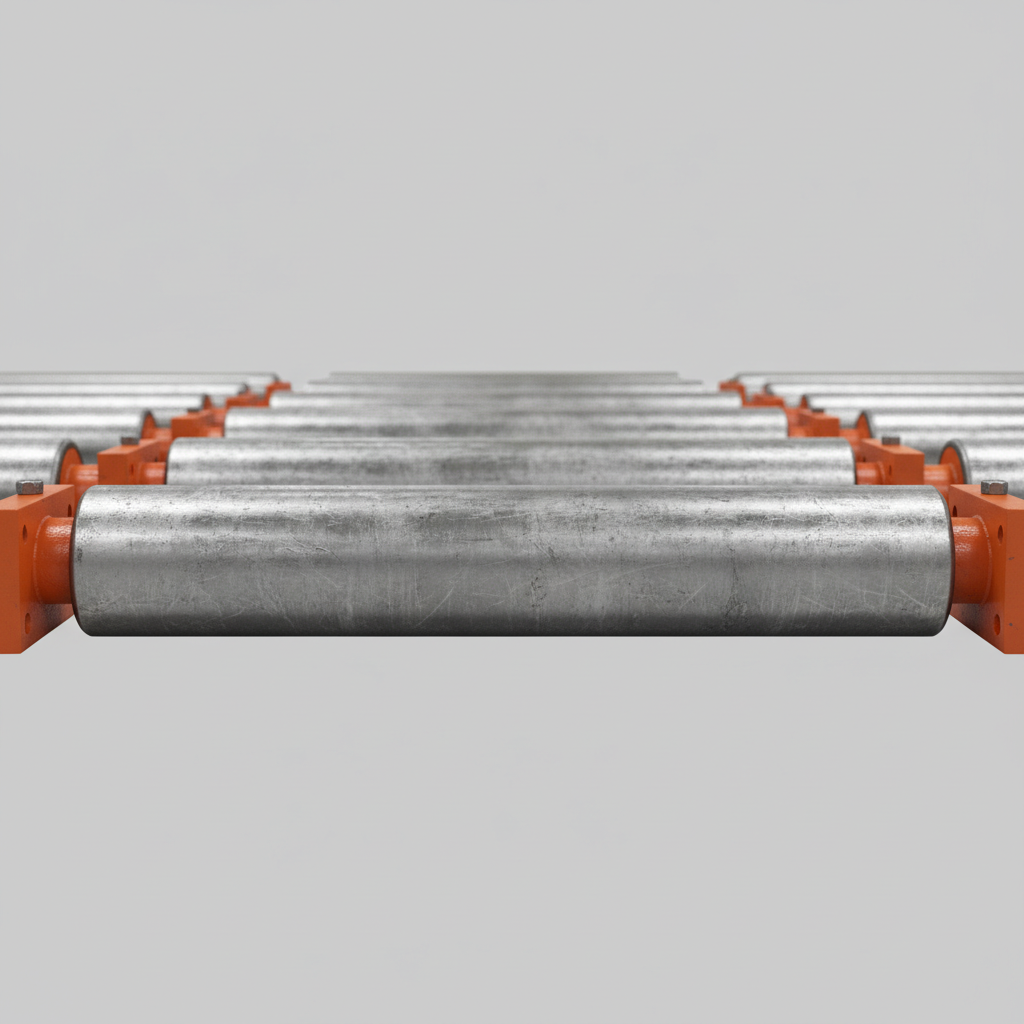
Conveyor belt rollers are fundamental components in material handling systems across a vast array of industries. Their seemingly simple function – providing low-friction support for belts – underpins the efficiency of countless operations, from massive distribution centers to intricate manufacturing processes. The global demand for efficient logistics and automated systems continues to drive innovation and refinement in conveyor belt rollers technology, making them a critical element in modern supply chains.
The importance of conveyor belt rollers extends beyond mere operational convenience; they directly impact productivity, cost-effectiveness, and workplace safety. Poorly maintained or inadequate rollers can lead to belt misalignment, increased energy consumption, product damage, and even system failures. Understanding the nuances of roller selection, maintenance, and replacement is therefore crucial for optimizing system performance and minimizing downtime. This knowledge impacts businesses globally, contributing to economic growth and operational resilience.
Ultimately, the seemingly humble conveyor belt roller is a cornerstone of modern industry. Its contribution to streamlined processes and efficient material flow is often unseen, yet profoundly impactful. A comprehensive understanding of its properties, applications, and future developments is essential for professionals in logistics, manufacturing, and related fields to remain competitive and innovative.
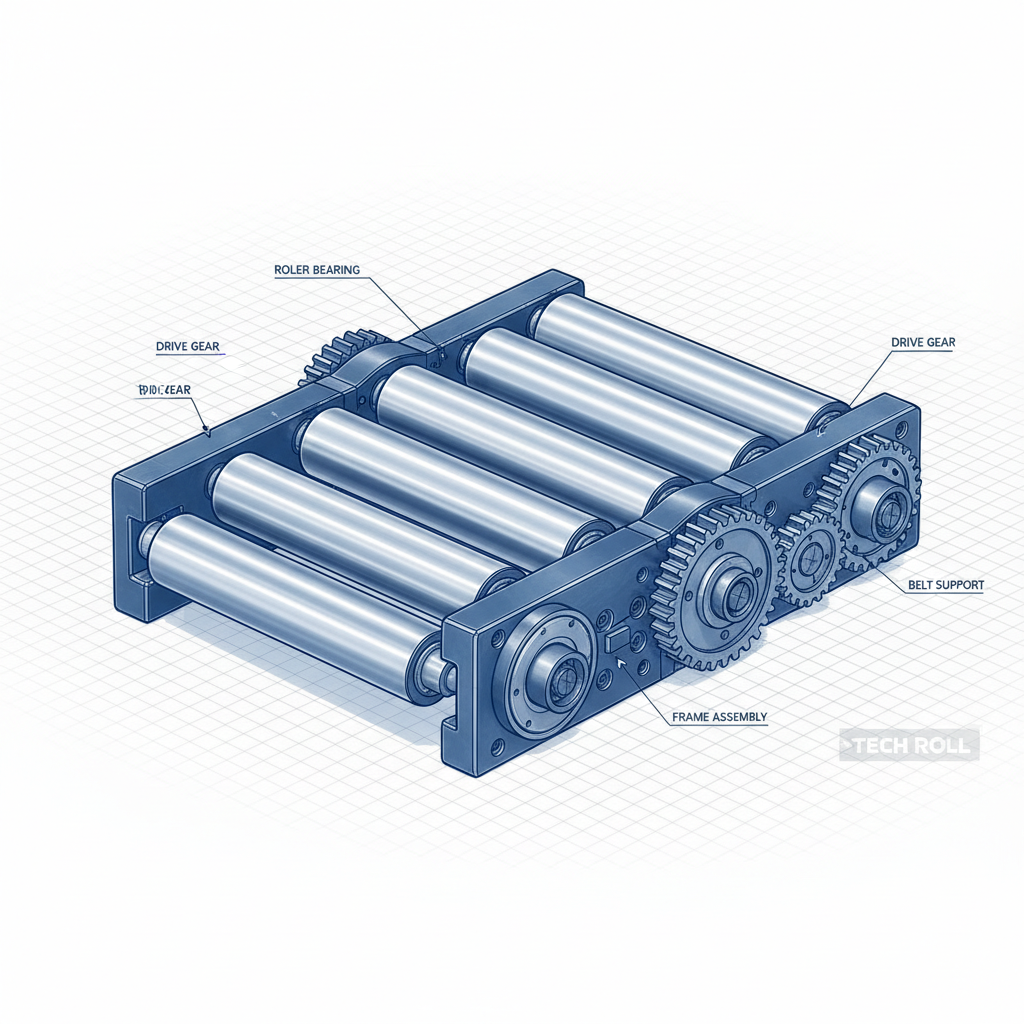
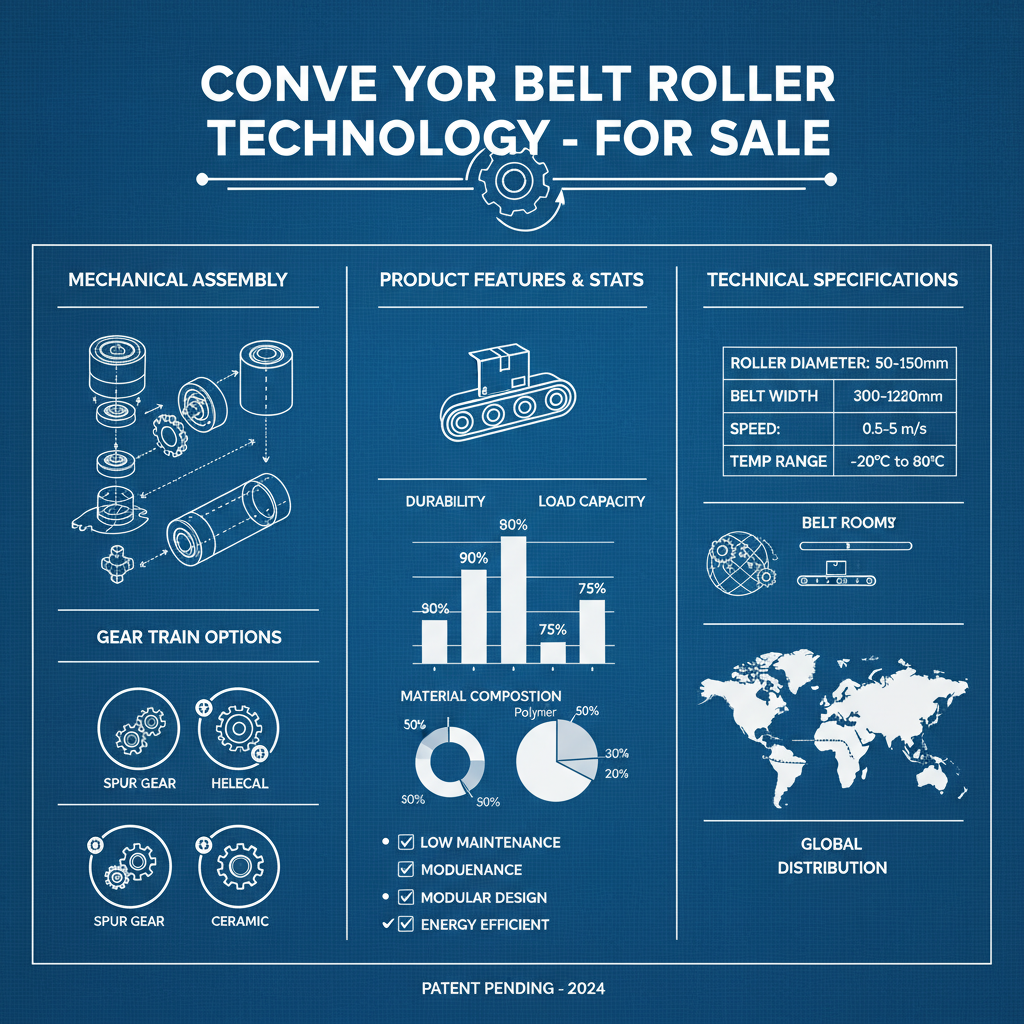
Conveyor belt rollers are often the unsung heroes of logistical efficiency. While the belt itself is visually prominent, the rollers are the essential support system, reducing friction and ensuring smooth movement of materials. Without durable and well-maintained conveyor belt rollers, systems quickly become unreliable and costly to operate.
Their influence extends beyond simply keeping materials moving. The quality of rollers directly impacts belt life, energy consumption, and the overall safety of a conveyor system. Investing in superior roller technology can translate into significant long-term savings and a more sustainable operation.
The lifespan of a high-quality conveyor belt roller varies greatly depending on the application, load, and maintenance. However, with proper lubrication and regular inspections, a well-constructed roller can typically last between 5 to 10 years, sometimes even longer. Factors like environmental conditions and the type of materials being conveyed also play a significant role. Selecting rollers designed for your specific environment can greatly extend their operational life.
Regular inspections are crucial for maintaining a reliable conveyor system. It’s recommended to conduct visual inspections at least monthly, checking for bearing wear, damage to the roller shell, and proper lubrication. More frequent inspections—perhaps weekly—are advisable for high-demand applications or those operating in harsh environments. Identifying and addressing minor issues early can prevent costly breakdowns.
For applications prone to contamination from dust, moisture, or chemicals, labyrinth seals and contact seals are commonly recommended. Labyrinth seals create a complex path that prevents contaminants from entering the bearing, while contact seals use a rubber or polymer lip to create a physical barrier. The best choice depends on the specific contaminants present and the operating conditions of the conveyor system.
Roller material significantly impacts performance. Steel rollers are known for their strength and durability, making them suitable for heavy-duty applications. Polypropylene rollers offer excellent chemical resistance and are lighter weight. Stainless steel rollers are ideal for sanitary environments, such as food processing. Selecting the right material based on the conveyed materials and operating environment is critical for long-term reliability.
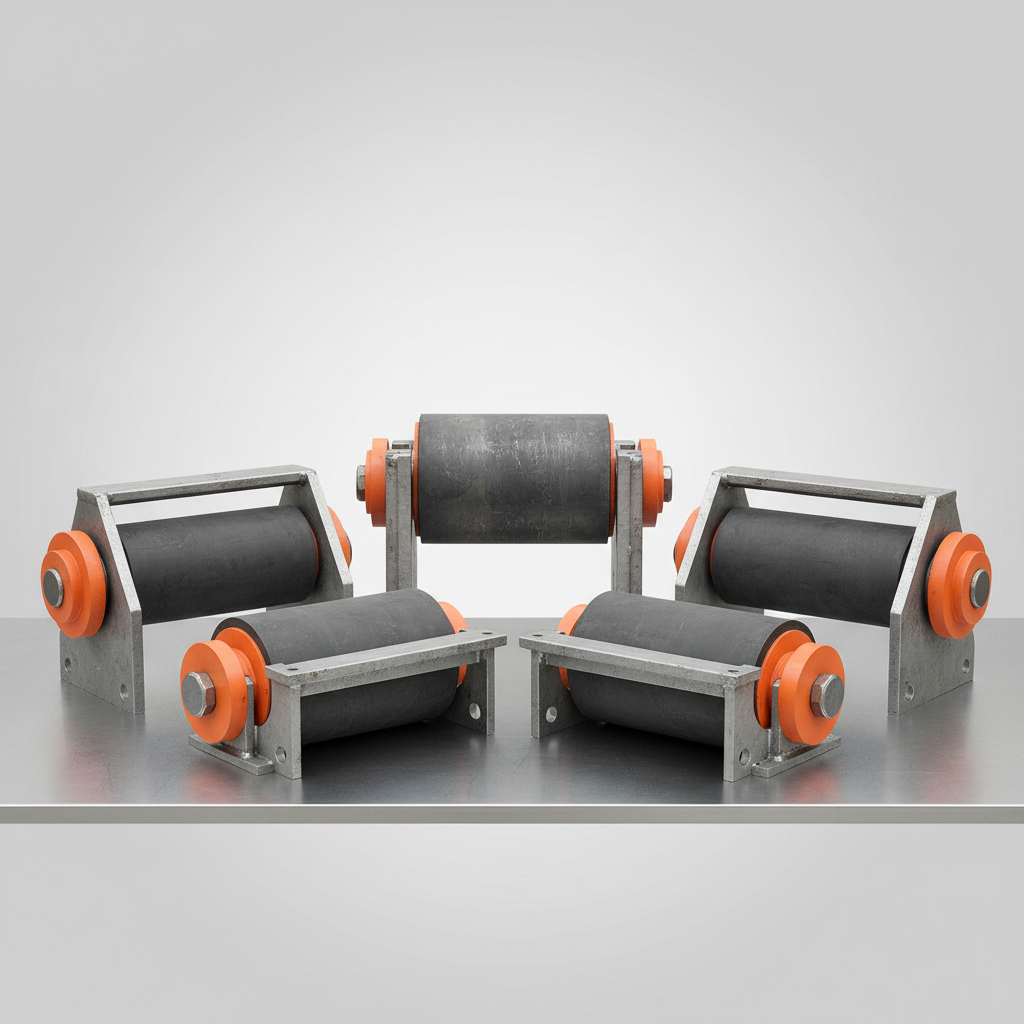
Impact rollers are specifically designed to withstand the force of falling materials, often used at loading points. They feature a more robust construction and often utilize a rubber or polyurethane coating to absorb impact energy. Using impact rollers prevents damage to the conveyor belt and other rollers, extending the overall lifespan of the system and reducing maintenance costs.
Yes, in many cases, conveyor belt rollers can be retrofitted. However, it's crucial to ensure compatibility with the existing conveyor frame and belt. This often involves carefully measuring the roller dimensions and shaft size. Consulting with a conveyor system expert is recommended to ensure a smooth and successful retrofit process. Often, a relatively small investment in new rollers can significantly improve the performance of an older system.
In conclusion, conveyor belt rollers are far more than just supporting components; they are critical drivers of efficiency, reliability, and safety in material handling systems. Understanding their key performance aspects, real-world applications, and emerging trends is essential for professionals seeking to optimize operations and minimize costs. Investing in quality conveyor belt rollers translates into long-term value, reduced downtime, and a more sustainable approach to material flow.
Looking ahead, the continued innovation in roller materials, smart technology, and predictive maintenance will further enhance their performance and contribution to industry. Embracing these advancements will be key to staying competitive in an increasingly demanding global marketplace. We encourage you to explore the possibilities and consider how upgrading your conveyor belt rollers can unlock new levels of efficiency and reliability. Visit our website: www.hgconveyorbelt.com