- Tel: +8615128135888
- Email: hg@chinaconveyerbelt.com

You know, these days everyone's talking about smarter, more modular conveyor systems. It's all 'Industry 4.0' and 'digital twins'… Frankly, I spend most of my time making sure the bolts are tight and the belt doesn't snap, so some of that stuff goes over my head. But what I have noticed is a real push for belts that can handle more varied loads and last longer without constant maintenance. To be honest, it's about time.
And people keep trying to reinvent the wheel. There’s a lot of focus on fancy materials and complex designs, but sometimes the simplest solution is the best. I encountered this at a packaging factory in Jiangsu province last time - they'd gone with some carbon fiber reinforced belt thinking it would be a miracle worker. Turns out it was a nightmare to repair when it inevitably got damaged, and the guys hated working with it because it splintered.
Anyway, I think the core of a good conveyor belt, a truly good one, starts with the materials. We mostly use a blend of PVC and polyurethane for the top cover – gives you that abrasion resistance you need, especially with heavier materials. The carcass is usually polyester or nylon fabric, sometimes with steel cord reinforcement for really heavy-duty applications. The polyester smells kinda… sweet, almost plastic-y when you're cutting it. The nylon, not so much. It's just… fabric. You get used to it. Handling the steel cord, though, that’s a different story. Gloves are a must, and even then, you'll find bits of wire stuck in your clothes for days.
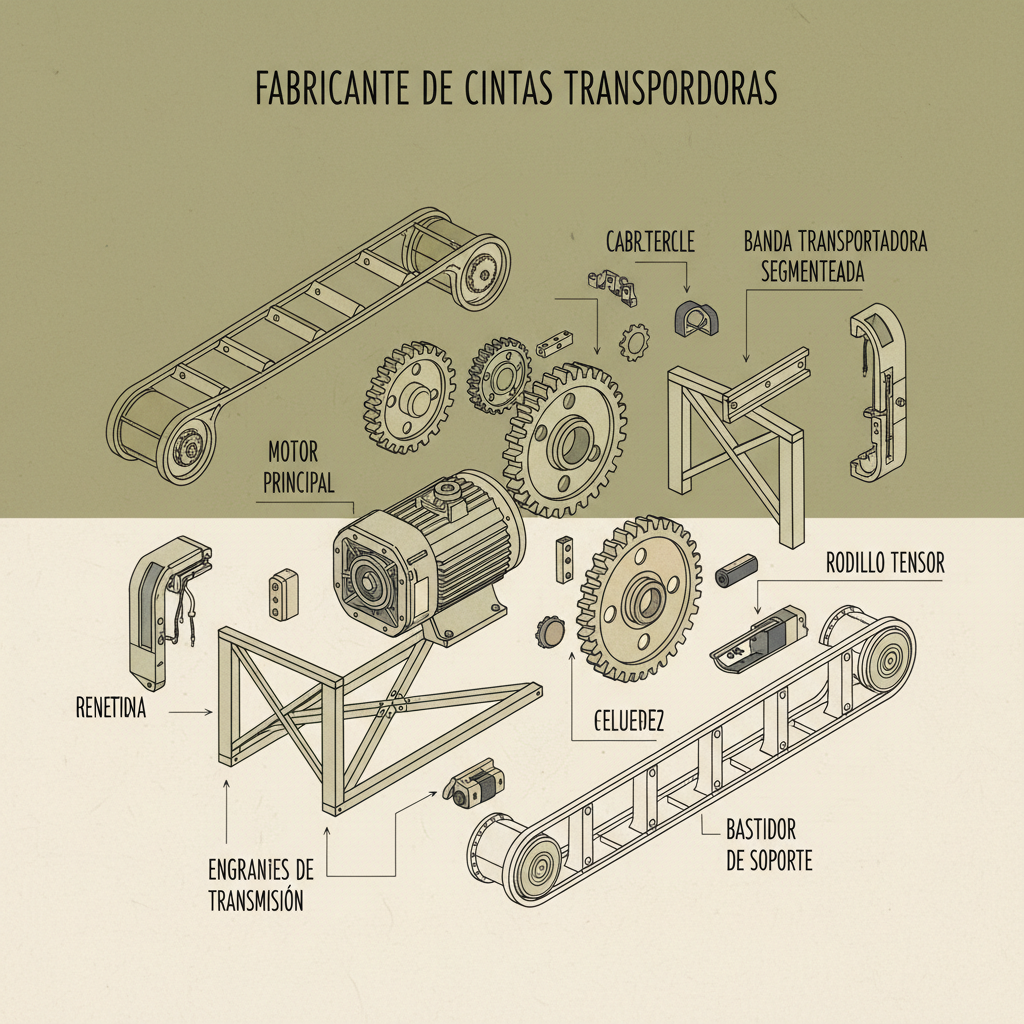
Like I said, modularity. Everyone wants to swap out sections quickly, reduce downtime. And there’s a lot of buzz around energy efficiency - belts that require less power to run. Honestly, a lot of it feels like marketing, but the demand for lighter materials and more precise control systems is real. People are also pushing for more sustainable options.
The biggest change I’ve seen? Data collection. Belts with integrated sensors to monitor tension, wear, and even load distribution. It's still early days, and getting those sensors to survive in a real industrial environment is tough, but it’s where things are heading.
That really depends, but with proper care and depending on the application, a polyurethane belt can last anywhere from 3 to 7 years. Heavy abrasive materials, high temperatures, and improper tensioning will shorten that lifespan significantly. It's all about maintenance. Regular inspections and cleaning are key. The amount of time it’s running also matters, of course. We’ve seen belts last a decade in light-duty applications, but they’ll be toast in a coal mine in a year.
You want something oil-resistant, obviously. Neoprene and some specialized polyurethane blends are good choices. PVC is generally a bad idea – it tends to swell and degrade in contact with oil. You also need to consider the type of oil – some oils are more aggressive than others. We always recommend testing a sample of the belt material with the specific oil you’re using before committing to a large order. A little bit of testing upfront can save you a lot of money down the line.
Regular brushing is a good start. A simple hand brush or even a rotating brush system can remove a lot of debris. For tougher buildup, you might need to use a solvent, but be careful – some solvents can damage the belt material. High-pressure washing can also be effective, but make sure you don't direct the spray at the bearings or other sensitive components. The key is to be gentle but consistent.
Look for cracks, tears, or excessive wear. Check the edges for fraying or delamination. If the belt is stretching or losing tension, that's a sign it's reaching the end of its life. Also, pay attention to any unusual noises – squeaking, grinding, or rattling can indicate a problem. When in doubt, it’s better to replace it than to risk a catastrophic failure that could shut down your entire operation.
Sometimes. Small cuts and tears can often be patched, but larger damage usually requires a full replacement. Splices are common for joining belt sections, but they can be a weak point. It really depends on the severity of the damage and the critical nature of the application. A temporary patch might get you by, but it’s not a long-term solution.
Tracking is a pain, honestly. Usually, it’s a misalignment of the rollers or an uneven load distribution. Make sure all the rollers are properly aligned and level. If the load is uneven, try to center it as much as possible. You can also adjust the tracking idlers – those little rollers that steer the belt – but be careful not to overdo it. A little adjustment goes a long way. And check for debris buildup under the belt, that can throw things off too.
So, yeah, conveyor belts. It’s not glamorous work, but it’s essential. Choosing the right belt, maintaining it properly, and understanding how it's actually used in the field – that's what separates a good system from a bad one. It’s about balancing cost, durability, and performance to get the job done efficiently and reliably.
Ultimately, whether this thing works or not, the worker will know the moment he tightens the screw. If it feels solid, if it runs smoothly, if it doesn't break down after a week – that’s a good belt. And if it doesn't, well, you know you’ve got some work to do. If you need help figuring things out, you know where to find us – fabricante de cintas transportadoras.