To be honest, things have been crazy busy lately. Everyone's talking about modular construction, prefabrication… seems like everyone wants to build things faster, cheaper. It’s not just hype either, you see it happening on sites everywhere. But it’s not as simple as just slapping things together. There’s a real push for smarter materials too, not just cheaper ones, though cheaper is always tempting, isn't it? It’s the little details that get you, though. Like, you think you’ve solved one problem, then three more pop up.
Have you noticed how everyone’s suddenly obsessed with lightweight materials? Carbon fiber this, composite that. It looks good on paper, but try getting a crew to handle it on a windy day, or explaining to them why they can’t just throw their tools on it like they do with steel. And don't even get me started on trying to find qualified welders for some of these new alloys… a nightmare, truly.
We’re mainly dealing with high-strength steel these days, mostly Q345 and some S355 for the heavier duty stuff. Feels solid, smells like… well, steel. A bit oily, usually. You can tell a good piece of steel just by the heft of it, you know? And the way it takes a weld. We use a lot of galvanized steel too, for anything exposed to the elements. That zinc coating, even if it stinks when you’re cutting it, saves a lot of headaches down the line. The tricky part is getting the coating consistent, especially on complex shapes. I encountered that at the XX factory last time, they were having serious issues with corrosion resistance on a batch of brackets. It took weeks to sort out.
The Global Relevance of fabricante de rodillos transportadores
Honestly, you wouldn't think about it, but rollers are everywhere. Global trade relies on them, manufacturing relies on them, even getting your groceries to the store relies on them. The UN estimates that over 90% of goods are transported via conveyor systems at some point. That’s a huge number. It’s a quiet industry, fabricante de rodillos transportadores, but a vital one. Strangely, a lot of people don’t give it a second thought until something breaks, and then it's chaos.
We’ve seen a big uptick in demand from Southeast Asia, particularly Vietnam and Indonesia. They're building out their manufacturing bases, and that means a lot of conveyors. Europe's always solid, but they’re very focused on high-efficiency, low-maintenance rollers. It’s a tougher market there, but the margins can be better if you get it right. The biggest problem right now, though, is supply chain disruptions. Getting the right steel, bearings, and seals… it's a constant battle.
Defining fabricante de rodillos transportadores
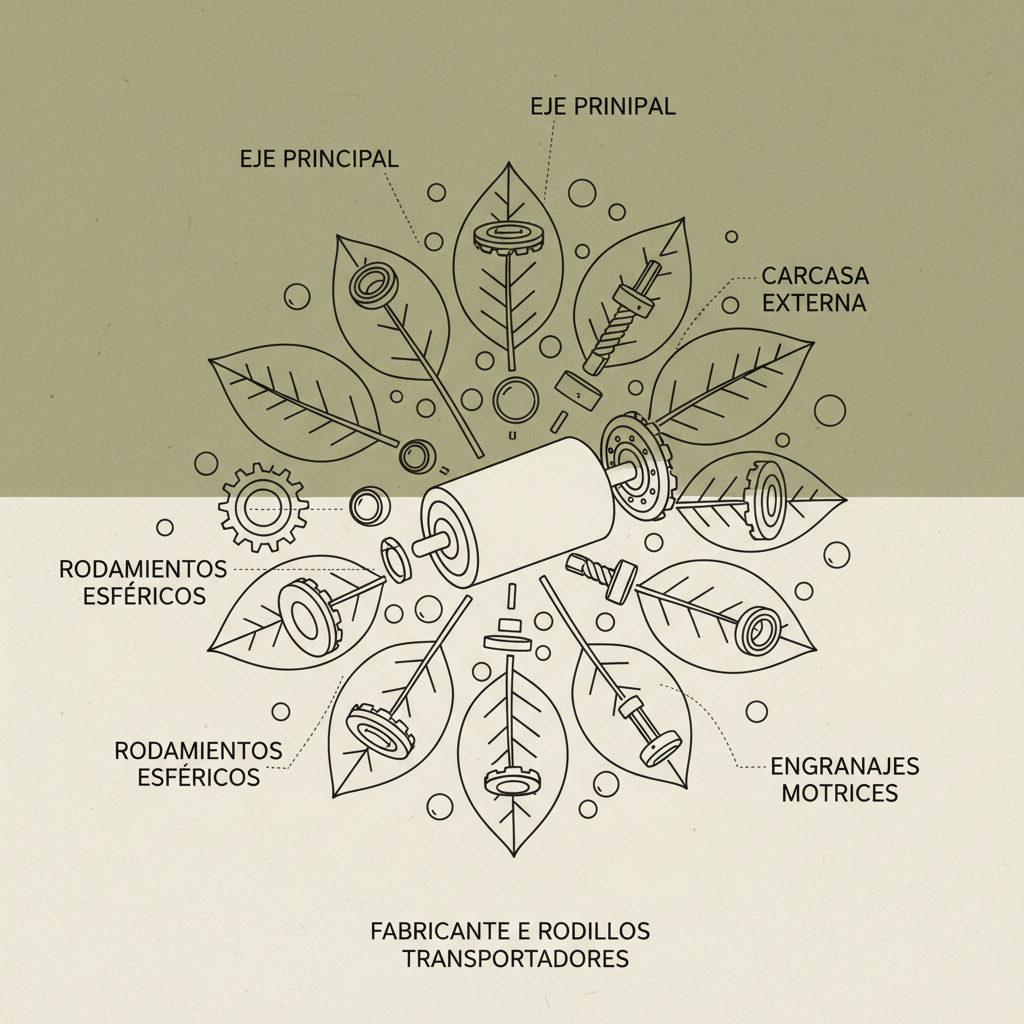
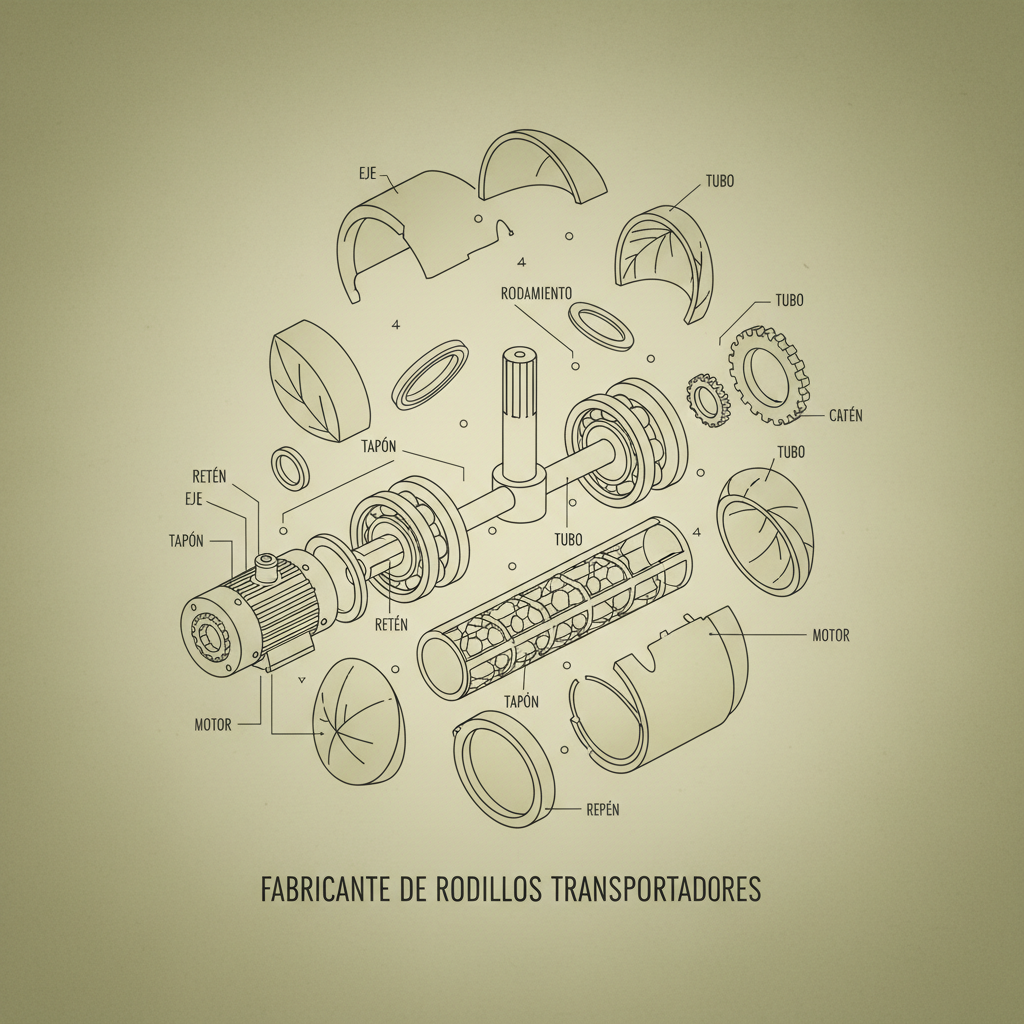
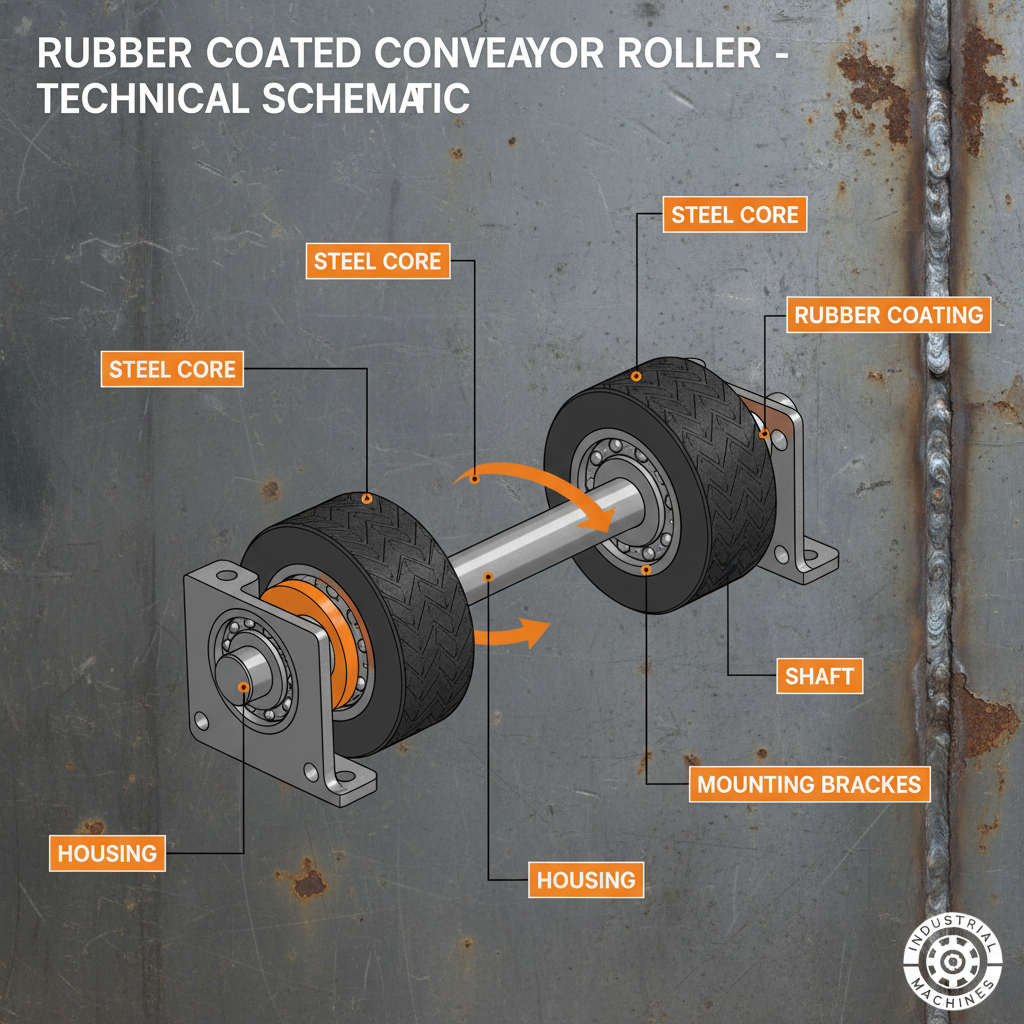
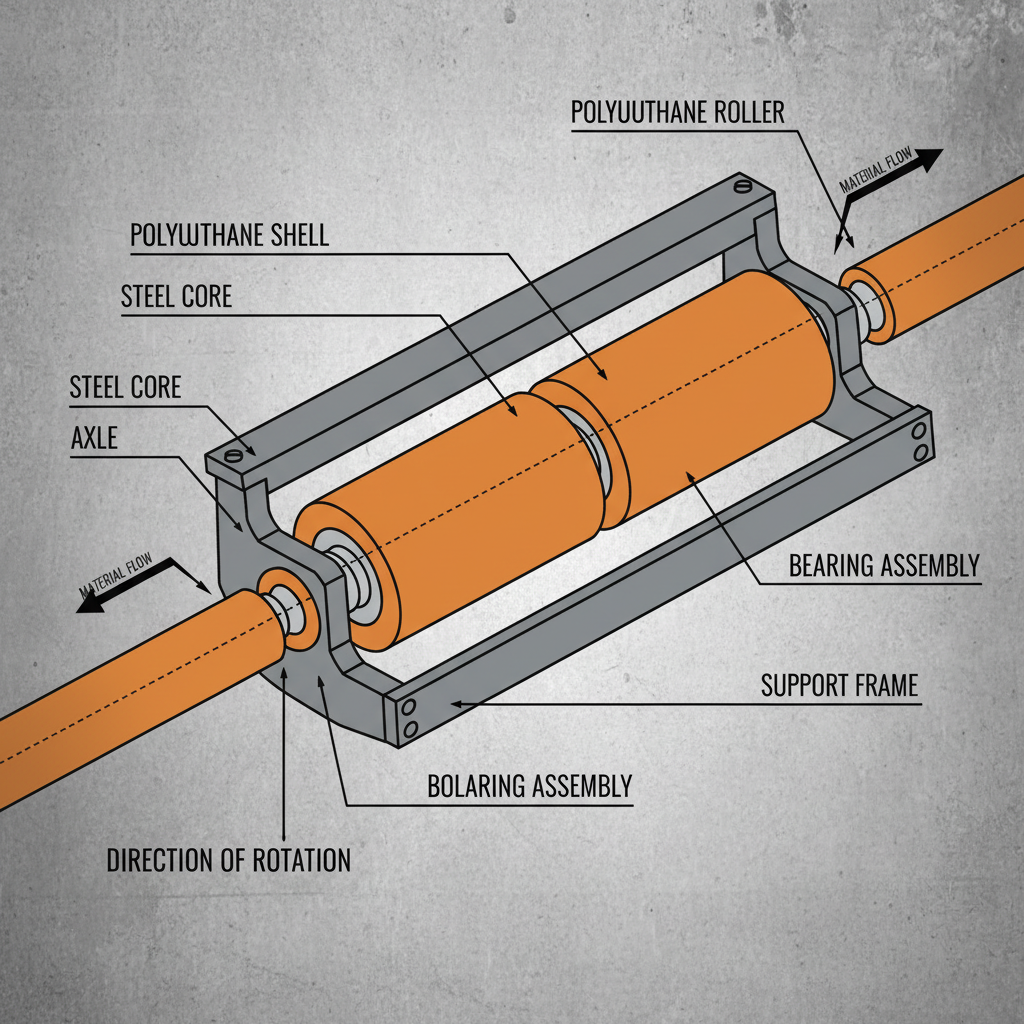
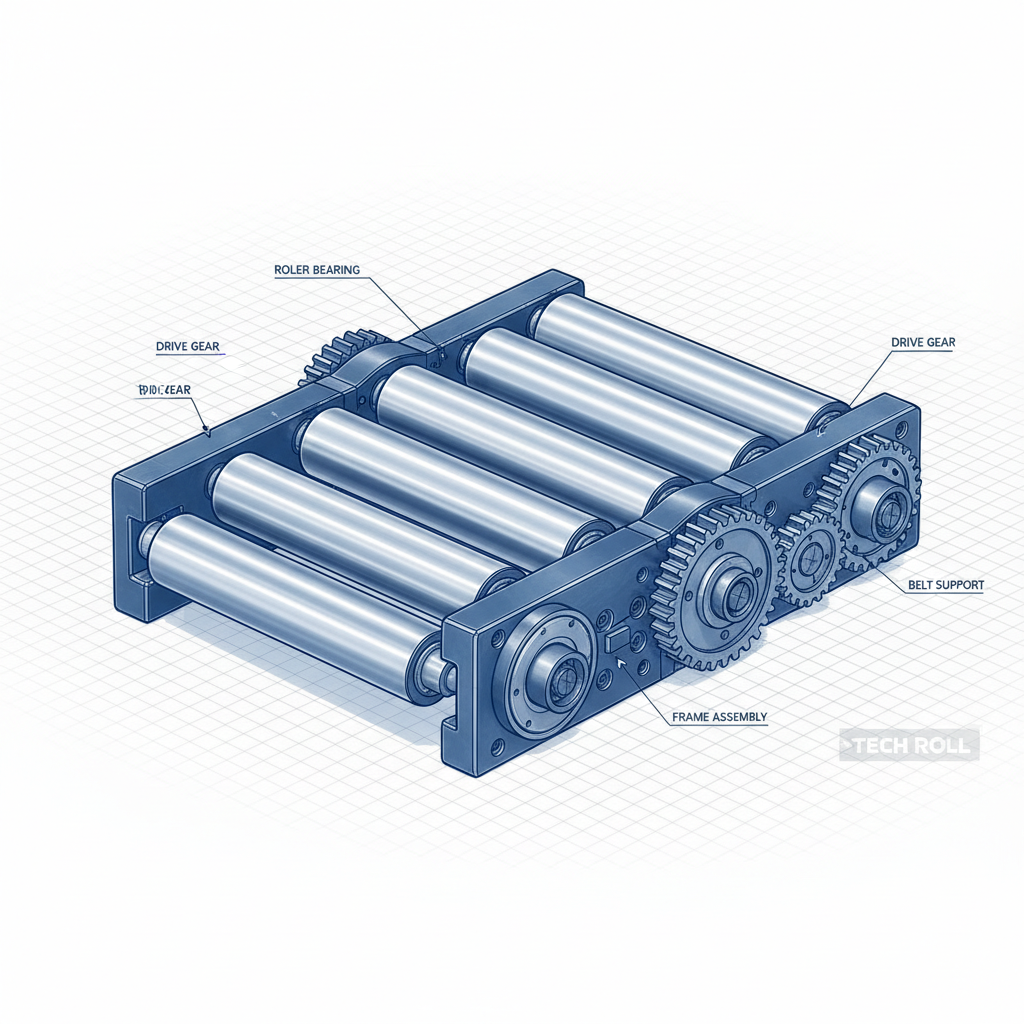
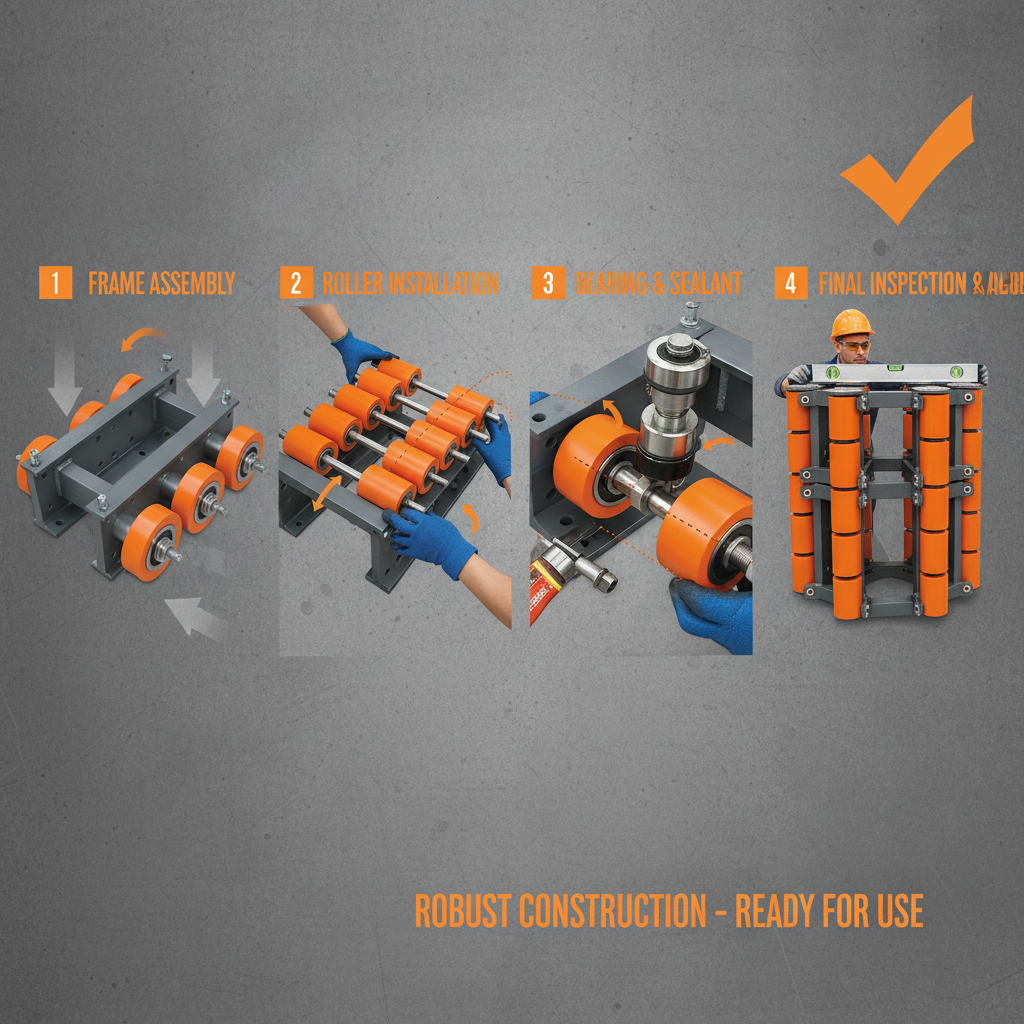
Okay, so what is a fabricante de rodillos transportadores? It's basically the company that makes the rollers that make everything move. Sounds simple, right? But it's way more complex than that. It’s not just about the metal tube. It’s about the bearings, the seals, the coatings, the shaft material, the end caps… everything has to work together seamlessly. It has to handle the weight, the speed, the temperature, the environment… everything.
It connects directly to modern industry. Without reliable material handling, factories would grind to a halt. Think about an Amazon fulfillment center – hundreds of miles of conveyor belts, all powered by thousands of rollers. Or a coal mine, or a cement plant. It's essential infrastructure. It’s also increasingly important for humanitarian efforts. Getting aid to disaster zones quickly and efficiently often relies on portable conveyor systems.
We don't just make standard rollers, either. We do a lot of custom work, designing rollers for specific applications. Like, we did a project last year for a food processing plant that needed rollers that could withstand constant washdowns with harsh chemicals. That required a special type of stainless steel and a specific seal design.
Key Factors in fabricante de rodillos transportadores Design
Durability is obviously number one. These things take a beating. Constant load, impact, dust, grime… they need to be built to last. And not just last, but last predictably. Nobody wants a roller failing mid-shift. It's costly and dangerous. We do a lot of fatigue testing, but honestly, real-world testing is the best.
Scalability is huge too. A customer might start with a small order, but then quickly need to expand their capacity. We need to be able to ramp up production without sacrificing quality. It’s a constant balancing act. Then there's cost-efficiency. Everyone’s looking for a good value, but you can’t just cut corners. You have to find the sweet spot between performance and price. I mean, cheap rollers might save you money upfront, but they'll end up costing you more in the long run with increased downtime and maintenance. And finally, customization – being able to adapt to a customer’s specific needs is a massive advantage.
Practical Applications of fabricante de rodillos transportadores
You see them in mining, obviously. Hauling ore, coal, everything. That’s some of the toughest stuff we build. They take an absolute pounding. Then there’s logistics – airports, distribution centers, package handling… a massive market. And food processing, like I mentioned before. Beverage bottling plants use a ton of rollers too.
I was in a quarry in Spain a few months ago, and they were using our rollers to move massive blocks of granite. It was impressive, seeing those rollers handle that kind of weight. We’ve also done projects for recycling plants, handling everything from plastic bottles to scrap metal. Even amusement parks use them, for the conveyor systems that move people and equipment around.
In post-disaster relief operations, portable conveyor systems are used to quickly move supplies like food, water, and medicine. And in remote industrial zones, where access is limited, rollers are often the most reliable way to transport materials. We’re even getting inquiries about using rollers in vertical farming operations. It’s a diverse market, that’s for sure.
Advantages and Long-Term Value of fabricante de rodillos transportadores
The biggest advantage, hands down, is increased efficiency. Good rollers mean smoother, faster material flow. That translates to lower labor costs and higher throughput. And reliable rollers mean less downtime, which is crucial for any operation. Sustainability is also becoming a big factor. We’re using more recycled materials and designing rollers that are easier to maintain and repair, reducing waste.
It’s about building trust. Customers need to know that they can rely on our rollers to perform consistently, day in and day out. That’s why we focus so much on quality control and testing. It’s also about safety. A malfunctioning roller can cause serious accidents. Anyway, I think a well-designed roller system contributes to a safer, more efficient, and more sustainable operation.
fabricante de rodillos transportadores Performance Metrics
Future Trends in fabricante de rodillos transportadores Technology
Smart rollers are the next big thing. Rollers with built-in sensors that can monitor their own condition, detect wear and tear, and even predict failures. It’s a bit of a leap, but it has the potential to revolutionize maintenance. We're also seeing a lot of interest in self-cleaning rollers, especially in industries like food processing where hygiene is critical.
Digital twins are going to be huge. Creating a virtual replica of a conveyor system that allows engineers to simulate different scenarios and optimize performance. And, of course, automation. More and more factories are looking to automate their material handling processes, and that means more sophisticated roller systems.
Common Challenges and Innovative Solutions
The biggest challenge? Keeping costs down while maintaining quality. It’s a constant struggle. And dealing with fluctuating material prices. Steel prices, for example, have been all over the place lately. Finding skilled labor is another issue. Good welders and machinists are hard to come by.
We're exploring new materials, like high-strength polymers, to reduce weight and cost. And we're investing in automation to improve efficiency and reduce labor costs. We’re also working on developing more modular roller designs that can be easily adapted to different applications. Last month, that small boss in Shenzhen who makes smart home devices insisted on changing the interface to , and the result was a three-week delay in production because we had to retool everything. It was a mess.
And oddly, the biggest headache isn't always the big problems. It's the small stuff. Like, finding a reliable supplier for a specific type of seal. Or dealing with a customer who changes their requirements mid-project. But that’s just part of the job, I guess.
Summary of Key Challenges and Solutions in fabricante de rodillos transportadores
| Challenge |
Impact on Operations |
Proposed Solution |
Implementation Difficulty (1-10) |
| High Material Costs |
Reduced Profit Margins |
Explore Alternative Materials (Polymers) |
6 |
| Skilled Labor Shortage |
Delayed Production Schedules |
Invest in Automation and Training |
8 |
| Supply Chain Disruptions |
Production Delays and Increased Lead Times |
Diversify Supplier Base and Increase Inventory |
7 |
| Customer Specification Changes |
Increased Engineering Costs and Project Delays |
Implement Change Management Process |
5 |
| Roller Wear and Tear |
Frequent Maintenance and Replacement |
Develop High-Durability Roller Coatings |
4 |
| Inconsistent Seal Performance |
Contamination and Reduced Roller Lifespan |
Qualify Seal Suppliers and Implement Rigorous Testing |
6 |
FAQS
It really depends on the conditions, but generally, we're looking at around 18-24 months for a heavy-duty roller in a coal mine. That's assuming it's properly maintained, of course. The constant abrasion from the coal and the harsh environment take their toll. We've seen some last longer with frequent greasing and inspections, but that's not always practical on a large scale. It's all about balancing cost and performance.
Absolutely. That's what we do. We can adjust the diameter of the shaft, the thickness of the tube, and the type of bearings to handle a wide range of loads. We need to know the maximum load, the speed of the conveyor, and the operating environment to design the right roller. We did one project where the customer needed rollers that could handle a dynamic load of 5 tons per meter. It required a custom shaft and some serious reinforcement.
Corrosion is a major issue in coastal areas. We recommend using stainless steel rollers with a high molybdenum content. Galvanization is also helpful, but it's not as effective as stainless steel in a saltwater environment. Regular cleaning and coating with a protective layer can also help. And, of course, proper drainage is crucial to prevent water from pooling around the rollers.
We use a combination of lab testing and real-world testing. In the lab, we do fatigue testing, impact testing, and corrosion testing. But the real test is putting the rollers in an actual operating environment. We work with several customers to test our rollers in their factories before they go to market. It’s the best way to ensure they can handle the stress of real-world use.
Sealed bearings are essential for keeping contaminants out and lubricant in. This significantly extends the life of the roller and reduces maintenance requirements. They’re especially important in dusty or wet environments. We use a variety of seal types, depending on the application. Some are better at keeping out dust, while others are better at keeping out water. It's about choosing the right seal for the job.
Crowned rollers have a slightly convex shape, which helps to keep the conveyor belt centered. This is important for preventing belt misalignment and reducing wear. Flat rollers are simpler and cheaper, but they require more careful alignment. Which one you choose depends on the application and the budget. For long conveyors, crowned rollers are almost always the better option.
Conclusion
So, there you have it. fabricante de rodillos transportadores may not be the most glamorous part of the industrial world, but it's a critical one. It’s about durability, reliability, customization, and keeping things moving. It’s a constant balancing act of cost and performance, innovation and practicality. And it's a lot more complex than most people realize.
Ultimately, whether this thing works or not, the worker will know the moment he tightens the screw. If it feels solid, if it runs smooth, if it lasts… that’s when you know you’ve got a good roller. And that’s what we strive for, every single day. If you're looking for a reliable partner for your material handling needs, visit our website.