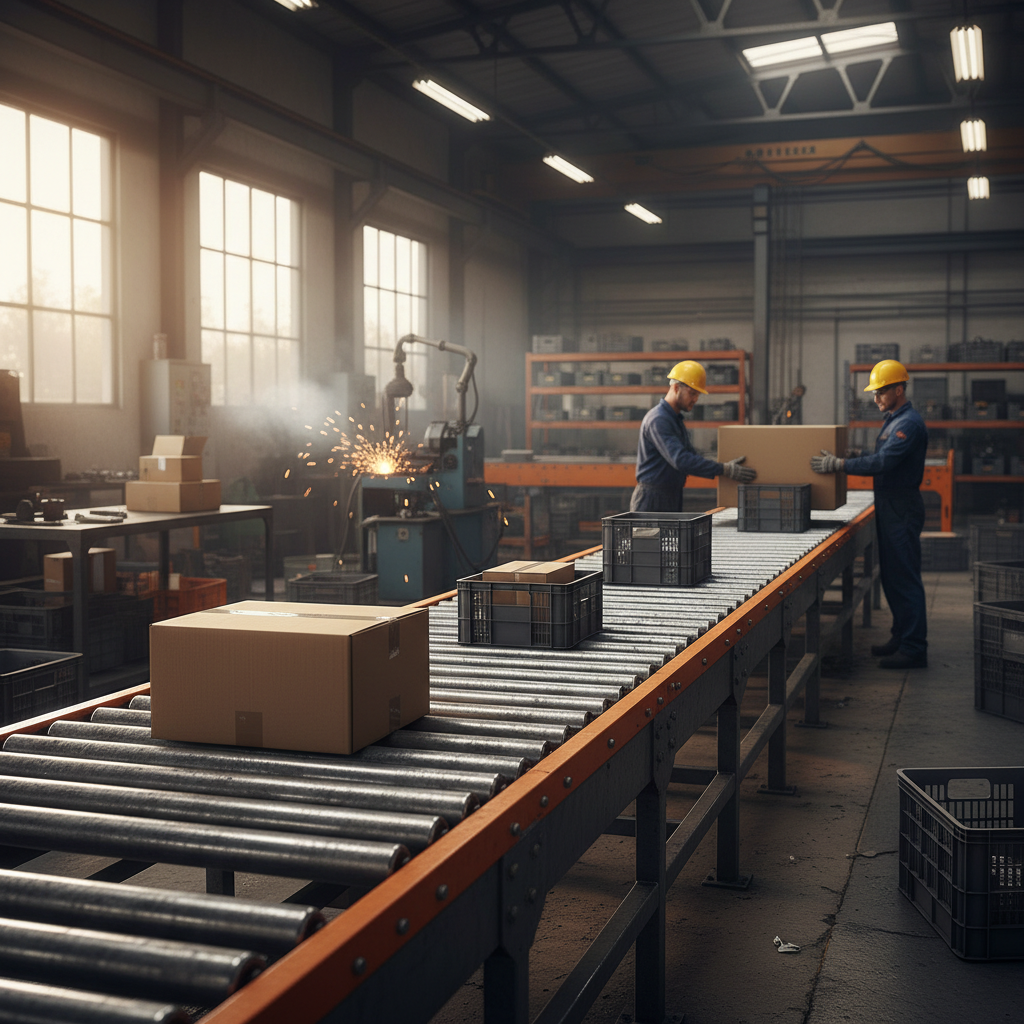
Different types of conveyor rollers are essential components in a vast array of industries, facilitating the efficient and reliable movement of materials. From simple gravity-powered systems to complex automated lines, these rollers underpin countless manufacturing, logistics, and distribution processes. Understanding the nuances of various roller types—their materials, construction, and applications—is crucial for optimizing system performance, minimizing downtime, and ensuring cost-effectiveness. The global market for conveyor rollers is experiencing steady growth, driven by increasing automation and the expansion of e-commerce, making informed selection more important than ever.
The significance of different types of conveyor rollers extends beyond mere material handling. They play a critical role in supply chain efficiency, impacting production timelines, and ultimately, customer satisfaction. Industries such as mining, agriculture, food processing, and pharmaceuticals all rely heavily on reliable conveyor systems, and the selection of appropriate rollers is paramount to operational success. The ongoing demand for increased throughput and reduced operational costs is fueling innovation in roller technology, leading to advancements in materials, coatings, and design.
Furthermore, the integration of smart technology into conveyor rollers—such as sensors for monitoring load, speed, and temperature—is enabling predictive maintenance and optimized system performance. This proactive approach to maintenance reduces unplanned downtime and extends the lifespan of the equipment, providing significant long-term benefits. The diverse range of available options, from basic steel rollers to highly specialized polyurethane or ceramic versions, allows for tailored solutions to meet specific application requirements.
Introduction to different types of conveyor rollers
Different types of conveyor rollers are the unsung heroes of modern logistics and manufacturing. They are cylindrical components designed to support and facilitate the movement of goods along a conveyor belt. These rollers aren’t simply interchangeable; a wide variety of materials, sizes, and designs are available, each suited to specific load capacities, speeds, and environmental conditions. Selecting the correct roller type is crucial for ensuring efficient, reliable, and safe operation.
The efficiency of any conveyor system relies heavily on the performance of its rollers. Friction, wear, and load distribution are key considerations when choosing rollers. Properly selected rollers reduce energy consumption, minimize noise, and extend the lifespan of both the conveyor belt and the materials being transported. This optimization directly translates to cost savings and improved productivity for businesses across various industries.
Defining different types of conveyor rollers
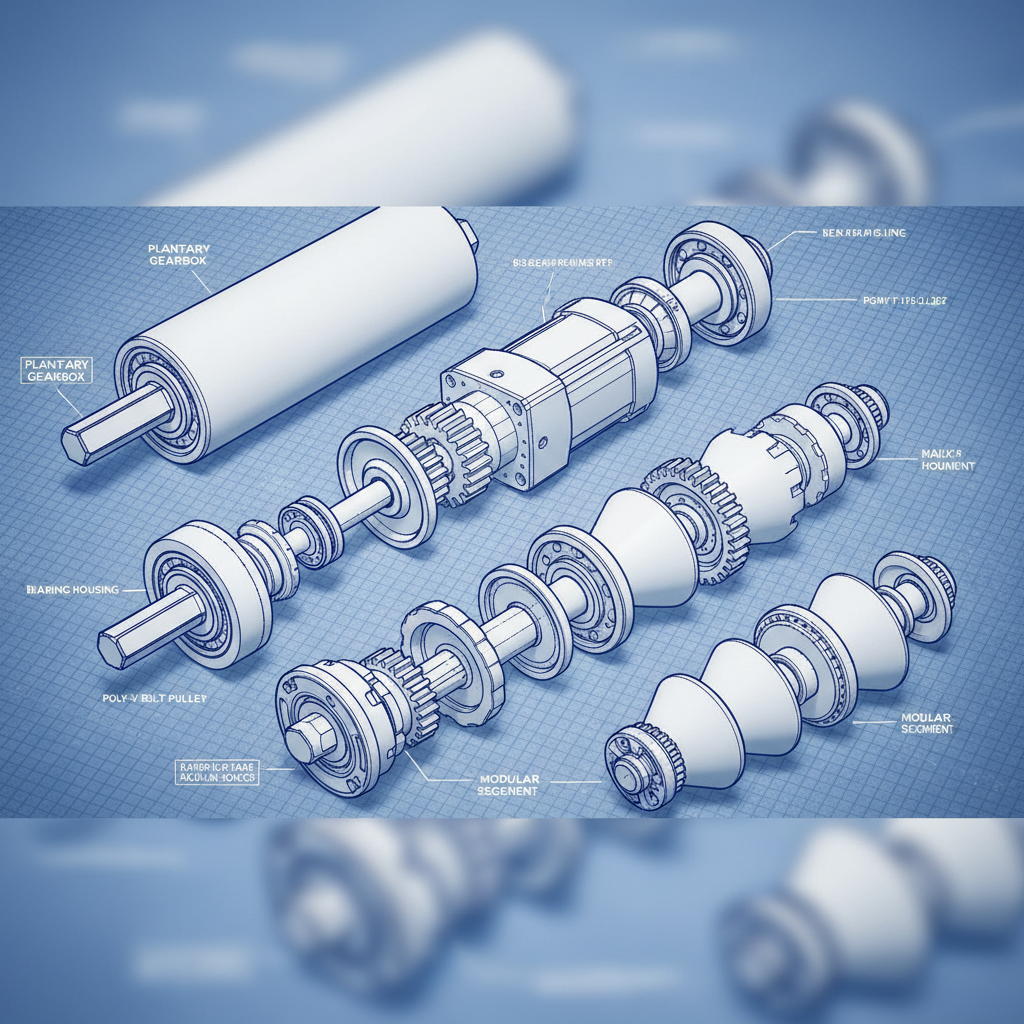
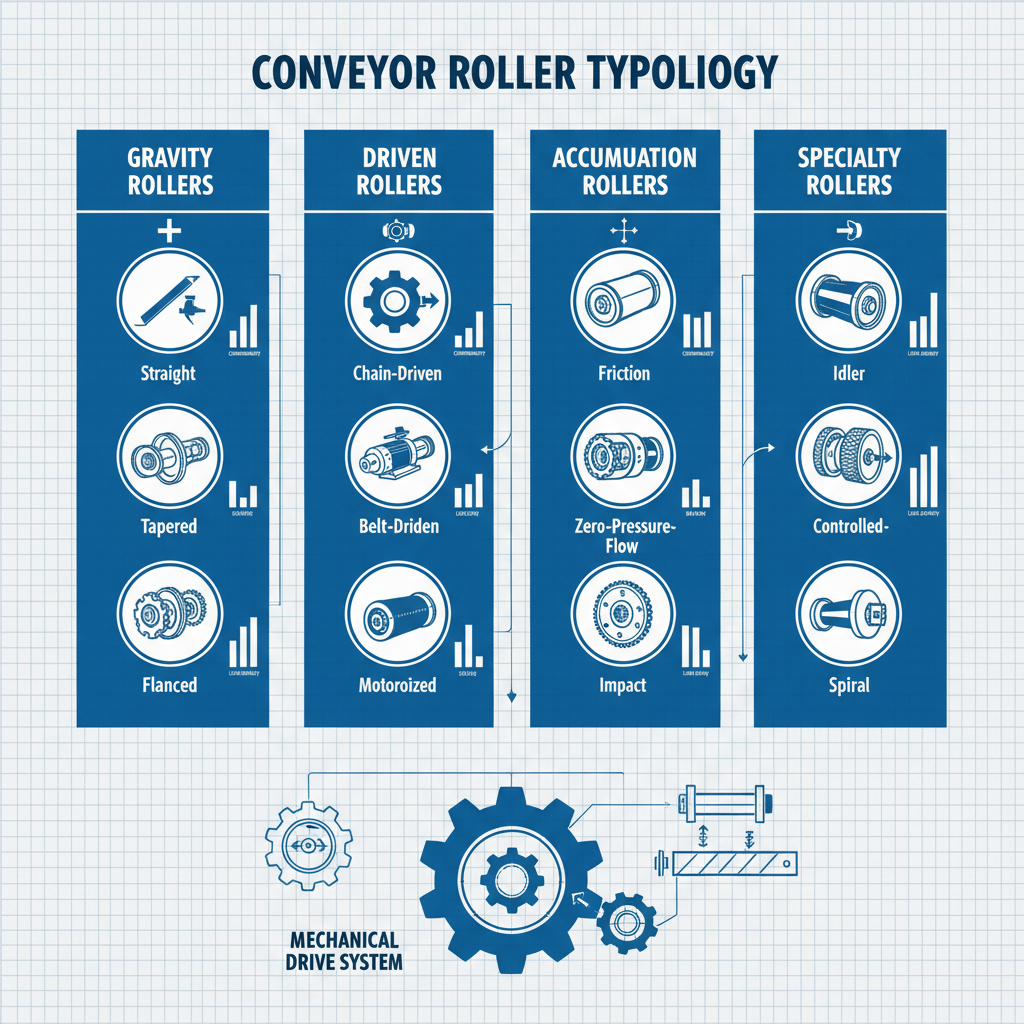
Different types of conveyor rollers are broadly categorized based on their construction and application. Powered rollers utilize a motor to drive the conveyor belt, while non-powered rollers, also known as idler rollers, simply support the belt and allow it to move freely. Within these categories, further distinctions are made based on the roller’s core material – steel, PVC, polyurethane, ceramic, and others – and their outer surface properties.
Gravity rollers rely on the slope of the conveyor to move materials, using rollers to reduce friction and facilitate flow. Precision rollers are designed for applications requiring accurate positioning and control, often incorporating bearings for smooth and consistent movement. Furthermore, specialty rollers, such as tapered rollers for curved conveyors or expanding rollers for handling specific package sizes, cater to niche requirements.
The selection of different types of conveyor rollers is inherently tied to the overall conveyor system design. Factors such as the type of material being transported, the speed of the conveyor, the load capacity, and the environmental conditions all influence the optimal roller choice. A thorough understanding of these factors is essential for achieving a reliable and efficient material handling solution.
Key Factors Influencing Roller Selection
Several critical factors govern the selection of appropriate different types of conveyor rollers. Durability is paramount, as rollers are subjected to constant wear and tear. The material and construction must withstand the abrasive forces of the transported materials and the operating environment. Load Capacity dictates the roller’s ability to support the weight of the materials without deformation or failure.
Speed and Friction are crucial considerations. Higher speeds require rollers with low friction coefficients to minimize energy consumption and prevent excessive heat buildup. The roller’s surface finish and bearing type significantly impact friction levels. Environmental Resistance is also vital, particularly in corrosive or extreme temperature environments. Choosing rollers made from appropriate materials ensures longevity and prevents premature failure.
Finally, Cost-Effectiveness must be balanced with performance requirements. While high-performance rollers may offer superior durability and efficiency, they often come at a higher price point. A careful analysis of life-cycle costs, including maintenance and replacement expenses, is essential for making informed decisions. different types of conveyor rollers offer varying price points depending on material and build quality.
Global Applications of different types of conveyor rollers
The applications of different types of conveyor rollers are incredibly diverse, spanning numerous industries worldwide. In the mining industry, heavy-duty steel rollers are used to transport massive quantities of ore and raw materials. Logistics and distribution centers rely on a combination of powered and non-powered rollers to efficiently sort and move packages.
Food processing plants utilize stainless steel or food-grade plastic rollers to maintain hygiene and prevent contamination. Airport baggage handling systems depend on high-speed, durable rollers to ensure the timely and reliable movement of luggage. In remote industrial zones, robust and low-maintenance rollers are essential for continuous operation with limited access to repair facilities.
Furthermore, different types of conveyor rollers are integral to manufacturing processes, from automotive assembly lines to pharmaceutical packaging. In post-disaster relief operations, portable conveyor systems with lightweight rollers are crucial for quickly distributing aid and supplies. The increasing demand for automated material handling solutions is driving the global expansion of the conveyor roller market.
Performance Comparison of different types of conveyor rollers
Advantages and Long-Term Value
Investing in the right different types of conveyor rollers yields substantial advantages. Cost savings are realized through reduced maintenance, lower energy consumption, and extended equipment lifespan. Sustainability is enhanced by selecting durable materials and optimizing system efficiency, minimizing waste and environmental impact.
Reliability is paramount; well-chosen rollers contribute to consistent operation, minimizing downtime and maximizing productivity. The improved safety they provide due to predictable movement, reduced wear, and lower chances of malfunction builds trust and confidence in operations. The continuous innovation in roller technology ensures long-term value and adaptability to changing industrial needs.
Future Trends and Innovations
The future of different types of conveyor rollers is marked by exciting advancements. The integration of smart sensors and IoT technology will enable real-time monitoring, predictive maintenance, and automated performance optimization. The development of self-lubricating materials will reduce maintenance requirements and extend roller lifespan.
Lightweight materials, such as carbon fiber composites, are being explored to reduce energy consumption and improve conveyor efficiency. A growing focus on circular economy principles is driving the development of recyclable and biodegradable roller materials. The increasing adoption of automation and robotics will further enhance the role of conveyor rollers in streamlined logistics and manufacturing processes.
Challenges and Solutions in Conveyor Roller Technology
Despite advancements, challenges remain in conveyor roller technology. Wear and tear in harsh environments continue to be a significant concern. Solutions include the development of abrasion-resistant coatings and the use of high-performance materials like ceramics. Noise reduction is another area for improvement. Innovative bearing designs and damping materials are being explored to minimize noise levels.
Maintaining alignment and preventing roller drift can be problematic. Implementing automatic alignment systems and utilizing rollers with improved grip can address this issue. Balancing cost and performance is an ongoing challenge. Optimizing material selection and design to achieve the desired performance at a reasonable price point is crucial.
Furthermore, ensuring the compatibility of different types of conveyor rollers within a system requires careful consideration. Standardizing interfaces and developing modular roller designs can simplify integration and improve overall system performance.
Summary of different types of conveyor rollers characteristics
| Roller Type |
Load Capacity (tons) |
Typical Application |
Maintenance Frequency (months) |
| Steel Rollers |
5-20 |
Mining, Heavy Industry |
6-12 |
| Polyurethane Rollers |
2-10 |
Food Processing, Packaging |
3-6 |
| Ceramic Rollers |
1-5 |
High-Temperature Applications |
12-18 |
| PVC Rollers |
0.5-3 |
Light Duty Conveyors |
3-6 |
| Rubber Coated Rollers |
3-8 |
Aggressive Material Handling |
6-9 |
| Stainless Steel Rollers |
2-12 |
Pharmaceutical, Hygiene Sensitive |
6-12 |
FAQS
Steel rollers offer superior load capacity and durability, making them ideal for heavy-duty applications like mining. However, they can be prone to corrosion and are generally noisier. Polyurethane rollers, on the other hand, provide excellent abrasion resistance, are quieter in operation, and are often preferred in food processing due to their hygiene properties. While their load capacity is typically lower than steel, polyurethane rollers excel in environments requiring chemical resistance and flexibility.
Determining the correct load capacity requires careful consideration of the maximum weight the conveyor will handle, including the materials being transported and any potential accumulation. A safety factor should always be applied – typically 20-25% – to account for dynamic loads and unexpected weight increases. Consult roller manufacturers’ specifications to ensure the selected rollers can safely and reliably support the anticipated load.
Maintenance varies depending on the roller type. Steel rollers may require periodic lubrication and corrosion protection. Polyurethane and rubber rollers should be inspected for wear and tear and replaced when necessary. Regular cleaning is essential for all roller types to prevent buildup and maintain smooth operation. Bearing maintenance – including lubrication and replacement – is critical for ensuring optimal performance and extending roller lifespan.
Several strategies can minimize noise. Selecting rollers with low-friction bearings is crucial. Using damping materials around the roller supports can absorb vibrations. Proper alignment and tensioning of the conveyor belt also contribute to quieter operation. Consider polyurethane or rubber-coated rollers as they generally produce less noise than steel rollers. Regularly inspect and replace worn bearings, as they are a common source of noise.
While ceramic rollers offer excellent resistance to high temperatures, corrosion, and abrasion, they are not suitable for all applications. They tend to be more brittle than steel or polyurethane rollers and are therefore less tolerant of impact loads. They are best suited for applications involving lightweight materials and controlled environments where extreme durability and resistance to harsh chemicals are paramount.
Self-lubricating rollers eliminate the need for regular manual lubrication, reducing maintenance time and costs. They are particularly advantageous in applications where access for maintenance is difficult or in environments where lubricants can contaminate materials. These rollers typically contain solid lubricants embedded within the roller material, providing long-lasting lubrication and consistent performance.
Conclusion
In conclusion, different types of conveyor rollers are fundamental to efficient material handling across a diverse range of industries. Selecting the appropriate roller type requires careful consideration of factors such as load capacity, speed, environmental conditions, and maintenance requirements. The advancements in materials, design, and smart technology are continuously improving the performance, reliability, and sustainability of conveyor systems.
Looking ahead, the integration of IoT and predictive maintenance will revolutionize conveyor roller management, minimizing downtime and optimizing performance. Embracing innovative materials and sustainable practices will ensure the long-term viability of this critical component of modern logistics and manufacturing. For expert guidance and a comprehensive selection of different types of conveyor rollers, visit our website today.