Adjustable conveyor roller systems are increasingly vital components in modern logistics and material handling. Their adaptability streamlines processes across numerous industries, enhancing efficiency and reducing operational costs. Understanding the nuances of these systems – from their core mechanics to their evolving technological advancements – is crucial for businesses aiming to optimize their workflows and maintain a competitive edge in today's fast-paced global market. This knowledge extends beyond simply selecting a product; it encompasses implementation, maintenance, and strategic integration into broader operational frameworks.
The global conveyor system market, including adjustable conveyor rollers, is experiencing significant growth driven by the expansion of e-commerce, manufacturing, and warehousing sectors. According to a recent report by Market Research Future, the global conveyor systems market is projected to reach USD 7.2 billion by 2030, growing at a CAGR of 5.8% during the forecast period. This growth is further fueled by increasing demand for automation and optimized material flow. However, challenges remain in adapting these systems to diverse operational environments and maintaining cost-effectiveness.
Investing in adjustable conveyor roller technology isn't merely a logistical upgrade; it's a strategic investment in a company's future. By providing flexibility, scalability, and improved safety standards, these systems empower businesses to meet evolving demands, reduce downtime, and enhance overall productivity. From large-scale distribution centers to smaller assembly lines, the applications are vast and the potential for return on investment substantial.
Introduction: Global or Industry Context
The rise of globalization and increasingly complex supply chains have dramatically increased the demand for efficient material handling solutions. Adjustable conveyor rollers play a critical role in meeting this demand by offering a flexible and adaptable infrastructure for moving goods and materials. Their deployment isn’t limited to traditional manufacturing; they’re becoming essential in logistics hubs, distribution centers, airports, and even retail environments.
The increasing adoption of e-commerce is a key driver for the growth of the adjustable conveyor roller market. Online retailers require efficient systems to handle high volumes of orders, manage returns, and ensure timely delivery. Adjustable conveyor rollers enable dynamic sorting, routing, and accumulation of packages, optimizing warehouse operations and reducing fulfillment times. This flexibility is particularly vital in handling seasonal peaks and fluctuating demand.
Definition & Meaning
An adjustable conveyor roller is a mechanical component used within a conveyor system that facilitates the movement of items from one point to another. What sets it apart is its ability to be easily adjusted – in height, angle, or spacing – to accommodate various package sizes, shapes, and weight distributions. This adaptability distinguishes it from fixed-roller systems, providing enhanced flexibility and operational efficiency.
In the context of modern industry, adjustable conveyor rollers are integral to achieving optimized material flow and streamlining logistical processes. They’re not simply about moving items; they're about intelligently directing them, reducing manual handling, and minimizing bottlenecks. This contributes directly to increased productivity and reduced labor costs.
Furthermore, these systems directly support humanitarian efforts. In disaster relief scenarios, adjustable conveyor rollers can be rapidly deployed to efficiently sort and distribute vital supplies, maximizing aid delivery to those in need. Their ease of assembly and adjustment make them suitable for challenging field conditions.
Key Factors or Core Components
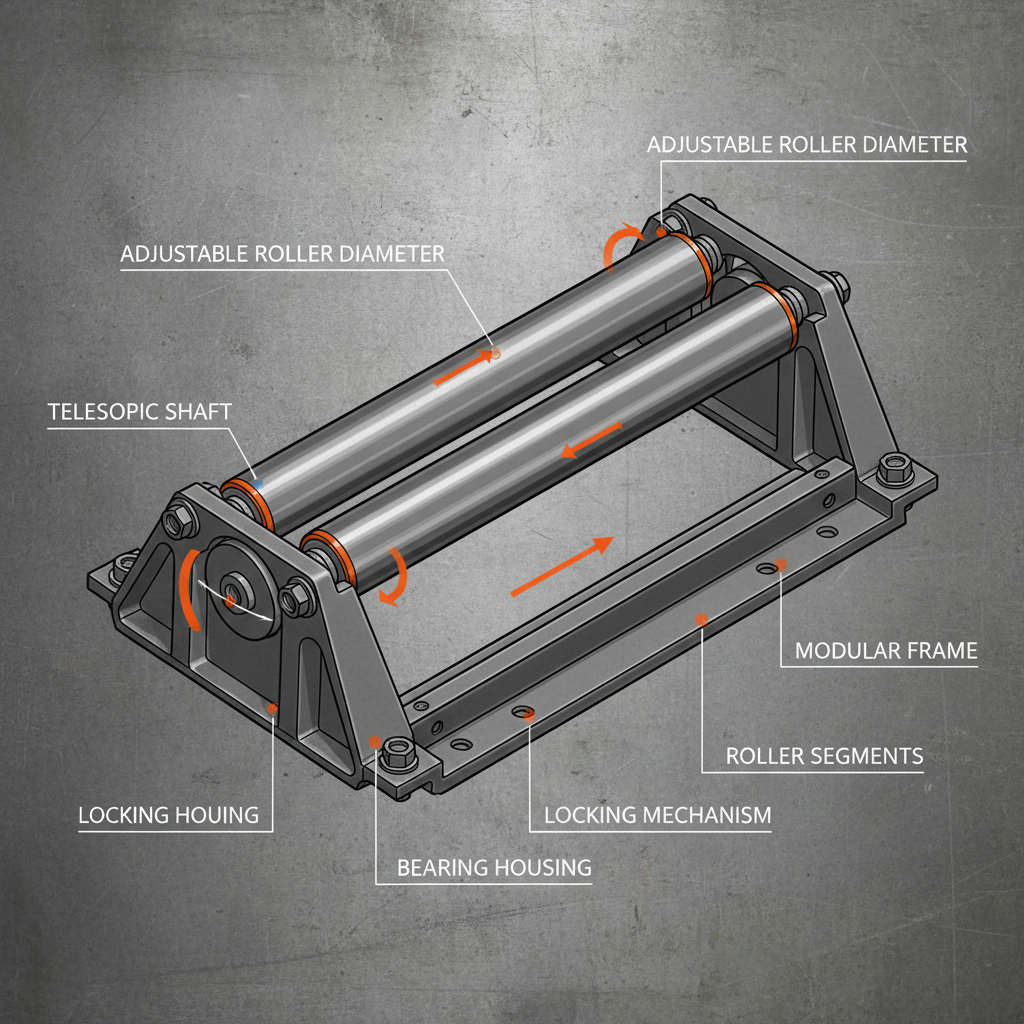
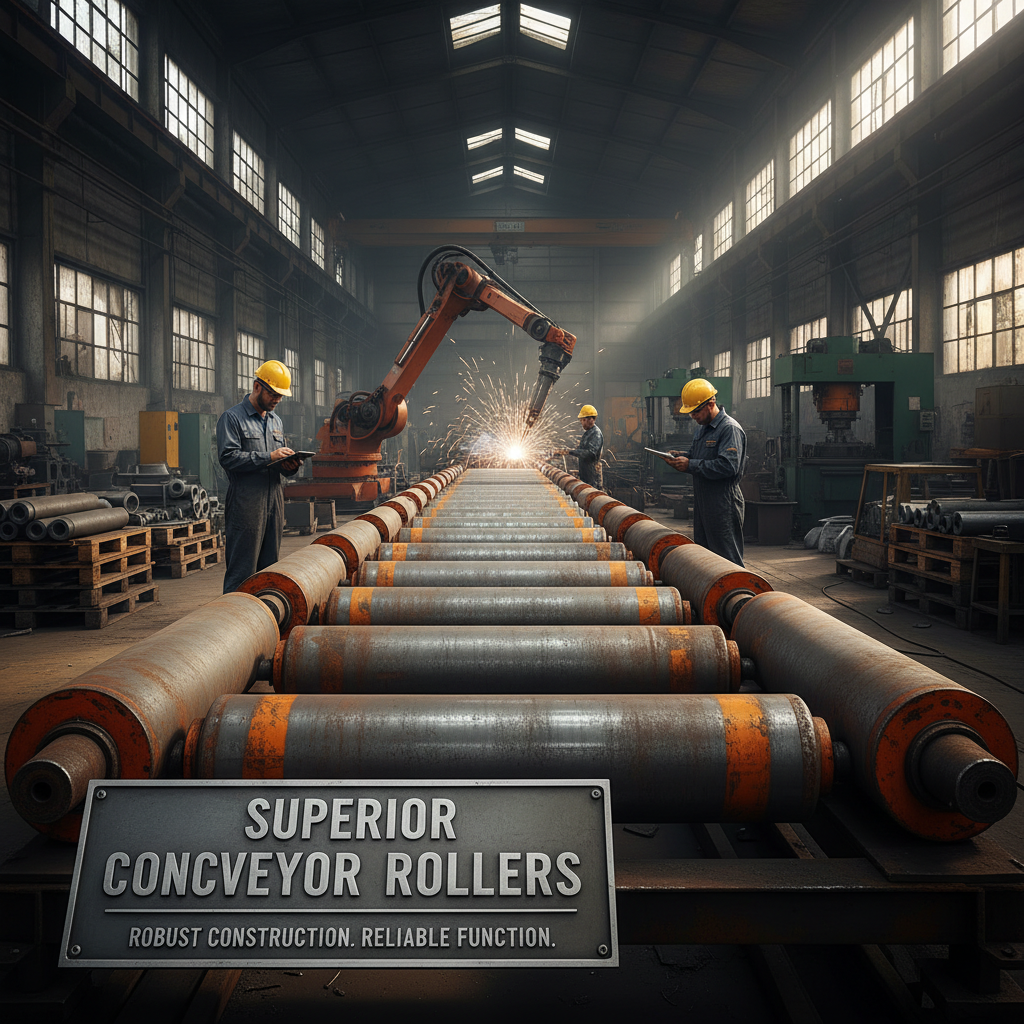
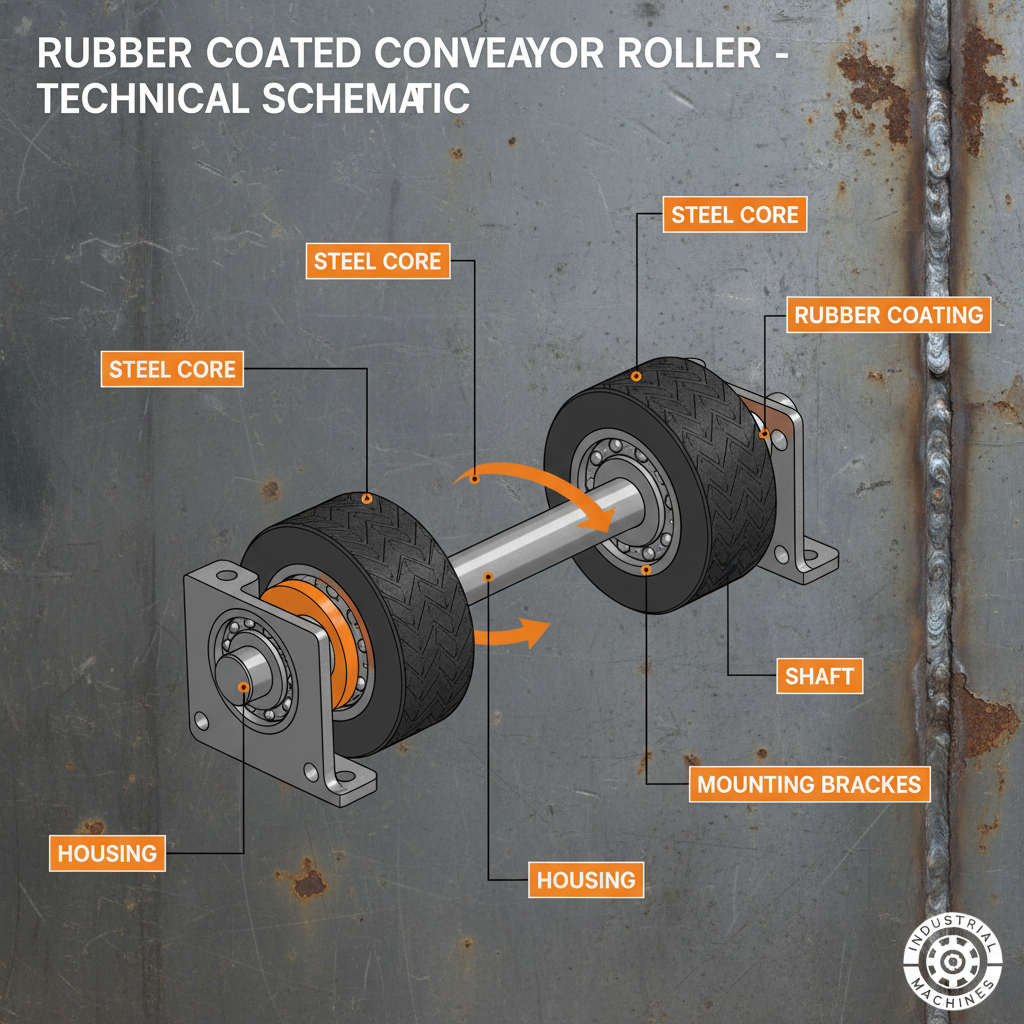
Durability: Adjustable conveyor rollers are typically constructed from robust materials like steel, aluminum, or high-density polyethylene, ensuring long-term reliability even under heavy loads and demanding operating conditions. High-quality bearings and robust frame designs minimize wear and tear, reducing the need for frequent replacements.
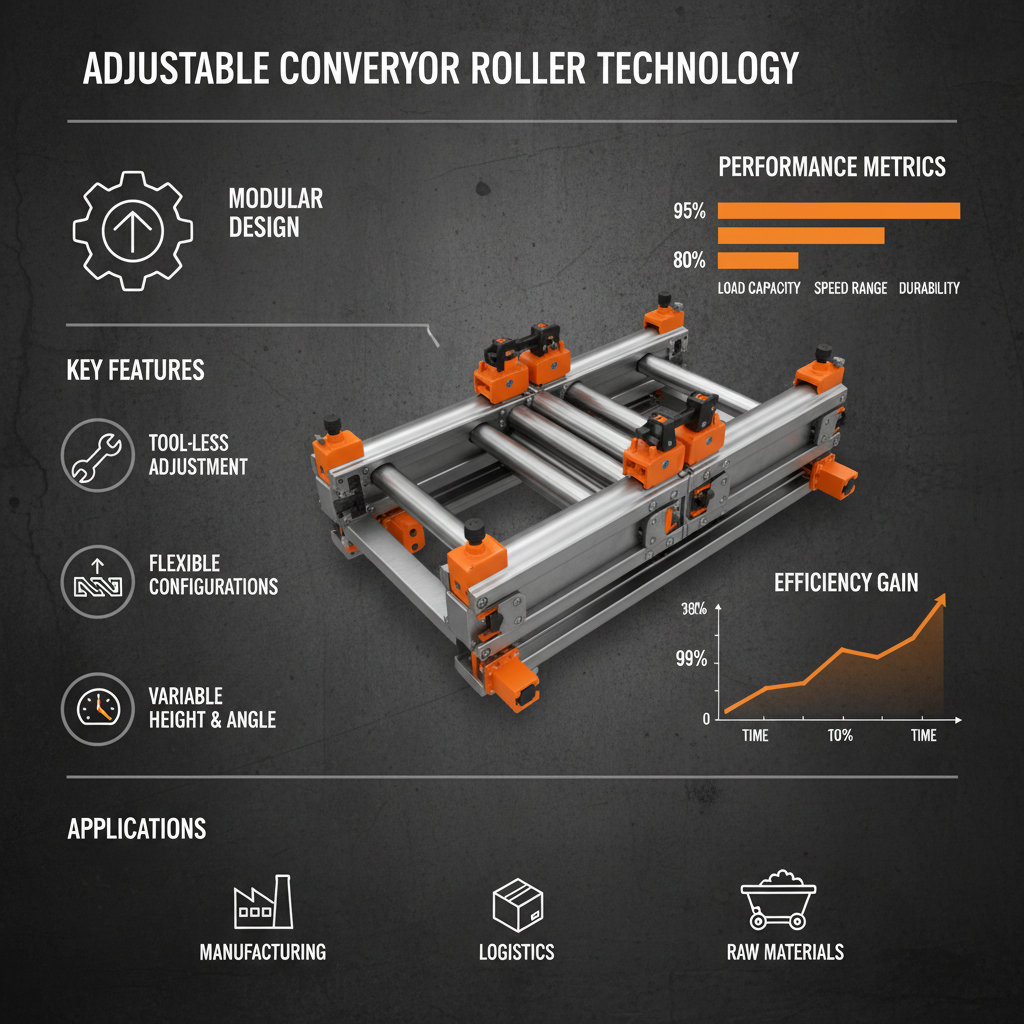
Adjustability: The core benefit lies in the ease of adjustment. Mechanisms often include threaded rods, quick-release levers, or motorized systems, enabling operators to quickly adapt the roller configuration to suit changing product dimensions. This reduces downtime and maximizes throughput.
Load Capacity: Adjustable conveyor rollers are available in a wide range of load capacities, from light-duty applications handling small packages to heavy-duty systems capable of supporting substantial weights. Selecting the appropriate load capacity is crucial for ensuring safe and efficient operation.
Scalability: Modular designs allow for easy expansion or reconfiguration of conveyor systems as business needs evolve. Adding or removing sections, or adjusting roller spacing, can be done quickly and efficiently without significant disruption.
Maintenance: Well-designed adjustable conveyor rollers require minimal maintenance. Sealed bearings, corrosion-resistant materials, and accessible components simplify inspection and repair. Regular lubrication and periodic checks are typically sufficient to ensure optimal performance.
Safety: Features such as emergency stop buttons, guarding, and smooth roller surfaces enhance workplace safety. Adjustable rollers can be positioned to minimize manual handling and reduce the risk of worker injuries.
Global Applications & Use Cases
Adjustable conveyor rollers are widely employed in distribution centers across North America and Europe, facilitating the efficient movement of goods from receiving to shipping. These systems are crucial for handling the ever-increasing volume of parcels driven by e-commerce. In Asia, particularly in China and India, adjustable conveyor rollers are being integrated into rapidly expanding manufacturing facilities and logistics networks.
Within the food and beverage industry, adjustable conveyor rollers are utilized for sorting, inspecting, and packaging products, adhering to strict hygiene standards. Pharmaceutical companies rely on these systems for precise and controlled material handling, ensuring product integrity and compliance with regulatory requirements.
In post-disaster relief operations, organizations like the Red Cross and Doctors Without Borders often deploy mobile conveyor systems incorporating adjustable rollers to efficiently sort and distribute aid supplies to affected populations. In remote industrial zones, where infrastructure may be limited, adjustable conveyor rollers offer a flexible and reliable solution for material handling.
adjustable conveyor roller Application Performance
Advantages & Long-Term Value
The tangible benefits of integrating adjustable conveyor roller systems include reduced labor costs through automation, increased throughput due to optimized material flow, and minimized product damage thanks to gentle handling. These factors contribute to significant cost savings over the long term. The reduction in manual handling also enhances worker safety, lowering the risk of injuries and associated expenses.
From a sustainability perspective, efficient material handling reduces energy consumption and waste. Adjustable conveyor rollers contribute to a more streamlined operation, minimizing unnecessary movement and optimizing resource utilization. This aligns with growing corporate social responsibility initiatives and reduces the environmental footprint.
Future Trends & Innovations
The integration of IoT (Internet of Things) sensors into adjustable conveyor rollers is enabling real-time monitoring of system performance, predictive maintenance, and optimized control. Data analytics provide insights into material flow patterns, allowing for continuous improvement and proactive adjustments. Automation, incorporating AI and machine learning, will further enhance efficiency and responsiveness.
Sustainable materials and energy-efficient designs are gaining prominence. The development of conveyor rollers made from recycled plastics and powered by renewable energy sources will contribute to a more environmentally friendly industry. Smart conveyor systems with energy-saving modes and optimized motor control will also play a crucial role in reducing energy consumption.
Challenges & Solutions
A common challenge is adapting adjustable conveyor roller systems to handle a diverse range of package sizes and shapes. Solutions include utilizing dynamic adjustment mechanisms, incorporating flexible conveyor surfaces, and implementing advanced sorting algorithms. Another challenge is the initial investment cost, particularly for large-scale deployments. Leasing options and modular designs can help mitigate this cost.
Maintaining system reliability and minimizing downtime requires regular inspection and preventative maintenance. Remote monitoring systems and predictive maintenance algorithms can help identify potential issues before they escalate, reducing disruptions and extending system lifespan. Properly trained personnel are also essential for operating and maintaining these systems effectively.
Ensuring seamless integration with existing warehouse management systems (WMS) can be complex. Standardized communication protocols and open APIs are crucial for enabling interoperability and maximizing the benefits of automation. Collaborating with experienced system integrators can also streamline the integration process.
Summary of Adjustable Conveyor Roller Challenges & Solutions
| Challenge |
Impact |
Proposed Solution |
Implementation Cost (1-10) |
| Package Size Variability |
Reduced Throughput |
Dynamic Adjustment Mechanisms |
6 |
| High Initial Investment |
Budget Constraints |
Modular Design & Leasing |
4 |
| System Downtime |
Lost Productivity |
Predictive Maintenance |
7 |
| WMS Integration Complexity |
Data Silos |
Standardized APIs |
8 |
| Operator Training |
Incorrect Operation |
Comprehensive Training Programs |
5 |
| Wear and Tear |
Reduced Lifespan |
High-Quality Materials |
6 |
FAQS
Adjustable conveyor rollers offer superior flexibility, allowing businesses to adapt to varying product sizes and shapes without halting operations. This contrasts with fixed-roller systems, which require manual adjustments or system reconfiguration for each change. Adjustable rollers reduce downtime, increase throughput, and minimize product damage, leading to significant cost savings and improved efficiency.
Determining the load capacity involves analyzing the weight of the heaviest item you intend to convey, as well as potential dynamic loads (e.g., impact forces). It’s crucial to factor in a safety margin – typically 20-30% – to account for fluctuations and prevent overloading. Consulting with a conveyor system expert can ensure you select rollers with the appropriate capacity for your specific application.
Regular maintenance typically involves inspecting rollers for wear and tear, lubricating bearings, and checking adjustment mechanisms. Periodic cleaning to remove debris is also essential. Implementing a preventative maintenance schedule, including visual inspections and lubrication, can significantly extend the lifespan of the rollers and minimize downtime. Consider using remote monitoring systems to predict maintenance needs.
Yes, adjustable conveyor rollers can be integrated with existing automation systems, such as warehouse management systems (WMS) and programmable logic controllers (PLCs). This integration requires careful planning and typically involves utilizing standardized communication protocols and open APIs. A skilled system integrator can ensure seamless communication and data exchange between the conveyor system and other automated components.
Lead times vary depending on the complexity of the system, the availability of components, and the installer’s workload. Standard systems typically have lead times of 4-8 weeks, while customized solutions can take 8-12 weeks or longer. Installation time depends on the system size and integration requirements, ranging from a few days to several weeks for large-scale deployments.
Safety is paramount when operating adjustable conveyor rollers. Essential safety measures include installing emergency stop buttons within easy reach, providing adequate guarding to prevent contact with moving parts, and ensuring that operators are properly trained on safe operating procedures. Regularly inspect rollers for damage and address any issues promptly. Always adhere to relevant safety standards and regulations.
Conclusion
Adjustable conveyor roller systems represent a cornerstone of modern material handling, offering unparalleled flexibility, efficiency, and scalability. Their adaptability to diverse industries and applications, coupled with continuous advancements in automation and sustainability, positions them as a critical component in optimizing supply chains and enhancing operational performance. From streamlining warehouse operations to facilitating disaster relief efforts, the benefits of this technology are far-reaching and impactful.
Looking ahead, the integration of IoT, AI, and sustainable materials will further revolutionize the adjustable conveyor roller landscape. Investing in these systems isn't just about improving current processes; it’s about preparing for the future of logistics and manufacturing. To learn more about how adjustable conveyor roller solutions can benefit your business, visit our website: adjustable conveyor roller.