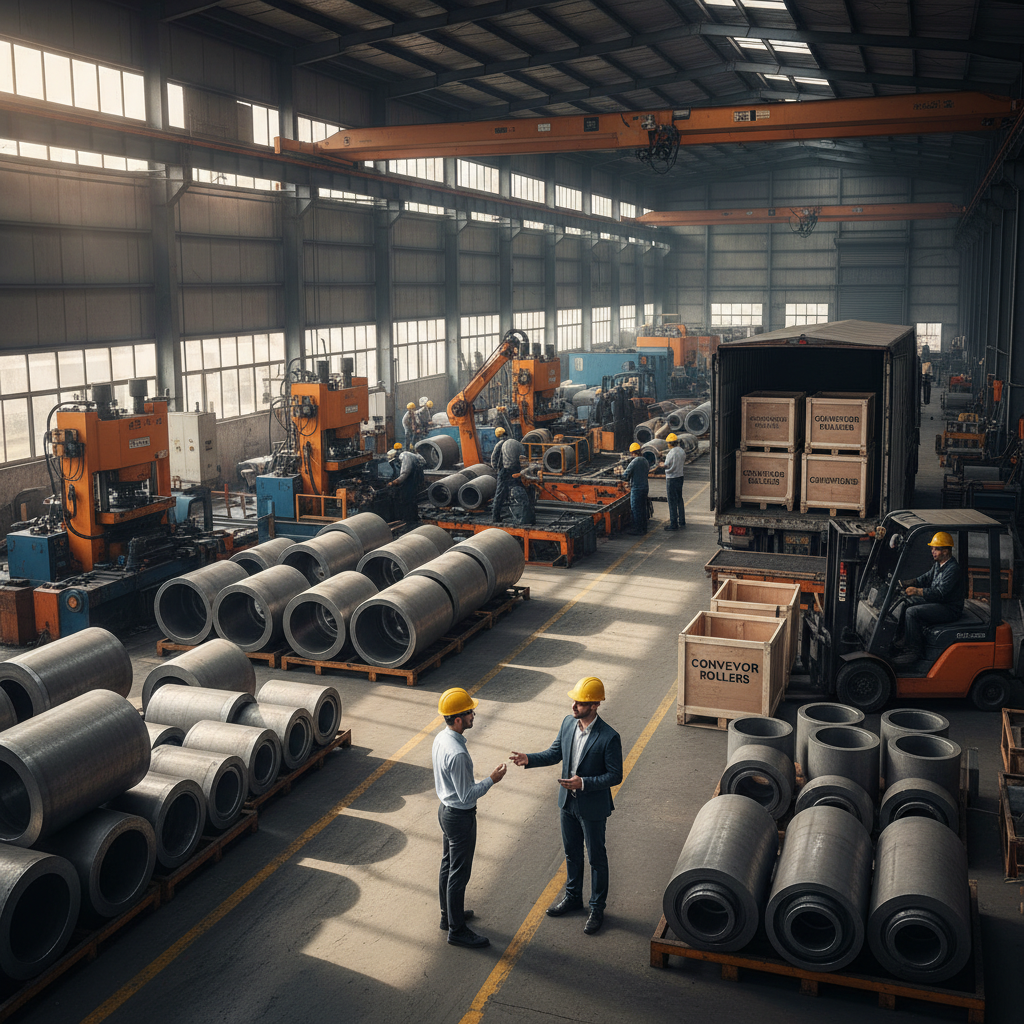
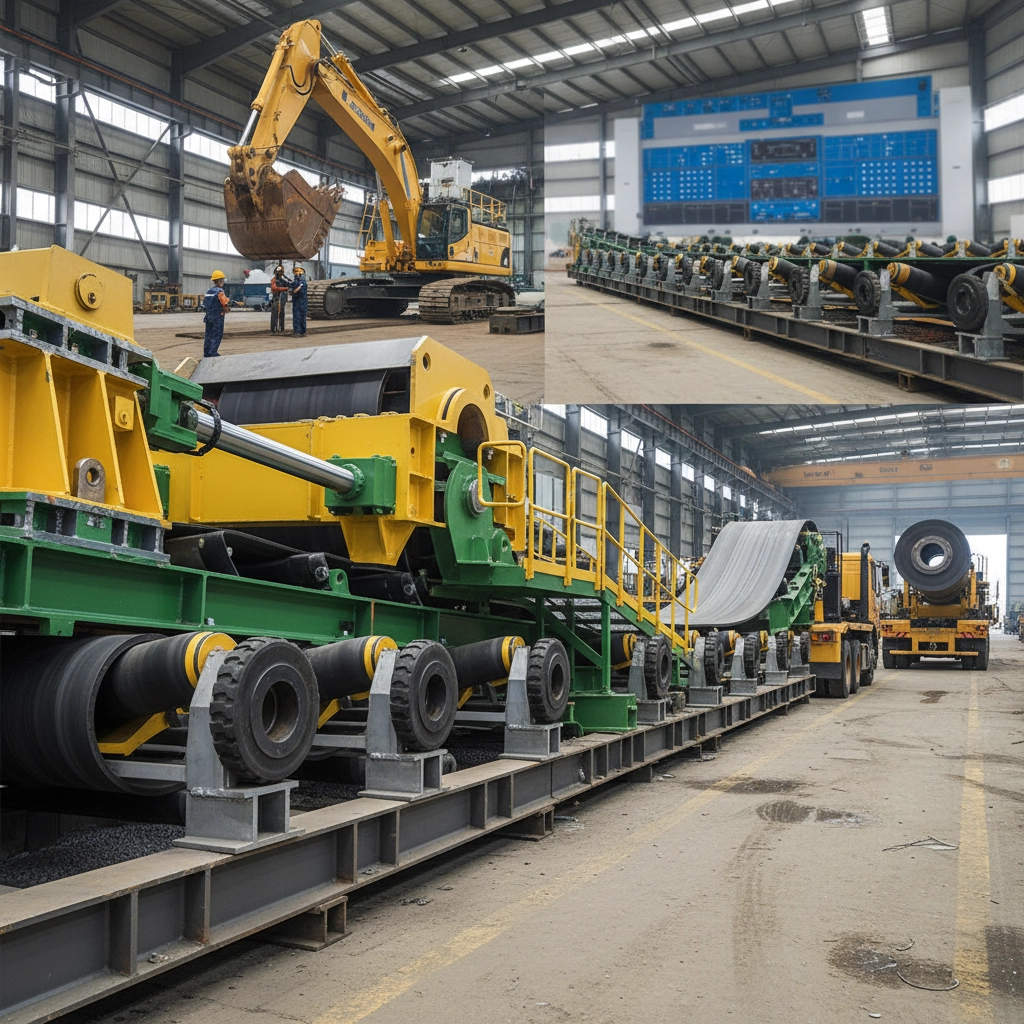
Conveyor belt rollers, often unseen but critical components of countless industrial systems, play a pivotal role in the efficient movement of materials across the globe. These seemingly simple devices are, in reality, highly engineered solutions catering to a vast array of applications, from package handling in distribution centers to bulk material transport in mining operations. Understanding the diverse types of conveyor belt rollers available, their specific functionalities, and optimal applications is essential for maximizing operational efficiency, minimizing downtime, and ensuring worker safety.
The global conveyor system market is substantial and growing, driven by increasing automation in manufacturing, e-commerce expansion, and infrastructure development in emerging economies. According to recent industry reports, the market is projected to reach billions of dollars in the coming years, highlighting the importance of understanding the technology behind these systems. Selecting the appropriate types of conveyor belt rollers is a key decision point impacting the overall performance and longevity of the entire conveyor system, and therefore, directly impacts profitability.
Furthermore, advancements in materials science and engineering are constantly introducing new and improved roller designs. These innovations aim to address challenges such as increased load capacities, reduced noise levels, improved energy efficiency, and enhanced durability in harsh operating environments. A comprehensive understanding of these advancements is vital for professionals involved in conveyor system design, maintenance, and operation.
Defining Types of Conveyor Belt Rollers
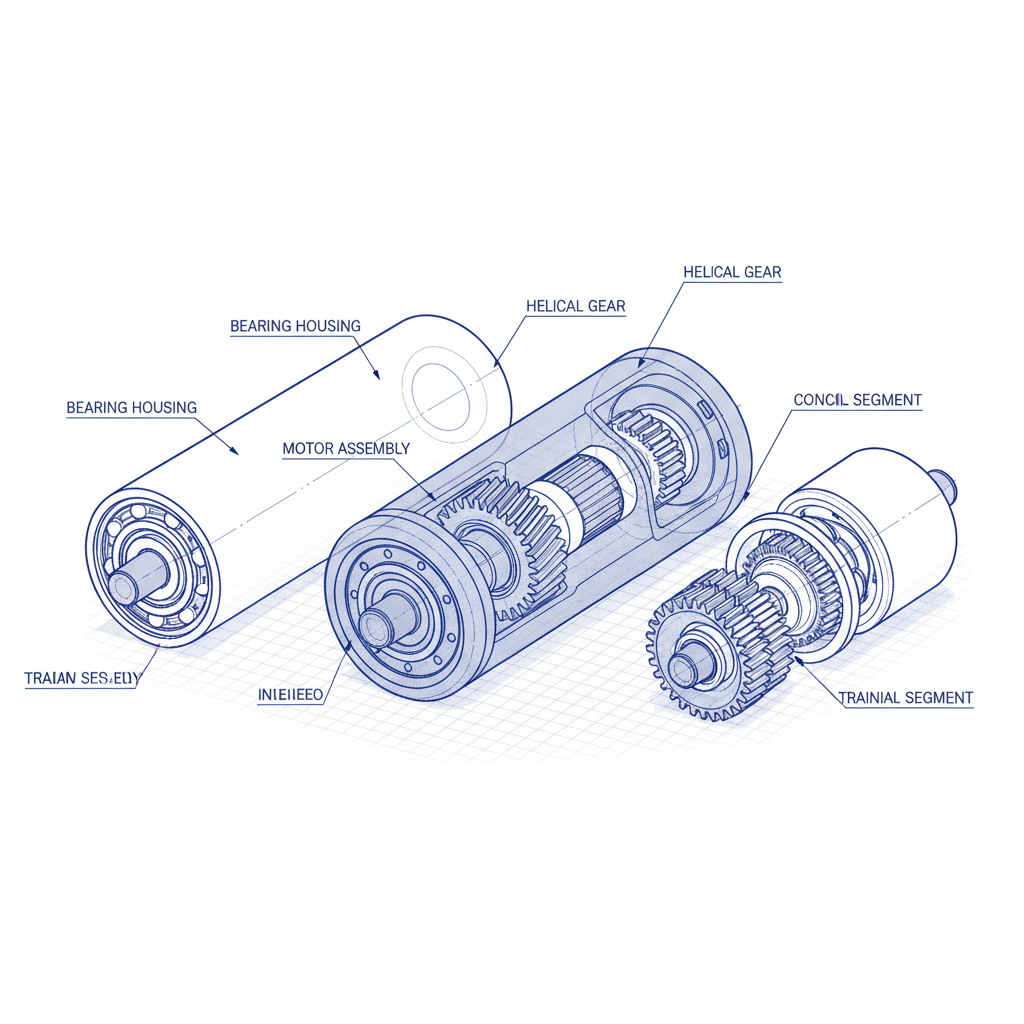
Types of conveyor belt rollers are cylindrical components strategically positioned to support the conveyor belt and facilitate the smooth movement of conveyed materials. They come in a multitude of designs, materials, and configurations, each tailored to specific load capacities, speed requirements, and environmental conditions. The selection process directly impacts the efficiency, reliability, and lifespan of the entire conveyor system.
Essentially, these rollers transform rotational energy into linear motion, enabling the continuous transport of goods. Their importance extends beyond simple material handling; they are integral to automated manufacturing processes, logistics networks, and even humanitarian aid distribution. Selecting the correct types of conveyor belt rollers reduces friction, minimizes belt wear, and contributes significantly to the overall cost-effectiveness of operations.
Global Relevance and Industry Context
The demand for efficient material handling solutions is universal, making the topic of types of conveyor belt rollers globally relevant. From large-scale mining operations in Australia to automated warehouses in the United States and the intricate logistics networks of China, conveyor systems are indispensable. The United Nations estimates that efficient supply chains, reliant on these technologies, are crucial for achieving Sustainable Development Goal 9: Industry, Innovation and Infrastructure.
The growth of e-commerce has dramatically increased the need for robust and reliable conveyor systems capable of handling a massive volume of parcels. Distribution centers worldwide are investing heavily in automation, driving the demand for advanced types of conveyor belt rollers with features like quiet operation and energy efficiency. This trend is particularly pronounced in developed economies, but emerging markets are quickly adopting these technologies to improve competitiveness.
A significant challenge lies in adapting conveyor roller technology to handle increasingly complex and diverse materials. The need for rollers capable of withstanding corrosive environments, extreme temperatures, and abrasive substances is constantly growing, requiring ongoing innovation in materials and design. Meeting these demands is crucial for ensuring the sustainability of global supply chains.
Understanding Core Roller Characteristics
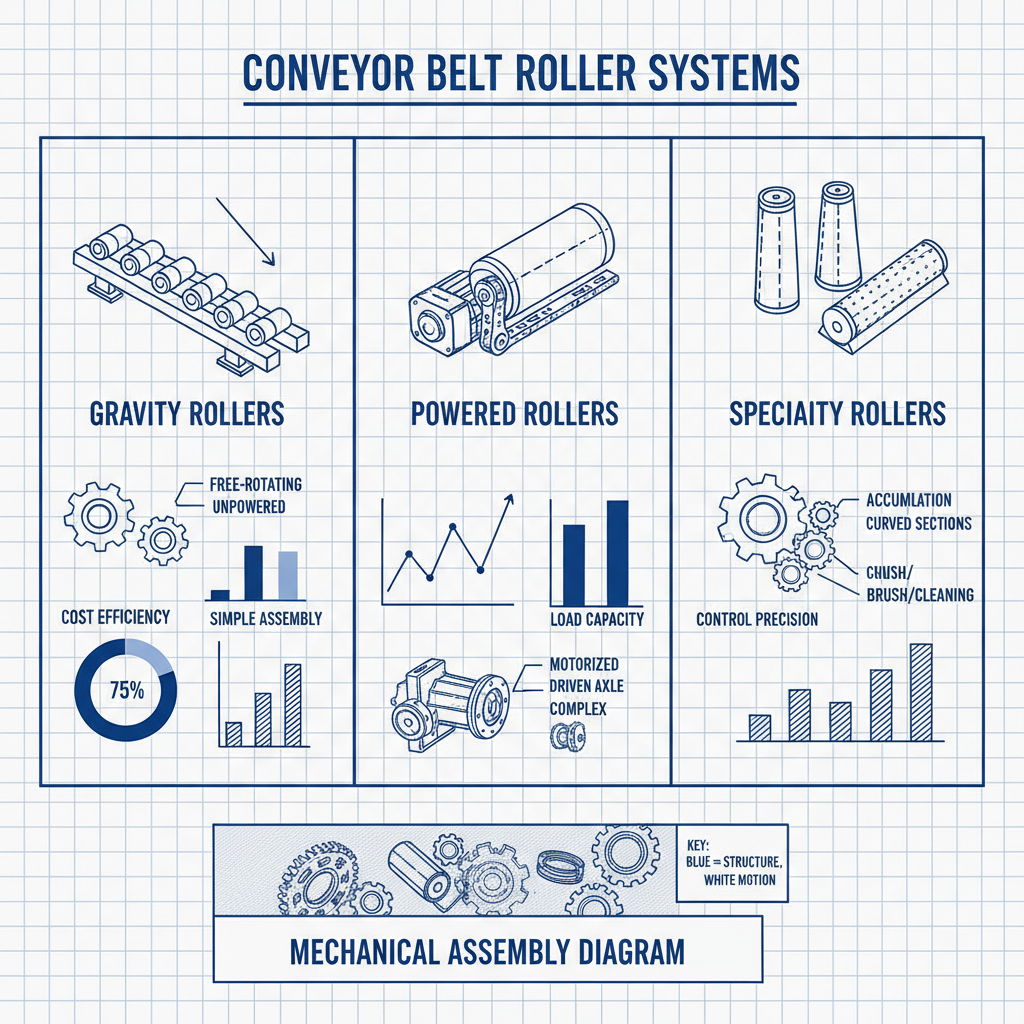
At the heart of every conveyor system lies a fundamental set of characteristics that define roller performance. These include load capacity, which dictates the maximum weight the roller can support without deformation; rotational speed, which impacts throughput and system efficiency; and friction coefficient, influencing the energy required to move the belt and conveyed materials. These parameters are not isolated but interact dynamically.
Material composition is another critical characteristic. Steel rollers offer high strength and durability, while polymers provide advantages in terms of weight reduction, corrosion resistance, and noise dampening. The choice of material depends heavily on the specific application and environmental conditions. Furthermore, the type of bearing used within the roller – including ball, roller, or sleeve bearings – significantly impacts its lifespan and maintenance requirements.
Finally, roller diameter influences belt support and flexibility. Larger diameter rollers generally provide better support for heavier loads but may reduce belt flexibility. Selecting the appropriate diameter is a trade-off that requires careful consideration of the conveyed material characteristics and conveyor system layout. Understanding these core characteristics is essential for effective roller selection.
Key Factors Influencing Roller Selection
Selecting the correct types of conveyor belt rollers involves a multifaceted evaluation of several key factors. The nature of the conveyed material is paramount. Abrasive materials necessitate rollers with wear-resistant coatings or hardened surfaces, while corrosive substances require chemically inert materials like stainless steel or specialized polymers.
Operating environment conditions also play a critical role. Extreme temperatures, exposure to dust or moisture, and the presence of flammable materials all demand specific roller designs and materials. Furthermore, the conveyor system’s speed and load requirements must be precisely considered to ensure that the selected rollers can handle the anticipated demands without premature failure.
Roller Performance Metrics Comparison
Applications Across Industries
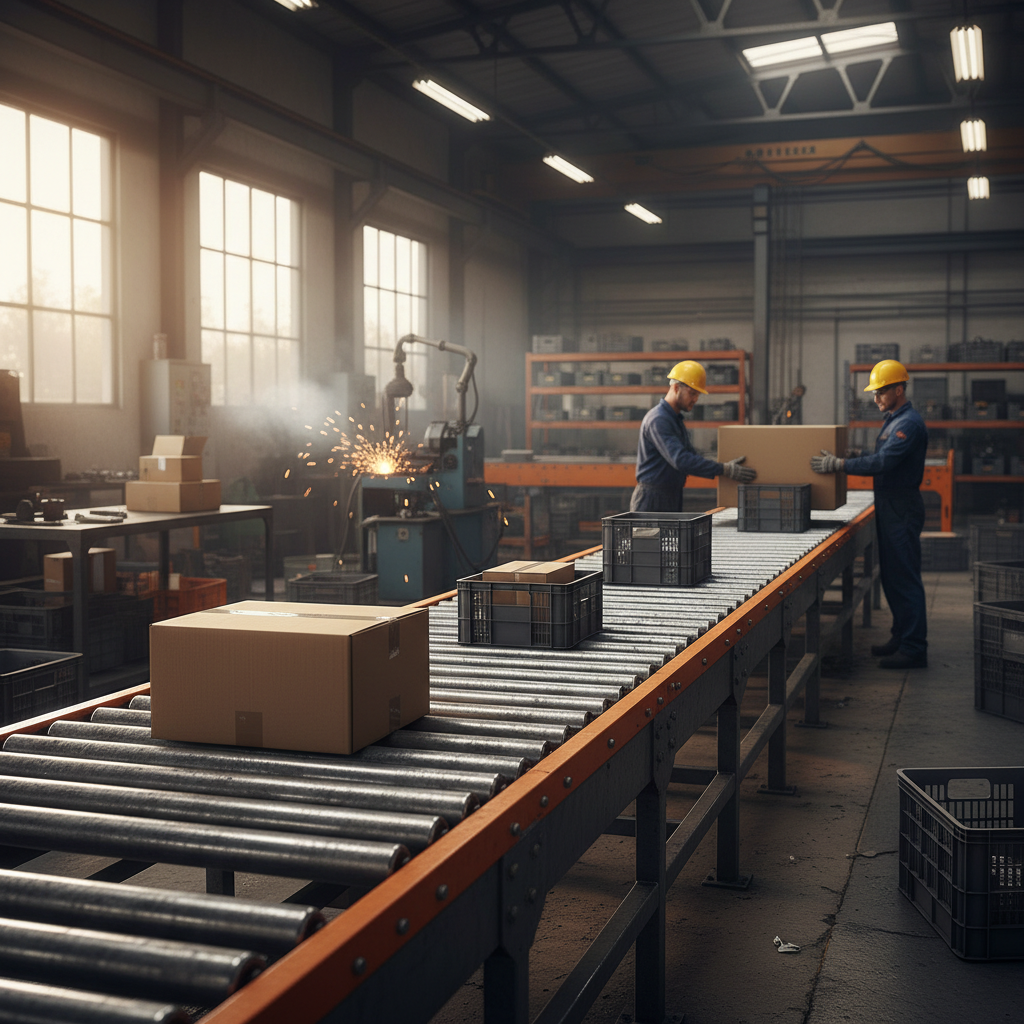
The versatility of types of conveyor belt rollers is reflected in their widespread application across diverse industries. In manufacturing, they are fundamental to assembly lines, packaging systems, and quality control processes. In logistics and warehousing, they power automated sortation systems, parcel handling conveyors, and high-throughput distribution centers.
The mining and aggregate industries rely heavily on heavy-duty rollers capable of handling enormous loads and abrasive materials. In food processing, sanitary rollers constructed from food-grade materials are essential for maintaining hygiene and preventing contamination. Even in airport baggage handling systems, specialized rollers ensure the efficient and reliable transport of luggage.
Advantages and Long-Term Value Proposition
Investing in high-quality types of conveyor belt rollers delivers a multitude of advantages. Reduced downtime due to fewer failures translates directly into increased productivity and lower maintenance costs. Improved energy efficiency, achieved through low-friction rollers, minimizes operating expenses and contributes to sustainability goals.
Furthermore, enhanced worker safety, resulting from smoother and more reliable conveyor operation, creates a more positive and productive work environment. The long-term value proposition extends beyond financial benefits; by selecting the right rollers, companies can build a reputation for reliability, innovation, and a commitment to responsible business practices.
Future Trends and Emerging Technologies
The future of types of conveyor belt rollers is marked by several key trends. Smart rollers equipped with sensors and data analytics capabilities are gaining traction, enabling predictive maintenance and optimized system performance. The use of lightweight materials, such as carbon fiber composites, is reducing roller weight and improving energy efficiency.
Sustainable manufacturing practices are driving the demand for rollers made from recycled materials or designed for easy disassembly and recyclability. Moreover, advancements in bearing technology, including magnetic bearings and self-lubricating bearings, are extending roller lifespan and reducing maintenance requirements. Digital twin technology, simulating conveyor systems, assists in optimized roller selection for specific applications.
The integration of artificial intelligence (AI) and machine learning (ML) is also enabling the development of adaptive roller systems that can automatically adjust to changing load conditions and optimize performance in real-time. These innovations are poised to revolutionize the material handling industry and further enhance the efficiency and reliability of conveyor systems.
FAQS
The lifespan of a standard steel conveyor roller varies greatly depending on factors such as load, speed, environmental conditions, and maintenance practices. However, a well-maintained steel roller typically lasts between 5 to 10 years. Regular lubrication and inspection for wear and damage are crucial for maximizing its lifespan. Selecting rollers with appropriate coatings can also extend durability.
Sealed bearings offer greater protection against contaminants like dust and moisture, requiring less frequent maintenance and extending their lifespan in harsh environments. Open bearings, while requiring more regular lubrication, are often more cost-effective and allow for easier inspection and replacement. The choice depends on the operating environment and maintenance capabilities.
Yes, specialized rollers designed for high-temperature environments are available. These rollers utilize materials like stainless steel or high-temperature polymers, and incorporate heat-resistant lubricants and bearings. They are commonly used in industries like steelmaking, foundries, and food processing where exposure to elevated temperatures is common.
Roller diameter significantly impacts belt support and flexibility. Larger diameters provide better support for heavier loads but can reduce belt flexibility, potentially causing issues with tight turns. Smaller diameters offer greater flexibility but may require more rollers to maintain adequate belt support. The optimal diameter depends on the conveyor system’s load capacity and layout.
Several factors contribute to conveyor roller noise. Using sealed bearings, selecting rollers with low-noise materials (like polymers), and ensuring proper alignment are effective measures. Applying lubrication regularly also reduces friction and noise. In some cases, sound dampening enclosures can be used to further minimize noise levels.
Polyurethane rollers offer several advantages, including excellent abrasion resistance, high load capacity, and quiet operation. They are also resistant to many chemicals and oils, making them suitable for diverse applications. Polyurethane rollers are generally lighter than steel rollers, reducing overall system weight and energy consumption. They are often chosen for their durability and longevity.
Conclusion
In conclusion, understanding the nuances of types of conveyor belt rollers is paramount for optimizing material handling processes across a wide spectrum of industries. From the fundamental characteristics of load capacity and material composition to the emerging trends of smart rollers and sustainable manufacturing, a comprehensive knowledge base is crucial for maximizing efficiency, minimizing downtime, and ensuring operational safety. The careful selection and maintenance of these often-overlooked components directly impact the profitability and long-term sustainability of businesses worldwide.
Looking ahead, continued innovation in materials science, sensor technology, and data analytics will further refine the capabilities of conveyor belt rollers. Embracing these advancements and prioritizing preventative maintenance will empower businesses to build more resilient, efficient, and environmentally responsible material handling systems. Visit our website at www.hgconveyorbelt.com to explore our comprehensive range of roller solutions and learn how we can help you optimize your operations.