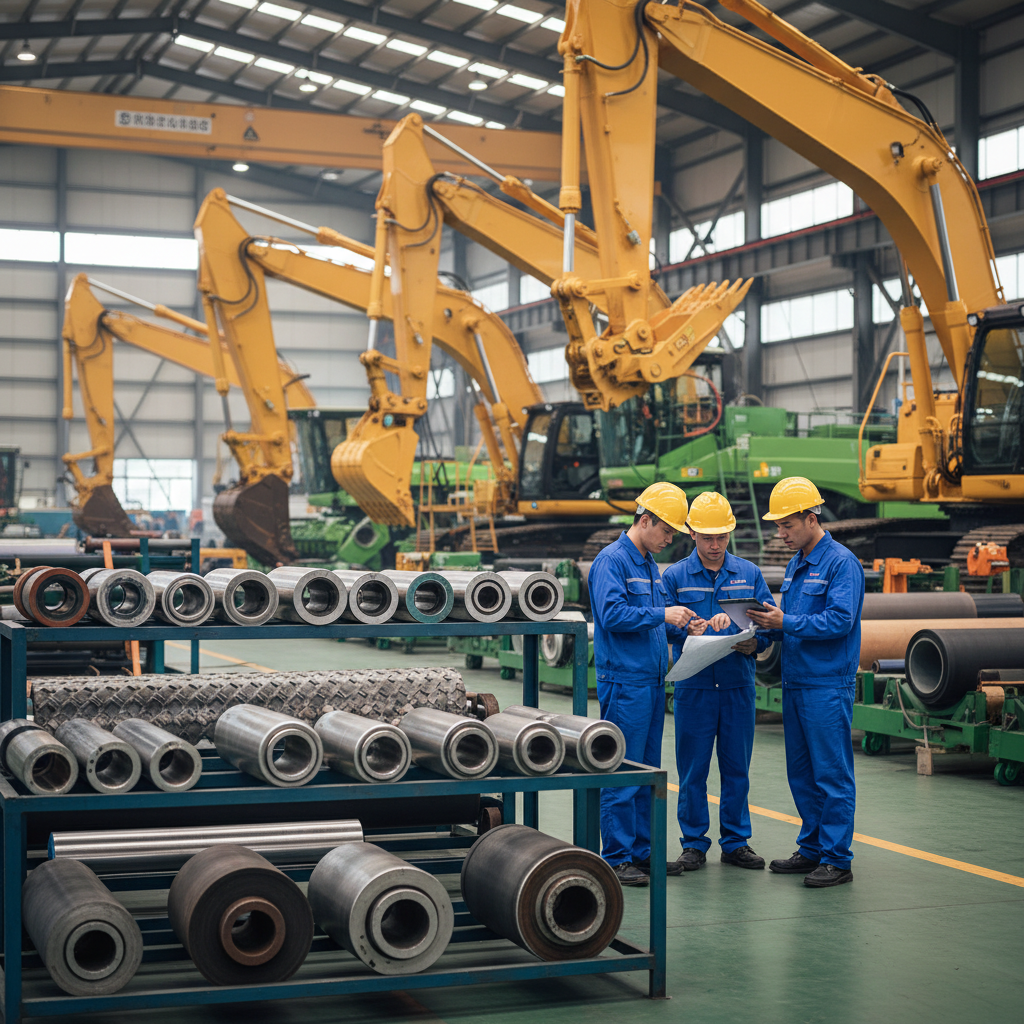
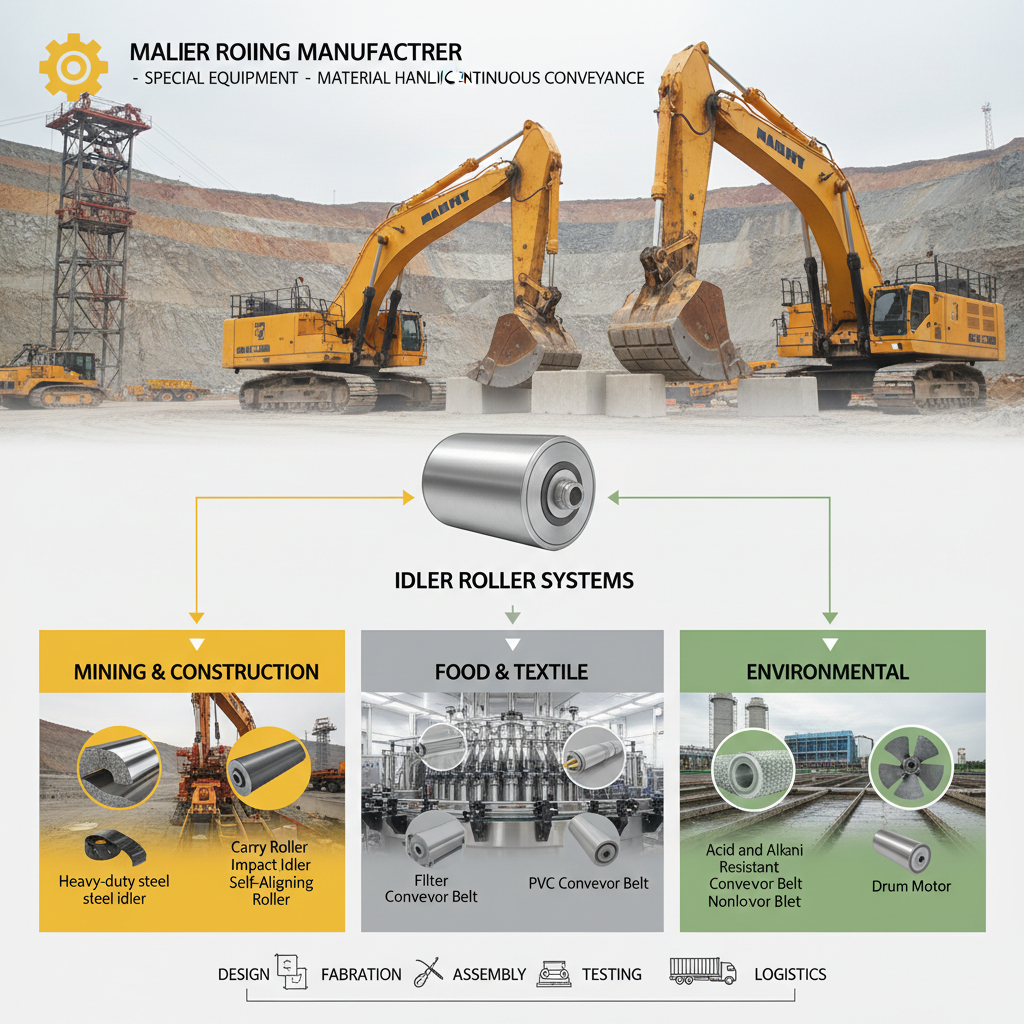
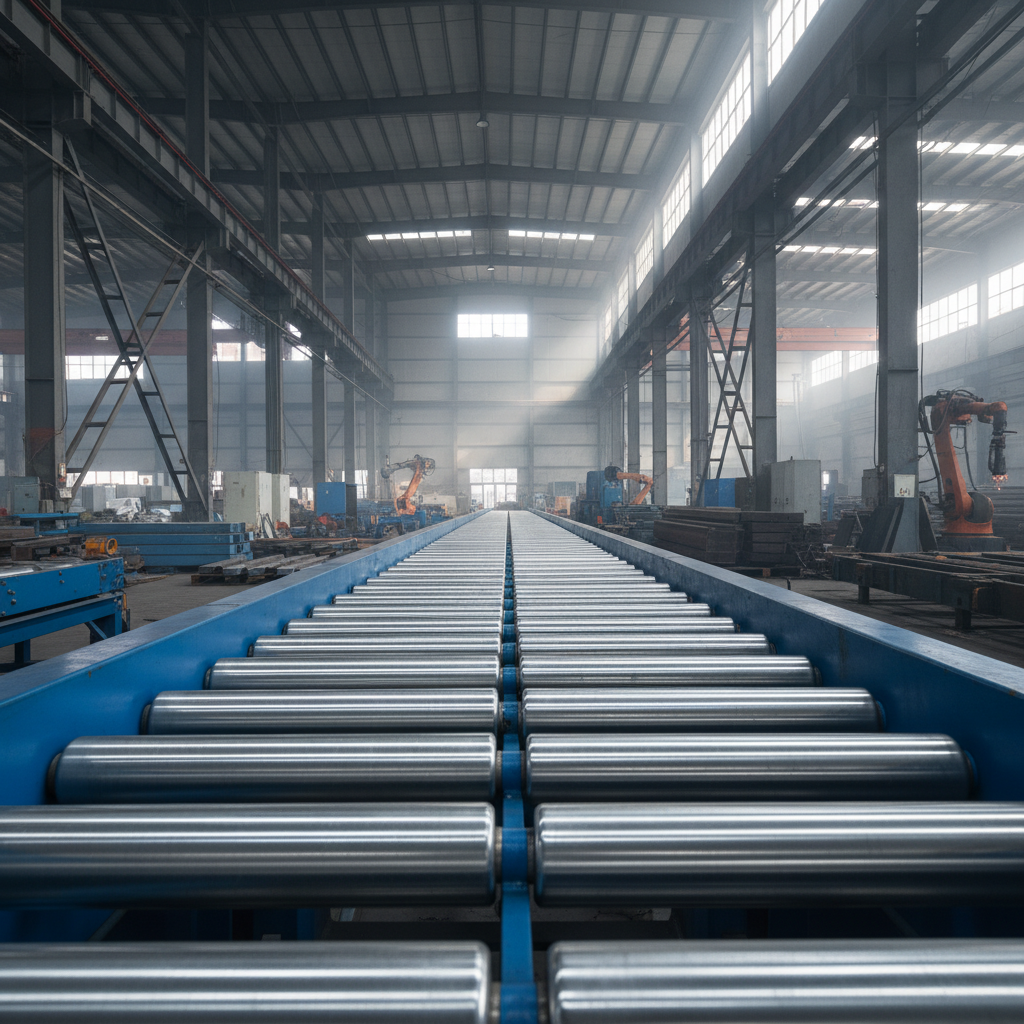
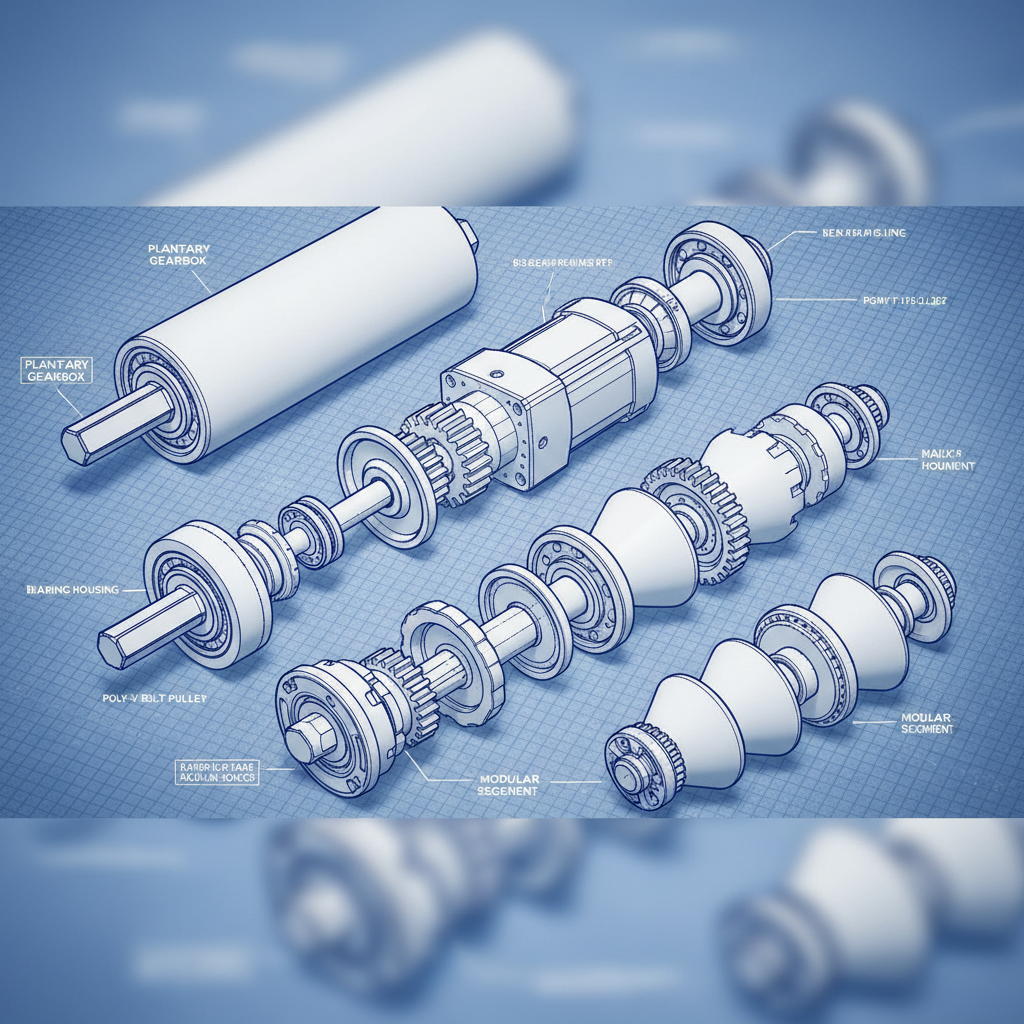
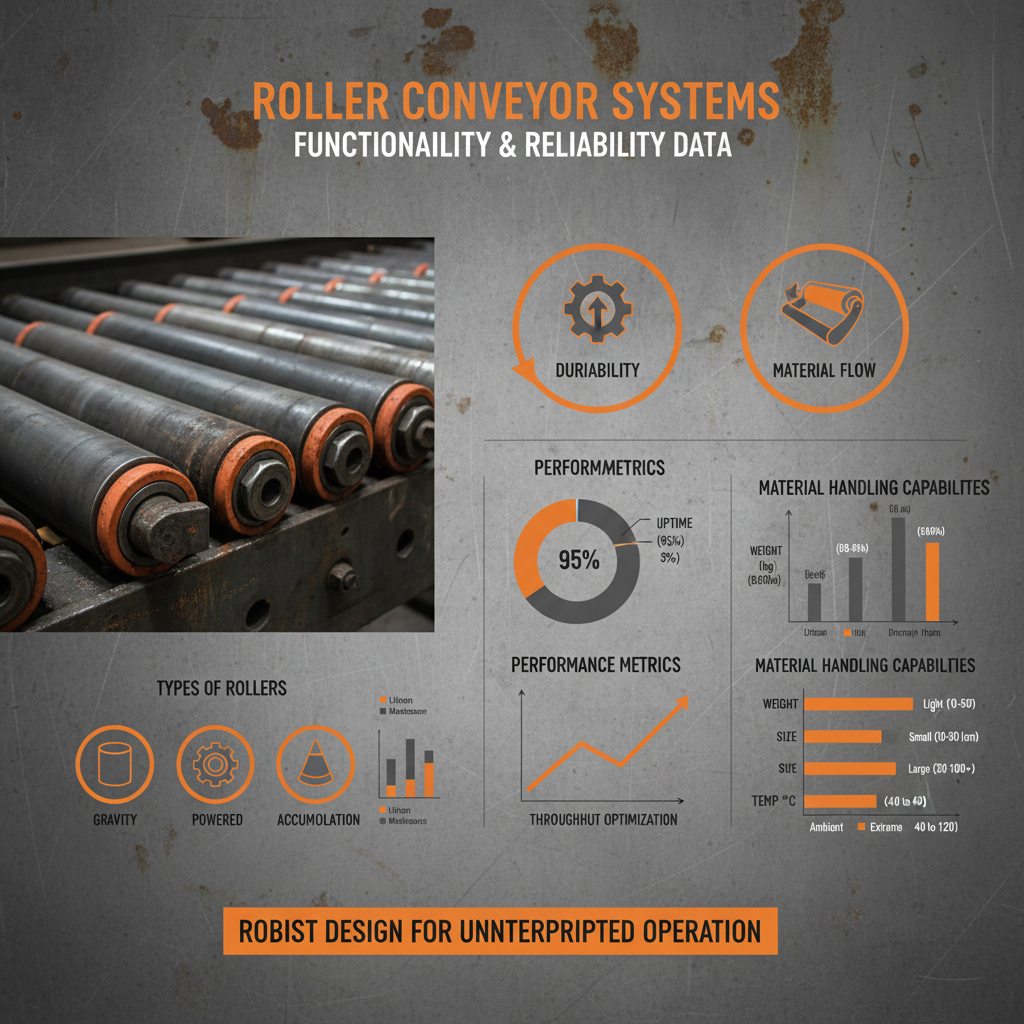
In the complex ecosystem of industrial material handling, the role of a professional idler roller manufacturer is fundamental to ensuring operational continuity and system efficiency. Idler rollers are not merely passive support components; they are the engineered backbone that maintains conveyor belt tension, prevents sagging, and reduces friction across kilometers of transport lines. Without precision-engineered rollers, the energy consumption of bulk material handling would skyrocket, and the lifespan of expensive conveyor belts would be drastically shortened.
Globally, the demand for high-performance conveying solutions has surged as mining, quarrying, and logistics sectors push for higher throughput and lower maintenance costs. Selecting a reliable idler roller manufacturer means investing in specialized materials—such as high-density polymers or reinforced stainless steel—that can withstand the abrasive and corrosive environments typical of heavy industry. This strategic choice directly impacts the Total Cost of Ownership (TCO) by reducing unplanned downtime and extending the intervals between component replacements.
Understanding the technical nuances of idler design, from bearing sealing to shell thickness, allows plant managers to optimize their material flow and enhance workplace safety. Whether it is through the implementation of self-aligning rollers to prevent belt drift or the use of impact idlers to absorb shock at loading points, the expertise provided by a leading idler roller manufacturer transforms a basic mechanical assembly into a high-efficiency industrial asset.
Global Significance of Idler Roller Manufacturing
The global industrial landscape relies heavily on the seamless movement of bulk materials, from iron ore in Australia to grains in the Americas. An experienced idler roller manufacturer serves as a critical link in this supply chain, providing the components that ensure these massive systems operate without catastrophic failure. According to ISO standards for conveyor components, the precision of the roller diameter and the quality of the bearing housing are paramount to preventing energy loss and excessive heat buildup during continuous operation.
The primary challenge facing modern heavy industry is the balance between increasing tonnage and reducing carbon footprints. Inefficient rollers create "drag," which forces motors to work harder and consume more electricity. By innovating in low-friction coatings and lightweight composites, a forward-thinking idler roller manufacturer helps global industries meet sustainability goals while maintaining the rugged durability required for 24/7 mining and manufacturing operations.
Defining the Role of a Specialized Idler Roller Manufacturer
In simple terms, an idler roller manufacturer is a specialized engineering firm that designs and produces the supporting rollers used in conveyor belt systems. Unlike standard rollers, industrial idlers must be tailored to specific load capacities, environmental conditions (such as extreme heat or acid exposure), and belt speeds. Their primary purpose is to support the belt and the load it carries, ensuring that the belt remains properly aligned and does not sag excessively between support points.
Beyond mere fabrication, these manufacturers integrate advanced materials science to solve real-world industrial pain points. For instance, in environments where moisture and dust are prevalent, they develop labyrinth seal bearings to prevent contaminants from entering the roller core. This level of specialization is what separates a generic parts supplier from a true technical partner capable of optimizing a site's entire conveying architecture.
The connection to modern humanitarian and infrastructure needs is evident in the construction of large-scale ports and transport hubs. Efficient bulk handling, powered by high-quality idlers, accelerates the distribution of food and raw materials to developing regions, reducing bottlenecks in the global logistics network and lowering the cost of essential commodities.
Core Engineering Factors in Idler Production
Durability is the foremost metric for any idler roller manufacturer. The shell's resistance to abrasion determines how long the roller can operate before the surface wears down, which would otherwise increase friction and damage the conveyor belt. High-grade steel or reinforced polymer shells are utilized depending on whether the application involves heavy impact or corrosive chemicals.
Scalability and versatility are also critical. A professional idler roller manufacturer must provide a range of configurations, including troughing idlers for centering material, return idlers for the empty belt, and impact idlers for loading zones. This variety allows engineers to customize the conveyor line to handle different materials—from fine powders to jagged ore—without compromising system stability.
Finally, cost efficiency is achieved not through low initial prices, but through the reduction of operational expenditure. By optimizing the bearing-to-shell fit and using precision-machined shafts, an idler roller manufacturer ensures that the rollers spin freely with minimal resistance, thereby lowering the electricity costs of the drive motors and reducing the frequency of manual inspections.
Comparative Performance Analysis of Roller Materials
When selecting the right components, it is essential to compare how different materials perform under stress. A leading idler roller manufacturer typically offers a spectrum of options ranging from traditional carbon steel to advanced HDPE (High-Density Polyethylene) and ceramic-coated shells. While steel offers unmatched strength for the heaviest loads, polymers provide superior corrosion resistance and a significant reduction in overall system weight.
The choice of material directly affects the "rolling resistance," which is a key factor in the energy efficiency of the entire conveyor system. In high-humidity or chemical-heavy environments, the use of stainless steel or specialized polymers prevents oxidation and premature seizing, ensuring that the plant avoids the costly "belt snap" incidents associated with frozen rollers.
Material Efficiency Ratings by Idler Roller Manufacturer Standards
Global Applications and Sector-Specific Use Cases
The application of rollers varies wildly across different geographies and industries. In the vast mining regions of the Pilbara in Australia or the Andes in South America, an idler roller manufacturer provides heavy-duty, impact-resistant rollers that can handle the immense shock of falling ore. These systems often span several kilometers, where the reliability of each individual roller is critical to preventing a total system shutdown.
Conversely, in food processing plants or pharmaceutical facilities in Europe and North America, the focus shifts toward hygiene and corrosion resistance. Here, the manufacturer provides stainless steel or polymer rollers that can withstand frequent wash-downs with caustic cleaning agents without rusting or contaminating the product. This versatility ensures that whether the goal is moving 5,000 tons of coal per hour or sterile medical packaging, the conveying solution is optimized for the environment.
Long-Term Value and Operational Advantages
The long-term value of partnering with a premium idler roller manufacturer extends far beyond the purchase price. The primary advantage is the drastic reduction in maintenance labor. High-quality rollers with precision sealing require far less lubrication and are less prone to "seizing," which means maintenance teams spend less time in hazardous areas replacing worn parts and more time on proactive system optimization.
From a safety perspective, the reliability of rollers prevents belt mistracking. A mistracked belt can rub against the conveyor structure, creating friction heat that, in coal mines or grain silos, can lead to catastrophic fires. By providing precise self-aligning idlers, the manufacturer integrates a layer of passive safety into the system, protecting both the workforce and the capital investment.
Sustainability is the final logical angle. By reducing rolling resistance, high-efficiency idlers lower the carbon footprint of the entire operation. When scaled across a massive industrial site, the energy savings can be substantial, aligning the company's operational goals with global environmental mandates and corporate social responsibility (CSR) targets.
Future Trends in Intelligent Conveyor Components
The industry is currently moving toward "Industry 4.0" integration. A modern idler roller manufacturer is now exploring the integration of smart sensors within the roller assembly. These sensors can monitor temperature, vibration, and rotation speed in real-time, sending data to a central control room. This transition from "reactive maintenance" (fixing it when it breaks) to "predictive maintenance" (fixing it before it breaks) is a game-changer for operational uptime.
Material science is also evolving with the introduction of nano-coatings that provide almost zero friction and extreme hydrophobic properties. These coatings prevent material buildup (carry-back) on the rollers, which is a common cause of belt misalignment and premature wear. The goal is to create a "maintenance-free" roller that can last for decades regardless of the environmental harshness.
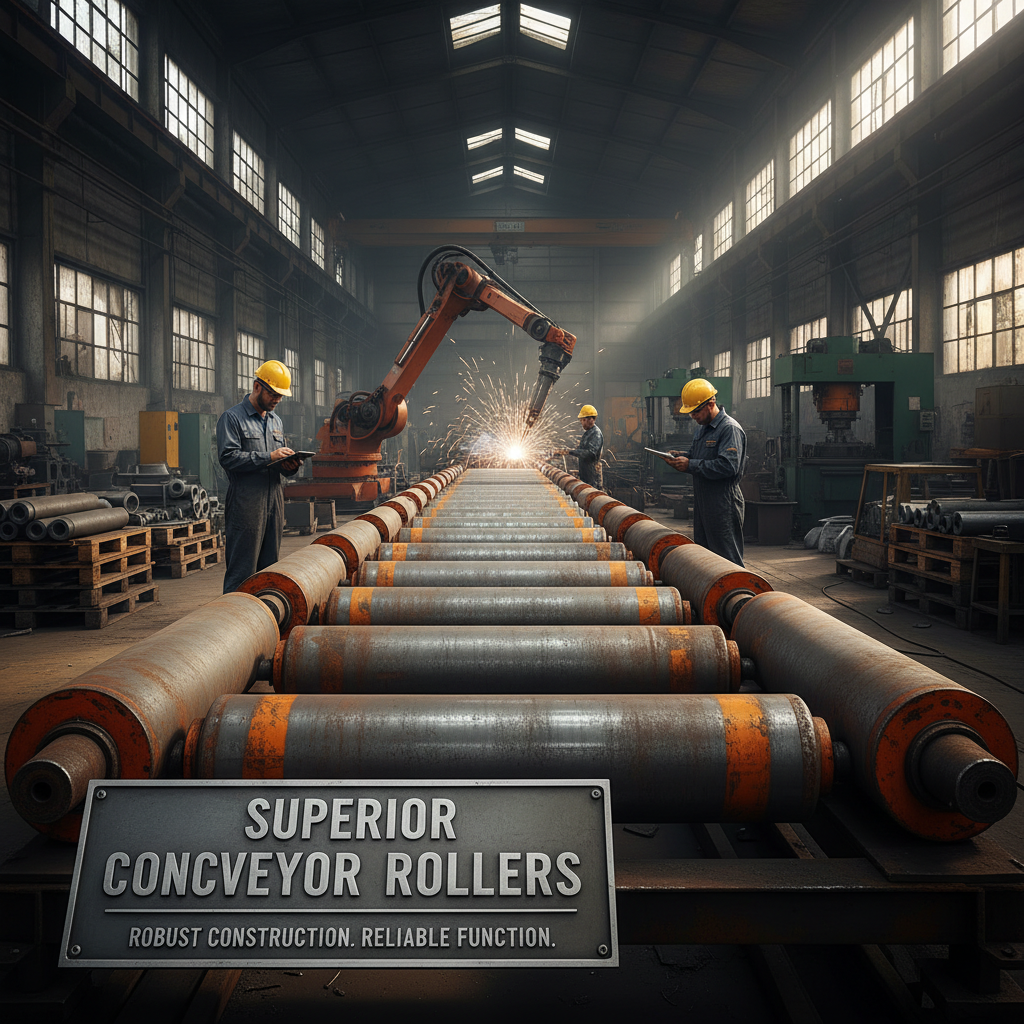
Automation in the manufacturing process itself is also improving quality. Using robotic welding and laser-precision machining, the idler roller manufacturer can now guarantee tighter tolerances than ever before. This ensures that every roller in a 10,000-unit order is identical, eliminating the minor variances that often lead to uneven belt wear and energy inefficiency.
Comparative Analysis of Traditional vs. Smart Idler Roller Technologies
| Technology Type |
Maintenance Approach |
Energy Efficiency |
Expected Lifespan |
| Standard Steel Roller |
Reactive / Scheduled |
Moderate |
3-5 Years |
| Polymer/Composite |
Reduced Frequency |
High |
5-8 Years |
| Ceramic Coated |
Low Maintenance |
Moderate |
8-12 Years |
| Sensor-Integrated (Smart) |
Predictive (Real-time) |
Very High |
6-10 Years |
| Stainless Steel (Acid) |
Environment-Specific |
Moderate |
7-15 Years |
| Hybrid Low-Friction |
Minimal |
Extreme |
10+ Years |
FAQS
When dealing with acids or alkalis, you should look for a manufacturer that specializes in stainless steel or high-grade polymer rollers. Ensure they provide specific certifications for corrosion resistance and offer labyrinth seals to prevent chemicals from reaching the internal bearings, which is the most common point of failure in corrosive settings.
Carrying idlers are designed to support the belt and load during transport, focusing on low friction and alignment. Impact idlers, produced by the idler roller manufacturer for loading zones, feature rubber rings or specialized cushioning to absorb the shock of falling materials, preventing the belt from tearing or the roller shell from denting.
Yes. Polymer rollers are significantly lighter than steel, reducing the inertia required to start the conveyor. Additionally, high-quality polymers have a lower coefficient of friction against the belt, which reduces the torque required from the motor, leading to measurable decreases in kilowatt-hour consumption over time.
While it varies, most high-tonnage operations schedule inspections every 3-6 months. However, if you use a manufacturer's premium ceramic or reinforced rollers, replacement cycles can be extended. The key is monitoring for "frozen" rollers, as one seized roller can cause thousands of dollars in belt damage.
The most common causes are bearing contamination (dust/water entering the housing), overloading beyond the manufacturer's specifications, and material buildup (carry-back) which causes the roller to become eccentric and vibrate, eventually destroying the bearing.
Most professional idler roller manufacturers offer bespoke engineering services. By providing the belt width, load requirements, and environmental constraints, they can design a custom roller with specific shell thickness and bearing types to fit your unique equipment requirements.
Conclusion
Selecting the right idler roller manufacturer is not a simple procurement task, but a strategic decision that affects the efficiency, safety, and profitability of an industrial operation. From the fundamental choice of materials—steel, polymer, or ceramic—to the integration of smart monitoring technologies, the quality of these components determines the reliability of the entire material handling system. By prioritizing durability, precision engineering, and energy efficiency, companies can significantly reduce their operational downtime and lower their long-term maintenance costs.
Looking forward, the shift toward predictive maintenance and sustainable materials will continue to redefine the standards of conveyor technology. We encourage plant managers and engineers to move beyond the "lowest bid" mentality and instead seek partners who offer technical consultation and lifecycle support. Investing in high-performance idlers today is the most effective way to ensure a resilient and future-proof supply chain. Visit our website: www.hgconveyorbelt.com